
Seeking to harness sub-national potential for low-emission #development. Linking it to national #climate targets in #Kenya #Philippines #SouthAfrica & #Vietnam
Joined September 2015
- Tweets 860
- Following 247
- Followers 527
- Likes 456
163 Photos and videos


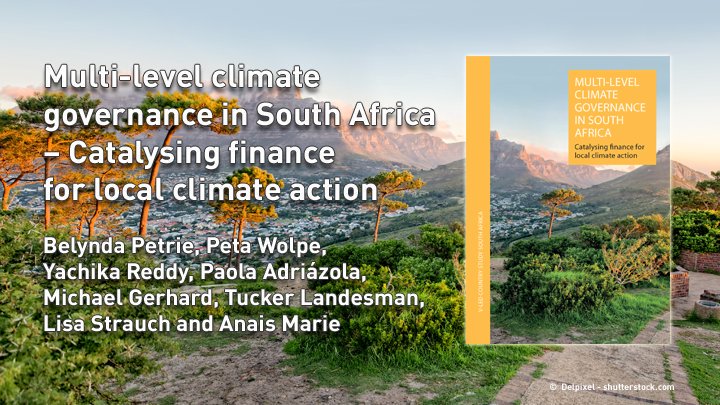
Local climate action retweeted

27 May 2021
How can cities worldwide take #integrated action for #ClimatePolicies that last? Paola Adriázola from @VLEDproject on the power of effective collaboration and proven #GovernanceStrategies!
@adelphi_berlin
urbanet.info/what-is-next-fo…
1
1
Local climate action retweeted

1 Jun 2021
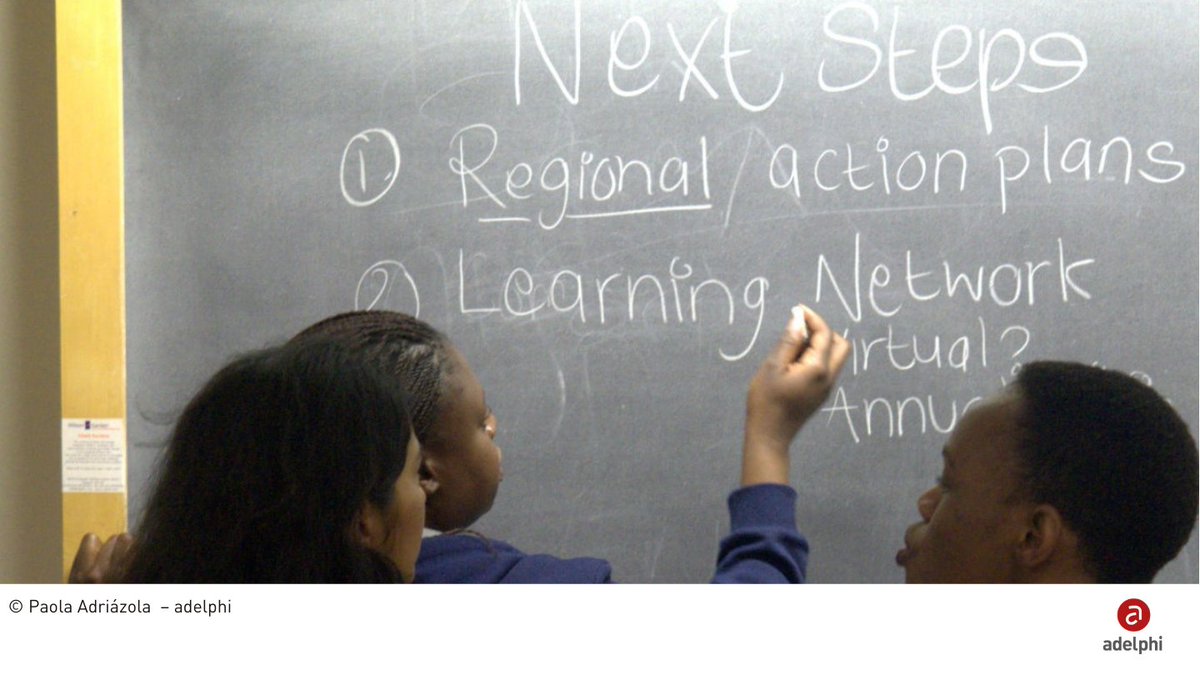
Local governments are crucial to addressing climate change. Top 3 ways to succeed:
1⃣ build strong coalitions for local #climateplanning
2⃣ finance community-led climate change priorities
3⃣ involve #privatesector as ally in local vision
More 👉 adelph.it/VLEDStudiesAndAudi…
#VLED
4
4

27 May 2021
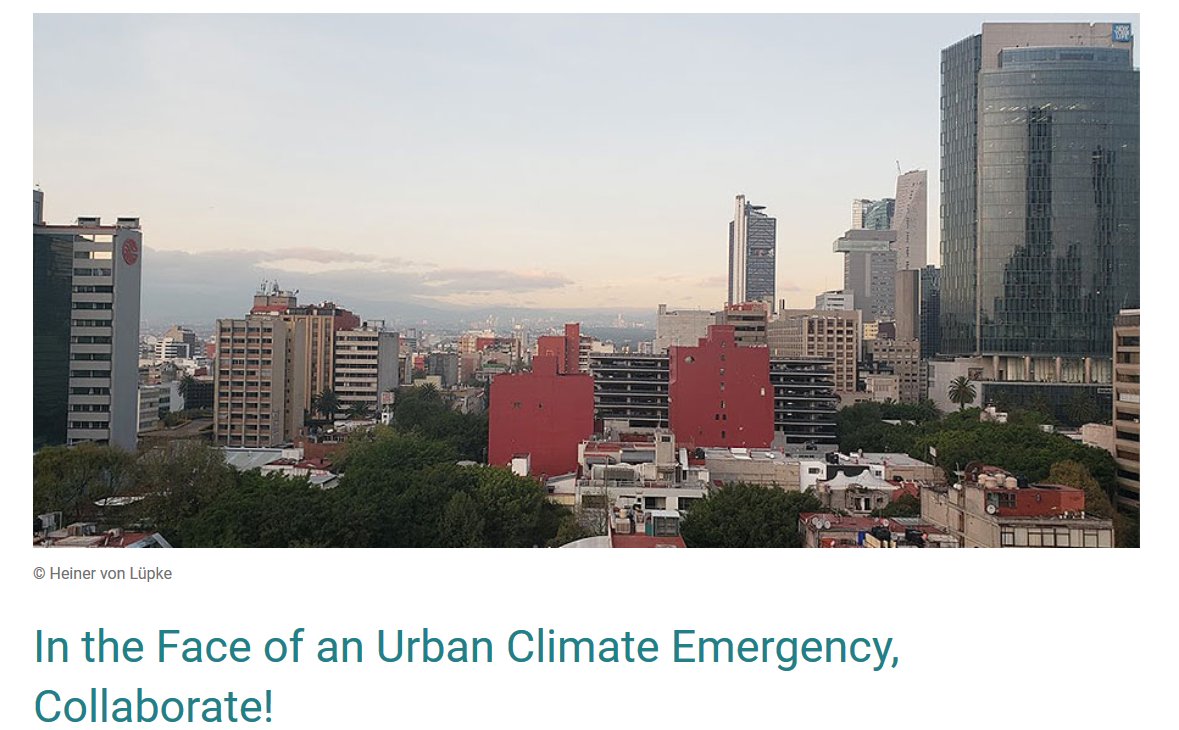
#Regions and #Cities have proven strategies for advancing climate collaborations.
Learn about real practical examples and practical knowledge from Kenya, Colombia, Philippines and South Africa in our new blog! @URBANET_info
urbanet.info/what-is-next-fo…
1
1
Local climate action retweeted
31 Mar 2021
European stories about climate change and climate protection in a comic book: For youngsters and adults alike, follow Sofia and Gabriel as they learn about pig manure as an energy source & the collective creation of a new world👉 adelph.it/ClimateChangeComic
#ClimateChangeChallenge

4
7
Local climate action retweeted
14 Dec 2020
How does Colombia integrate governance levels for #ClimatePolicy with an impact? To find out, read the Real Practice Study by @VLEDproject and @FondoAccion at adelph.it/VLEDcol!
5
5
Local climate action retweeted
17 Dec 2020
#Climateaction in practice: The Colombian Regional Nodes have crucial functions for #ClimatePolicy collaboration between governance levels but still need an enabling framework. Read the Real Practice Study by @VLEDproject and @FondoAccion at adelph.it/VLEDcol!
3
3
Local climate action retweeted

14 Dec 2020
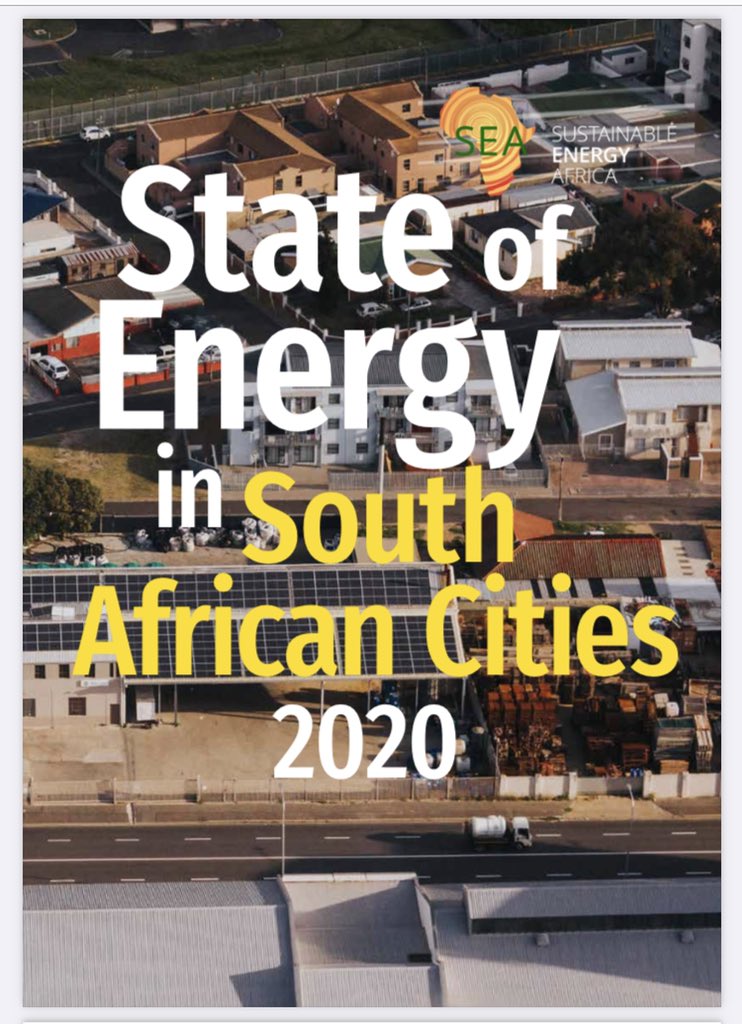
We're still psyched about the State of Energy in South African Cities 2020 report launch that went without a hiss with much deliberations and ideas exchanged & knowledge shared!
Read the Full Report here:
cityenergy.org.za/uploads/re…
9
12
Local climate action retweeted

2 Dec 2020
South Africa’s cities are making “good progress” in the low carbon transition, says new @SEA_UrbanEnergy report. Cities account for 40% of SA’s total energy consumption. Energy governance, the report says, is in crisis with vested interests capturing the policy space
1 Dec 2020

Twenty years ago, the role of South Africa’s cities in the sustainable energy transition and the scale of their energy consumption was unknown. Today, they’re at the forefront of changing the country’s energy demands and carbon emissions profiles. bit.ly/2VtceUR
3
4
Local climate action retweeted
1 Dec 2020
20yrs ago, the role of SA’s cities in the sustainable energy transition and the SCALE of their energy consumption was unknown. Today, they’re the centre of changing the country’s energy demands
mg.co.za/environment/2020-11…
#soeincities2020 #democratizationofenergy #SEA20yranniversary
7
8
Local climate action retweeted
26 Nov 2020
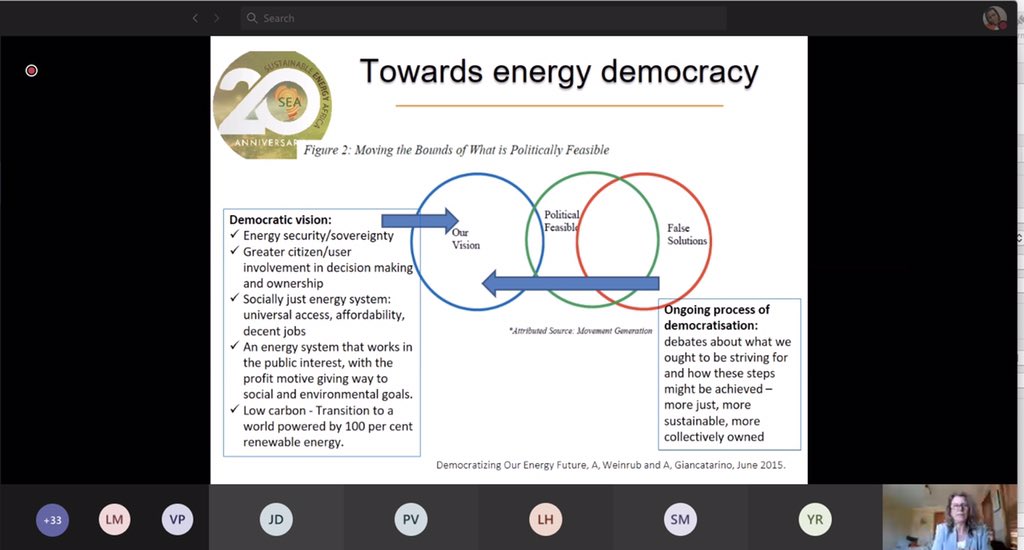
We move into the Dialogue on #DemocratisationofEnergy This afternoon and again, #MeganEustonBrown as the Moderator, is introducing the theme highlighting how it links with the #StateofEnergyInCitiesReport2020
What does Energy-Democracy mean for you in 2020 and the next 20 yrs?
3
4
Local climate action retweeted
26 Nov 2020
“Cities are energy intensive nodes - the dominating in fuel consumption including liquid fuels and electricity from a user perspective, the transport sector emerges as the largest energy user in city” - Yachika Reddy
#soeincities2020 #democratizationofenergy #SEA20yranniversary
26 Nov 2020

#YachikaReddy- on Report key findings:
“The 20 cities featured account for 38% of the national energy consumption,50% of the national electricity consumption,54% liquid fuels,close 1/3 of national carbon emmissions and produce approximately 70% of the country’s economic wealth”
2
3
Local climate action retweeted
26 Nov 2020
Sifts in energy governance have been seen as many cities developed energy and climate action plans, the challenge still remains in actioning plans - shifting also from top-down planning to a flat approach that includes everyone/every stakeholder- YachikaReddy
#soeincities2020
3
3
Local climate action retweeted
26 Nov 2020
Mobility has become a central focus on energy demand in cities, as the fastest growing source of emmissions with road transport accounting for 90% within the sector, EVs may be a means to mitigate the current spiking consumption pattern within the transport sector
2
6
Local climate action retweeted
26 Nov 2020
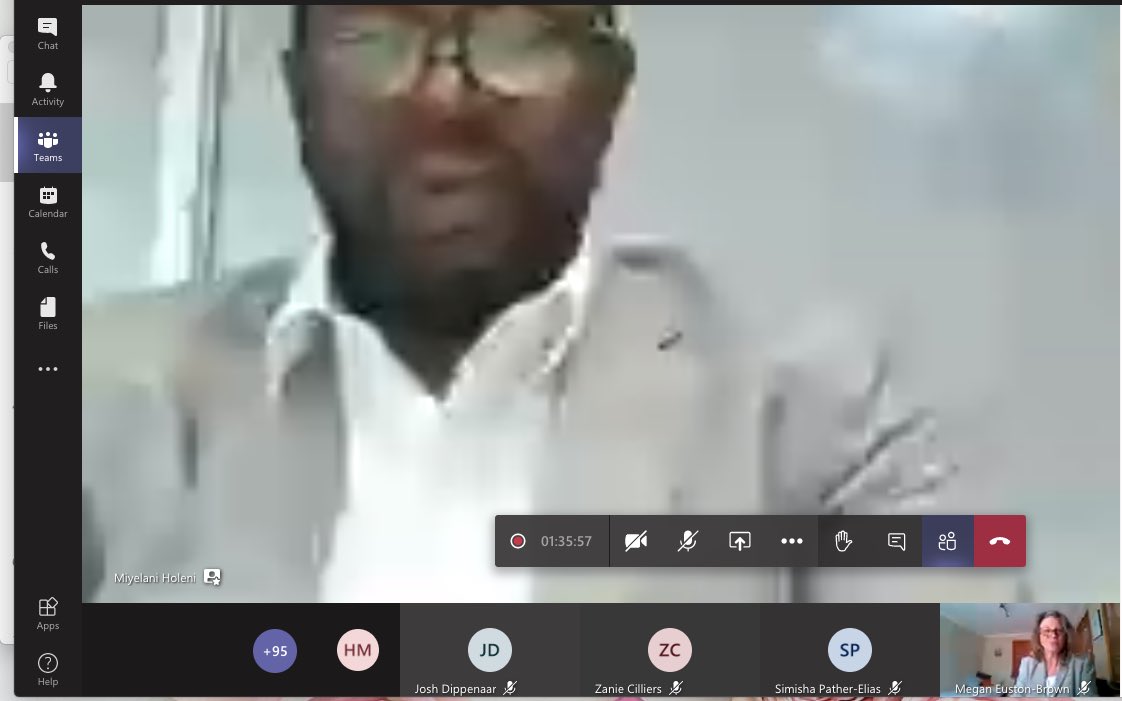
Mr Holeni #Miyelaniholeni touches on
“Cities becoming more powerful than provinces/national gov due to their growing numbers and revenue generation capabilities, Policies and consensus needed to ensure
key actions taken towards lowering cities carbon footprint”
#soeincities2020
3
3
Local climate action retweeted
26 Nov 2020
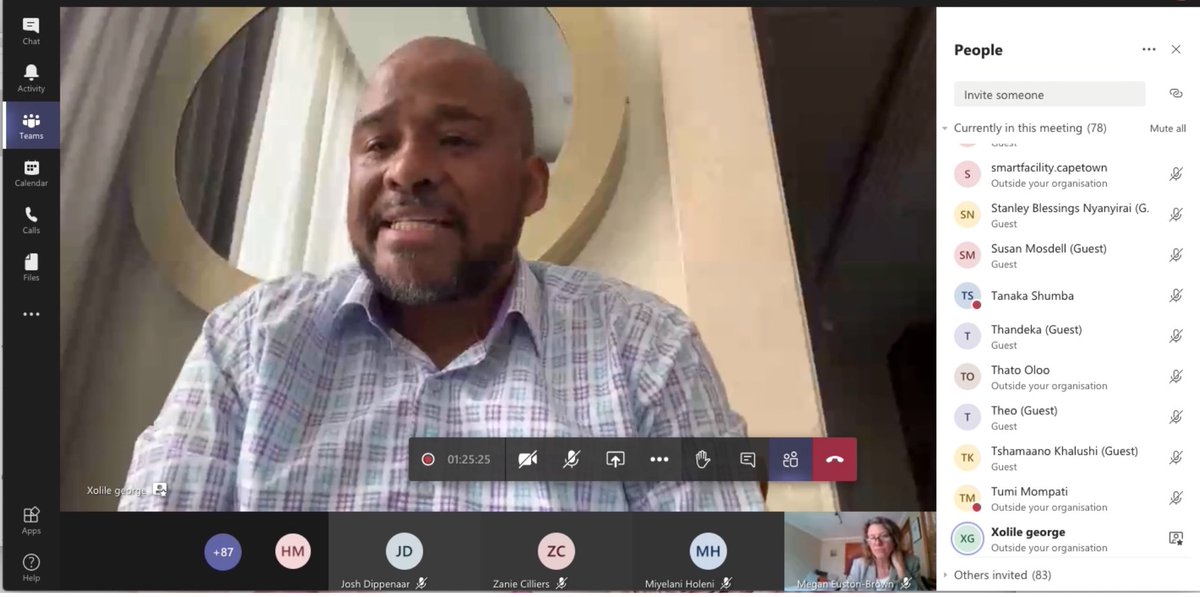
Mr Xolile George, -
“Out of this crisis, emerges an opportunity of us to seize the moment and drive a much more transformative agenda, not only to address the shocks, but contradictions in society,- Poverty, unemployment and inequality, from an energy perspective”
4
8
Local climate action retweeted
26 Nov 2020
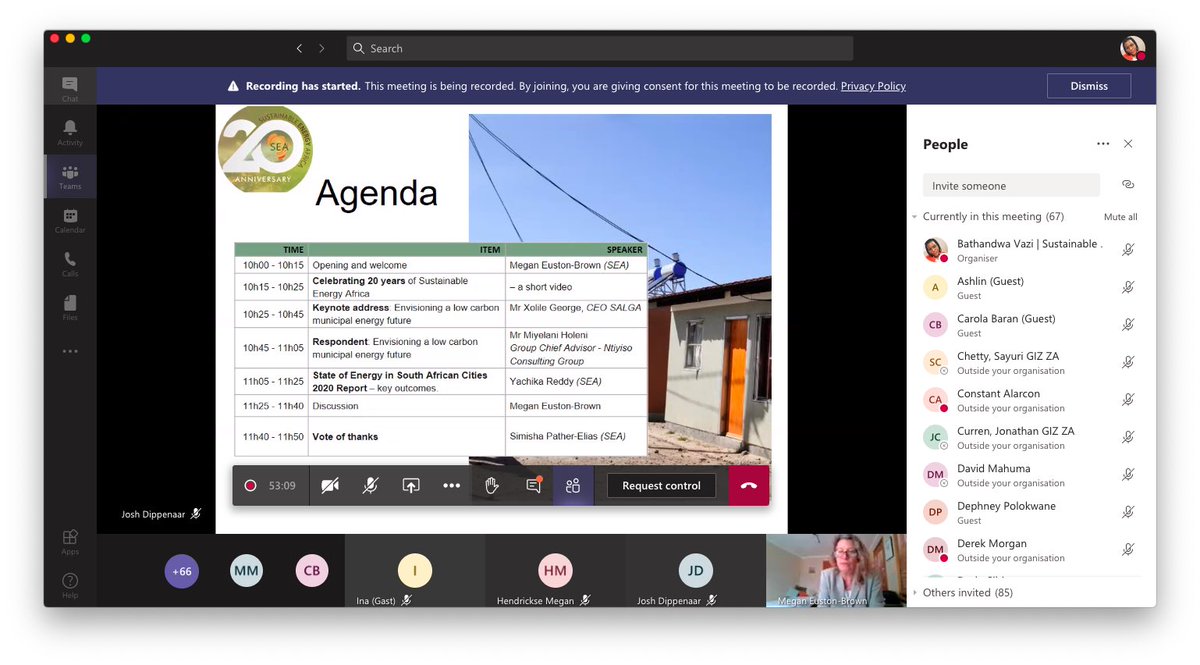
Session kicks off at 10, the moderator for the day has welcome our main Speaker for the day, #Xolilegeorge the CEO OF @SALGA_Gov and @Miyelani group chief adviser of #Ntinyisoconsulting
#soeincities2020 #democratizationofenergy #SEA20yranniversary
1
3
5
26 Nov 2020
Happy birthday @SEA_UrbanEnergy - amazing to work with you :) #SEA20yranniversary
youtube.com/watch?v=bISIM9LD…
26 Nov 2020
Happy birthday @SEA_UrbanEnergy ! Excited to celebrate your 20 year anniversary today with the launch of the State of Energy in South African Cities Report 🎉#soeincities2020 #democratizationofenergy #SEA20yranniversary
26 Nov 2020
Stay tuned for todays robust discussions that will be shared in real time on our feed, share, like comment and ask questions!
Official hashtags:
#soeincities2020 #democratizationofenergy #SEA20yranniversary
1
4
10 Nov 2020
Excited for our partner Sustainable Energy Africa in the launch of this very important work! Save the date! @SEA_UrbanEnergy @iki_bmu
19 Oct 2020
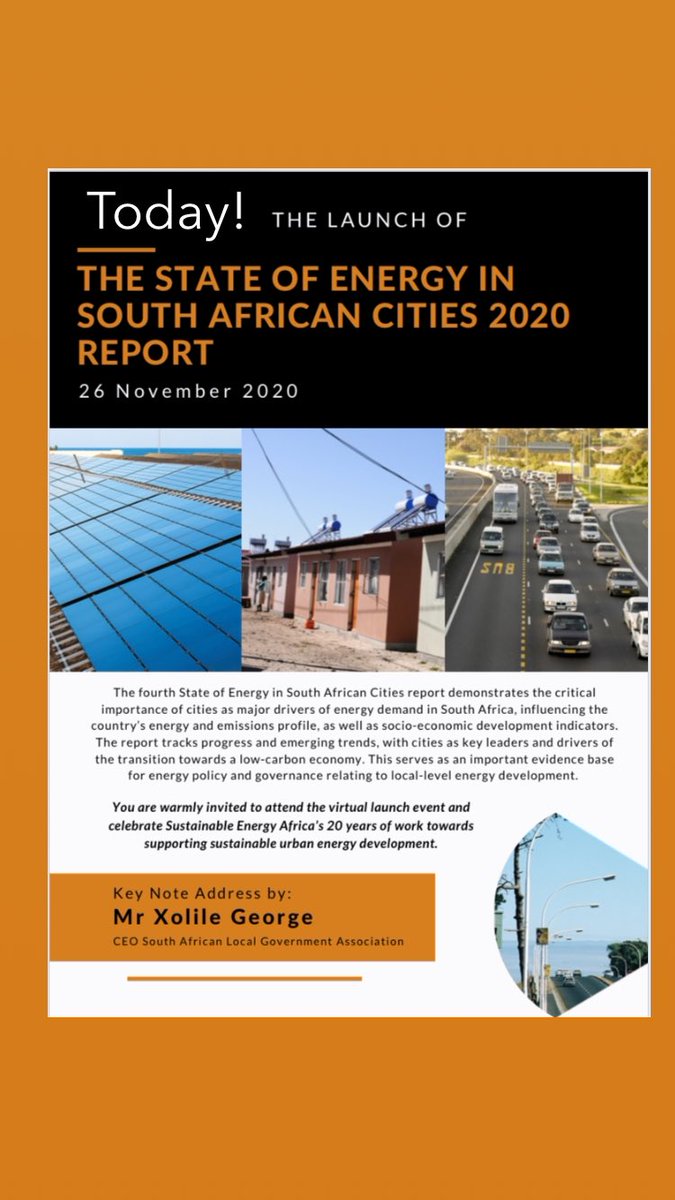
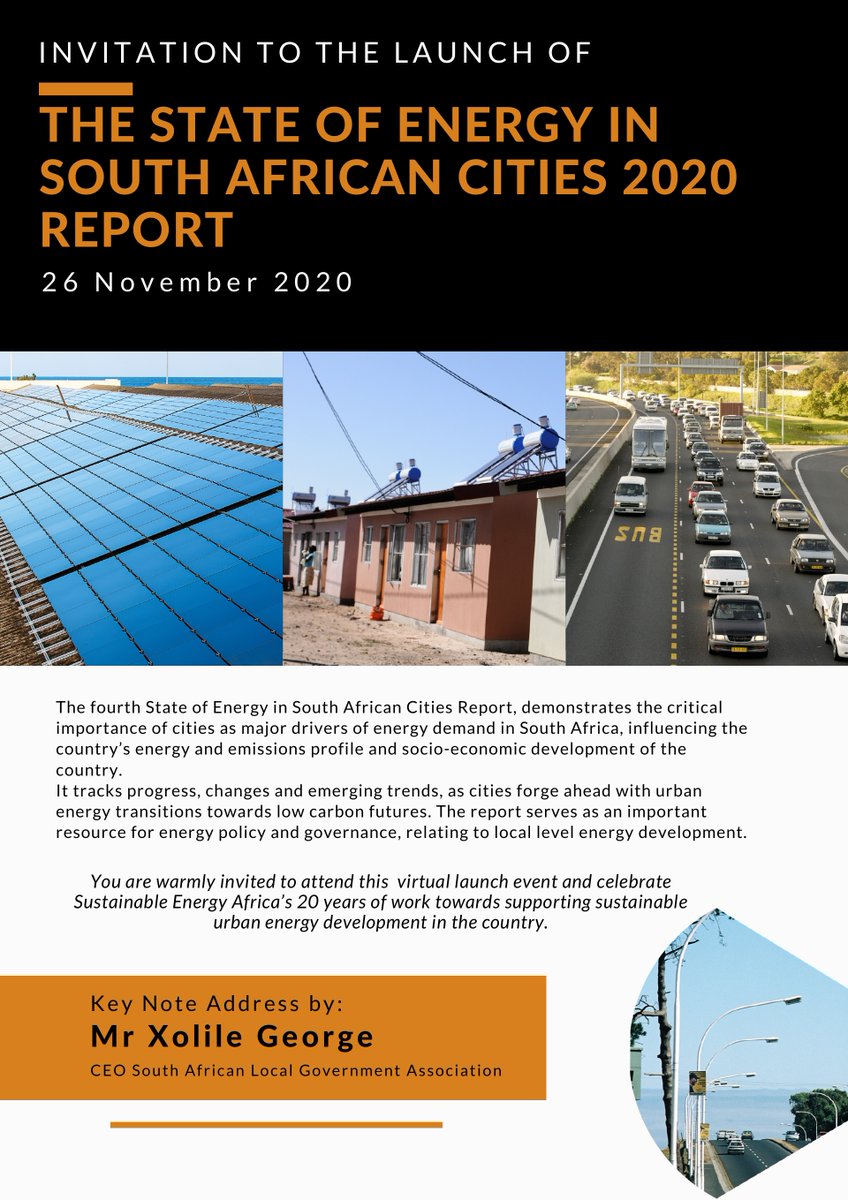
Join us for the launch of the State of Energy in South African Cities 2020 report happening on 26 November 2020 sustainableenergyafr.wixsite…
2
19 Oct 2020
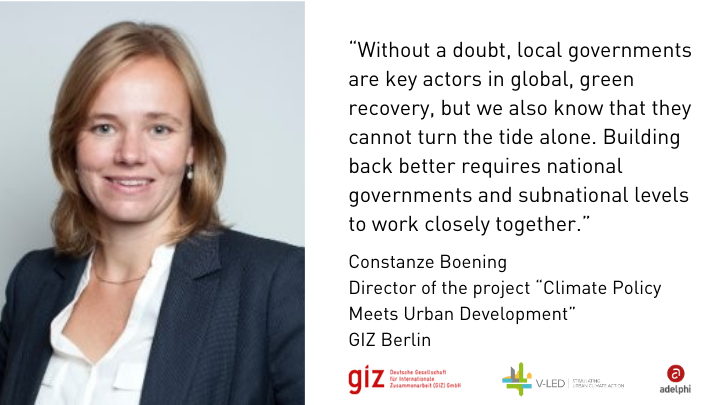
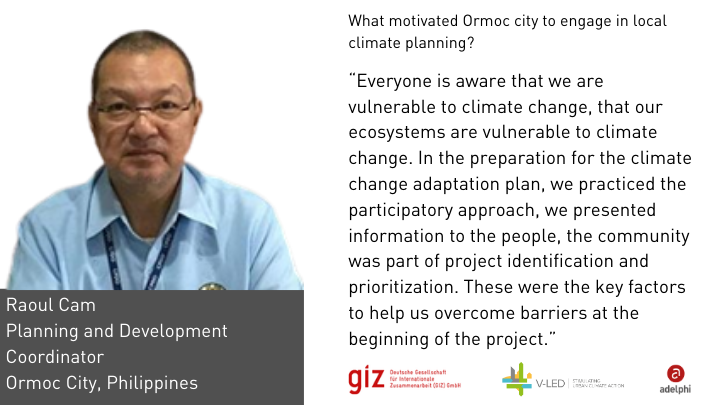
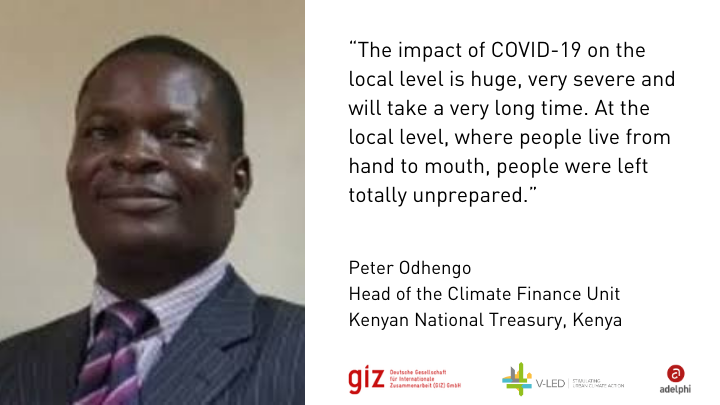
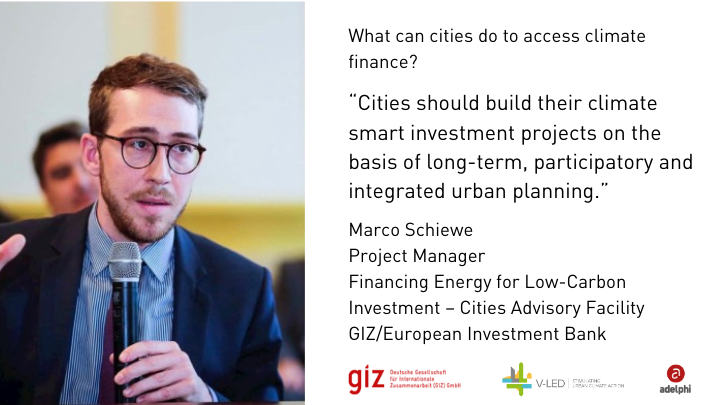
Highlights from today’s @VLEDproject & @giz_gmbh ‘s #DaringCities discussion on how collaborative climate action can help tackle the #ClimateCrisis and #COVID19 crisis. Find more insights on collaborative climate action here: localclimateaction.org/publi…
1
2