
Joined March 2026
- Tweets 5,721
- Following 574
- Followers 69
- Likes 876
30 Photos and videos




The Goat 2 retweeted

You’re getting replaced and there’s nothing you can do about it. Keep crying 😂
1
1
66
The Goat 2 retweeted

No you hispanic dip shit. World cup tourists impressed with America does not mean the entire 2 continents. AMERICA Where AMERICANS live and whom the world know as AMERICANS. They don't mean mexicans, or hondurans, or venezuelans or cubans. You're worse than jew leeches.
1
85
The Goat 2 retweeted

Lmao south america has been in decline for 50 years
1
1
6
664


The Goat 2 retweeted

Feb 17
The problem with this whole debate is it mixes up different meanings of the word "British".
First there's the ethnic sense. The ethic group, the British people. If you're brown you're not ethnically British, simple as.
Second there's the legal sense. If someone is a UK citizen, they can be said to be a British citizen, and therefore legally British.
Third there's the cultural sense. This one's a little more vague. But generally a good rule of thumb is: could you tell that someone is foreign from a 5 minute phone call? If not then they're probably culturally British.
Often there is overlap, but in principle it's possible to be any one type of British without the other two.
Steve Laws, Rupert Lowe, most people in the UK: ethnically, legally and culturally British.
Rishi Sunak, Krishnan Guru-Murthy, other 2nd or 3rd generation immigrants: legally British, arguably cultural British. Not ethnically British (they're brown).
People living in the British Isles after the Anglo-Saxon invasions: ethnically British. But neither legally or cultural British (the UK didn't even exist yet).
And today there is a worryingly large group of people who are not ethnically British, can barely speak the language, and are only British in the legal sense because they have a British passport.
I think there's no way to deny this reasoning. The British people exist as an ethnic group. Brown people cannot be ethnically British. It's not a hateful or exclusionary statement anymore than saying a man who is 4ft tall isn't tall.
And also it clears up the various ways brown people claim to be British. You have a UK passport? Yes you're legally British, but not ethnically.
You were born and raised in Britain, love football and tea ad the rest of it? That's British in the cultural sense, not the ethnic sense.
If you're clear about these different meanings then there's no confusion.
1
10
1,622
The Goat 2 retweeted

Jun 11
he also inherited arguably the greatest, most experienced army on the planet too, which was also one of the only, if not THE only standing army on the planet at the time.
2
7
236
5,786
The Goat 2 retweeted

Jun 11
The whole point of my xeet is that people who grew up in an average environment shouldnt think theyre lesser cause theyre outperformed by people who recieved the best resources available growing up.
17
133
7,048
83,027
The Goat 2 retweeted

Alexander already conquered half the world when he was 23...
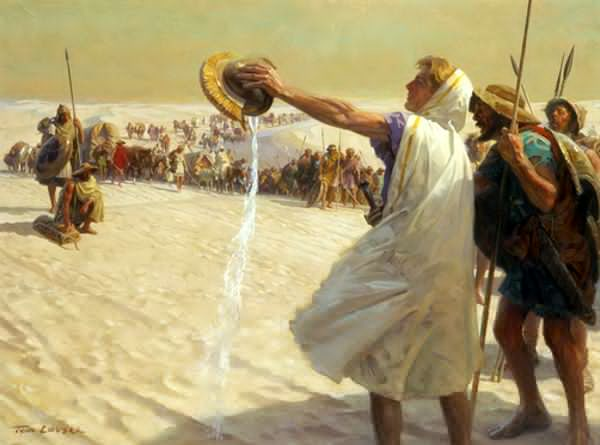

Millennials at 40:
“We are young! We have plenty of time!”
Zoomers at 23:
“It’s over. I’ve run out of time and it’s all over.”
89
179
3,867
3,155,090
The Goat 2 retweeted
Jun 11
I hate niggas who think like this alexander was groomed from a young age to be leader he had fucking aristotle as a private tutor in one of the most advanced civilizations at the time, he was great but he was MADE great. Your ass goes to a public school with no toilet paper.

Alexander already conquered half the world when he was 23...
344
10,294
138,557
2,726,576

The Goat 2 retweeted

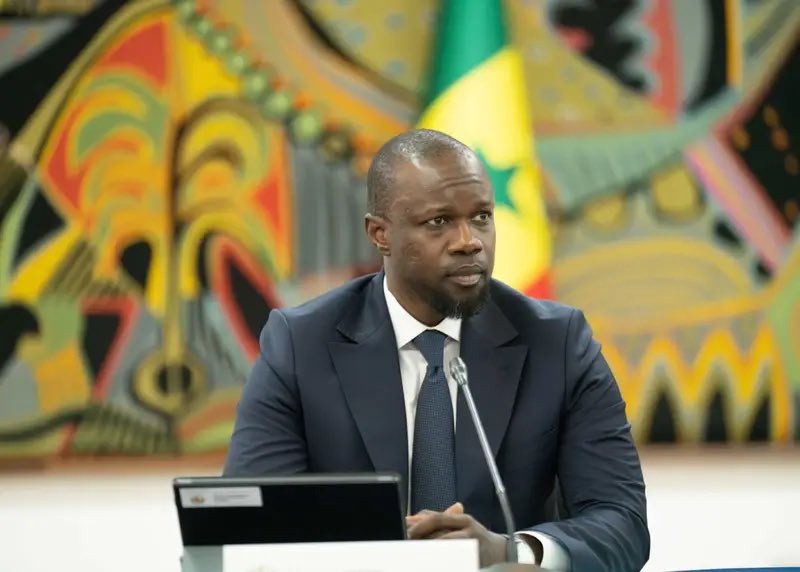
🇸🇳🗣️ O presidente da Assembleia Nacional do Senegal, Ousmane Sonko, sobre o duelo entre França e Senegal na Copa do Mundo:
“Independentemente de quem vencer, será a África que terá vencido a África.”
198
1,416
18,133
409,173
The Goat 2 retweeted
Libtardos não sabem a diferença entre passar e ficar.
1
6
66
The Goat 2 retweeted
Eu sou Nordicista e sou dos que mais critica testes genéticos.
Normalmente só vejo "meds" a justificarem os testes para provarem o quão Europeus são. Um Nordicista, normalmente é loiro/olhos azuis já sabe o que é.
1
1
48
The Goat 2 retweeted

Não
Eu gosto bastante da história e folclore do norte da europa e partilho uma herança genética com esse povo mas não os considero a "raça suprema" (pro tip: não existe nenhuma raça suprema)
1
19
The Goat 2 retweeted

Por alguma razão vemos tantos paralelismos entre o imperialismo degenerado e multirracial dos EUA e o imperialismo degenerado e multirracial romano.
1
2
18
The Goat 2 retweeted
A Raça Sweba persistirá, porque Nossa Senhora afirmou que Portugal preservaria a Fé até ao fim dos tempos. E não há Portugal sem um dos seus elementos: o seu povo Swebo!
Jun 13

Pois...
Nós galaico-suevos somos uma espécie em vias de extinção.
Eventualmente vamos desaparecer e ascender ao plano da mitologia.

2
2
16
611
The Goat 2 retweeted

25 Jul 2023
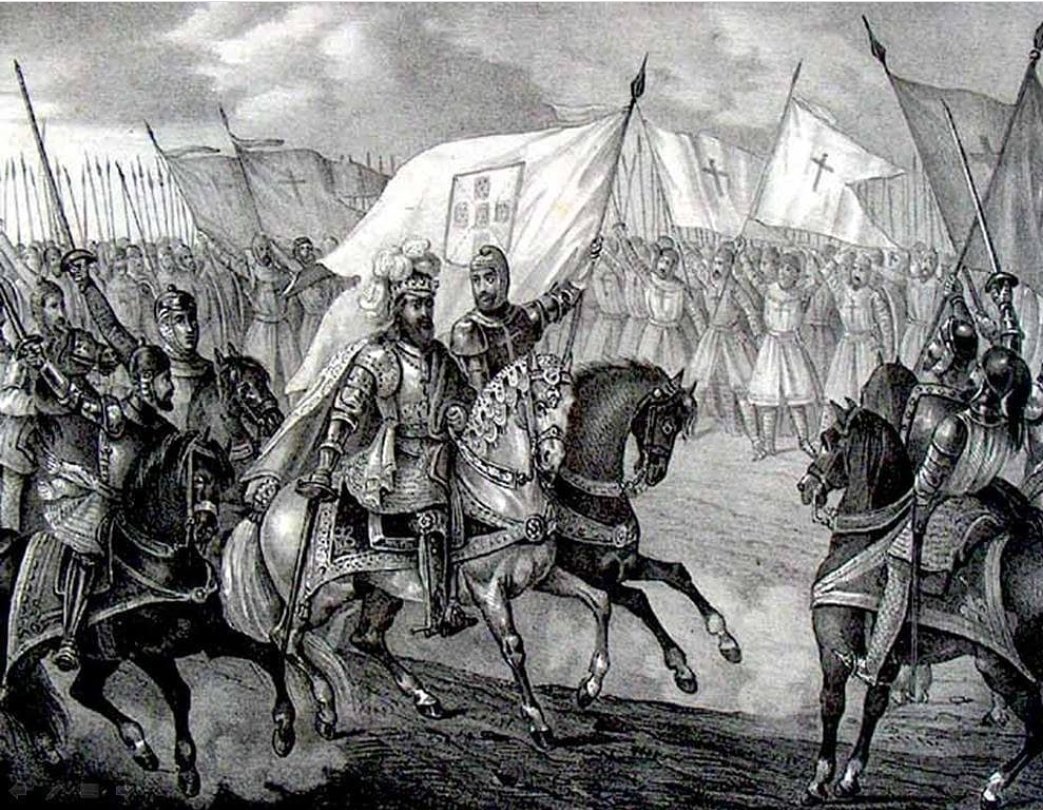
25 de Julho de 1139: 11 mil Portugueses a partir a cara de 400 mil Marroquinos.
9
37
240
41,332
The Goat 2 retweeted
Nem por isso.
A queda do reino godo face ao exército muçulmano dá-se porque o primeiro estava a atravessar um período de grande instabilidade interna guerras com nativos da Cantabria/País Basco.
Os norte-africanos hispânicos, por essa altura, já estavam miscigenados/integra com
1
1
4
65