
🇵🇭
Joined September 2020
- Tweets 1,383
- Following 385
- Followers 137
- Likes 3,191
191 Photos and videos







/i:'mɪər/ retweeted

Feb 14
As beautiful as the day that I lost you.
The Red War campaign.
31
75
1,337
69,351
/i:'mɪər/ retweeted

Feb 5
In this blog, Tobias Hector, explains how the new extension fundamentally changes how Vulkan applications interact with descriptors. The working group is looking for feedback before making it part of the core specification.
Learn more: khr.io/1n2
#vulkan #gpu

2
24
156
10,024

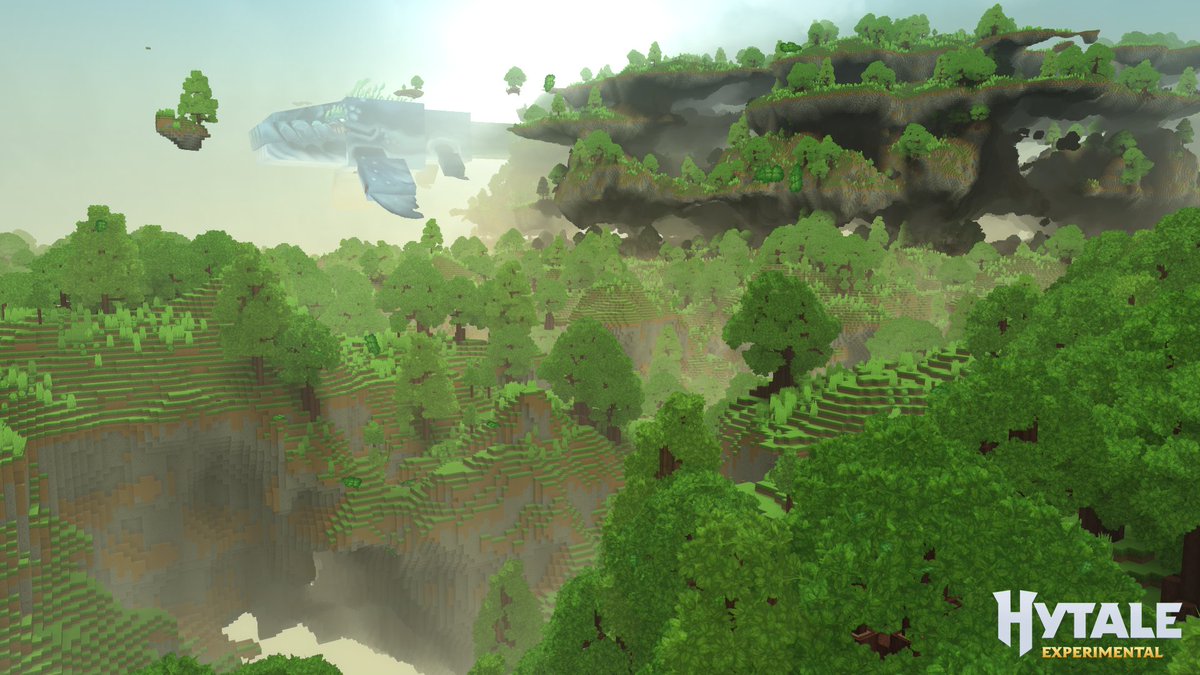
In today’s exciting new blog post, Dan and Amber dive deep into the future of Hytale’s world generation!
Discover the incredible new features, capabilities, and potential for both our players and creators. Screenshots, videos and more!
hytale.com/news/2026/1/the-f…
156
534
6,060
882,504
/i:'mɪər/ retweeted

Jan 4
The following video showcases a server-side Hytale mod created by a Hytale team member in their spare time. It’s intended purely as inspiration for how different genres could be realized within Hytale!
The gameplay shown represents only a small subset of our modding capabilities and was used to build a simple, survivor-like experience.
This mod is not planned for release as part of the game.
394
823
12,265
938,716
/i:'mɪər/ retweeted

30 Jun 2023
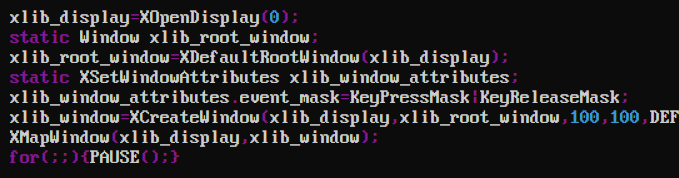
"Nothing Oriented Programming" (NOP). Where the goal is to achieve minimal enlightenment by writing as little possible code: no dynamic memory allocation, no thousand files of glue, no includes, no objects. Write nothing, be happy. Even applied it to the logo, zero effort.

15
41
393
54,665

7 Dec 2025
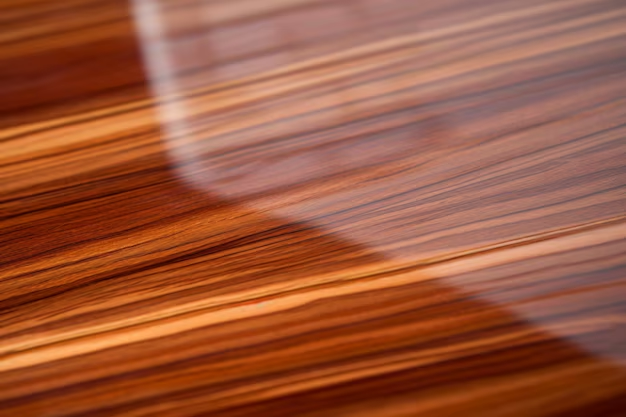
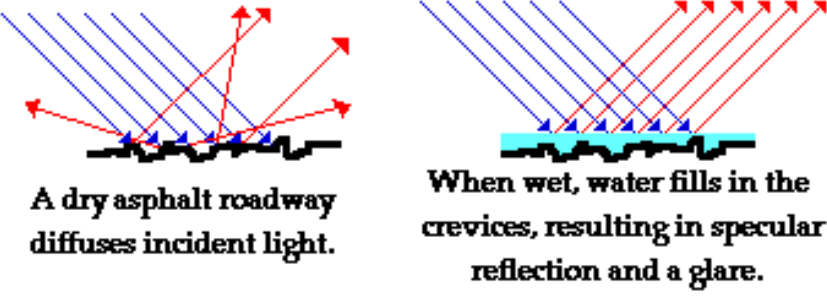
any reason why diffuse and specular reflection are distinct properties? i imagine a low diffuse reflection could represent a flat surface, effectively serving as specular reflection, right? an example of a material with high diffuse and high specular reflection seems to be glossy wood, but that's only true because the wood (fig. 2) is covered in a transparent gloss that light also _independently_ interacts with and added onto the underlying rough wood?
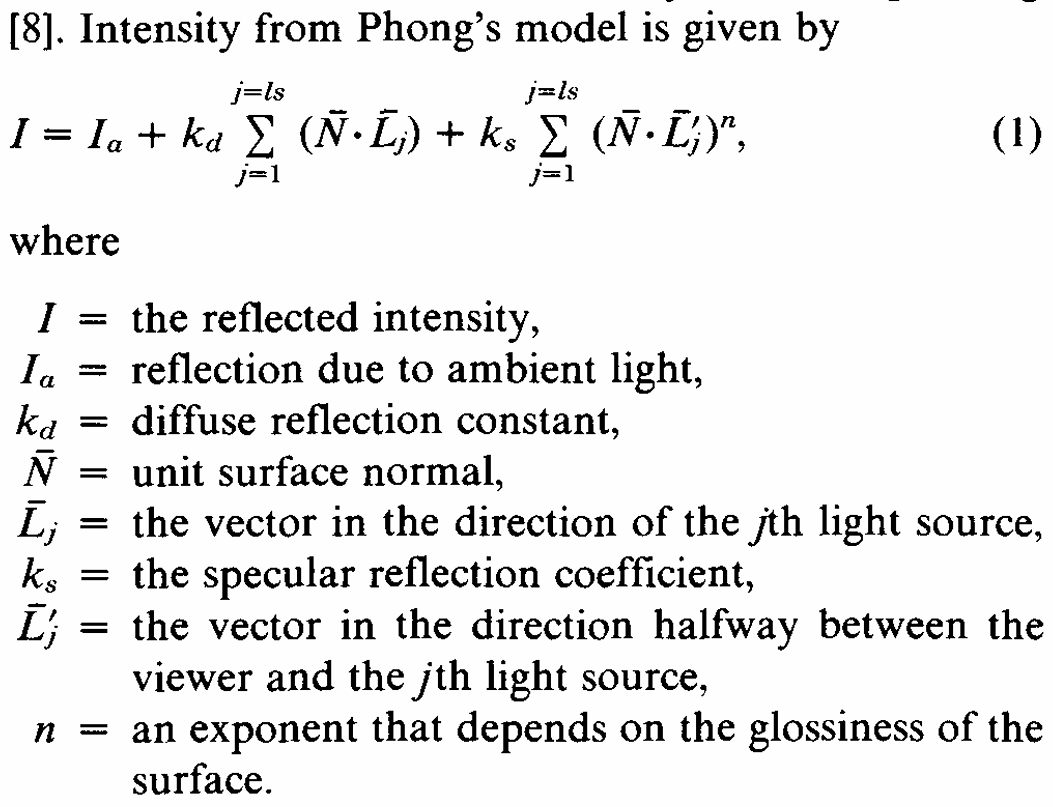
the typical model that's taught (fig. 3) illustrates how in specular reflection, neighboring surface normals are the same, while in diffuse reflection, neighboring surface normals are different.
couldn't a better model for diffuse reflection depict how light becomes trapped and lost in microscopic tunnels and caverns of, for example, fabric, and eventually exit at some "unpredictable" location? which means, even if the surface is flat, there will still be caves and ravines, indicating diffuse reflection.
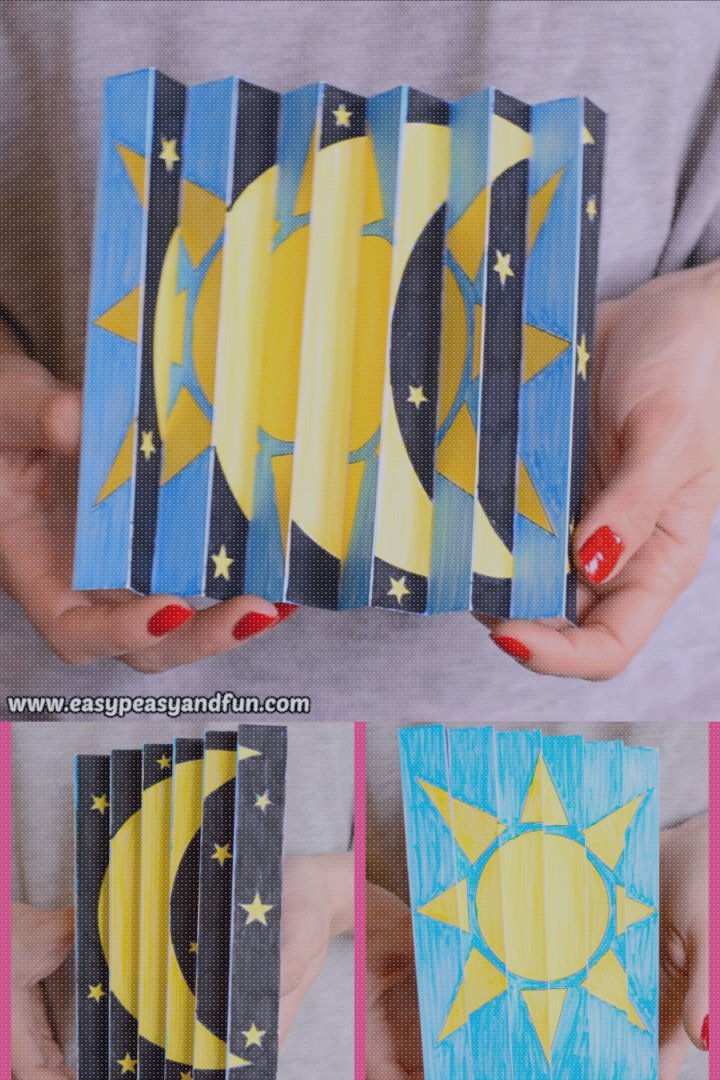
also, could we extend diffuse reflection to be multidimensional? such that we can have agamograph-like materials? if the vertical roughness is minimal, while the horizontal roughness is jagged, different properties can appear at different angles. or like the material of steel, how steel has microscopic protruding lines around it.
1
2
182
20 Nov 2025
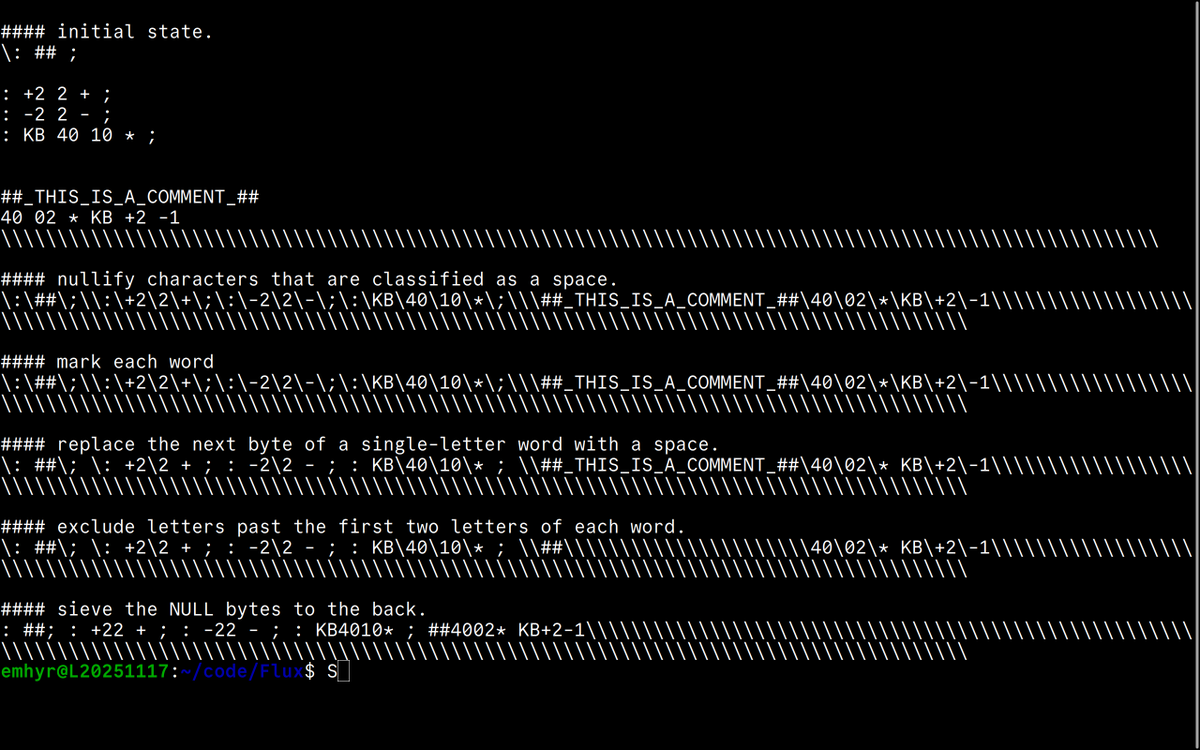
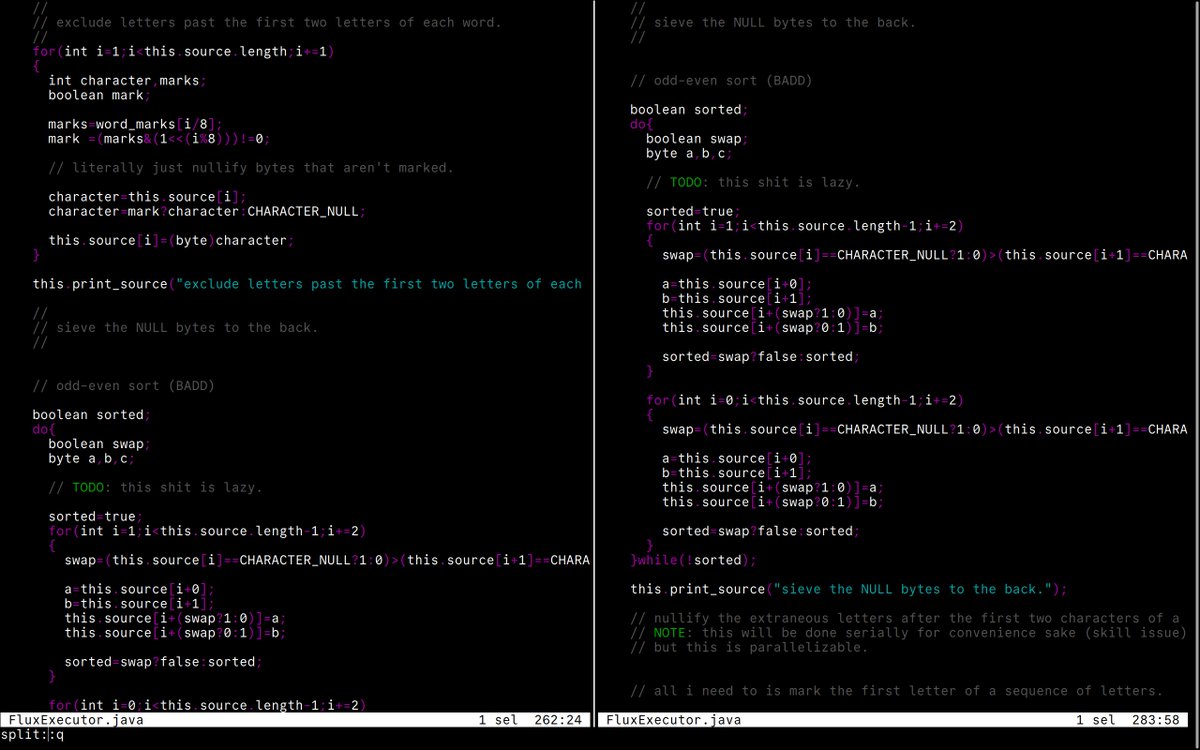
no Tokens and no ASTs. (easier because its Forth-like).
all i'm doing is transforming the source directly via byte shuffling and bit magic, and its parallelizable at a per-byte basis [theoretically, because i have yet to try that out].
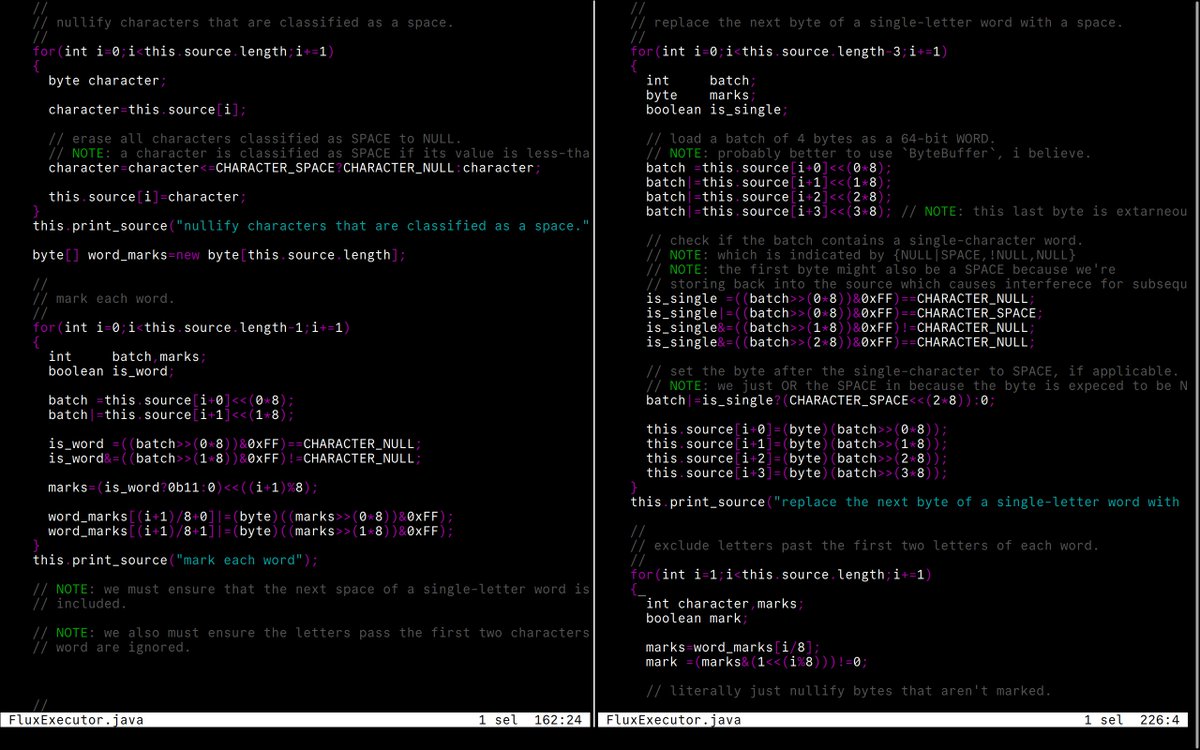
code is awful because i'm using Java as if it's C, and it isn't optimized (plenty of optimizations that i've setup) nor cleaned.
the <\> represents NULL. (this was debugged with print 🙂).
4
290
15 Nov 2025
1
84
13 Nov 2025
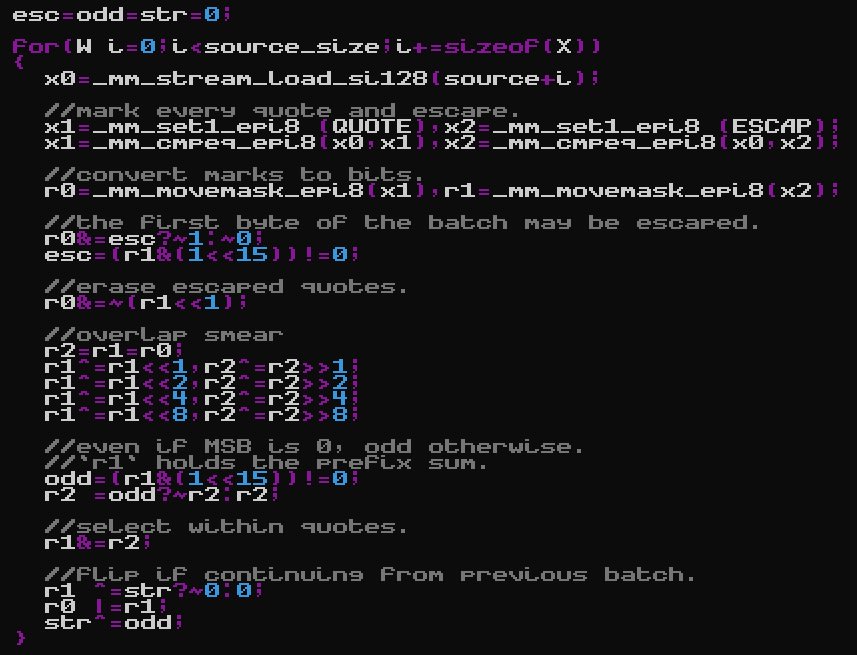
@geofflangdale you're interested in this sorta stuff. i'd like your input.
i didn't see this until now:
branchfree.org/2019/03/06/co…
1
3
116
7 Nov 2025
Jejune is finally on streaming platforms and released a new single 🙂

105
31 Oct 2025
66

/i:'mɪər/ retweeted
23 Sep 2025
Trying something new, rolling my own talks on youtube. Starting with an easy short talk on how I approach C style programming as an indie dev ... youtu.be/RrL7121MOeA
18
30
208
37,541