Head of Mission of 🇧🇦 to NATO, former ambassador of 🇧🇦 to 🇬🇧 and 🇮🇪 Mountain biker, hiker, skier, windsurfer. Private profile, views own!
Joined April 2018
- Tweets 1,553
- Following 3,356
- Followers 3,104
- Likes 20,382
375 Photos and videos

May 22
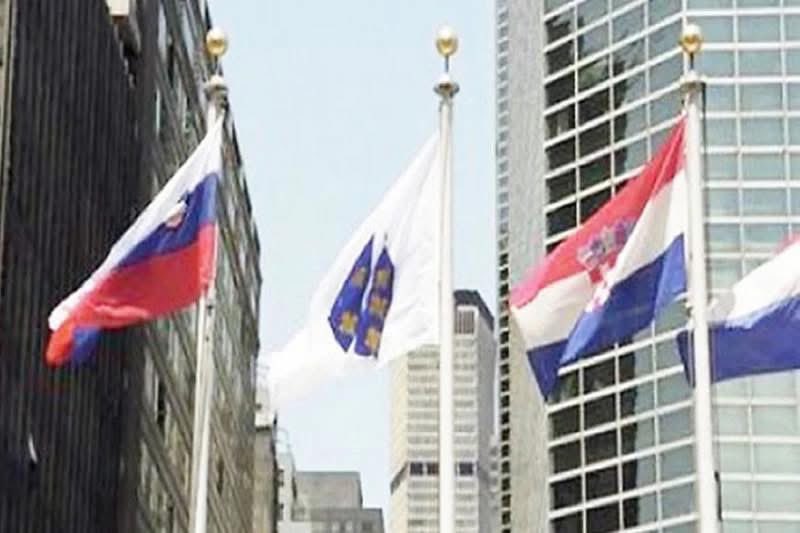
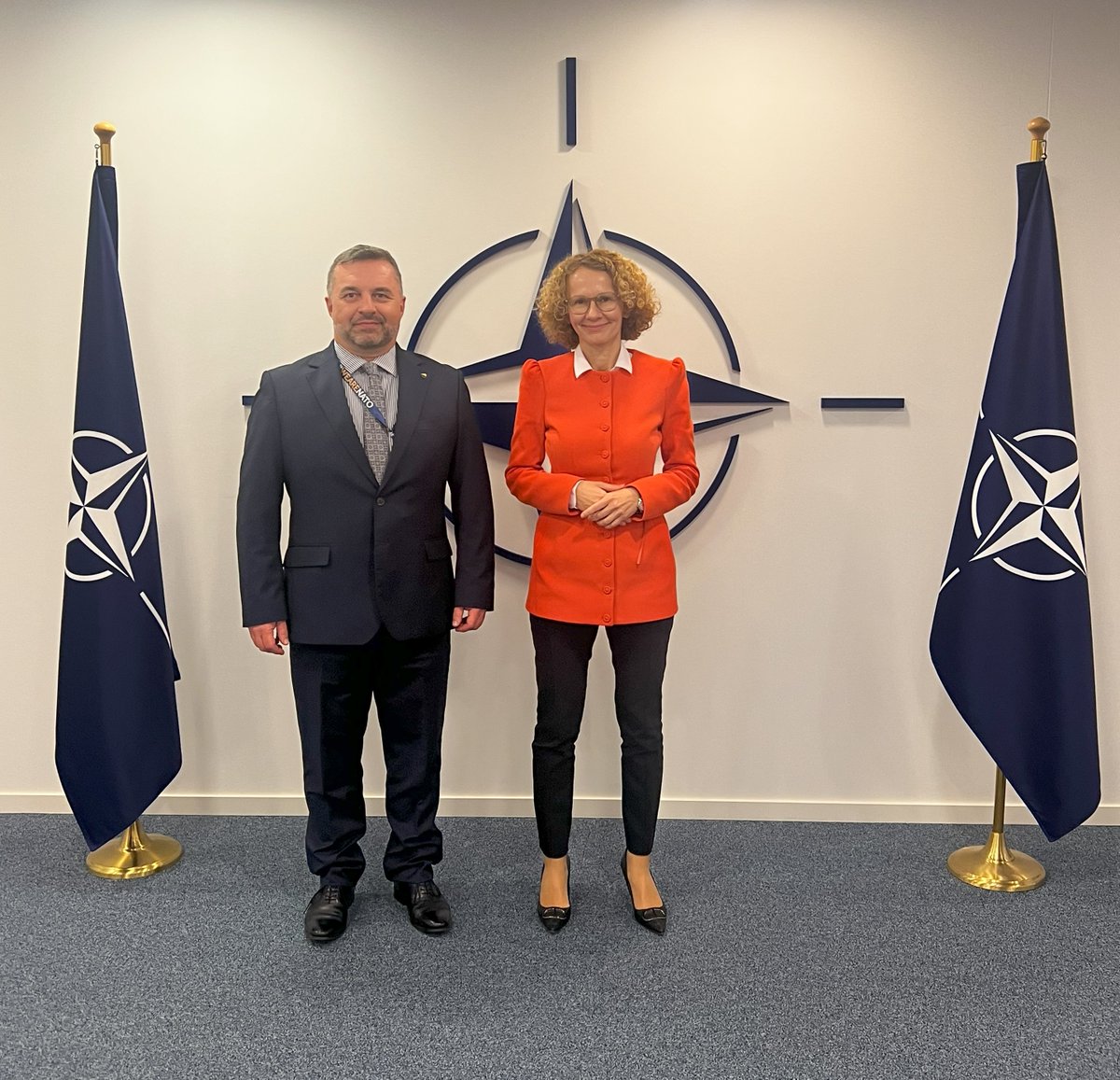
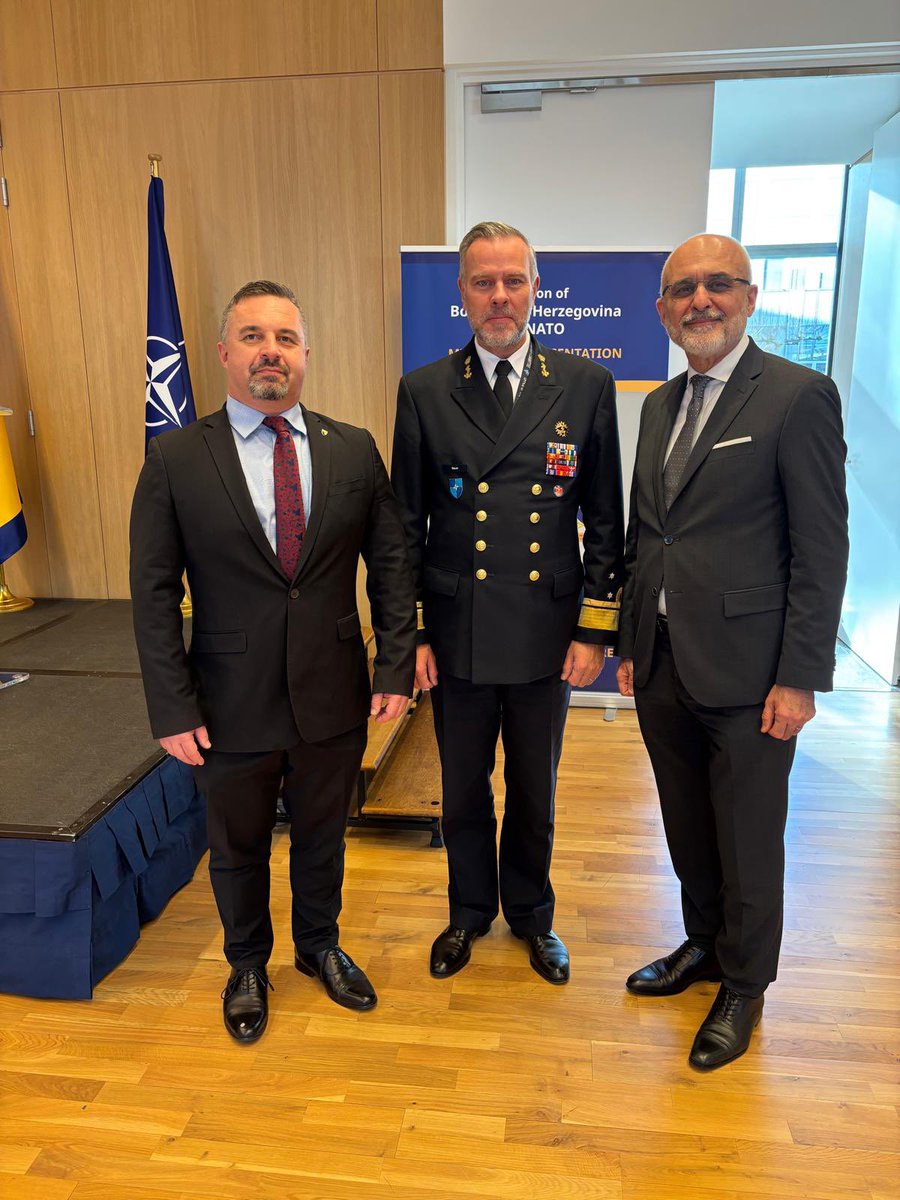
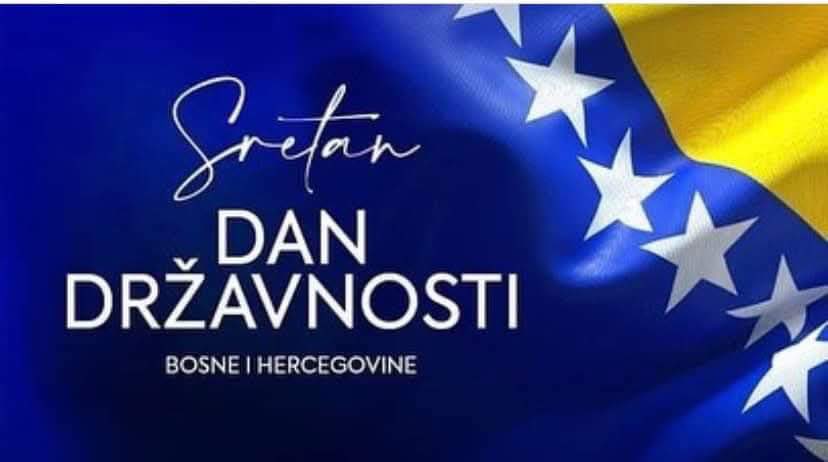
Today, Bosnia and Herzegovina marks 34 years of membership in the United Nations. On this day in 1992, the flag of Bosnia and Herzegovina was raised at UN Headquarters, marking one of the most significant moments in the country’s modern history and affirming its place within the international community.
Since becoming a member on 22 May 1992, Bosnia and Herzegovina has remained committed to multilateralism, dialogue, and international cooperation. Over the years, our country has contributed through mandates in the United Nations Security Council, engagement in the United Nations Human Rights Council and the United Nations Peacebuilding Commission, as well as participation in UN peace operations worldwide.
Guided by the values of peace, respect for international law, and shared responsibility, Bosnia and Herzegovina remains committed to contributing to a stronger, more cooperative, and more resilient international community. 🇧🇦🇺🇳
5
8
987
Apr 18
🇧🇦🤝🇧🇪
Apr 18

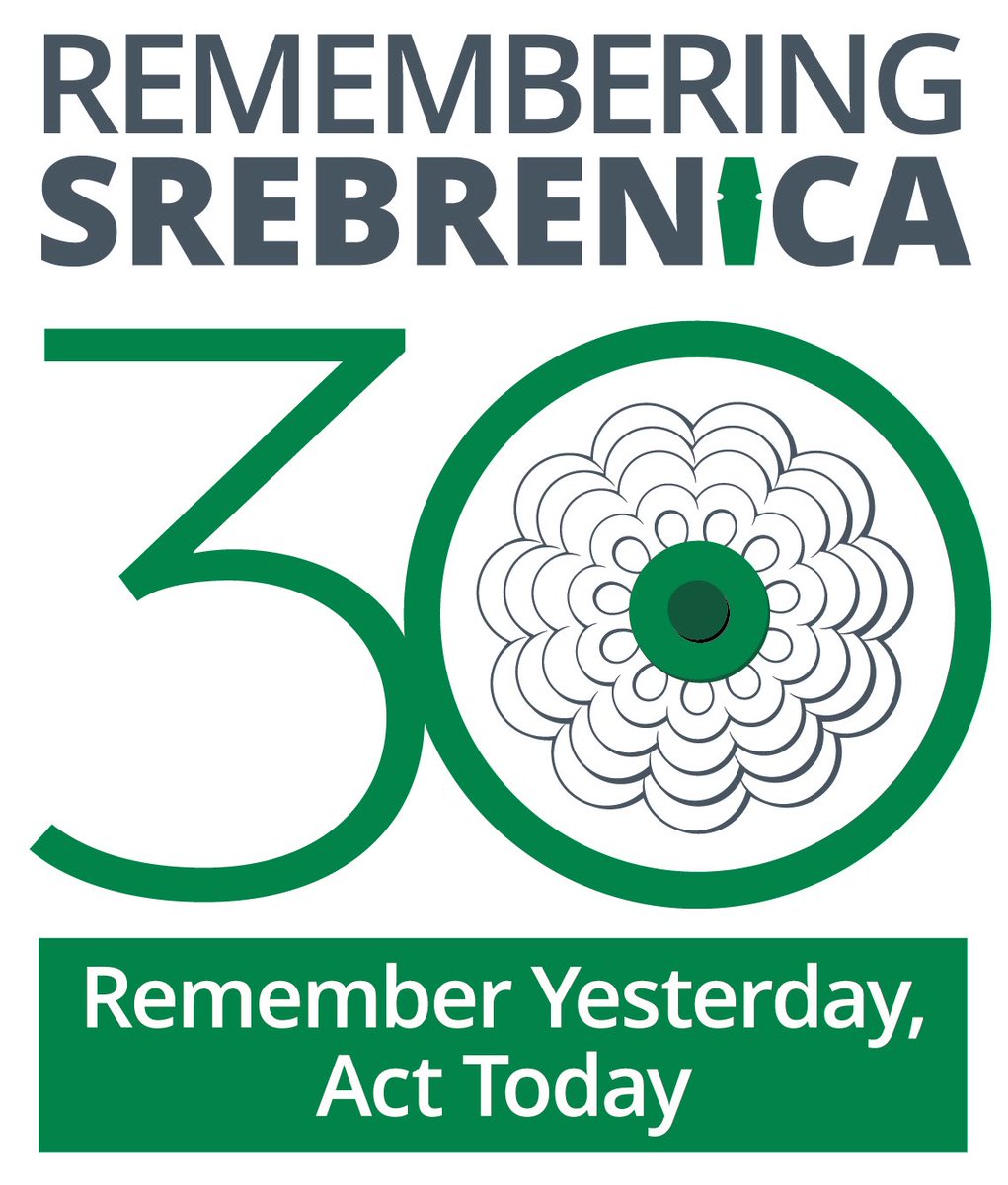
🇧🇦My mission to the Western Balkans ended with a visit that reminds us that stability and security in the Balkans are essential: Srebrenica, sadly known for the genocide that took place there in 1995.
I cannot emphasize enough how important it is to remember, support international justice, and reject any form of denial or glorification of war crimes.
Diplomacy is not only about institutions and agreements; it is also a question of humanity. Acknowledging suffering, listening to communities, and recognising the dignity of every identity are essential steps toward rebuilding trust. In a region where memories remain vivid and identities are often politicised, continuing to connect people and perspectives is indispensable for reconciliation.
Supporting regional stability in the Western Balkans is not merely a strategic priority; it is a responsibility we share to ensure that peace, coexistence, and mutual understanding remain the foundations upon which the region can continue to build.
As conclusion of my mission, let me underline it again: the Western Balkans deserve our attention and support. Let’s work together to make their European integration work, for the good of our continent’s future.🇪🇺
@BelgiumMFA
1
12
544
Mar 20
A pleasure to welcome the new DASG, Amb @KHamiltonBE to our Mission’s offices. Very much looking forward to our future cooperation!

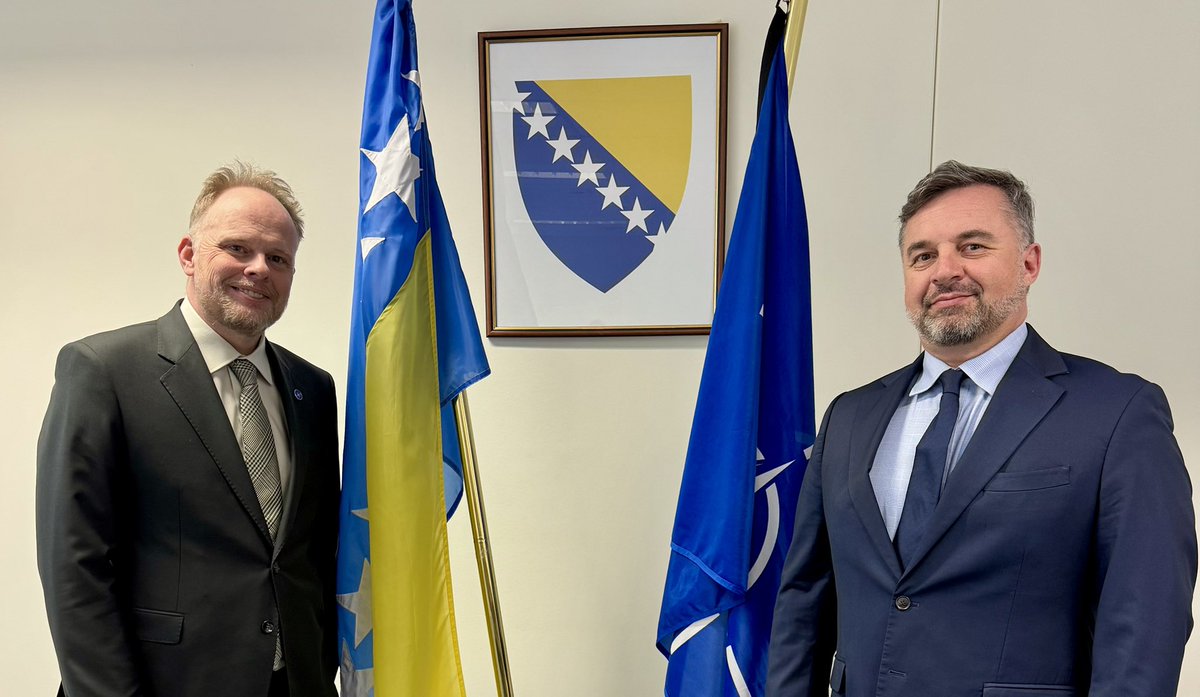
1
6
362
Feb 14

As we continue our political dialogue, great meeting #BiH Presidency to exchange views & take stock of our cooperation. Recent adoption of key documents, such as ITPP and Reform Programme, helps us further strengthen our partnership. NATO’s committment to BiH remains steadfast
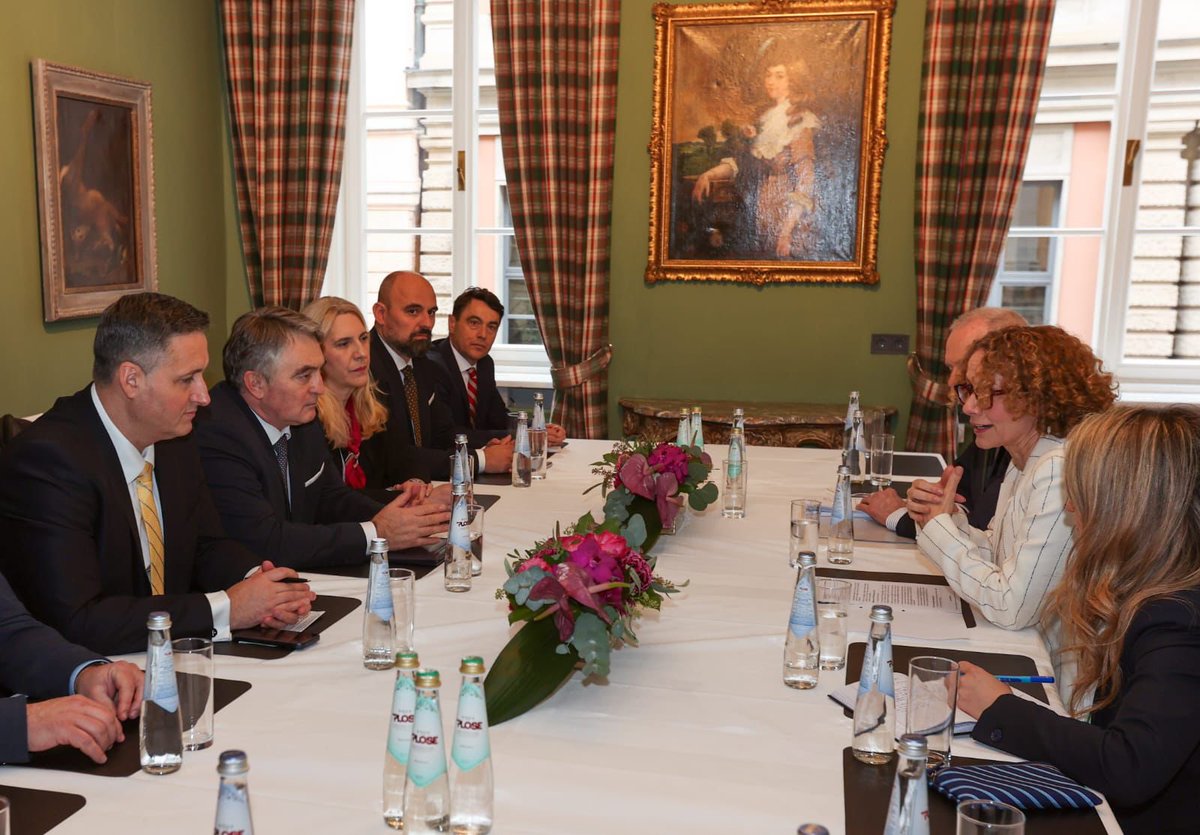
2
11
811
Vanja Filipovic retweeted

Feb 10
When every second counts, teams train to move as one.
From January 26 to February 6 at Rajlovac Military Barracks, the Armed Forces of Bosnia and Herzegovina (AFBiH) and the U.S. Military trained for the toughest scenarios - saving lives on the ground and in the air.
The Maryland National Guard and U.S. Army Civil Military Support Element trained alongside AFBiH demining medical technicians and the Second Helicopter Squadron’s search and rescue teams to strengthen interoperability and lifesaving capability, reinforcing a partnership built on security, readiness, and stability.
#USAinBiH #StrongerTogether
***
Kada je svaka sekunda važna, timovi vježbaju da djeluju kao jedan.
Od 26. januara do 6. februara u kasarni Rajlovac, Oružane snage Bosne i Hercegovine (OSBiH) i Vojska Sjedinjenih Država uvježbavale su se za najzahtjevnije scenarije – spašavanje života na zemlji i u zraku.
Nacionalna garda savezne države Maryland i U.S. Army Civil Military Support Element trenirali su rame uz rame s medicinskim tehničarima timova za deminiranje OSBiH i timovima za potragu i spašavanje 2. helikopterskog skvadrona, kako bi unaprijedili interoperabilnost i sposobnost spašavanja života, dodatno učvršćujući partnerstvo zasnovano na sigurnosti, spremnosti i stabilnosti.
#USAinBiH #StrongerTogether
4
7
32
2,074
7 Dec 2025
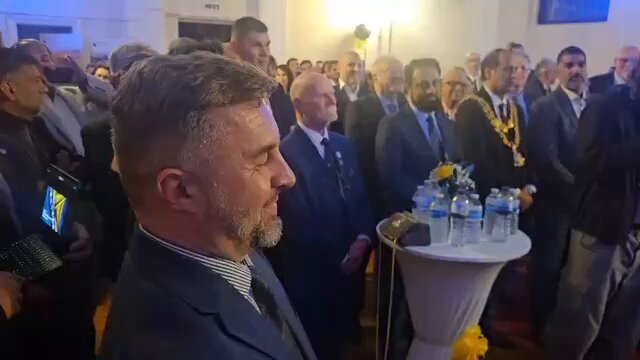
Deeply humbled by @bhuknetwork award presented to me last evening at “Bosnia House” in Birmingham 🇬🇧 in the presence of Chairman of 🇧🇦 Presidency, H.E. Željko Komšić, Lord Mayor of Birmingham, Councillor Zafar Iqbal MBE, Chair of @SrebrenicaUK Dr. Waqar Azmi, other dignitaries and many dear friends. Thank you!
7
10
35
1,184
1 Dec 2025
A very happy 20th anniversary to the Armed Forces of Bosnia and Herzegovina. We are proud of and grateful for your service, whether at home, or in peace support operations abroad. 🇧🇦🇧🇦
@OruzanesnageBiH

Today we proudly mark 20 years of the Armed Forces of Bosnia and Herzegovina. Two decades of duty, honour, and service to our country and its citizens.
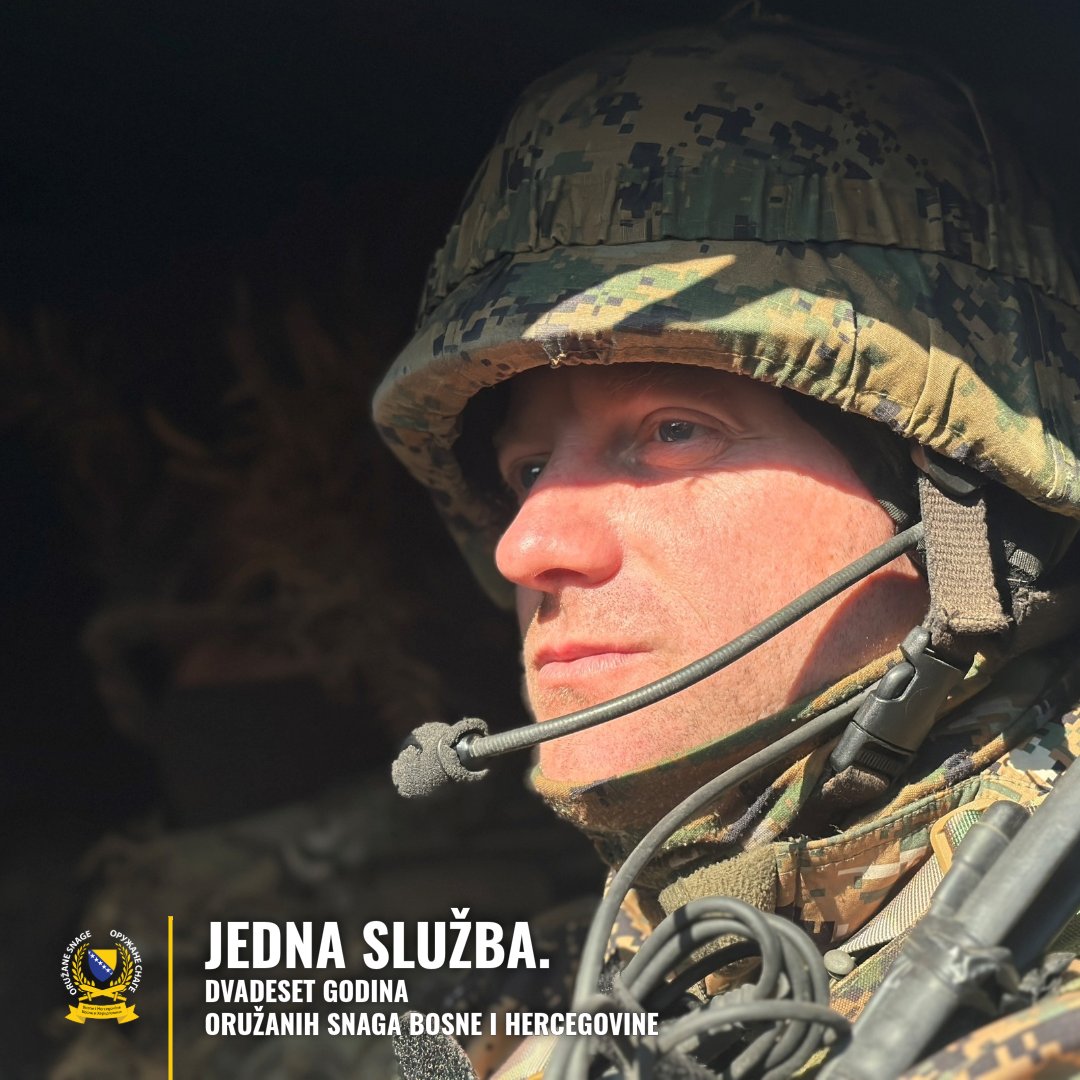
1
14
643
9 Oct 2025
"With a rich industrial history and strategic Balkan location, Congressional and Defense sources tell the Reporter that Bosnia has the foundation to become a key supplier of NATO-standard ammunition."
washingtonreporter.news/p/sc…
1
361
1 Oct 2025
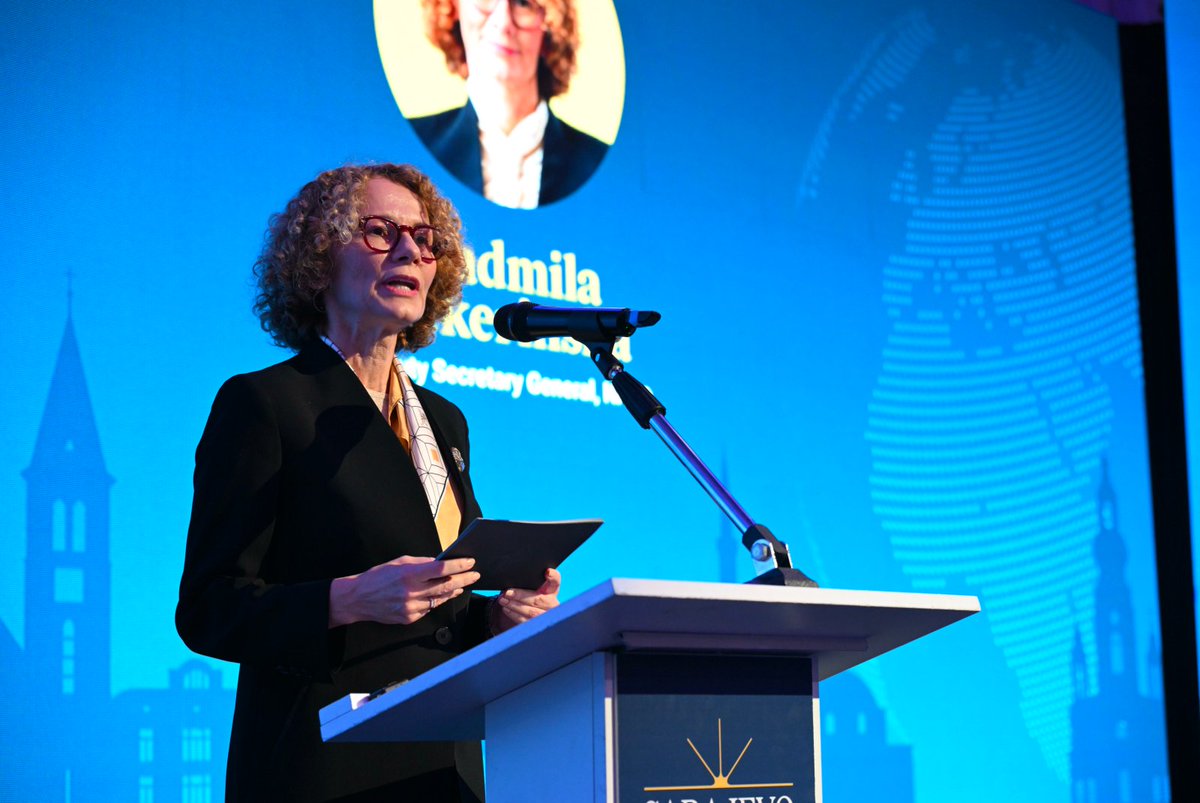
Thank you DSG Shekerinska @DepSecGenNATO for an inspiring keynote speech at the @SSC_Sarajevo and continued NATO's support to #BosniaandHerzegovina peace, stability and Euro-Atlantic future.
jfcnaples.nato.int/hqsarajev…
1
1
5
335
24 Sep 2025
Excellent summary and key takeaways of 🇪🇺 Enlargement Commissioner Kos address to the 🇧🇦parliamentarians this morning, courtesy of analyst @adicerimagic
24 Sep 2025

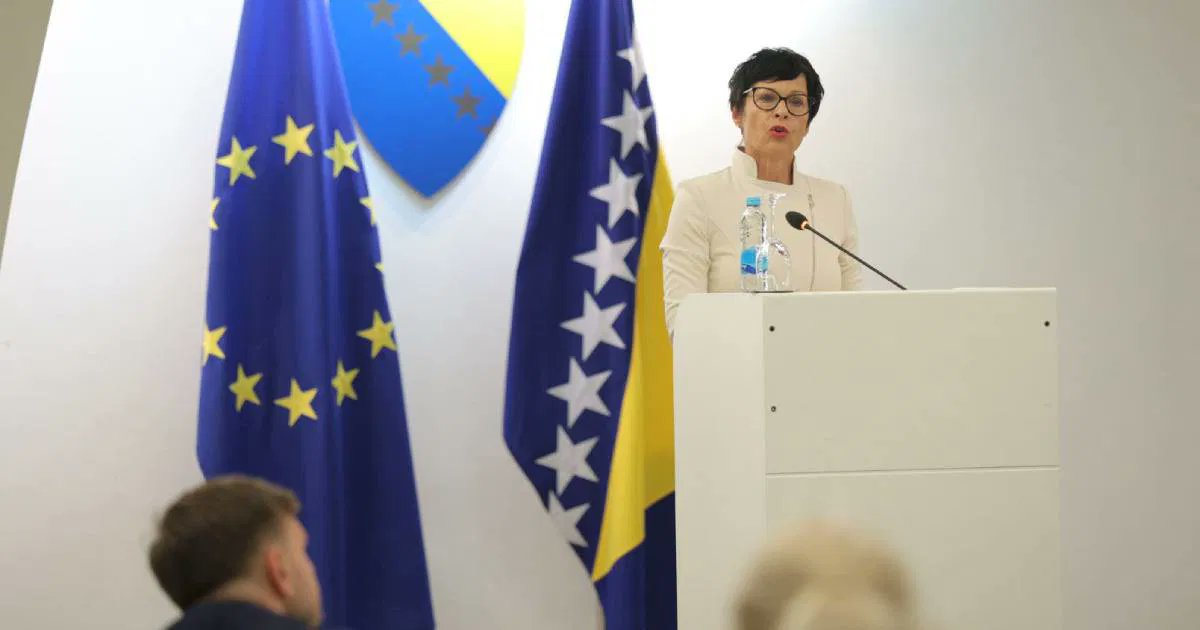
This morning 🇪🇺 commissioner Marta #Kos delivered a speech before state-level parliamentarians in #Sarajevo.
Kos came with an offer: “to be 🇧🇦’s strongest advocate in Brussels and European capitals.”
For what goal? To ensure that the generation of young politicians she met at the #BledStrategicForum earlier this month is “not another lost generation, deprived of the chance to see their country join the 🇪🇺 within their professional careers.”
She reminded her audience of what 🇧🇦 and the 🇪🇺 have already achieved, and how important the 🇪🇺 is for the country: visa liberalisation, investments, trade, and candidate status.
Kos stressed that 🇪🇺 membership is what the citizens of 🇧🇦 want, as well as the majority of 🇪🇺 citizens—quoting 🇦🇹🇸🇮🇭🇷, where 🇧🇦 enjoys the strongest public support among all 🇪🇺 candidates.
She warned against unilateral, illegal, and disruptive actions, while at the same time presenting 🇪🇺 accession as the path to address 🇧🇦’s long-standing political concerns in an orderly manner: “systemic flaws,” “anomalies in the 🇧🇦 system,” and “international supervision.” She framed it as the way to build “a modern and functional state” that would “protect the autonomy of all, as provided for in your constitution.”
Kos highlighted two expectations:
By the end of this month: adoption of the reform agenda, required to benefit from the EU Growth Plan.
She was clear: 🇧🇦 could lose 1 billion euros by 2027—starting with 100 million euros by 30 September (on top of 100 million already lost). The money is intended for building roads, cheaper energy, and better internet connections. Kos highlighted the Growth Plan’s other benefits: enabling money transfers from the eurozone to 🇧🇦 without fees, and free roaming. Kos made explicit what is missing for the agenda to be adopted: “renewed engagement from Republika Srpska.”
By the end of this year: adoption of a new law on courts and a new law on the high judicial and prosecutorial council, both fully in line with 🇪🇺 standards; and the appointment of a chief negotiator with the 🇪🇺.
This would allow the European Commission to propose a negotiating framework to member states and launch the so-called screening process.
Kos also clearly identified the danger: that nothing (positive) might happen before the general elections in October 2026.
Throughout her speech, Kos compared 🇧🇦 to other candidates: companies in 🇦🇱 and 🇲🇪 that will soon be able to send and receive money in the eurozone without additional costs; 🇺🇦 and 🇲🇩, which have already completed their screening process; and the 200 million euros currently going to schools elsewhere in the region.
My key takeaway: Kos introduced some new elements in communication. She explained in a more concrete way what is on the table, what 🇧🇦 could lose, and what is needed. She showed what other candidates already have, and pointed out clearly where the blockade comes from—also a warning that she could do the same with others if they dare.
The big question: will this produce different and better results?
In my opinion this depends on at least three things:
1️⃣ Whether the offer is big enough for (some) 🇧🇦 politicians to change course—or for the public (citizens, business, analysts, media) to demand change, as was the case with visa liberalisation.
2️⃣ Whether the offer and narrative shared by Kos are strengthened and amplified by 🇪🇺 member states, and by those working for and with her in Brussels and Sarajevo.
3️⃣ And whether those currently managing the acute crisis—the implementation of the second-instance ruling against Milorad #Dodik—succeed, and how quickly. This crisis is something with which Kos herself neither seems to want nor has to do with.
2
6
903
18 Sep 2025
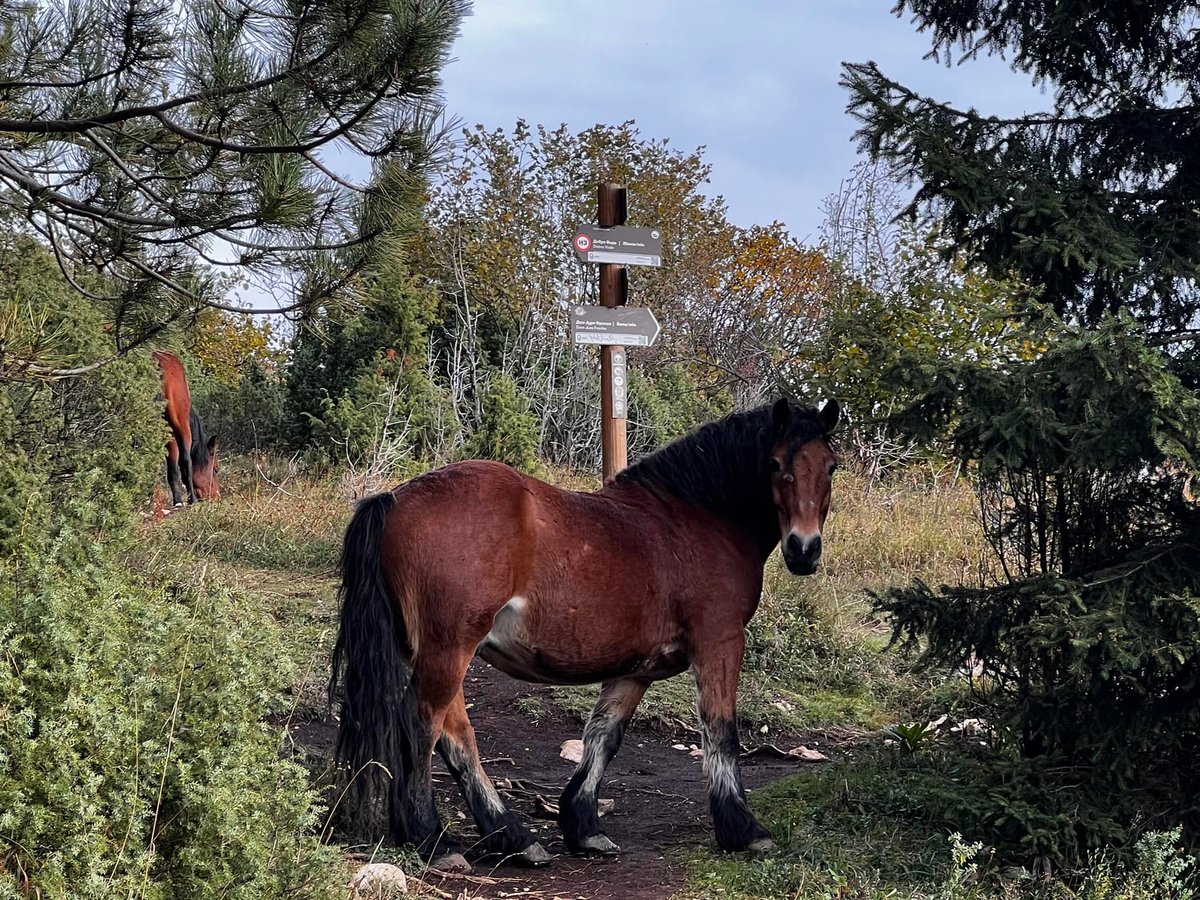
"A Hike to Lukomir, The Highest Village in Bosnia and Herzegovina" ― @muchBetterAdven muchbetteradventures.com/mag…
1
1
8
399
Vanja Filipovic retweeted

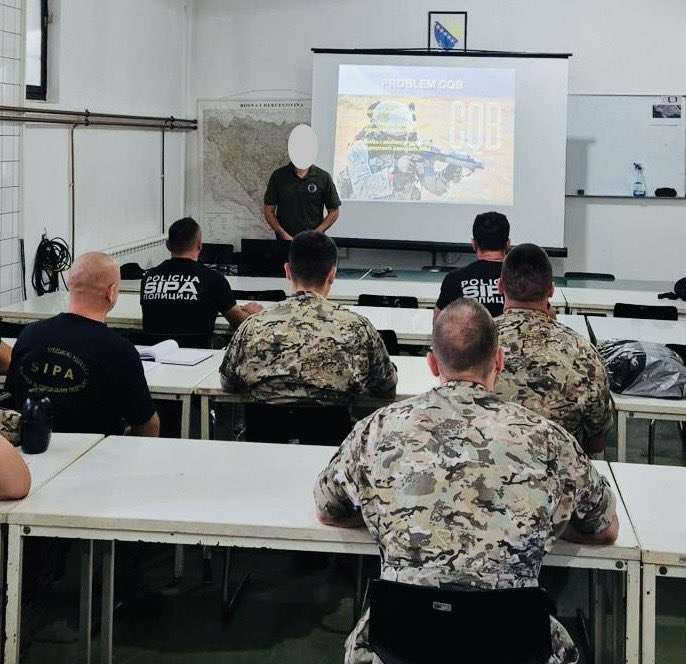
🇬🇧 UK’s 1 Ranger Regiment deliver a joint Train the Trainer Course on instructional techniques to @OruzanesnageBiH & @sipa_bih 🇧🇦, boosting specialist partner capability & regional stability.
A strong show of UK support for effective state institutions.
UKinBiH
4
14
949
11 Jul 2025
Today our thoughts are with the victims of the #Srebrenica genocide, their families, and the survivors. Despite the best efforts by some to build their political careers adding salt to open wounds through genocide denial, the truth is told and retold. We will never allow the memory of the genocide to fade and will continue to warn about the perils of identity-based hate, whether in Bosnia or anywhere else.
#Neverforget #Srebrenica
3
33
114
2,772
9 Jul 2025
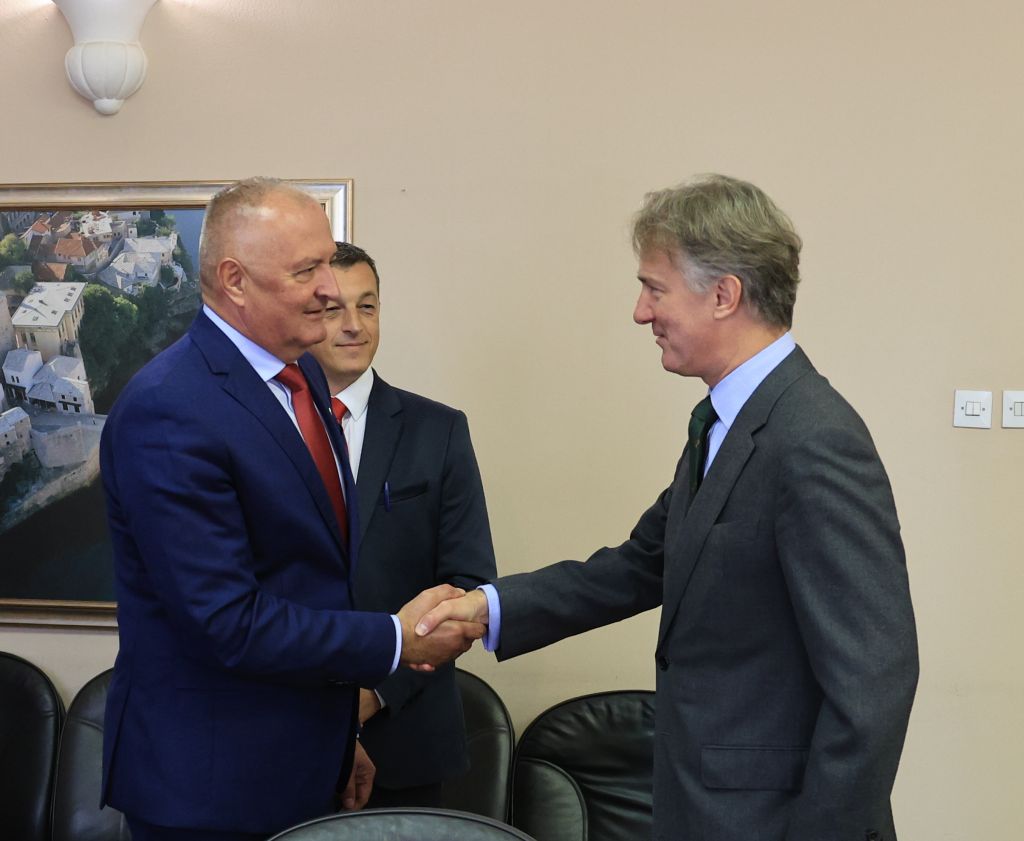
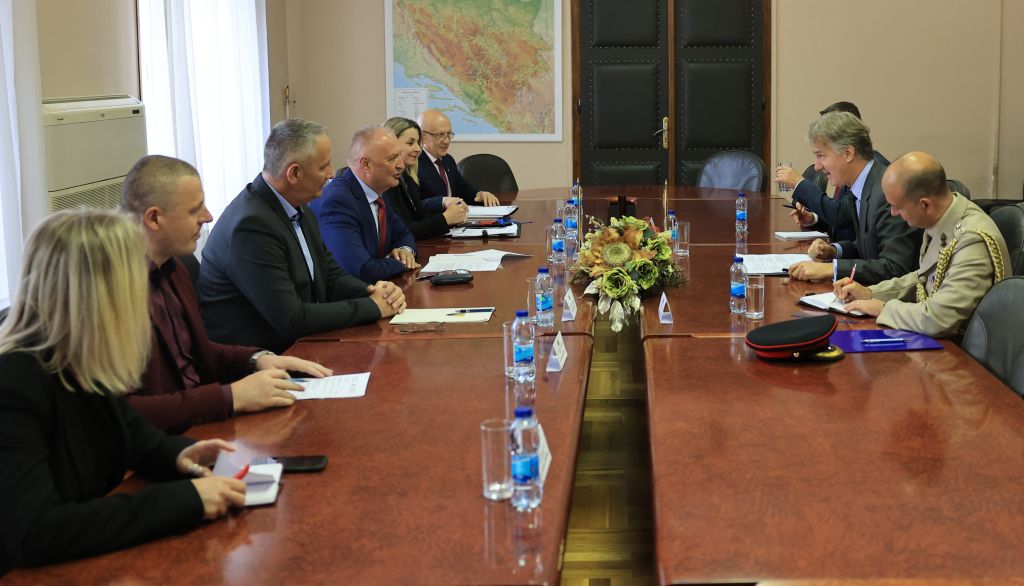
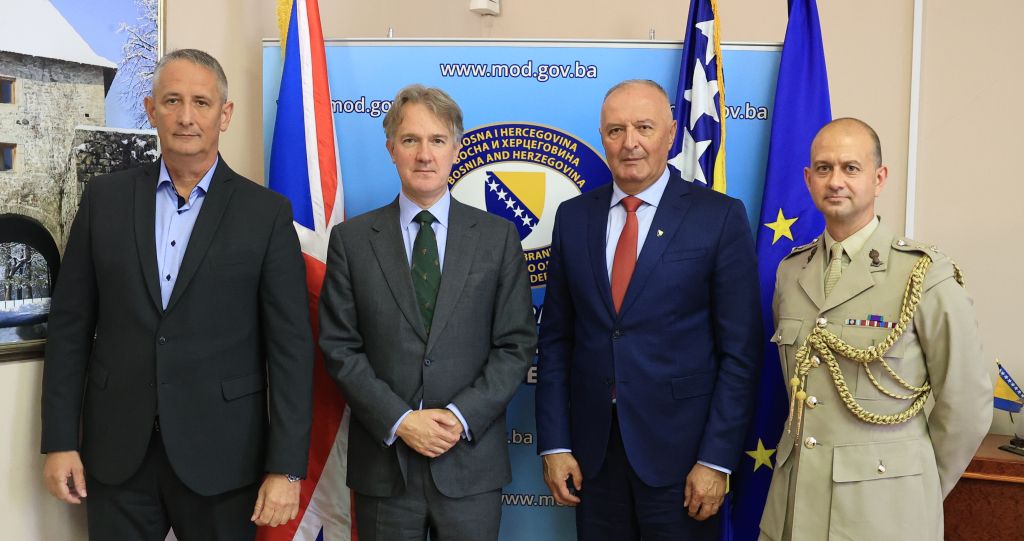
Thank you, Amb @JulianReillyUK! Investments in @OruzanesnageBiH are smart investments in our collective security and 🇬🇧 has been a steadfast partner. Deepening our defense and security cooperation will not only strengthen our key institutions, but deter malign influences & speed up 🇧🇦’s Euro-Atlantic integration. 🇧🇦🤝🇬🇧
9 Jul 2025

UK ostaje posvećen partner BiH. Održiv napredak zavisi od liderstva, jedinstva i reforme. Odbranu države nikada ne treba politizirati. Strateški napredak se može ostvariti kroz brzo taktičko unapređenje: obuku, opremu, inkluziju.
13
602
4 Jul 2025
Happy birthday, America! 🇺🇸🎉🎈🎊
#4thofJuly #IndependenceDay

Retweet to join us in celebrating our Ally the 🇺🇸 United States on their Independence Day! #4thofJuly
#WeAreNATO 🤝 @USNATO
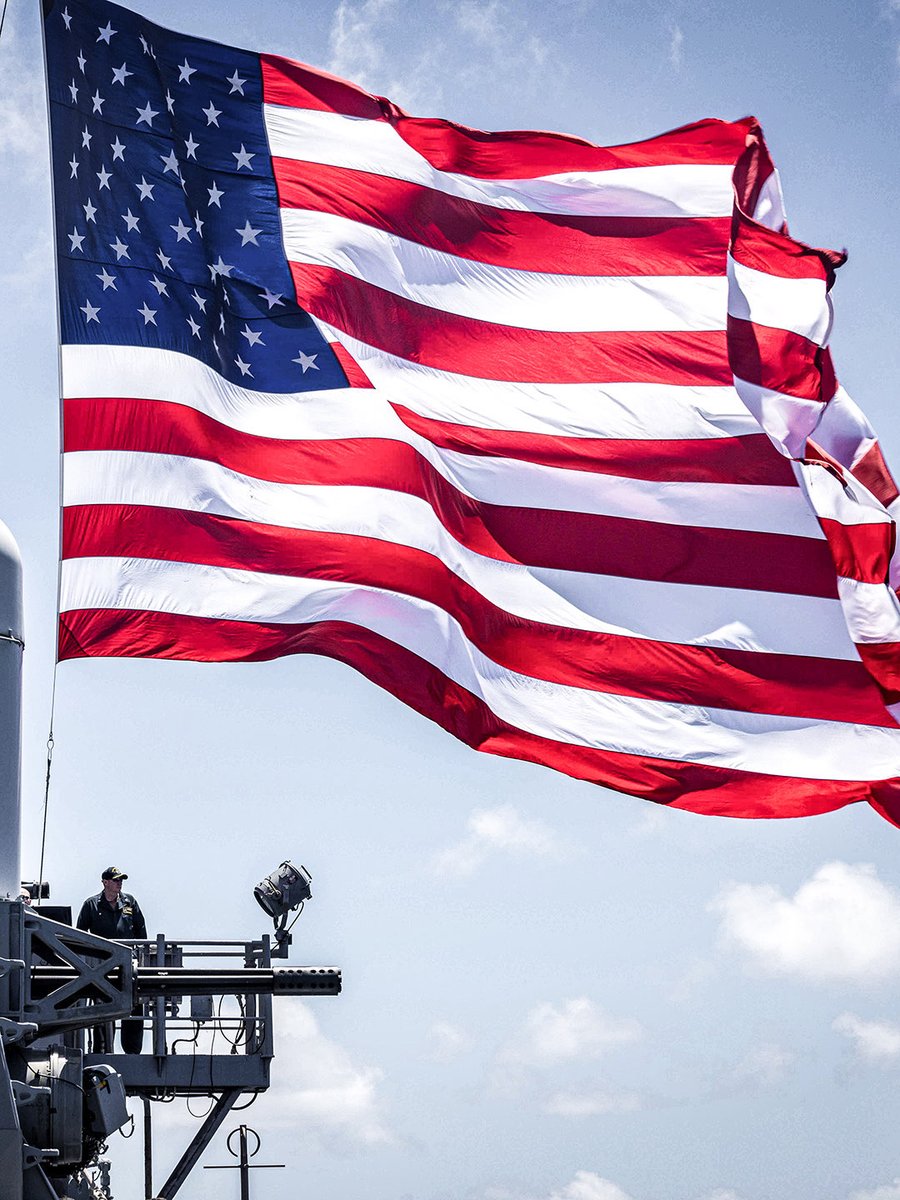
ALT The US flag in the wind aboard the Ticonderoga-class guided-missile cruiser USS Robert Smalls (CG 62). Photo by: Petty Officer 2nd Class Ange-Olivier Clement Commander, Task Force 70 / Carrier Strike Group 5
1
6
343
30 Jun 2025
Thank you, dear friends in Ireland.
🇧🇦🫶🇮🇪

Solemn commemoration of the 30 th anniversary of the Genocide at Srebrenica in Dublin . @SrebrenicaMC @SrebrenicaUK @jackfchambers @SasaMagazinovic @CharlieFlanagan @Vanja_Filip @Donie_dc
2
10
408
23 Jun 2025
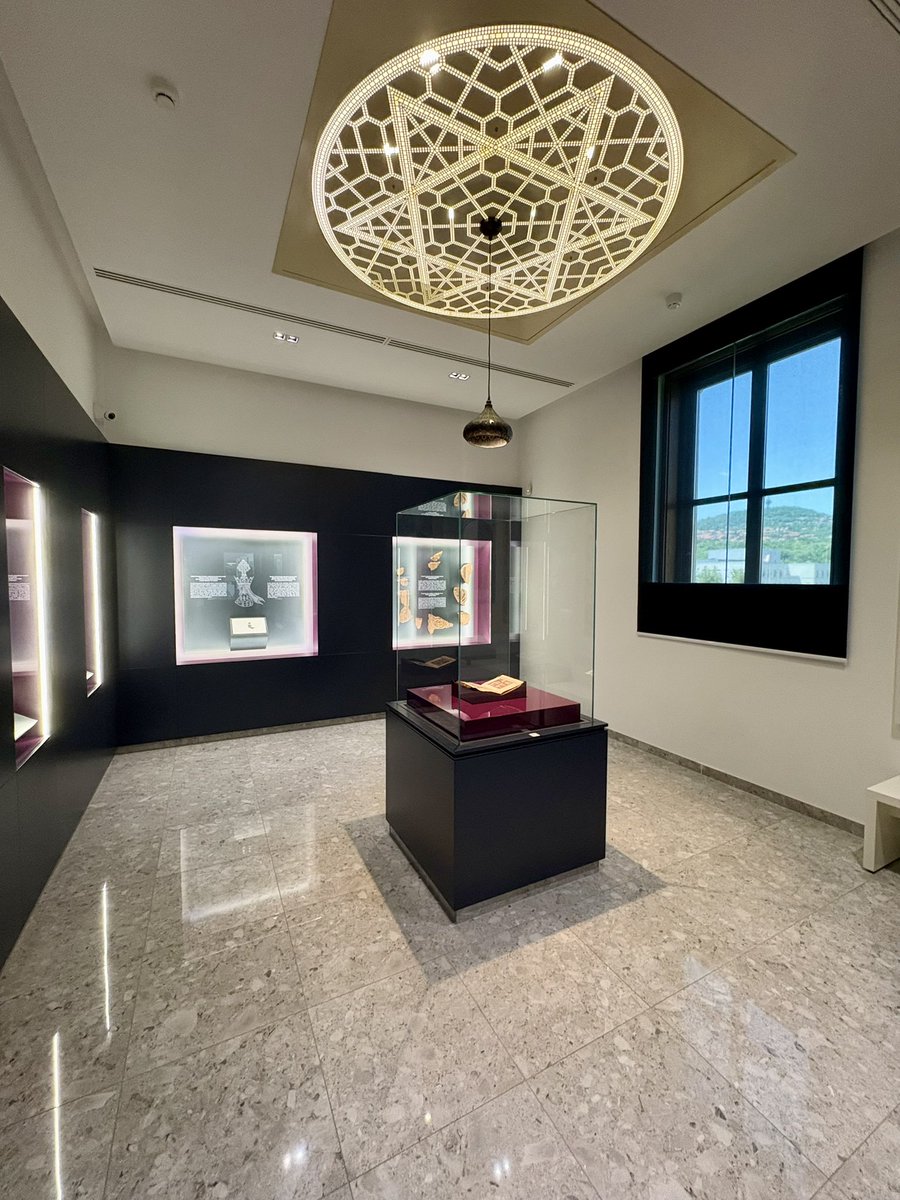
A true national treasure. Another reason to visit Sarajevo - “Jerusalem of Europe” - and enjoy 🇧🇦 cultural and religious diversity.
☪️✡️✝️☦️
23 Jun 2025
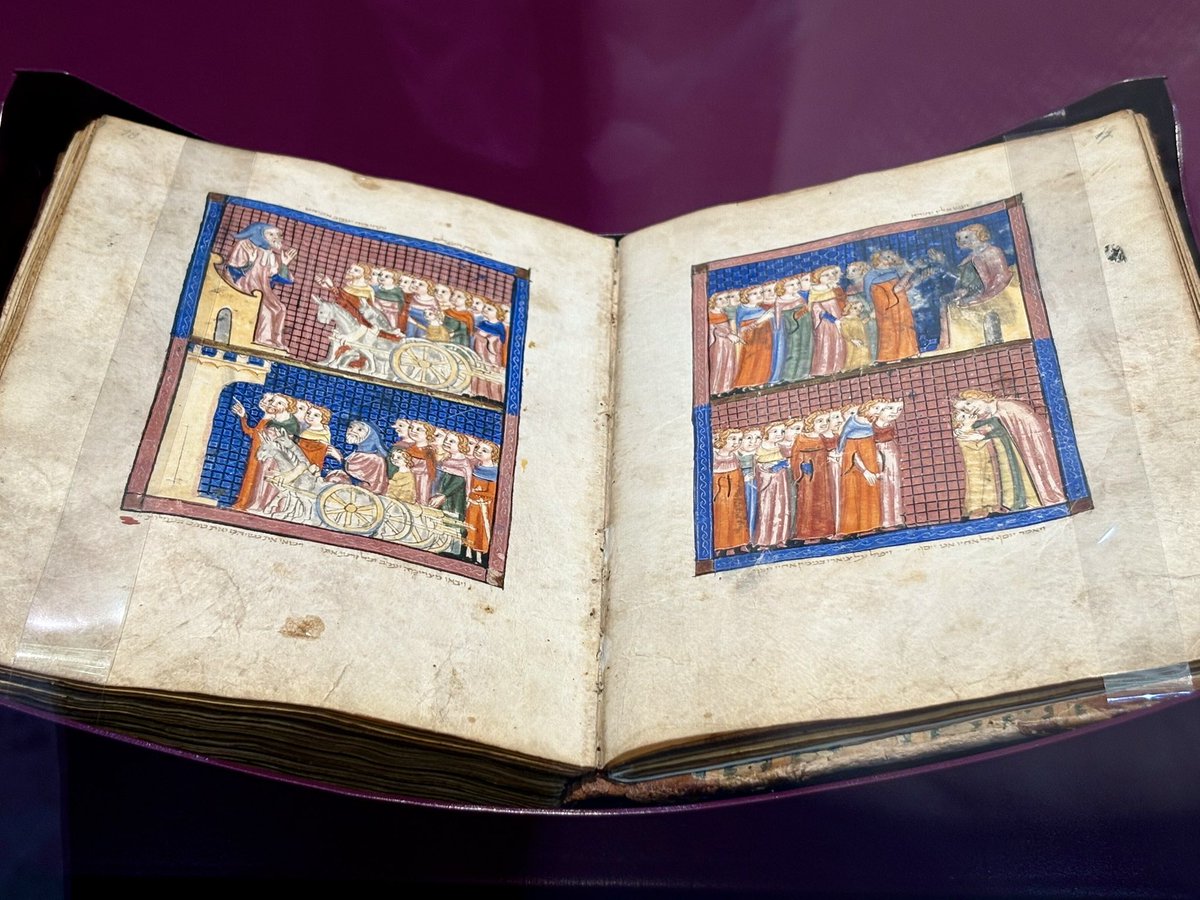
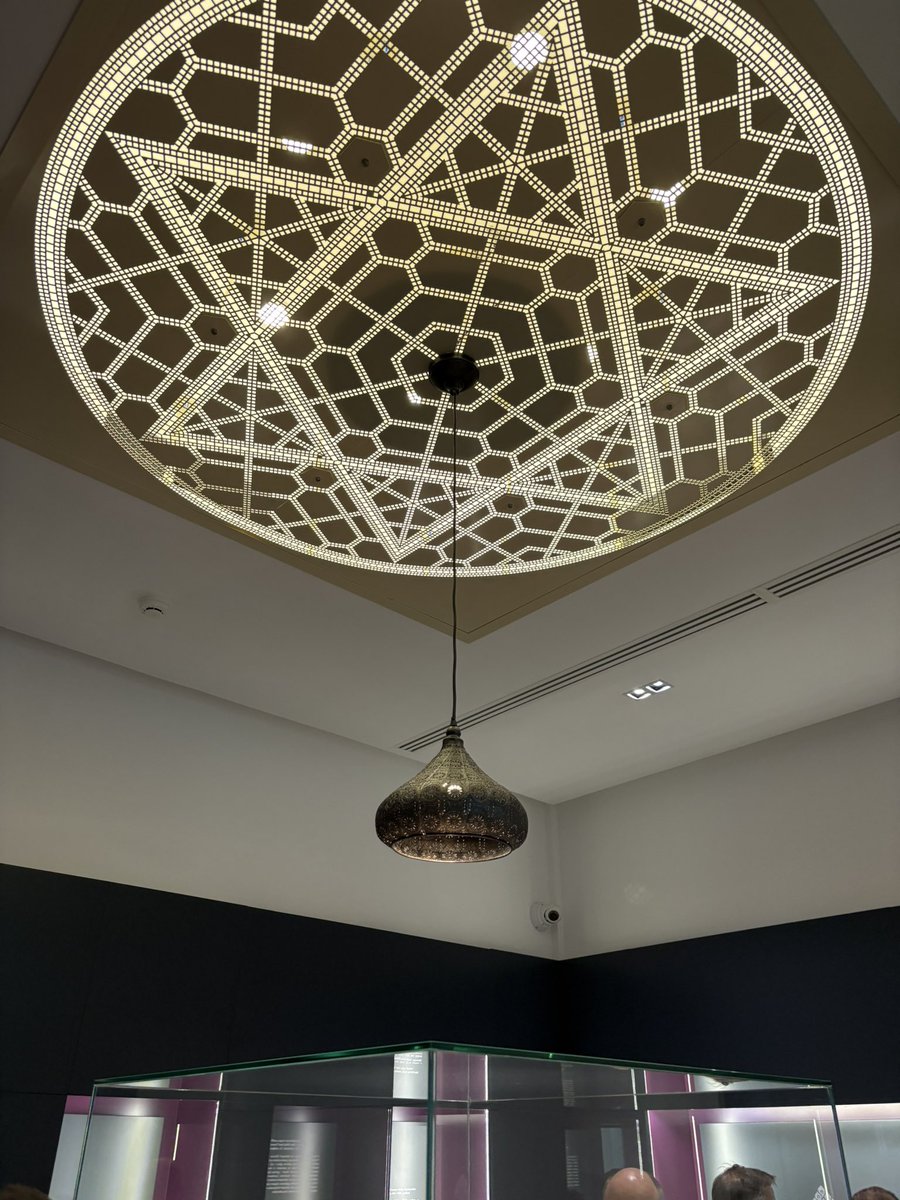
My first visit to the Sarajevo #Haggada.
This medieval Jewish manuscript, illuminated in 14th-century Spain, came to Sarajevo in the 16th century with Sephardic Jews fleeing the Inquisition. Kept safe during both the Second World War and the 1990s siege, it stands as a symbol of Sarajevo’s resilience and multicultural heritage.
🇧🇦
1
6
25
1,486
17 Jun 2025
RT @SadiqKhan: Today at St. Paul’s we marked the 30th anniversary of the Srebrenica genocide - remembering the 8,000 Bosniak men and boys m…
53