4,365 Photos and videos










VegHand retweeted

Jun 14
No they won’t. The tech oligarchs are the most useless set of elites imaginable. No set of rich people in American history have been as useless a drain on society as they have
Jun 13

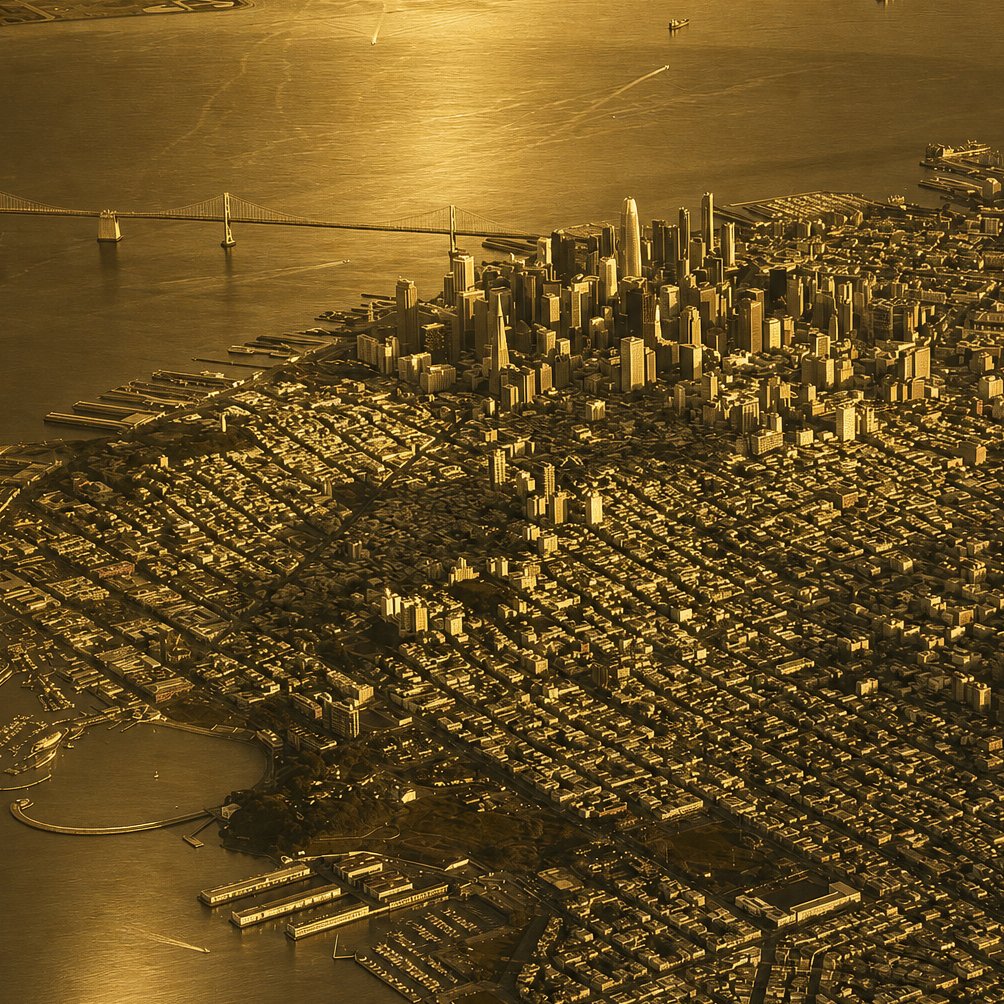
The 10,000 San Franciscans who are about to become millionaires in 2026 are going to fund a new generation of art, architecture and ideas that will shape the world
160
3,074
31,369
537,022

Maybe this helps them digest the food easier? Good idea maybe?

2
99

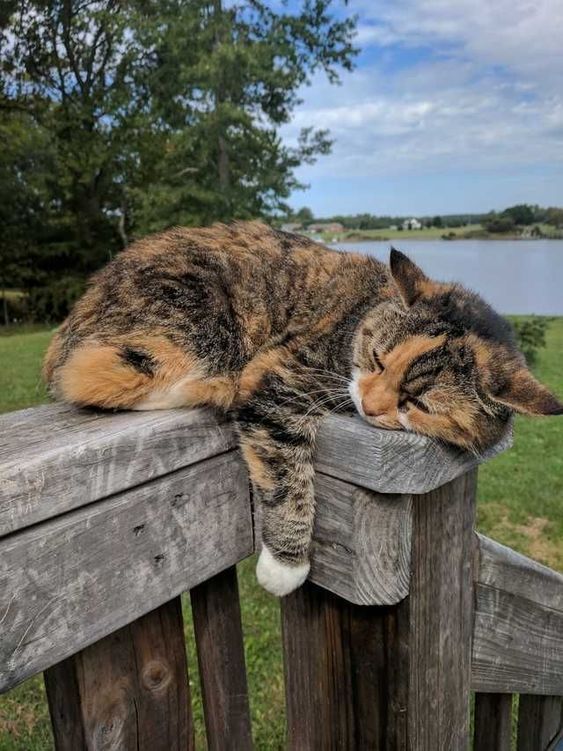
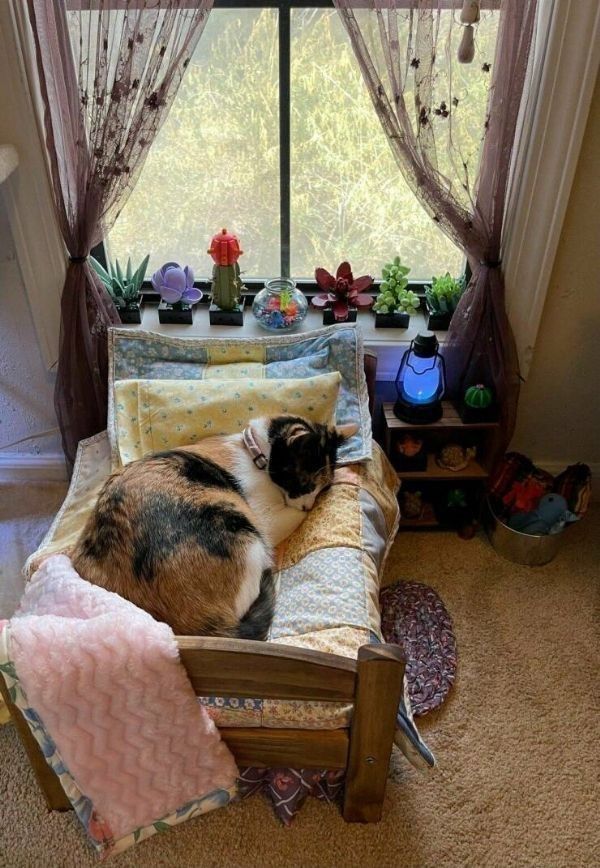

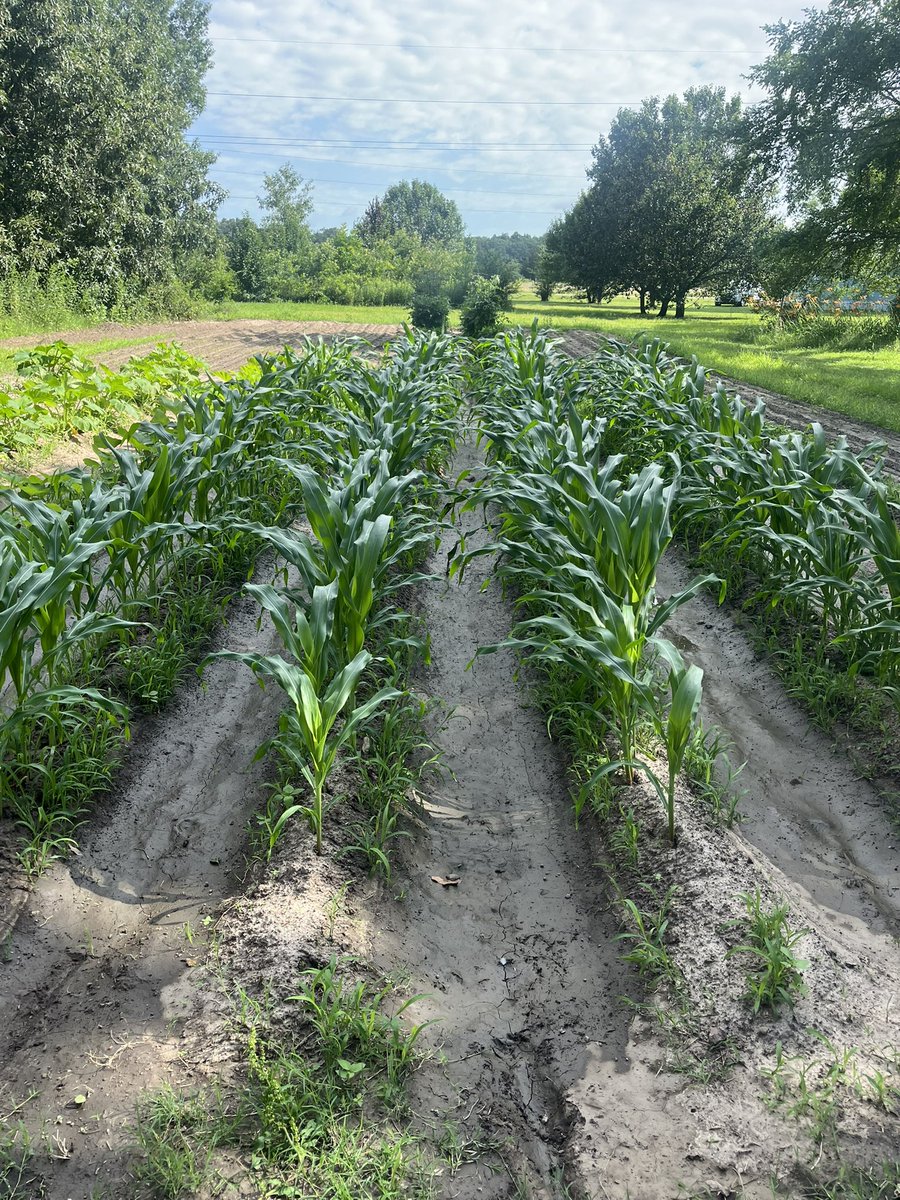
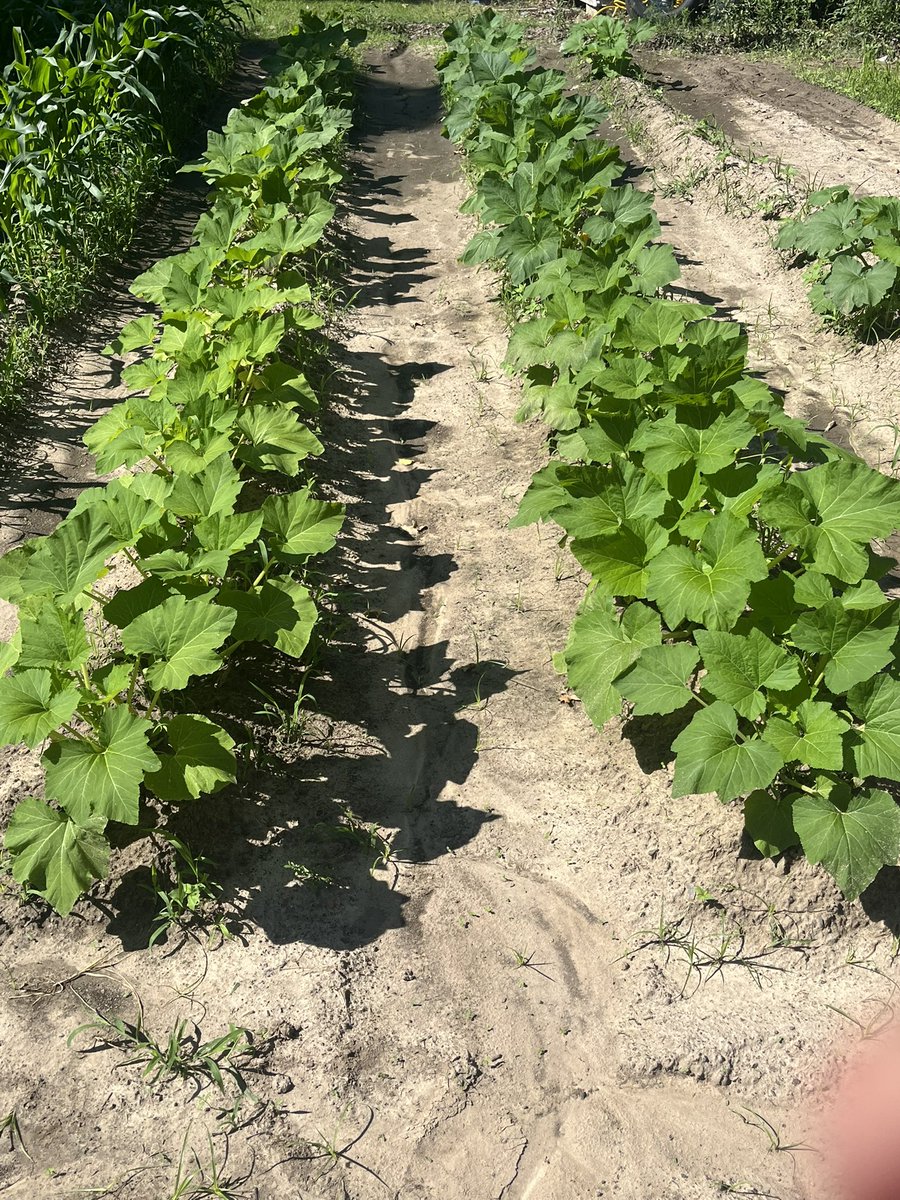
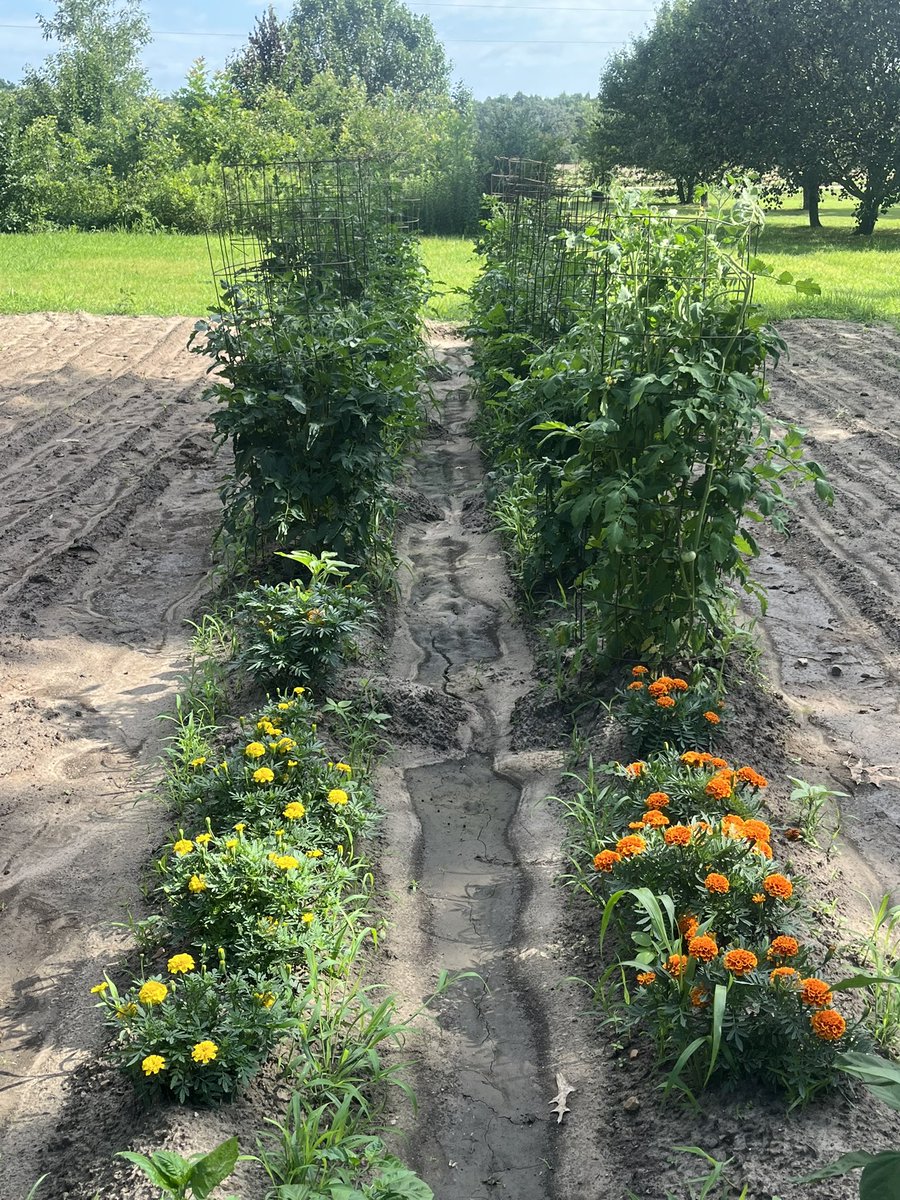
Ever since I've been surviving on mostly McDonald's burgers every day I notice I've been putting on muscle but I feel really unhealthy and it destroys my stomach and is probably terrible for my cholesterol and sodium levels. And now I get cravings for it. That can't be good! 😬🍔
3
5
117
VegHand retweeted

Jun 11
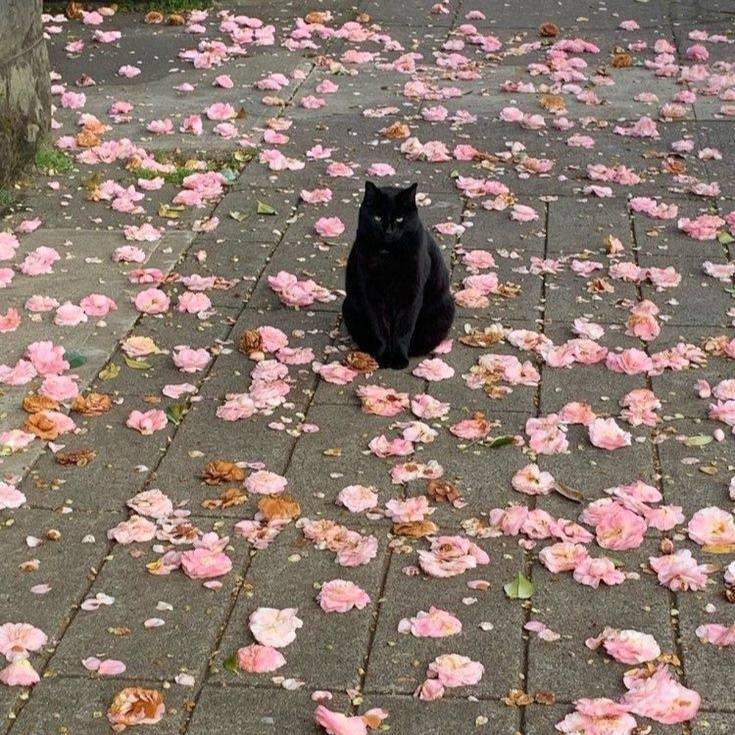
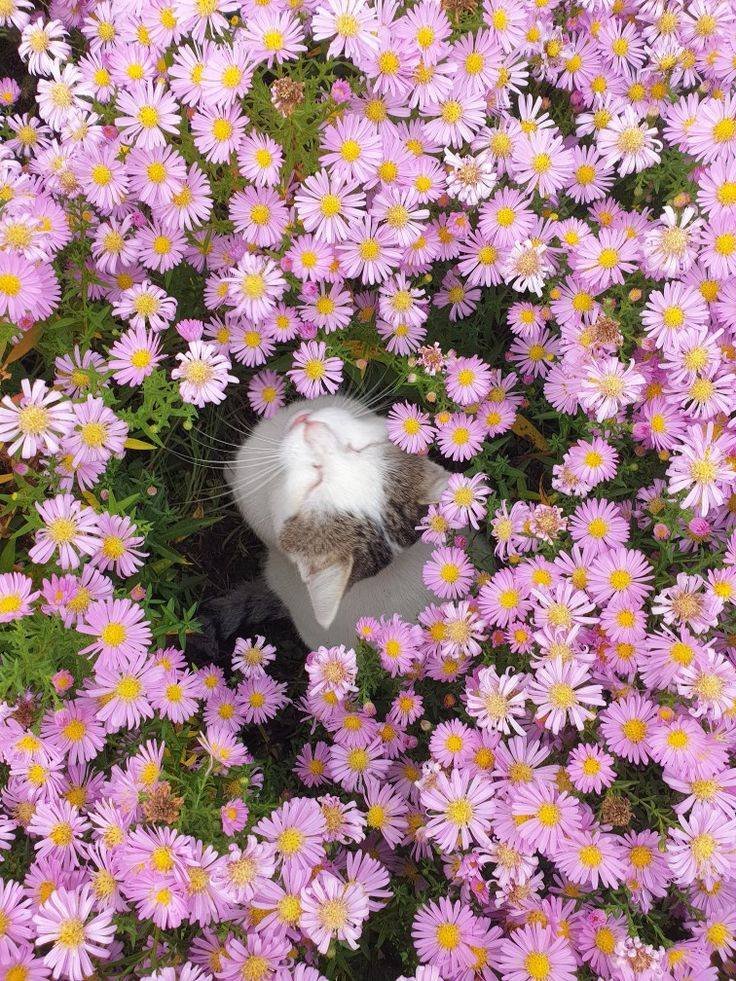
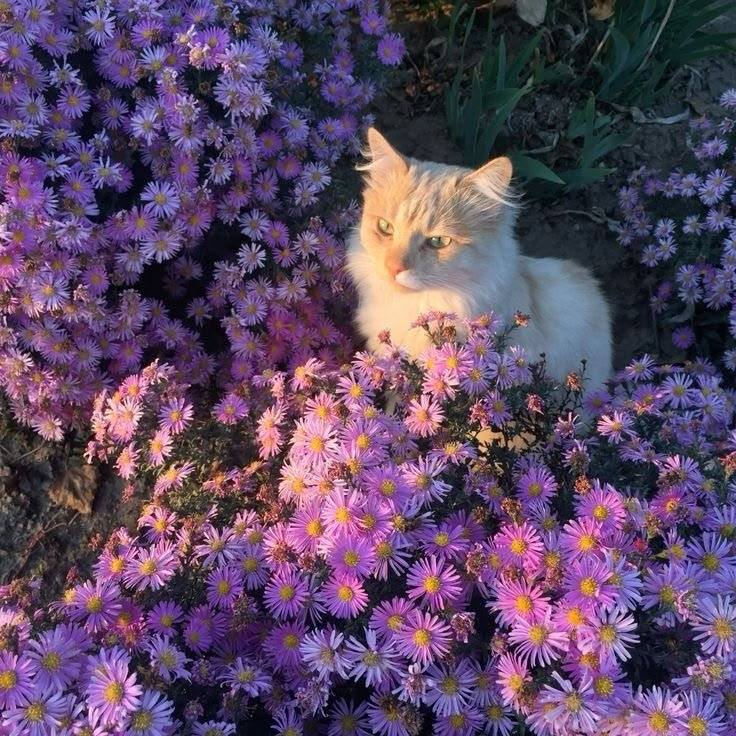
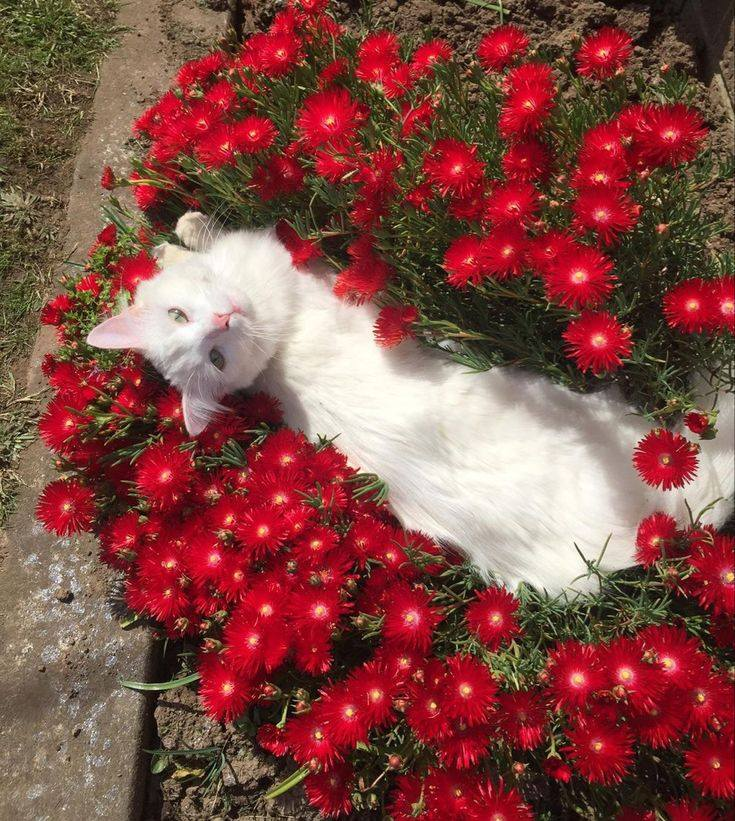
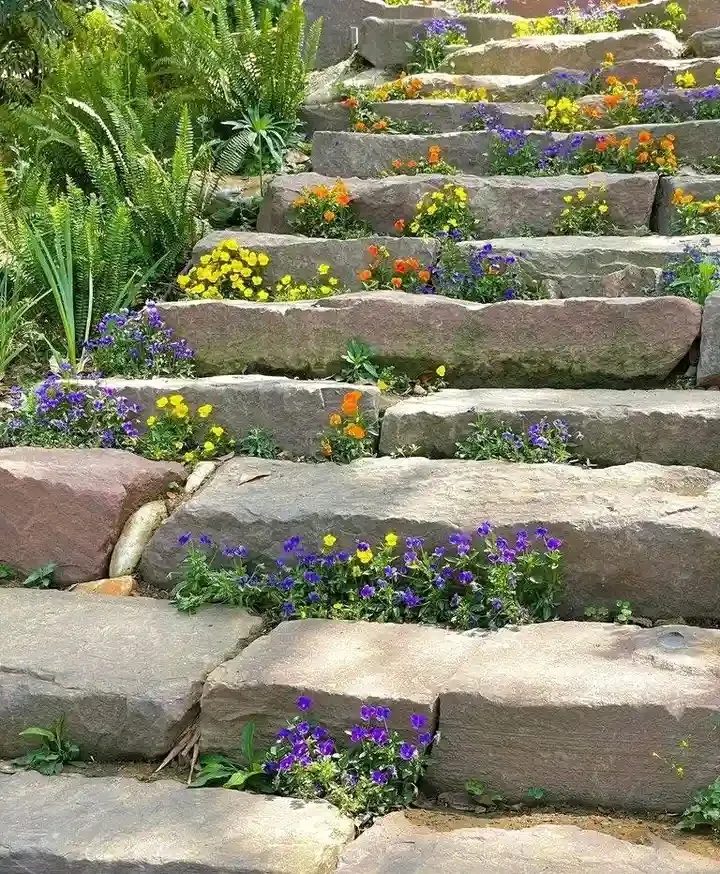
everything will become beautiful if you work to make it beautiful
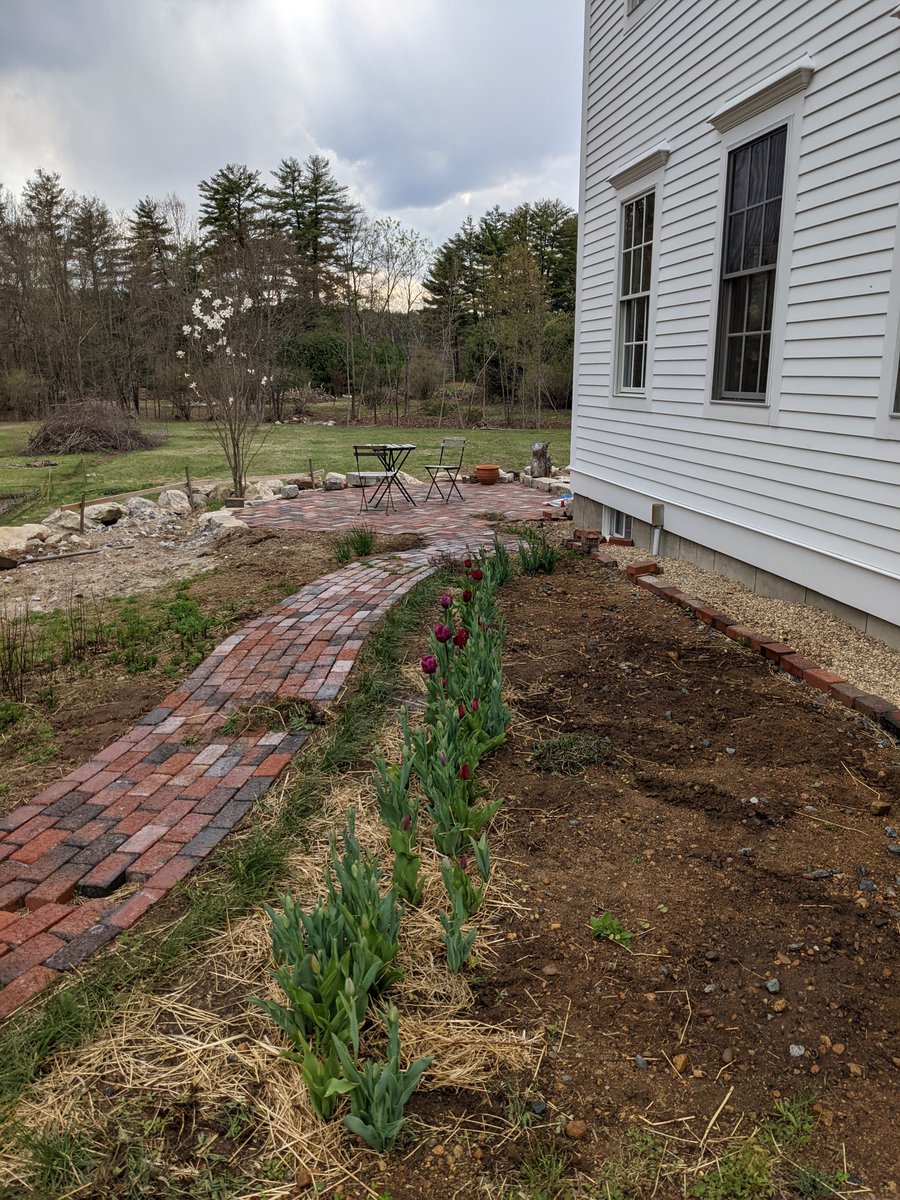
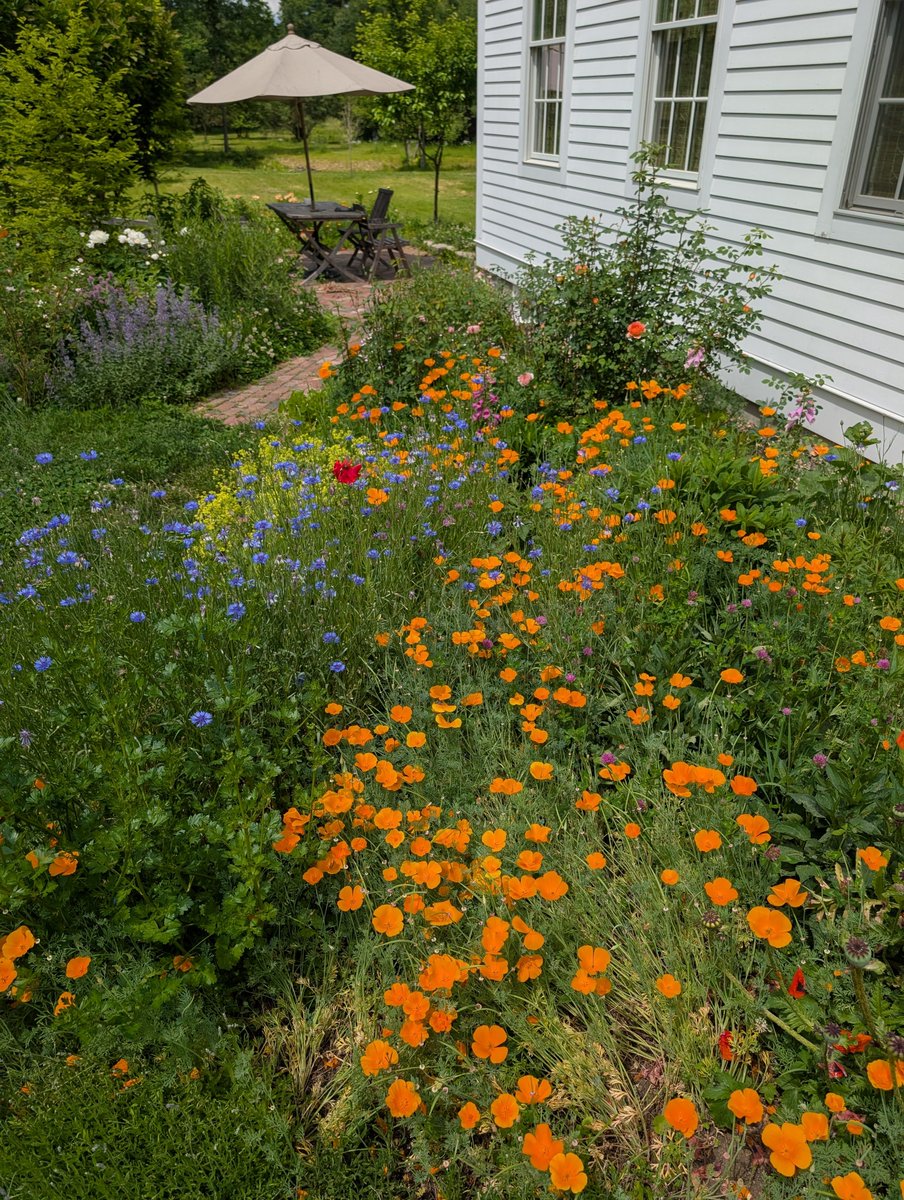

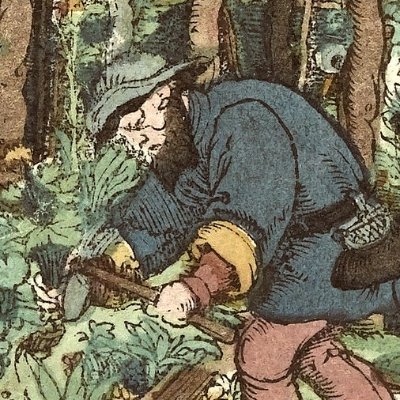
my version of thinking i could fight a bear is believing that my yard could do this
27
499
10,269
211,080
VegHand retweeted

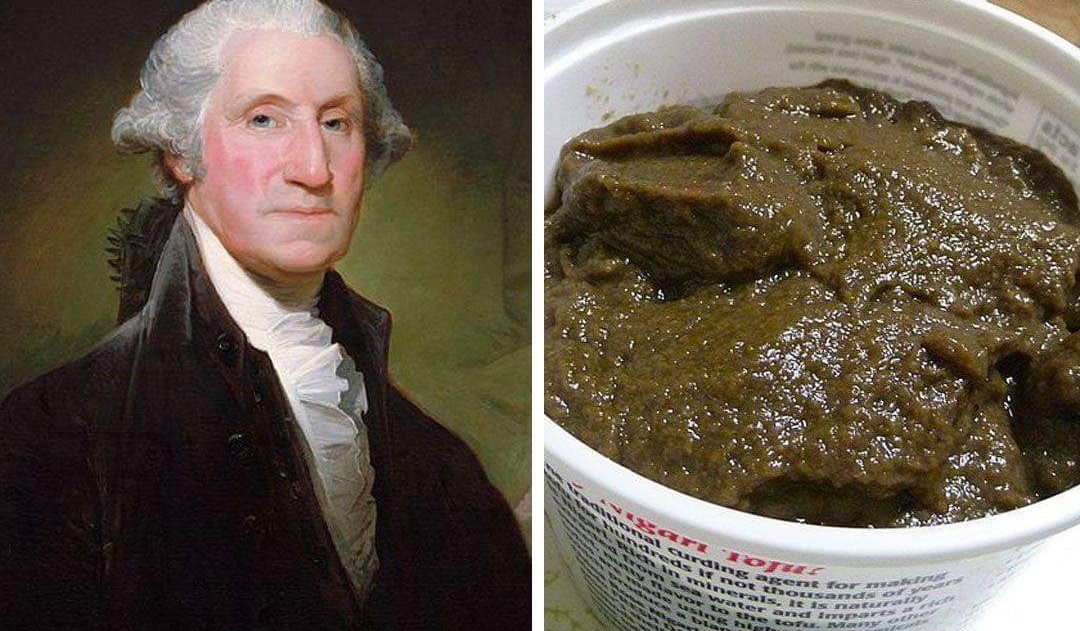
Before tomato ketchup existed, the ketchup on George Washington's table was made from mushrooms...
The word ketchup has nothing to do with tomatoes. It traces back to the Chinese ke-tsiap, a pickled fish sauce, and for most of culinary history the term referred to any number of fermented or concentrated condiments made from mushrooms, walnuts, oysters or anchovies. The tomato version did not become standard until the mid-19th century, and for a very good reason: most people in England and colonial America still believed tomatoes were poisonous well into the 1700s. The tomato is in the nightshade family and the suspicion was not entirely irrational. People simply were not eating them.
What they were eating instead was this. Mushrooms salted overnight until they give up an extraordinary dark, intensely flavoured liquid. Strained, spiced with nutmeg and warm spices, and reduced until thick and concentrated. The result is not ketchup in any sense you would recognise from a burger joint. It is a dark, almost black liquid that tastes like the most concentrated mushroom stock you have ever encountered. A teaspoon in a gravy. A splash in a braise. The same umami depth that Worcestershire sauce provides but with a cleaner, more directly mushroom-forward character. And not coincidentally, Worcestershire sauce developed in the 1830s is a direct descendant of exactly this tradition.
Today, this historical recipe comes from Hannah Glasse's The Art of Cookery, Made Plain and Easy, published in 1747 and the most important cookbook in colonial American history. George Washington owned a copy. Thomas Jefferson owned a copy. Food historians confirm that mushroom ketchup was a documented pantry staple in Founding Father households, and Martha Washington's own recipe book documents related fermented condiment preparations.
© Eats History
#archaeohistories
78
379
2,196
187,071
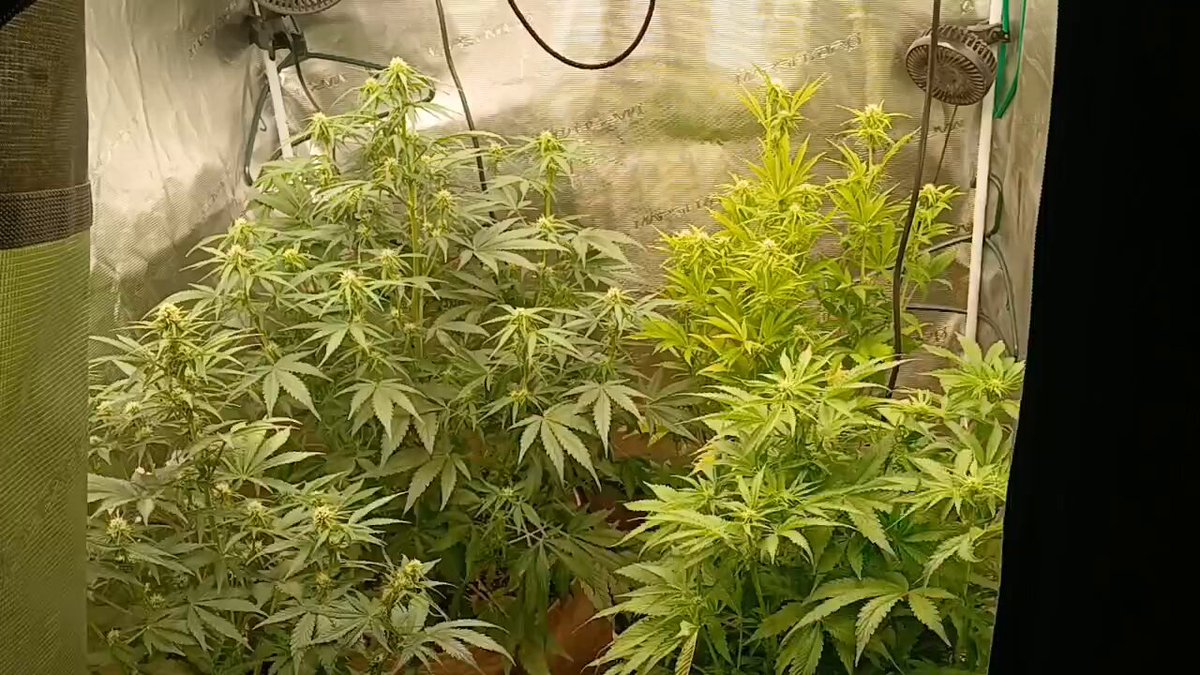
When the light goes off and you smell that nasty plant smell coming out your tent. Is there any way to lessen that? That smell is pretty strong. I wonder if you all have any tips on this or is it just unavoidable as it is just a natural gas releasing from the plant at lights off?
8
2
1,191
I love showering with some good quality soap! It makes washing yourself all the better. After a while you just feel different about soap and want to use higher quality soaps as you age. Fragrances are a major joy in this world. Enjoy them and all their many wonderful varieties.
3
79
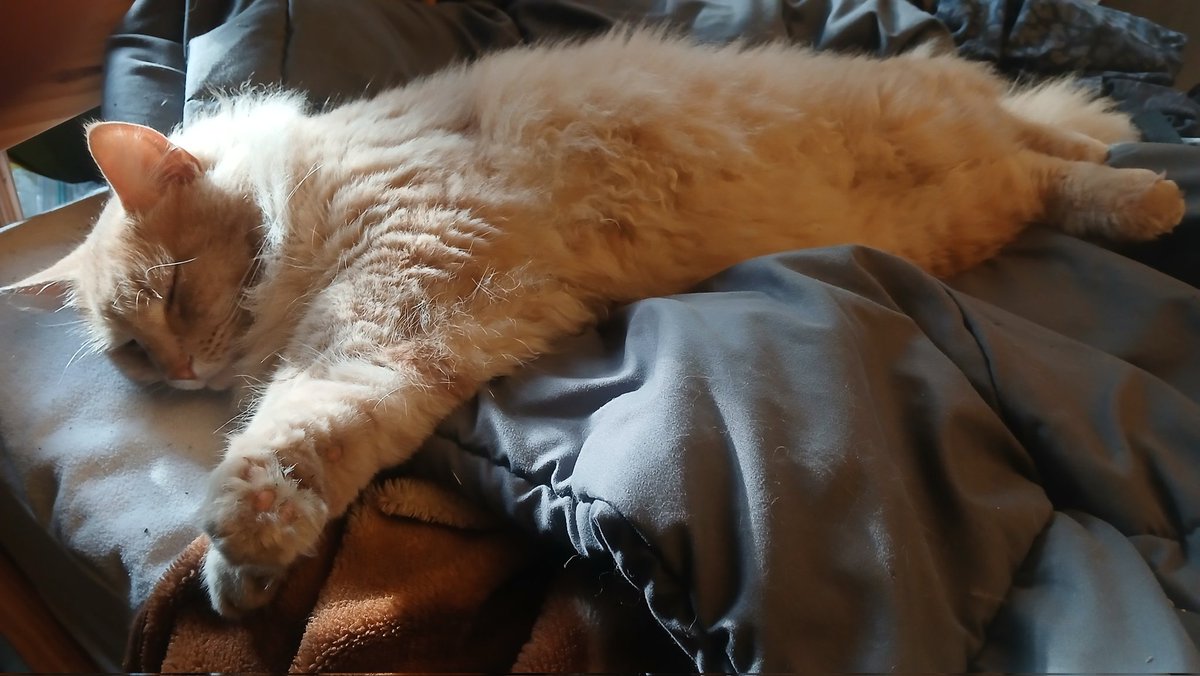
Tired of small ass cats that hiss growl and scratch when you pick them up to cuddle? Get you a PoofyKingXL 😎🐈
PoofyKingXL is the best cat in class. He is strong, heavy, floofy as hell, and adorable. He even leaves presents 🐭 in the yard. Need love? Get you a PoofyKing today!
2
57
I was talking with this nice lady in the parking lot and it was like almost immediately I knew she was from the South! I said, what are you from Georgia? You're too kind and nice! And yup sure was close enough, North Carolina. I like people from the South. I think I need to move.
3
7
138

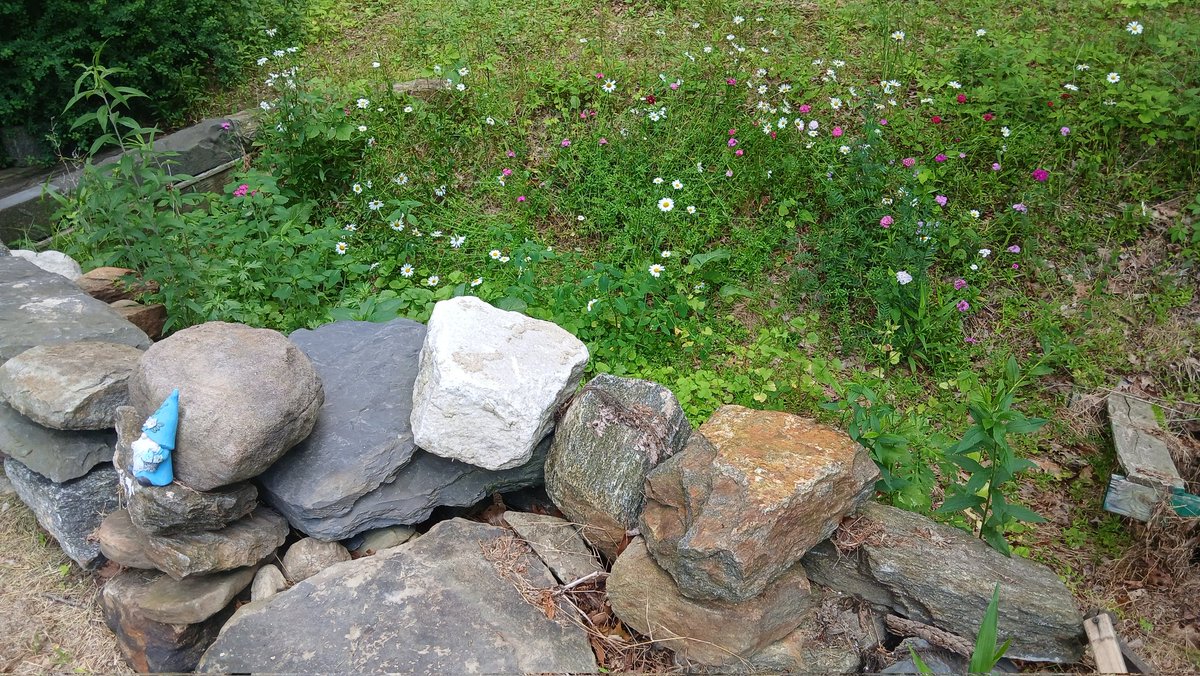
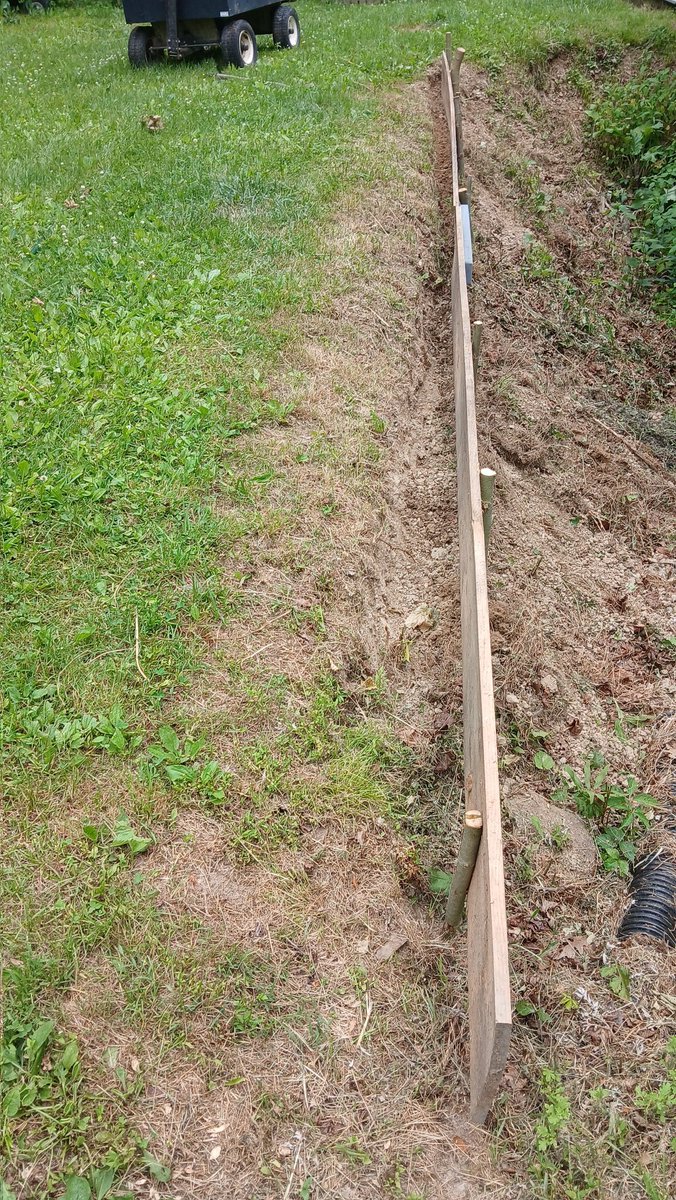
Sometimes you just have to sit and observe a special stone and appreciate that someone probably already worked this stone with their tools many hundred years ago and I'm getting to salvage and reuse it in my wall. Building New England walls instantly connects you with the past.
2
12
146
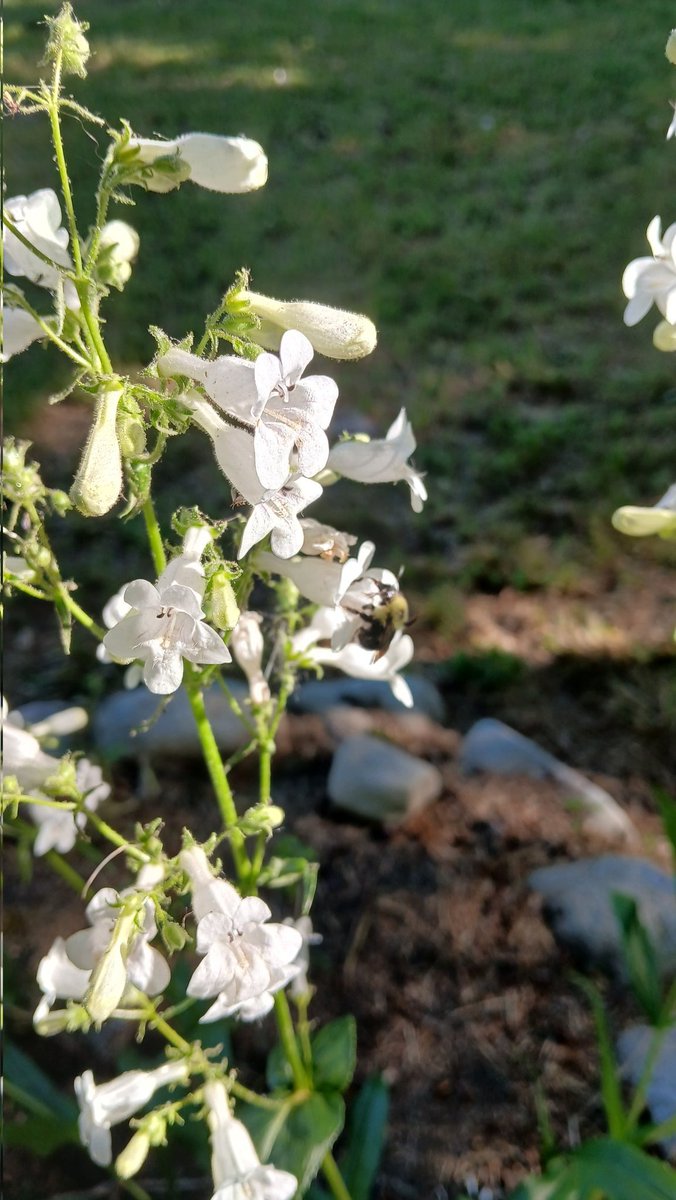
I'm having the best garden year yet. Getting artful with it. Everything is getting planted and I'm in a flowstate. Transplanting and planting the rest of the seeds right in the knick of time. I've got loads more bulk flower seeds on the way. It's going to be colorful everywhere!
1
1
16
411