RADIOGRAPHER IN TRAINING☢️2/5| lover of Christ | MANCHESTER CITY FAN |philippians 4:13
Joined February 2025
- Tweets 1,823
- Following 184
- Followers 211
- Likes 7,401
40 Photos and videos





GUYYY🦅 retweeted

14h
pregnant women, please eat enough folic acid, iron, iodine, protein, zinc… these nutrients play a major role in brain development. take it seriously so we can avoid situations like this

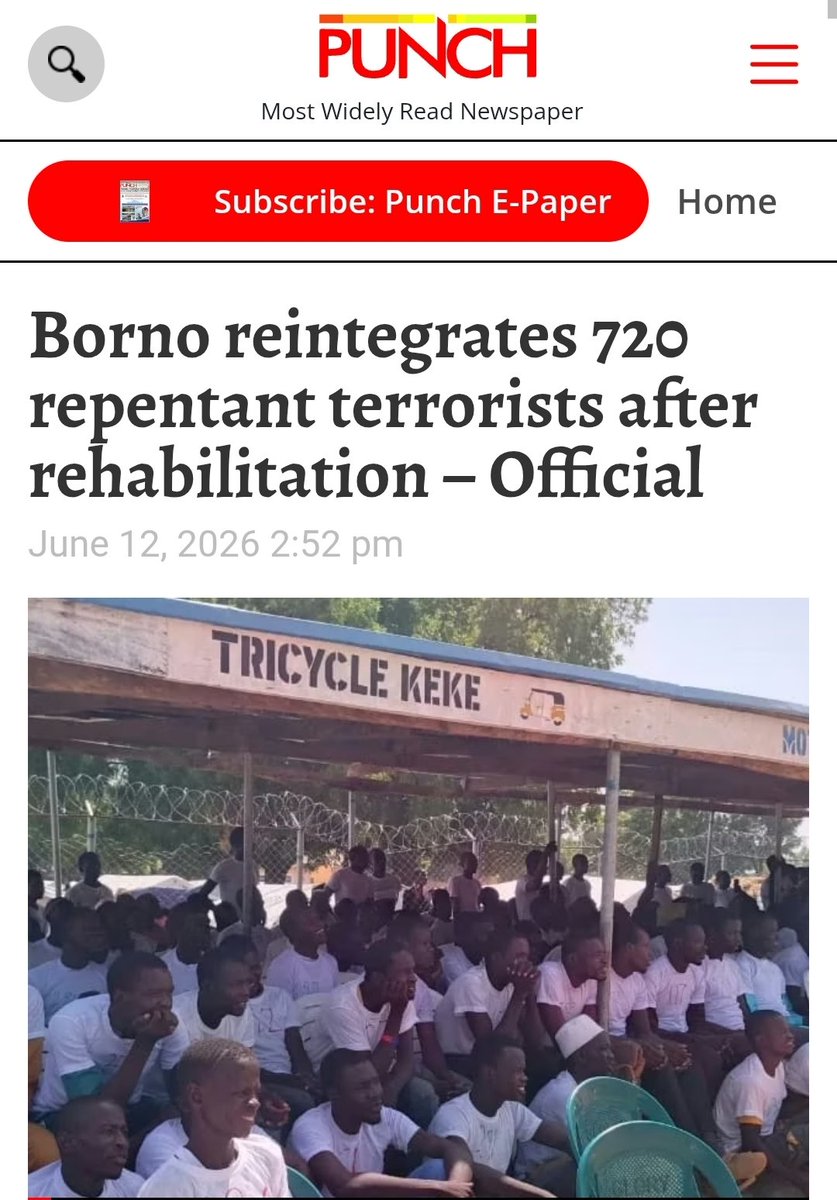
“Allow Tinubu to work” — Pro-Tinubu group accuses Makinde of hiding k dnapped children over presidential ambition during counter-protest in Abuja
8
605
1,625
24,223

Guess what just happened, a day after they were released.
I feel zero empathy for them.

Zero empathy for idiots living in these northern places. Tomorrow they queue and vote for APC and Muslim Muslim candidates. Their situation is karmic and no sane person intervenes when karma is at work. Ignorance or anything, no reason for them to be stupid is reasonable.
3
21
Last last school no be scam 😹
20h

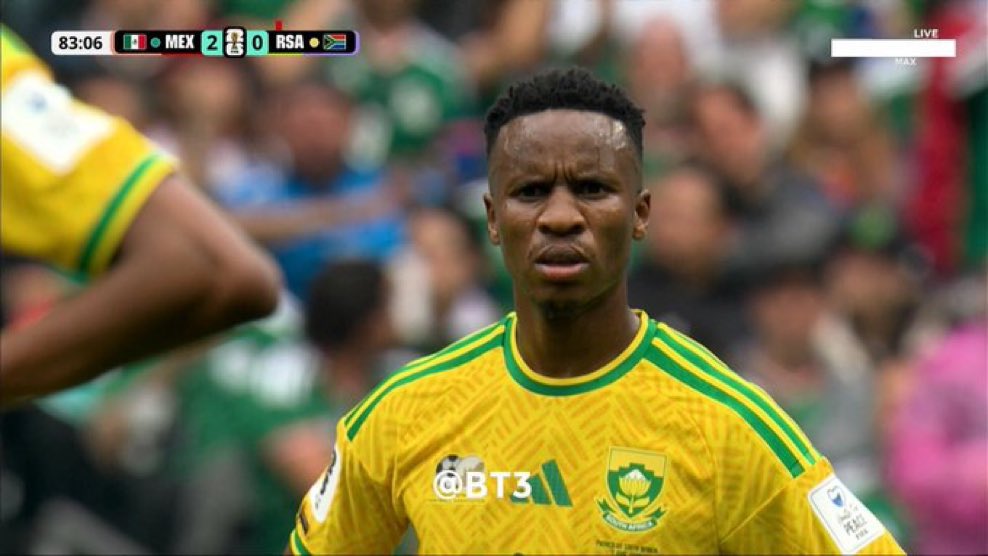
“The Netherlands haven't lost a World Cup match in 90 minutes since 2006 😂”
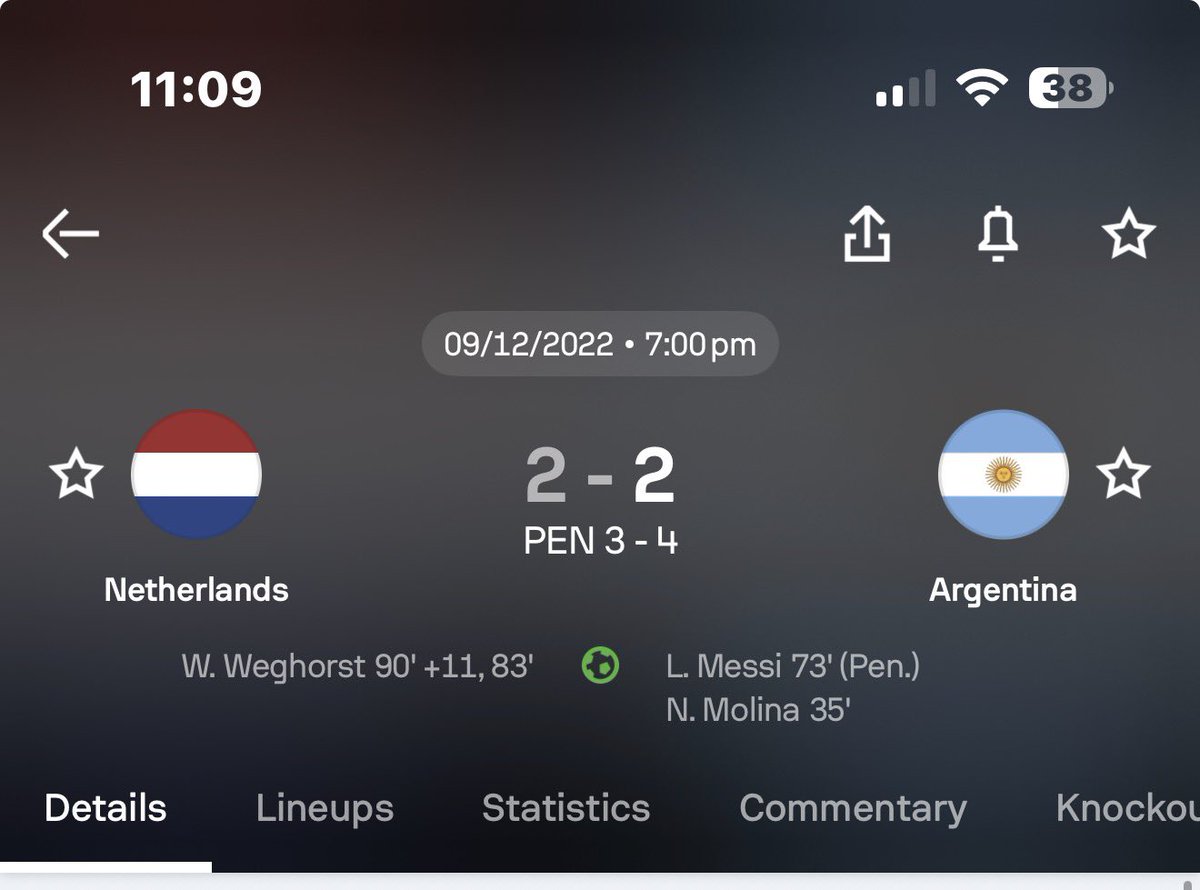
Community note
The Netherlands haven’t lost a World Cup match in 90 minutes since its 0-1 defeat against Portugal in 2006.
Since then, the Dutch lost against Spain (ET, 2010), Argentina (PK, 2014 and 2022)
sofascore.com/en/football/te…
3
101
This is actually true, though i had to devise a mens of creating a deadline for myself.
It has helped me a lot.
Jun 12

Reading at your own pace no mean say make you no serious ohh....... 😎
1
4
74
No one calls you that.
You are a silly little liar. You and your teammates are Loosers protected by CAF.
Towel FC of Africa.
Jun 13

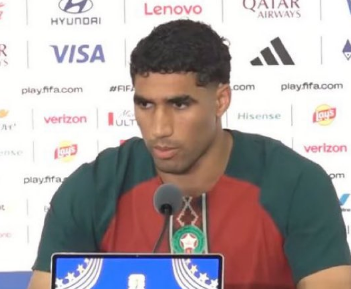
🚨🗣️ 𝗡𝗘𝗪: Achraf Hakimi: "In Africa, they call us the 'Brazilians of Africa'."

2
6
192
GUYYY🦅 retweeted

In my first semester of 200 Level Dentistry, some of our seniors from CMDA came to give us an orientation on medical school, academics, and how to handle our studies.
Most of the speakers were distinction students.
One had a distinction in Anatomy.
Another had distinctions in Physiology and Biochemistry.
One after another, they stood before us and gave advice on how to succeed in medical school. They told us what worked for them. Read hard. Read at night. Eat before reading. Stay consistent. Follow a timetable. They shared the things they believed had contributed to their distinctions and academic success.
The advice was good.
But after the orientation, a question kept bothering me.
How many students in that 400 Level class actually got distinctions in their last MB examination?
The answer was simple.
Not up to ten.
Then I asked another question.
How many students were in the class?
Over four hundred.
And that made me wonder.
Why are only ten people allowed to speak about the experience of medical school?
Why do we keep selecting only the outliers to tell the story?
Why don't we hear from the majority?
Because no matter what happens, if only ten out of four hundred students are graduating with distinctions, then their experience is not the typical medical school experience. Their experience is valid, but it is not the only experience.
That, to me, is one of the fundamental problems with many medical school orientations.
Orientations should not consist only of distinction students speaking.
There should be distinction students.
There should also be average students who passed.
Because that is what most medical students will become.
There should be students who received resits.
Because many medical students will receive resits at some point.
There should be students who repeated a class or stepped down.
Because some medical students will experience that reality too.
The truth is simple.
The smallest percentage of students will graduate with distinctions.
A much larger percentage will graduate with passes.
Others will experience resits.
Others will repeat classes.
Others will struggle through medical school before eventually succeeding.
Yet these are often the stories we never hear.
The events of resits.
The events of repeats.
The events of academic setbacks.
These are the experiences that quietly shape a huge number of medical students, yet they are rarely discussed openly.
Students walk into these situations completely unprepared because nobody told them what those experiences looked like.
The people who have lived through those experiences are usually not invited to speak.
The younger students never get to learn from them.
So many people end up facing those challenges alone.
These are the stories in medical school that we do not hear.
Then we return to the distinction students and begin collecting formulas.
Don't eat before reading.
Read at night.
Take supplements.
Take energy drinks.
Use this method.
Use that method.
But many students in medical school come from completely different backgrounds.
For you to be an outlier, you are already an extraordinary case.
Some students do not have enough money to eat comfortably.
Some have to choose between feeding and transportation.
Some leave home early in the morning and spend the entire day in classes before returning late in the evening.
Some cannot afford textbooks and rely entirely on PDFs.
Some do not have stable electricity and study with candles.
Some do not have access to quiet environments.
Some are dealing with financial, family, and personal problems that many people around them never see.
Following another person's formula when your life circumstances are completely different can become a problem.
Many junior medical students spend too much time looking for formulas.
They are looking for the exact routine.
The exact timetable.
The exact study method.
The exact habit.
The exact secret.
7
26
132
7,659

This ibibio names you de call uduak too funny 😹😹.
He want lead Portugal to glory but e de look like call to glory 😭
Jun 10

Abeg weytin similar for here?😂😂😂😂
Na una gan dey set Akpan up every time😭😭😂
2
122
One of my favorite footballers currently 😊.
A proud believer. Jeremy Doku
Jun 10

Jeremy Doku taking time to share the Gospel before the World Cup kicks off. At this rate, he might just become a pastor after retirement 👏🏼🙏
4
188
GUYYY🦅 retweeted

Jun 10
Thank God I chose the right Goat o.
Messi’s first touch is an assist😭😭😭😭
Goalkeeper fouled Lautaro, penalty.
Messi scores😭😭😭
65
1,206
9,336
77,236
If this guy never existed
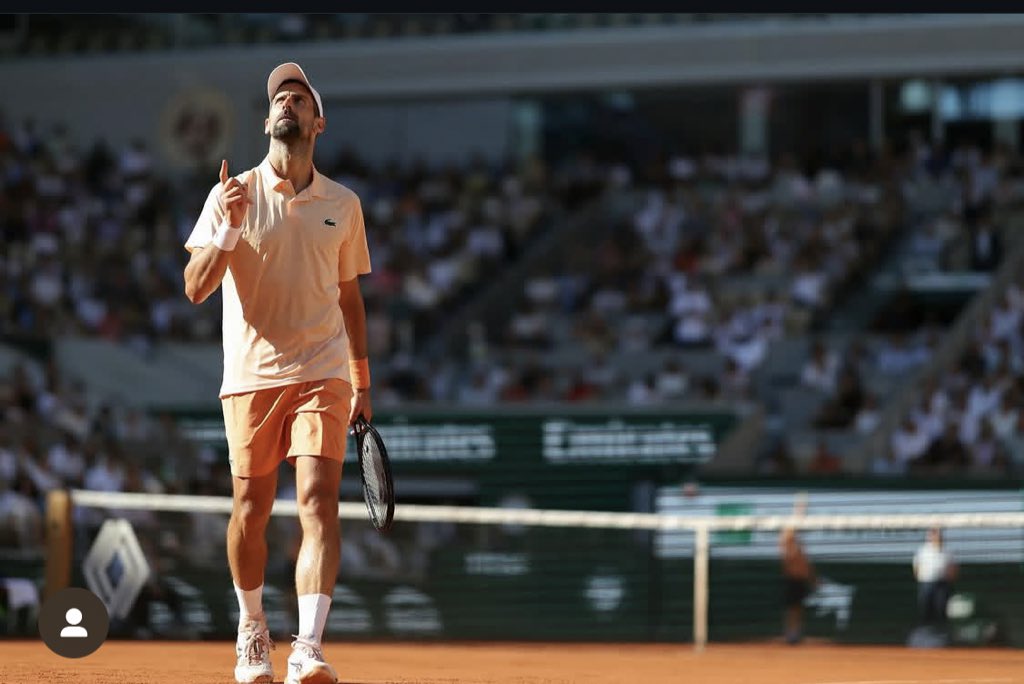
King nole 👑
Jun 9

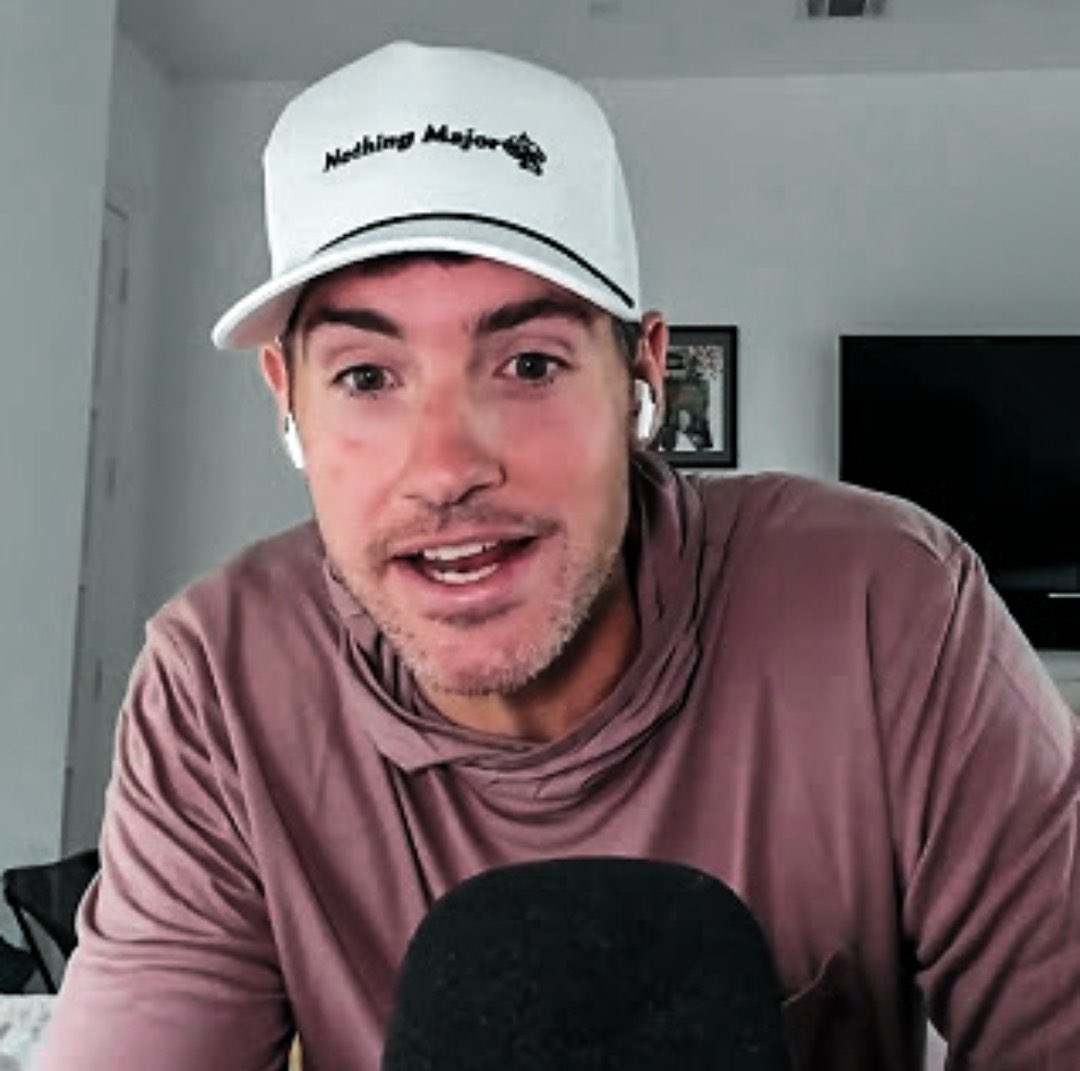
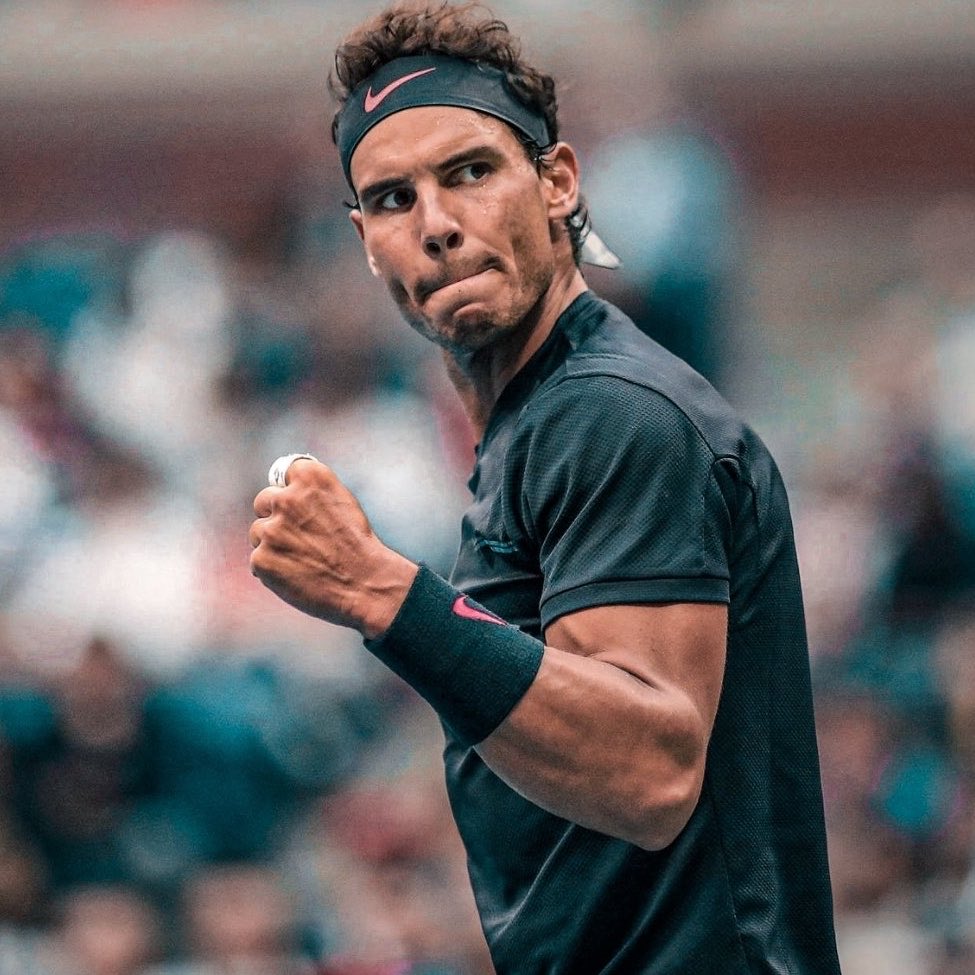
🚨🎙 John Isner on Rafael Nadal:
“We are talking about the greatest tennis player of all time.”
1
5
91