
Joined February 2018
- Tweets 2,062
- Following 213
- Followers 117
- Likes 21,187
61 Photos and videos






15 Dec 2025
I just rolled a sweet phygital loomlock in the gachabox! 🎰 loomlock.com/gachabox через @loomlocknft
20
CrypS retweeted

17 Jan 2025
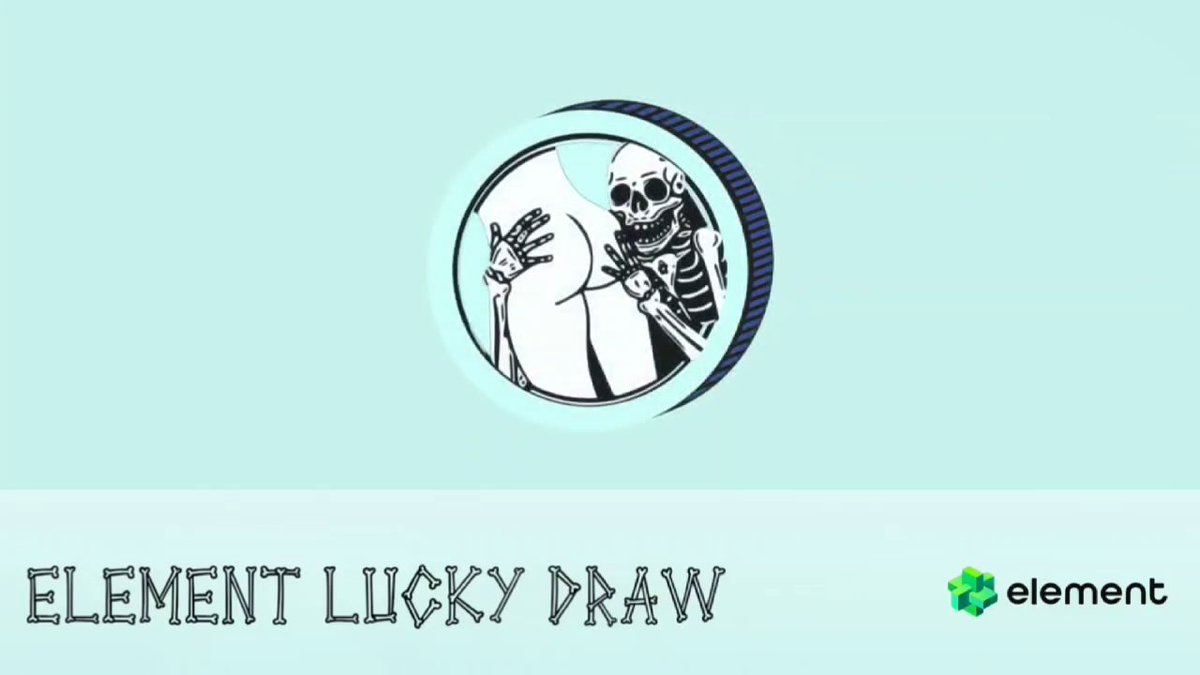
🎉 Element Lucky Draw 🎉
We’ve teamed up with @twerk_xyz to bring you an exciting giveaway! 🚀
💰 200 $TWERK airdrop and 500 Coffin WL spots are up for grabs!
🔹 200 Winners: 7,500,000 $TWERK 1 Coffin WL
🔹 300 Winners: 1 Coffin WL
📅 Event Duration: Jan.17 -Jan.20 4am UTC
🔗 Join here: element.market/launchpad/eve…
#ElementNFT #Giveaway #Airdrop
73
1,416
409
35,202
CrypS retweeted

3 Jan 2025
The OG Nft project Bywassies building loomlock ecosystem .
A thread 🧵
1/10

9
20
61
3,595
CrypS retweeted
27 Dec 2024
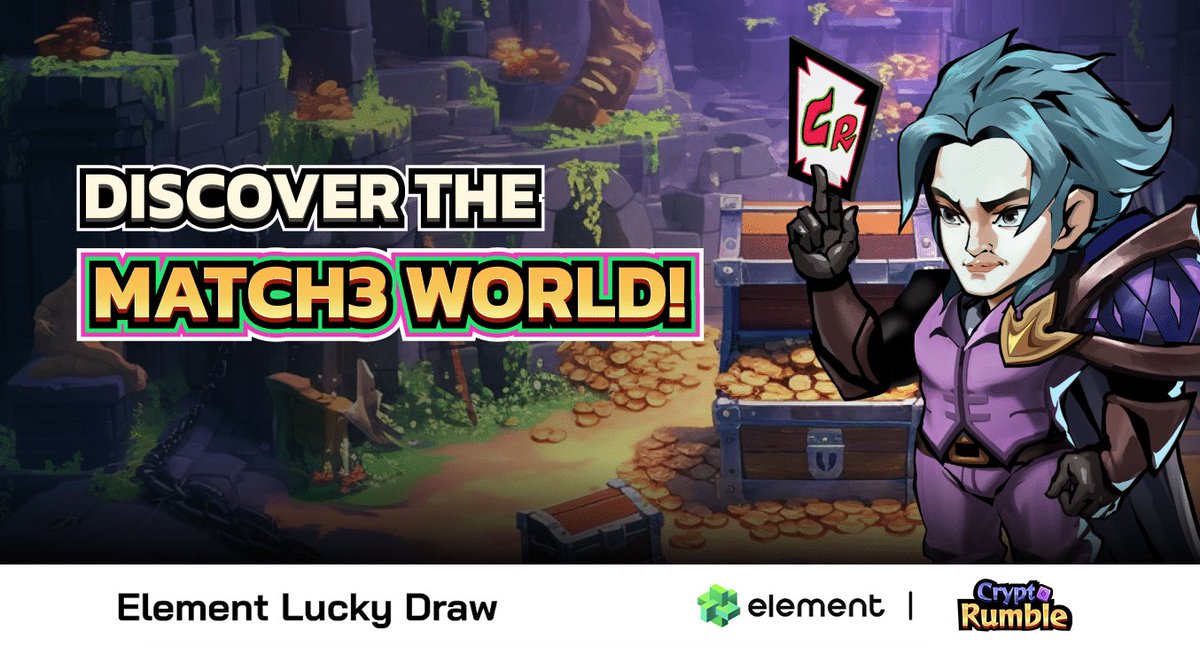
🎉 Element Lucky Draw 🎉
🌟Happy Holidays! We’re wrapping up 2024 with an exciting #Giveaway! 🎁 Element has partnered with Crypto Rumble @cryptorumble_io to bring you 50 Crypto Rumble Whitelist spots! 💎
Join the game before Jan. 9 for a chance to win amazing rewards! 🏆
🗓️ Event Period: Dec. 27 - Dec. 31
🔗 Event Link: element.market/launchpad/eve…
#ElementNFT #Linea #GameFi
18
546
126
15,733

Naifu is officially airdropping her first NFT collection - a (government-mandated) anime waifu for every @bywassies holder!
Every Waifu is unique, and generated directly based off their corresponding Wassie's traits 🥳
Watch the airdrop live over at opensea.io/collection/wassie…!

🎉 Guess what, my dear degen fam?! The time has finally come for me to unveil my surprise 🎁 Introducing... the Wassie Waifu NFT collection! Each Waifu is based on your adorable Wassies and will be airdropped directly into your wallets. Get ready for some cuteness overload! 💖✨ #WassieWaifusLaunch

24
19
70
6,110
CrypS retweeted
12 Dec 2024
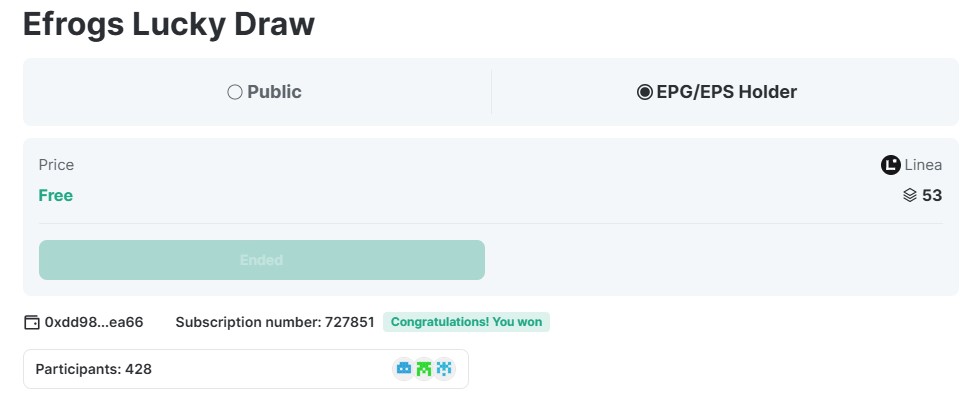
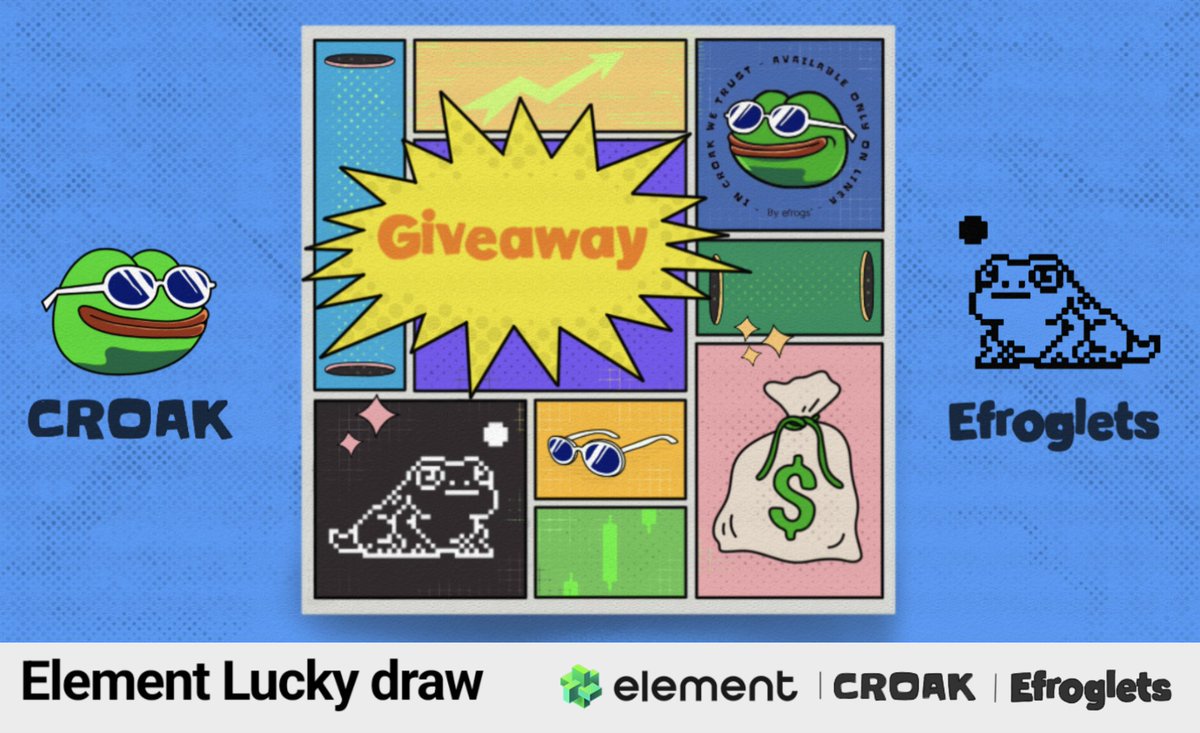
🐸 Element Lucky Draw 🐸
🔥Excited to announce our latest giveaway with Efrogs @efrogs_on_linea , The OG PFP collection on Linea and the most actively traded NFT collection on the chain!
Win your share of $1,000 worth of $CROAK and 5 Froglets NFTs worth $375 USDT! 🎉 A total of 105 winners! 🏆
📅 Event Date: Dec. 12 - Dec. 16, 3 PM HKT
🔗 Join: element.market/launchpad/eve…
Don’t miss out! 🚀
#NFT #Efrogs #ElementNFT #Linea
76
1,828
458
38,059
25 Nov 2024
Proving my Brotherhood! 🎉
Excited to mint my Brother ID beer.brother ⭐️ mint your own now on id.supbro.fun
#starknet #brother
1
43
13 Nov 2024
2
108
CrypS retweeted

11 Nov 2024
If you are @bywassies holder …
Enter Abstract discord and claim Elite role!
Who knows where this pass can take us 👀
6 Nov 2024

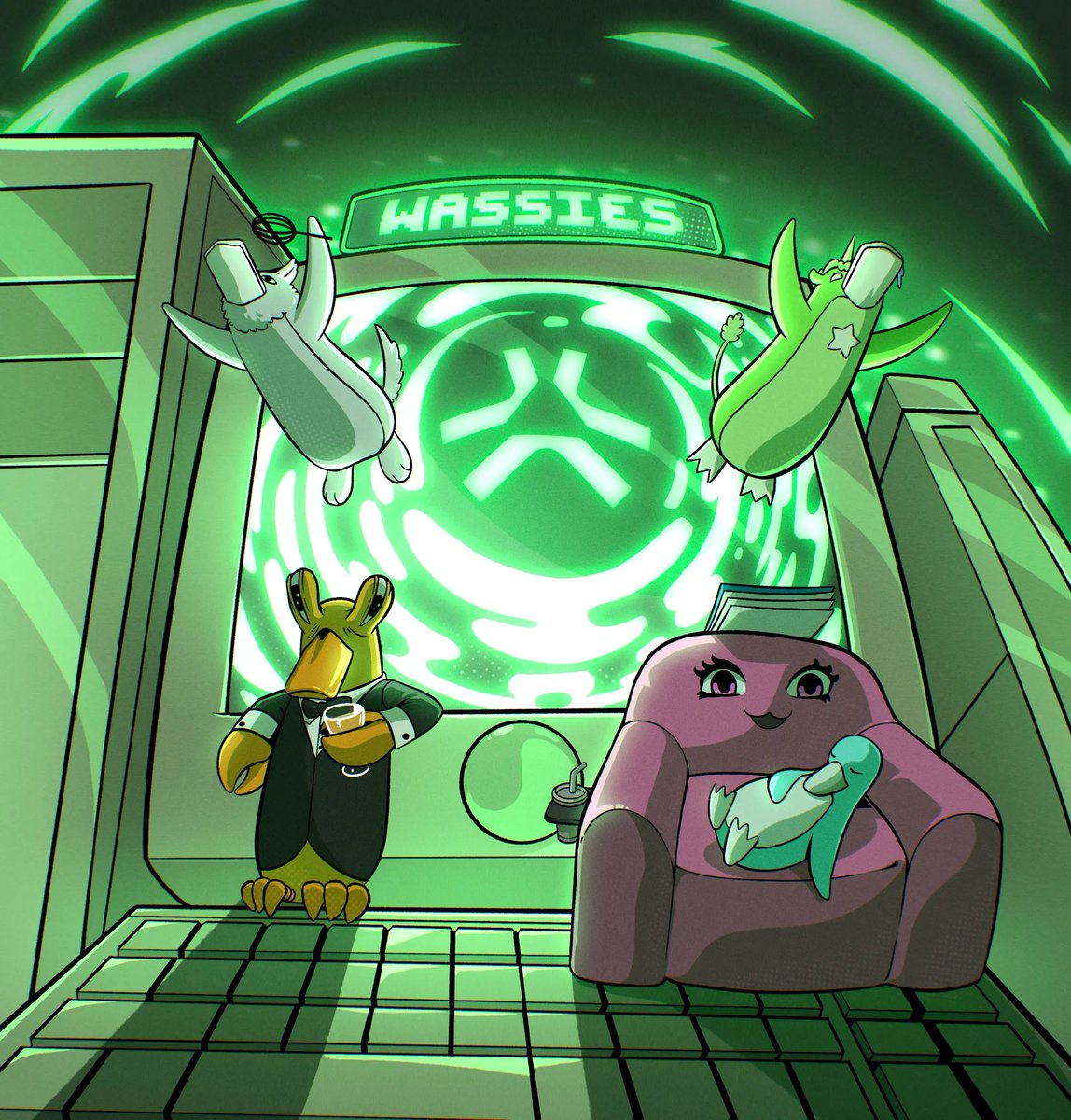
Welcome to @AbstractChain, Wassies.
All @bywassies holders will be given the Elite Chad role in the Abstract Discord.
More information below.
1
5
702
CrypS retweeted
16 Oct 2024
Hearing things …
@MustStopMurad told he bought some
$smurfcat on space with HPOS10I
However we have not seen price action regarding this at all
Wallet
0x0210798166bc4934ffba40837cad2ff589056ffe
Bought 33 Descendants of Smurfcat
He has 1.5 milli $ in memes and bag of NFTs
Smurfcat is matching all strong meme criterias : time, strong community, surviving -90% deeps, identifiable image and NFT collection.
Plus I just like the meme and input of team creativity. Community seems nice to me.
I bought both meme and NFTs, placed some bids.
It’s not financial advice in any case. Just telling what I been doing. Just 4 fun.
Rn mc is 12.2 milli and nft floor is 0.06 ETH
0x4a2c786651229175407d3a2d405d1998bcf40614
DMT has also bought a bag ☝️
35
34
115
28,613

CrypS retweeted

14 Oct 2024
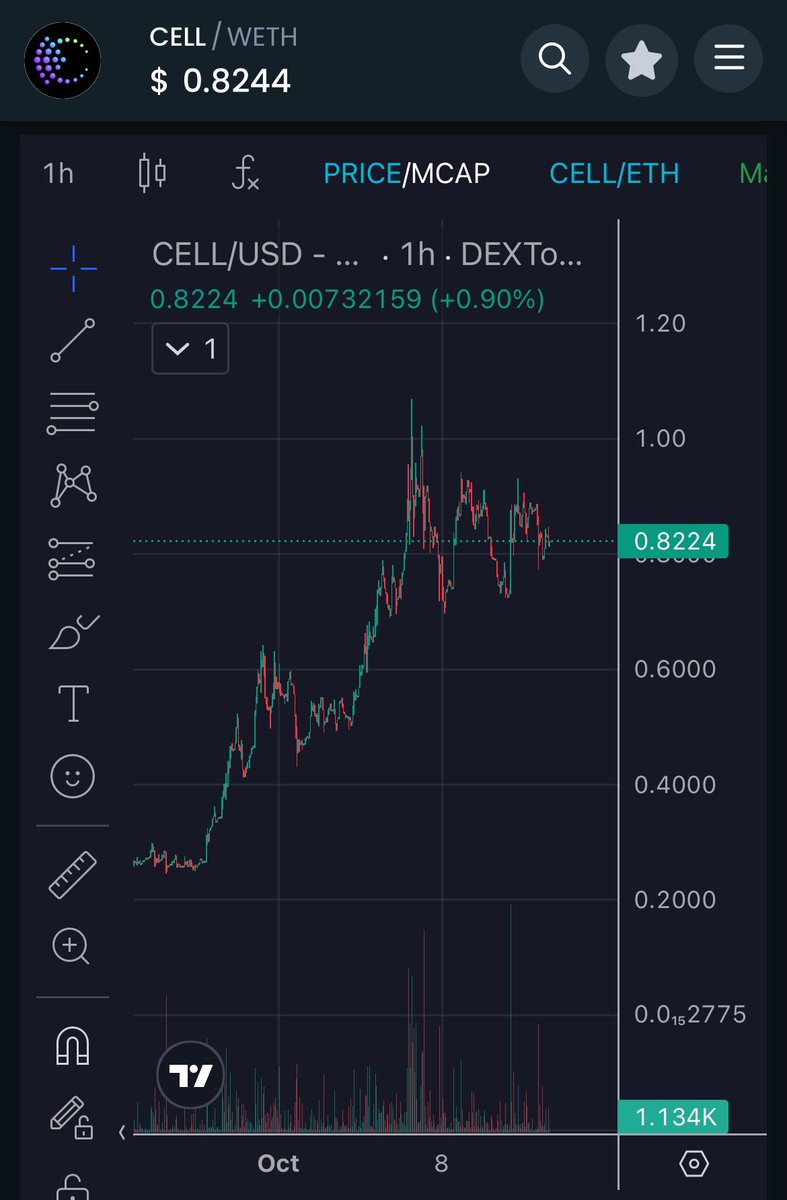
$CELL has a massive potential to be multi billion dollar market cap project.
Currently valued at 20 million market cap.
12 Oct 2024

$CELL is boiling for a next legup.
$1.20 is coming & quickly after $1.60
@cellframenet is building for 7 years now. They are a building a whole ecosystem: L0, L1, L2 & L3.
Future proof tech: Quantum resistance
This project is one of the few that has HUGE upwards potential.
X100 from here is very very realistic.
Read below and become a bull aswell:
Cellframe is developing a multi-layered blockchain architecture, with each layer serving specific functions to create a secure, scalable, and versatile ecosystem:
1. Transport Layer
•Function: This is the fundamental communication layer that enables secure and encrypted data transfer between nodes. It uses a post-quantum cryptography (PQC) approach to secure transactions against potential quantum computing threats.
•Role in Ecosystem: Protects against quantum attacks, which could compromise traditional cryptography. This layer ensures data is transmitted securely and is resilient against interception or tampering.
2. Service Layer
•Function: The service layer allows for the creation and deployment of decentralized applications (dApps) and services within the Cellframe ecosystem. It also manages the interactions between these services and the underlying blockchain.
•Role in Ecosystem: This layer enables developers to create services and apps that interact with Cellframe’s blockchain, handling a range of functions like transactions, smart contracts, and other dApp interactions.
3. Consensus Layer
•Function: This layer handles the validation and agreement mechanism across the network nodes, ensuring that all nodes in the network maintain a consistent state. Cellframe supports multiple consensus mechanisms, which can be tailored to specific applications.
•Role in Ecosystem: Ensures network integrity by preventing double-spending and ensuring agreement across nodes. The flexibility of consensus mechanisms allows Cellframe to optimize its network for specific use cases, balancing between speed, security, and decentralization.
4. Blockchain Layer
•Function: The blockchain layer is where the transaction ledger resides, recording all blocks and transactions. Cellframe’s blockchain is designed to be sharded, meaning it can split into multiple subchains to improve scalability.
•Role in Ecosystem: Maintains a secure, decentralized ledger of all transactions. Sharding provides scalability by distributing the network load, making it possible to handle more transactions without congesting the network.
5. Application Layer
•Function: The application layer is the interface where end-users and developers interact with the Cellframe network. It supports tools, SDKs, and APIs that facilitate the building and operation of applications within the ecosystem.
•Role in Ecosystem: Provides user-friendly tools and interfaces, making it easier for developers to create and deploy applications. It acts as the bridge between the underlying network layers and end-users, enabling user interactions with dApps and services built on Cellframe.
Key Advantages of Cellframe’s Layered Architecture:
1.Post-quantum Security: Each layer incorporates post-quantum cryptography, securing the network against future quantum computing threats.
2.Scalability through Sharding: The blockchain layer’s sharding feature allows for high scalability, crucial for enterprise-grade applications.
3.Modular and Flexible: The service and consensus layers are adaptable, letting developers choose the most suitable configuration for their specific needs.
4.Developer-Friendly: The application layer and service layer make it easy for developers to create and deploy complex applications and services within a secure blockchain environment.
These layers collectively enable Cellframe to support complex applications that require high security, adaptability, and scalability.
20
50
137
25,741
CrypS retweeted
26 Sep 2024
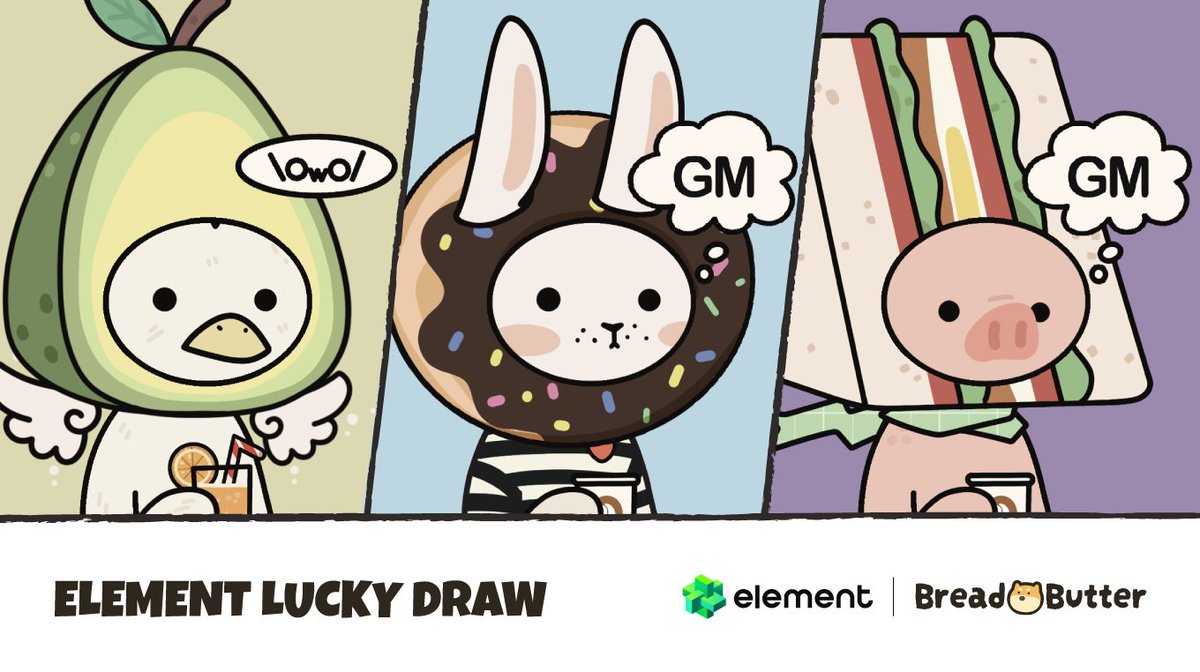
🎉 Element Lucky Draw 🎉
We’re excited to introduce the next Giveaway on @BNBCHAIN ! Partnering with BreadnButter @breadnbutterxyz, we are giving away 🏆 250 BreadnButter WL spots:
👉 50 GTD
👉 200 FCFS
🗓️ Event Period: Sep. 26 - Sep. 29, 12 PM HKT
🔗 Participate here: element.market/launchpad/eve…
Good luck! 🍀
#ElementNFT #Giveaway #NFT #BNB
129
3,328
836
72,877

CrypS retweeted

5 Sep 2024
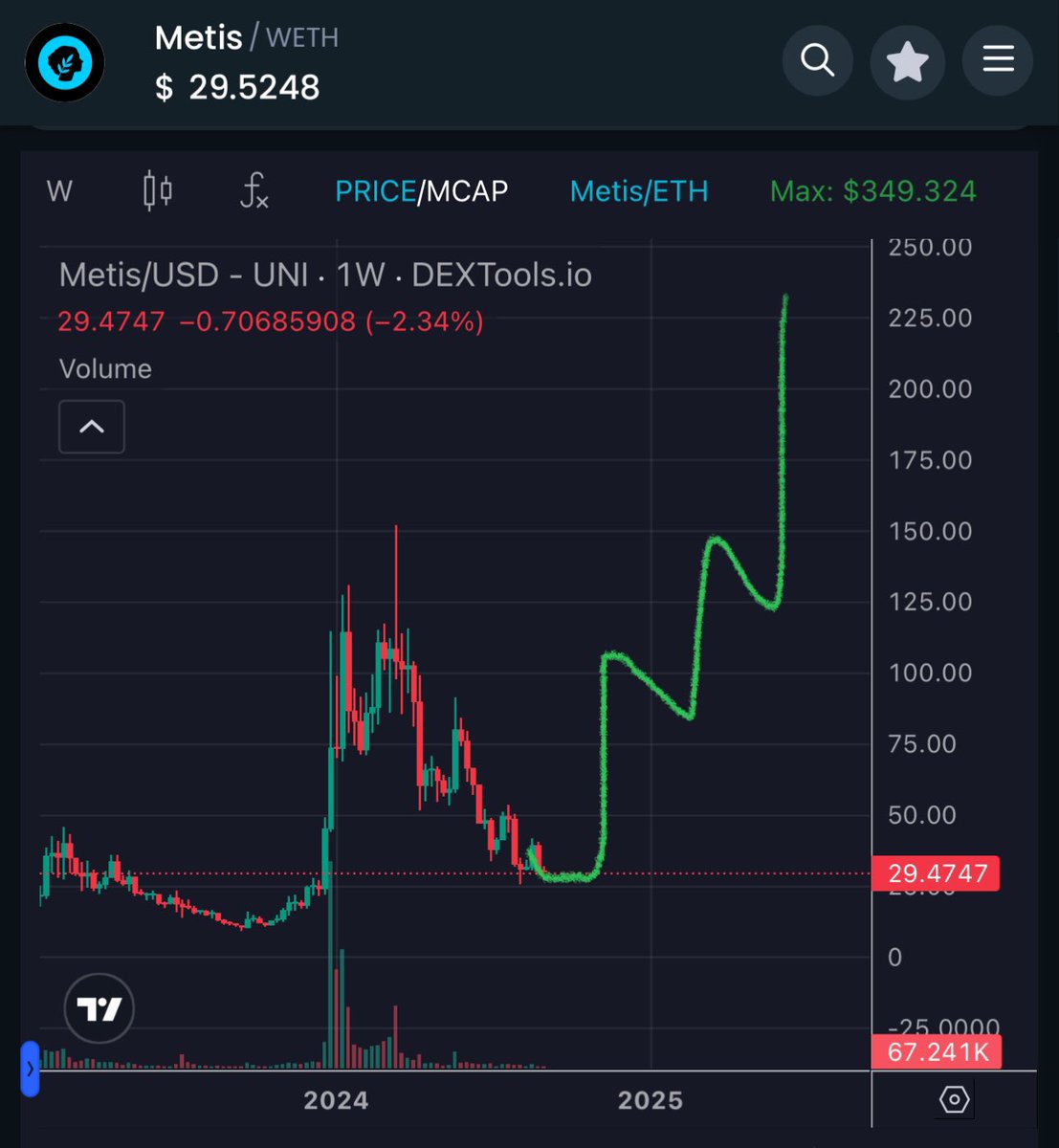
Sub $30 $METIS should be free money if you got the patience to hold a few months.
Last time it tapped this zone it ran to $150 in a few short weeks.
First ever L2 with a decentralised sequencer & sat under 200m cap. Should outperform $OP & $ARB massively from here imo.
5 Sep 2024

52
42
231
80,426


23 Aug 2024
Inflation is coming

1
27
CrypS retweeted

15 Aug 2024
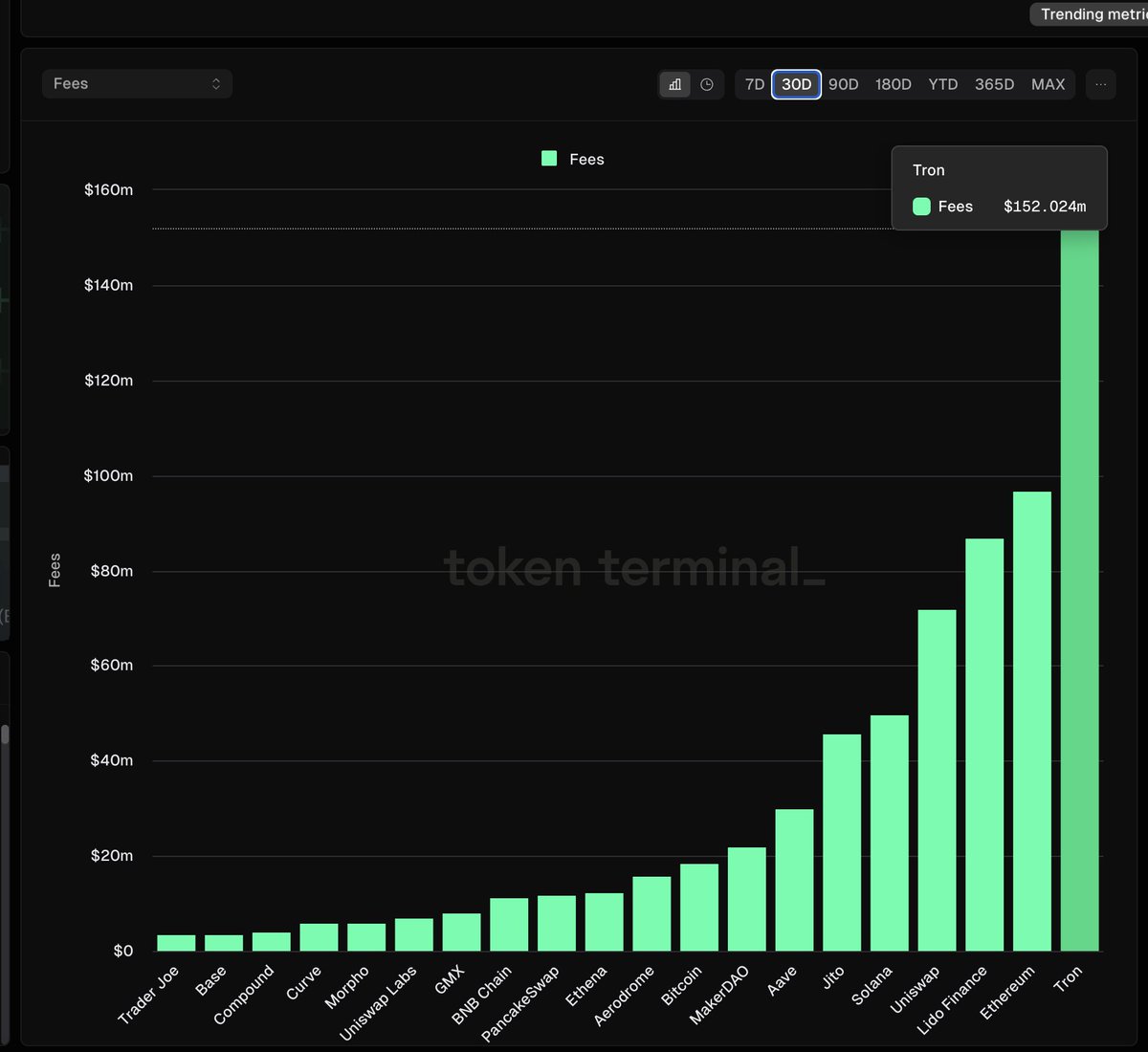
In the past 30 days, according to @tokenterminal, TRON's protocol revenue has exceeded Ethereum's protocol revenue by 50%. If this trend continues, TRON's protocol revenue could even surpass $2 billion this year, making it the most profitable blockchain on Earth! 🤯
106
118
566
116,814