Design ~ Finance
Joined January 2019
- Tweets 3,461
- Following 124
- Followers 369
- Likes 8,916
226 Photos and videos








Victor retweeted

Crude oil dropped by $25 my man removed 75 naira from Petrol 😔
6
59
141
13,000

18h
📌

The chances of you giving yourself the life you want is higher than outsourcing it to the generosity of a stranger.
85
22h
Context ????

Sad thing is his son became just like him.
42
Jun 16
A Breakdown of CBN Directives
1️⃣ "Bring the Data Home" 🇳🇬
Right now, most fintechs store your transaction data on foreign clouds (like AWS or Google Cloud). By January 1, 2027, the CBN says this must stop. Every single local payment record must be stored on physical servers inside Nigeria to protect national security and make fraud tracking easier.
2️⃣ Breaking Up Monopolies
The CBN is stopping big players from dominating the entire payment chain. If a company controls too much of the card-issuing market (over 25%), they are banned from dominating the POS/merchant market (capped at 15%). This gives smaller startups a fair chance.
3️⃣ No More Hidden Owners
Fintechs must now declare their "Ultimate Beneficial Owners." They have to show exactly who the actual humans are behind the big corporate shares to stop money laundering.
Jun 15

BREAKING: The Central Bank of Nigeria has directed banks, fintech firms, and other payment service providers to store payment transaction data generated within the country on local servers from January 1, 2027, as part of new measures to strengthen oversight of the fast-growing digital payments ecosystem.

76
Victor retweeted

Jun 16
Big news! 🌍🚀
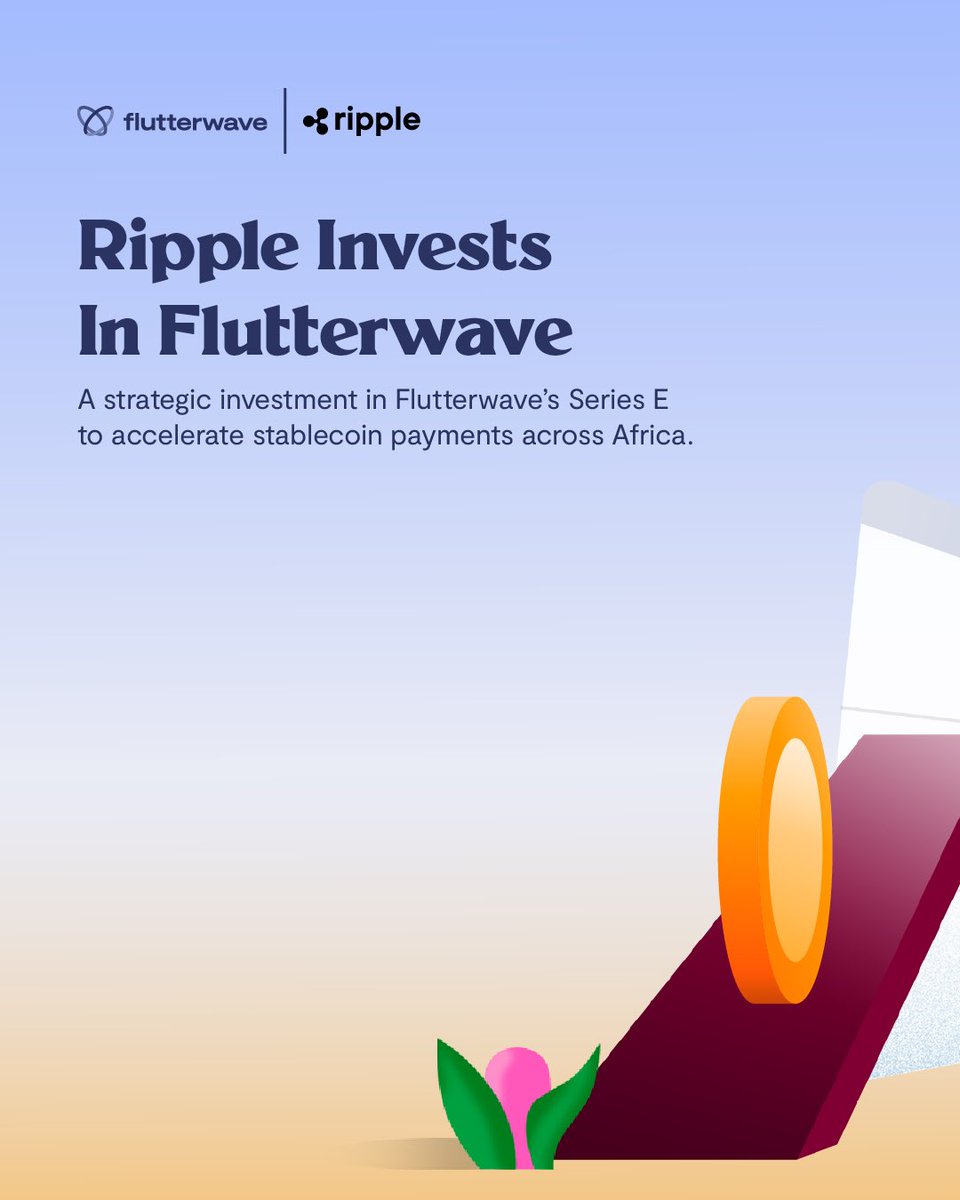
@Ripple has made a strategic investment in Flutterwave as part of our Series E fundraising round.
We’ve spent years building our stablecoin infrastructure and today it’s live commercially with select merchants.
Together, we’re integrating RLUSD, Ripple Payments, and XRPL to make cross-border payments faster, cheaper, and more efficient.
The future of African commerce is being built now. flutterwave.com/gb/blog/buil…
58
435
1,448
165,710
Victor retweeted

Jun 16
🚨 Big Scoop 🚨
Ripple, the $50 billion blockchain infrastructure company, has made an undisclosed investment in Flutterwave’s Series E at a $3.25 billion valuation!
Africa’s stablecoin race is ramping up.
We are witnessing in real time where African payments are headed, who gets to build the rails, and why the stablecoin race for the continent just got serious.

17
95
343
68,322
Victor retweeted

Jun 14
Just realised it’s only a 4 day trading week next week because the stock market is closed on Friday 😭
40
11
423
60,812
Jun 14
Good read !

10

Jun 12
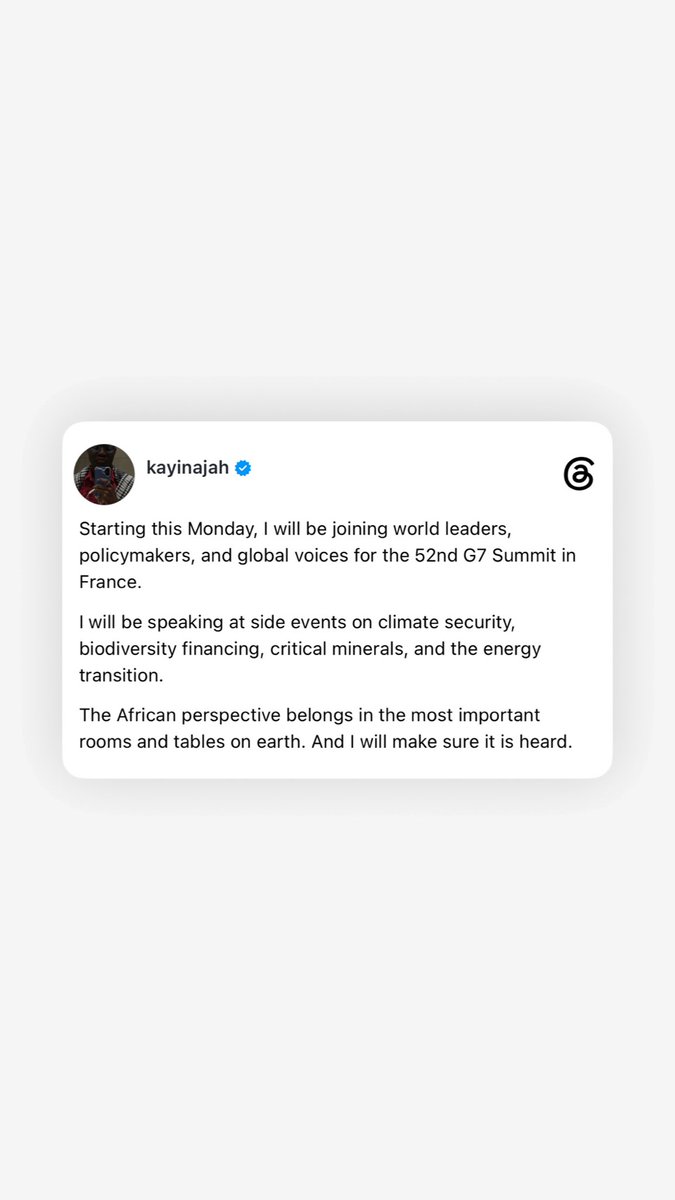
with roughly 96% locked up until the first major unlock in August.
Jun 12

Only around 4% of the float is publicly trading
22
Jun 12
Inflation is a tricky thing !!!!

26
Victor retweeted

Jun 12
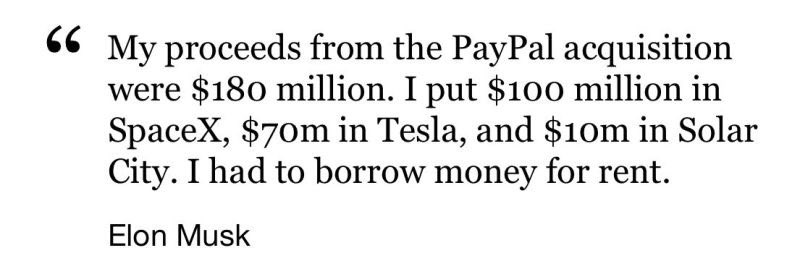
an all-time bet on yourself
Jun 12

JUST IN: SpaceX officially opens at $1,960,000,000,000.00 in market cap.
103
2,438
35,466
1,744,010
Jun 12
😂😂

me with the SpaceX cafeteria lady after she becomes a billionaire from the IPO
1
17
Jun 12
In due time !!
Jun 12

1
29
Jun 12
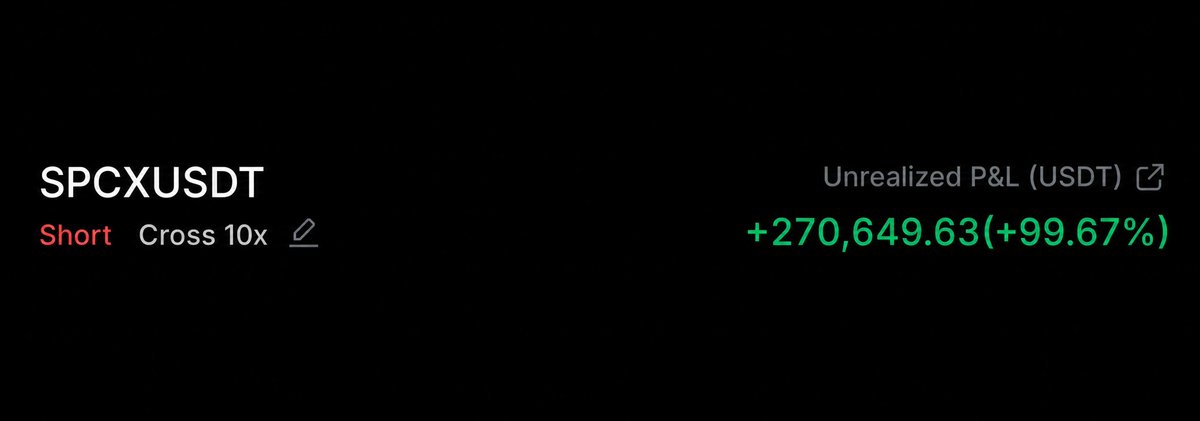
I wasn’t alone !! 😌😌
1
28
Jun 12
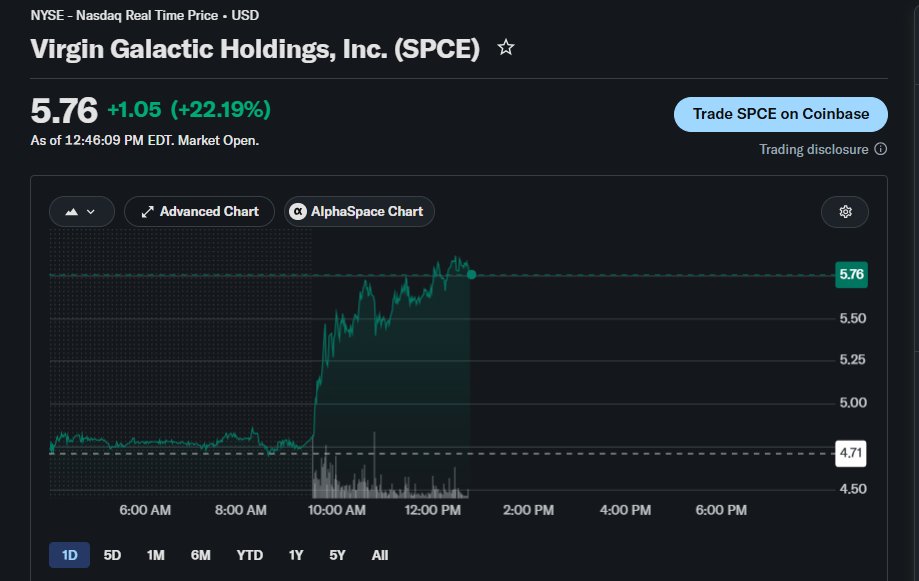
😂😂

9