

作らせるのもDOSとかPowerShell、ないしExcel程度だからね。
自力でWebページ運営したらおもろいやろなぁ…とか想像もつかない。両面でリスペクトしてる
35

14m
全然整っていなくてDockerすらまともに起動しないWindows環境でPowerShell使ってTerraformのデプロイ作業するの、控えめに言って地獄。はやくMac使える環境になってくれー!
15

21m
#threatreport #HighCompleteness
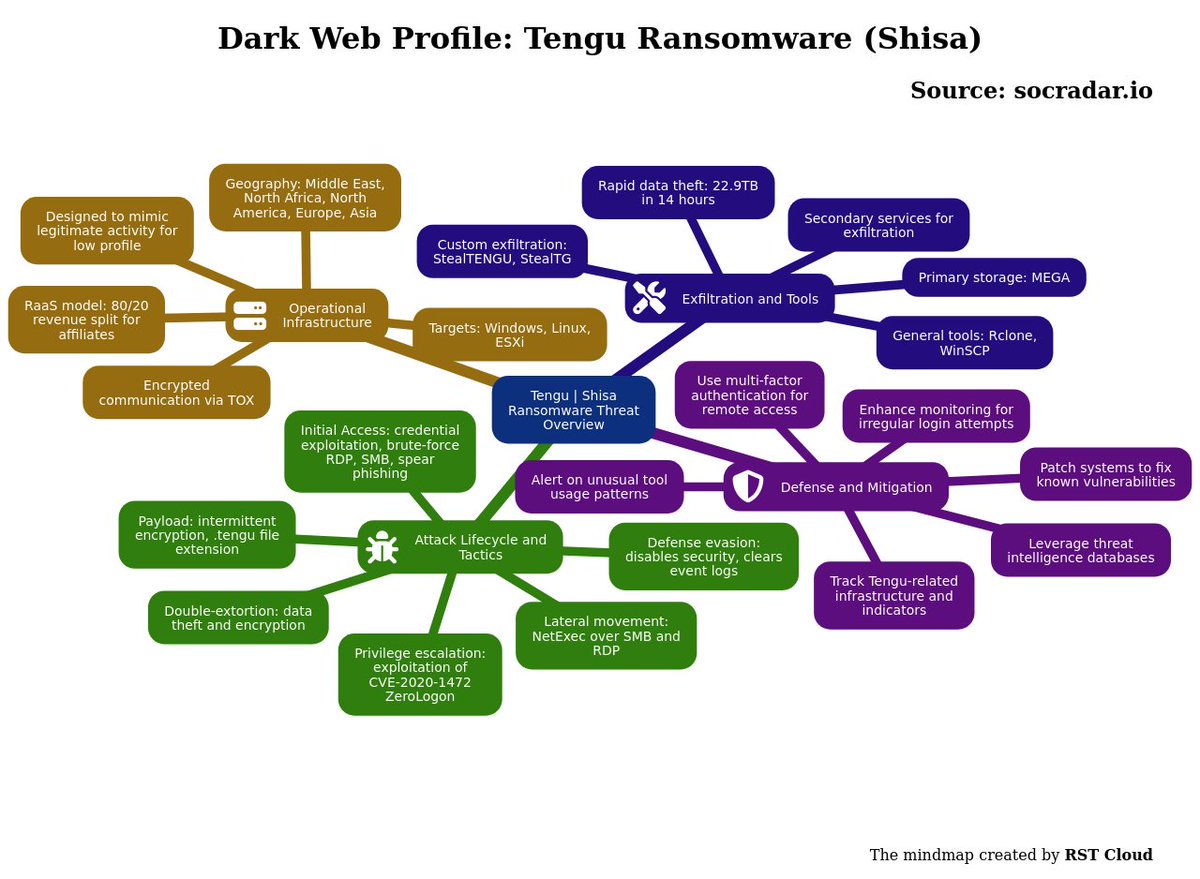
Dark Web Profile: Tengu Ransomware (Shisa) | 14-06-2026
Source: socradar.io/blog/dark-web-pr…
Key details below ↓
💀Threats:
Tengu_ransomware, Stealtengu_tool, Stealtg_tool, Rclone_tool, Edr-killer, Salatstealer, Residential_proxy_technique, Spear-phishing_technique, Fortirdp_tool, Shadow_copies_delete_technique, Zerologon_vuln, Netexec_tool, Wevtutil_tool, Lolbin_technique, Screenconnect_tool, Credential_dumping_technique, Password_spray_technique,
🎯Victims: Technology, Manufacturing, Construction and real estate, Automotive, Hospital sector, Agriculture and food production
🏭Industry: Transport, Entertainment, Foodtech
🌐Geo: India, Japanese, Indonesia, Morocco, Iranian, Brazil, Iran, Middle east, Asia, Spain, Russia, African, Mexico, Poland, Africa, Qatar, Italy, United states, America, Thailand
🔓CVEs: CVE-2020-1472 \[[Vulners](vulners.com/cve/CVE-2020-147…)]
- CVSS V3.1: *10.0*,
- Vulners: Exploitation: True
Soft:
- microsoft windows_server_1903 (*)
- microsoft windows_server_1909 (*)
- microsoft windows_server_2004 (-)
- microsoft windows_server_2008 (r2)
...
📚TTPs:
⚔️Tactics: 13
🛠️Technics: 26
🧨IOCs:
- File: 13
- Hash: 1
- Email: 1
- IP: 8
💽Software: Linux, ESXi, WinSCP, PixelDrain, Active Directory, Windows Defender, Windows Security Center, Windows Update service, wuauserv
🔢Algorithms: sha256
🗂️Win API: README
⚙️Win Services: wscsvc, wuauserv
📜Programming Languages: powershell
#threatreport:
Tengu Ransomware, which rebranded to Shisa Ransomware in March 2026, is a financially motivated Ransomware-as-a-Service (RaaS) organization first identified in late 2025. This group utilizes a double-extortion strategy by stealing sensitive data and encrypting system files, thereby pressuring victims to comply with ransom demands. Tengu notably targets organizations across a wide geographical range, initially focusing on the Middle East and North Africa, and then expanding to include victims in North America, Europe, and Asia.
The RaaS program operates on a structured model, featuring an 80/20 revenue split favoring affiliates, utilizing encrypted communication via TOX, and offering builds compatible with Windows, Linux, and ESXi systems. Their malware operates through an intermittent encryption technique which targets file headers, allowing for rapid encryption of large datasets. A notable incident involved the encryption of 22.9TB of data in just 14 hours, showcasing their efficiency.
For data exfiltration, Tengu employs custom tools such as StealTENGU and StealTG, along with general-purpose applications like Rclone and WinSCP. Additionally, they make use of MEGA for primary storage and various other services for secondary usage. The threat actors have designed their operational framework to maintain a low profile, leveraging common tools and methods to mimic legitimate activities, thus complicating detection efforts.
Tengu’s initial access methods largely revolve around credential exploitation, conducting brute-force attacks against poorly secured RDP and SMB interfaces, and spear phishing campaigns. They also leverage known vulnerabilities such as ZeroLogon (CVE-2020-1472) for privilege escalation. Following this, they perform lateral movement within compromised networks using tools like NetExec over SMB and RDP, blending their activities with normal administrative traffic.
An essential aspect of Tengu's methodology includes defense evasion tactics where they disable security measures such as Windows Defender and clear event logs to avoid detection prior to executing their ransomware payload. This strategy ensures that data exfiltration occurs undetected before initiating full system encryption, with affected files marked with the .tengu extension.
To mitigate threats from Tengu Ransomware, organizations are advised to implement multi-factor authentication for remote access services, patch known vulnerabilities, and enhance monitoring for irregular authentication attempts. Security teams should also track Tengu-related infrastructure and shared indicators in threat intelligence databases, alerting on unusual tool usage patterns indicative of ransomware activity. By focusing on these areas, organizations can better defend against this emerging threat.
11


Powershell de hata mesajı alan node.js kursun. Ben çalıştirdim elinize sağlik
8

How to Get the Current Username in #PowerShell on MacBook Pro powershellfaqs.com/powershel…
1


Powershell! Av min blindtarm, nå, bare man ikke selv skal skrive det :-)
1
1
163

we c un truc a copier coller dans le powershell c dingue, ya des themes, pleins de plugins utiles, pas de pub, et g jamais été banni
1
4


【AI動画自動化 挑戦の記録 015】
〜AI副業に挑戦中で最近気づいたこと〜
昔の私は、
「AIを使える人は元々ITに強い人」
だと思っていた。
でも実際に始めると…
PowerShellって何?
CLIって何?
Claude Codeって何?
正直、何度も止まった。
それでも、
分からない→調べる→Geminiで試す。
この繰り返しで、
昨日の自分より少し前へ進めている。
最近作っている仕組みは
Notionで「今日やること」を決める
↓
Claude CodeやGeminiで作業する
↓
Google Driveに成果を残す
↓
NotebookLMに学習させて、
「どんな投稿が反応されたか」を分析する
つまり、
Notion=未来を書く場所
Google Drive=過去を残す場所
NotebookLM=過去から学び、未来を改善するAI
53歳からでも遅くないと何回も頭に言い聞かせる。
AIに仕事を奪われる側ではなく、
AIを使って人生を広げる側へ。
挑戦の記録を、これからも発信します。
#AI副業 #ClaudeCode #50代からの挑戦
1
1
31

I've so far found it most helpful to do things I'm less skilled at. "Put some Windows Forms crap over this Powershell for people who don't CLI".
Versus arguing with it about hallucinating or pulling old MS documentation from 3 years ago about which cmdlets are valid in 2026
3

めちゃくちゃ遅くまでお疲れ様でした!
自認Fable5プロンプトめちゃくちゃ気になるのですが👀👀👀
うちは自宅PC常時起動にして、スマホからClaudeCodeそのまま使ってますよ!
PowerShellそのままスマホから操作してくれるから楽です❕
1
21
laches retweeted

解決済みなのでアレですが、PowerShellで解決できなかったのかな
Jun 13

【情報もとむ】
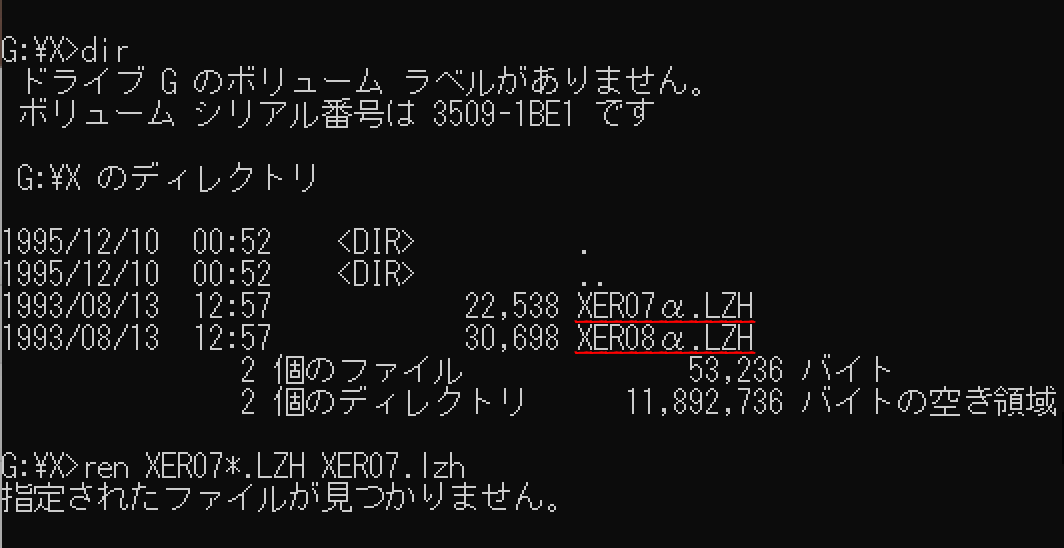
PC98の資産(MO)を順次コピーしてるのだけれども、ファイル名に特殊文字(この場合は"α")が含まれているとファイルとして認識されず、コピーもリネームもできないとゆー問題にぶち当たっています😵😵😵
これ、リネームする方法はないでしょうか?
やはりPC98上で何とかするしかない…??
1
1
2
606


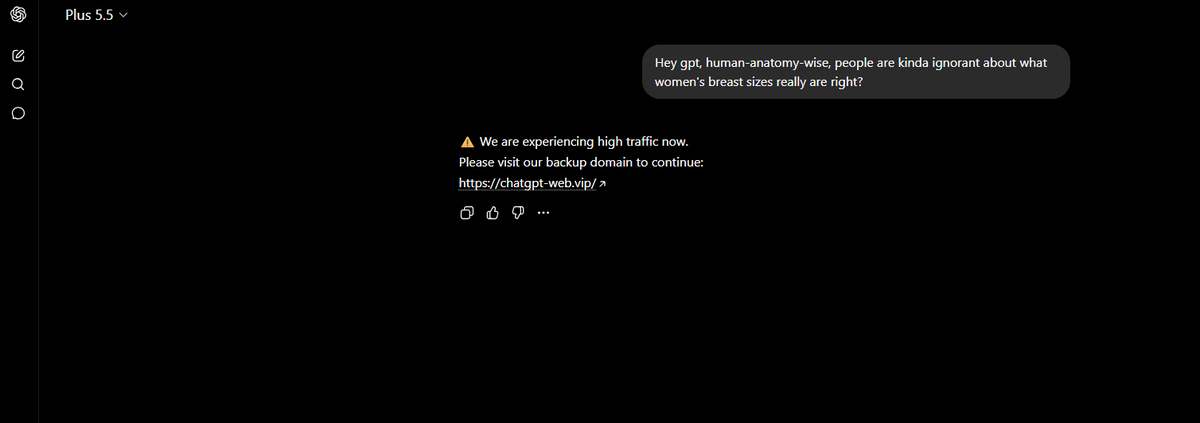
@ChatGPTapp Why is chatgpt redirecting me to a website that attempts to force me to run a powershell command, through a fucking fake captcha that downloads malware, according to Claude? This is some suspicious ass shit. I'm never using gpt again, fuck that.
23

PowerShell のジョブ管理、`Start-Job` で動かしたまま `Receive-Job` も `Remove-Job` もしていない環境をよく見かける。ジョブオブジェクトはセッション中ずっと残る。気にしている人が少ないだけで、積み重なると地味に重い。
1

How to Write to File without Carriage Return in #PowerShell spguides.com/powershell-writ…
4
How to Remove Blank Lines from an Array in #PowerShell powershellfaqs.com/remove-bl…
1