
Tall dark & handsome
Joined November 2008
- Tweets 145,873
- Following 7,505
- Followers 3,905
- Likes 10,794
8,405 Photos and videos


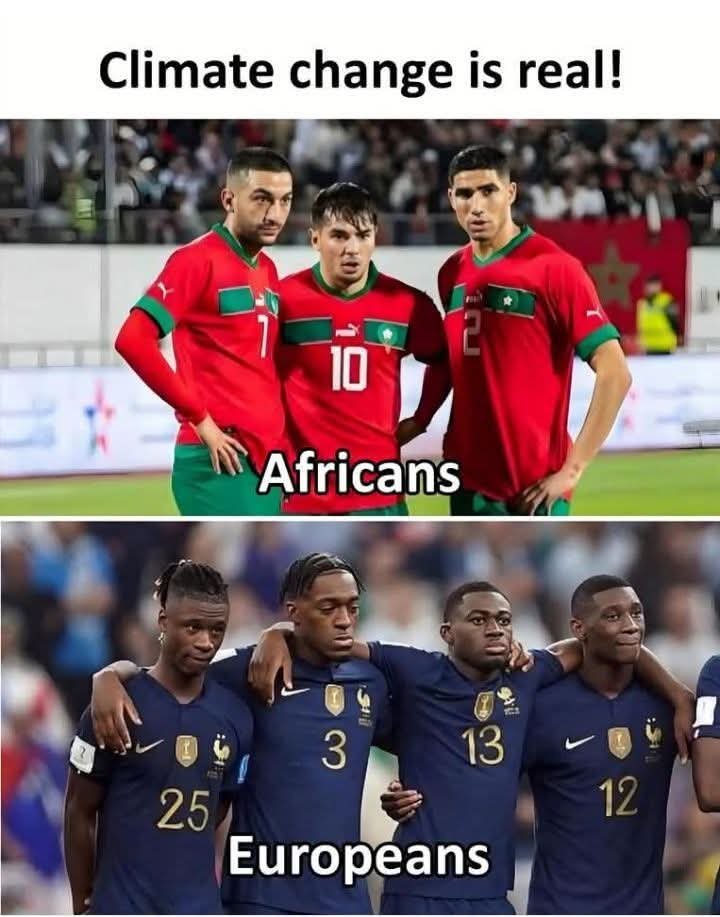












Vusi retweeted

[WATCH] President Cyril Ramaphosa says he has taken a number of interventions to deal with the country's immigration challenges. Ramaphosa calls on citizens not to be misled when it comes to immigration. He says there is an intention to distabilise the country using immigration challenges, which will not be allowed.
#Newzroom405
90
53
186
27,124
Vusi retweeted
[WATCH] "If you want to remove illegal foreign nationals, don't involve the youth. Use your own children," Mckenzie warns those who threaten to remove illegal foreigners on June 30. He says that is the work of law enforcement authorities.
#Newzroom405
260
119
326
54,405
Vusi retweeted

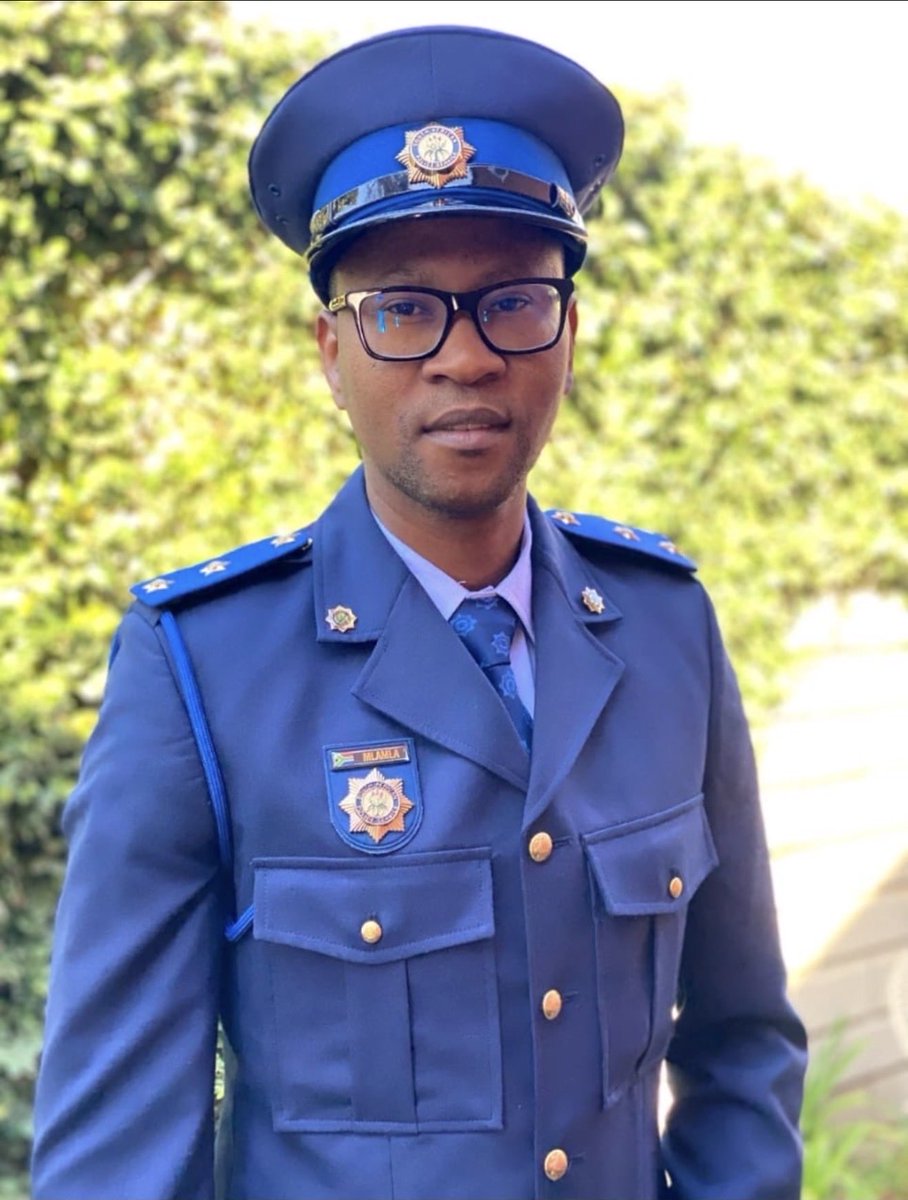
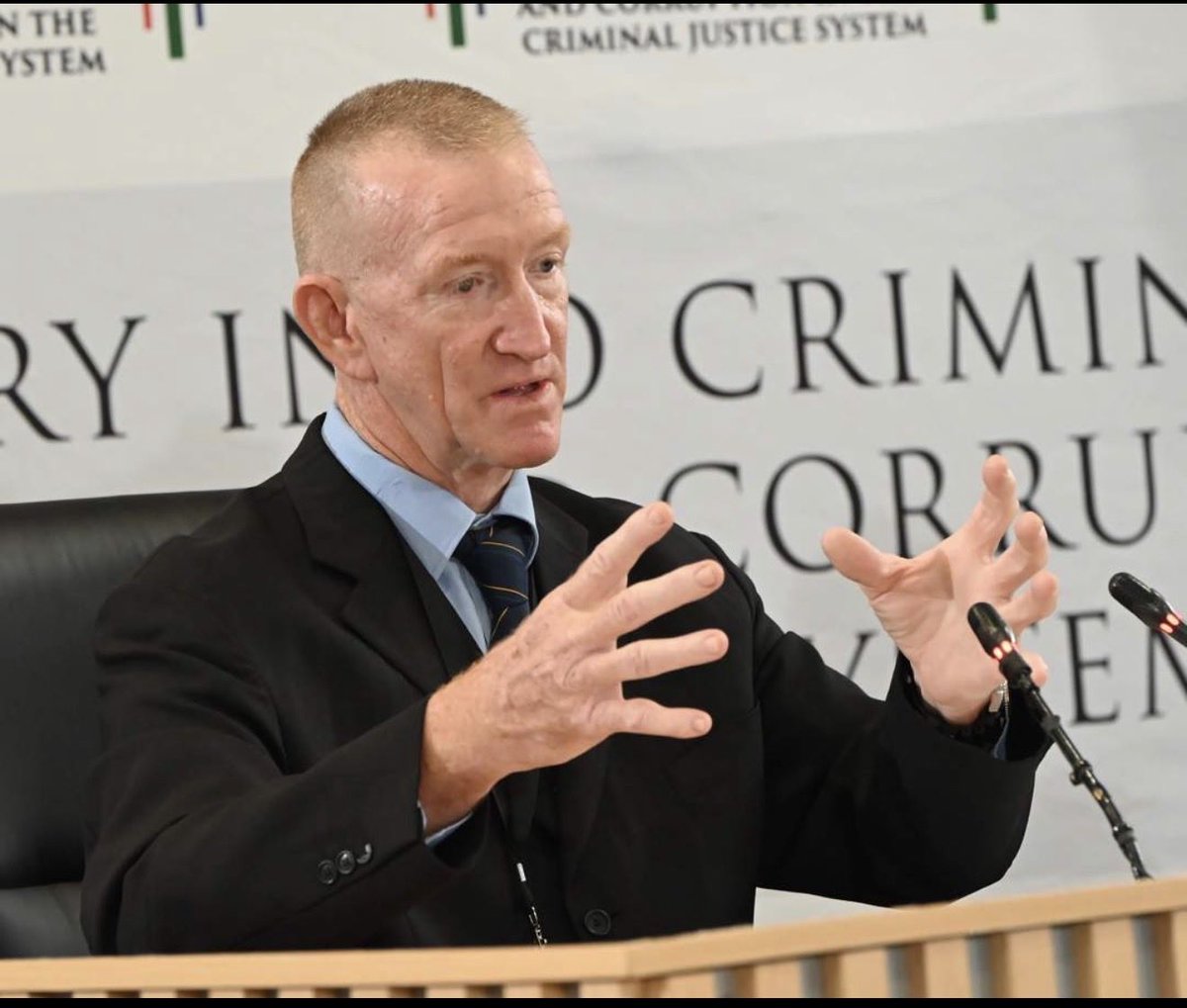
On the left is Captain Mlamla, he joined SAPS in 2023. On the right is Warrant officer Karl Sander, he’s been holding this rank for over 30 years.
72
135
686
64,269
Vusi retweeted

🇧🇷 Meet Vilmar Pereira: Brazilian bus driver by day, and Capoeira master every moment in between.
Vilmar has driven intercity buses for 16 years and practiced Capoeira for over 20.
The bus arrives on time. Everything else is a bonus.
Writer: Monica
63
176
1,597
124,423

Iceland's finance minister says EU membership is vital as Arctic rivalry and trade wars intensify reut.rs/4vcyphk reut.rs/4vcyphk
3
10
18
15,387
Vusi retweeted

It doesn't matter how you do it, he will still cheat!!
19
11
25
2,628

Vusi retweeted

The real reason for Abahambe 🇿🇦🇿🇦🇿🇦🇿🇦🇿🇼🇿🇼
3
9
35
5,099
Vusi retweeted

23h
This Wicknel guy think is is floating at the top of politics yet it’s nativity and dumbness to say the least. He is already up in arms@with citizens of Kenya. A tainted past of this magnitude will one day leave Wicknel in some mud.Alao they guy is always on social media how silly
3
14
33
12,877
Vusi retweeted

A Xhosa woman from Bizana is grateful for the love she found from a Malawian man after being abandoned by a South African man who left her pregnant. She says South African men are dogs. And she's going to Malawi with her man.😂😂😭
501
141
561
102,772
Vusi retweeted

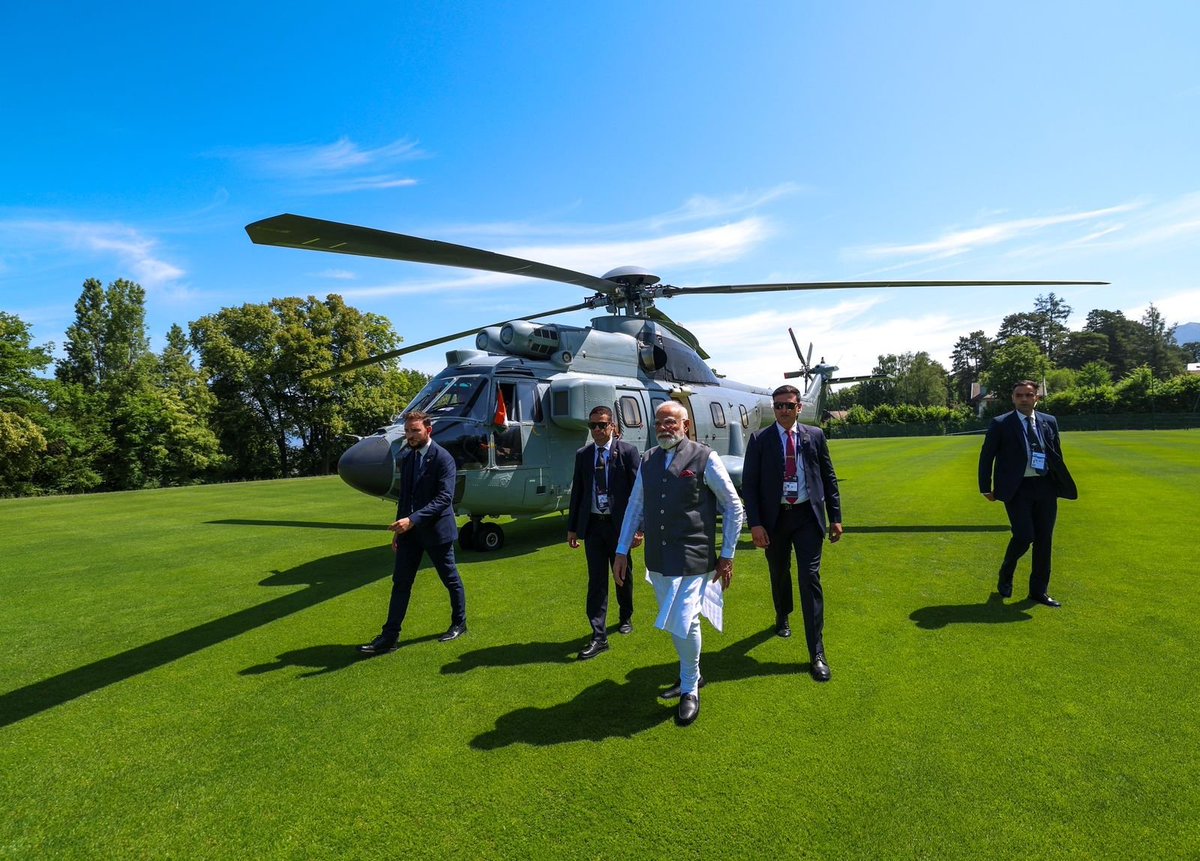
Reached Evian, France for the G7 Summit.
Looking forward to engaging with world leaders and exchanging views on key global issues.
India remains committed to advancing collective efforts for a more sustainable and prosperous planet.
@G7
1,243
2,217
21,147
672,562
RT @KFCSA: Taste the rivalry between my spicy Prego and zesty Chimichurri Burgers for just 54,90 each.

44
Vusi retweeted

These Malawians, stranded and desperate in Durban following a wave of xenophobic attacks, are expressing frustration with their government for doing too little to help them return home.
Thousands of them are living in squalid conditions in the cold, alongside their children. Some women have given birth while stranded, one woman gave birth to twins on Monday, while others have been rushed to hospital suffering from dehydration, exhaustion, and other health complications.
The first woman says they do not even have sanitary products and have been unable to change for days. She says they have also been unable to bathe for several days, leaving them in extremely difficult and undignified conditions.
Malawian President Peter Arthur Mutharika, who recently travelled to Johannesburg on a private jet for a medical check-up, has so far only sent eight buses to assist with repatriation, despite there being 7,000 Malawians stranded in Durban alone.
These migrants are not a burden on Malawi, they are one of the country’s most important economic lifelines. Every month, they send home remittances that pay school fees, cover medical bills, build homes, support small businesses, and put food on the table for thousands of families. That money circulates through the economy, generating economic activity and tax revenue that ultimately benefits the state.
The cost of sending buses and providing emergency assistance to citizens stranded by xenophobic violence is insignificant compared to the years of contribution these migrants have made to Malawi’s economy.
When citizens who have invested so much in their country find themselves in crisis, helping them is not charity, it is a responsibility and a debt of gratitude owed to them by their government.
Yet when disaster strikes and they need assistance from their government following unplanned xenophobic attacks, many feel abandoned. For thousands of stranded citizens facing hardship, eight buses are simply not enough. A government’s commitment to its people is tested not when things are going well, but when its citizens are at their most vulnerable.
88
34
117
22,902
Vusi retweeted

Absolutely delighted to be appointed British High Commissioner to the Federal Republic of Nigeria 🇳🇬 @UKinNigeria
gov.uk/government/news/chang…
545
413
2,486
92,816

The FIFA World Cup 2026 is HERE! 🏆
Download SABC to stream the action LIVE wherever you are, subscription-free.
ALL OF US. ALL IN. KAOFELA.
3
1
62
65,383
Vusi retweeted

Black South Africans are suffering from what is called the Stockholm syndrome.
They love their tormentors who are white, that’s why it is not even xenophobia it is afrophobia.
It is Africans that they do not want.
~ prof Lumumba ~
71
304
586
17,198

Xenophobe Ngizwe Mchunu mocks late former South African president Nelson Mandela for marrying a kwerekwere (foreigner). He claims that drugs started in SA when Mandela married a foreigner.
It is lost on Ngizwe that drugs were historically used in apartheid South Africa to keep the black population hooked.
Mandela married Graca Machel. - former Mozambican First Lady, who Mchunu is mocking as a kwerekwere.
100
79
183
43,759
Vusi retweeted

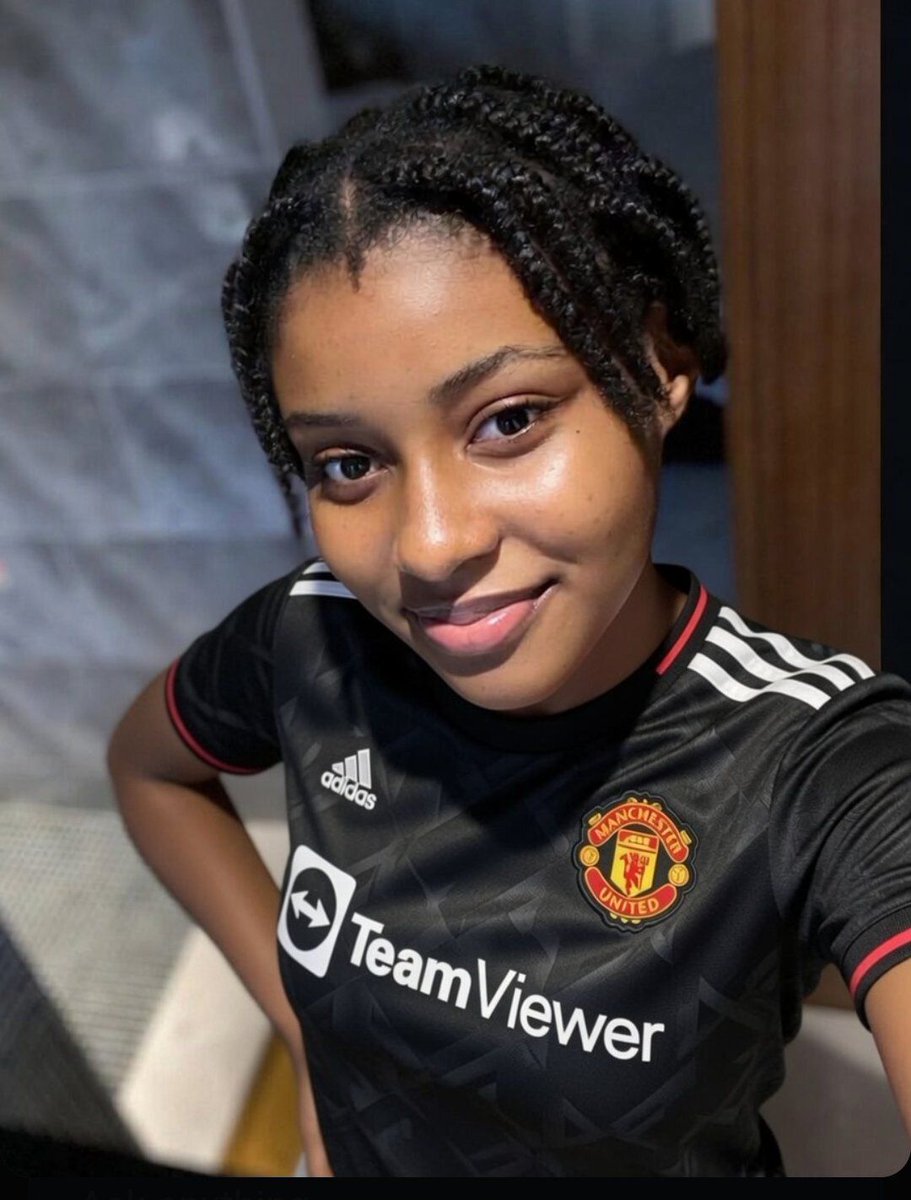
Once I see Manchester United in your bio or profile picture, I’ll automatically be friend with you💁
34
12
111
1,378
Vusi retweeted

alf-khumalo.iol.co.za/
IOL walks you through the footsteps of the young people who took to the streets of Soweto on June 16, 1976, in this interactive commemoration of the origins of Youth Day.
2
7
225
Vusi retweeted
Regular Joe VS girl with training…
Russia loves these kind of events 😂
16h

Only in Russia would a sanctioned fight between a male and female fighter take place 😳
627
586
14,669
2,607,202