
Joined November 2017
- Tweets 65,880
- Following 4,655
- Followers 3,463
- Likes 79,312
12,758 Photos and videos







Pinned Tweet

Apr 17
Reading through the chapter Kings in the Old Testament reads as a historical timeline of Kings and their generational commitment or non commitment to God in the Bible.
Eg: Israel’s first King, King Saul, followed by King David, then King Solomon.
After Solomon the kingdom is split in two:
The Northern Kingdom know as Israel
And the Southern Kingdom known as Judah.
Both the Northern Kingdom and the Southern Kingdom had their own respective line of Kings listed out in the Old Testament Kings chapter as well. We’re talkin’ 39 kings written about in the Bibles Old Testament along the time line of 1000 B.C. ~ 500 B.C. Very mundane and repetitive reading.
Non believers, or people who have never actually picked up a Bible and studied it, will say the Bible is just a bunch of “made up stories” with no real context in reality.
But if you actually read the Bible, study it, like a college text book, you will find references to other texts within the chapters that will lead you to other historical texts outside of the Bible that corroborate the recorded history of these Kings within the Bible.
For Example:
The Tel Dan Inscription or "House of David" Inscription, is a fragmentary basalt stone monument from the 9th century B.C. (roughly 870–750 BC) bearing an Old Aramaic inscription written in the Phoenician script. It is one of the most significant archaeological discoveries related to the Bible in recent decades.
An excavation team at Tel Dan (an ancient site in northern Israel found the largest fragment (Fragment A) in July 1993 in an ancient stone wall.
Two smaller fragments (B1 and B2) were discovered in 1994.
The stele is now housed primarily at the Israel Museum in Jerusalem.
The inscription is a victory stele, a boastful monument erected by an Aramean king (most scholars identify him as Hazael of Damascus) celebrating military successes against his enemies.
Key elements from the surviving text:
It mentions killing or defeating the king of Israel Jehoram, son of Ahab,
and Ahaziah, king of the House of David, a king of Judah.
This aligns with events described in the Bible in 2 Kings 8:28–29 and 9 where Jehu overthrows the house of Ahab and kills the two kings, though the stele presents the Aramean perspective of the conflict.
The pivotal phrase is "bytdwd" (ביתדוד), translated as "House of David" or "Dynasty of David".
This is the earliest known biblical reference to King David and his royal blood line.
It shows that, by the mid-to-late 9th century BC (about 100–150 years after David's reign), the southern kingdom of Judah was still known by the name of its founder, David.
You know that guy, the shepherd that launched a stone right between the eyes of the Philistine giant named Goliath and ran circles around King Saul.
Before this discovery, some scholars (the "minimalists") questioned whether David was a real historical figure or just a later legendary invention.
The stele provides independent, non-biblical confirmation that a "House of David" existed as a dynastic reference for Judah's rulers, and was eventually overthrown, as the Bible presents it.

1
1
5
552
Walter Tango F. retweeted

We do know the consequences of our Republican Senate not passing the SAVE America Act — look no further than California.
I hope that Senate Majority Leader Thune will prioritize the SAVE America Act,
especially since I’m visiting his home state to hire staff this month.
169
2,414
12,508
42,122
Walter Tango F. retweeted

We are not backing down. We are not surrendering. And we are not going to let them take Texas.
Together, we are going to defeat James Talarico, save our great state, and save America.
The fight is now. Join us at KenPaxton.com
353
2,037
9,577
64,519
Walter Tango F. retweeted

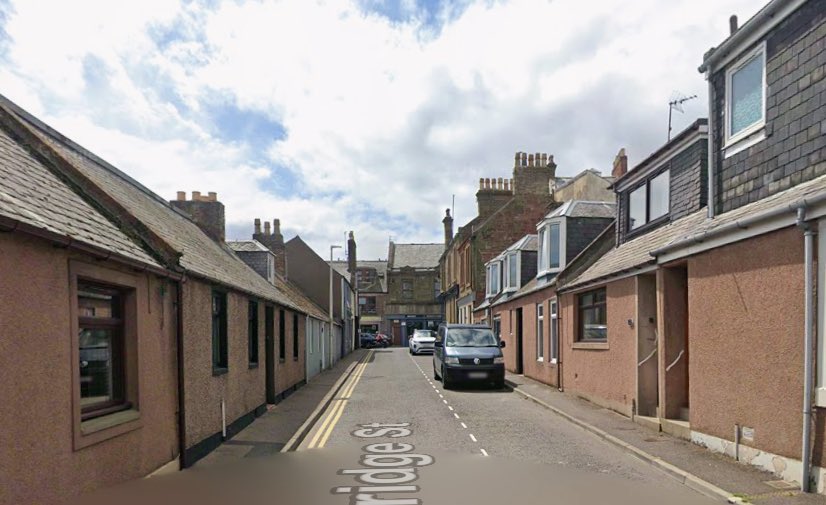
🚨BREAKING: Rage explodes in Arbroath, Scotland.
Locals vow to “storm the streets” after a young woman was allegedly raped by multiple illegal migrants.
Explosive cover-up accusations are tearing through social media.
The Scottish people are furious.
183
1,903
6,752
53,230
Walter Tango F. retweeted

This appears to be Ground Zero of the ballot harvesting to flip elections in Los Angeles.
A powerful ground game most likely run by NGOs & Democrat/DSA organizers. They prey on the most vulnerable people: the homeless, to whom they offer a couple of bucks to seize the levers of power they seek.
Enough!
Expose it all. End it.

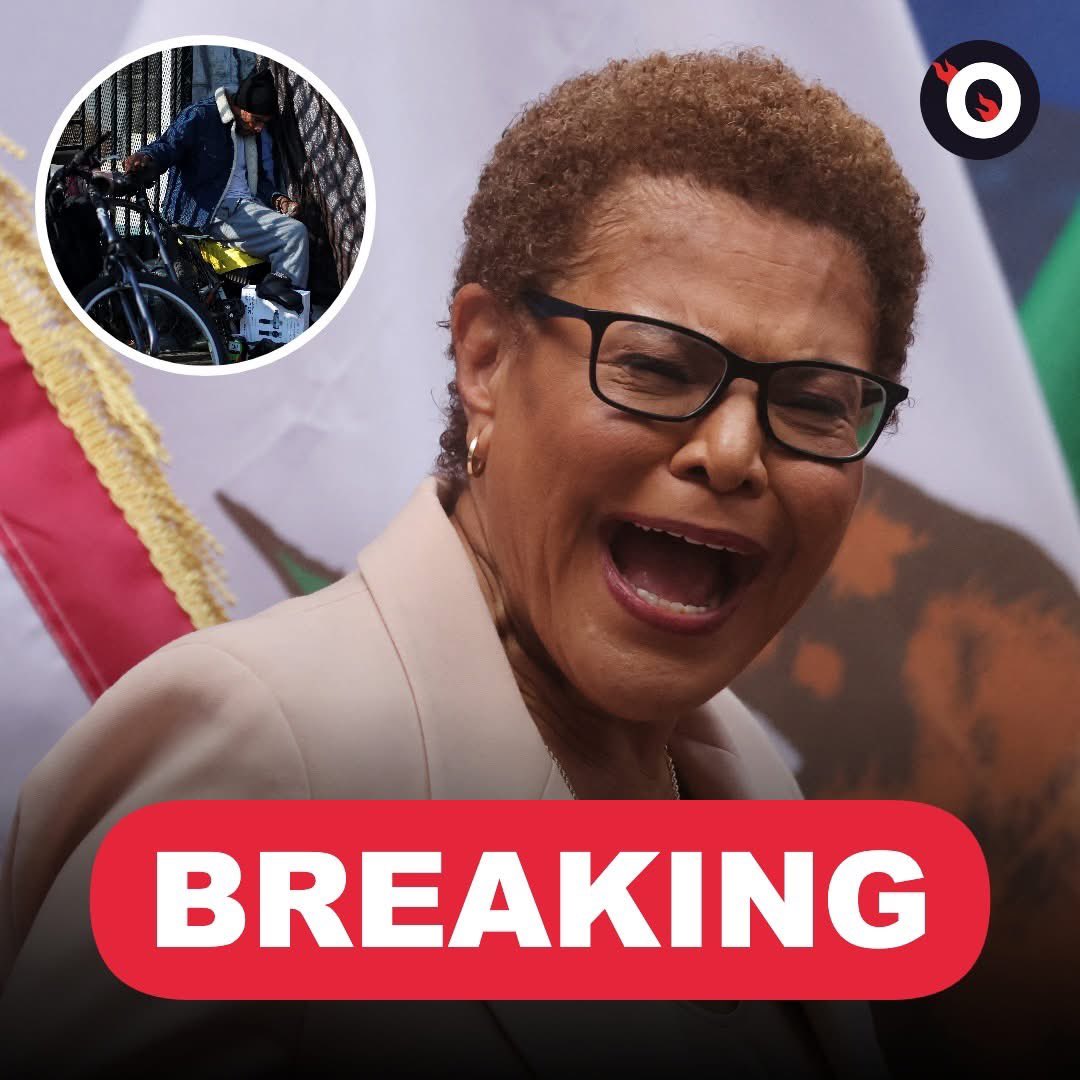
🚨BREAKING: More than 7,600 voters have been registered at LA homeless shelters and service centers, with records showing hundreds tied to addresses that offer no overnight accommodations, according to a New York Post review.
U.S. Attorney Bill Essayli has announced he will investigate the findings and "follow the evidence" to determine whether any laws were broken, including at the Midnight Mission in Skid Row, which logged 1,160 voter registrations despite having capacity for just 120 beds.
38
443
1,048
19,781
Walter Tango F. retweeted

As I have reported several times and now acknowledged by the Governor of California...Gavin and his wife are under federal investigation... what he failed to tell you... This began during the Biden Admin. Kind of a big detail.
467
8,611
37,529
1,414,670
Walter Tango F. retweeted

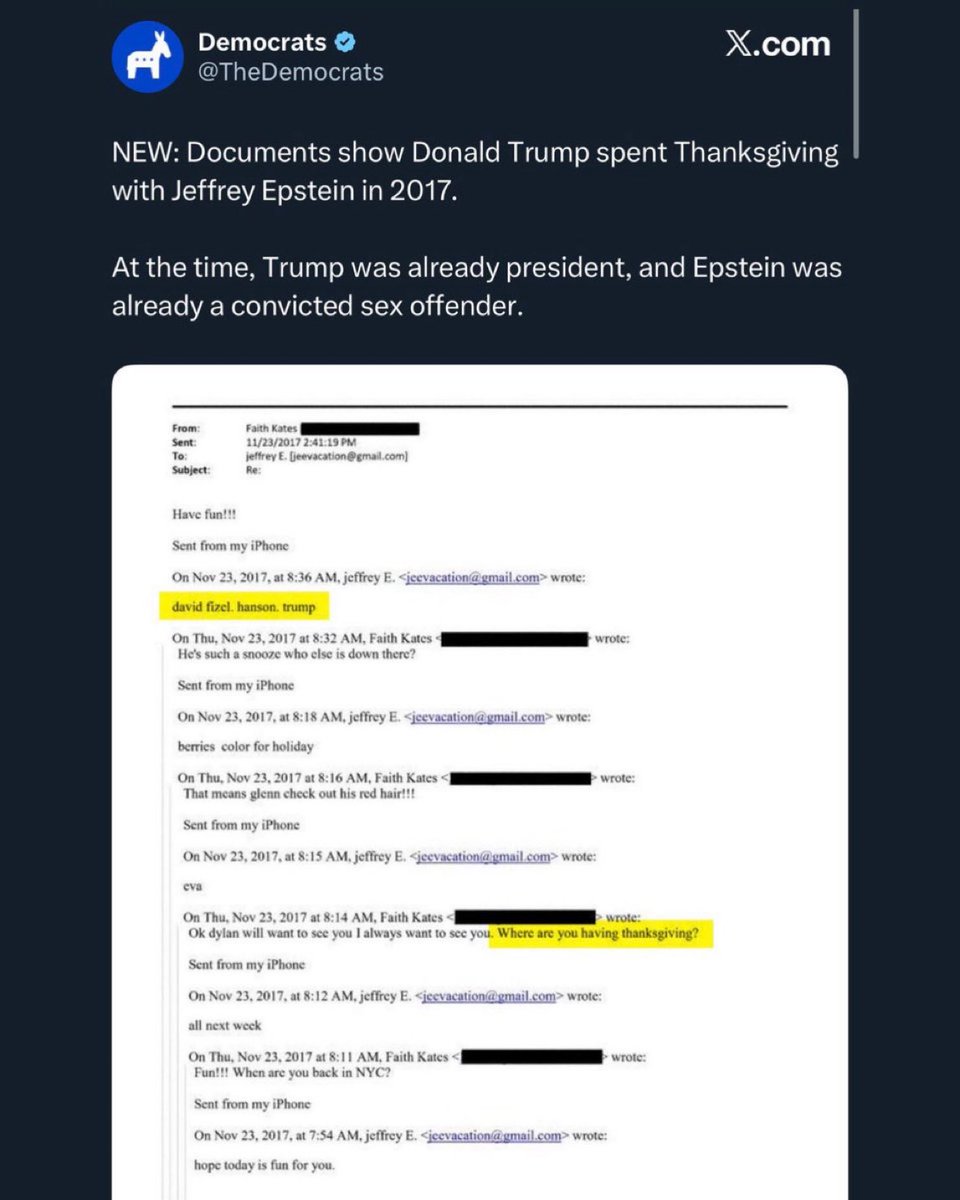
🚨 BREAKING: The official X account of the Democrat Party has DELETED their post claiming President Trump spent Thanksgiving with Jeffrey Epstein in 2017
He was literally the President, dumbasses. You don’t think someone would’ve noticed?!
Trump should BANKRUPT the DNC for this
h/t @BurtMaclin_FBI
92
2,803
7,844
64,864
Walter Tango F. retweeted

Jun 14
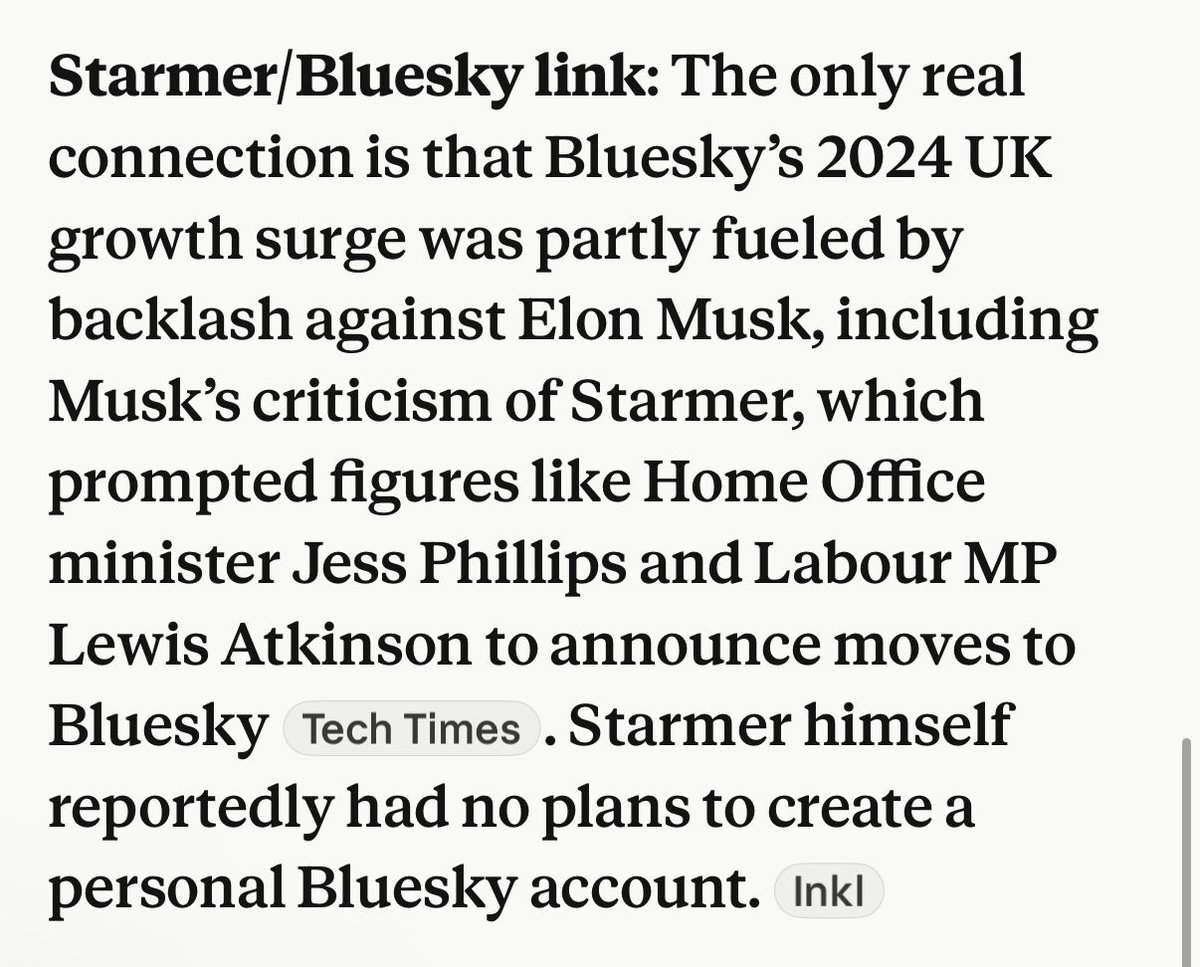
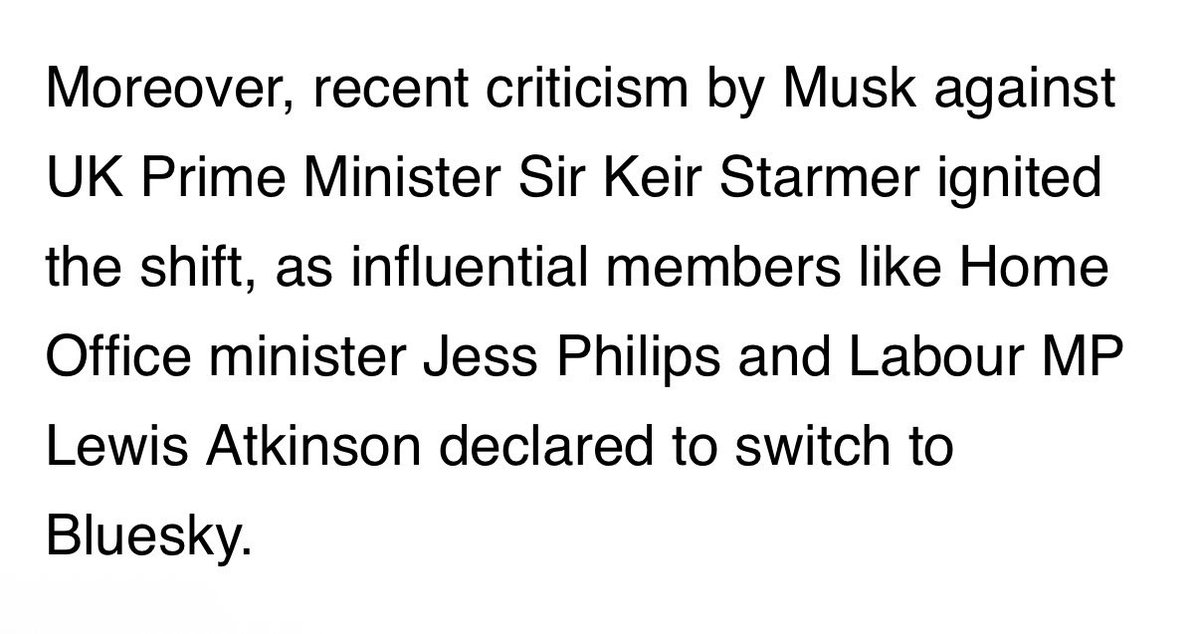
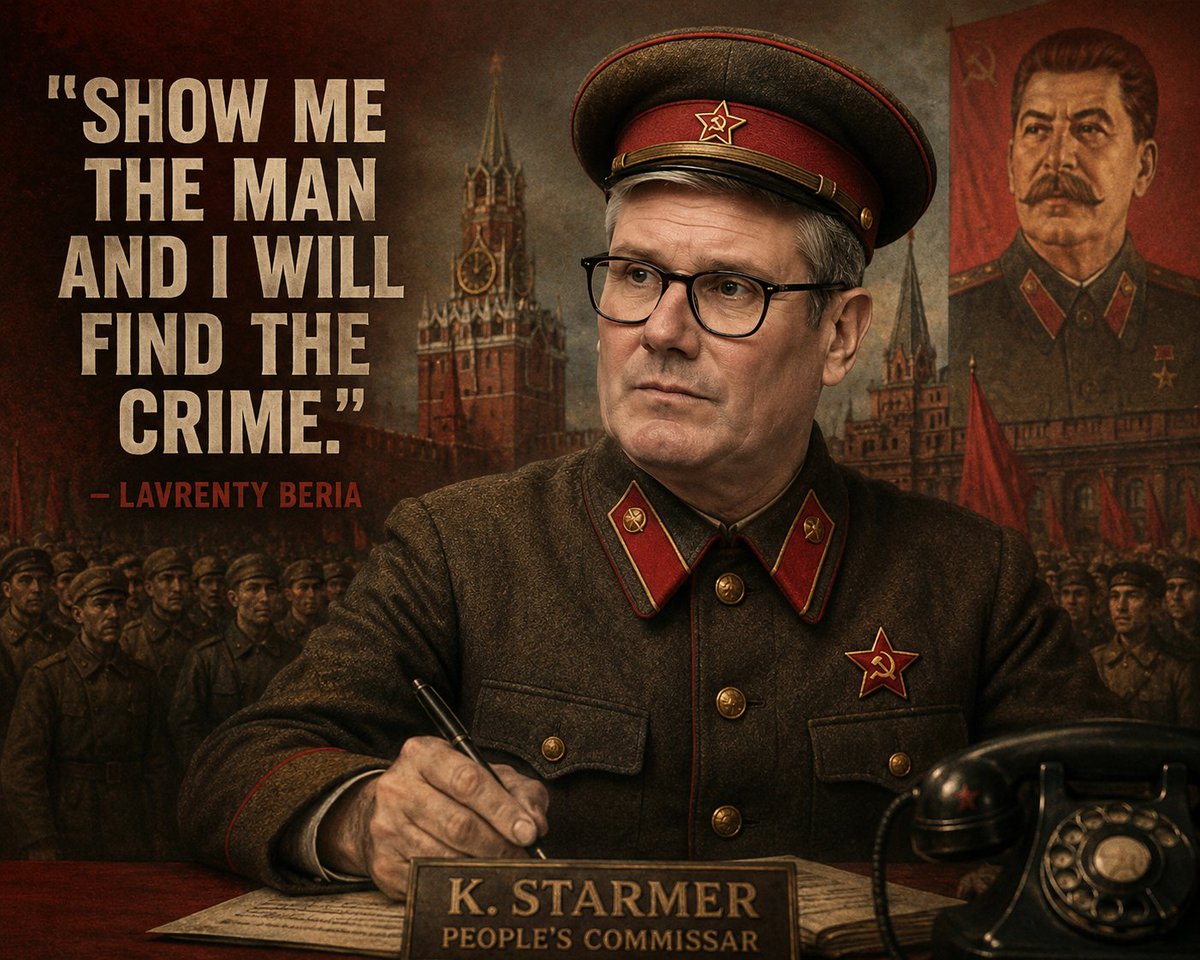
Busted @Keir_Starmer ‼️
Secret deal inked with Bluesky? Sure looks like it to anyone with a singular brain cell.
As a mother of two I shall be setting up social media accounts on ALL platforms except Bluesky for MY children. Why?Because I can.
I birthed my children. I decide. Focus on the ACTUAL grooming gangs that pose a far greater threat than social media. You’re scared you can’t control the narrative. God bless @elonmusk
71
942
3,335
66,085
Walter Tango F. retweeted

“The SAVE America Act just won’t go away for Senate Republicans, no matter how many times they think it’s dead and gone.”
That’s what happens when voters overwhelmingly support a bill—across party lines—in response to a known and growing problem.
This won’t just “go away.”

SAVE ACT: One unnamed Republican Senator is calling the Save America Act supported by the vast majority of Americans the "Night of the Living Dead". Senate Republicans just want it to go away. They don't want to pass it. Co-sponsor Senator Tillis voted against it this weekend. We've got to keep the pressure on the Senate until they pass the damn bill.
notus.org/donald-trump/repub…
351
2,066
8,987
124,287
Walter Tango F. retweeted

Young Bob, who literally sets up a stall to calmly debate anyone, is again attacked by a gang of invaders today.
Anyone celebrating or encouraging this is a coward.
Starmer's regime shutting down debate online, and the left shutting it down in public!
1,922
8,195
37,372
1,263,699
Walter Tango F. retweeted

If a Somalian family is living in British social housing, claiming benefits, refusing to work, not even able to speak English?
A Restore Britain Government will deport that family.
No apologies, no compromises, no payments.
Deported.
700
4,870
45,780
489,515

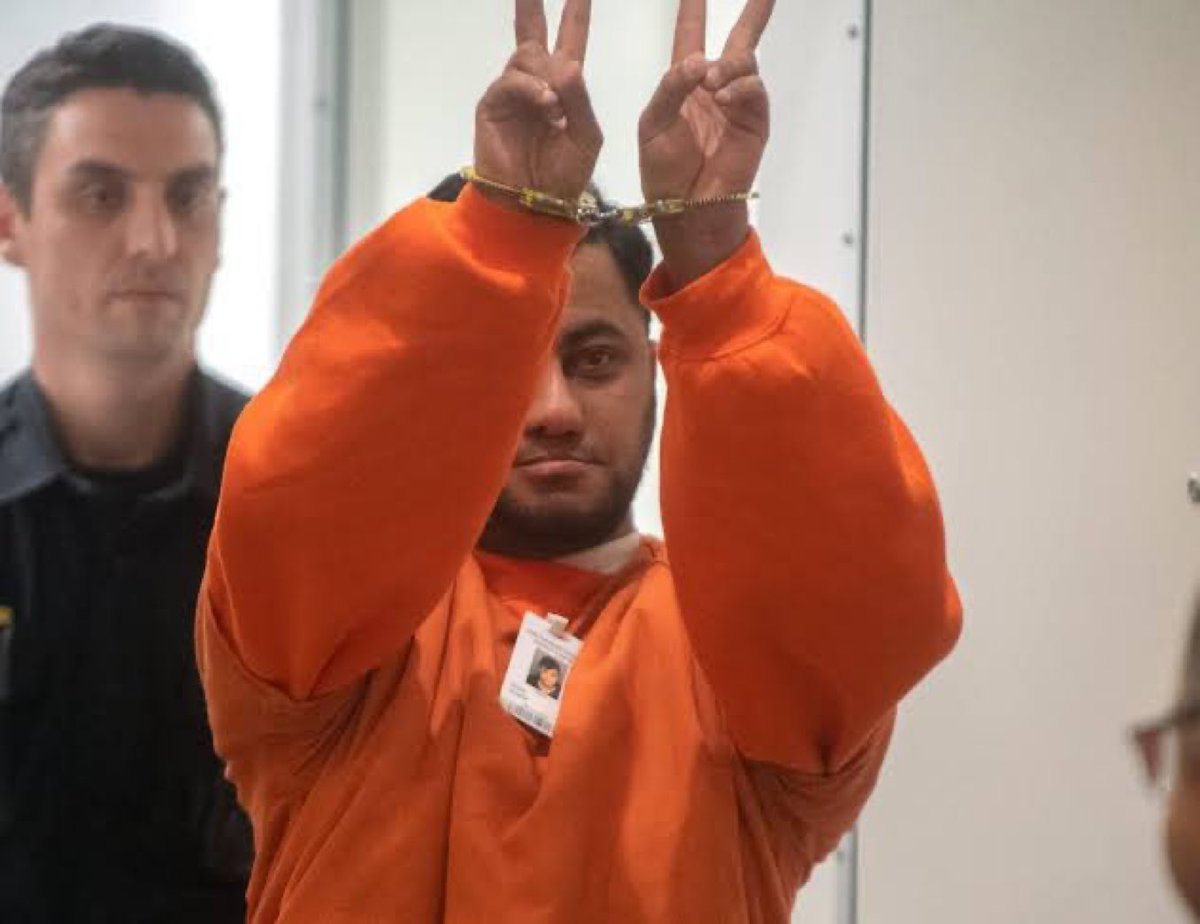

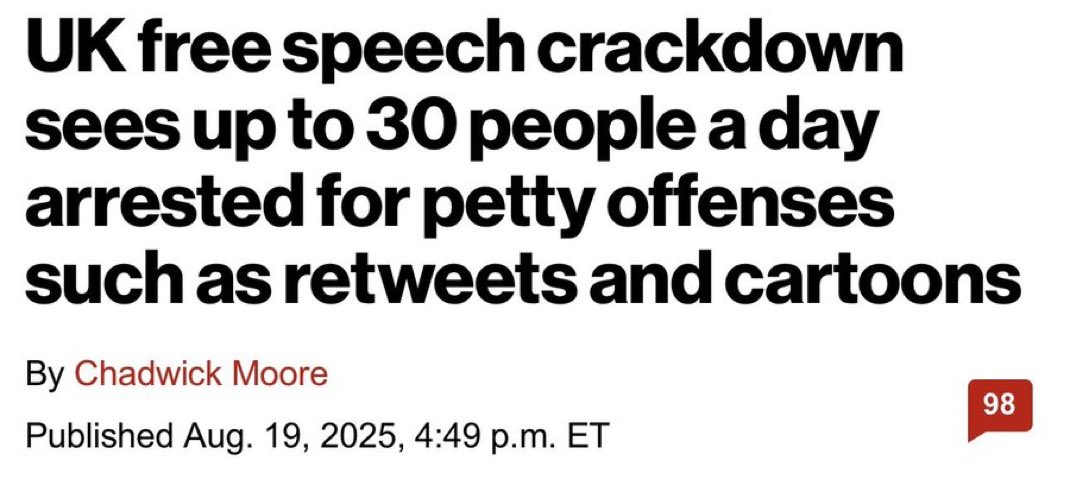
This is nuts

4,857
19,265
112,878
8,118,244
Walter Tango F. retweeted

🚨 Breaking and absolutely massive. The DEA just dropped numbers that should shake the entire country awake. Under President Trump, the lethality of fentanyl pills on the street has collapsed. Not dipped. Not slid. Collapsed.
Two years ago, 76 percent of these pills were strong enough to kill you on the spot. Today that number is down to 29 percent. The DEA literally called it jaw dropping. That’s what happens when a real president puts every lever of government on an all hands on deck mission to save American lives.
This is what leadership looks like. This is how you fight a drug war that was killing our people by the thousands. Trump did it. He’s saving lives while the media pretends not to notice.
This is huge. This matters. Thank you President Trump.
64
2,121
8,005
198,281
Walter Tango F. retweeted

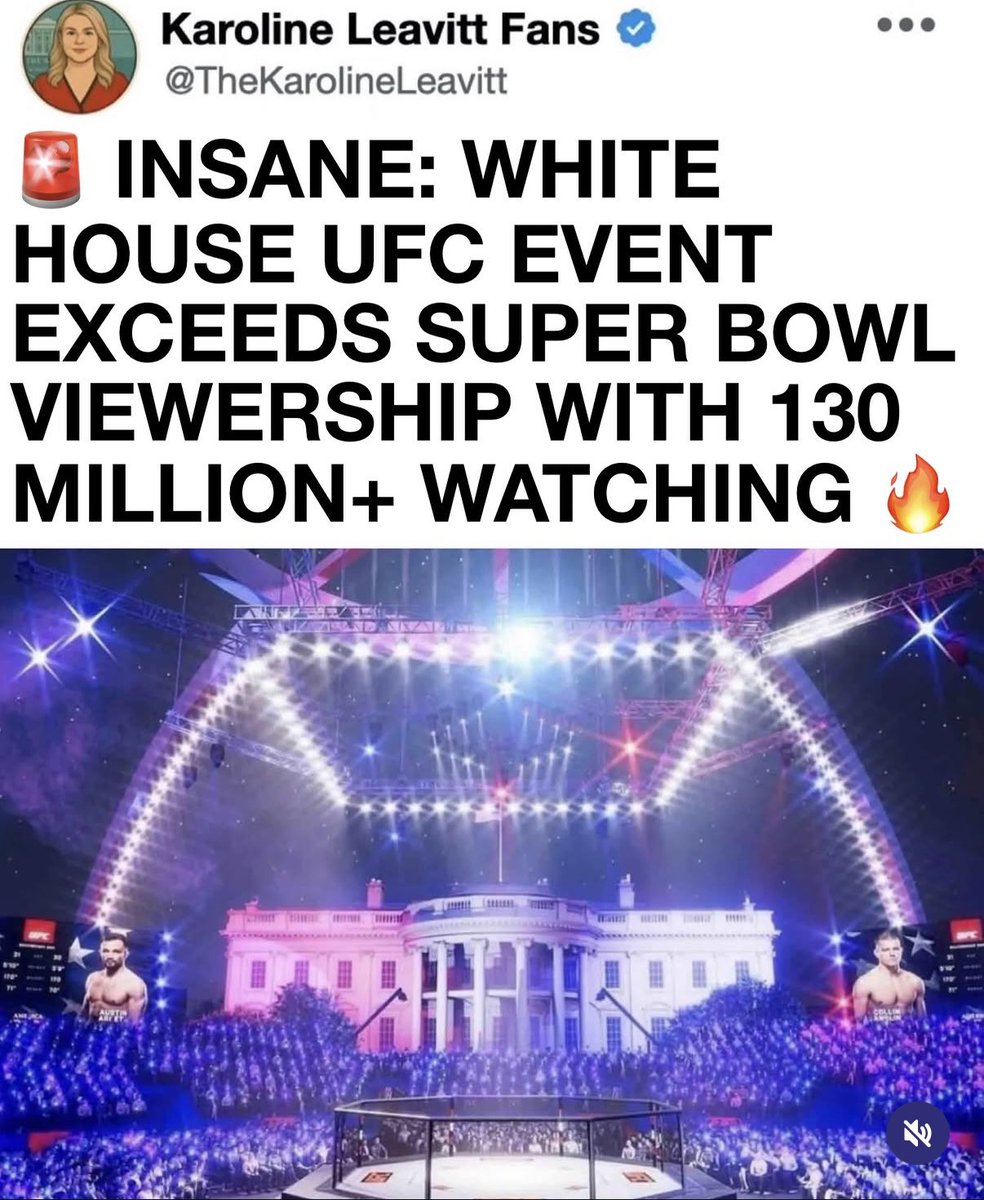
🚨 INSANE: WHITE HOUSE UFC EVENT EXCEEDS SUPER BOWL VIEWERSHIP — 130 MILLION WATCHING! 🔥
While the world tuned in for the biggest fight of the year at the White House, something even greater happened…
Over 130 MILLION people heard the truth:
Jesus is Lord.
He is the ONLY way to heaven.
No other name, no other path, no other savior.
“I am the way, the truth, and the life. No one comes to the Father except through Me.” — John 14:6
The lights were bright, the crowd was massive, but the real victory is souls turning to Christ.
Share if you stand with the King of Kings! 🙌✝️🔥
#JesusIsLord #OnlyWayToHeaven #WhiteHouseUFC
1,163
9,861
34,681
278,256
Walter Tango F. retweeted

Jun 14
Islamic Terrorists in Africa chant "Allahu Akbar" as they film mass graves of Christians - right after they slaughtered them in clear defiance of all international law.
This is why I don't care about anyone's feelings when I call out Greg Abbott for allowing the Islamic Invasion of Texas and providing them $1 Billion of our tax dollars to 24 Muslim-only schools.
I refuse to play 'Red vs. Blue', when we are being conquered by both.
x.com/MorEdge_Insight/status…
433
4,728
8,682
310,123
Walter Tango F. retweeted

Jun 14
Five years ago today I called out Fox Corp live on air, then did several independent reports on how they’d become compromised:
⚫️Fox had threatened to fire me for covering the story they assigned me to cover, all because the true narrative was different from the “safe” narrative they had anticipated.
⚫️The true narrative was that four times more lives were being saved at a hospital that used a COVID treatment protocol that the CDC/FDA recommended against using.
⚫️Fox had been pushing its reporters to only tell people to do what the CDC/FDA said to do, rather than pursuing journalism which is: Go out and see what people are actually doing and cover what’s actually working and not working.
⚫️So when Fox sent me to a hospital to cover COVID treatment, they expected me to report the copy/paste version of what CDC/FDA said to tell people was happening.
⚫️When I adhered to journalism and covered what was actually happening there, Fox issued a letter for my files, lying about me, threatening to fire me, and they put me on a social media blackout—no posting anything unless it is “safe news” approved by management before the post.
⚫️All because I approached a COVID story the same way I approached crime stories: Go out there, be curious, ask the people’s questions, report what’s actually happening.
⚫️When Fox crossed the line and later sent their HR lady in Atlanta after me to tell me standing up for free speech is not something I’m allowed to do, I knew it was time to leave that compromised company. (I’ve posted all the receipts from this showdown in the past and still have more receipts I haven’t posted.)
⚫️I left the company and then found out there were Fox Corp employees all over the nation going through similar stories. I heard from staff at other news companies—ABC, CBS, etc.—with very similar stories.
⚫️It was much easier for me to leave and sound the alarm as a single girl who didn’t have a family to provide for. My heart goes out to those who have not left and are still within the compromised machine at news companies across the country.
⚫️May you find a way to take a stand, even if from the inside. Never compromise your conscience. Take a stand—even a small one—and God will protect you. Life’s too short not to.
⚫️We’re not in the pandemic anymore, but there are countless news stories where the corporations just don’t have the spine to tell the truth, and they’re ready to persecute their reporters for sticking with journalism.
⚫️Yes, COVID treatment was not the only story Fox was compromised on. I went on to cover how they hid anomalies related to elections to help viewers believe elections are always perfect. I covered how they acted as a PR team for vaccine companies rather than seeking answers to their viewers’ concerns about them. And I covered how they used crime coverage to deceptively pit races against each other in an effort to increase ratings.
⚫️I thank @JamesOKeefeIII and @Project_Veritas from the bottom of my heart for picking up my story and sending it so viral. I do believe it made at least a small difference in challenging news outlets to get back to honesty over “safety.”
263
3,890
14,857
661,537
Walter Tango F. retweeted

🚨 BREAKING: The US Senate has just REJECTED the SAVE America Act as part of budget reconciliation, 48-50 — would've required voter ID and proof of citizenship nationwide
REPUBLICAN NAYs: Thom Tillis, Lisa Murkowski, Mitch McConnell and Susan Collins
UNBELIEVABLE!!
2,298
5,558
12,776
819,737
Walter Tango F. retweeted

Jun 15
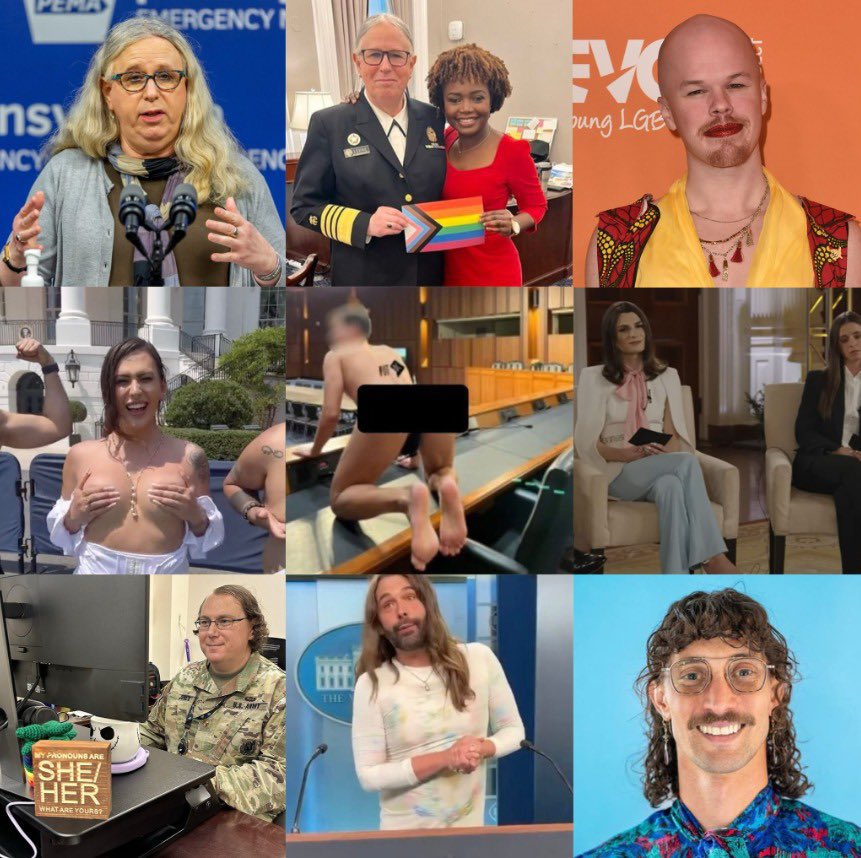
I don’t want to hear a word from Democrats about “Trump is defiling the WH”
588
13,176
45,222
451,243
Walter Tango F. retweeted

What’s better than a rare Super Delta formation featuring the Thunderbirds and the @USNavy Blue Angels over Washington, D.C.?
Watching it from four different views for #UFCWhiteHouse as part of #Freedom250. 🇺🇸
1,232
12,323
67,551
1,504,266