
Trying to fight the existential threat of irreversible #ClimateBreakdown one video a time. One World with finite resources. Let's not spend it all at once.
Joined July 2009
- Tweets 18,537
- Following 5,378
- Followers 9,479
- Likes 437
1,668 Photos and videos

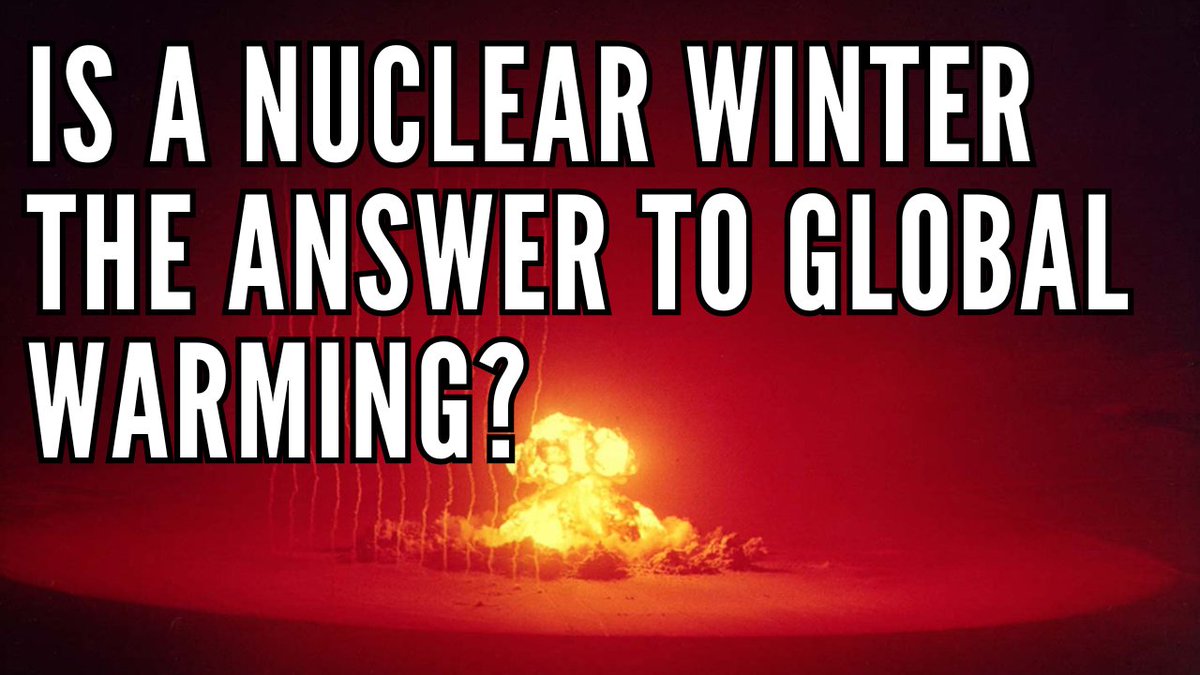


We need to rewild 30% of the planet to restore nature & protect our wildlife, but Britain is falling behind. So I've signed this new petition calling on one of our biggest landowners - the Church of England - to rewild it's land. Join me? you.38degrees.org.uk/petitio… via @38degrees
2
3
182
4
4
315
2 Jul 2024

Looking back on 14 years of the Tories is like looking back at the traumatising post-vindaloo shit you just did in the toilet.
147
🌍💔 In 2019, over 150,000 SUVs sold were too massive for standard UK parking spaces—symbols of our climate crisis indifference. These behemoths contribute to the carbon footprint at an alarming rate, yet the collective outcry remains muted. Why aren't we furious?
Each oversized vehicle is a missed opportunity to combat climate breakdown. It's not just about the inconvenience of parking; it's about the dangerous trajectory we're on. 🚗➡️🌪️
It's high time for anger to fuel change. Anger that turns to action, demanding policies for smaller, greener vehicles and a shift in consumer culture. Our planet can't afford silence or complacency. The time for #ClimateAction is now! 🔥🌳 #CarbonFootprint #ActNow
1
2
9
272
Why Aren't People Angry About Climate Breakdown? retweeted

21 Nov 2023
SHOCKING FACT: Private jets belonging to 200 celebrities, CEOs and billionaires have spent a combined total of 11 YEARS flying since the start of 2022.
Ban private jets.
57
254
640
22,448
Why Aren't People Angry About Climate Breakdown? retweeted

31 Oct 2023
Just the river Thames bursting its banks, submerging cars, shocking locals, don’t be alarmed, it’s not really happening if the economy is doing ok
26
147
365
53,161
Just in case there is anyone out there who has not picked up on this memo yet.
#ClimateAction #climatebreakdown #JustStopOil
Earth’s ‘vital signs’ worse than at any time in human history, scientists warn theguardian.com/environment/…
3
2
293
Holding COP28 in Dubai presents a sinister twist in the fight against climate change. It's a move that reeks of hypocrisy and diversion, where Western governments seem eager to divert attention from their own colossal contributions to climate breakdown.
Dubai, a city built on extravagant excess, epitomizes the oil-dependent culture that has driven the climate crisis to the brink. Yet, it's chosen as the backdrop for discussions on sustainability. It's like hosting a conference on animal welfare in a lion's den - the irony is deafening.
While it's crucial and well overdue to properly address the role of meat and dairy in climate change, doing so in Dubai raises eyebrows. This city, known for its ostentatious displays of wealth and extravagance, should not serve as a platform for deflecting blame away from the real culprits - the fossil fuel industry and the excessive lifestyles of the developed world.
The UAE's minister for advanced technology may talk about unity against carbon emissions, but it's a hollow sentiment when the nation's wealth is built upon oil. It's not just oil and gas; agriculture plays a significant role in emissions too. Yet, the hosts seem eager to downplay their own carbon footprint while preaching to the world.
While we must discuss Western diets' impact, let's not forget who's been exporting these unsustainable diets worldwide. It's time for a reality check and an honest conversation about our collective responsibility. Dubai may offer glitz and glamour, but it's an inappropriate stage for tackling the profound changes needed to combat climate breakdown.
COP28 should be about facing the harsh truths and holding the right players accountable. Instead, it appears to be a masterclass in the art of misdirection. As we gather in Dubai, let's remember that addressing the climate crisis requires more than just optics; it demands genuine commitment and meaningful action.
#COP28 #ClimateHypocrisy #ClimateEmergency
Impact of farming on climate crisis will be a key Cop topic – finally theguardian.com/environment/…
1
146
19 Oct 2023

Cabinet Office has published data on Rishi Sunak's private and RAF jet hire.
In three months, they spent £650,271.28.

208
Absolutely chilling. This is a dangerous precedent where Western governments are systematically eroding our fundamental right to protest. As history has shown, 'first they came for...' Silence is not an option. We must protect our democratic freedoms. ✊ #RightToProtest #StandUpForDemocracy
20 Oct 2023

Two days ago the police pushed their way into my flat injuring my house mate at 6am. They arrested me for "conspiracy to cause a public nuisance" for doing a talk at a festival 3 mths ago. They took my laptop, phone.
Am fine. The question is when is this going to happen to you?
196
Why Aren't People Angry About Climate Breakdown? retweeted

20 Oct 2023
Our bridge to the future is disappearing under a flood of ignorance
Scotland #ClimateCrisis
26
159
441
18,172
🌍💔 Overconsumption isn't solely an individual choice; it's a systemic issue that requires collective action. We must rethink our values, prioritise sustainability, and collaborate to shape a future where we thrive in harmony with our planet. 🌿🤝 #SustainableChoices #CollectiveAction #HopeForChange
19 Oct 2023

“As long as this society is unwilling to make massive modifications to its ecocidal lifestyle, some of which go beyond our wildest imagination, this civilisation is doomed to enter a rapid collapse full of hunger, global conflict and mass death”
#necrocapitalism #amwriting

1
128
The Tragedy of Climate Migration: Recognising Reality
In a world grappling with the escalating climate crisis, one of the most pressing issues we face is climate migration. It's not a problem of the distant future; it's happening right now. Yet, the international community remains reluctant to recognise climate migration as grounds for asylum, leaving countless individuals in dire situations and perpetuating the cycle of human suffering.
Consider the story of Higinio Alberto Ramírez, a young man from Honduras. Faced with the relentless encroachment of rising sea levels in his coastal hometown, he had no choice but to embark on a perilous journey to seek refuge in the United States. The heartbreaking twist in his story came when he was detained just metres from the border and told he would be deported back to Honduras. Soon after, a devastating fire in the detention centre claimed the lives of 13 Hondurans, while Higinio barely survived with severe burns and a bleak future.
Higinio's case highlights the cruel reality faced by climate refugees. The climate crisis is not just about extreme weather events; it's about slow-onset disasters like sea-level rise, coastal erosion, droughts, and deforestation, which silently force communities to abandon their homes. Despite the urgency and gravity of the situation, there's no legal framework in place to protect those fleeing these environmental catastrophes.
As it stands, international law, particularly the 1951 Refugee Convention, doesn't explicitly recognise climate change as a legitimate reason for seeking asylum. This legal blind spot puts millions of people at risk and forces them into the clutches of smugglers and human traffickers. Desperation drives individuals and families to take perilous journeys, often with tragic consequences.
The argument against recognising climate migration as grounds for asylum typically centres around concerns of overwhelming migration flows and strained resources. Critics argue that doing so could create a global migration crisis. However, this perspective overlooks the fact that climate change itself is a major driver of displacement. If we don't address this issue proactively, the crisis will only worsen.
The United Nations estimates that a record-breaking 32.6 million people were newly displaced by disasters linked to climate change in 2022. Slow-onset impacts like sea-level rise and desertification are harder to quantify but equally significant. Central America, with its vulnerability to climate change and limited resources, exemplifies the challenge. Climate migration isn't a choice but a desperate response to untenable living conditions.
It's crucial to recognise that climate migration isn't a problem for the countries affected by it alone; it's a global issue. The developed world, responsible for the lion's share of greenhouse gas emissions, cannot turn a blind eye to the consequences of its actions. This moral imperative extends to providing safe and legal pathways for those seeking refuge from climate-induced disasters.
One viable solution is to expand existing international frameworks, such as the 1951 Refugee Convention, to explicitly include climate change as a legitimate reason for seeking asylum. This would pave the way for humanitarian parole and legal avenues for climate refugees. By doing so, we can ensure that individuals like Higinio don't have to resort to dangerous journeys or human traffickers to find safety.
Recognising climate migration as a legitimate concern also calls for global cooperation. Developed countries must take responsibility for their historical emissions and contribute to a global fund to support climate refugees. This fund could finance climate-resilient infrastructure, retraining programmes, and resettlement efforts, helping communities adapt and thrive in the face of environmental challenges.
In the face of climate migration, we must acknowledge that our current systems are inadequate and unjust. It's time for the international community to act with compassion and foresight, recognising that climate migration is already happening and will only intensify. By providing legal pathways, humanitarian aid, and support to climate refugees, we can uphold the principles of human rights and justice that should guide our response to the climate crisis. It's a moral obligation we cannot afford to ignore.
Furthermore, it's essential to recognise that the man-made climate breakdown is the root cause of these migration crises. Every individual in the developed world bears a responsibility to reverse this trend through lifestyle changes and advocating for systemic change. Closing borders alone won't address the problem; we must also tackle the climate crisis at its source. It's time for a collective commitment to reducing emissions, conserving resources, and preserving the planet for future generations.
Trapped as fire raged: deadly perils in Mexico for migrants escaping climate catastrophe theguardian.com/world/2023/o…
87
Why Aren't People Angry About Climate Breakdown? retweeted

19 Oct 2023
"Untreated sewage illegally spilled for years, Welsh Water admits."
And don't think Welsh sewage plants are the only ones doing this, they're not. Wouldn't that be right @EnvAgency?
standard.co.uk/business/busi…
18
437
1,036
61,282
Lies, Damned Lies, and Air Quality Statistics – A Global Crisis
In an era where climate breakdown poses an unprecedented threat, both sides of the Atlantic find themselves grappling with a disheartening reality – the manipulation of crucial data and definitions that underpin climate action.
In the United States, an investigation reveals how a little-known loophole in the Clean Air Act, known as the "exceptional events rule," has allowed the concealment of pollution data. This deception not only endangers the health of millions but also serves the interests of industry lobbyists and business groups.
Across the pond in the United Kingdom, similar concerns emerge. To meet its climate finance target of £11.6 billion over five years to combat the climate crisis in the developing world, the UK government is making changes to definitions. These shifts raise questions about the integrity of climate finance commitments and their impact on global climate goals.
Climate finance is a critical tool for aiding developing nations in addressing climate change. However, the alterations in definitions and data manipulation undermine the transparency and accountability necessary for effective climate finance.
These actions underscore a disturbing pattern – governments bending rules and distorting facts to safeguard the interests of donors and lobbyists. The danger is not solely environmental but ethical and governance-related.
Climate change is a global crisis that demands truth, accountability, and meaningful action. We cannot allow deceptive tactics to overshadow the urgent need to combat climate breakdown. The well-being of future generations depends on our commitment to transparency and integrity.
#ClimateAction #EnvironmentalIntegrity #TransparencyMatters #ClimateFinance #CleanAir #ClimateCrisis #ClimateDeception #EthicalGovernance #ClimateAccountability #GlobalClimateEfforts #ClimateChange #ClimateBreakdown
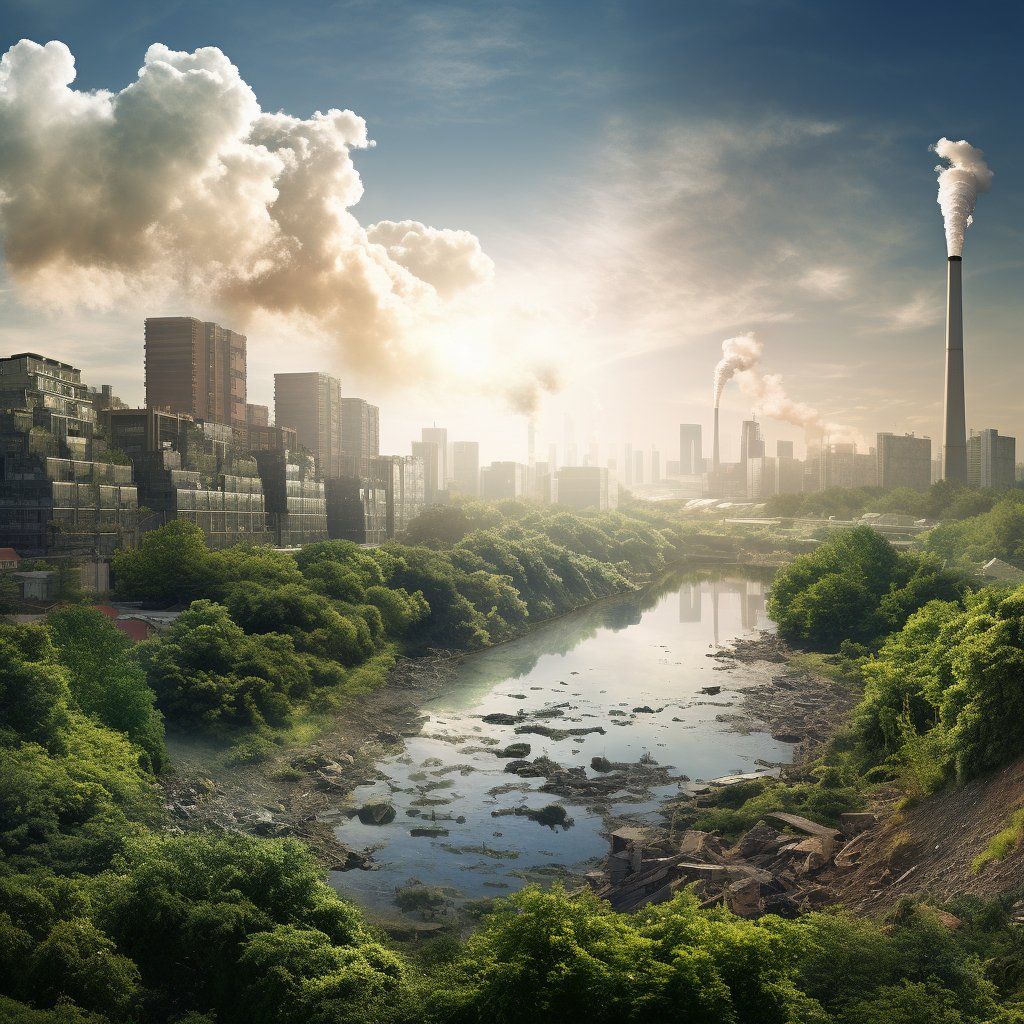
ALT An image depicting polluted city air contrasting with clean, green environments
86
Greta Thunberg, the resolute climate crusader, is a symbol of our generation's urgent cry for justice. She embodies the unwavering spirit of a young woman who should be celebrated as a global hero, but instead, she was subjected to the indignity of HANDCUFFS as she fearlessly spoke truth to power at the Energy Intelligence Forum (EIF) in London.
Why, you might wonder? Because she demonstrated the indomitable courage to expose the grotesque spectacle that is the "Oscars of oil." In this opulent gathering, fossil fuel tycoons and government ministers indulge in extravagant feasts while our beleaguered planet groans beneath the weight of their insatiable greed.
Picture it: a posh hotel, an event glittering with opulence, where those responsible for the environmental devastation enjoy champagne and fine dining. Meanwhile, the world outside faces wildfires, floods, and rising temperatures. It's a grotesque display of excess while the earth is ravaged by their recklessness.
Thunberg's arrest is a stark reminder of the lengths to which those in power will go to silence dissent and protect their interests. Her message is clear: we cannot allow the elites to continue down this destructive path unchecked. The planet is in peril, and the time for polite pleas and empty promises is over.
1
2
141
Why Aren't People Angry About Climate Breakdown? retweeted

17 Oct 2023
This is the future that #BigOil knew was coming, and then lied about it - for decades - just to increase their profits.
#OilyMoneyOut @Shell @bp_plc @exxonmobil
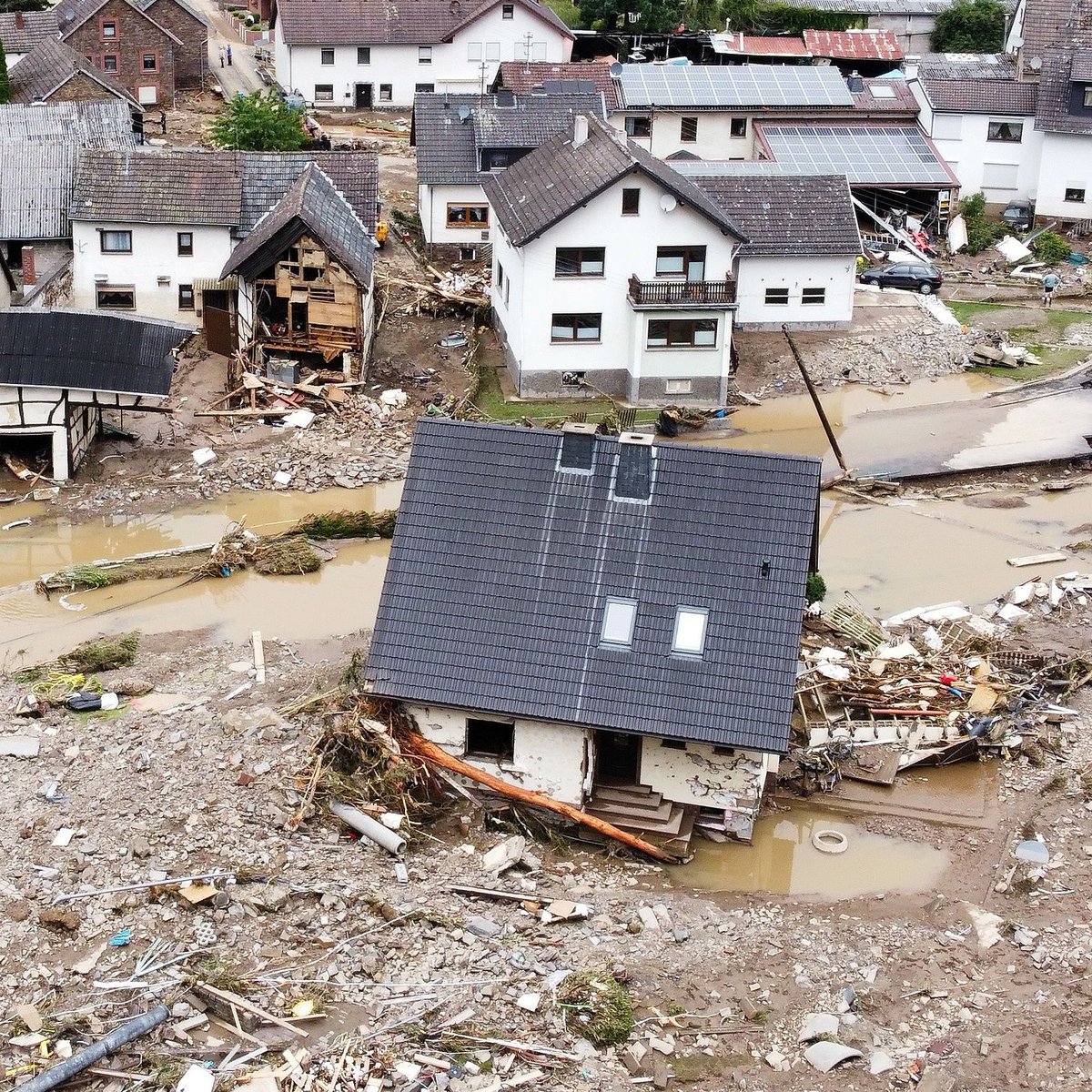
ALT A destroyed house from the catastrophic German Floods, exacerbated by fossil fuel induced climate change.
1
8
6
984
RT @justmeluvtoread: Vegan sausage uproar after ad erected next to butcher news.com.au/lifestyle/food/e… via @newscomauHQ
12
Why Aren't People Angry About Climate Breakdown? retweeted

16 Oct 2023
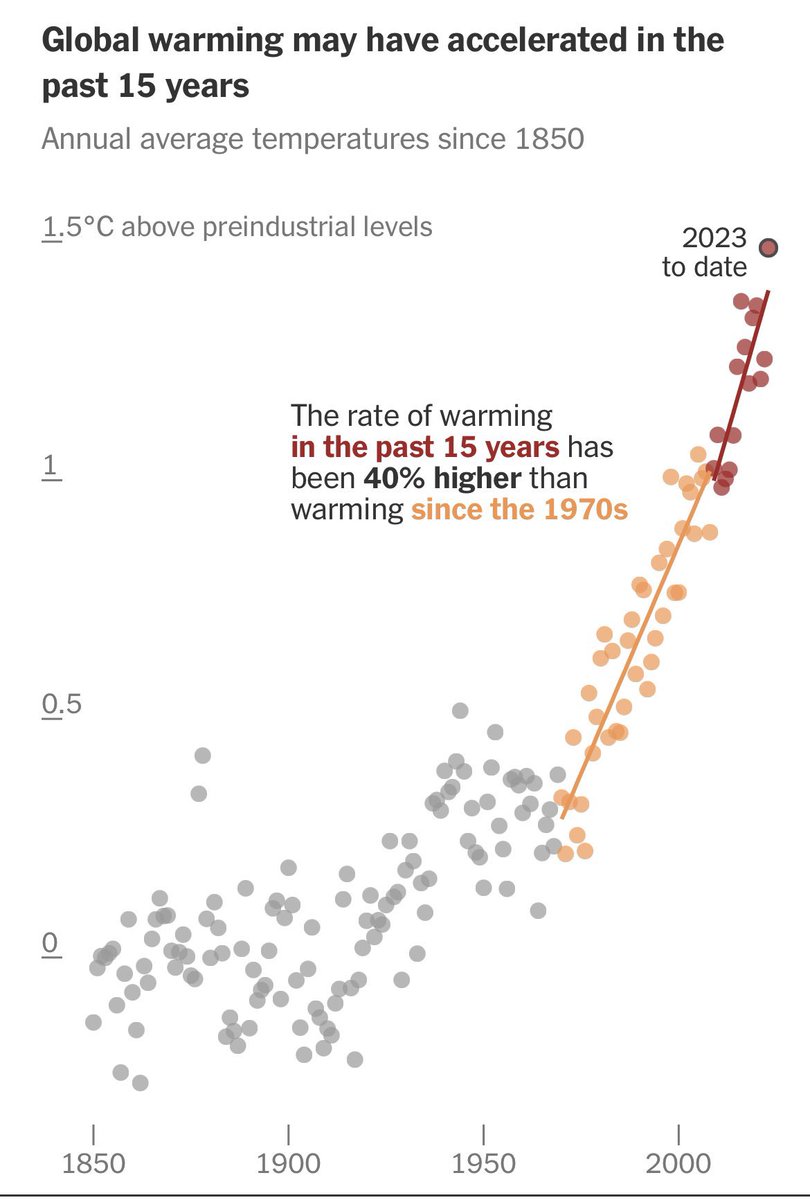
#ClimateChange 🌡️ is exceptional and caused by human greenhouse gas emissions 🏭
Warming rate of last 15 years is 40% faster than before 1970s
2023 will be warmest year on record 🥵
#globalwarming is 10 times faster than past natural warnings.
And it is accelerating 🔥♨️🚩
237
481
1,019
230,422