
Jun 8
We are pleased to share CEDARE’s newly released insight
“UN Backs Climate Justice: Law Becomes the New Climate Battlefield”.
🔗 Read the full insight through the link below:
2025.cedare.org/un-backs-cli…
#CEDARE #ClimateJustice #ClimateChange #ICJ #UnitedNations #ClimateGovernance #ClimateLaw #ClimateLitigation #EnvironmentalJustice #GlobalClimateAction #InternationalLaw #ClimateAccountability #Sustainability #ClimatePolicy #EnergyTransition
يسعدنا أن نشارككم أحدث إصدار من تحليلات سيدارى بعنوان:
“الأمم المتحدة تدعم العدالة المناخية: القانون يصبح ساحة المعركة المناخية الجديدة”
🔗 لقراءة التحليل الكامل، يرجى الضغط على الرابط التالي:
2025.cedare.org/un-backs-cli…
#سيداري #العدالة_المناخية #تغير_المناخ #محكمة_العدل_الدولية #الأمم_المتحدة #حوكمة_المناخ #قانون_المناخ #التقاضي_المناخي #العدالة_البيئية #العمل_المناخي_العالمي #القانون_الدولي #المساءلة_المناخية #الاستدامة #السياسات_المناخية #التحول_في_الطاقة
7

May 11
April’s Horizon is out: spr.ly/6011BBsXcW
In our #sustainability bulletin:
•May 31: multistate #PackagingEPR deadlines converge
•Proposed Swiss #reporting aligns with #EU
•#AGs question credit ratings agencies on #ESG
#Greenwashing #Oregon #ClimateAccountability #CoffeePods #UAE #GHGs
1
161

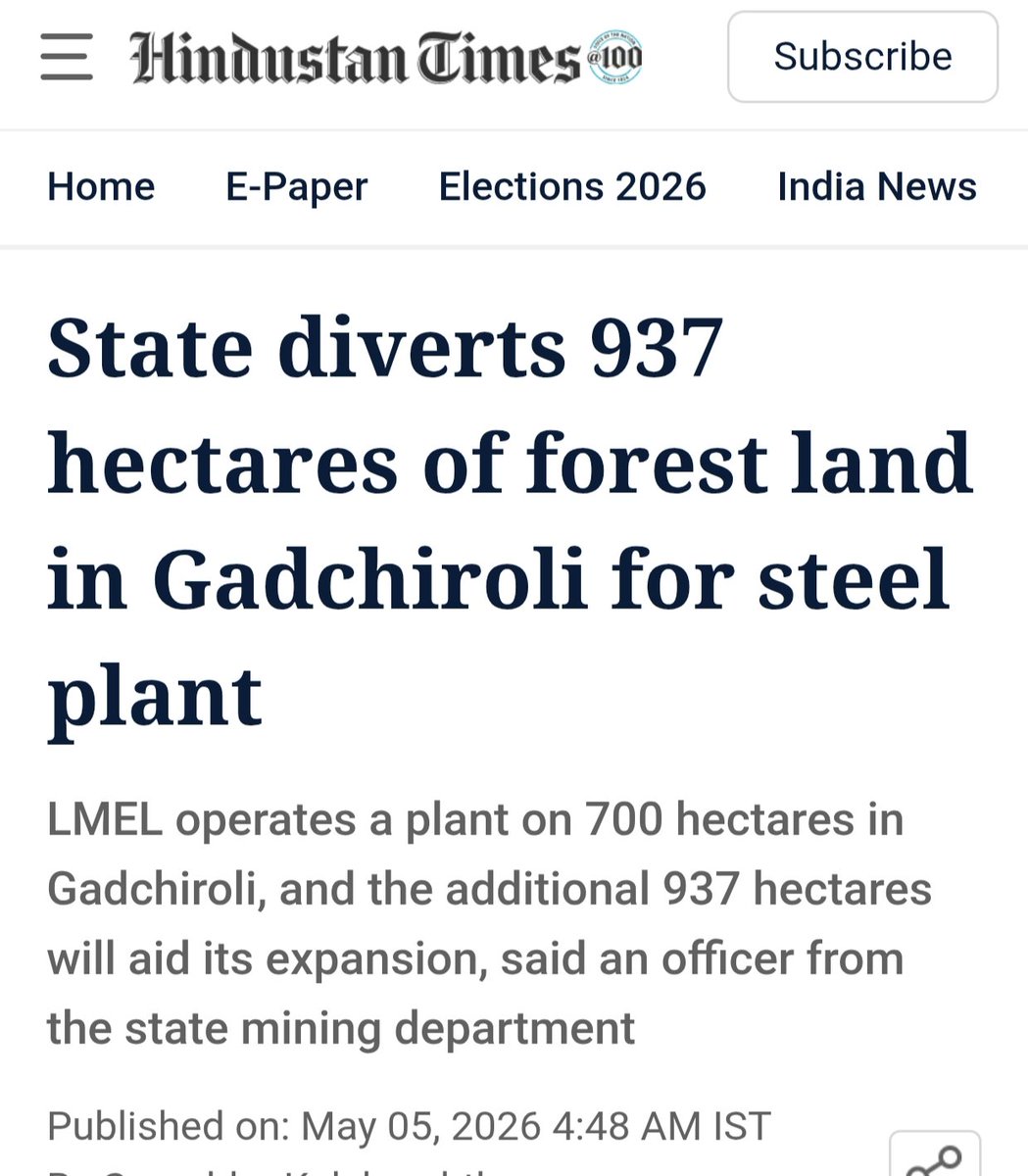
“Green” shouldn’t become a branding exercise for projects that begin with mass deforestation.
A so-called “green steel hub” in a Naxal-affected region raises uncomfortable questions:
What exactly makes it “green”—the process, the energy source, or just the label?
How does axing 1.23 lakh trees fit into that definition?
And what does this mean for already vulnerable communities living in these conflict-affected zones?
Development cannot be reduced to a headline that erases ecological loss and social realities. If it’s truly sustainable, the answers should be transparent—not buried under buzzwords.
@HMOIndia
#Greenwashing #EnvironmentalJustice #ForestRights #SustainableDevelopment #AdivasiRights #ClimateAccountability
6
5
38
Evening @realDonaldTrump,
As well as can be my "fellow human being"? A favour, connect to this page as a goodwill gesture re the Democratically based GMS Equation. I'd appreciate it, its a we're all in it together re our efforts to address climate change sort of request.
Regards Dion,
Peace to you and all "including all our future loved ones as yet to come 👉🌍✌️👉
A TOTALLY TRANSPARENT TOTALLY EDUCATION & EQUALITY BASED TOTALLY SUSTAINABLE GLOBAL CO_OP.
A "GLOBAL MISSION STATEMENT" WRITTEN "FOR ALL BY ALL".
Democracy Transparency Accountability Foresight Future Centuries Cultures "Personal Faiths" Religions "Common Ground" Earth Home "Global Community"
#climatechange #ClimatePolicies #ClimateAccountability
12 Oct 2016

Morning @realDonaldTrump, I'd #appreciate a #connect re the #democratically based #GMSequation my "fellow human being"? Re's D #peace 🌏✌️ 👉
3
25

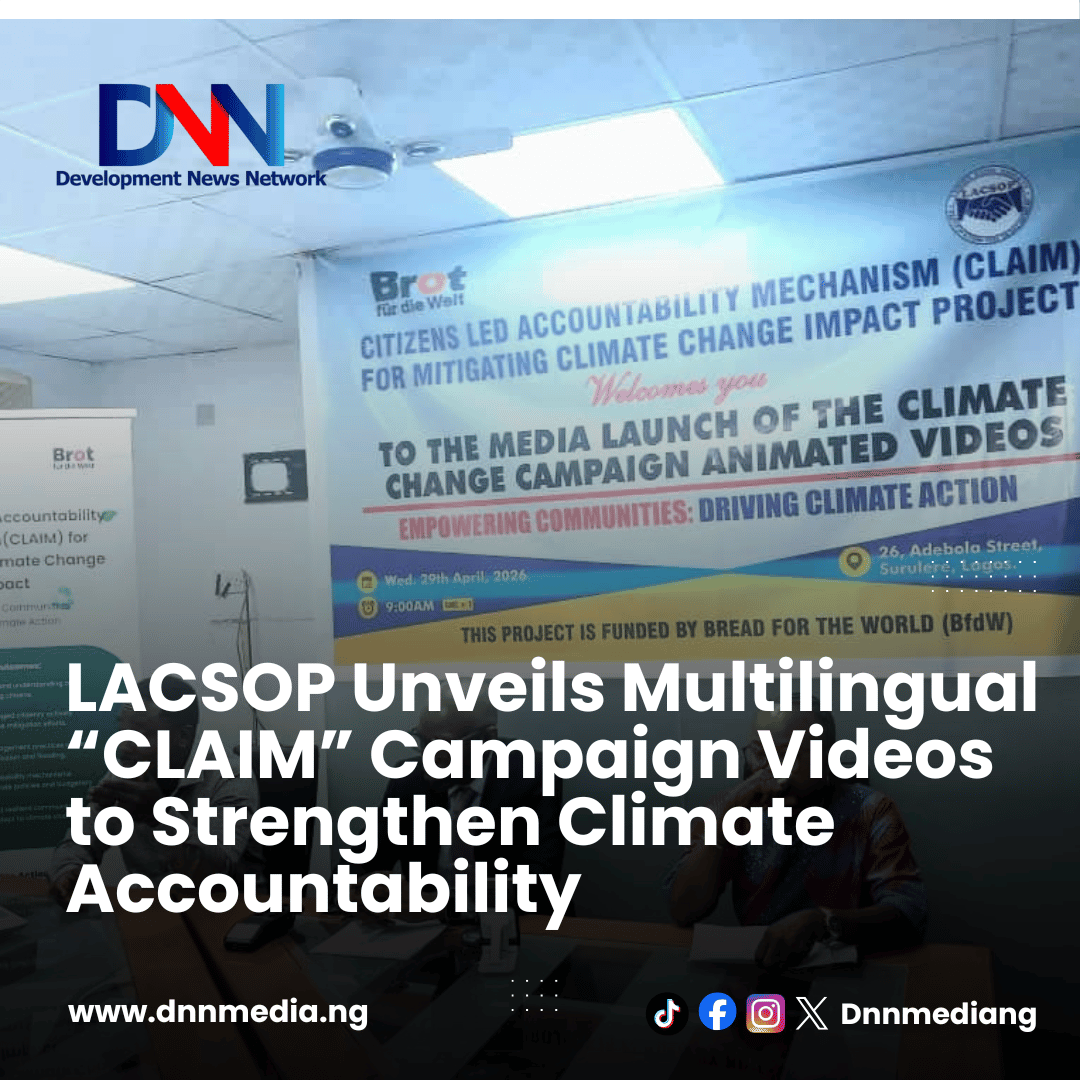
Climate action in every language! 🌍 LACSOP has unveiled multilingual CLAIM campaign videos to strengthen climate accountability across Lagos communities. By breaking language barriers, we empower every citizen to hold leaders accountable for environmental commitments.
Read the full story here: dnnmedia.ng/lacsop-unveils-m…
@LACSOP
#dnnmedia #devnewsng #ClimateAccountability #LACSOP #GreenLagos
2
13

Apr 30
Amid rising water stress, Data Centers & Ethanol Plants guzzle millions of litres. Where is the water coming from—and why the silence? Ad revenue fears? Where are the watchers of the nation?
#WaterCrisis #IndiaWater #ClimateAccountability #MediaEthics #PublicInterest
4
8
560

Apr 30
Temperatures touching 45°C in April itself. Heatwaves are lasting longer, arriving earlier and turning deadly.
India has already recorded 95 of the world’s 100 hottest cities during extreme heat events, and studies show that heatwaves in the country have increased nearly threefold since the 1980s. Thousands of lives have been lost over the years, with the most vulnerable, including daily wage workers, the elderly and the urban poor, bearing the brunt.
A major driver behind this crisis is the steady rise in greenhouse gas emissions. Globally, industry and energy-related activities account for a significant share of emissions, yet transparency around company-wise emissions remains limited. Without accessible and comparable data, meaningful accountability becomes difficult.
In this context, it is worth revisiting an intervention made in Parliament two years ago on the urgent need for greater transparency in corporate greenhouse gas emissions.
The suggestion then was clear. A dedicated public portal could be developed, similar to the Ministry of Corporate Affairs CSR portal, where companies upload their greenhouse gas emissions. Such data, when made publicly available and accessible to all, including industry peers, can help create a more responsible and competitive ecosystem for reducing emissions at the company level.
Intent alone will not solve this. What we need now is accountability that is visible, measurable and real.
@PMOIndia @moefcc
#ClimateChange #ClimateAction
#GreenhouseEmissions #ClimateAccountability
3
136

Apr 20
Welcome to #MazingiraMonday
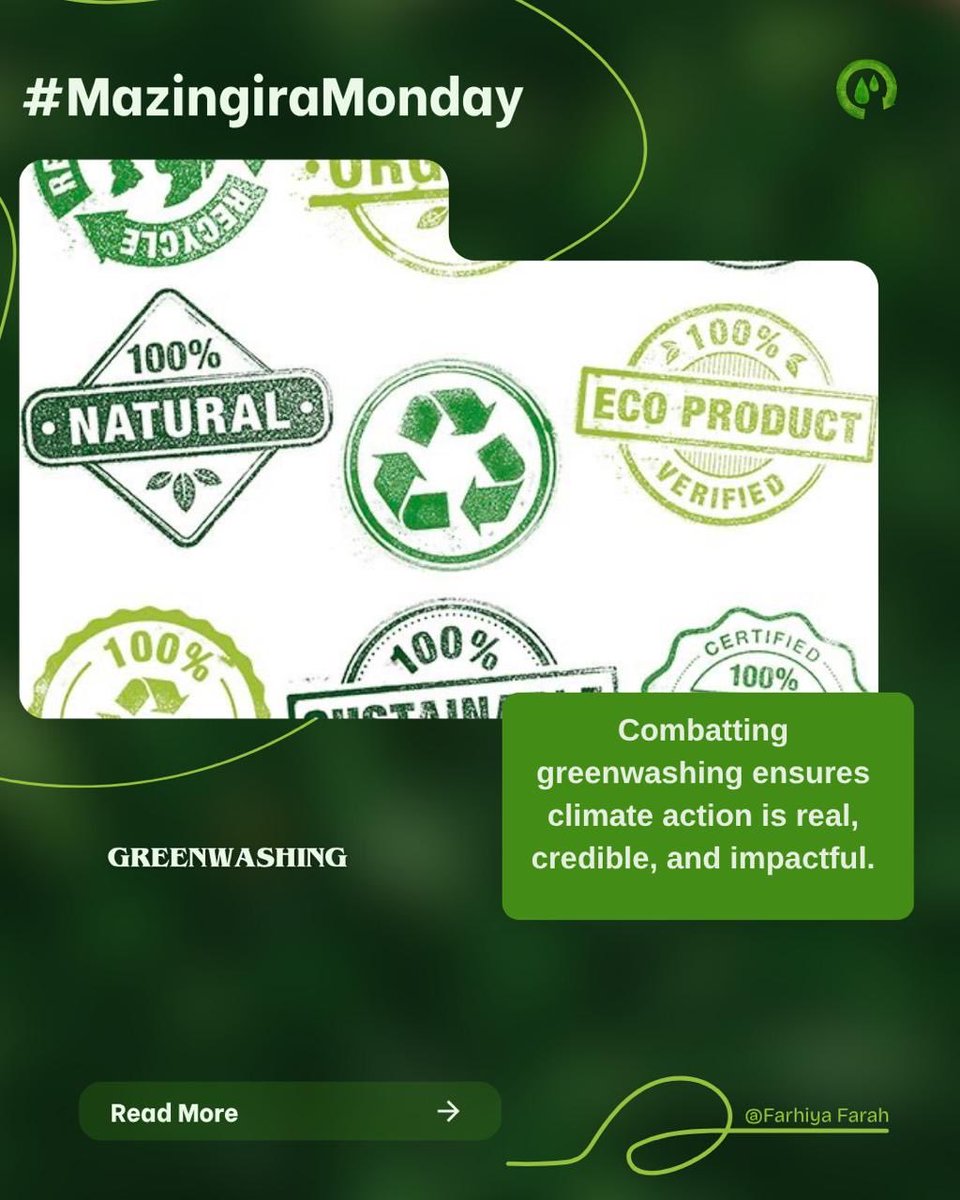
Today we’re breaking down greenwashing and what it means for climate action.
Greenwashing is when institutions make misleading or exaggerated claims about being
environmentally friendly, without real impact to back it up.
It distorts climate action by misleading consumers, weakening accountability, and shifting focus away from solutions that genuinely reduce emissions. It often shows up as vague “net zero” pledges, overuse of carbon offsets, or selective sustainability reporting.
For Kenya, tackling greenwashing is key to building credible climate markets and attracting responsible climate finance.
So how can Kenyans respond?
Consumers by questioning environmental claims and supporting transparent brands.
Businesses by setting clear, measurable targets and reporting honestly.
Policymakers by enforcing strong standards and accountability.
Combatting greenwashing ensures climate action is real, credible, and impactful.
#Greenwashing #ClimateAccountability #KenyaClimate #AfricaClimate
1
3
15
278

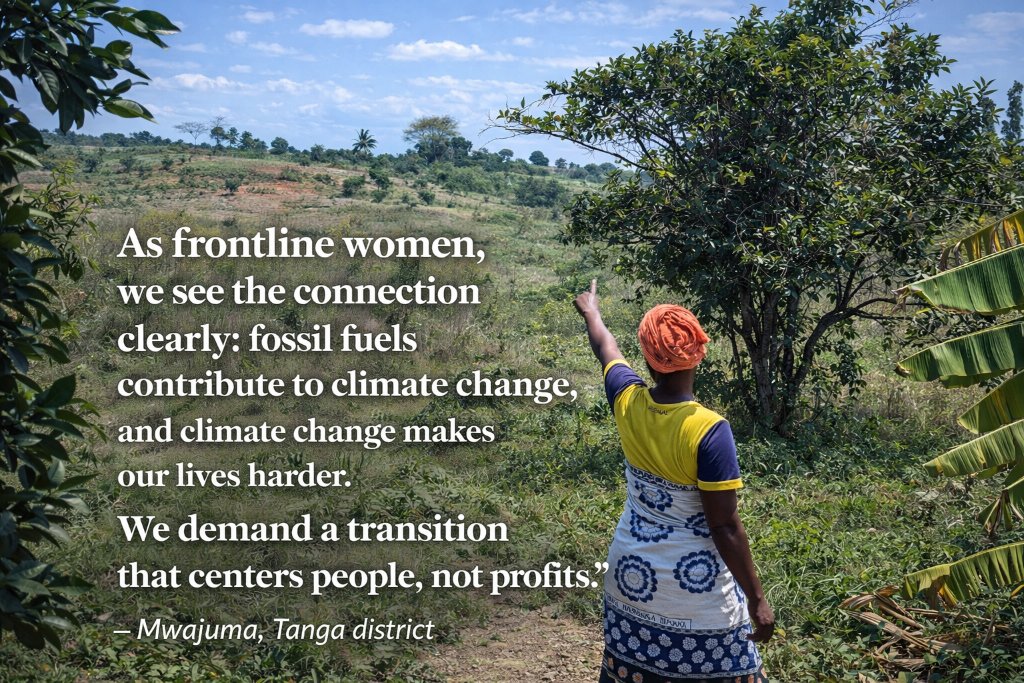
Climate commitments in reports.
Oil financing in reality.
UGX 270 billion from @stanbicug could support clean energy for communities.
Instead, women face displacement and uncertainty.
Words must match actions. ⚖️🌱
#ClimateAccountability
#StopEACOP
#ClimateJustice
6
11
153

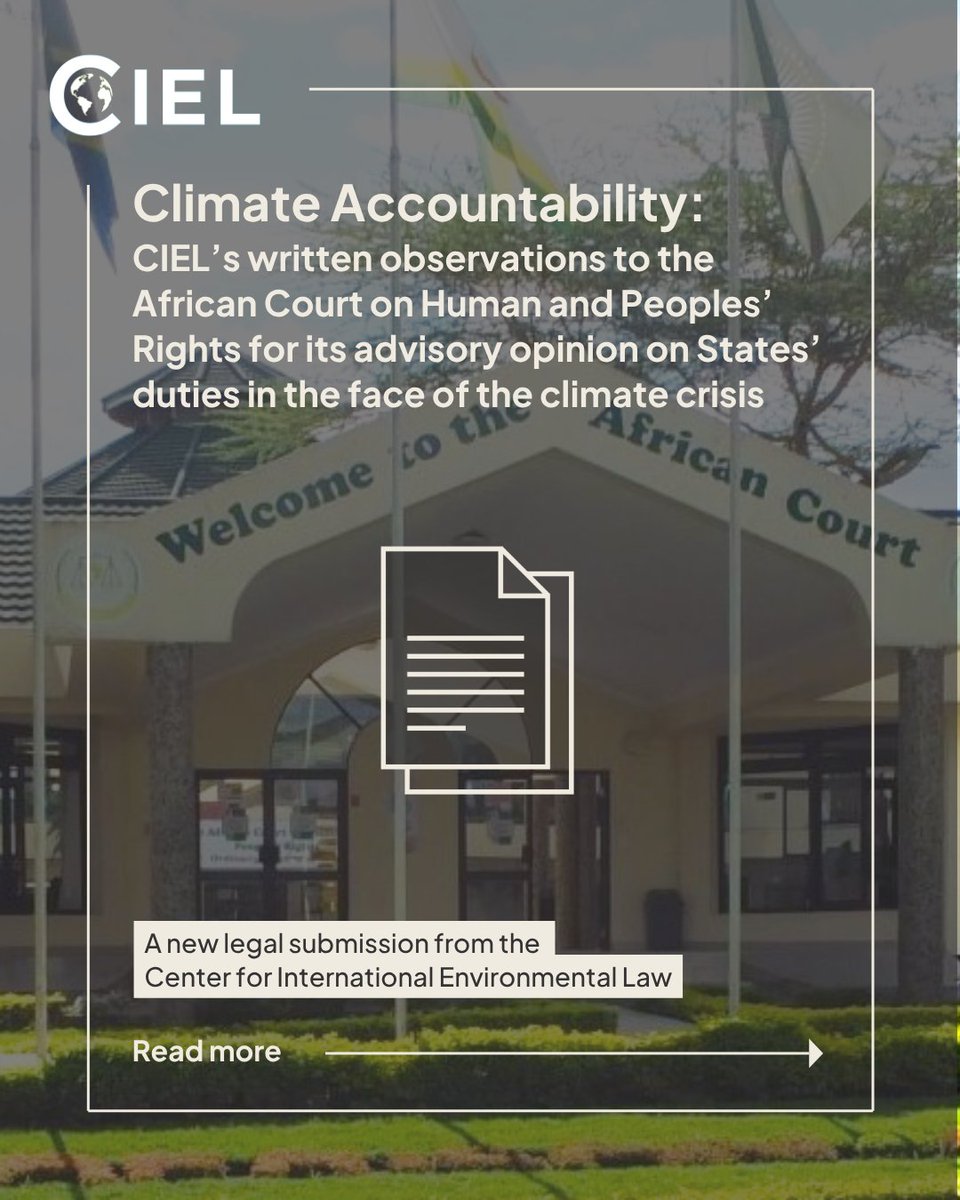
🧑⚖️ #ClimateAccountability update: This week, CIEL submitted written observations to the @court_afchpr for its advisory opinion on States’ duties in the face of the climate crisis.
READ: ciel.org/issue/amicus-briefs…
A 🧵
1
3
4
363

Mar 26
ANALYSIS
Sustainability is no longer a sideshow, it is the system
Writer: Sharmila Das
Click- dailypioneer.com/news/sustai…
#Sustainability #ESG #CorporateSustainability #SustainableBusiness #GreenBusiness #ClimateAction #NetZero #SupplyChain #SustainableSupplyChain #ResponsibleSourcing #CircularEconomy #ClimateResponsibility #BusinessStrategy #SustainabilityLeadership #GreenEconomy #SustainableGrowth #ClimateRisk #EnvironmentalImpact #SustainabilityTransformation #EthicalBusiness #ClimateAccountability #ResilientBusiness #FutureOfBusiness #SustainableDevelopment
2
41
Mar 14
ANALYSIS
The Climate Cost of the War Machine
Writer: Acharya Prashant
Click- dailypioneer.com/news/the-cl…
#ClimateChange #WarAndClimate #MilitaryEmissions #GlobalWarming #ClimateCrisis #WarEconomy #MilitaryIndustrialComplex #FossilFuelEconomy #CarbonEmissions #ClimateAccountability #ClimateJustice #ClimatePolicy #Geopolitics #GlobalSecurity #WarImpact #RussiaUkraineWar #GazaConflict #USMilitary #KyotoProtocol #ParisAgreement #ClimateFinance #SustainableFuture #EnvironmentalPolitics #ClimateEthics #PeaceAndClimate #PlanetAndPeace #GlobalGovernance #WarCosts #ClimateActionNow #FutureOfEarth
69
141
214
2,001

Why is the Venezuelan Amazon still a blind spot in global environmental advocacy?
We call on @wwf, @AmazonWatch, @RainforestUS, @Greenpeace and independent environmental journalists to look closer.
The Amazon does not end in Brazil.
#ProtectTheAmazon #Orinoco #ClimateAccountability
5
5
95

@PiramalFdn @PiramalPharma @PiramalRealty @ClimateReality @moefcc @CPCB_OFFICIAL @NGTribunal @ClimateCentral @FFFIndia
Digwal’s poison, Dahej’s acid, Mumbai’s realty ambitions — tracing the toxic trails of Piramal’s footprints. #PolluterPays, #EnvironmentalJustice, #ClimateAccountability, #NoGreenwash, #PeopleBeforeProfits,
onceinabluemoon2021.in/2026/…
7
8
45

Feb 17
Satellites don’t lie. MethaneSAT confirms O&G emissions are significantly higher than self-reported.
Continuous monitoring—not periodic audits—is the only credible standard for carbon credits. The data gap is closing; it’s time for the accountability gap to do the same.
bit.ly/4kDCA1i
#ClimateTech #Sustainability #NetZero #MethaneSAT #OilAndGas #EnergyTransition #CarbonCredits #ESG #ClimateAccountability
@CarlPope @ClimateHome @ClimateGroup @ClimateBonds @YaleClimateComm @IEA @MikeBloomberg @MethaneSAT
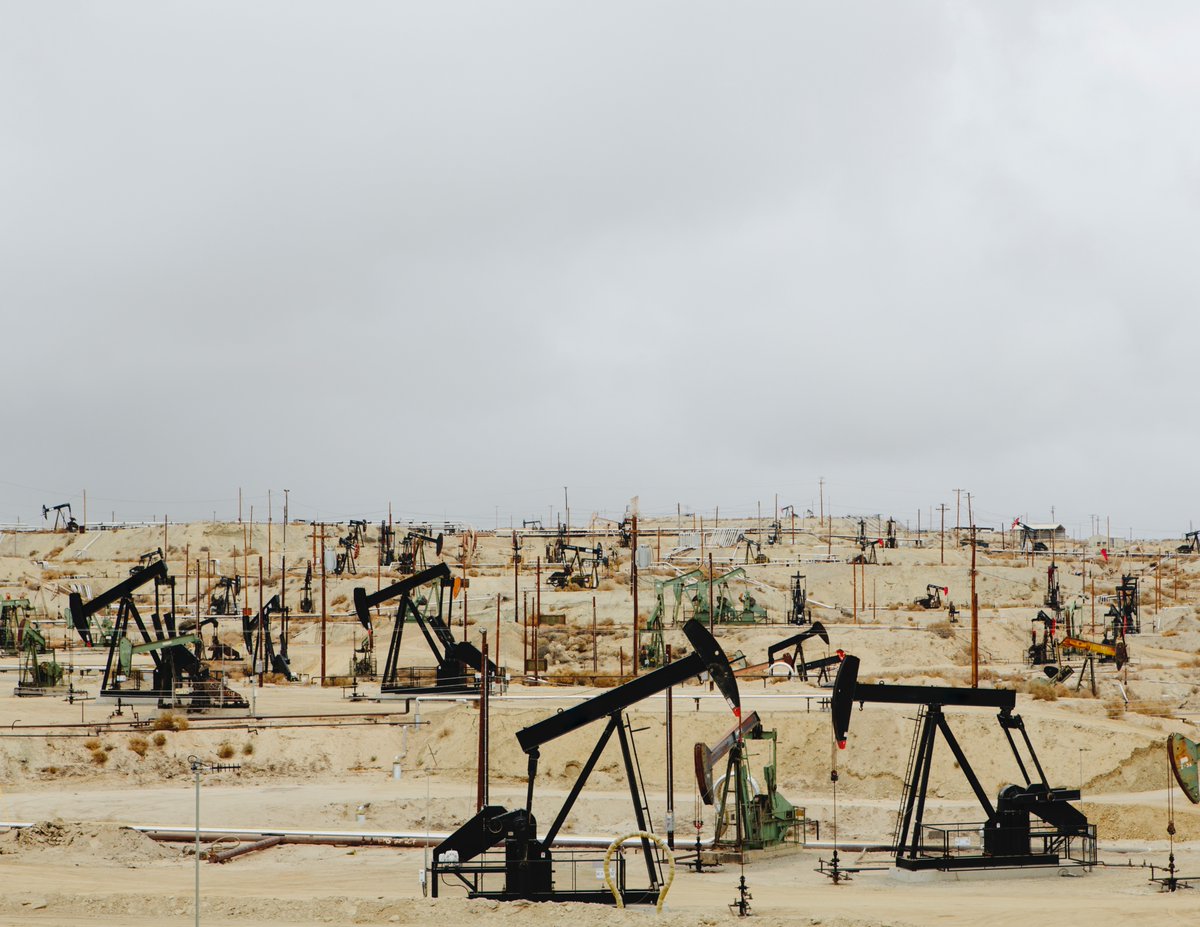
ALT Oil rigs and wells -shale oil - Texas -U.S
3
5
154

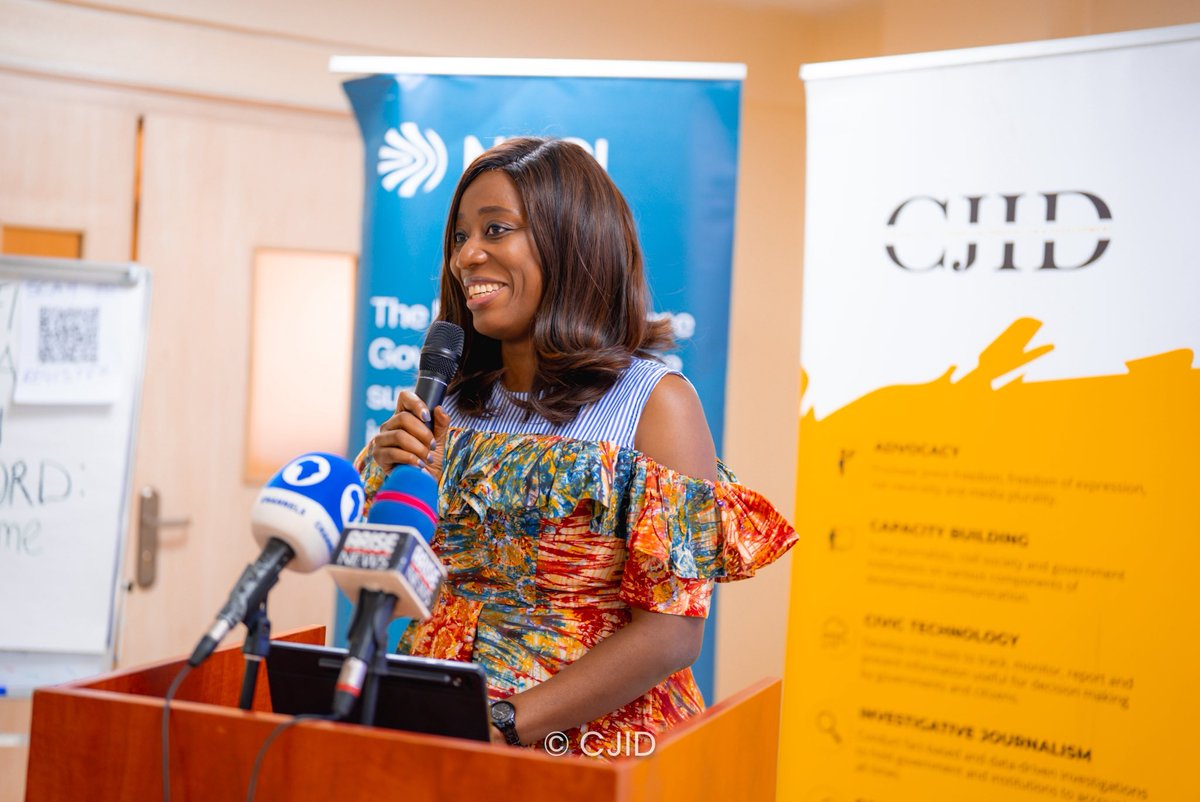
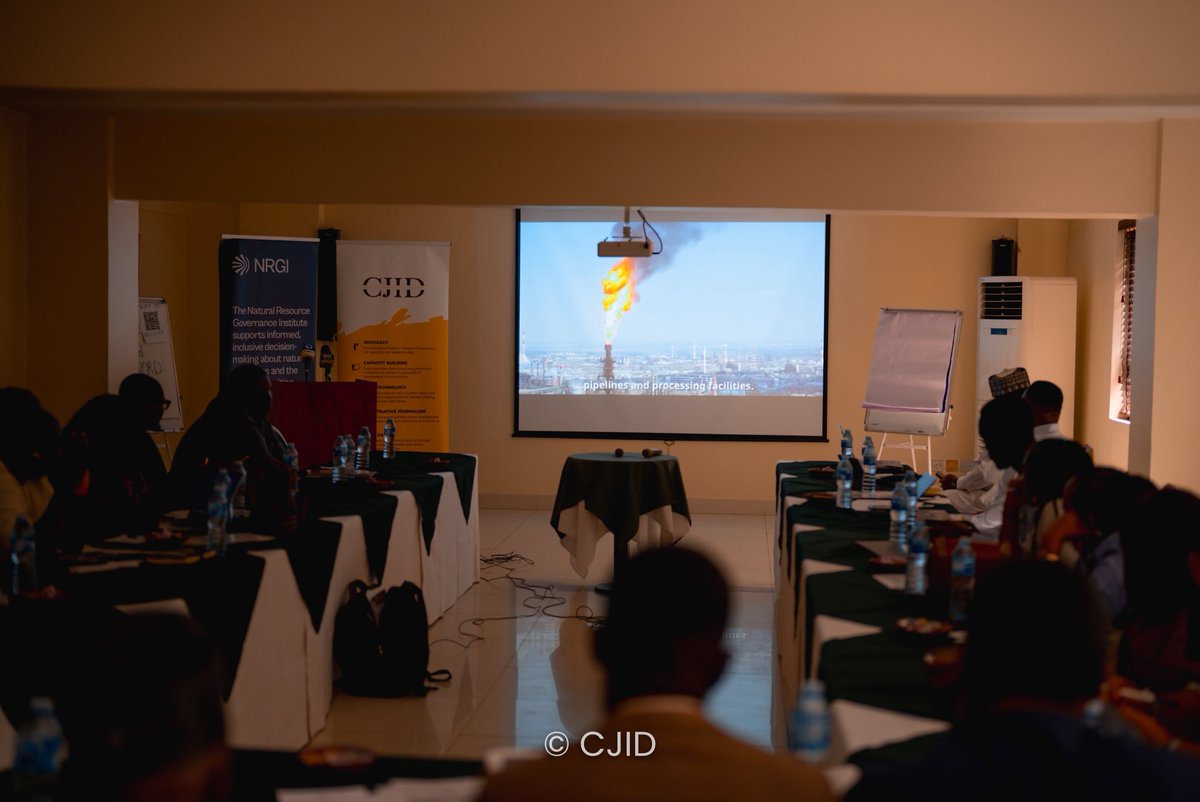
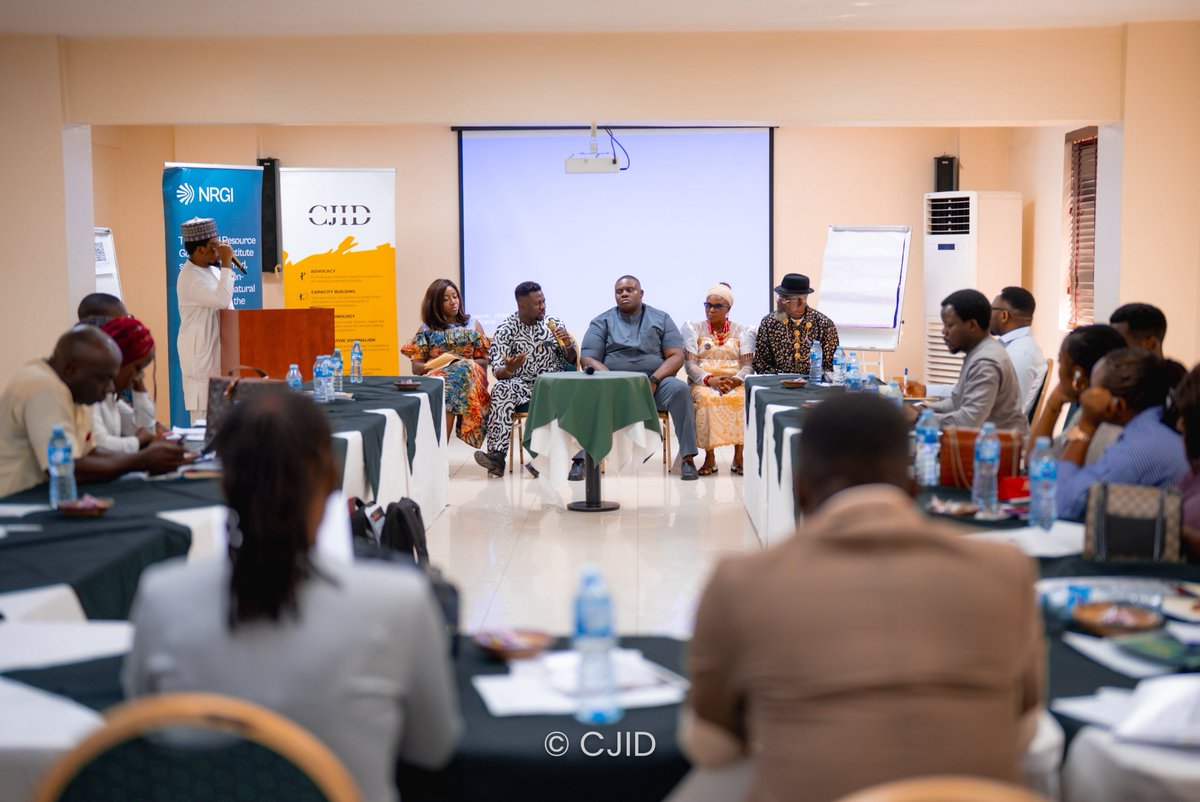
Today we’re at the Documentary Screening and Sharing Session organized by Natural Resource Governance Institute (@NRGInstitute) and CJID. Conversations at the convening are focused on the human cost of gas flaring, methane emissions, and weak enforcement of Nigeria’s climate laws.
During the panel, speakers highlighted how communities near petroleum assets bear the greatest health and livelihood risks, despite strong policies on paper. They made a call for a more robust framework that prioritizes enforcement, center community voices, and strengthen accountability to drive real change.
More updates shortly📌
#ClimateAccountability #EnvironmentalJustice

5
518

Jan 6
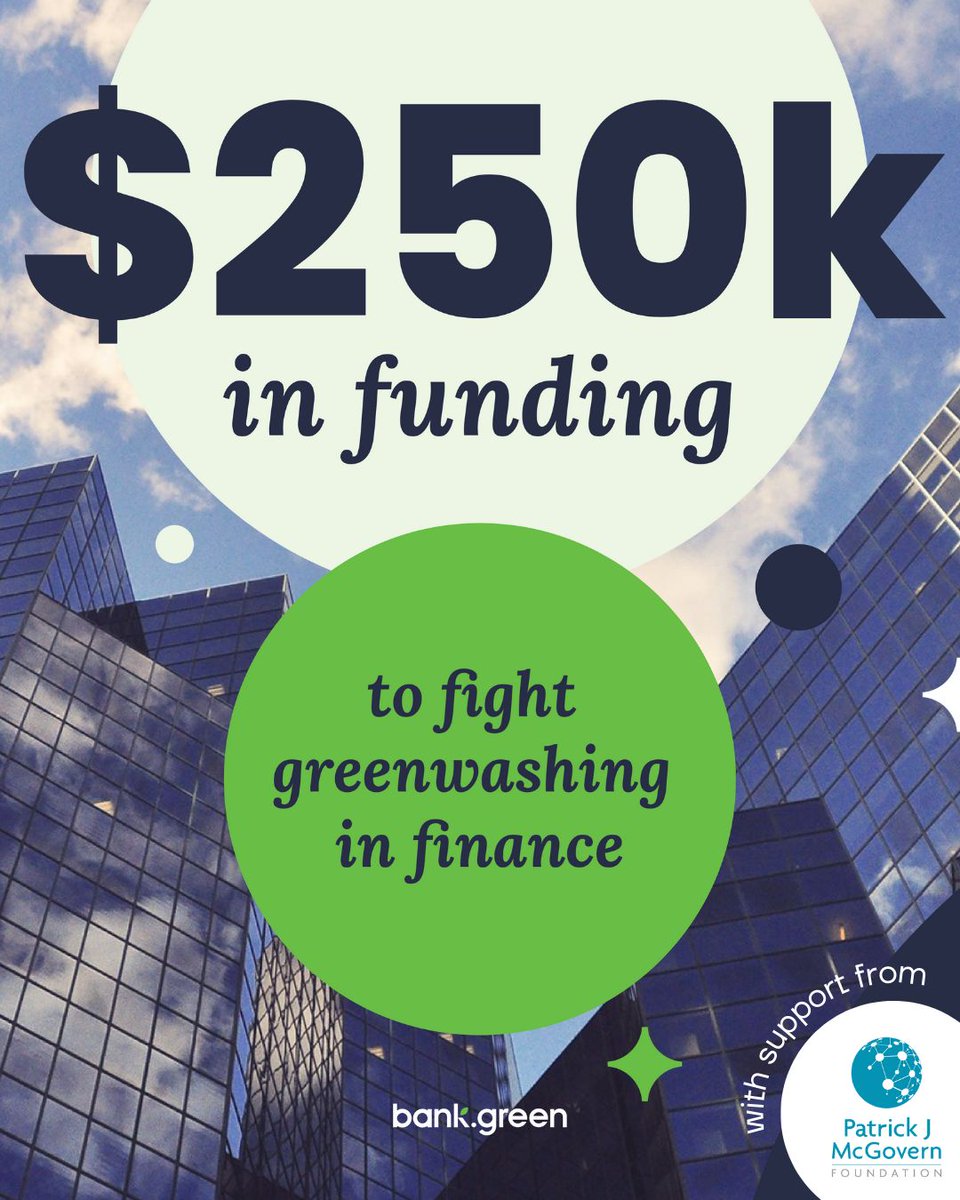
$250K to strengthen climate accountability in banking.
Thanks to the Patrick J. McGovern Foundation (@PJMFdn), we’re scaling up Watchtower, our AI tool that exposes gaps between banks’ policies and practices. 💪
#ClimateAccountability #Watchtower #AIforGood
2
3
78

Jan 5
At Climate Whistleblowers, we work with whistleblowers and investigators worldwide — across all regions — to ensure climate and environmental disclosures lead to real accountability.
#ClimateAccountability
climatewhistleblowers.org/
1
2
7
1,897

17 Dec 2025
🧵1/10
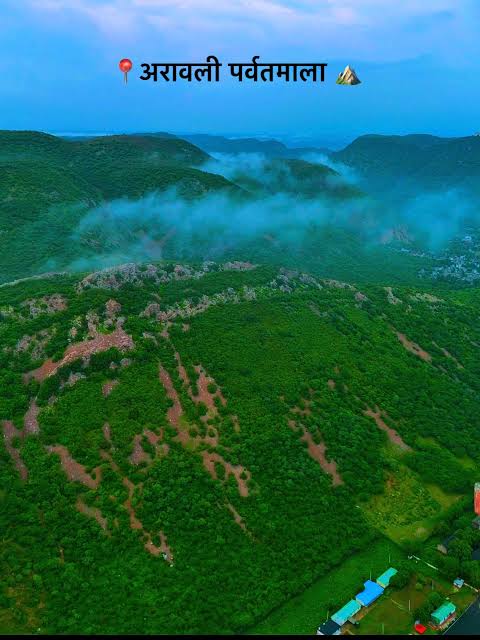
अरावली को लेकर कहा जा रहा है कि
❗ 100 मीटर से नीचे की भूमि अरावली नहीं मानी जाएगी
यह फैसला संरक्षण नहीं,
संरचित तरीके से पर्यावरण को कमजोर करने की नीति लगता है।
#SaveAravali
---
2/10
अरावली कोई तकनीकी ड्राइंग नहीं
जिसे स्केल से काट दिया जाए।
यह उत्तर भारत की
💧 जल सुरक्षा
🌳 हरियाली
🌬️ स्वच्छ हवा
की रीढ़ है।
---
3/10
इस परिभाषा का सीधा फायदा👇
⛏️ खनन लॉबी
🏗️ रियल एस्टेट हित
📉 पर्यावरण नियमों से बचाव
और नुकसान👇
आम जनता आने वाली पीढ़ियाँ।
---
4/10
आरोप साफ है👇
यह परिभाषा प्रकृति के हित में नहीं,
बल्कि उन ताकतों के हित में है
जो वर्षों से अरावली को “संसाधन” मानकर नष्ट कर रही हैं।
---
5/10
अब राजनीति पर सवाल👇
👉 राजस्थान में विपक्ष में बैठी कांग्रेस
👉 केंद्र में प्रभाव रखने वाली कांग्रेस पार्टी
इतने बड़े राष्ट्रीय पर्यावरण मुद्दे पर
संसद और विधानसभा में ज़ोरदार बहस क्यों नहीं?
---
6/10
आरोप यह भी है कि👇
पर्यावरण जैसे मुद्दों पर
कांग्रेस की प्रतिक्रिया
❌ कमजोर
❌ देर से
❌ औपचारिक
रही है।
क्या यह चुप्पी मजबूरी है या सुविधा?
---
7/10
अगर कांग्रेस खुद को
पर्यावरण और संविधान की रक्षक बताती है,
तो फिर सवाल उठता है👇
क्या खनन–निर्माण लॉबी
राजनीतिक इच्छाशक्ति से ज़्यादा ताकतवर है?
---
8/10
आरोप केवल एक पार्टी पर नहीं👇
अरावली के मुद्दे पर
लगभग सभी दलों की चुप्पी
यह दिखाती है कि
प्रकृति चुनावी एजेंडा में आख़िरी पायदान पर है।
---
9/10
आज अगर अरावली को
100 मीटर की परिभाषा में खत्म किया गया,
तो कल👇
🚱 जल संकट
🔥 हीट वेव
🌫️ प्रदूषण
की राजनीतिक जिम्मेदारी तय होगी।
---
🔟/10
अब मांग साफ है👇
📢 संसद में खुली बहस
📢 इस परिभाषा की पुनर्समीक्षा
📢 अरावली को वैज्ञानिक व पारिस्थितिक आधार पर परिभाषित किया जाए
अरावली बचेगी तभी राजनीति पर भरोसा बचेगा।
वरना इतिहास लिखेगा —
सब जानते थे, फिर भी सब चुप थे।
#SaveAravali
#AravaliUnderThreat
#StopMining
#EnvironmentalJustice
#GreenRajasthan
#ClimateAccountability
@ashokgehlot51
@GovindDotasra
@TikaRamJullyINC
@INCIndia
@SachinPilot
@INCRajasthan
@IncSanjanajatav
@AshokChandnaINC
@RahulGandhi
@priyankagandhi
@kharge
@kcvenugopalmp
@AapkaMurarilal
@bhajanlaljatav
6
7
309

12 Dec 2025
Earth, its not a product that can be sent back to the manufacturer for repair or replacement if we damage it in a serious way.
It's a finite in nature planet that's been sustaining our species from one generation to the next for a very long time, its a mistake to be exploiting Earth as we do for little more than short-term profit margins based outcomes via a system that we made up.
To ask me we need to step back, take a breath and reassess how we proceed into the future as a "global community". All our future loved ones as yet to come; in so many ways whether or not they get a fair go re how they'll be spending their time on earth is up to "us!
Democracy Transparency Accountability Objective? Future Children Great Grandchildren Great Great Grandchildren etc etc
#climatechange #ClimateEmergency
#ClimateAccountability
31 Aug 2025
Our #climatechange problems, if we don't stabilise the situation we're in trouble on an "intergenerational level! @realDonaldTrump's position within our "global community", he should be leading the way re our efforts to address the situation! Is that what's happening? #Leadership
2
3
50