
@kasada_io bot smasher. I fight robots. I build things to break other things.
Joined March 2009
- Tweets 894
- Following 1,016
- Followers 559
- Likes 2,009
126 Photos and videos







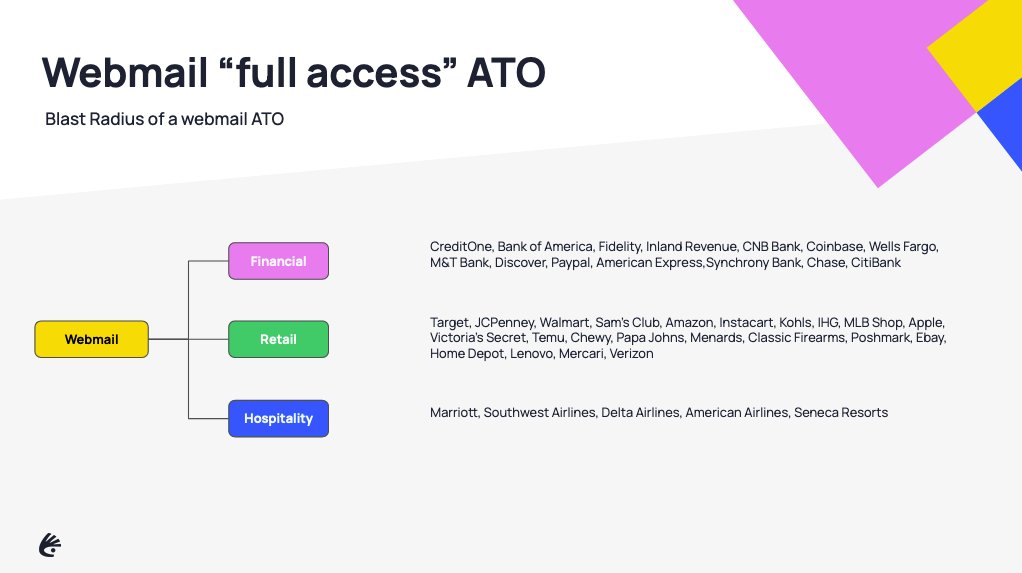

6h
A great reward for a team that has been committed from day one to disrupt the market with an innovative product that our customers love!

It’s official.
Kasada has been named a Leader in The Forrester Wave™: Bot And Agent Trust Management Software, Q2 2026! 🚀🚀🚀🚀🚀
hubs.la/Q04lqDWz0
67
nickr retweeted

Mar 14
Chrome just became massively more agent-friendly 🔥 Your real, signed-in browser can now be natively accessible to any coding agent.
No extensions.
No headless browser.
No screenshots.
No separate logins.
Just one toggle to enable it.
Check this out: developer.chrome.com/blog/ch…
Mar 14

New @openclaw beta is up: it comes with the new live browser control that Google added in latest Chrome! enable via chrome://inspect#remote-debugging
Your clanker will know when to use what, or you can ast it. new "user" profile session is there!
developer.chrome.com/blog/ch…
85
171
2,139
459,370
22 Dec 2025
Are Aussie teens really being kept off social media? 🤔
I just shared my experience with the new social media ban. The data so far is surprising.
Parents: share yours too 👇
stillnotbanned.social
#socialmediaban
3
1
132
30 Nov 2025
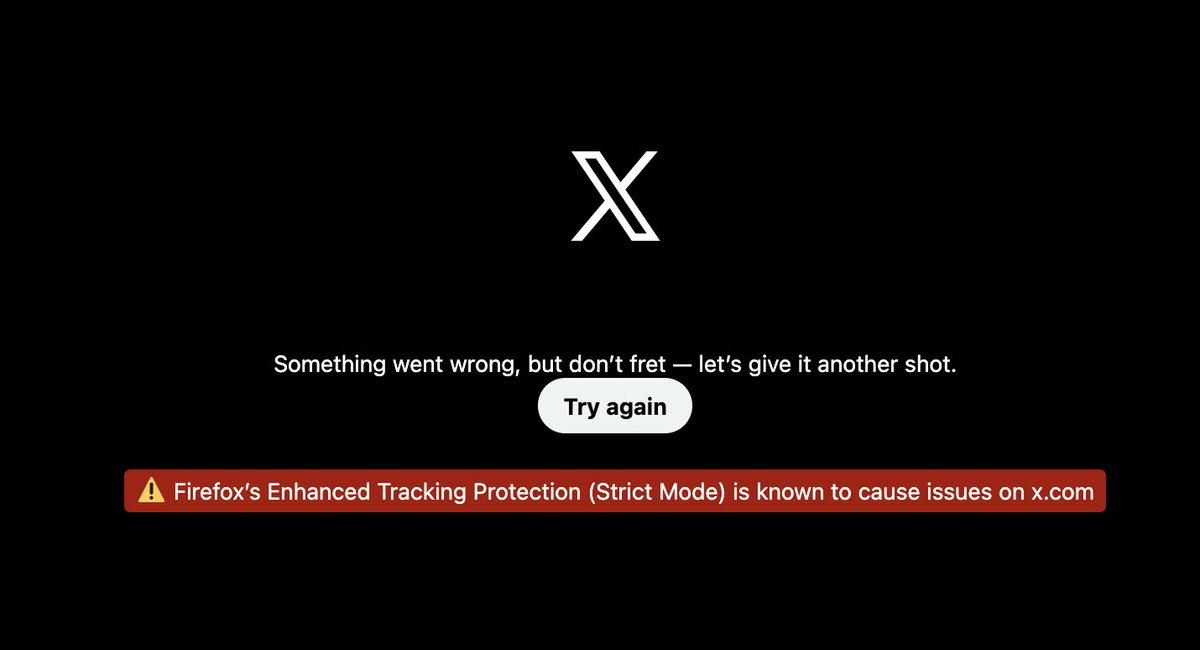
Oh dear. X.com's new anti-bot solution seems to be struggling under the pressure...
1
3
123
19 Jul 2025
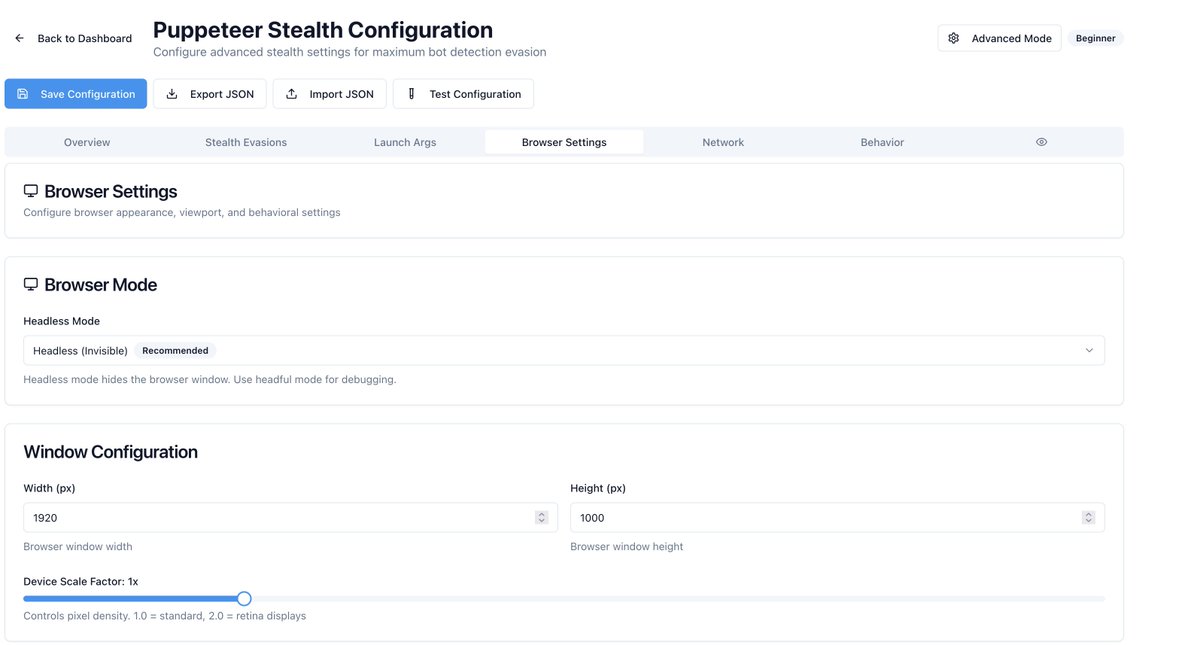
Saturday vibes: coded a functioning config model UI for Puppeteer stealth.
#vibecoding
1
309
15 Jul 2025
🔥 Just scored 190 points (Expert level) on our Bot Detection Challenge
Built this as internal training - turned out way more fun than expected
Think you can beat my score?
It's trickier than it looks 👀
Accuracy speed both count, just like real systems
is-it-a-bot.vercel.app/
6
1
4
1,050
nickr retweeted

13 Jul 2025
I was reading a HN post about a new Chrome header `x-browser-validation` that appeared in the wild. The quality of the discussion is just absolutely abysmal, but it turns out to be quite interesting:
- I first tried to validate if the post is actually talking about something real and the answer is: Not really. At least not generally. You can easily validate by going to any[See below] website and check devtools.
- Chrome does NOT actually generally send a new header called x-browser-validation (a lonely commenter on HN realized this but was ignored)
- However, knowing Google quite well, I was like: “Maybe it is real, but they only send it to their own properties”
- Turns out that is right. google.com and youtube.com (at the very least) actually do get the header
- Can it be used for tracking? Not really, it’s sha1(userAgent hardCodedAPIKeyThatIsNowOnGithub)
- Can it be used for validating real browsers? No, cause, like, it’s a hard coded value
- What is it for then: My guess is that this is used to remove noise from experimentation that happens during Chrome version and potentially feature roll out. It must be a use case where there is more accidental spoofing than malicious activity
2
4
63
10,543
9 Jul 2025
CAPTCHA vendors are pivoting to invisible options by throwing an invisibility cloak over their old systems.
No matter how they turn and style it, the cloak doesn't fit.
True invisible protection needs to be built from the ground up.
#CyberSecurity #BotDetection #CAPTCHA
1
1
259
9 Jul 2025
Why legacy vendors can't just "add" invisible protection - full analysis: kasada.io/no-maybes-in-invis…
142
8 Jul 2025
so, you think you know your captchas hey?
I built a tool on @vercel to test your knowledge
know-your-captcha.vercel.app…
Match the captcha vendor to their "frictionless" human interaction.
1
239
4 Jul 2025
This human is annoyed by the captcha
2 Jul 2025

@PayPal HOW THE FUCK DO YOU TURN CAPTCHA OFF ON AN ACCOUNT? I DONT FUCKING WANT TO DEAL WITH THIS BULLSHIT
1
747
nickr retweeted

4 Jul 2025
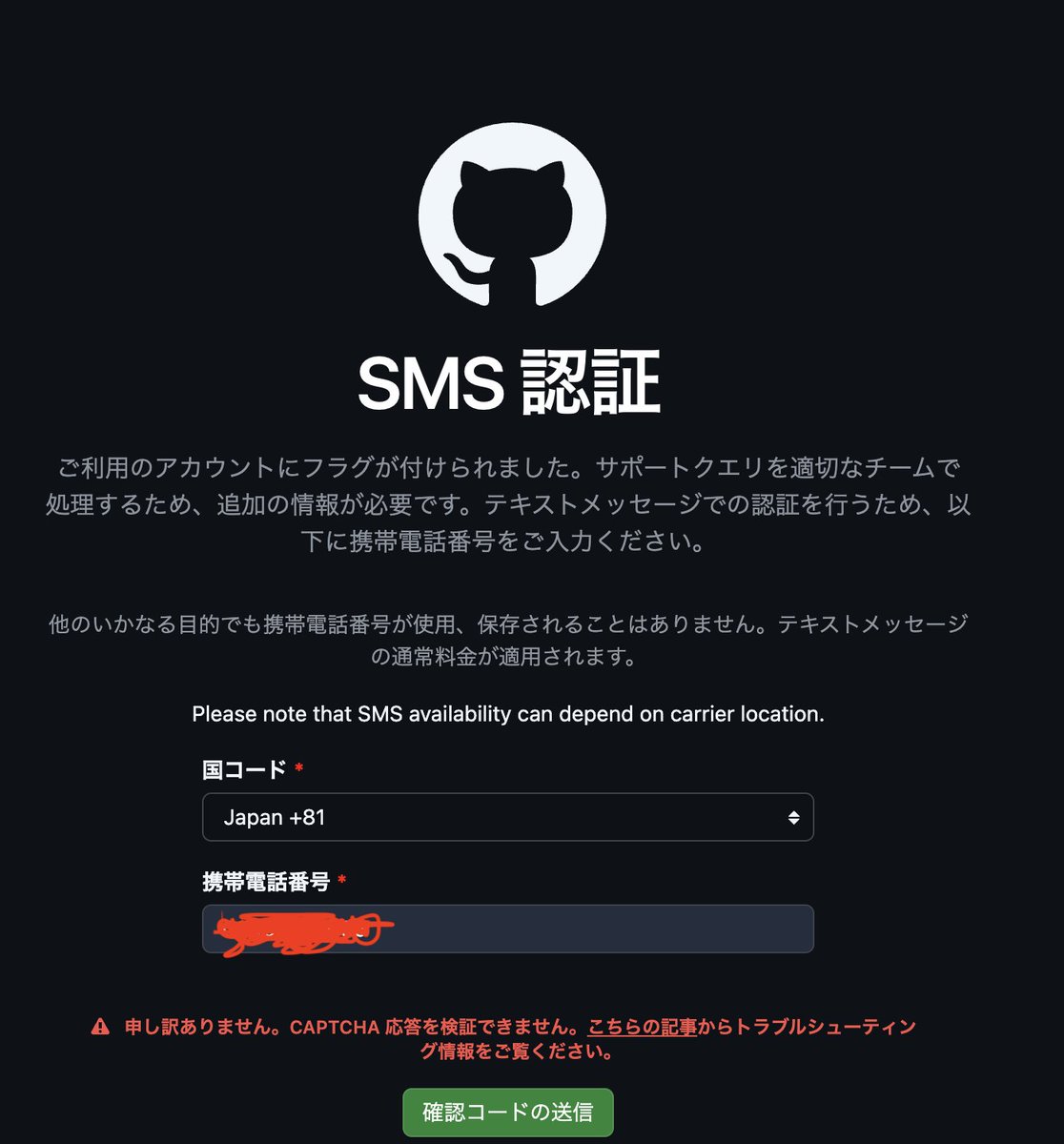
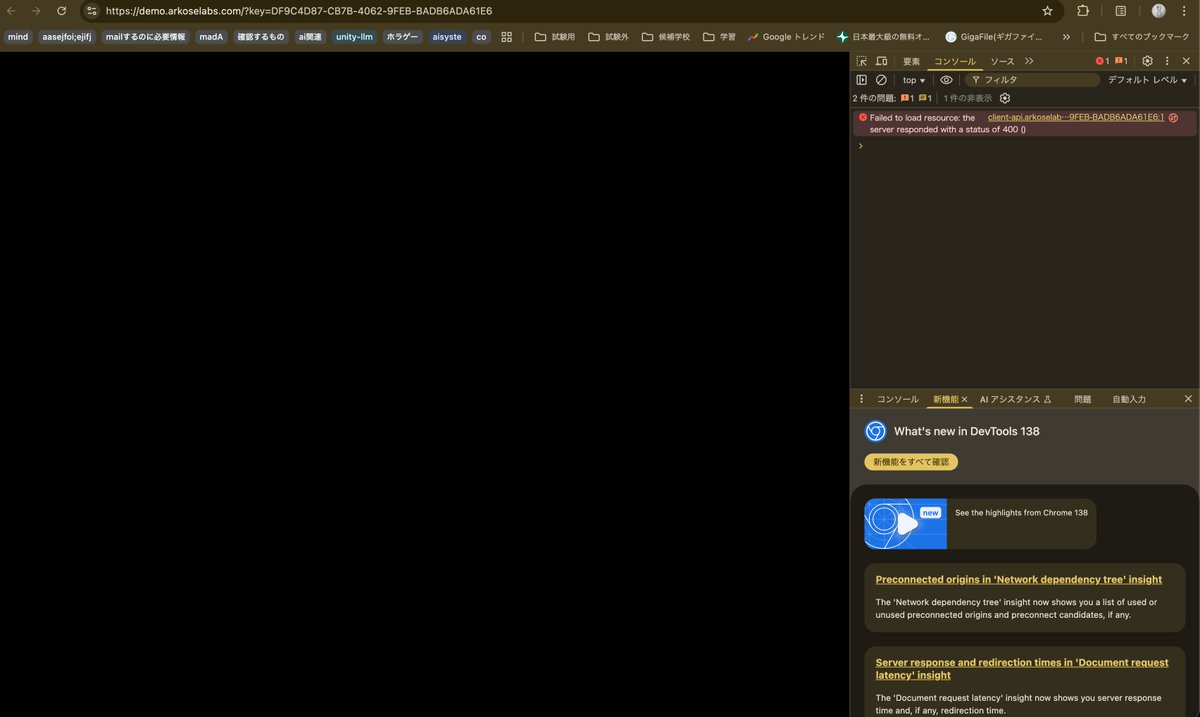
@github I'm unable to access GitHub support because the Arkose CAPTCHA returns a 400 Bad Request error every time. I also cannot send an email to support@github.com (it's blocked). My username is Yukkurisiteikitai. How can I get support?
1
161
nickr retweeted
25 Jun 2025
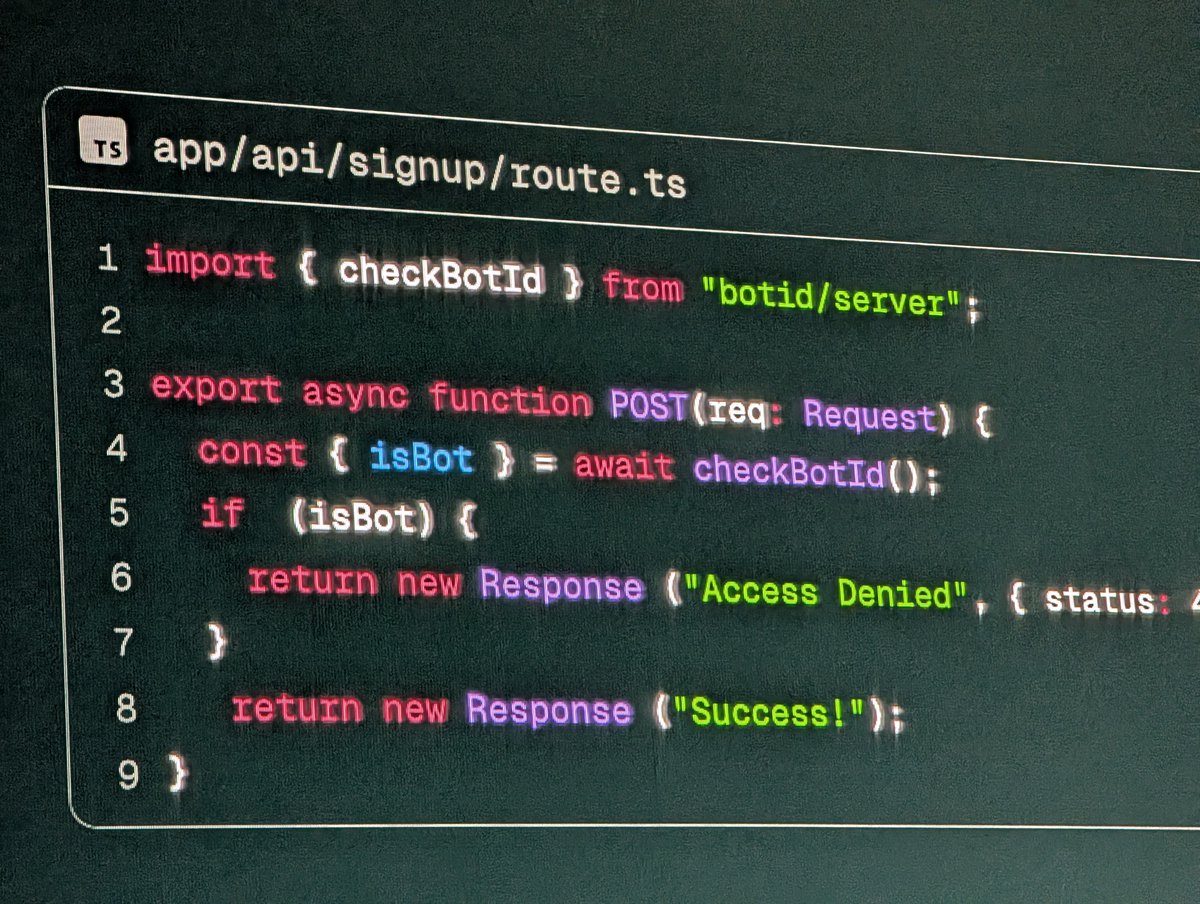
Vercel BotID: The best CAPTCHA is invisible! Powered by Kasada's industry-leading deep analysis technology for detection of the most sophisticated bots with minimal false-positive rates.
await checkBotId();
14
27
542
69,956
25 Jun 2025
RT @vercel: BotID is a new invisible CAPTCHA layer of protection that stops sophisticated bots before they reach your backend.
It's built…
2
24
25 Nov 2024
For those that are interested, I've posted about my recent departure from Kasada here:
linkedin.com/posts/nick-rien…
It's been a wild ride, but it's time to do something different. With all the AI stuff happening it just feels like the right time.
thanks @InfoSecSam for all the fun times....
5
15
1,327
15 Nov 2024
14 hrs left…
12 Nov 2024

ok #sneakertwitter it's phone a friend time again.
I've been going deep with AI tools lately (Claude / Cursor gang represent 🤖)
Curious what you're all using them for? 👇
(not gathering Kasada intel - genuinely curious about AI impact)
376
14 Nov 2024
Only 1 day left on this poll. I've just spent the day with one of my teams and we identified 5 different ways to significantly improve our productivity.
Keen to get a broader perspective.
For those at college =this has to be have a radical impact on how you work???
13 Nov 2024
My experience is that the guard rails on Claude are reasonably malleable. That’s true for most atm
407
12 Nov 2024
ok #sneakertwitter it's phone a friend time again.
I've been going deep with AI tools lately (Claude / Cursor gang represent 🤖)
Curious what you're all using them for? 👇
(not gathering Kasada intel - genuinely curious about AI impact)
28%
Rapid Code analysis
9%
Adapt to changes quickly
52%
Automating tasks
11%
Other (share your wins)
46 votes • Final results
9
3
1,717
12 Nov 2024
pretty good for fun stuff too - anyone want to test their knowledge of aussie slang??
claude.site/artifacts/3e159f…
211