
Game developer rat working on my own real-time combat, fairy tale themed monster taming game, @GrimmlinsGame. #indiegames #followback
Joined August 2018
- Tweets 1,659
- Following 1,136
- Followers 391
- Likes 15,396
22 Photos and videos









Pinned Tweet

25 Mar 2021
"Hey, I'm making that game 👀"
25 Mar 2021

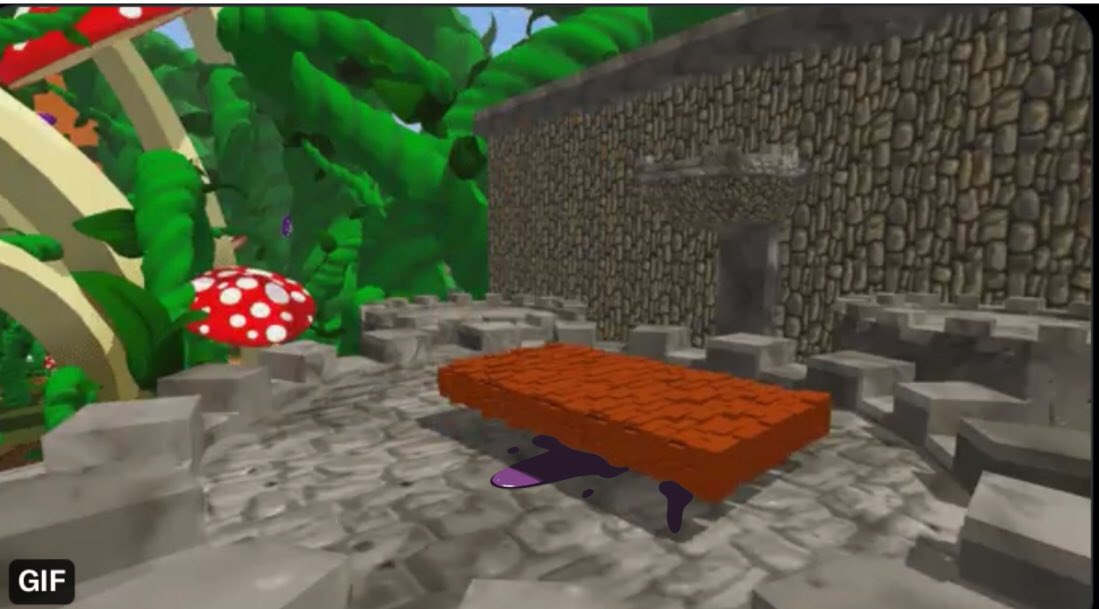
Welcome to the world of Grimmlins! Currently in development, this brand new monster-taming game features real-time combat and lovable creatures that are based on classic fairy tales!
#indiedev #unity3d #madewithunity #indiegame #monstertaming #pitchyagame
1
7
27
Patrick Wert | Grimmlins retweeted

15 Oct 2025
37 here, having a great family time beating Brotato with my wife and 2 kids.
I believe men who completely sacrifice their childish side (fun, fantasy, dreams) to grind "success" become poor fathers unable to connect with their kids because playing games or Legos bores them.
14 Oct 2025

I'm 46 years old. I stopped playing video games when I was 25. Then I finished a PhD.
"When I was a child, I spoke as a child, I understood as a child, I thought as a child: but when I became a man, I put away childish things."
65
151
2,288
34,708
Patrick Wert | Grimmlins retweeted

15 Oct 2025
Stop wasting time reading. Stop wasting time looking at paintings. Stop listening to music. Stop watching shows & movies. Stop wasting time enjoying life.
See how idiotic that sounds? Video games are a form of entertainment just like movies, shows, books etc.
14 Oct 2025
I'm 46 years old. I stopped playing video games when I was 25. Then I finished a PhD.
"When I was a child, I spoke as a child, I understood as a child, I thought as a child: but when I became a man, I put away childish things."
325
886
10,411
253,897
Patrick Wert | Grimmlins retweeted

6 Oct 2025
Recently had the opportunity to build 3 demos to demonstrate the power of game feel!
#gamedevelopment
318
3,182
36,799
5,102,080
Patrick Wert | Grimmlins retweeted

18 Sep 2025
Learning gamedev is hard. It combines multiple creative and technical disciplines, many of which have punishingly steep learning curves. So motivation is often a problem early on. It's easy to feel defeated every step of the way, and giving up is the norm.
Having a "Dream Game" can be useful for learning in this regard. A Dream Game can provide that boost of motivation you need to get through the hopeless times. You can channel your passion and vision into the determination to learn. Conversely, working on small games can be massively demotivating. I don't want to make Breakout or Flappy Bird, I want to make Chrono Trigger. I want to flex my creativity and my game design intuitions, I want to build something amazing. And here I am, struggling so hard to make a game I don't even care about. What's the point.
This is why it's so common for new devs to work on huge dream projects as a vehicle for learning the craft. And as long as you're learning, that's great. But you must understand that this game is your sacrificial lamb. You will never finish it. Granted, some devs do manage to succeed at the "learn while I build my Dream Game" strategy - Stardew Valley comes to mind. But almost everyone else will fail, and for a few reasons.
The first is that you cannot size a project unless you know what it takes to finish. How long do you want to be working on this Dream Game? 4 years? Okay, so how are you supposed to know what a 4-year game looks like? Unless you've finished a game before, you cannot know. You've likely misjudged the effort it'll take by an order of magnitude.
Secondly, finishing a game requires its own set of disciplines. There's so much to learn about putting out a commercial product. Have you considered graphics options? Resolution, framerates, vsync? Audio settings? Accessibility? Localisation? Do you know what it takes to QA a game? Do you know how to configure builds and depots on Steamworks? Do you really want to be encountering all this stuff for the first time at the very end of a giant 6-year project?
Thirdly, it's easy to get bogged down and stymie your learning when you have such a large game to make. You can lose six months working on animated cutscenes before you've even learned how to make a pause menu. Everything gets dragged out, and inevitably you end up remaking huge chunks of the game as you come to realise that your early work was amateur trash - as is to be expected.
Lastly, dream projects provide far too many distractions from actually learning game developement. Writing lore. Drawing concept art. Dialog. GDDs. These are low value tasks, but they're so much fun that you can easily spend all your time on them. And before you know it, it's been weeks since you opened your project file.
Finishing and releasing small, simple games is the remedy to all these problems. Make a warioware-style minigame, make tetris, make a shmup, make a 10-minute avant-garde experimental FPS hallucination simulator. It doesn't matter, just make a game that people can download and play, then make another one.
You can still build your Dream Game. Just later. If anything, it deserves to be tackled properly, by a dev who's got some real holistic experience under their belt.
17 Sep 2025

make small games. if you don't have the skills to hack out a polished Pong clone in a weekend, your 6-year dream game project is in serious trouble
57
183
1,798
81,969

I really enjoy Marvel Rivals, but I’m worried that triple support might slowly hurt the game’s longevity.
Hearing responses like ‘just play around it, play better’ isn’t really helpful, since at high rank the only real answer is to mirror it. This meta makes the game feel less like fun and more like the worst 9–5 job imaginable.
What do you guys think? Do you enjoy it?
112
43
1,146
68,575
Patrick Wert | Grimmlins retweeted

30 Aug 2025
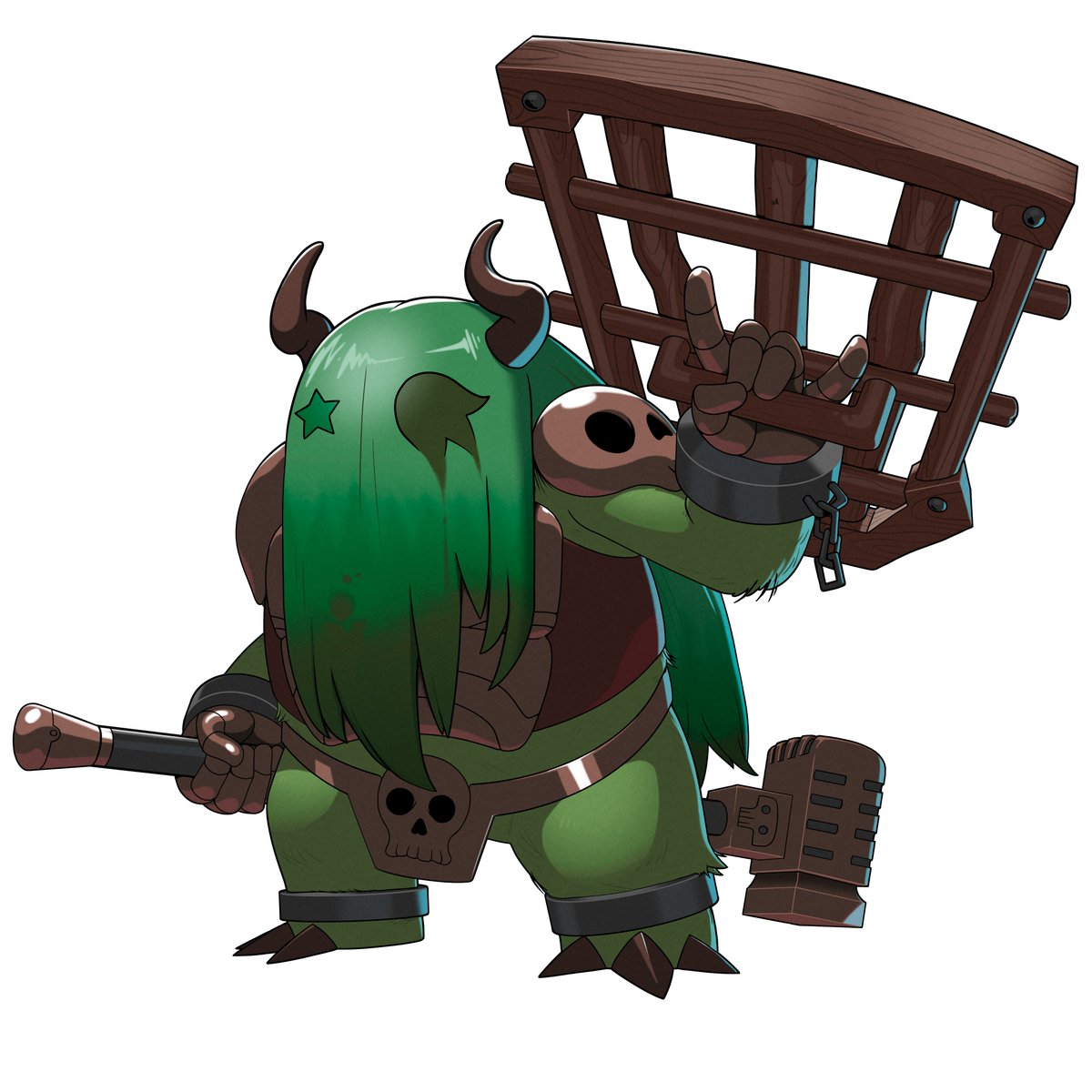
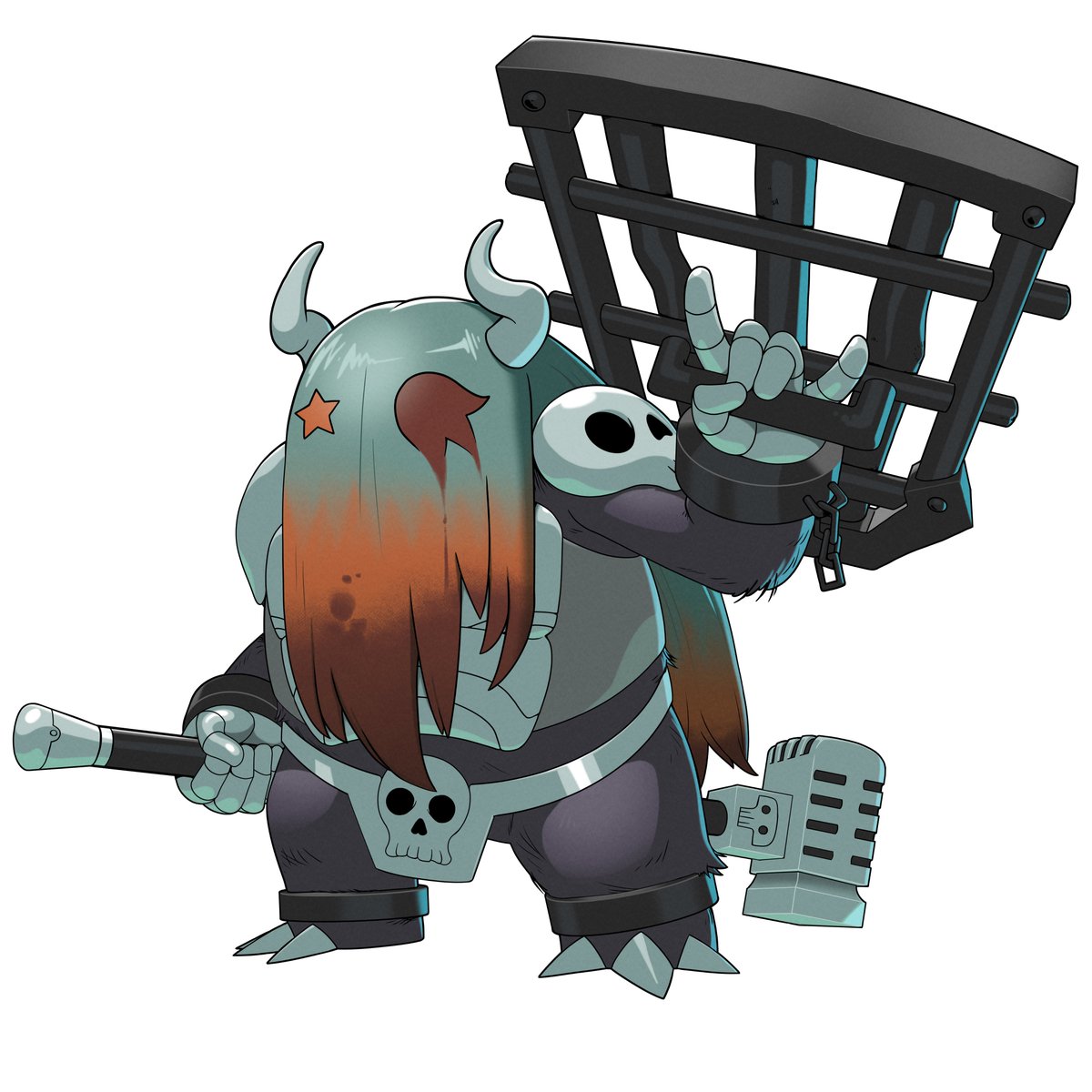
It's the swamp monster! Metallicage gets a Water and Life type step form as opposed to its usual Death and Metal typing
#screenshotsaturday
5
34
1,067
Patrick Wert | Grimmlins retweeted

22 Aug 2025
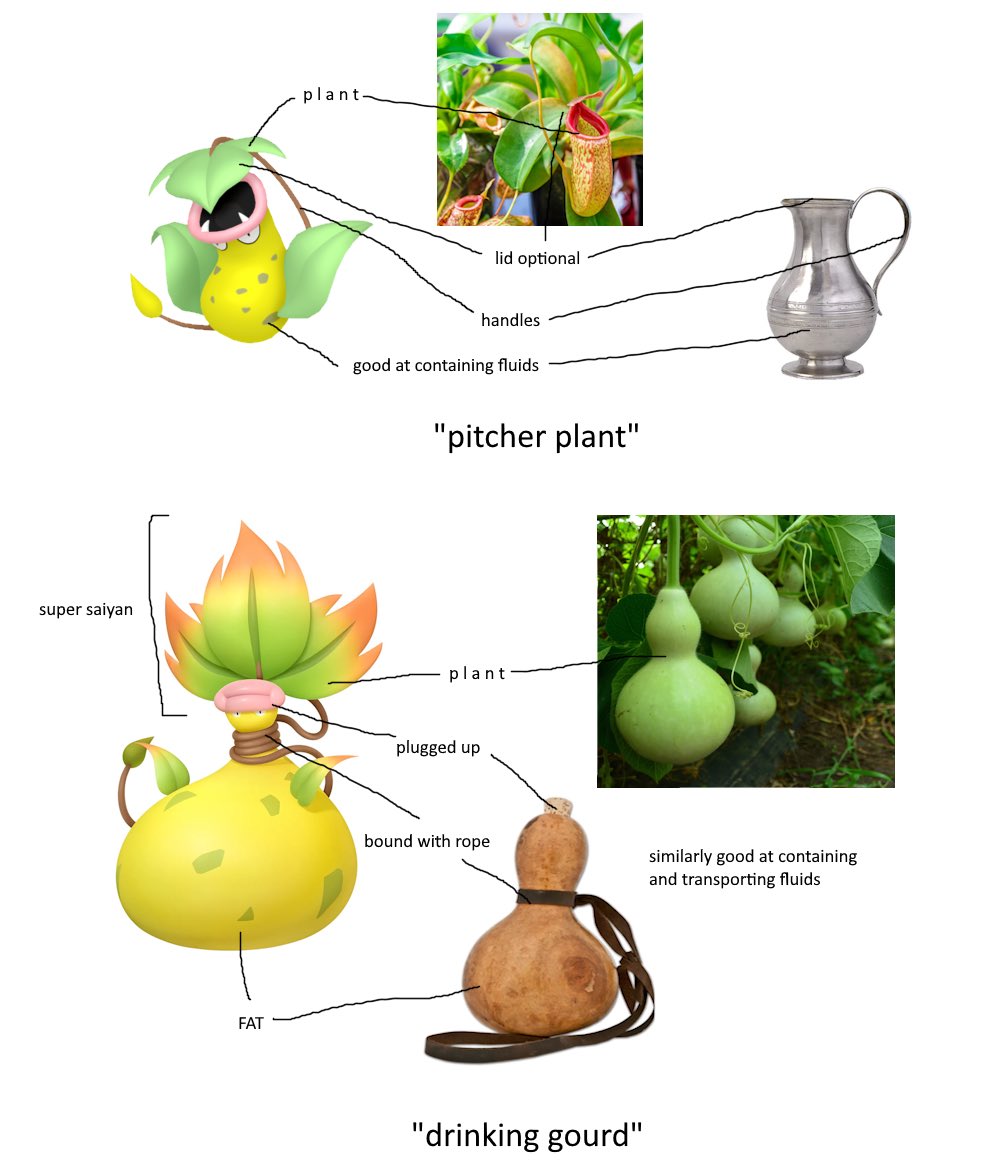
if theres anything pokemon has consistently been good at, its character design. i get not liking some pokemon, but saying theyre poorly designed is laughable this thing is inspired and so are most pokemon, especially gen 7 onwards


216
2,470
24,091
753,836

Patrick Wert | Grimmlins retweeted

27 Jul 2025
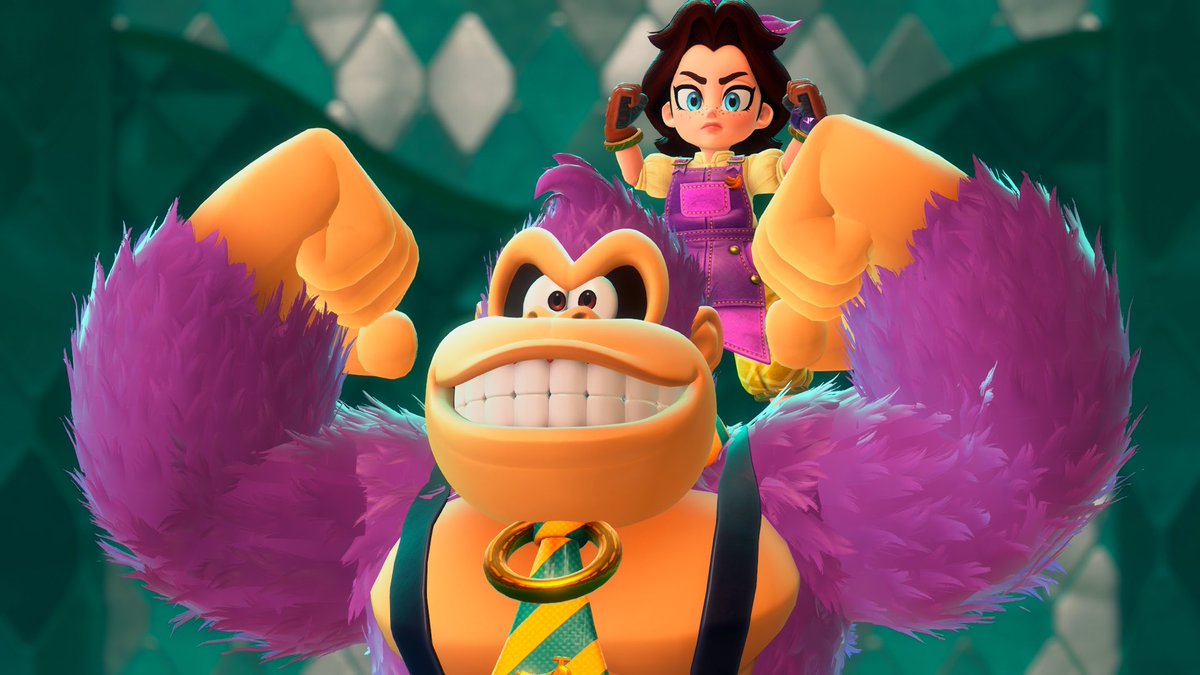
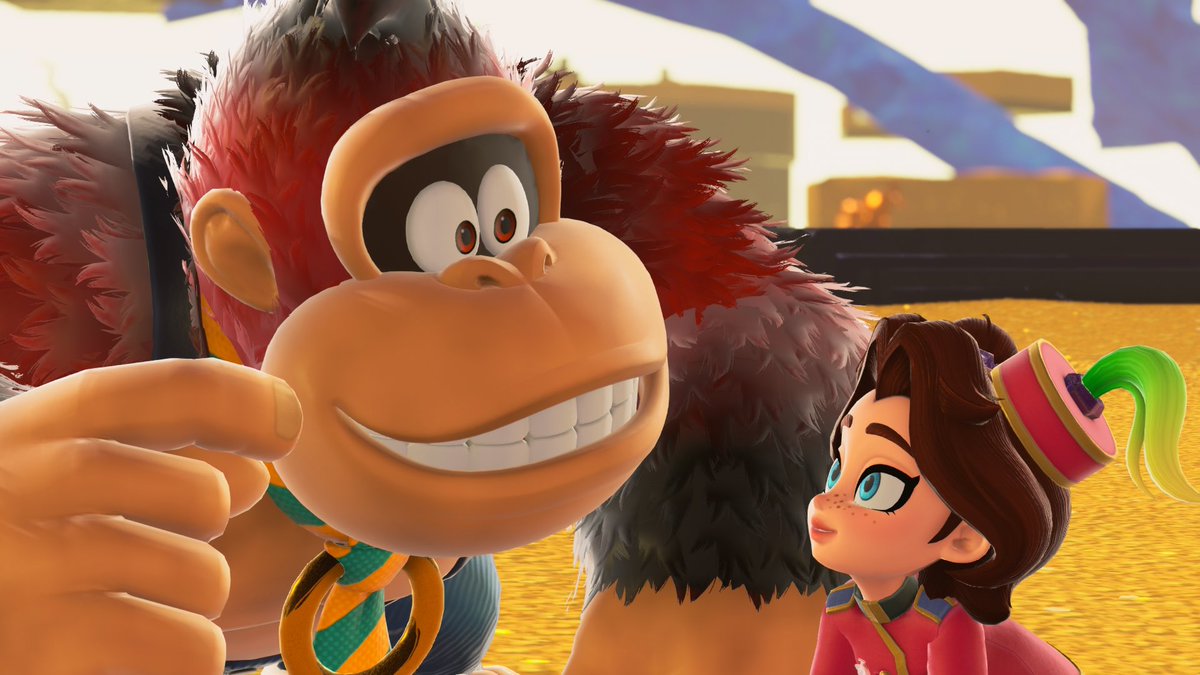
Finished Bananza. I never wanted this game to end
One of the most fun games Nintendo has ever made, full of innovative mechanics and levels, an endearing story, great cinematics and music
My new platformer standard is BANANA!!!
20
116
2,494
44,231
Patrick Wert | Grimmlins retweeted

22 Jul 2025
Im genuinely confused what did y'all want a Mega Dragonite to look like

2,019
2,256
76,135
7,511,398
Patrick Wert | Grimmlins retweeted

18 Jul 2025
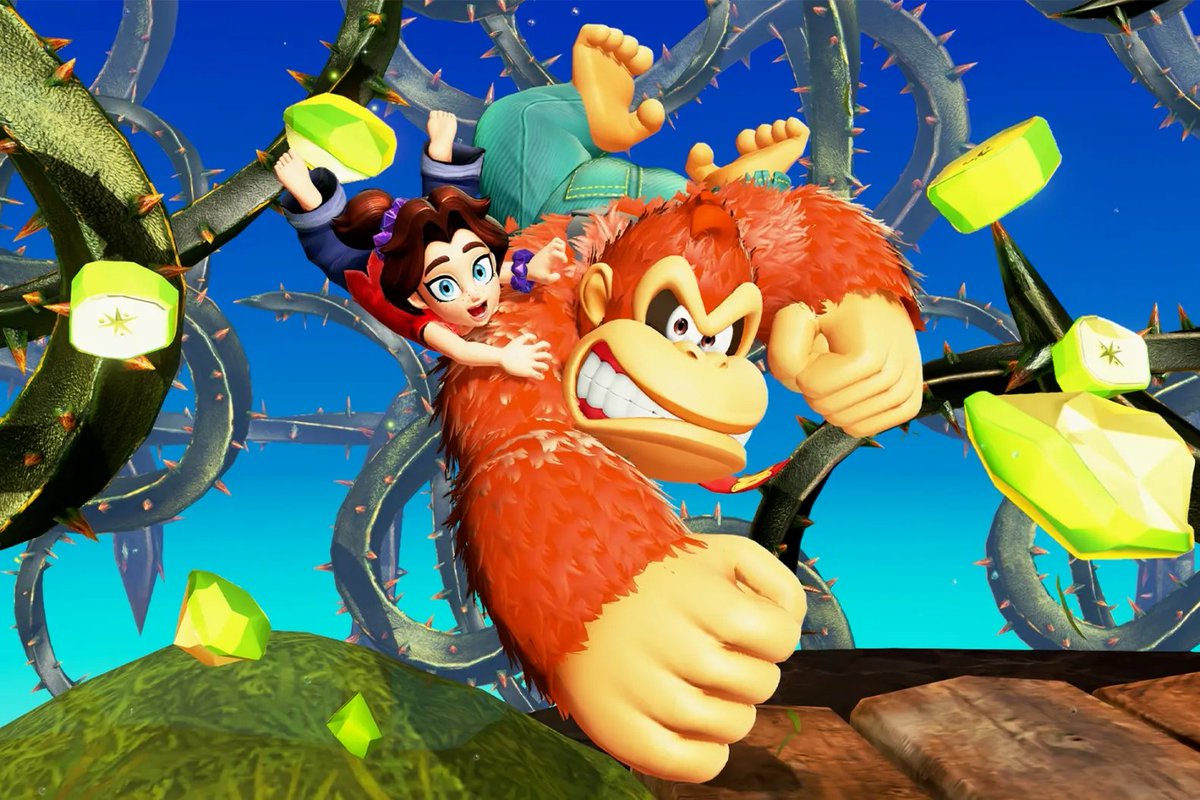
I know I'm wearing my biases on my shoulders here, but Bananza seriously might be one of the best games that Nintendo has ever released. It's SO GOOD.
27
138
2,286
48,221
Patrick Wert | Grimmlins retweeted
17 Jul 2025
I HAVE PLAYED 8 STRAIGHT HOURS OF DK BANANZA AND HERE ARE MY THOUGHTS:
THIS GAME FUCKS
72
336
18,382
798,659
Patrick Wert | Grimmlins retweeted

16 Jul 2025
Bananza
95
2,790
14,843
266,390
Patrick Wert | Grimmlins retweeted
10 Jul 2025
Embracing its turtle/tortoise half of the tortoise and the hare, Racelow becomes water type for its step form.


4
25
837
Patrick Wert | Grimmlins retweeted
30 Jun 2025
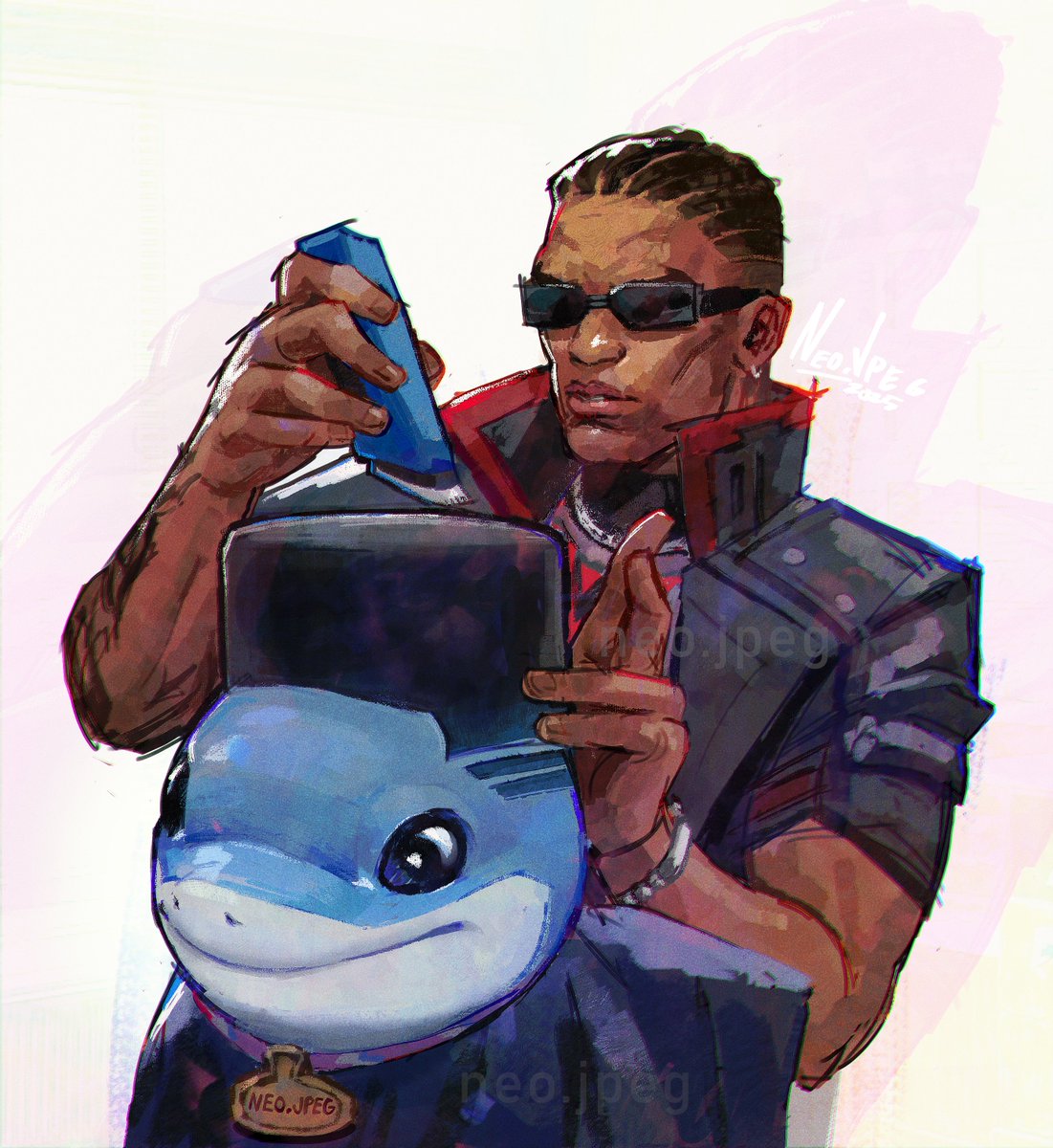
Wait, so Beast is the new Marvel Rivals Season 3 launch hero and not Phoenix or Blade???
I made a playable Beast character kit as a portfolio piece and also for fun.
Also, hero shooter devs, I'm looking for work and I can cook👀. Reach out!
#MarvelRivals
3
7
42
8,459

12 Jun 2025
The amount of people saying “I just don’t like rng party games cuz I’m too old to enjoy it now and have grown past the target audience of this game and how it has been since n64” without realizing it
12 Jun 2025

Maybe I'm just getting old but this shit stopped being fun.
It's funny when it's a rare occurrence. Rage inducing in the moment but something you laugh back on.
When it's every other race, the joke just gets old. Trying to love this game but it's just so unfun online ngl.
8
612
Patrick Wert | Grimmlins retweeted

15 May 2025
Overwatch needs another support with high skill ceiling movement like Lucio
50
43
3,023
128,870


I think the biggest problem rivals has is support design - invincible non cc able long lasting ults, movement abilities, tons of healing to farm ult fast, strong utility, lots of damage. They (except adam, mantis, jeff) dont have any weaknesses, especially after the rocket buffs. Overwatch supports are much more interesting to play/play against
139
228
6,633
965,049