
📍Shanghai 14 years and counting. Teaching at Shanghai Jiaotong University EBA, Alibaba & Taobao. AI, Robotics, Neuroscience and Behavioral Economics.
Joined July 2011
- Tweets 6,717
- Following 1,462
- Followers 39,297
- Likes 3,746
792 Photos and videos


Pinned Tweet

12 Jan 2025
China’s Rise Through Education: From Cheap Labor to a Tech Giant:
Once known as the land of cheap labor, China has transformed itself into one of the world's largest technology producers. But what lies behind this monumental transformation? The key is China's approach to education—not merely as a tool for personal achievement, but as the cornerstone of national development. Strategic investments, visionary policies, and an unparalleled focus on education have been the driving forces that shifted China from copying to creating innovation. Let’s take a closer look at the education system driving this transformation.
In August 2013, I moved to Shanghai after receiving a job offer. Having lived here for over a decade, I’ve been deeply involved in education as an adjunct professor and certified lecturer at some of China’s leading universities and business schools. Alongside teaching intensive courses that combine theory with industry applications, I’ve also pursued entrepreneurial endeavors. My journey has been a blend of research and active participation in education. During holidays, I often backpack to remote villages across China, stepping into classrooms in rural schools, meeting teachers, and even sitting with students to experience their world firsthand. I also explored education systems in many Asian countries and the West in the same way.
I can confidently say that I have never seen another society as invested in education as China. While education is important in many countries, the collective awareness and prioritization of education in China are truly unique.
Educational investments in China (not as an expense, but seen as an investment —this distinction matters) are the foundation of household economics. Far from being a luxury, education is a necessity that has solidified its place over generations. One of the most striking things I learned early on was how Chinese families pour generational wealth into their children’s education. Even in the remotest villages, I encountered young children speaking English with British or American accents—proof of how dedicated their families are. This investment begins at birth and intensifies until students complete their high school education.
Kindergarten Education in China
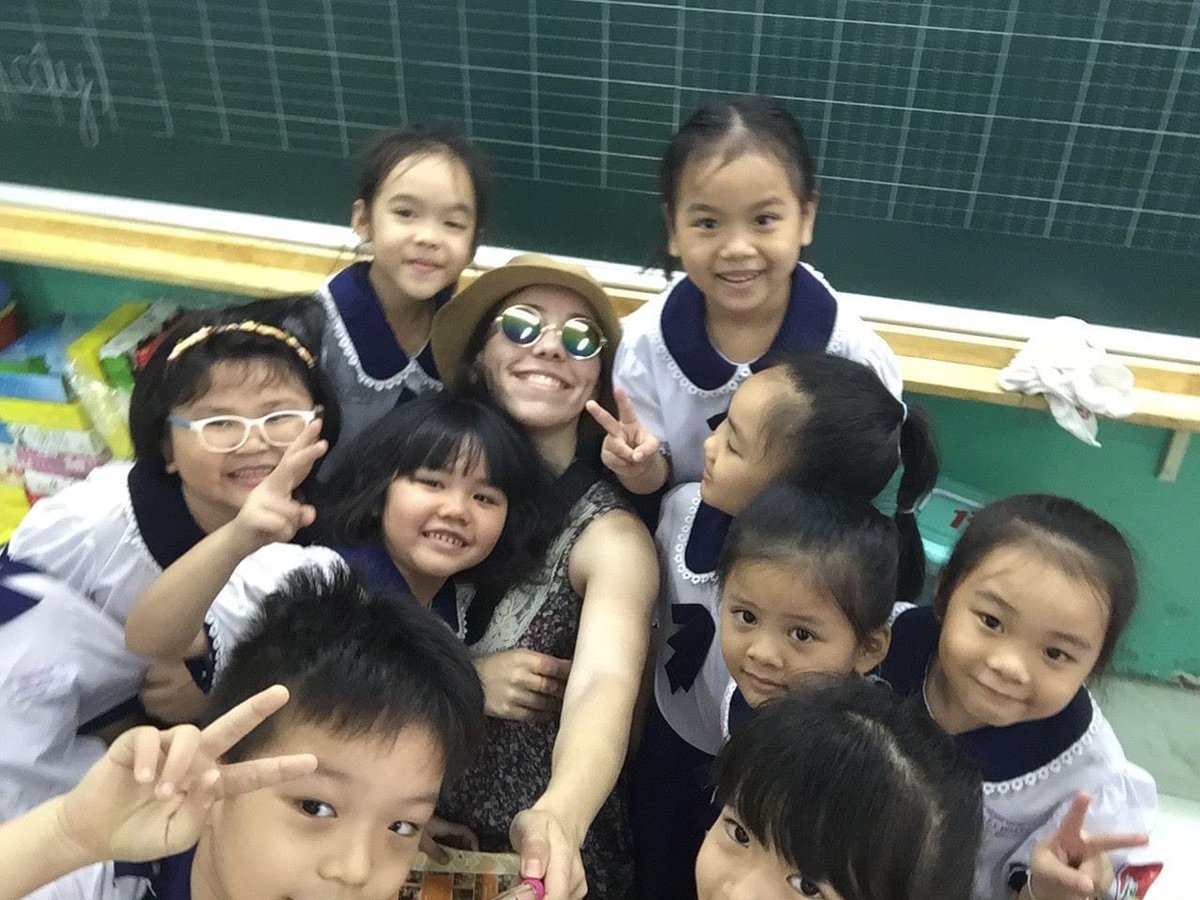
When a child turns three, they begin kindergarten, embarking on an educational marathon that includes private lessons, summer schools, music, sports, and coding academies. Kindergarten continues until the age of six.
Preschool education holds great importance in Chinese society. Although kindergarten is not mandatory within the education system, cultural values have led families to view it as an integral part of foundational education.
In China, public kindergartens managed by state institutions offer standardized and affordable educational services. Over the past 17 years, the Chinese government has allocated only 1.3–1.4% of the national education budget to preschool education, opening the door for private kindergartens. These private institutions, which charge higher fees, typically cater to middle- and upper-class families, providing high-quality and differentiated educational options.
According to the Ministry of Education's annual report, the number of kindergartens decreased by 14,808 in 2023, dropping to 274,400—a reflection of the country’s declining birth rate. Despite this, the enrollment rate for children aged 3–5 increased by 1.4% compared to the previous year, reaching 91.1%.
So, what kind of education do kindergartens in China provide?
Most kindergartens in China provide bilingual education in Chinese and English, with Confucian principles playing a central role. Additionally, Chinese kindergartens cater to both local and international families, offering diverse educational options.
Local Chinese kindergartens primarily focus on traditional Chinese educational values, emphasizing discipline, collaboration, community awareness, and responsibility. The curriculum heavily incorporates arts, music, mathematics, and Mandarin language skills, with English lessons typically limited to one hour per day. These state-supported kindergartens are affordable, with monthly fees ranging from 500 to 2,000 RMB ($70 to $280 USD). Local kindergartens place significant importance on Chinese culture and the Mandarin language, deeply integrating values such as Confucianism and national holidays into their programs. However, class sizes are often large, accommodating between 30 and 50 children.
International kindergartens, on the other hand, adopt Western education methods such as IB (International Baccalaureate), Montessori, Reggio Emilia, and Waldorf. These schools offer bilingual education in English and Chinese and are particularly prevalent in major cities like Shanghai, Beijing, and Shenzhen. IB kindergartens are often part of larger international school systems. These schools are more expensive, with annual tuition fees typically ranging from 100,000 to 250,000 RMB ($13,700 to $34,300 USD).
Each international curriculum has its unique appeal:
Montessori: Chosen by families seeking independent, critical-thinking children who are open to individual learning from an early age.
Reggio Emilia: Favored by families who want their children actively participating in creative and collaborative group projects.
IB: Preferred by families aiming for an international education with a strong emphasis on discipline, culture, and global exposure.
Private bilingual kindergartens primarily emphasize Chinese while teaching English as a second language. The quality of these schools varies greatly, with monthly fees ranging from 3,000 to 15,000 RMB ($410 to $2,050 US).
Talent-focused kindergartens specialize in areas like art, sports, music, or dance, tailoring the curriculum to the interests of the child. Fees vary depending on the chosen program.
From kindergarten onward, children in China are often prepared for primary school entrance exams (which are not national but conducted by international schools). As a result, children enter an intense educational journey early, focusing on English, robotics, coding, and artificial intelligence, balanced with artistic and sports activities.
Many of these kindergartens are equipped with cameras, allowing parents to monitor their children's participation in class activities through mobile apps. Parents can also file complaints if dissatisfied with teachers or meals. In one recent incident, a parent rushed to a kindergarten to intervene after witnessing their child being mistreated on camera. Teachers caught abusing children are permanently banned from the profession in China. Although rare, cases of parents attacking such teachers are also met with legal consequences. Physical confrontations are uncommon in China, as "losing face" is culturally avoided.
143
314
1,558
503,312
Jun 13
The irony is beautiful. The country that taught the world about comparative advantage is now creating a comparative advantage for its competitors. This can’t get any better. Use Kimi, Qwen, Deepseek, GLM, and Minimax. Reliability is a priority.
2
4
26
1,999
Jun 13
China : “How do we build better AI so everyone can use it? Open source.”
Washington: “ How do we make sure nobody else can use it? Export controls!”
Jun 13

As a result of a US government directive, we are suspending access to Claude Fable 5 for all users. You can continue to use all other Claude models.
Here’s what this means for you:
Across Claude products, new sessions will run on your selected default model or Opus 4.8, and existing Fable 5 sessions will end with an error.
On the Claude Platform, requests to Fable 5 will also return an error. Please update your integrations to other Claude models.
We know this is a disruption to your workflows; we appreciate your patience and support.
1
2
15
1,496
Jun 12
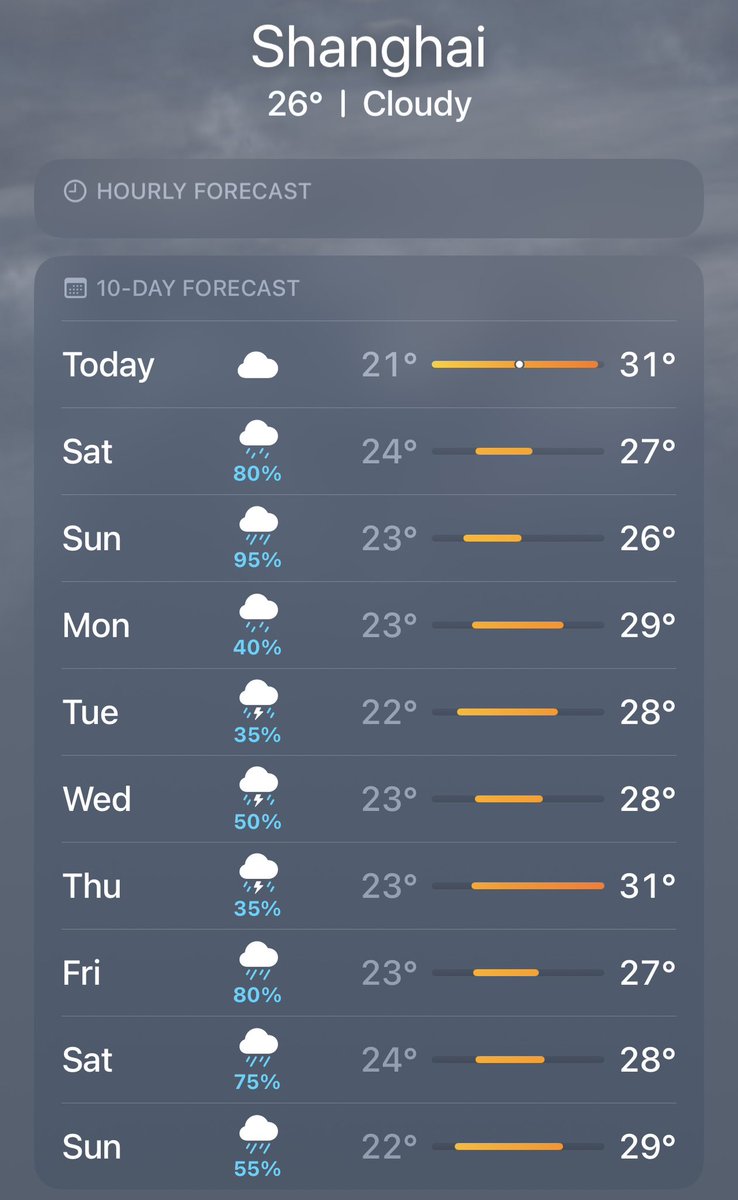
Plum rain season in Shanghai. I’ll be travelling again in July and August.
2
653
Jun 12
Following Turkish news is like binge-watching a political thriller written by six competing writers who aren’t allowed to talk to each other. Every day starts with the anxiety of checking whether I missed anything happening in my country while I was asleep and ends with the shock of, wait… they did what?
I often find myself thinking surely this can’t be real, only to be met with the uncomfortable realization that it is.
Does your country have the same constant stream of headlines that make you stop and wonder how any of this is actually happening, or is that just us?
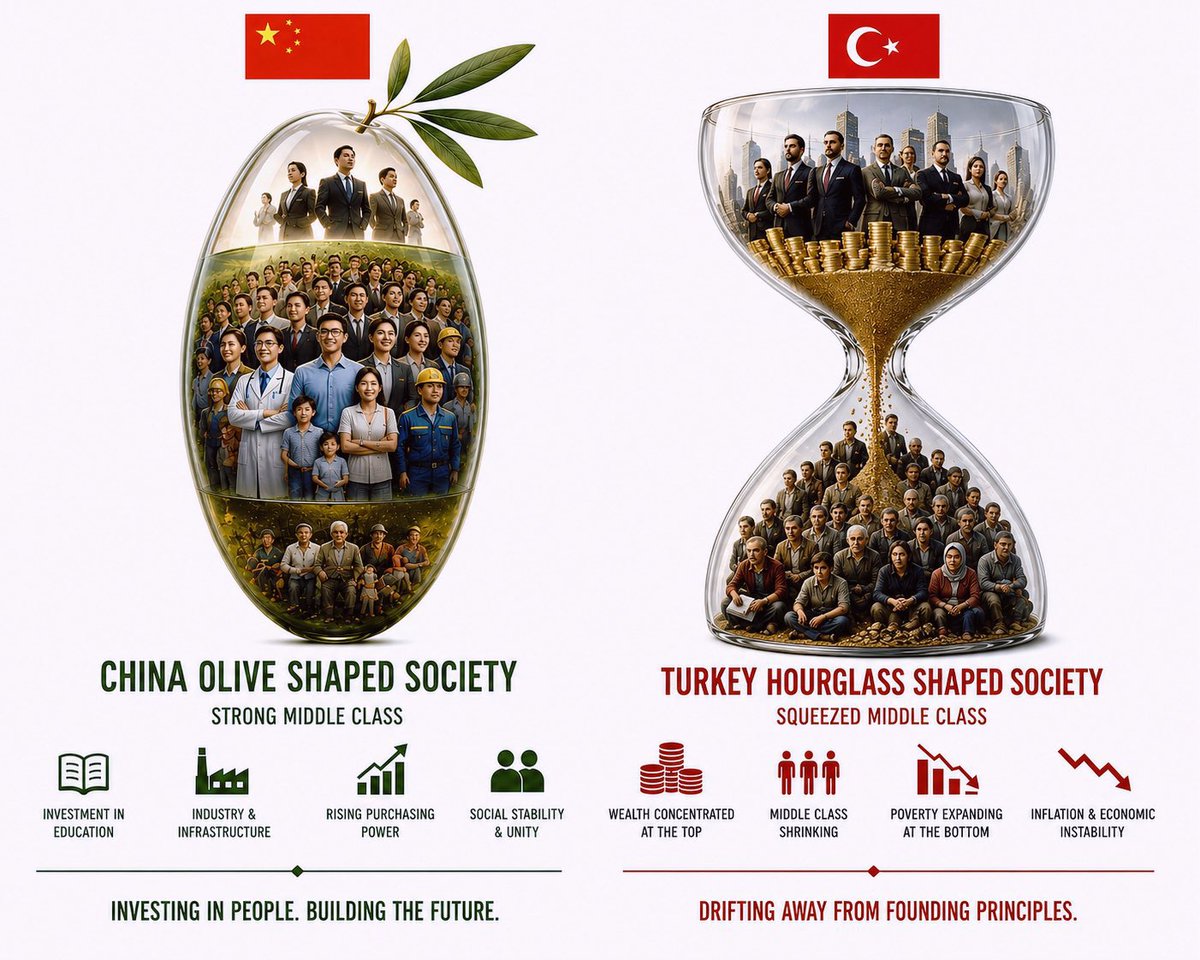
Here in China, people aren’t waking up to a new political shock every morning. Most people are focused on their work, families, studies, businesses, hobbies, trips and daily lives. There’s a sense of predictability that allows people to plan ahead and put their energy into building things rather than constantly reacting to the latest headline.
Jun 12

🔴#SONDAKİKA | Haksız rekabeti ihlal ettiği belirtilen ve denetim kayyımı atanan beyaz et markaları:
• Banvit
• Akpiliç
• Lezita
• Bakpiliç
• Aspiliç
• Bupiliç
• Erpiliç
• Gedik Pazarlama
• Hastavuk
• Keskinoğlu
• Şenpiliç
• Orvital
• Aypi
7
5
48
4,011
Jun 10
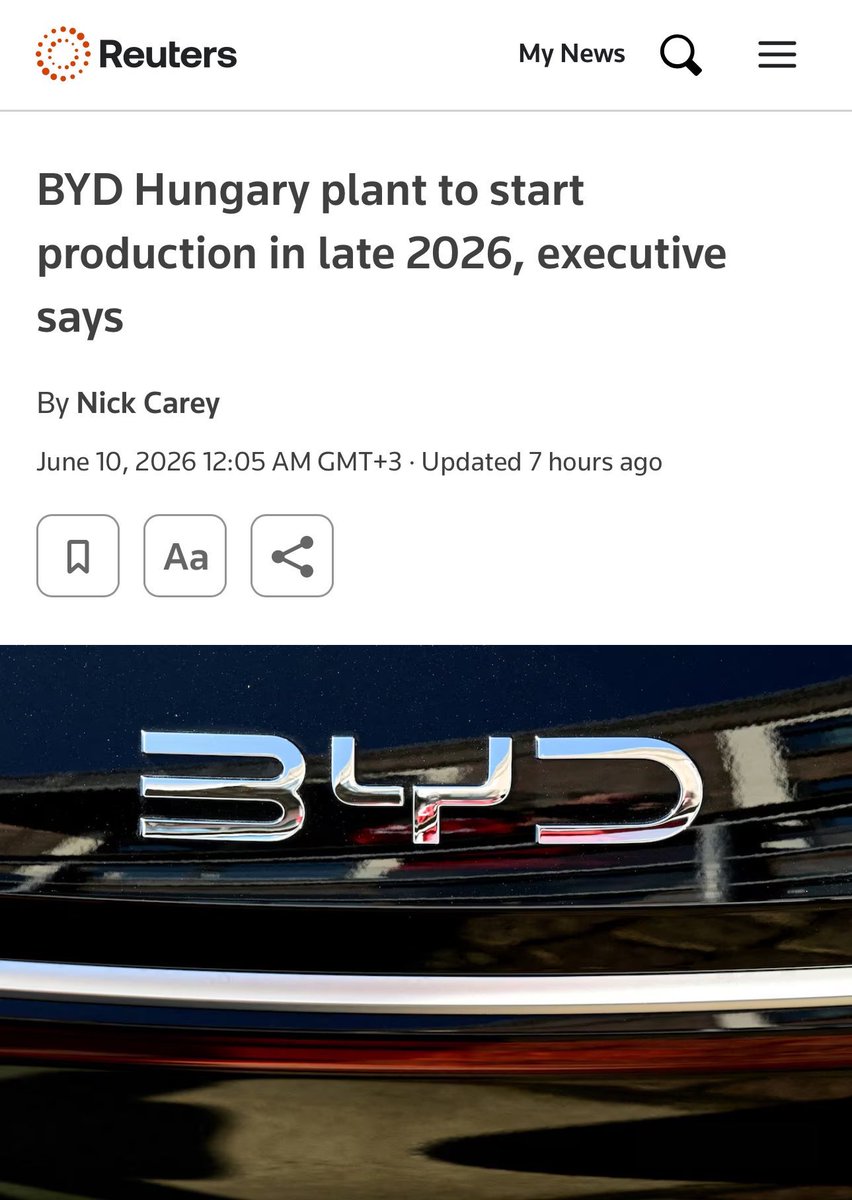
BYD’nin Türkiye’ye yatırım yapmamasına kızanların bilerek ya da bilmeyerek hesaba katmadıkları parametreyi anlatayım. Bu olaya sadece BYD açısından değil de Türkiye’nin yatırım iklimi açısından baktığımızda aslında tablo daha sert bir hal alıyor.
Bir şirket 1 milyar dolar yatıracaksa sadece bugünkü maliyete bakmaz. Neye bakar?
“Bu ülkede 10 yıl sonra da aynı kurallar geçerli olacak mı?” diye sorar.
İşte burada ekonomi iklimi devreye giriyor.
BYD’nin resmi açıklaması Avrupa’ya odaklanmak ve Macaristan önceliği olsa da, Türkiye yatırımının askıya alındığını ve şu an için bir takvim olmadığını Reuters doğruladı.
Ama yatırımcı gözüyle düşünelim.
Fabrika düğün salonu kiralamak değildir!
Bir fabrika:
🤜1 milyar dolar
🤜 20-30 yıllık plan
🤜 binlerce çalışan
🤜 yüzlerce tedarikçi
demektir.
Yatırımcı için en önemli şey artık ucuz işçilik de değildir.
Ön önemli şey ÖNGÖRÜLEBİLİRLİKTİR.
Türkiye’nin son yıllardaki en büyük problemi de bu.
Bugün kur başka.
Yarın başka.
Bugün faiz başka.
Yarın başka.
Bugün vergi başka.
Yarın başka.
Bugün teşvik başka.
Yarın başka.
Ekonomi’ye her açıdan şok dalgalarına maruz kalıyor.
Bu durum her CFO’nun kabusudur.
14 yıldır Şanghay, Çin’de yaşıyorum. Tecrübeyle sabit, Çinli şirketler riski sevmeye başladılarsa da belirsizliği hala sevmezler, tercih etmezler.
Bu çok önemli bir ayrım. Neden bunu görmezden geliyorsunuz analizlerinizde?
Çinli şirketler Afrika’ya gider.
Latin Amerika’ya gider.
Orta Asya’ya gider.
Ama gittikleri yerde bir şeyi net isterler, kuralların belli olması.
Türkiye’de son yıllarda ise yatırımcıların en çok kullandığı kelime nedir biliyor musunuz?
“Policy uncertainty”. Yani politika belirsizliği.
Döviz kuru yatırımcıyı korkutur.
Normal vatandaş “Kur yükselirse ihracatçı kazanır” diye düşünür.
Dünya otomotiv devi bir fabrika yatırımcısı böyle düşünmez.
Çünkü girdi maliyetleri ile satışını farklı para birimlerinde yapıyor. Kurun sürekli oynadığı yerde 10 yıllık fizibilite yapmak çok zorlaşır.
Şirketlere kredi notu verildiği gibi ülkelerin de kredi notu vardır.
Yatırımcı aslında ülkeye yatırım yaparken
“Sana paramı emanet eder miyim?” notunu verir.
Türkiye yüksek enflasyon, rezerv tartışmaları, kur şokları ve sık değişen ekonomi politikaları nedeniyle bu konuda ciddi güven kaybı yaşadı.
Bu yüzden sermaye her zaman yüksek getiri vaat eden yere değil, çoğu zaman daha güvenli gördüğü yere gider.
Macaristan neden cazip?
Avrupa Birliği’nin içinde olduğu için caziptir, yoksa ekonomisi mükemmel olduğu için değil.
Yabancı yatırımcı ülkeye ekonomiye izole bir şekilde bakmaz. Ülkenin hukuk sistemine, regülasyonlarına, tedarik zincirine, teşviklere, pazara sıfır kilometre erişime bakar.
BYD’nin Avrupa satışları geçen yıl '0 artarak yaklaşık 188 bin araca ulaştı. Bu yılın ilk aylarında da büyüme devam ediyor.
BYD Avrupa pazarını büyütmek istediği için direkt Avrupa’ya yatırım yapması mantıklı. BYD’nin Avrupa’daki ikinci ve hatta üçüncü üretim tesisi seçeneklerini değerlendirmesi de bu stratejinin göstergesidir.
Gördüğümüz gibi sermaye not verir ve o notun mesajı çok nettir. Çünkü yatırımcı sonuçlara göre parasını başka yere götürür.
Bu nedenle BYD haberi bir güven testi haberidir.
Bir benzetmeyle bitireyim.
Türkiye çok yetenekli ama sürekli geç kalan bir öğrenci gibi. Sınavlarda potansiyeli yüksek. Öğretmenler zekasının farkında. Ama ödevler bazen eksik. Bahaneleri sürekli değişiyor. Planları bazen yarım kalıyor.
Macaristan ise sınıfın en parlak öğrencisi değil. Ama her sabah aynı saatte geliyor. Defteri düzenli. Öğretmen yarın ne yapacağını biliyor ve hiç şaşmadan sınavları geçiyor.
1 milyar dolar yatıracak biri bazen dahiyi değil, öngörülebilir olanı seçiyor.
Bir ülkede yarını hesaplayabiliyorsan fabrika kurarsın.
Hesaplayamıyorsan sadece satış ofisi açarsın.
Kilit kelime Öngörülebilirlik.
104
52
336
52,908
Jun 9
It is heartbreaking to see what people are forced to discuss in my country while truly advanced conversations are happening here in China. The gap feels light years apart.
1
1
38
6,182
Jun 9
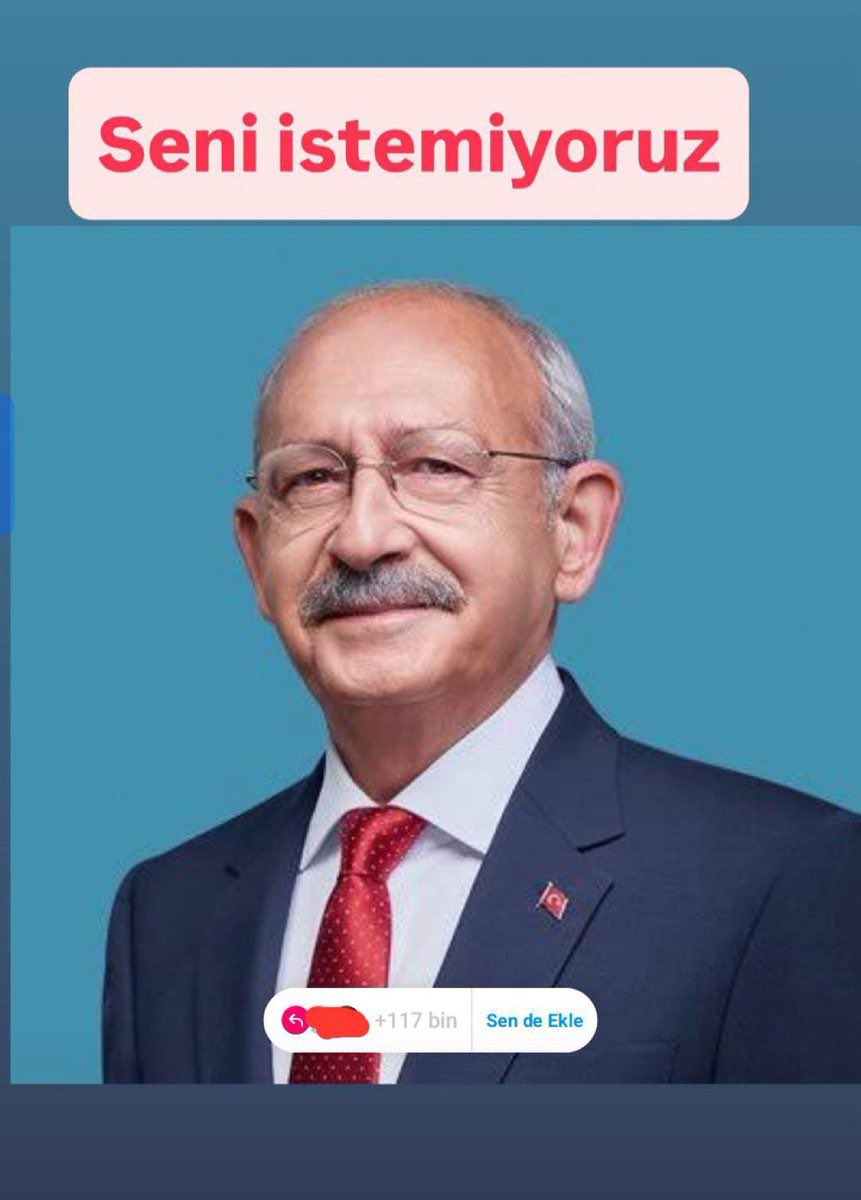
Kağıttan önüne konulan metni bile satır satır, okul müsameresindeymiş gibi okuyup kendi adına yazılanları dahi içselleştiremediğini gösteren Kılıçdaroğlu ile; meydanlarda halkın sesini, öfkesini ve taleplerini yüreğinden dile getiren Özgür Özel arasındaki fark dağlar kadar.
Bir tarafta milletin zekasıyla alay edercesine hazırlanan senaryoları okuyan bir araçsallık anlayışı, diğer tarafta vatandaşın anayasal hakkı olan toplantı ve gösteri yürüyüşü hakkını savunan, Atatürkçü ve demokratik çbir duruş var.
Demokrasiyi güçlendiren tek şey halkın iradesine saygıdır. O yüzden bugün insanlar farkı çok net görüyor. Bırakın bu koltuk sevdanızı. 14. seçim kaybını bizlere, bu ülkenin gençlerine yaşatmaya hakkınız yok.
Yeter!
Sizin bu demokrasiye tahammülsüzlüğünüzü, halkın iradesi ve milletin sesini görmezden geldiğinizi gördükçe tiksiniyoruz.
Dedem olsaydınız, sizi dedelikten reddederdim.
Bu kadar net. @kilicdarogluk
Bunlar “yes men” denilen çevrenizdeki @gurseltekin34 başta olmak üzere evetçi adamlarınız için de geçerlidir.
4
30
1,708
Jun 2
Fascinating. Every few decades someone arrives with a new map, a new theory, and a new vocabulary for explaining why the people actually living in the region should trust Washington to “balance” them for their own good.
“A single, consistent point of American contact and leverage” is quite a diplomatic way of saying we’d like to remain the referee, scorekeeper, and the main player on the field.
The Middle East has spent generations dealing with the consequences of foreign powers treating sovereign nations like pieces on a strategic chessboard. Calling it a “coherent tapestry” doesn’t change the fact that people remember who was holding the scissors when the fabric got torn.
Stability is built by strong institutions, economic opportunity, rule of law, and the consent of the people living there, not by an alien deciding it should be the permanent manager of three countries and a hundred million lives.
The colonial language and the operating system looks strangely familiar.
Every empire believes it’s the indispensable adult in the room.
The British called it stewardship.
The French called it mandate.
The Americans call it leverage.
The locals usually call it something else.
Turks don’t need a foreign “point of leverage” to determine their future. Time to take your fucking claws off my country.

In the tradition of those who have long studied the Levant and Anatolia — Iraq, Syria, and Turkey remain the strategic fulcrum upon which any enduring Middle East stability must pivot. Balancing these three nations requires a single, consistent point of American contact and leverage — transcending tribal, religious, or sectarian differences. This vital mission, embraced by President Trump, seeks to aid the region in aligning itself toward shared prosperity by weaving its disparate threads into one coherent tapestry of order and mutual interest.
10
39
184
8,286
Jun 1
Yıl 2017. Gözünü sevdiğim Atatürk Havalimanı’ndan eve gitmek için taksiye bindim.
Ne taksimetreye baktım ne başka bir şeye. Çin’den bir yıl sonra gelmişim, gözüm gün doğumunda, o devasa güneşte. 15 dakikada eve geldik.
Ne günlerdi. Ahh gözünü sevdiğim Atatürk Havalimanı…
Sonra taksimetreye bir baktım, normalde tutması gerekenin neredeyse 10 katı. Annem de hep Türkiye çok pahalandı diyordu. Ben de cidden pahalanmış deyip sorgulamadım bile. Fiş de almadım.
Bir hafta sonra Şanghay’dan Koreli arkadaşım bize gelecekti. Havalimanında nereden taksiye binmesi gerektiğini anlattım. Biraz kaybolmuşlar; 15 dakika yerine 30 dakikada geldi.
Ben de apartmanın önünde bekliyorum, “Kazıklamasın” diye kapıyı açtım, taksimetreye baktım.
Ben şok.
Taksici, “Ne oldu abla?” dedi.
“Siz havalimanından gelmediniz mi?” dedim.
“Geldim abla. Kusura bakma, biraz kaybolduk, o yüzden böyle oldu,” dedi.
“Böyle oldu” dediği fiyat, benim ödediğimin YARISIYDI. Hem de dolanarak gelmişlerdi.
Dedim: “arkadaşım değil, ben kazıklanmışım”. Taksici de baya üzüldü. Bizim mesleğimizi kötüye kullananları diye başladı…
İnsanın kendi ülkesinde kazıklanması çok moral bozucu… Ondan sonra da artık geldiğimde havaalanından taksiye binmedim. Zaten sonra havalimanı da adeta şehrin dışına taşındı.
Dolan dolan, Havaş artık.
ABD'li yayıncı Auger, İstanbul'da bindiği takside:
• Auger, yaklaşık 300 TL'lik yol için taksicinin 50 euro (2.677 TL) isteğini kabul etti.
• Taksici, yayıncının kartından 136 euro (7.282 TL) çekti. (Platcorn)
16
12
392
1,411,698
May 30
Kalbim Güven Park'ta CHP'nin SEÇİLMİŞ Genel Başkanı Özgür Özel ve ekibiyle birlikte. Demokrasi bizim ülkemizin omurgasıdır. Her şeyden önemlidir. Atatürk'ün kurduğu CHP'ye, ülkemizin kurucu partisine kayyum asla ama asla kabul edilmez.
@eczozgurozel @herkesicinCHP
2
33
1,738
May 27
I live in Shanghai and travel across remote parts of China. It’s been 14 years.
Let me say this clearly!
You do NOT need to hitchhike in China like @lexfridman did. China is not some 1990s “eat, pray, backpack for survival” fantasy movie people project onto it.
Travel in China is incredibly affordable. You take a high-speed train for the price of a dinner in many Western countries and suddenly you’re sitting next to farmers, workers, students, grandparents, entrepreneurs, people from every corner of the country. Or you hail a taxi or order a car from your app and that IS the real experience. You do not need to stand on roads pretending suffering is cultural depth.
People glorifying “broke hitchhiker backpacker culture” in China seriously need to update their mental image of the country. China has one of the most advanced transportation systems on Earth. You can go from megacities to remote mountains faster than some people commute to work in the West.
And no, hitchhiking is not even a thing in China. I tried it once years ago because I got off the bus in the middle of no where with no proper signal and ended up hitch-hiking where I had to pay at the end of the ride anyway lol.
Chinese people are genuinely polite.
But watching people on X glorify foreigner interaction as if a random backpacker discovering noodles in a county town is a historic diplomatic achievement is strange. China does not need validation from every wandering foreign guy with a camera and a podcast voice.
It is 2026. China is a global economic power, not a gap-year or taking time off kinda personality test for pretending to be broke backpackers trying to “find themselves” while sleeping around, getting drunk, and acting like basic human interaction is some spiritual awakening.
Someone like Lex hitchhiking in China doesn’t even look adventurous. It looks performative and uneducated. If you want the chaotic backpacker-hitchhiking aesthetic, Southeast Asia already exists for that culture. China is different. Respect the difference.
Chinese people, please stop putting every foreigner on a pedestal just because they can say “ni hao” or use translation apps. You’re better than this. China is not desperate for outsider approval anymore whether they are famous or not, and acting starstruck over every foreign traveler only reinforces an old stereotype that should have died decades ago.

274
239
2,917
491,813
May 27
Sözcü, neden sormadınız?
‘Kendinize butlan olmayı nasıl yedirdiniz?’
‘İki yıl sessiz kalıp şimdi nasıl geri dönüp halkın iradesini görmezden geliyorsunuz?’
‘CHP seçmeninin açık mesajını yok saymayı hangi siyasi ahlakla açıklıyorsunuz?’
Bunları neden demediniz?
Trump’ın karşısına çıkan gazeteciler bile sizden daha cesur soru soruyor. Türkiye’de muhalif gazetecilik buysa, sorun sadece sistemde değil, soruyu sormaktan korkanlarda da. @szctelevizyonu
5
14
94
4,473
May 27
Kılıçdaroğlu iş mazbata değil dedi. Mazbatayı tanımam demektir. Ağzına hukuku pelesenk etmiş. Partiler hukukunu bilmiyor gibi davranıyor. Bu nasıl bir aymazlık. Tiksiniyorum.
7
75
928
10,823
May 26
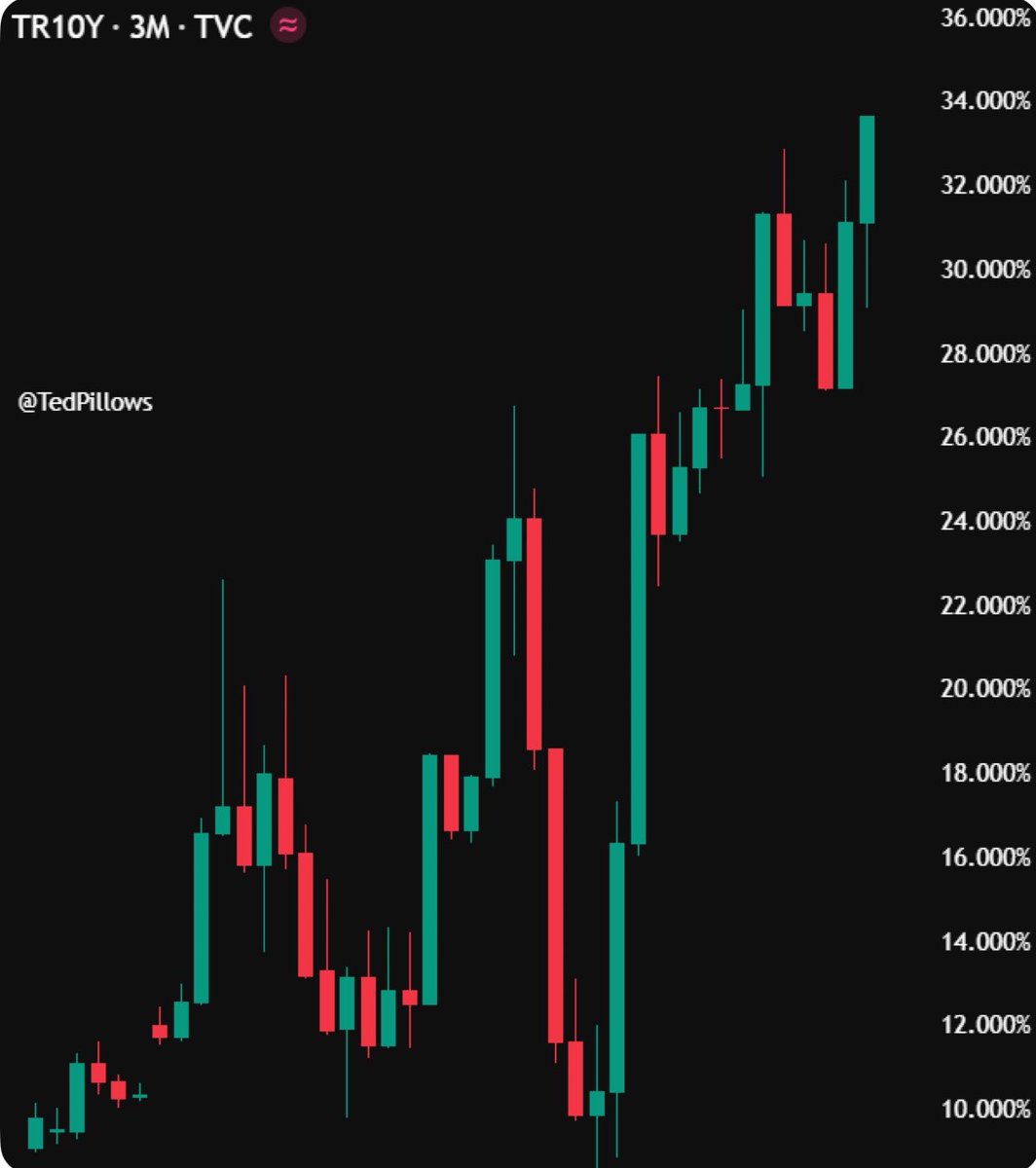
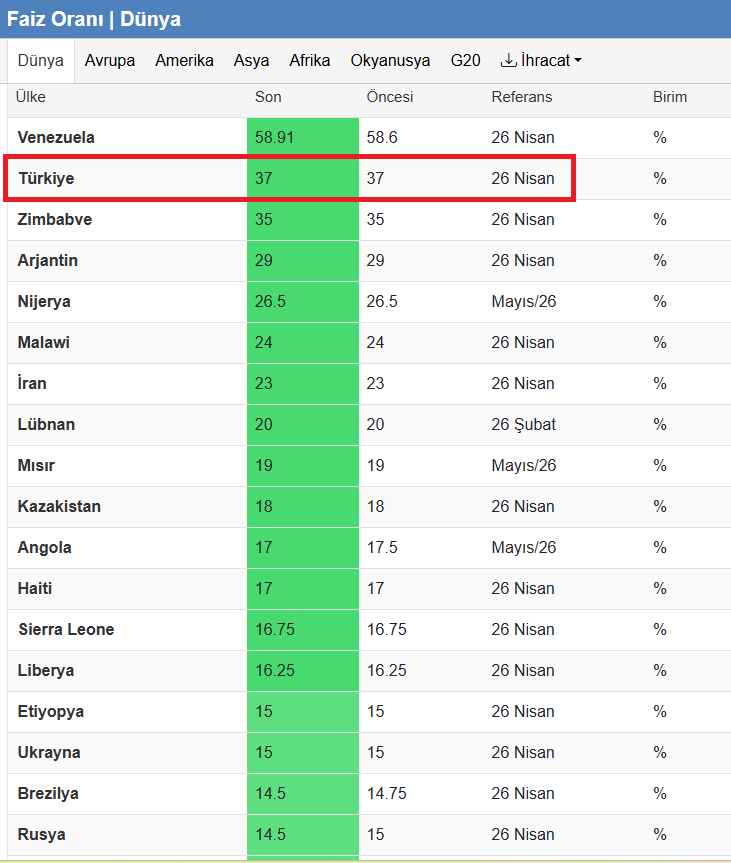
This post is economically very important. Pay attention. Turkey is paying a high interest rate because trust is expensive.
Turkey’s one-week policy rate is currently shown as 37%, while the overnight lending rate is 40%. That means the cost of money in the economy is extremely high by global standards. Trading Economics lists Turkey near the top globally, behind Venezuela in this table. Unimaginable, yet it’s real.
This is the MOST IMPORTANT POINT:
A country does not end up with one of the world’s highest policy rates merely because of inflation. It gets there because markets demand compensation for
🤜 inflation risk,
🤜 currency risk,
🤜 political risk,
🤜 legal risk, and
🤜 credibility risk.
Political instability becomes
❗️ an interest rate,
❗️ a weaker currency,
❗️ higher borrowing costs,
❗️ lower investment
❗️ poverty.
When courts, party institutions, property rights, elections, and democratic legitimacy are replaced by unpredictability, investors never ever say “This is only politics”. They price it immediately!!!!
They demand higher returns, avoid long-term commitments, move capital out, or wait.
Reuters reported that Turkey’s markets recently reacted sharply to political developments around the opposition, with pressure on the lira and expectations that the central bank may need to raise rates toward 40%!!!
Put it simply:
! This is the economics of institutional decay.
! A weak institution today becomes a high risk premium tomorrow.
! A court decision today becomes a more expensive loan tomorrow.
! A political crisis today becomes lower investment, lower wages, weaker currency, and higher prices next month.
! Ordinary citizens work really hard, yet they’re the ones always paying the price.
High interest rates are supposed to fight inflation, but you CAN’t do that while damaging the foundation of your country by eroding credibility and legal governance. Monetary policy is forced to do the job that institutions failed to do. The central bank then has to keep money painfully expensive just to defend the currency and stop expectations from collapsing.
So this table is not just an interest-rate ranking. It is a ranking of how expensive distrust has become.
Think of your citizens. Think of the future of the country. Stop damaging the very foundations that hold a nation together.
No monetary policy can cover up instability when justice, rights, and the right to vote and be elected are being actively eroded.
Stop hurting your own country and return to the path of logic, science, institutional trust, and democracy.
Let your citizens breathe and live the dignified life they work so hard for.
A nation becomes stronger when its people can live with hope, stability, fairness, and dignity, not fear, exhaustion, and constant uncertainty.
May 26

Mutlak butlan tefeci faizini örter mi?
Dünyada en yüksek ikinci politika faizine sahip ülkeyiz.
Nisan 2024'ten beri faiz oranları değişti ama tabloda yerimiz değişmedi.
Yüzde 37 de kağıt üstündeki oran. Son 3 aydır fonlama faizi yüzde 40.
4
16
66
8,441
May 26
Toplum mühendisliği. Akademik açıdan da çok doğru gözlemler! Kritik düşünme becerisi olanlar bu adımları görüyor. Fatih Portakal, Cüneyt (tam ismini unuttum) , Nevşin Mengü artık uzaktan da olsa asla izlemediğim isimler. Farkında olarak ya da olmayarak çok büyük bir bıkkınlık yayıyorlar. Ataturk bıraksaydı, yılsaydı ne olurduk? O zamanın koşullarında mıyız? Ne oluyor? Umutsuz durumlar yoktur, umutsuz insanlar vardır.

13
203
1,523
57,942
May 26
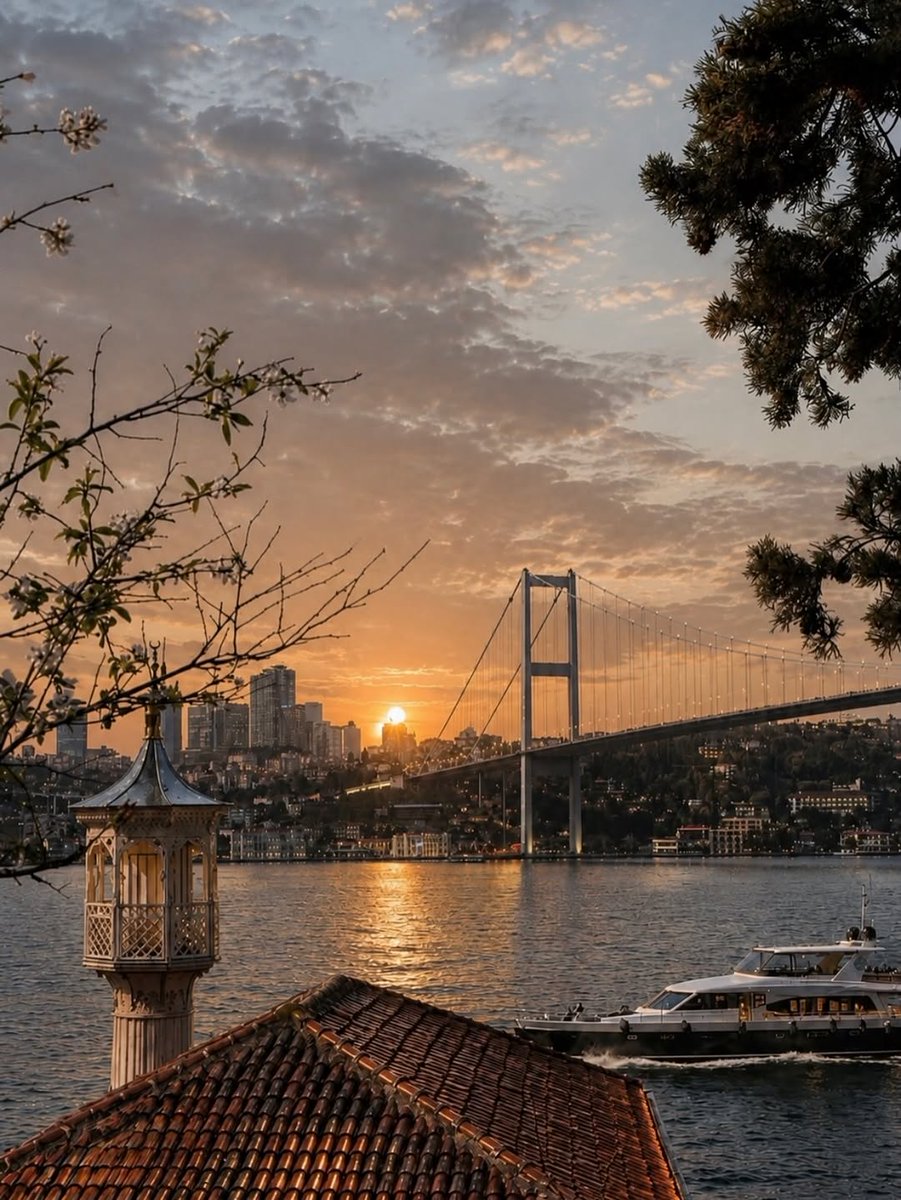
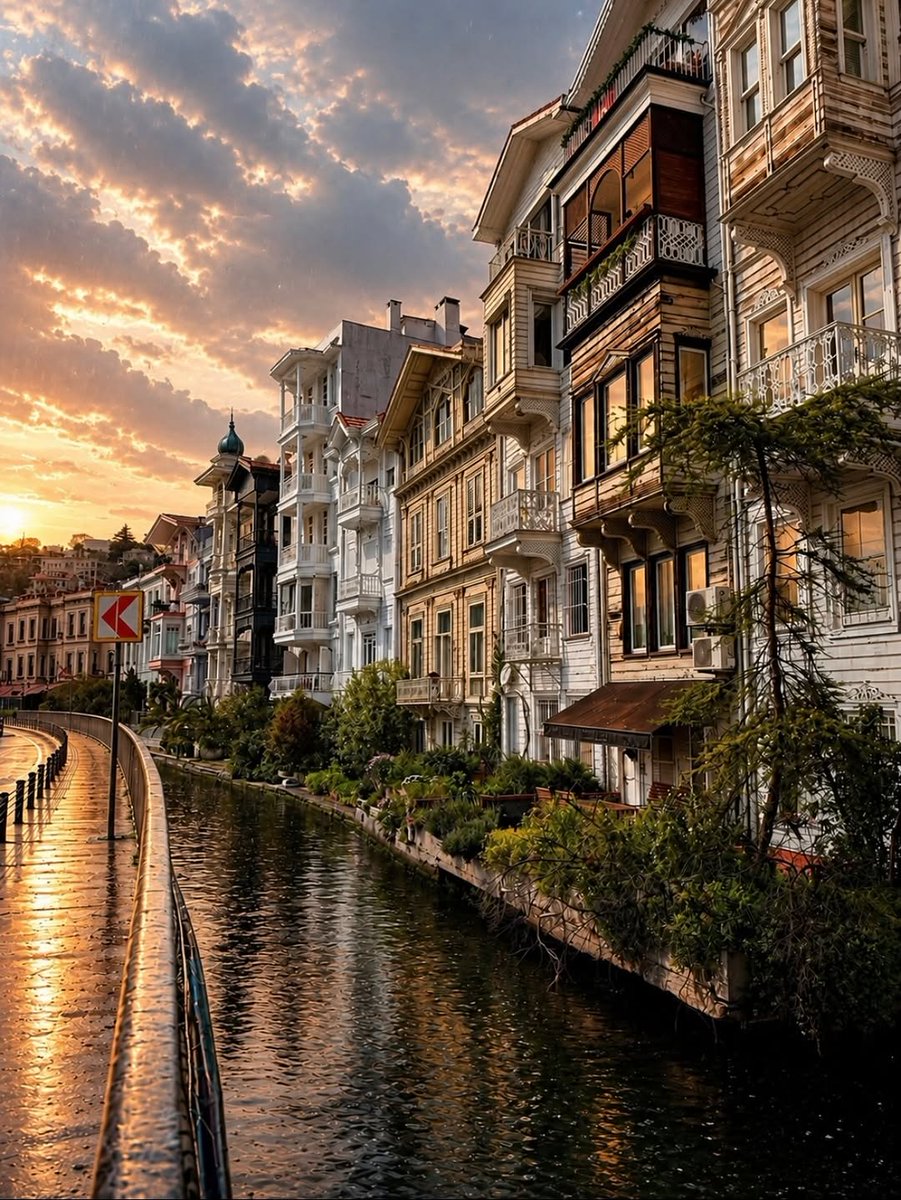
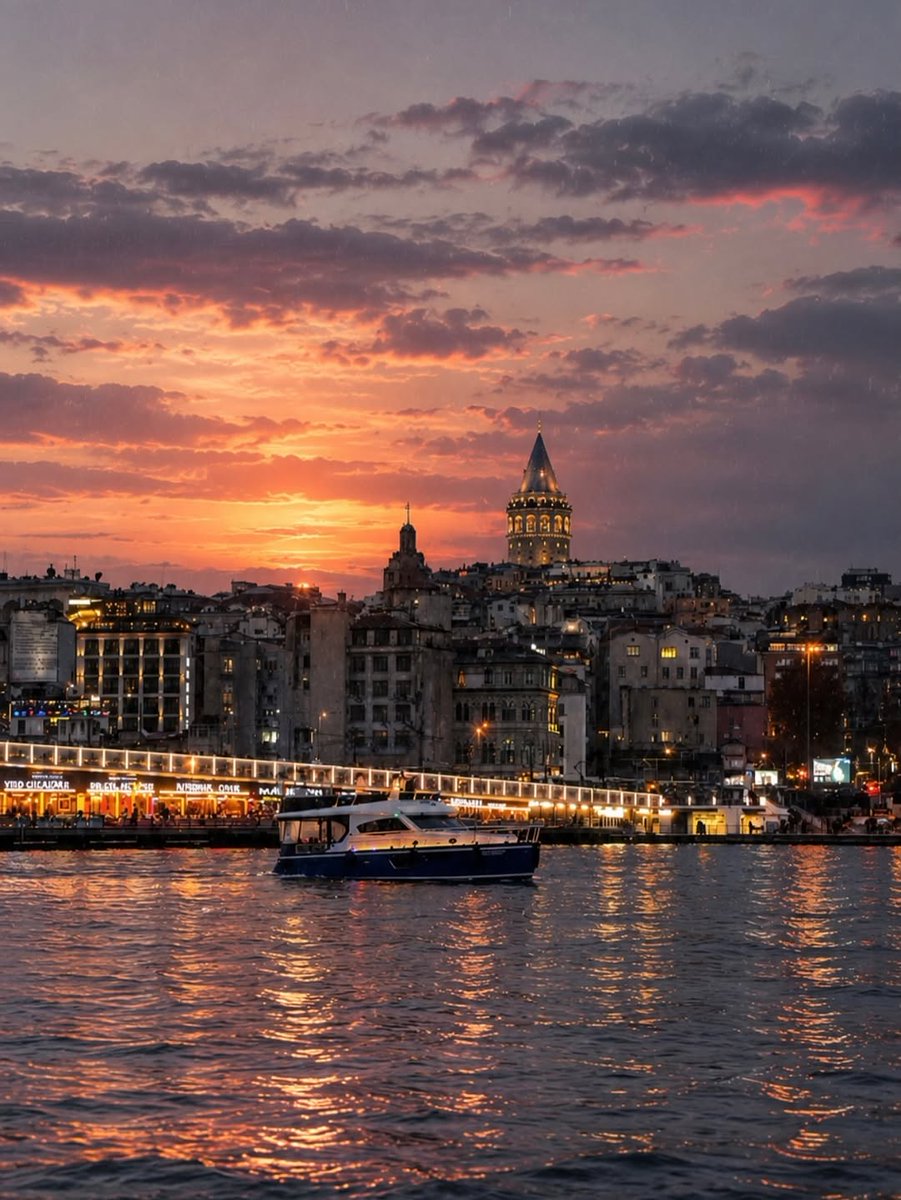
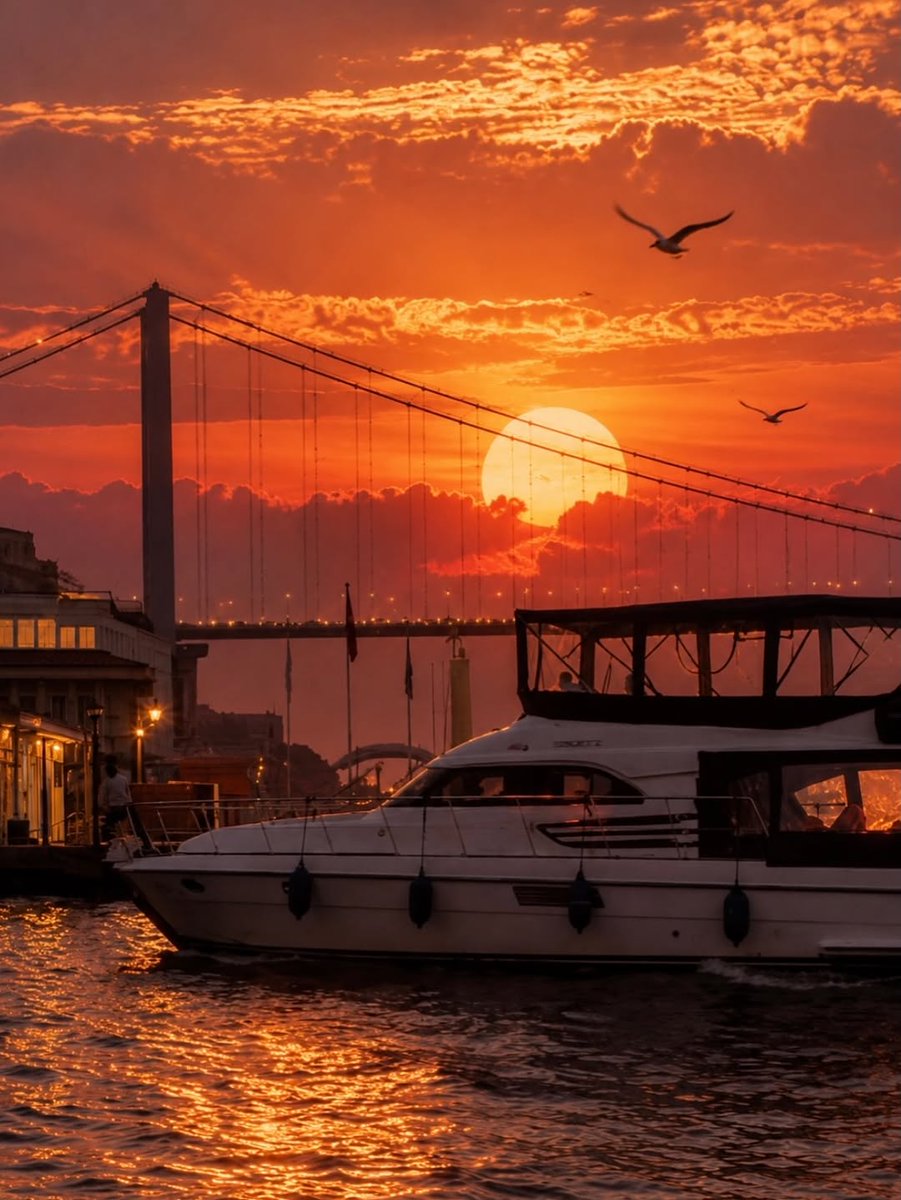
My hometown, Istanbul. My heart is with Turkey, especially during these turbulent times where democracy is being actively eroded. It is heartbreaking to witness.
My country has so much potential, yet because of the obsession with holding onto power and positions, it is being pushed further and further into poverty and instability.
Today in Izmir, ordinary citizens were hit with pressurized water simply for gathering and celebrating with the elected and official leader of Cumhuriyet Halk Partisi, Özgür Özel @eczozgurozel . Watching peaceful citizens being dispersed with water cannons was deeply painful and disturbing.
Terrible, terrible scenes to witness.

2
3
46
3,140
May 26
As if I haven’t travelled enough this year, it is time to plan the summer trip as the incoming humidity will soon remind me not to postpone it :)
Some people ask me how I work while travelling. I always carry my laptop with me
and Chinese internet is incredibly reliable unless you are somewhere truly remote… or outside somewhere like caves in Vietnam.
Where to go?
Xinjiang with its amazing nature OR the north of China with cool weather, mountains and peaceful summer evenings?
Any recommendations?
11
21
3,776
May 24
!!!!

Turkish riot police fired tear gas and forced their way into the main opposition party's headquarters to evict its ousted leadership, deepening a crisis at the heart of Turkey's democracy reut.rs/4dvczj2
1
5
31
2,543
May 24
We cried around the world with all of you. We felt the same heaviness, the same pain, and the same frustration. But we are also proud to stand for our principles. The most important stand is to stand together for democracy, dignity, and the future of our country.

2
20
86
3,294
May 24
The world knows. A democratic Turkey is a danger to Trump’s Middle East plans because a strong, independent, secular, institution-based Turkey cannot easily be controlled or pushed into regional chaos politics.
Today feels like one of the darkest days so far. I am deeply sad because many ordinary people cannot even imagine these kinds of actions taking place. Good people often fail to predict this level of political force because they do not think with cruelty or manipulation in mind. Only those willing to sacrifice democracy, public trust, and social stability for power could normalize such actions.
What hurts the most is watching truth, democratic legitimacy, and the will of millions being buried by force instead of debated openly in a healthy democracy.
A country cannot survive by silencing its people every time they demand better education, a life with dignity, accountability, fairness, secularism and following its founding principles. The deeper the pressure becomes, the deeper the fracture grows inside society.
I am extremely sad.
28
148
767
32,409