
Joined July 2023
- Tweets 5,906
- Following 408
- Followers 217
- Likes 57,304
373 Photos and videos





Emerson B retweeted

The new Colin Albert narrative:
“He’s hiding. His family sent him away to avoid a deposition.”
Are you all okay?
Colin Albert testified under oath in a state murder trial AND appeared before two grand juries—one federal and one state. Right @adamdeitch ?
He remained in Massachusetts for years after John O’Keefe’s death. He never disappeared. He never left. In fact, he was forced to leave college while playing football because an unhinged blogger and his mob targeted and threatened his school and team.
Three years later, he enlisted in the military to serve his country and start a new chapter after an obsessive mob helped destroy everything he had worked for.
And here’s the part you lunatics are conveniently ignoring:
Colin Albert already sat for a deposition in the O’Keefe family’s wrongful death lawsuit against Karen Read.
Everyone showed up.
Well, almost everyone.
Karen Read and her lawyers didn’t.
So don’t get it twisted. Colin Albert isn’t the one avoiding anything.
26
35
187
11,077
Emerson B retweeted

Jun 16
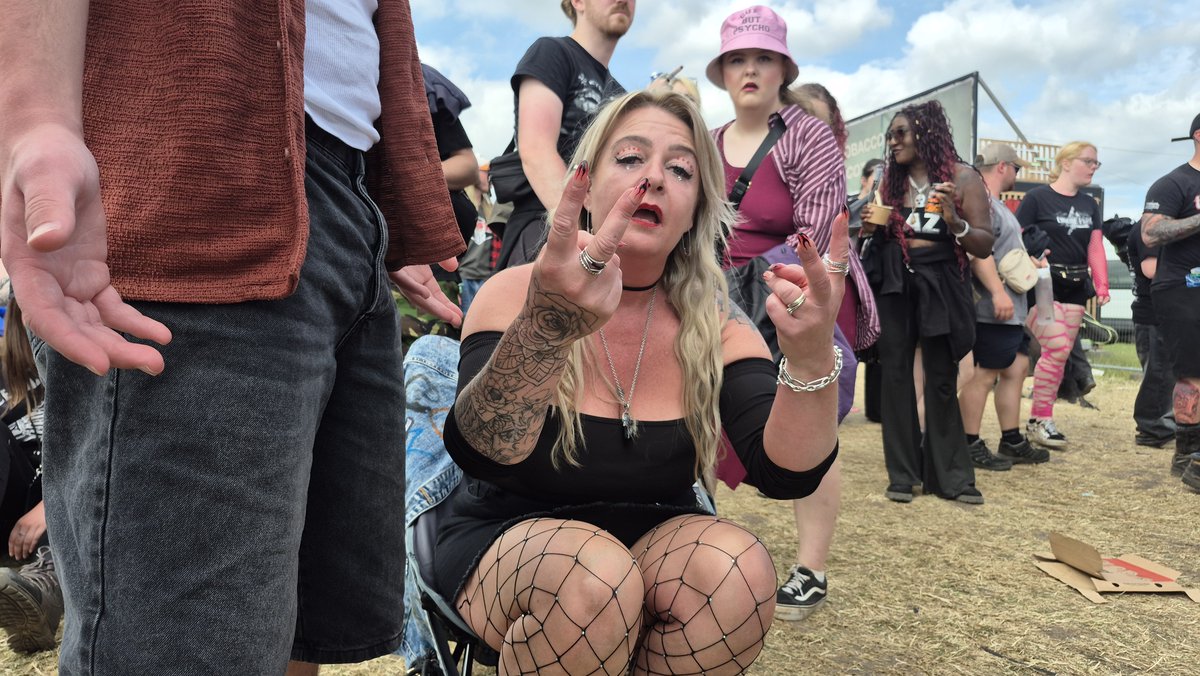
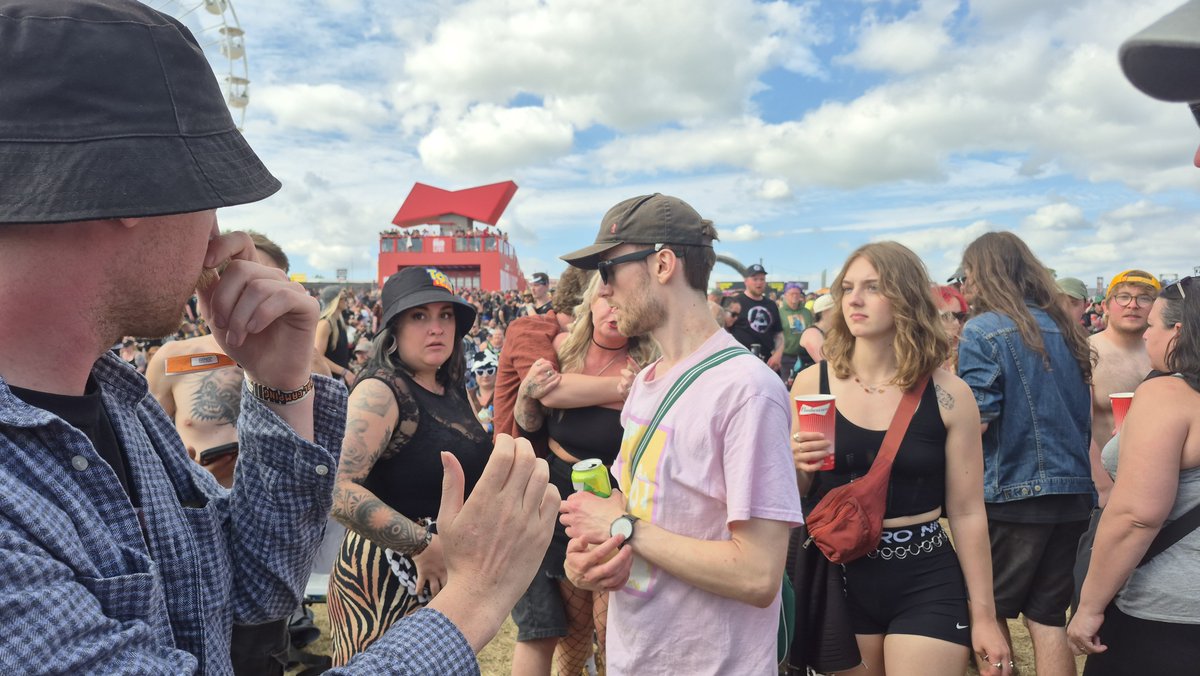
My partner and I got attacked at Download Festival on Sunday. We just stopped to watch a band and a women sat about 10 feet behind us in a chair marched up behind us and shouted 'f*cking get out of my way'. We told her it's a festival, we can stand where we like and you can stand up if you want to see the band. chill out! A young women next to me said she had said the same to her.
The woman then continued a tirade of verbal abuse which included, you are a pair of 'big c*ocks', and 'I am going to hit you'. She then ran up behind me, ripped my hat off my head which pulled my neck back and then threw my hat into the crowd. Her male friend then punched my partner in the face. When I turned I pushed her away from me, she then grabbed my hair and kept pulling it until I was on the ground she then repeatedly kicked me in the head, face and body with her heavy boots . Luckily some wonderful bystanders pulled her away from me, as she was much bigger than me, both in height and width.
We went to the security and police and they said because I pushed her I would be offered a Community Resolution, which I refused to accept. They also said we might be evicted from the festival. We were not treated as victims of assault we were treated as trouble makers. The police failed to take a full statement from us and the Download security didn't even bother talking to us, just the people that attacked us. These terrible people weren't arrested or evicted from the festival, they were allowed to stay and to potentially go on to verbally abuse and attack other innocent people.
I complained to the police and did another statement yesterday. The man taking the statement was shocked as it did not come across as we were victims at all in the statement taken at the festival. It's shocking that a police office saw the video of me on the floor being repeatedly kicked in the head and face and failed to report it correctly, identify us a victims of assault and evict or arrest our attackers.
I am a 55 year old woman with epilepsy, I don't drink or take drugs, my parter is 53 and didn't drink as he was driving. I was looking forward to Download as a distraction as my Mum has just been killed by medical negligence and I have been spending my time dealing with the coroners and all that goes with it. It's been the worst time of my life and this experience has just sent me over the edge.
Shame on the police for victim blaming and failing to protect the public from dangerous people. As for the person at Download security you should be ashamed of yourself, believing them over us and not bothering to collect evidence from both sides.
I have attached a video of me being attacked and some photos of the aggressive woman. In one of the photos you can see her being held back, so she would have happily gone back in to attack me again. I had to go home as I didn't feel safe staying, as they were still at the festival, plus I wasn't in any fit state to stay.
I currently can't work as my chest has been stamped on and i'm struggling to move and breath properly. Eating is fun as the right side of my face and teeth are really uncomfortable and my lip is cut. My vision has also been intermittently blurry and I have felt dizzy. I work for myself, so getting paid time off isn't an option.
We did get some witnesses but if you or anyone you know saw this women attacking or verbally abusing anyone please let me know.
Let's get the face of the women who thinks it's ok to stamp on someones face and head at Download Festival known. People like this should be banned from any festival for life.
A big thanks to all the wonderful people who helped me. Download is a great festival, it's such a shame people like this spoil it for others.
57
76
218
183,339
Emerson B retweeted

Jun 16
Karen Read was drunk; she reversed 74.5% throttle, up to 24mph, at the same time Officer John O’Keefe’s cell phone stopped moving. She then left him and phoned him within minutes to tell him she “f*cking hated him”.
The digital evidence provides a detailed timeline of what happened.
The SUV stopped by the flagpole at 12:24:38 a.m. John's phone then recorded no movement for approximately seven minutes.
At 12:31:56 a.m., a brief 20-second step event began. The cell phone briefly pinged the house for eight seconds while refining GPS accuracy, but the latitude and longitude did not change.
At 12:32:09 a.m., the phone recorded its last user interaction.
At 12:32:16 a.m., phone movement stopped.
Beginning at 12:33:14 a.m., 26,532 Doppler checks consistently registered a pocket state for more than five hours, indicating the phone remained stationary.
At 12:37 a.m., the battery temperature began to decline and continued dropping throughout the night, consistent with the phone being outside in cold conditions.
Welcher's report initially listed the reverse trigger event between 12:31:38 and 12:31:43 a.m., reflecting the unadjusted Lexus clock. Burgess testified that a Lexus clock and an iPhone clock can vary by as much as 60 seconds. While the Lexus clock is accurate to the minute, it is not synchronized to the second like an iPhone.
Burgess also discovered that the original vehicle extraction was incomplete, which he attributed to either an unintentional partial download or an overlooked chip. A second extraction was completed in the presence of both parties' experts.
To refine the timing, Burgess used multiple independent data points, including vehicle power-on and power-off events, odometer readings, Ring video footage, bar surveillance footage, Waze data from John O'Keefe's phone, and the three-point turn on the way to 34 Fairview. By correlating those datasets with the vehicle data, he narrowed the reverse maneuver to 12:32:04–12:32:12 a.m.
According to Whiffin, the phone's last user interaction occurred at 12:32:09 a.m., and movement stopped at 12:32:16 a.m.
Movement did not resume until 6:04:01 a.m., when Karen Read, Kerry Roberts, and Jen McCabe were performing CPR. The phone registered movement because it was underneath John O'Keefe.
After John was moved onto the stretcher and the phone was exposed, the device recorded its lowest temperature of the night, 37°F, at approximately 6:14 a.m.
At 6:15:01 a.m., Kerry Roberts was seen on police dash camera footage picking up the phone and the baby blankets. At the same time, the pocket-state cleared. Once the phone was placed in her pocket, the battery temperature began to rise. After she entered a warm vehicle, the temperature continued increasing.
Whiffin's opinion was not based on a single data point. He relied on the convergence of multiple independent data streams, including step data, Doppler pocket-state data, user interactions, battery temperature trends, and location data.
Whiffin concluded that John O'Keefe's phone never moved far from the flagpole area from shortly after 12:25 a.m. until it was recovered that morning. The phone's last user interaction occurred at 12:32:09 a.m., and movement stopped at 12:32:16 a.m.
Burgess's opinion was not based on a single dataset. He relied on multiple independent data sources, including vehicle telemetry (reverse triggers, throttle position, power cycle data), odometer readings, Ring camera footage, bar surveillance video, Waze navigation data from John O'Keefe's phone, and the three-point turn on the route to 34 Fairview.
Burgess concluded Karen Read’s SUV reversed between approximately 12:32:04 a.m. and 12:32:12 a.m.
All of those independent data sources pointed to the same conclusion.
“The data is the data.”
10
10
50
1,647
Emerson B retweeted

Jun 15
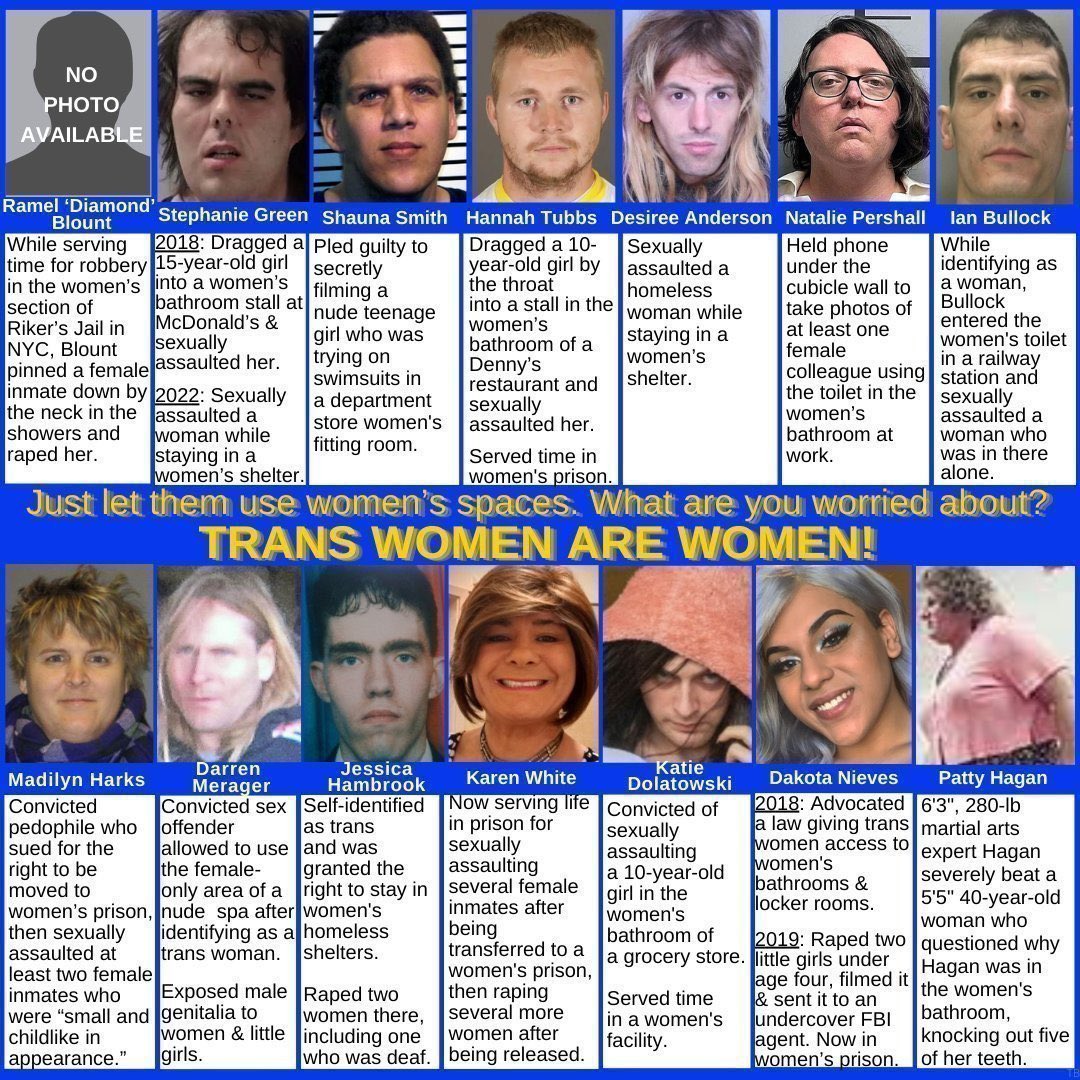
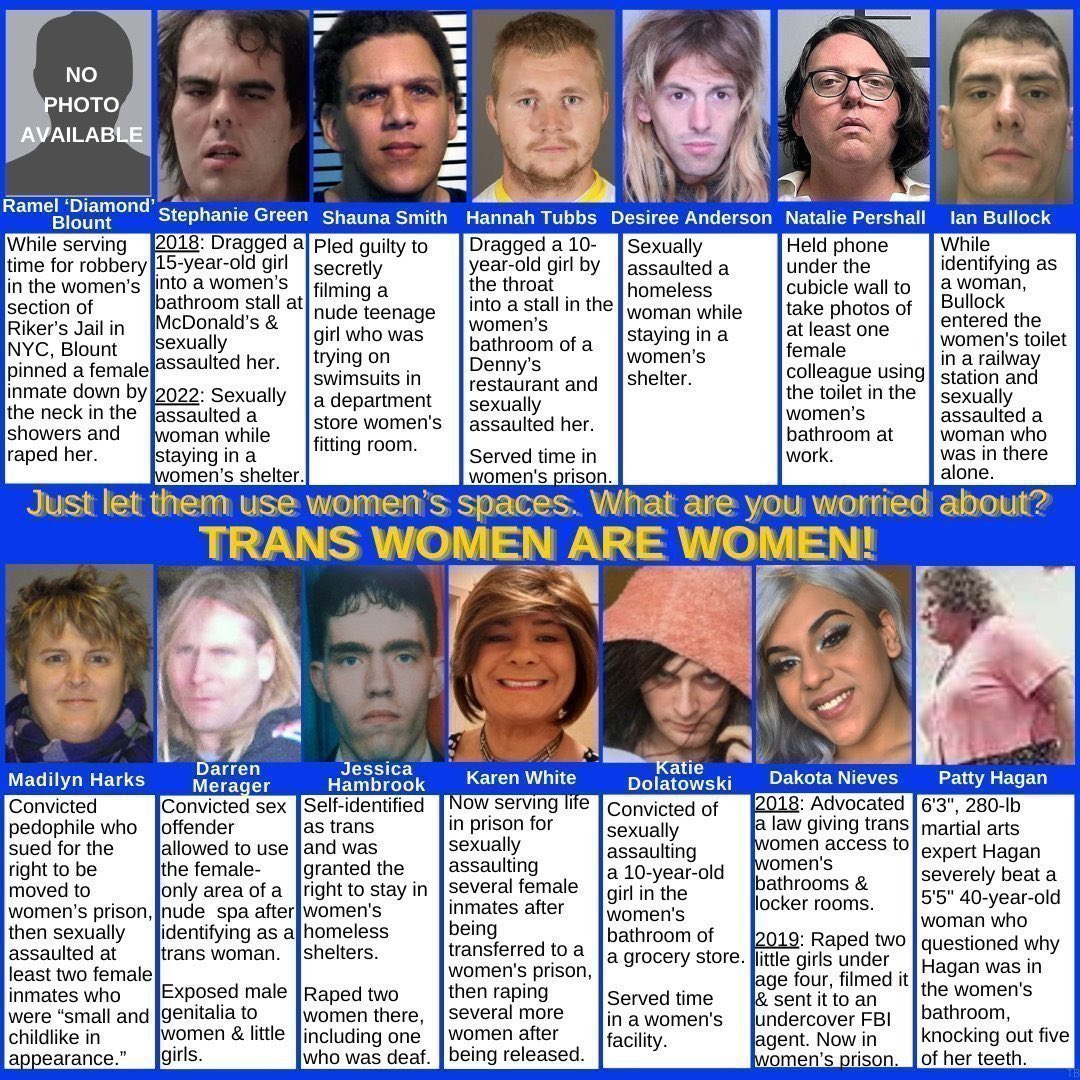
Calling healthy breasts in a female “gynecomastia” that needs to be removed is a special type of evil.

Calm yourself my love. No teenage girls are having their healthy breasts removed, just teenage boys are having their gynaecomastia resolved so they can live in freedom in their bodies.
Also - BTW - puberty blockers prevent the need for top surgery - FYI 😘
Oh and well done to @LushLtd for recognising all teens.
67
600
5,860
63,599

IRELAND: A trans-identified male was fired from a childcare center after offering a "kiss" to an 11-year-old child as a "prize."
Aleena Starshine later filed a discrimination claim against the center, and suggested the mother of the child was transphobic.
reduxx.info/ireland-transgen…
408
917
4,780
1,099,652
Emerson B retweeted

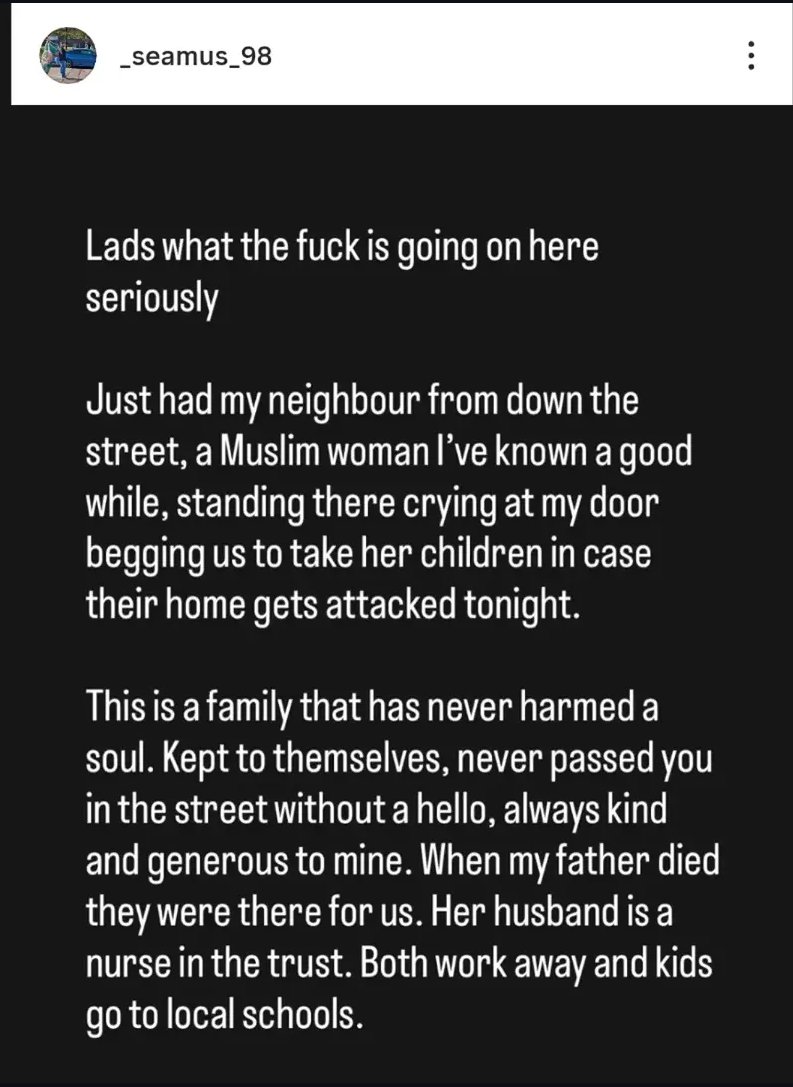
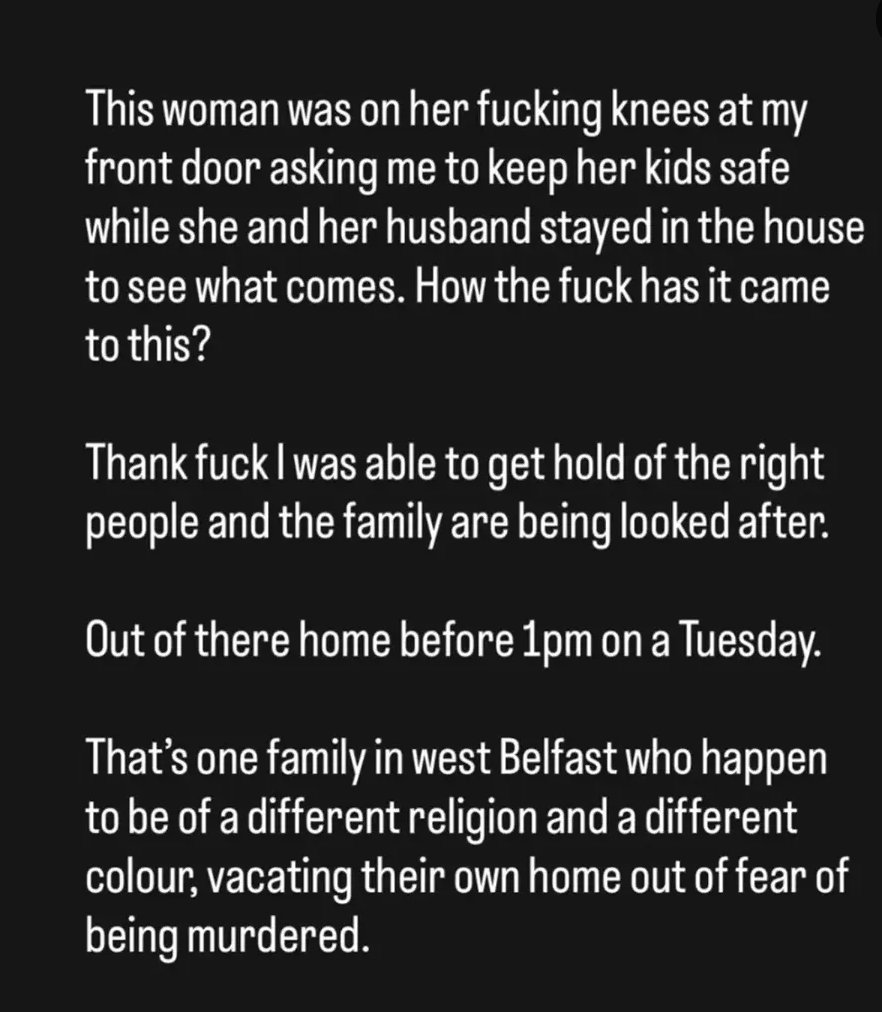
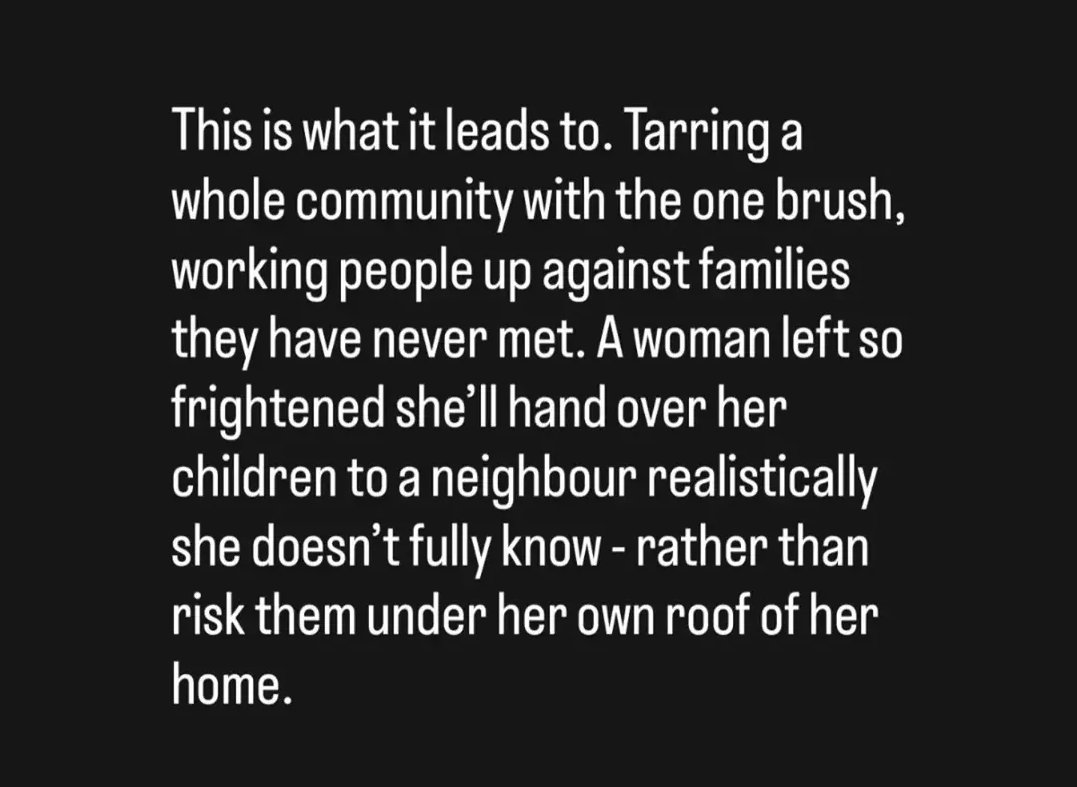
This is what the riots in Belfast have done
A Muslim woman begging a neighbour because she was terrified rioters were going to hurt her kids
We have become a nation of hate
A country full of monsters who prey on children
We're fucking disgusting
794
372
1,676
588,756
Emerson B retweeted

Jun 10
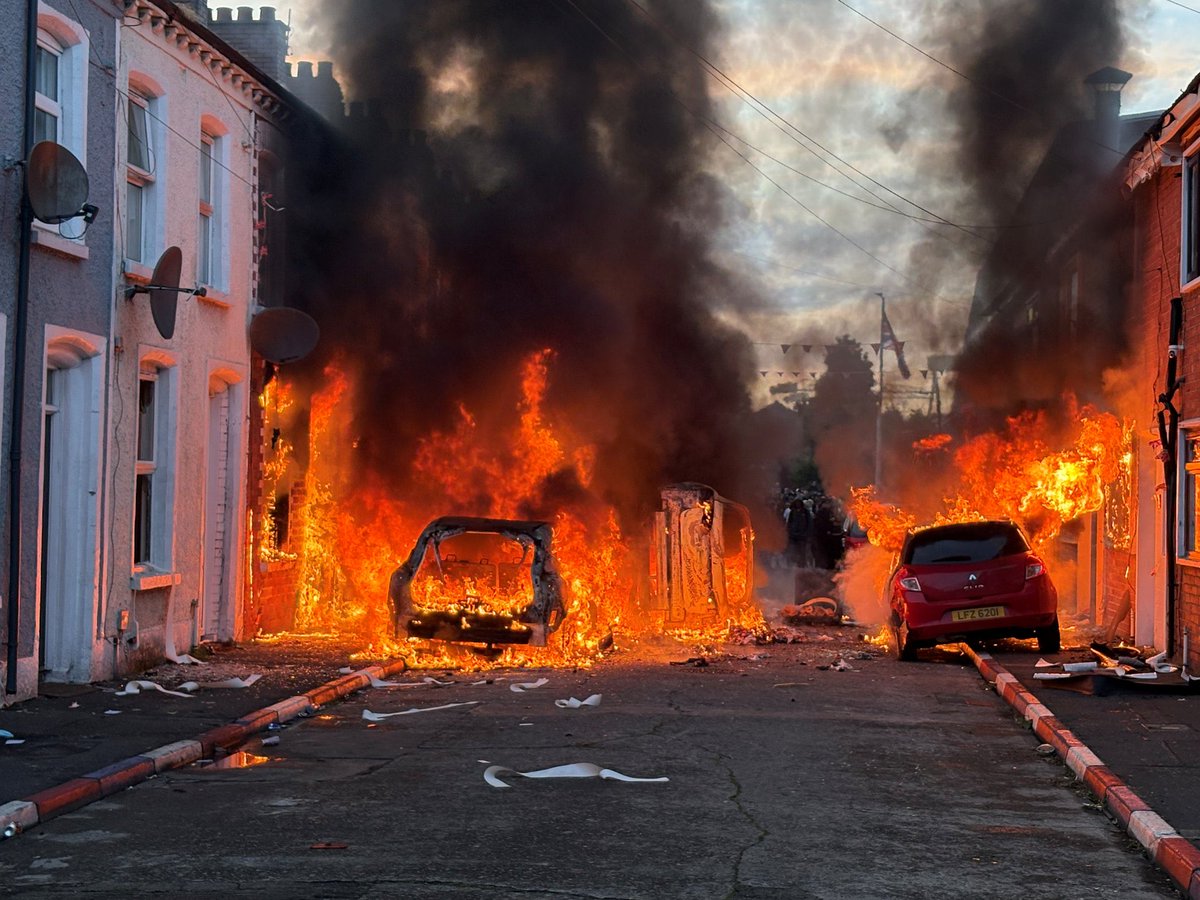
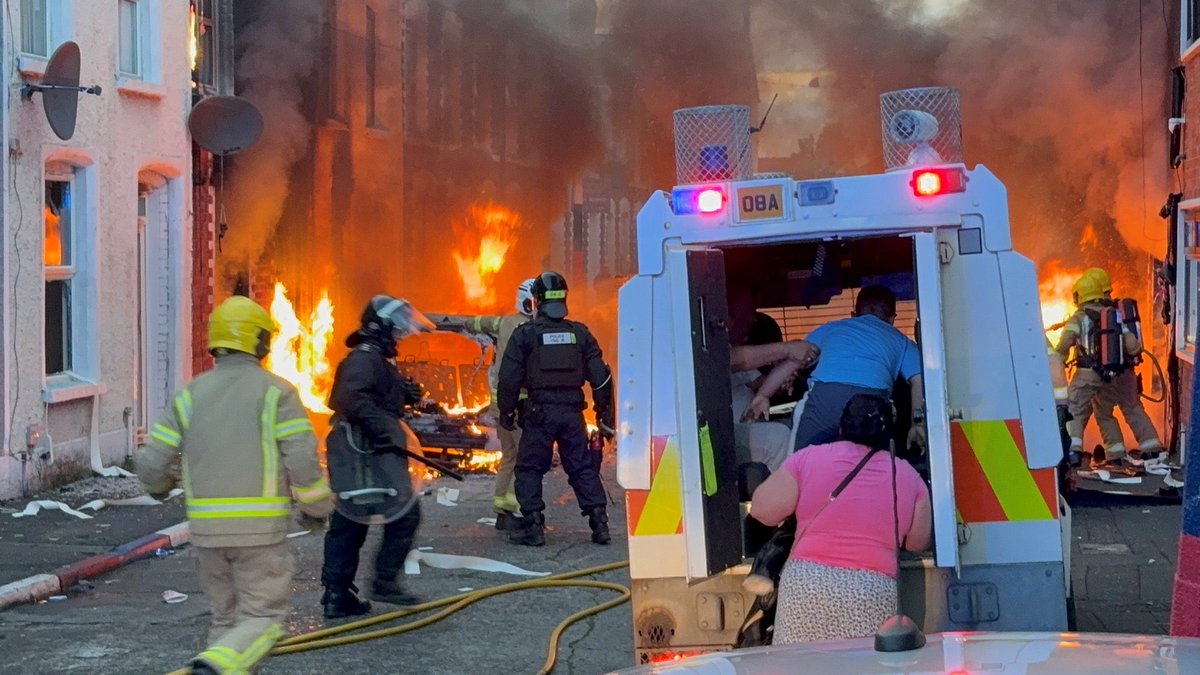
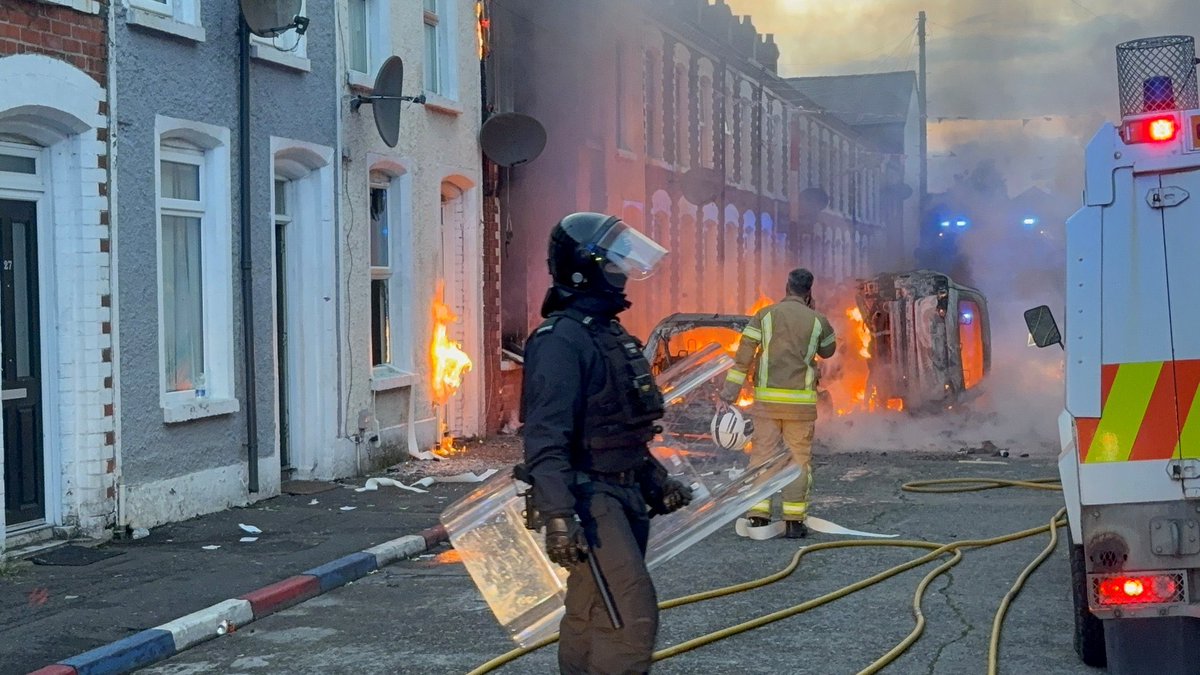
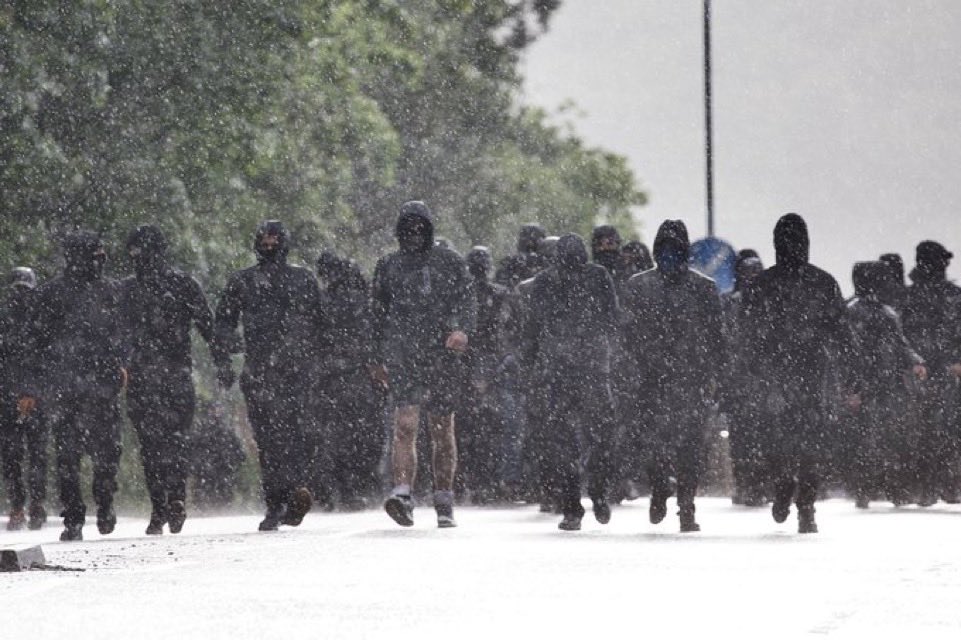
Imagine working hard to buy a home, only for thugs to set it on fire while your children are inside watching television.
These families have nothing to do with this conflict. Burning down innocent people's homes is not a protest, it is purely vile and criminal.
266
469
1,724
39,864
Emerson B retweeted
Jun 10
This hasn’t gone viral the way it should.
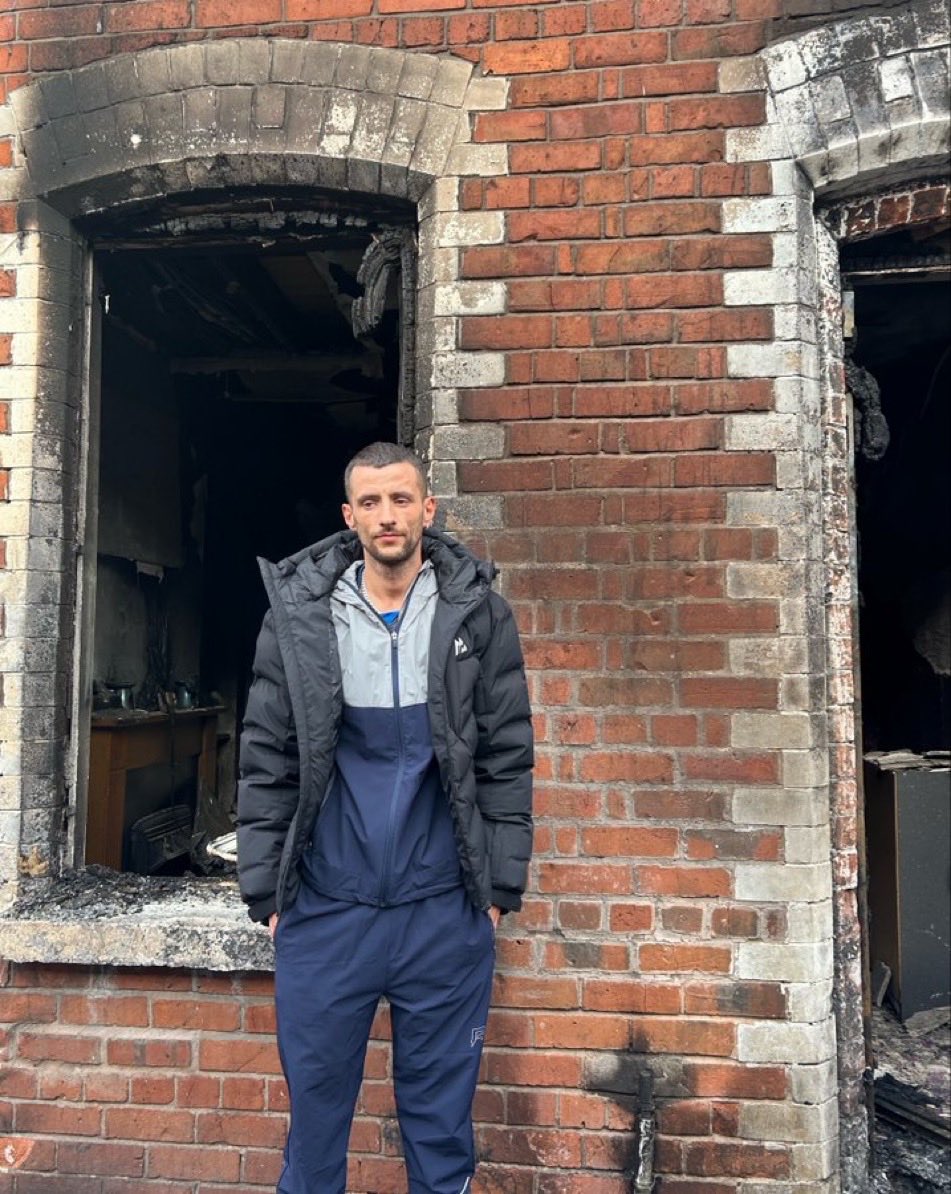
Jamie Corry, an Irish lad from east Belfast, has lost his home of 13 years after masked rioters set fire to cars outside and it engulfed his house in last night’s violent chaos.
He stood right there and begged one of them:
“This is my house. This is my house.”
They didn’t care.
They burned it anyway.
“They’ve done it to one of their own.”
These racist, uneducated thugs and street urchins destroy everything in their path. They don’t care who gets hurt: locals, families, their own community. Just mindless arsonists ruining innocent lives with no excuse.
818
4,219
14,663
1,490,269

Jun 8
RT @Andieldufrense: I need to make this abundantly clear, after following this case now since August 2023, I can see how this wretched diab…
43
Emerson B retweeted

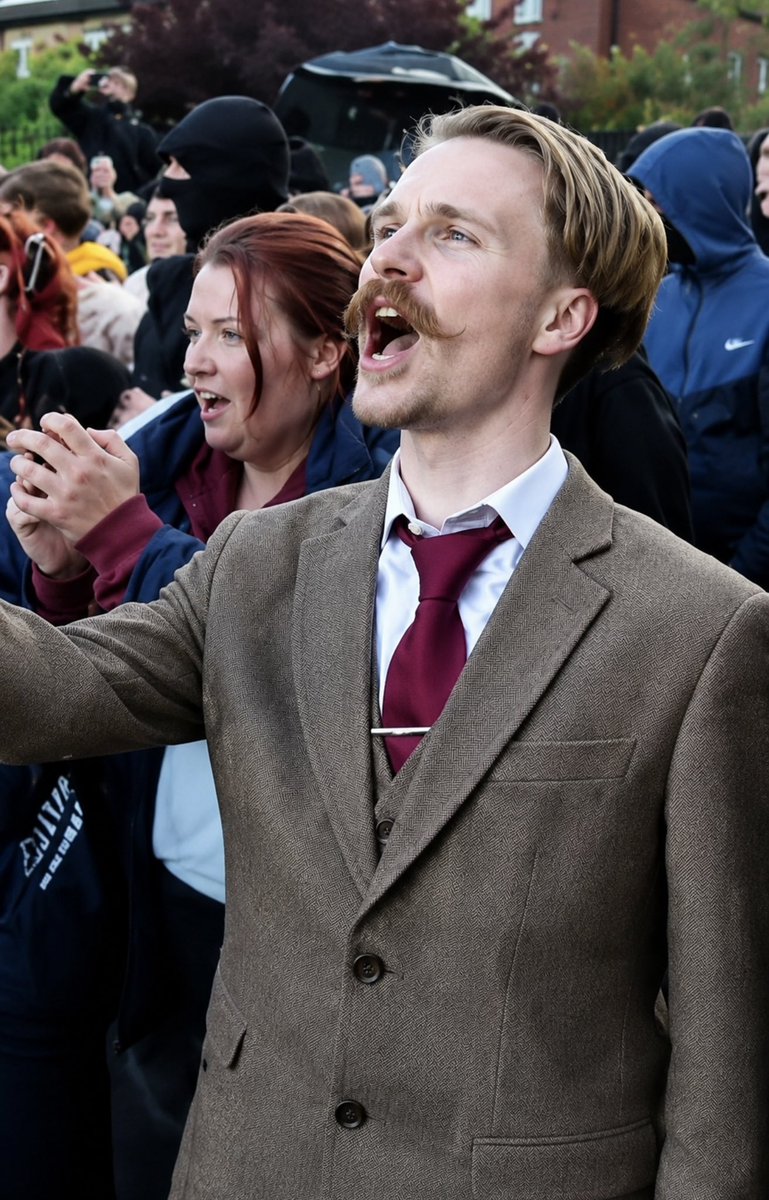
You guys are such cliches. He has no idea what he's wearing. He's buttoned both buttons on a two button jacket, which is basically never acceptable. He's wearing a tie pin with a waistcoat. The collar is wrong and it's unbuttoned. Combining 1920s hair with a Victorian moustache is gauche. He looks like a waiter at a try-hard artisanal cocktail place in 2014.
Jun 3

I don’t know who this bloke is, but he looks like he’s stepped straight out of a different era.
The suit. The tie. The moustache. The confidence.
A proper throwback to an England that valued character, individuality and a bit of class. 👏👍✊🇬🇧👌❤️🙏
792
1,723
53,202
2,571,236
Emerson B retweeted

Jun 3
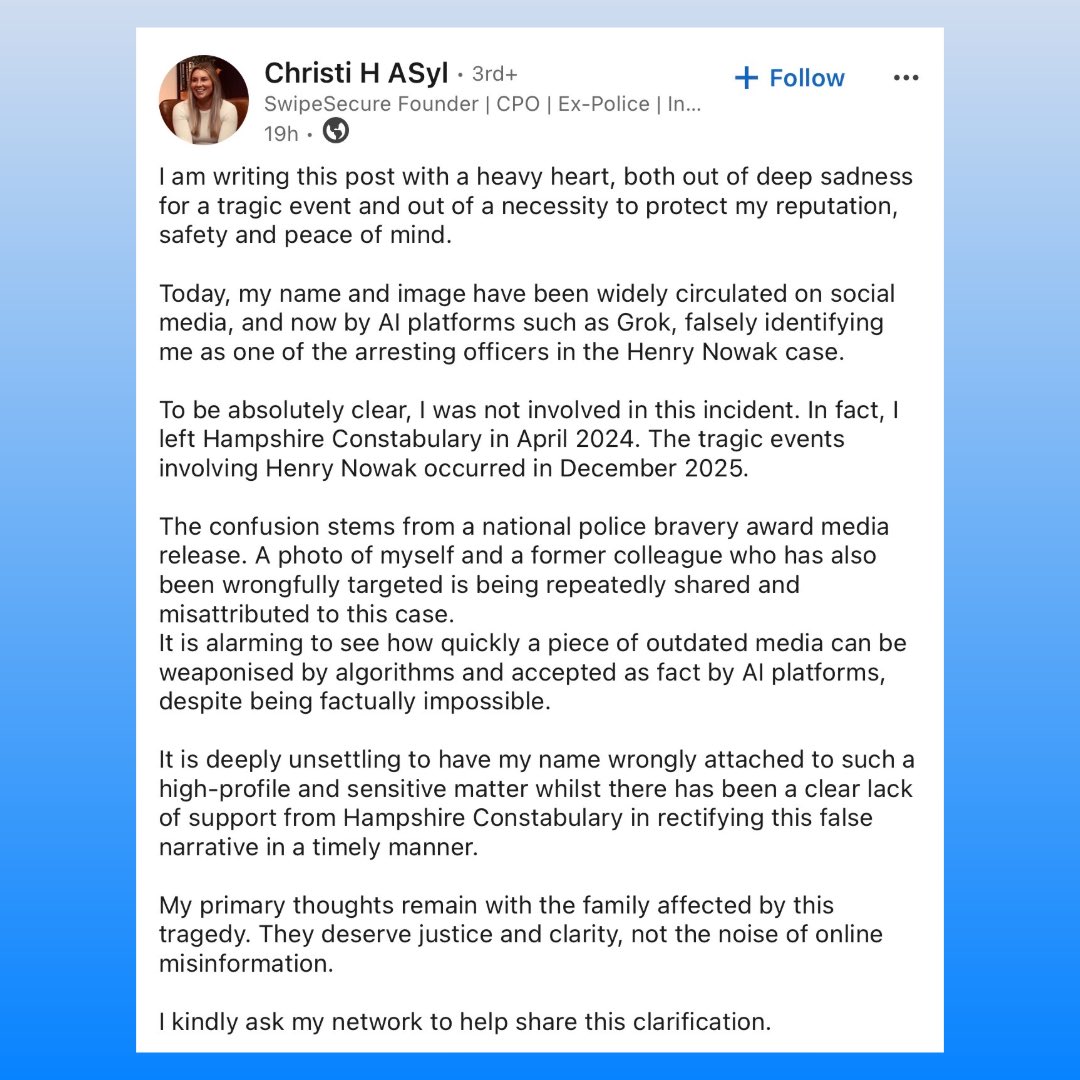
An important post to share please - it concerns an ex-police officer (PC Christi Hill) who has been incorrectly named all over social media as one of the officers involved in the Henry Nowak case.
36
417
604
32,797
Emerson B retweeted

Jun 2
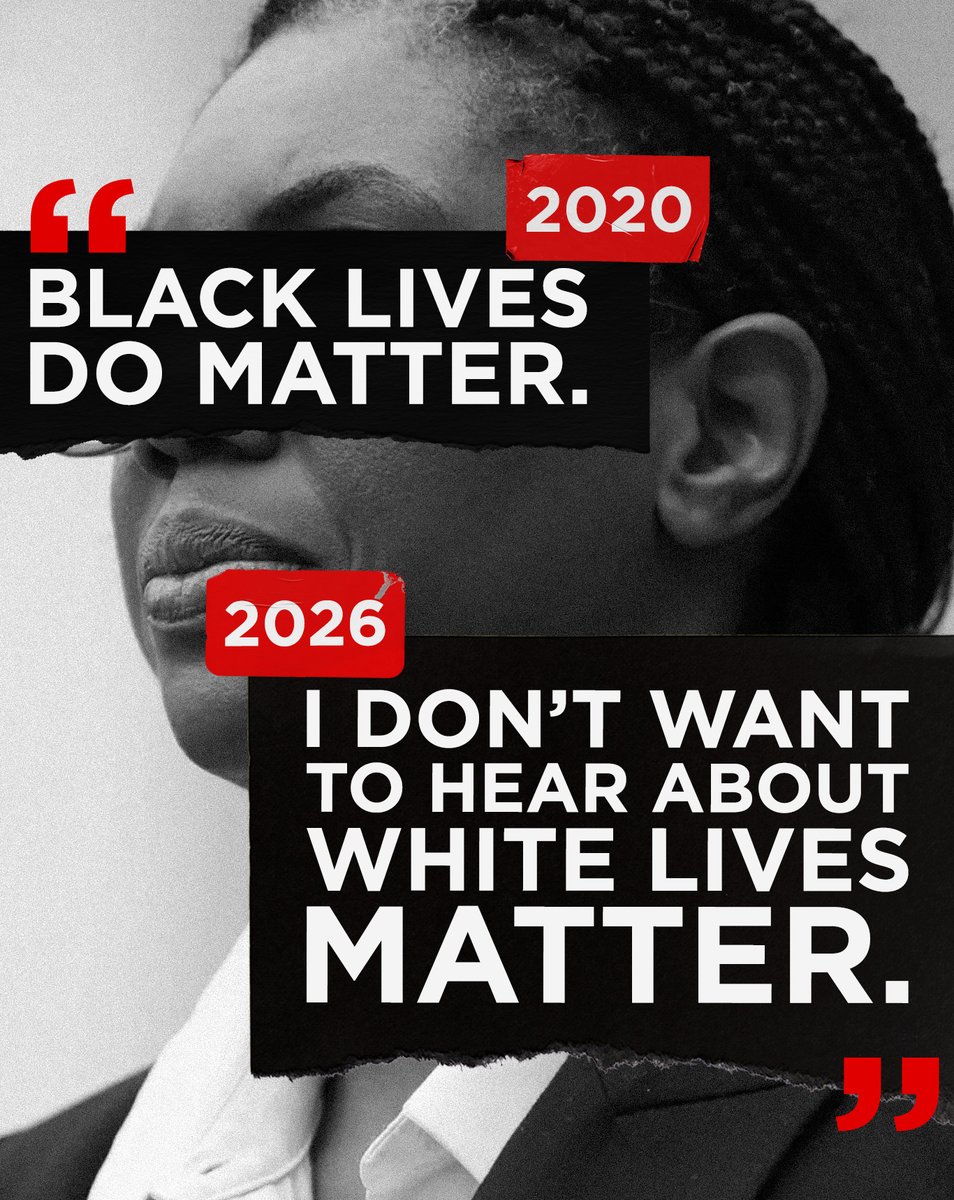
Reform’s attack on @KemiBadenoch is a straightforward lie, and everyone can see it.
Here’s what Kemi actually said this morning ⬇️

Jun 2

Kemi Badenoch, just like Starmer, doesn’t care.
Only Reform UK will openly say that white lives matter too.
125
317
1,600
83,480
Emerson B retweeted

Jun 2
I don’t want to hear about Black Lives Matter.
I don’t want to hear about White Lives Matter.
Everyone matters.
Henry Nowak matters.
2,647
4,350
39,284
1,805,524
Emerson B retweeted

Jun 2
Some of these people can't even manage a few seconds of silence for that poor lad and you're telling me they are there for the right reasons?????
Jun 2

They tried to do a minute of silence for Henry Nowak outside Southampton police station
36
473
6,141
118,038
Jun 2
This isn’t for Henry. This isn’t what his family wanted :-( #henrynowak #southamptonprotest
2
3
212
Emerson B retweeted

Much easier to use a knife if you've got a knife on you though, eh?
The law needs to be the same for everyone: no one carrying knives on the street, full stop.
Jun 2

🚨 NEW: The Government will not ban Sikhs from carrying ceremonial knives, one of which was used in Henry Nowak's murder
Home Secretary: "Carrying a knife for the purpose of religious observance is one thing - using it is quite another"
336
1,178
7,006
99,347
Emerson B retweeted

New Substack essay:
THE MURDER OF HENRY NOWAK
woes.blog/p/the-murder-of-he…
87
675
3,683
575,343