
Weed Life 🏴
Joined August 2014
- Tweets 107,257
- Following 4,680
- Followers 15,799
- Likes 160,221
22,484 Photos and videos



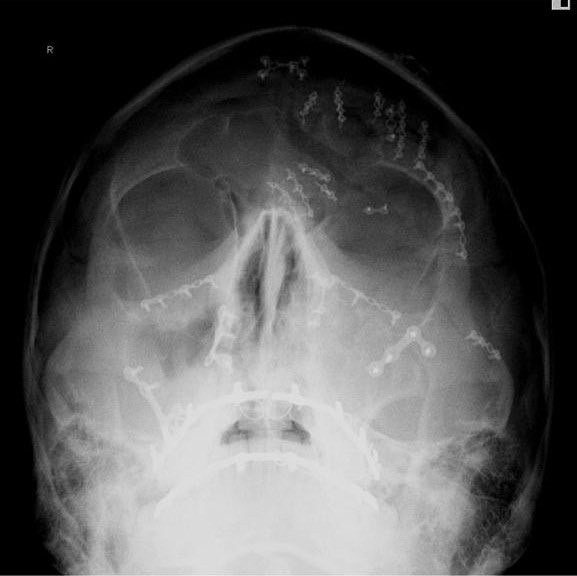


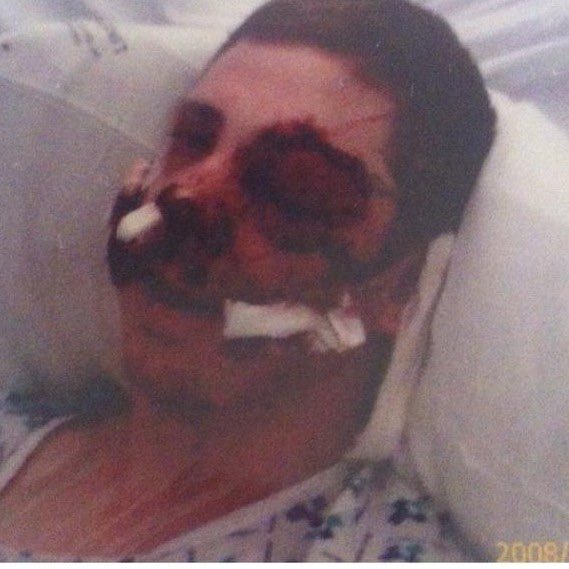


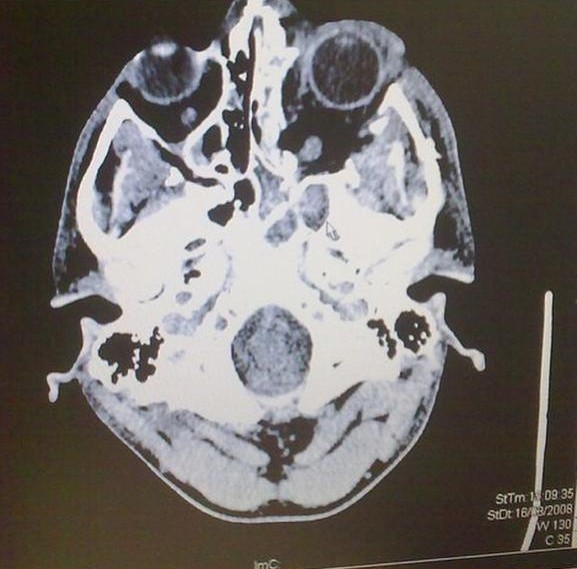
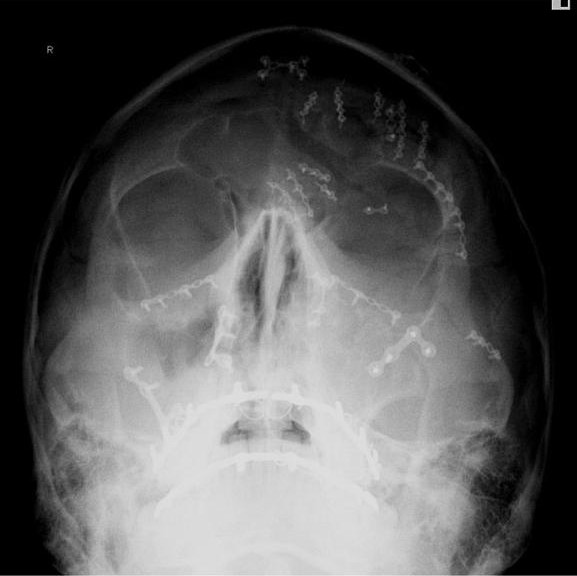
One night my life changed.
I was involved in a RTA
I was given a 4% chance to live
After multiple resuscitations
The Dr saved my life
And then proceeded to neglected me (botched operations) check bio 👀
For years I've been miss treated and told to take these pills.


30
12
143


K retweeted

9h
Chemdog x Lavender by @humboldt_csi 57 days into 12/12. The seeds for this plant were freebies with an order 🔥💚
4
4
38
746

K retweeted

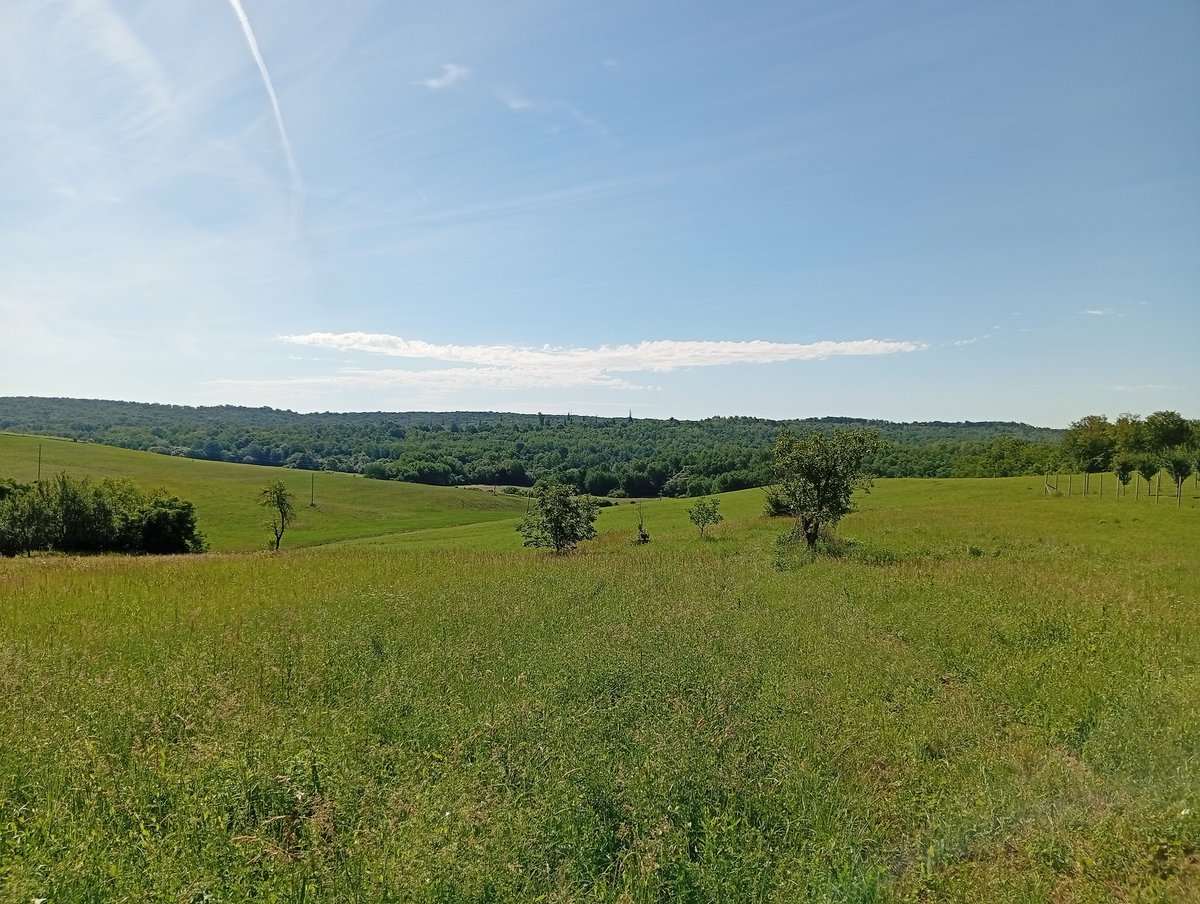
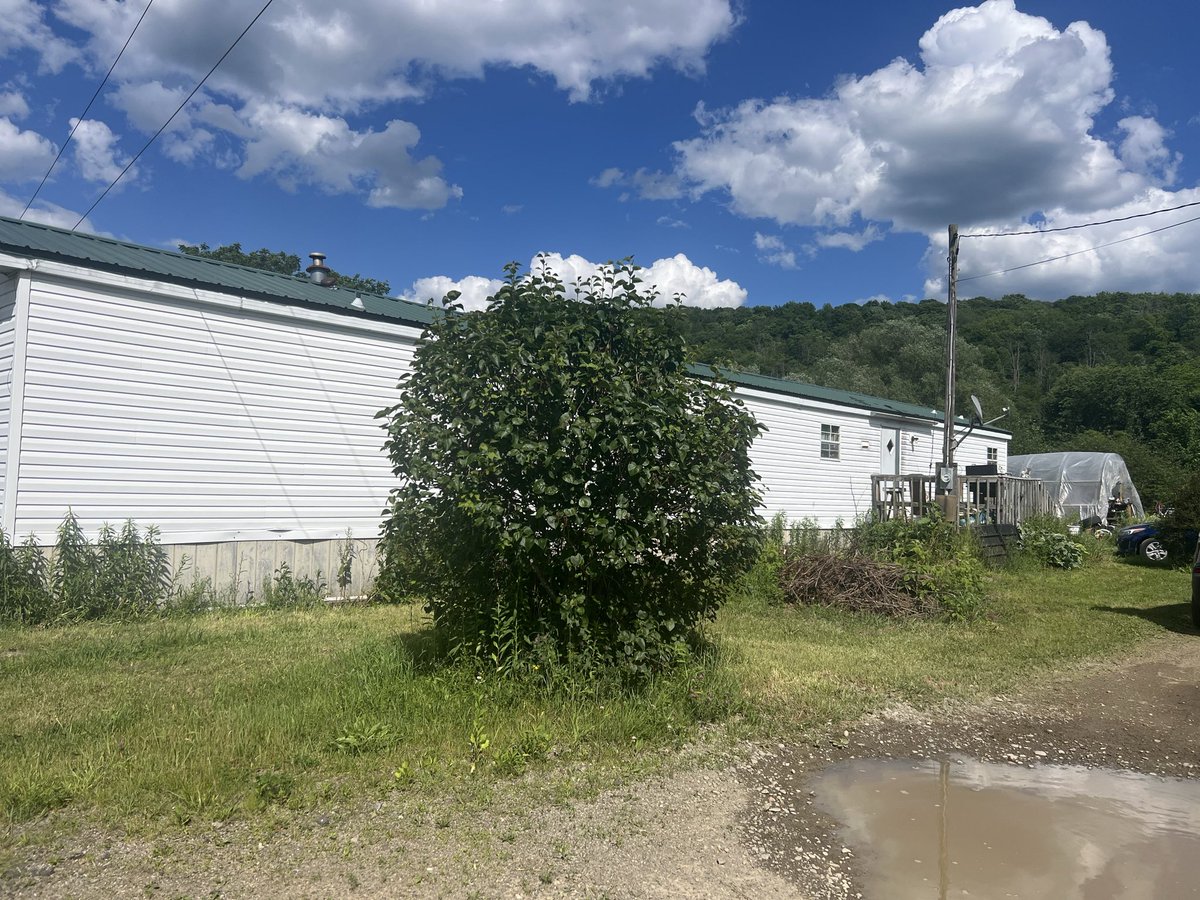
It’s a war against people like me in the cannabis world. I grew up here and have worked for everything I own.
You’d think if you did the right things and work hard things would work out.
Instead the rich place a government department like @nys_cannabis in your way to fuck you every chance they get.
It’s not a government for us it’s a cartel for the rich
1
2
20
327
K retweeted

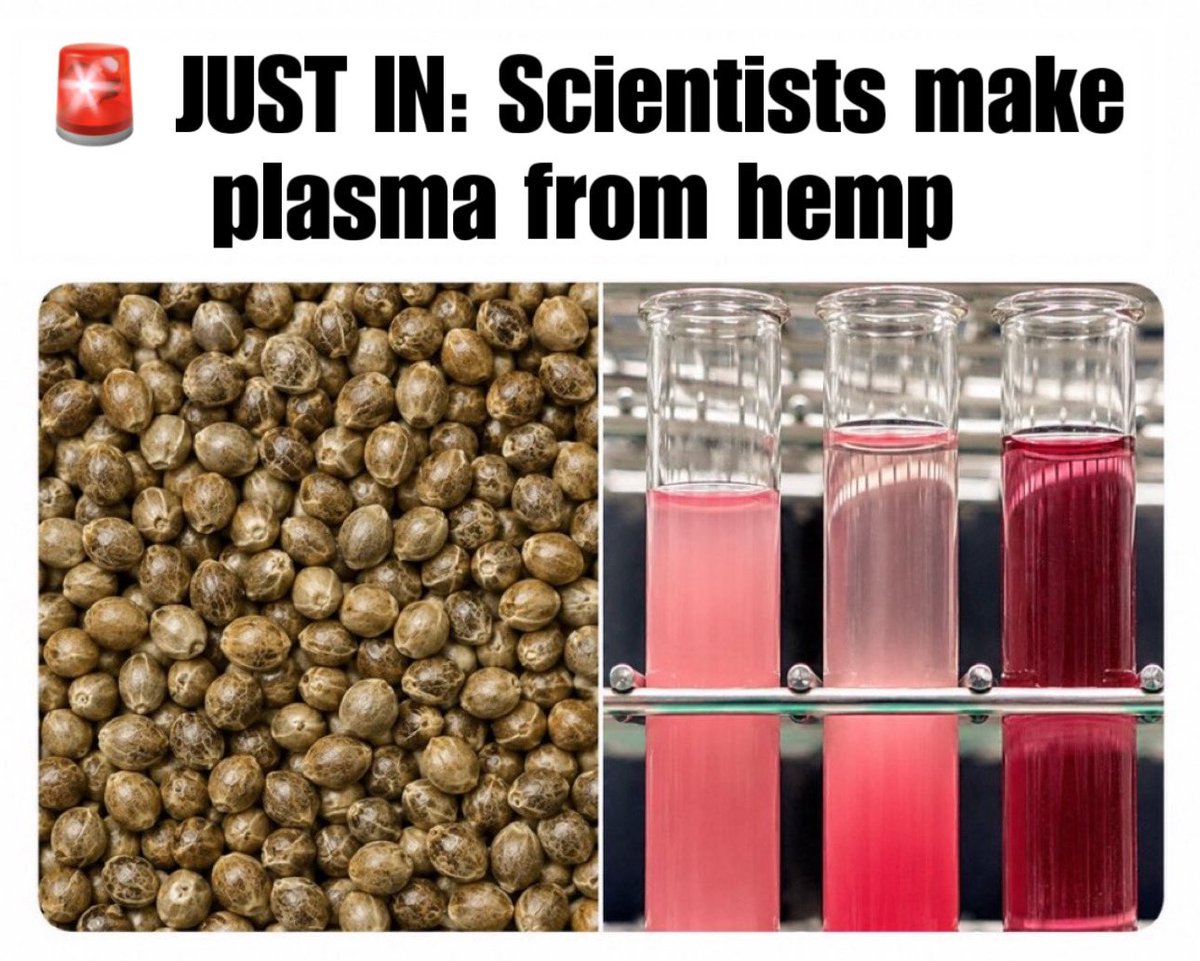
Czech biotech project developing a blood plasma substitute using edestin, a major protein extracted from industrial hemp seeds.
What is actually happening?
Plasma for People (P4P Technology, Czech Republic) is working on an intravenous colloid solution made primarily from purified edestin (sometimes spelled edestine) dissolved in saline. This aims to serve as a volume expander and protein replacement in cases of shock, burns, major surgery, or fluid loss — similar to how human albumin or certain synthetic colloids are used today.
Edestin is a globular storage protein that makes up 60–80% of the protein in hemp seeds. It has a hexameric structure and amino acid profile that gives it good nutritional value and some biochemical similarities to human serum globulins. Czech researchers have studied it since the 1950s; a key patent (granted 2008, building on earlier work) covers isolating edestin from hemp seeds via cold pressing/extraction methods and formulating it into a sterile IV solution.
The company reports:
• Achieving very high purity (up to 99.9%).
• Successful preclinical animal testing (including primates) showing good compatibility and no major immune reactions.
• They already sell an oral dietary supplement called Bloody Vital containing edestin for general wellness/recovery use.
Current status (as of latest available information): Still in the preclinical phase. They have the IP and proof-of-concept production but are seeking funding for human clinical trials and regulatory approval. No completed large-scale human trials or market authorization have been publicly reported. Claims of ~10× lower cost, pathogen-free production, universal compatibility, longer shelf life, and ethical advantages (no human/animal donor blood) are plausible on paper but require rigorous clinical validation.
Why hemp seeds?
Hemp seeds are already valued for protein, oil, and nutrition. Edestin stands out because it is:
• Highly bioavailable.
• Structurally interesting for medical use.
• Derivable from industrial hemp (low-THC varieties) in a sustainable, fast-growing crop.
This is separate from the fiber-focused or cannabinoid sides of the plant. It highlights another potential high-value application for hemp seeds beyond food/supplements.
Hemp seeds — the source of edestin. Industrial hemp varieties are optimized for seed/fiber, distinct from the landrace cannabis varieties you work with.
Realistic perspective
This is exciting for hemp’s versatility and could eventually help address global plasma shortages (demand far outstrips supply in many regions). A stable, plant-based, lower-cost alternative with no infection risk would be genuinely useful — especially in trauma care, developing regions, or for patients with religious/ethical objections to blood products.
However, blood plasma is complex. Human plasma contains albumin plus clotting factors, antibodies, and other components. An edestin-based solution would likely function more like a targeted albumin/colloid expander than a full synthetic plasma. Regulatory pathways for injectable biologics are strict; safety, consistency, efficacy, and manufacturing scale all need proving.
There is also unrelated materials-science work using cold atmospheric plasma (a physical plasma technology) to modify hemp fiber surfaces for better composites — but that is not what the headlines mean.
📰 @Intl_Highlife
#HempPlasma #Edestin #HempBloodPlasma #PlantBasedPlasma #HempInnovation #MedicalInnovation #SustainableHealthcare #DidYouKnow
6
7
35
817


K retweeted

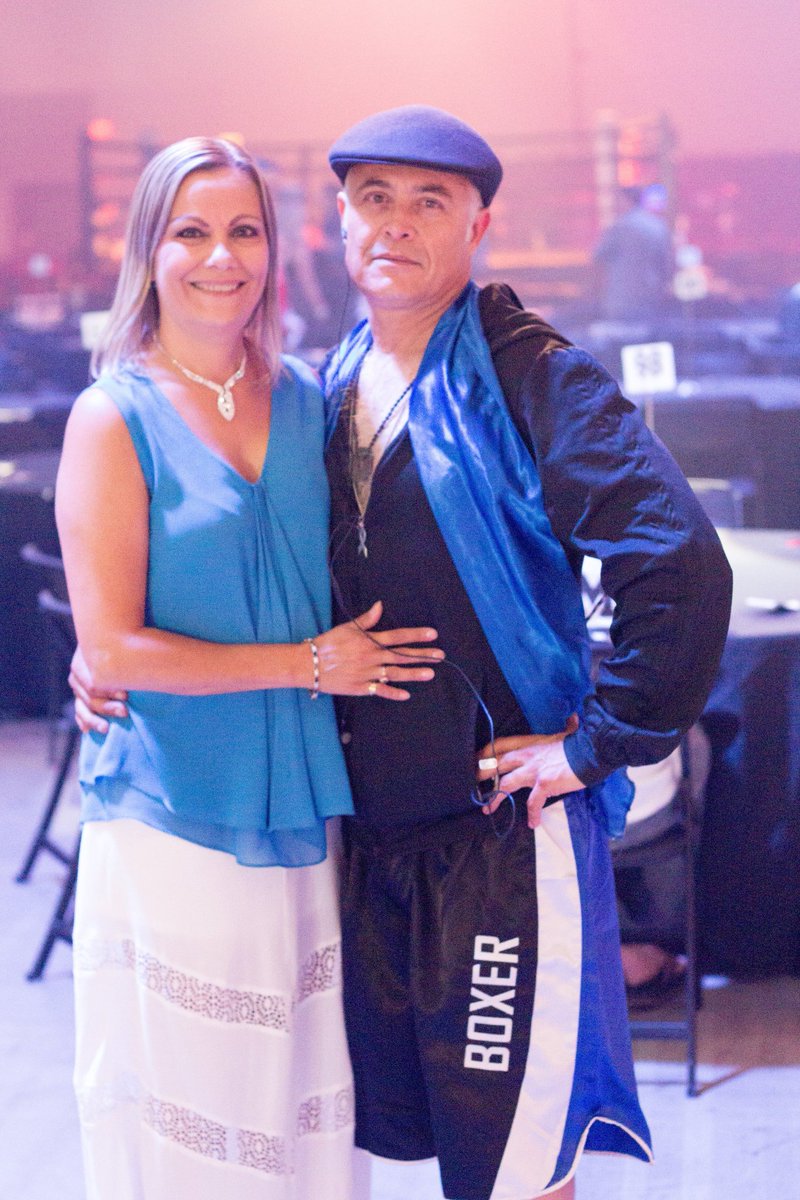
Can't believe it's been 8 years. More pics on the comments. Here is my and Mrs, before the beard. Boxing in a big venue for the first time. Trained for 6 months, hard. HUGE underdog, won by TKO 1:28 of round 1. Raised $84k for childhood cancer research, including brain tumours
7
5
36
613
K retweeted

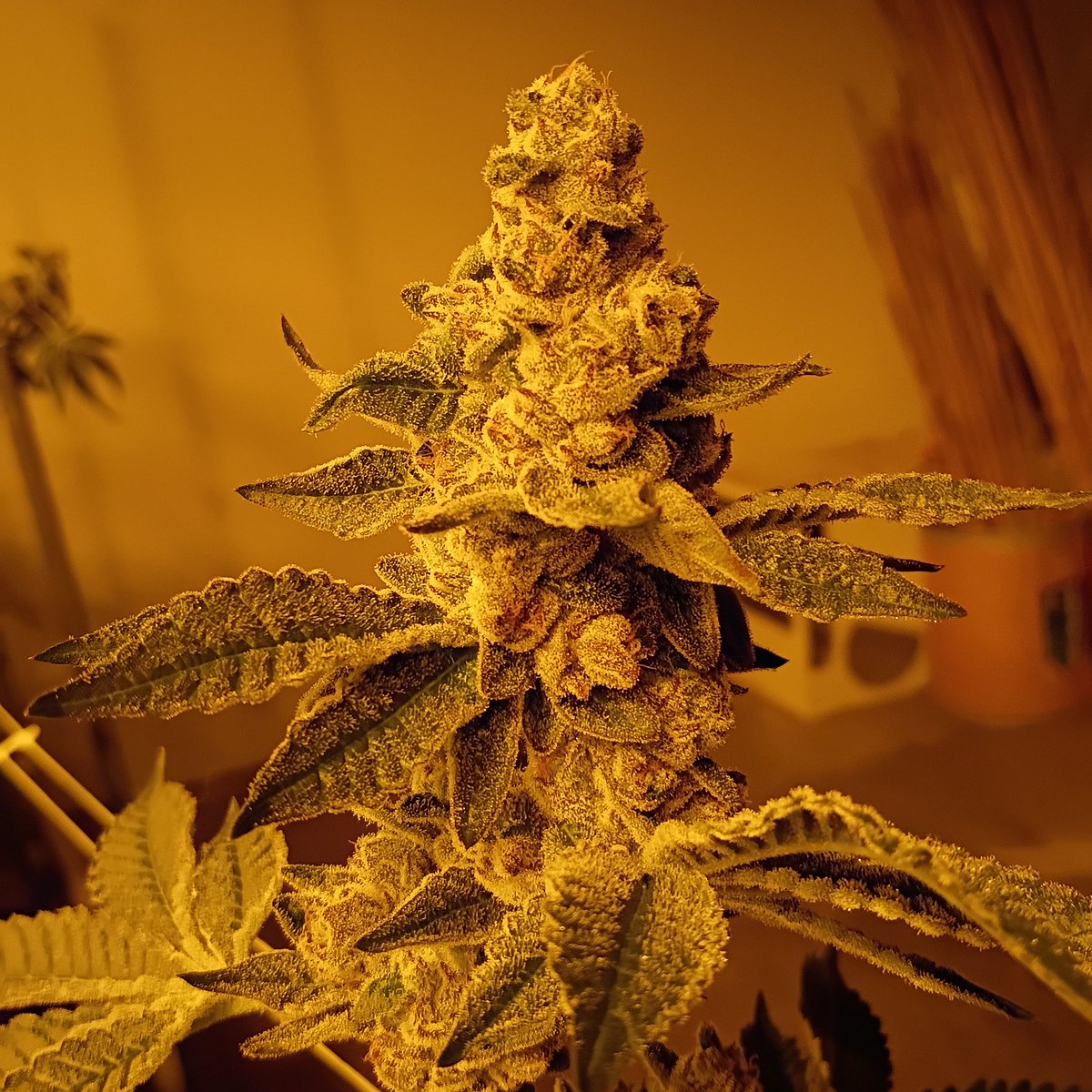
Good Morning Everyone!
Vice City looking really good!
🙂💚🤙
1
11
55
521
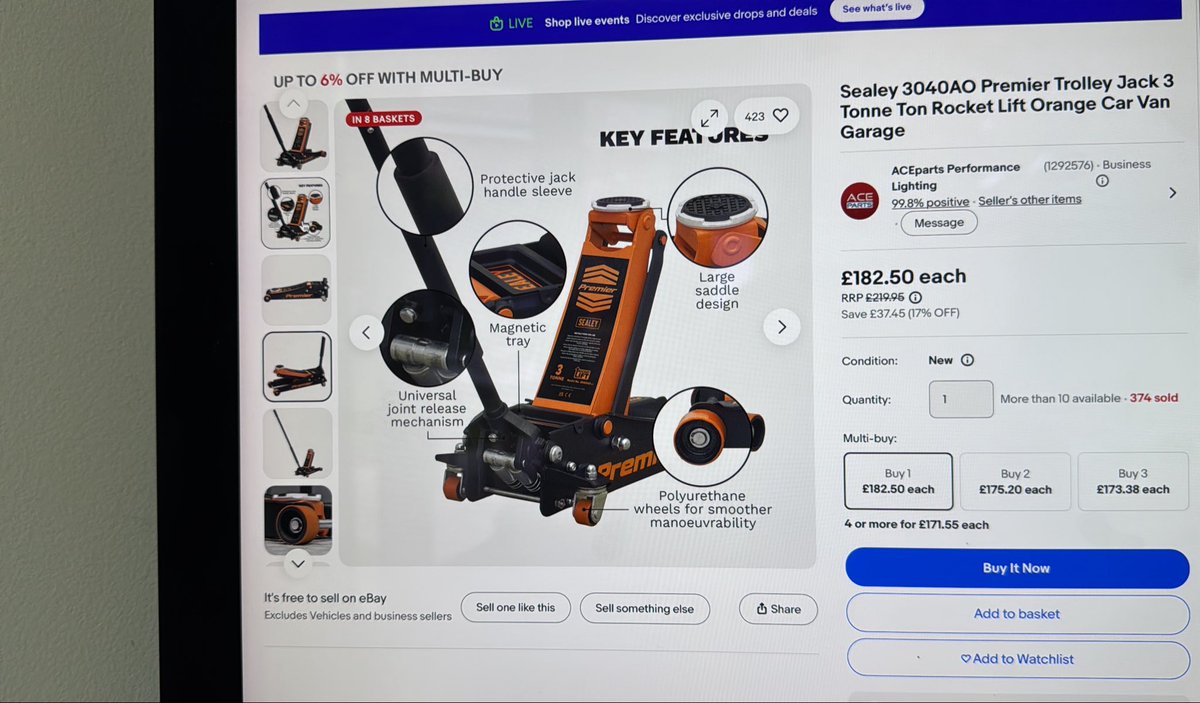
Can’t help but say rubber wheels don’t side when you’re moving the jack 👍💚

Kids asking me what I’m doing scrolling through the internet. Me: I’m trying to find a new jack with polyurethane wheels as mines just broke. They just walked of saying good luck me: 🤩
EBay strikes again 😜
1
85
K retweeted

Jun 15
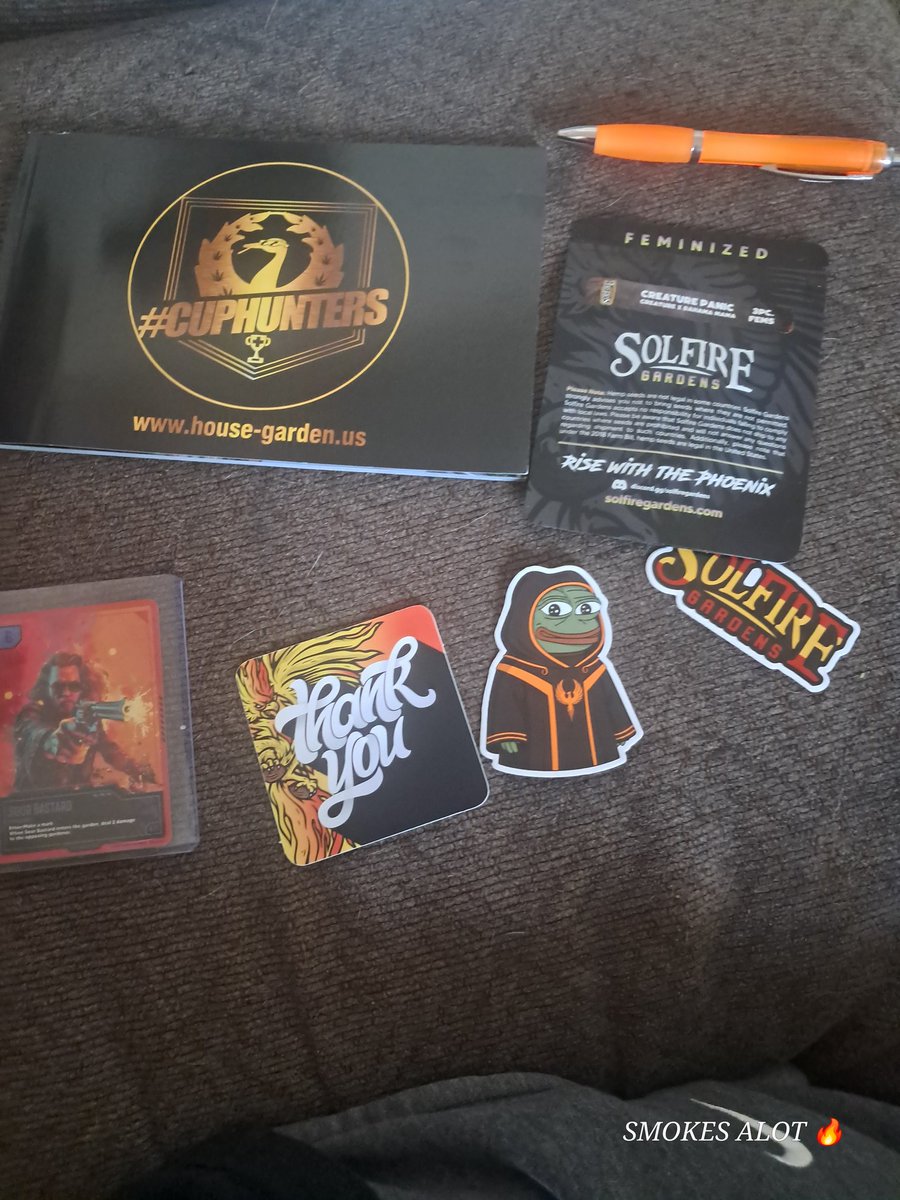
Received my daily club giveaway winnings from @SolfireGardens love the ink pen and got a new strain in also thanks again ya'll rock 😎💪🏼🔥🧬
1
1
23
515
K retweeted

May 30
3
1
7
195
K retweeted
PS5
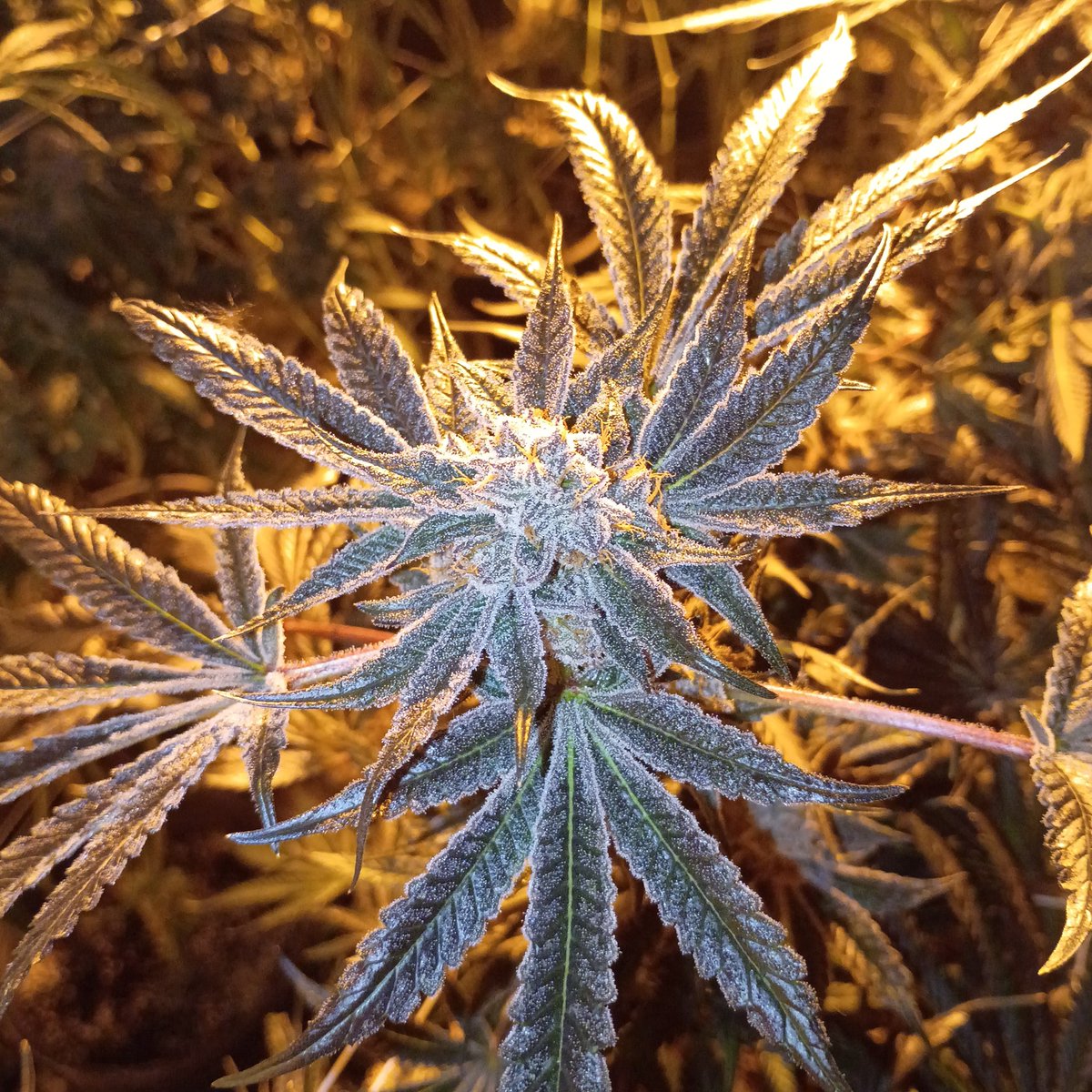
PS4 x Indigo Child Bx1
I sure wish this was a better yielding cultivar. Such beautiful colors and great aromas! 🙂💚🤙
7
14
86
1,017
K retweeted

Jun 15
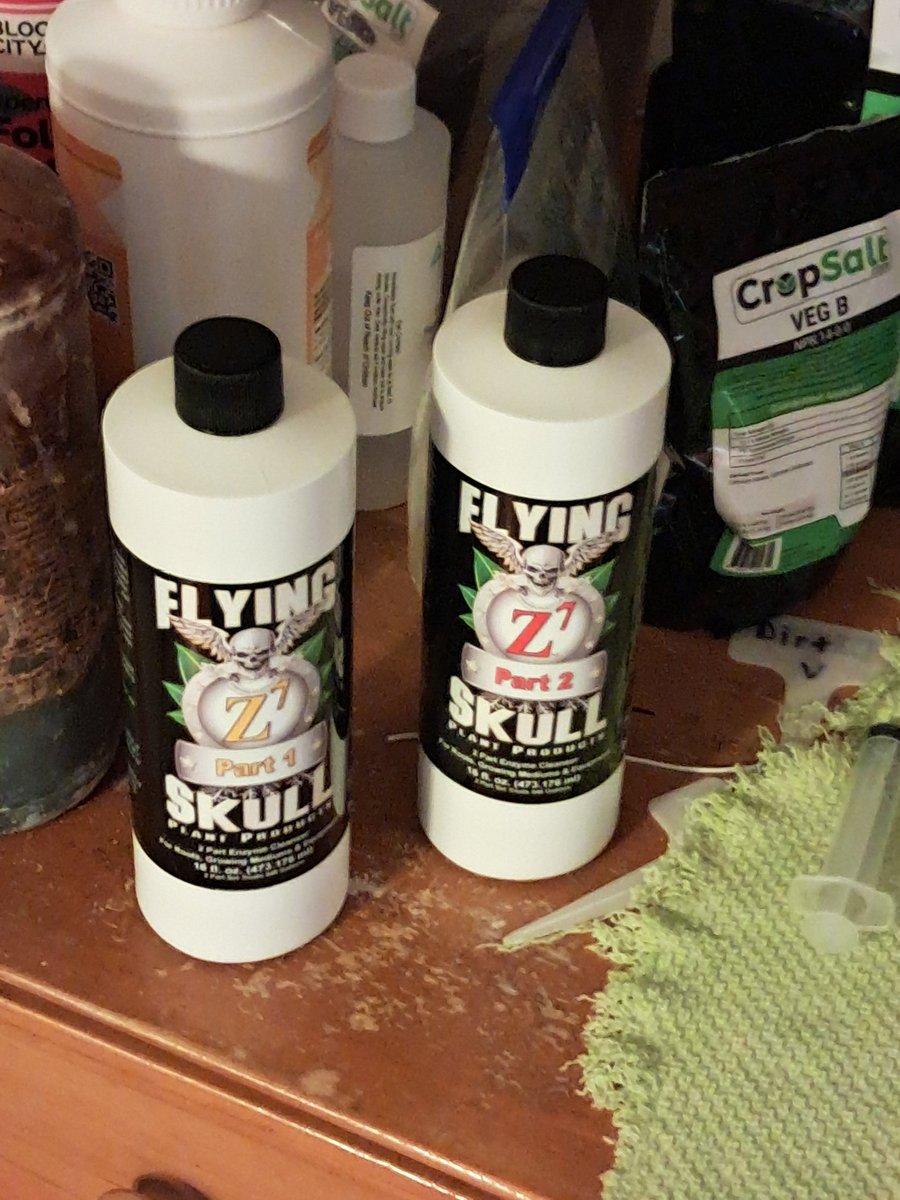
Thank you for a great product @flyingskull. It arrived when my plants started to flower. Followed their recommendations and my trays, rez, and air stones were so clean upon removing. I used RunClean for a couple of years. There is absolutely a huge difference. Customer for life. Thanks again
1
1
6
166

K retweeted


10
34
236
6,723
K retweeted

A cancer patient begs for the one thing that eases his pain and nausea, yet it’s illegal. Veterans drown in pills while the plant that silences their nightmares stays forbidden. Kids get criminal records for life over a joint.. Weed is safer than alcohol or opioids, yet we choose cruelty over compassion. Legalizing it is simply mercy. People are suffering. Let them breathe!
7
40
129
1,985