
Quant fan. tweets are for info only and not financial advice, DYOR before investing in anything. All likes, retweets & follows are very much appreciated!
Joined March 2018
- Tweets 15,358
- Following 2,465
- Followers 5,457
- Likes 35,816
510 Photos and videos








Pinned Tweet

22 Oct 2022
Everyone should listen to this incredibly enlightening conversation #rogerwaters #Joerogan
open.spotify.com/episode/4iC…
4
2
14
Quantessential retweeted

May 19
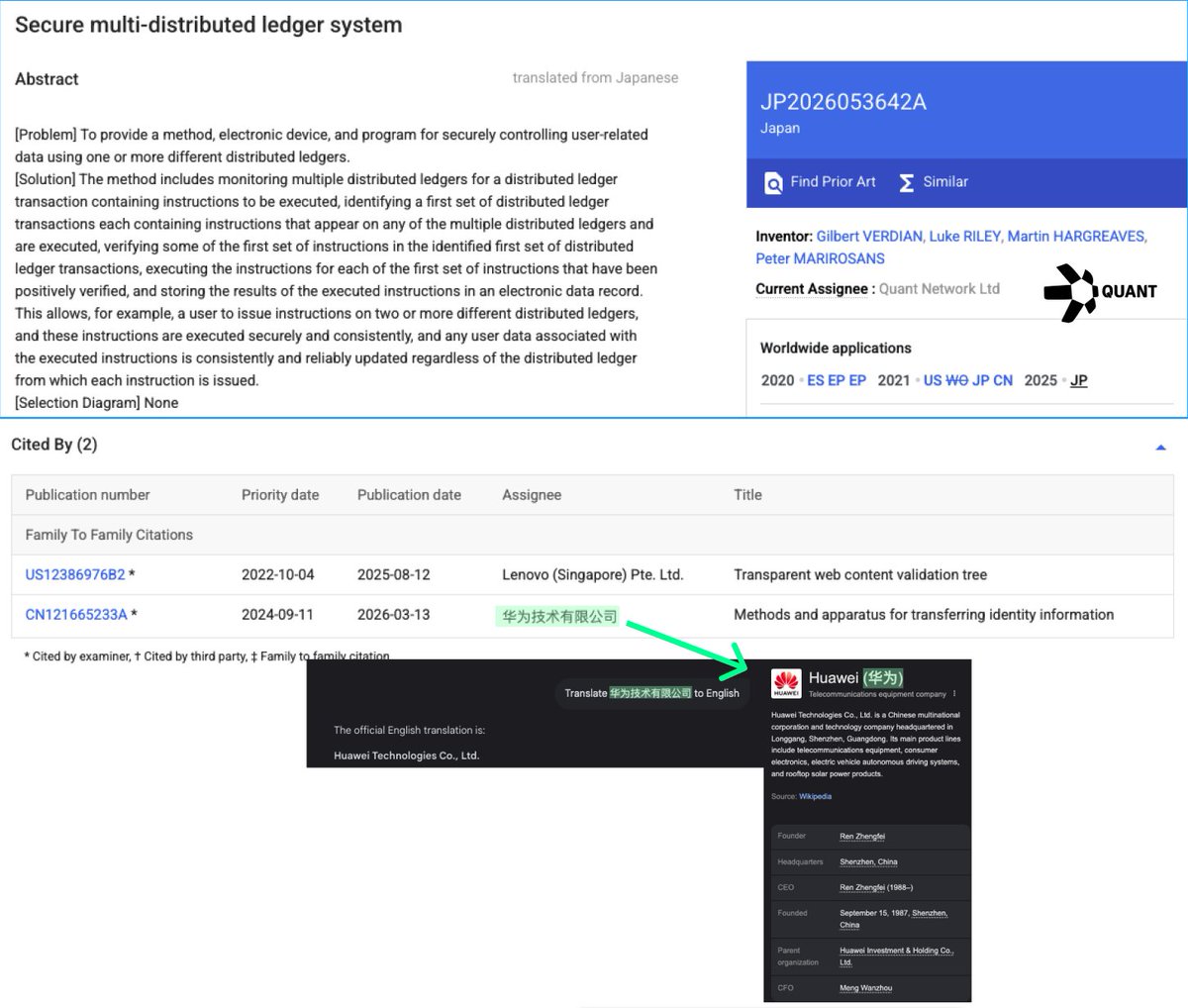
🗓️Earlier this year Japan approved $QNT 2nd patent
We saw #1 back in 2023 with "Blockchain Comms & Ordering"
Then came "Secure Multi Distributed Systems" in Feb
And it looks like patent #2 is already catching eyes!
We see 2 tech giants citing Quant's newest patent
Lenovo & Huawei✅
Both technological giants in their own respective ways.
Lenovo ranks as the #1 PC manufacturer in the world, with a reported 25-27% market share globally.
Huawei on the other hand, holds the spot for #1 globally in telecommunications infrastructure.
Both these solutions will require agnostic standardized interoperability into DLT.
And they're recognizing it early on.
These industry giants aren't dumb, they've clearly been studying over the years.
In fact we've seen these names in former SATP meetings held under the IETF.
And let's not forget... Asia's really beginning to pick up on adoption of Overledger related solutions.
From Japan's Dentsu Soken ties, to the Bank of Korea using SATP in their CBDC, all the way to China's CAICT having cited Quant's initial patent.
The Gateway to Asia's powered by Overledger🔥
5
74
294
7,059
Quantessential retweeted

Feb 7
$QNT Patents🔒: The war for interoperability is over. #QNT just legally secured the rails.
They've secured 3 foundational patents that lock down exactly how banks, blockchains & tokens connect.
This isn't just tech. It's a monopoly on the Future of Finance. Let's breakdown 🧵:

6
76
328
13,765

BREAKING🚨
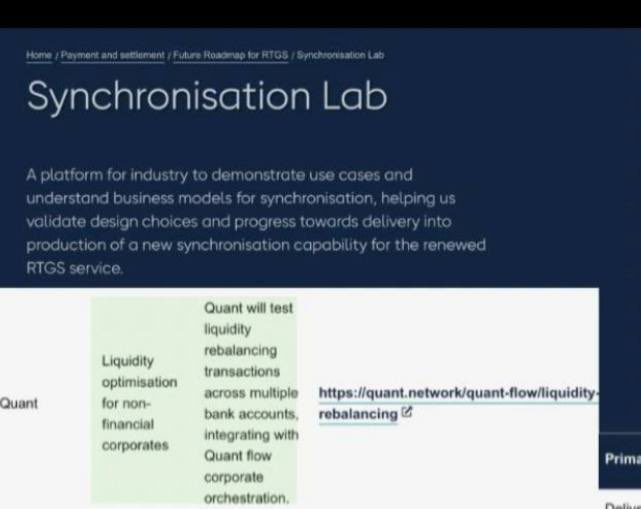
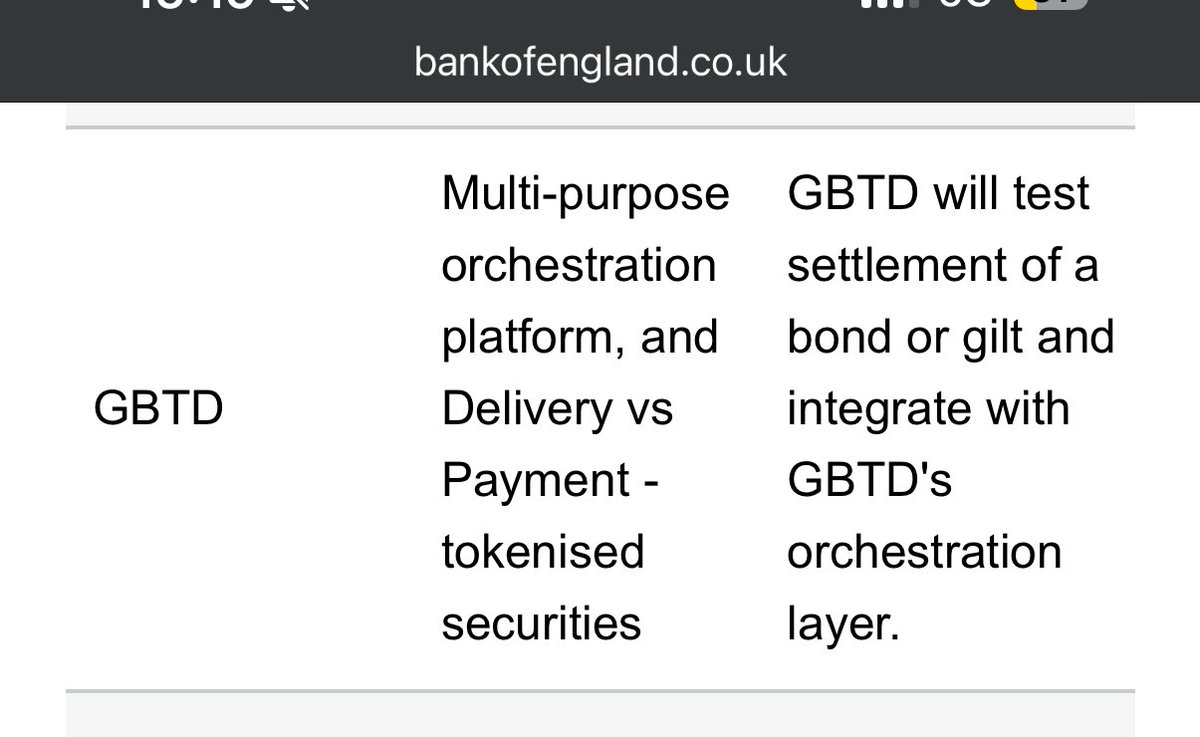
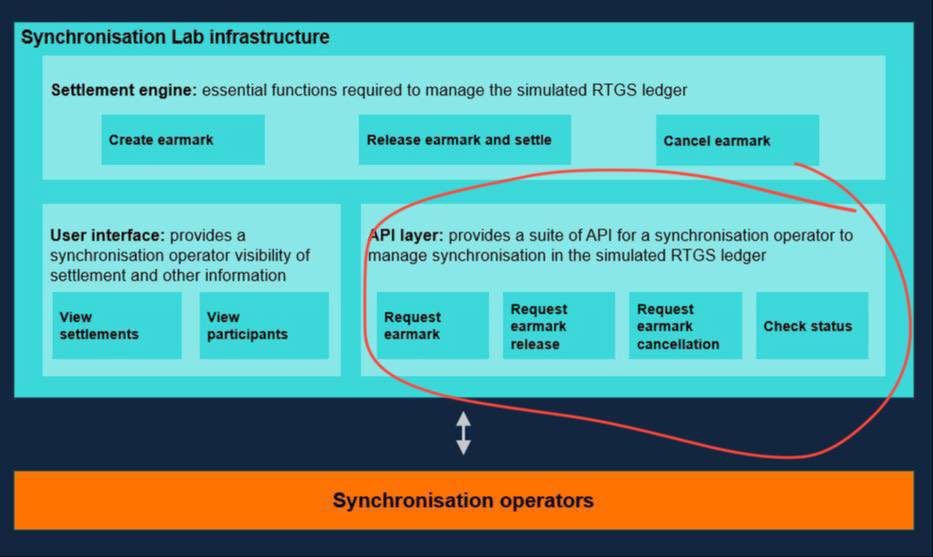
$QNT cooking on multiple front with the central Bank of England 🏴 🏦
(2026 verified✅)
1) Core API Layer in th Synchroninized lab where all other operators tap into🔥
2) Quants brand new product ‘FLOW’ being tested💪🏻
3) GBTD (tokenized deposits with 6 of the worlds largest banks build on $QNT Overledger) orchestation layer usecase
On another level💁♂️
🔮🔮🔮🔮
8
84
389
176,969
Quantessential retweeted
Feb 7
Past 365 days of $QNT
✅Selected to UK GBTD
✅Another Japan patent
✅In 3 Oracle products
✅Partner w Japan Dentsu Soken
✅UK x EU Tokenized Collateral
✅Bank of Japan CBDC Sandbox
✅ECB Digital Euro design phase
✅Bank of England RTGS Renewal
✅Launch Flow/Fusion/Net
✅30 networks on Fusion in 1st hour
✅Announced official QNT token utility
✅Selected to Bank of England Sync Lab
✅Discover member for SIBOS 2025
The last year has given us unreal momentum.
And I got a feeling that the snowball effect is just gonna continue from here.
Patents. Tokenization. Standards. Interoperability.
It’s all coming together now. All at once.

10
95
424
12,165
Quantessential retweeted
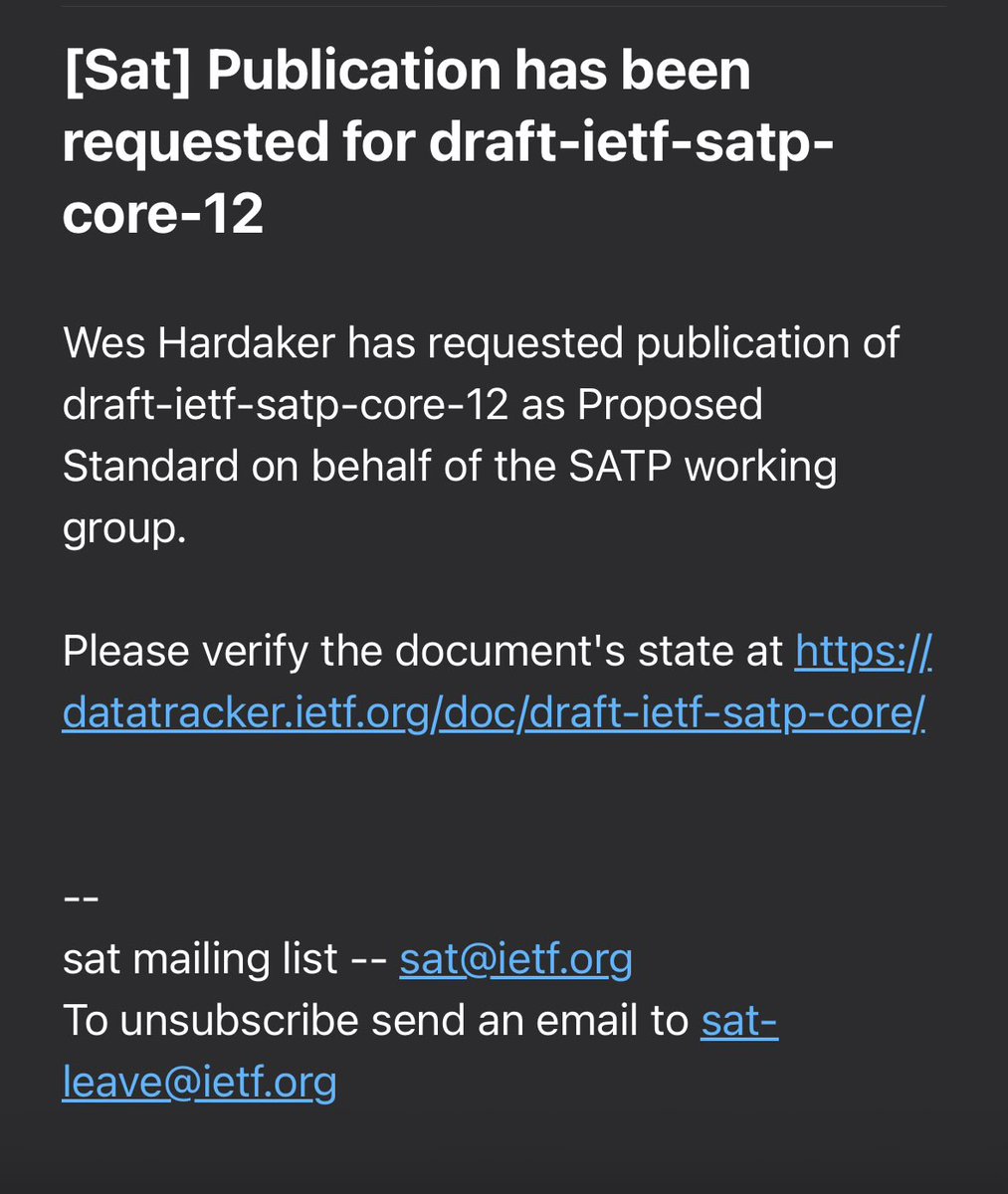
BREAKING: Wes Hardaker (a chair of the SATP Working Group) has officially asked the IETF leadership to review the SATP Core document and turn it into an RFC (Request for Comments). $QNT
An RFC is the final form of an Internet standard.
Once published, it becomes a permanent reference for developers worldwide.
12
55
235
18,743
Quantessential retweeted
Just buy the fucking coins. You can always work for more money tomorrow at your job. Savings won’t change your life.
2
7
48
1,992
Quantessential retweeted

Feb 5
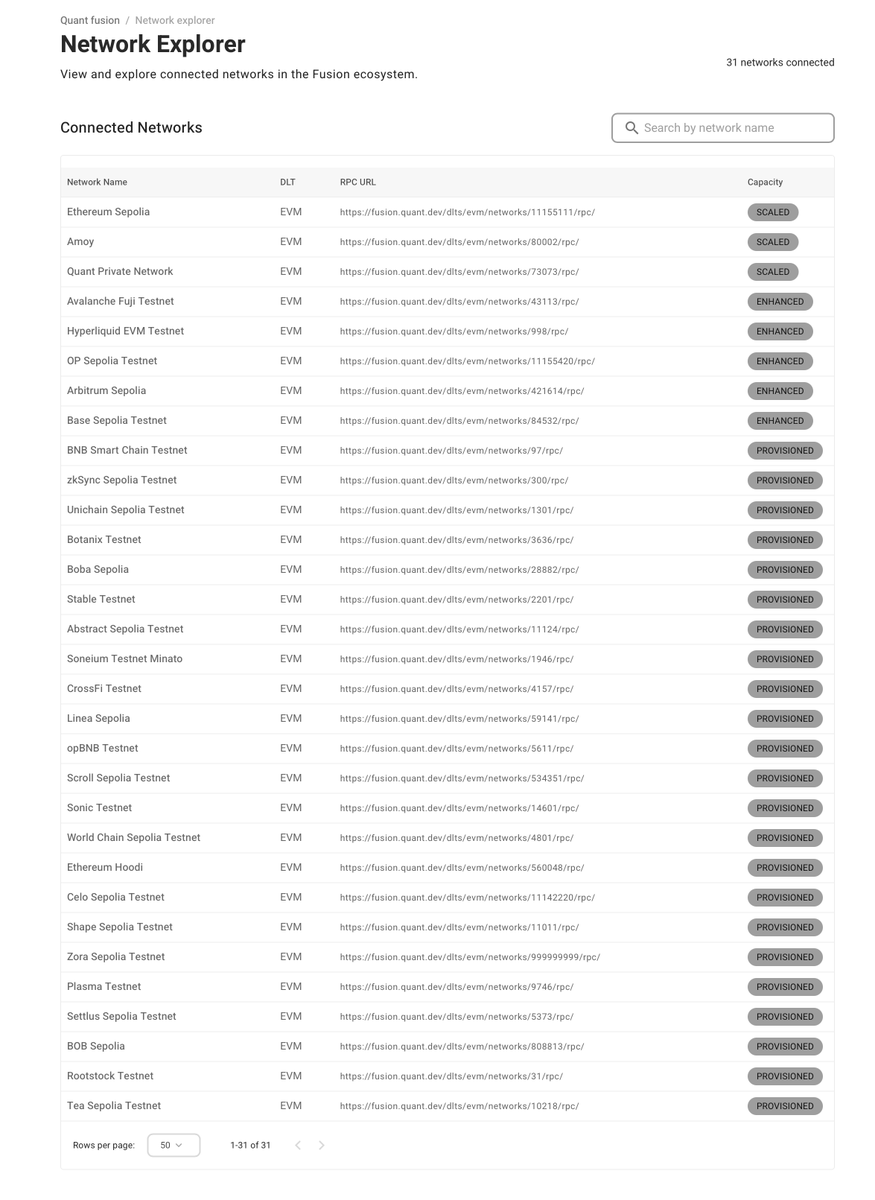
The Layer 2.5 Network of Networks @FusionLayer25 is coming together nicely!
31 Networks connected in the first hour! 🚀
Sign up and interoperate: connect.overledger.dev/quant…
46
244
857
65,456
Quantessential retweeted
Jan 18
Yet technology alone is not enough. For this transformation to benefit everyone, it must be built on foundations of trust, interoperability, and governance. Without these, scale creates silos, and innovation outpaces coordination.
This is where the next phase of the journey leads. As AI becomes a core layer of digital infrastructure, interoperability becomes the mechanism that allows intelligence to move seamlessly across networks, organisations, and jurisdictions. Trust becomes programmable, embedded directly into systems rather than enforced after the fact.
At @quantnetwork, our focus has always been on enabling systems to work together across technologies, markets, and borders. In an AI-driven world, this capability becomes essential. It ensures that as productivity accelerates, participation broadens; as systems become more powerful, they also become more accessible.
It is a future where growth is not limited by legacy infrastructure or fragmented systems, but enabled by connected, trusted digital foundations.
15
88
519
15,813
Quantessential retweeted
Jan 18
For decades, we have built technology by hand carefully assembling systems piece by piece, much like factories operated before the Industrial Revolution. Progress was steady, but it was constrained by human scale and linear growth.
Artificial intelligence marks a fundamental inflection point. AI is the Industrial Revolution of technology itself: a transition from manual construction to automated, intelligent production. This shift unlocks exponential increases in output, embeds efficiency and scalability by design, and continuously elevates quality.
More importantly, this is not a future that concentrates capability in the hands of a few. It is a journey toward a world where everyone can be skilled up, where individuals and organisations can contribute meaningfully to global output, and where value creation is no longer limited by access to capital, geography, or legacy infrastructure.
As AI becomes part of the fabric of how systems are built and operated, productivity becomes more inclusive, opportunity more evenly distributed, and economic participation broader than at any point in history.
The result is not just faster technology, but a step change in human progress, one that enables shared prosperity at a scale the world has never experienced before.
15
168
754
34,308
Quantessential retweeted
Jan 7
For decades, money has been electronic but fundamentally limited, operating through simple push-and-pull mechanisms. It hasn’t evolved in step with our digital world and with tokenised assets until now.
The FT highlights how Lloyds and other UK banks are moving toward tokenised deposits, bringing real customer money onto blockchain infrastructure - a pivotal moment for finance and for money itself.
Tokenised deposits mark the shift to programmable money: real-time, instant settlement, logic-driven execution. Unlocking new possibilities across payments, mortgages, capital markets, and liquidity.
At @quantnetwork, we’ve been focused on this challenge for years: building secure, interoperable infrastructure that allows financial institutions to connect, transact, and innovate without fragmenting the system or compromising trust.
The real transformation is about modernising the plumbing of the global financial system so money and assets can flow seamlessly across institutions, borders, and platforms - just like data does today.
We’re now seeing banks move from experimentation to execution. The next generation of money is being built and the infrastructure behind it matters more than ever.
FT article 👇
ft.com/content/671afe02-cff8…
#TokenisedDeposits #ProgrammableMoney #FinancialInfrastructure #Blockchain #FutureOfFinance
Jan 7

The @FinancialTimes highlights how Lloyds Banking Group and other lenders such as Natwest, Barclays & HSBC are leading UK banking into a new era through tokenised deposits and programmable money, a shift that could fundamentally reshape how money moves, settles, and is used across the economy.
Tokenised deposits bring real cash onto blockchain infrastructure, enabling automation, real-time settlement, and smarter financial products from mortgages to payments and capital markets.
At Quant, we’re proud to be working with leading banks on this transformation. As our CEO @gverdian notes in the article, tokenised deposits represent the evolution of electronic money into digital, programmable money - unlocking efficiency, liquidity, and interoperability across the financial system.
This is about more than innovation. It’s about building the next generation of money and the infrastructure that underpins it securely, at scale, and connected across institutions.
Article: ft.com/content/671afe02-cff8…
#TokenisedDeposits #ProgrammableMoney #Tokenisation #DigitalAssets #FinancialInfrastructure #Blockchain #FutureOfFinance
18
66
261
11,960
RT @quantnetwork: The @FT highlights how Lloyds Banking Group and other lenders such as Natwest, Barclays & HSBC are leading UK banking int…
144
Quantessential retweeted

Jan 6
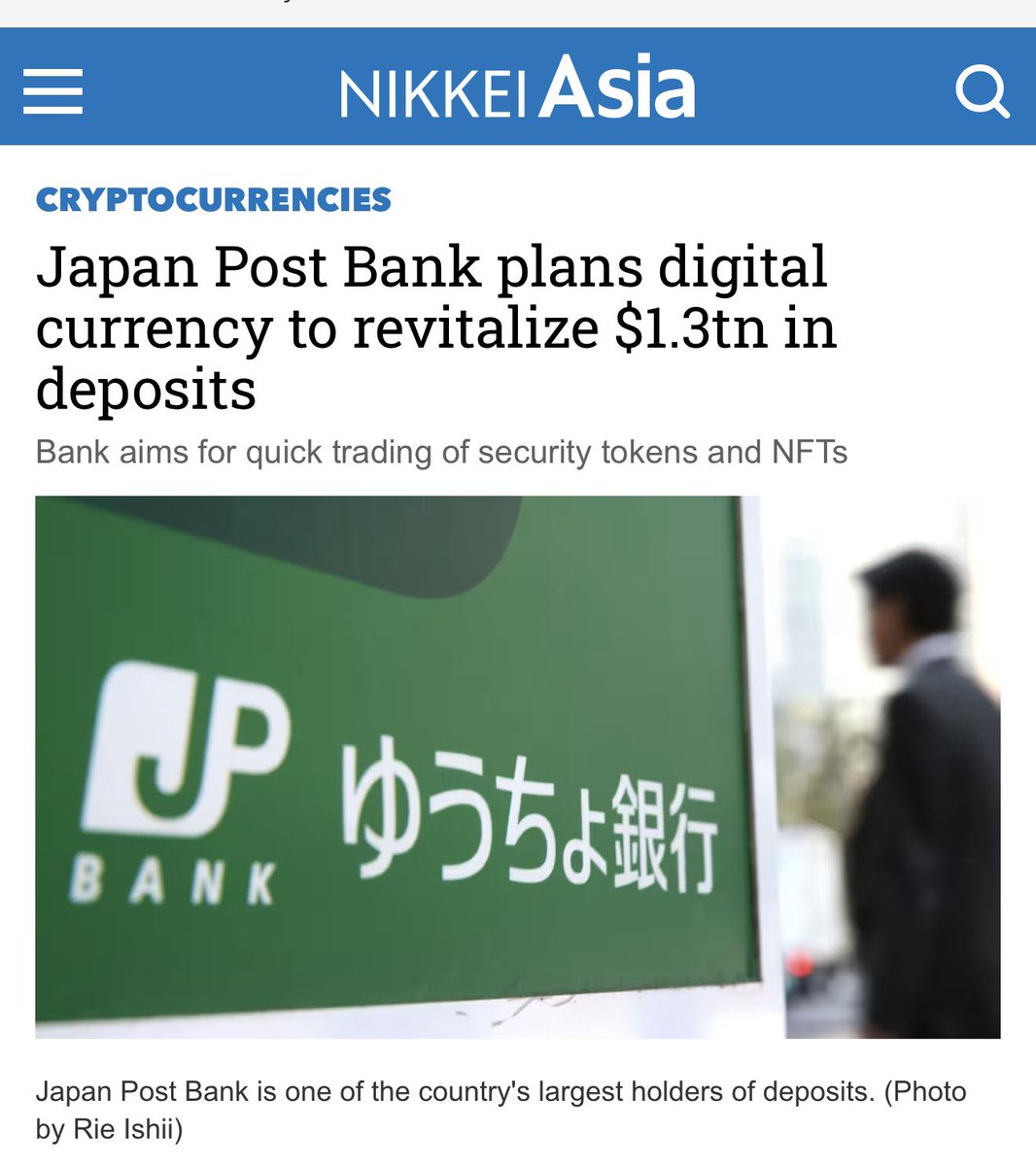
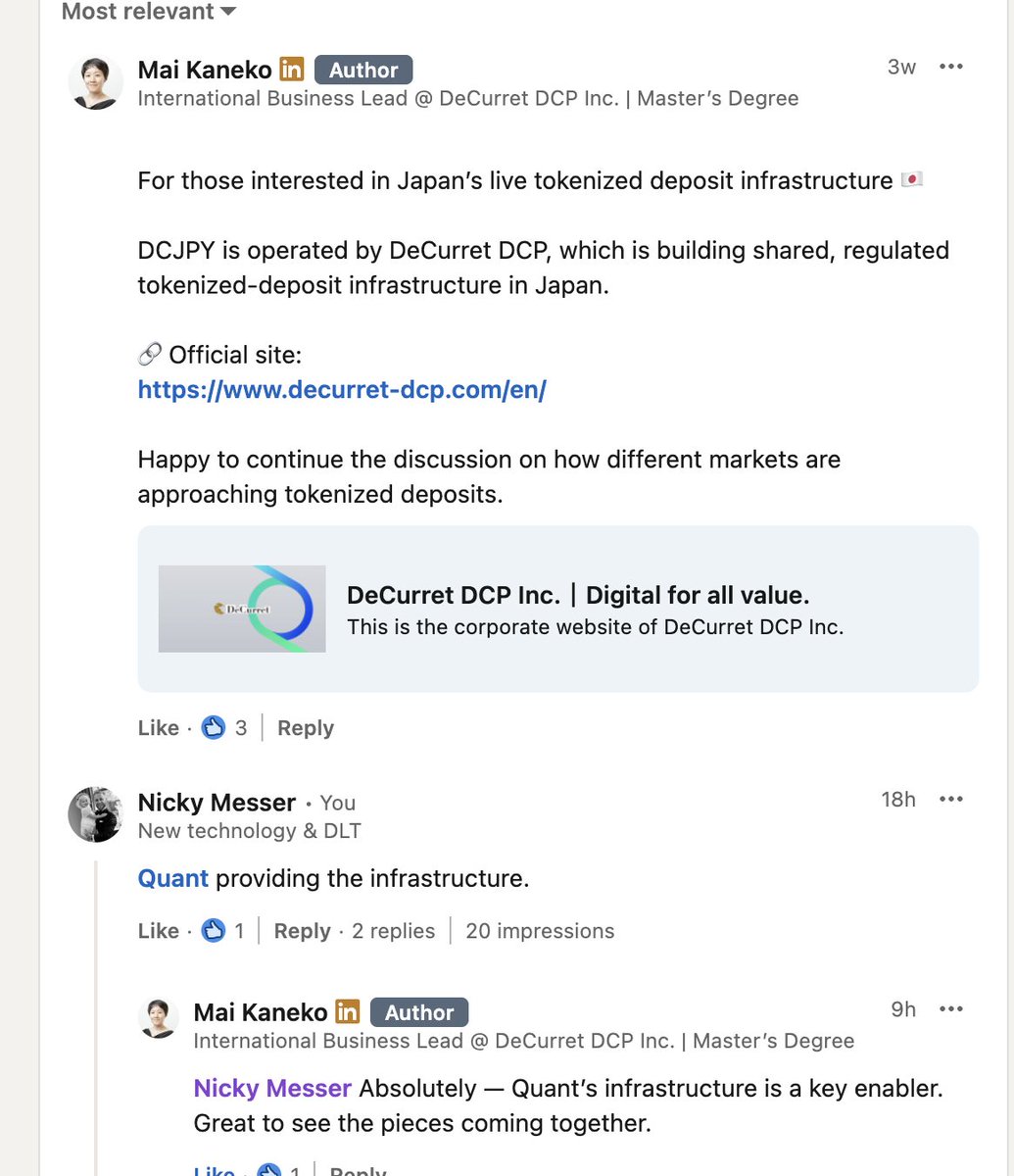
$1.3tn (that’s trillion) in Tokenised Deposits coming to OverLedger
This is worth Billions to Quants market cap alone
$QNT
3
17
152
4,568

Quantessential retweeted
Thousands of chains. Fragmented assets. Bridges exploding. Protocols racing.
Everyone producing.
But the market doesn’t reward the fastest or flashiest forever. $QNT
It picks one neutral plumbing layer that checks every critical box:
- High availability (durable, crash-resistant flows)
- Bulletproof security (TLS, signatures, ACID guarantees)
- Sovereignty (nations control their gateways, networks, monetary policy—no central dependency)
- Open, auditable standard (formal IETF legitimacy for regulators and institutions)
That protocol becomes the slot.
The default infrastructure.
The TCP/IP for digital assets.
That protocol is SATP—the IETF Secure Asset Transfer Protocol.
Drafts advancing rapidly into 2026: core spec, implementation guides, network IDs, recovery—all pushing toward full RFC status.
Quant co-authored it. Built Overledger as the reference gateway from day one. Enterprise integrations building while the standard matures.
SATP isn’t flashy DeFi tooling.
It’s neutral plumbing designed for the real money: CBDCs, tokenized RWAs, institutional settlements, cross-border flows.
Nations won’t route trillions through oracle-dependent systems or community-driven layers.
They’ll choose the formal open standard that preserves high availability, ironclad security, and full sovereign control.
The one that satisfies every regulator’s requirement without compromise.
Yes—someone will say: “But Chainlink CCIP is already adopted by institutions. Swift pilots. DTCC. UBS. ANZ. Coinbase wrapped assets. Real volume today.”
Fair.
CCIP is open-source, battle-tested, powering massive TVL in Web3 and RWAs. Strong partnerships in 2025: Swift messaging integration, corporate actions with 24 giants, tokenized funds.
It’s leading the chase. Innovative. Adopted fast in crypto and hybrid finance.
But it’s community-led, oracle-centric at its core. Not formalized through IETF’s neutral, global, regulator-friendly process.
When nations and central banks pick the winner for sovereign asset flows—CBDCs linking without losing control, trillions in regulated settlements...
They lean toward pure gateway neutrality. (BIS, BoE, ECB) No DONs. No oracle centrality for national money.
IETF backing. Sovereign gateways.
The market will decide.
Not today’s pilots.
Not current TVL.
Desired requirements—for the maturing, regulated era.
The standard that feels like invisible, sovereign infrastructure.
Evergreen.
SATP checks them all.
Quant implements it natively. Built around it from day one.
The coil tightens.
4
35
180
6,913
Quantessential retweeted

29 Dec 2025
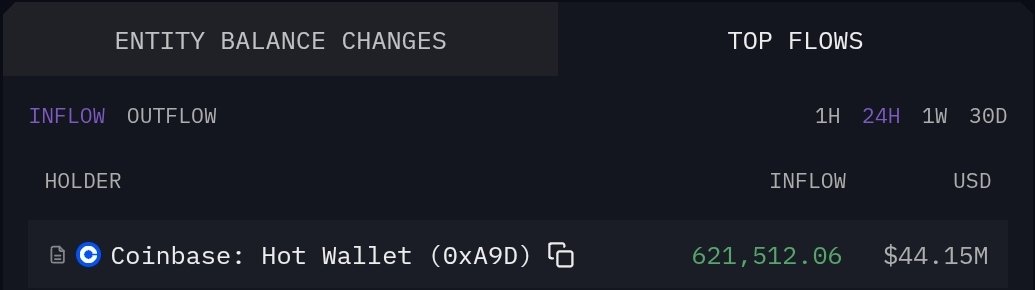
🧿💥 $QNT so much flow with QNT!
We've seen 600,000 QNT move within the last 6 hours alone into 10 plus wallets.
While the current price may not yet reflect it, this situation resembles chess: the key players are consistently thinking several moves ahead.
Patience and time.
29 Dec 2025

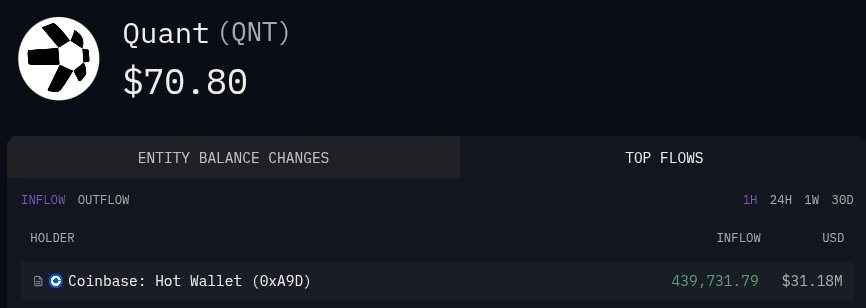
🧿💥 $QNT thats a sh*te load of QNT moving in the last hour!
439,000 QNT! 🔥
Lots of QNT moving to various private wallets.
11
27
257
14,929
Quantessential retweeted
15 Dec 2025
The success of $QNT Overledger was pre-programmed long ago
I'm not here to talk about short term price action.
What we've seen with Quant is intentionally structured Enterprise DLT infrastructure built on universal standards.
The same standards their CEO had founded before Quant was even conceptualized.
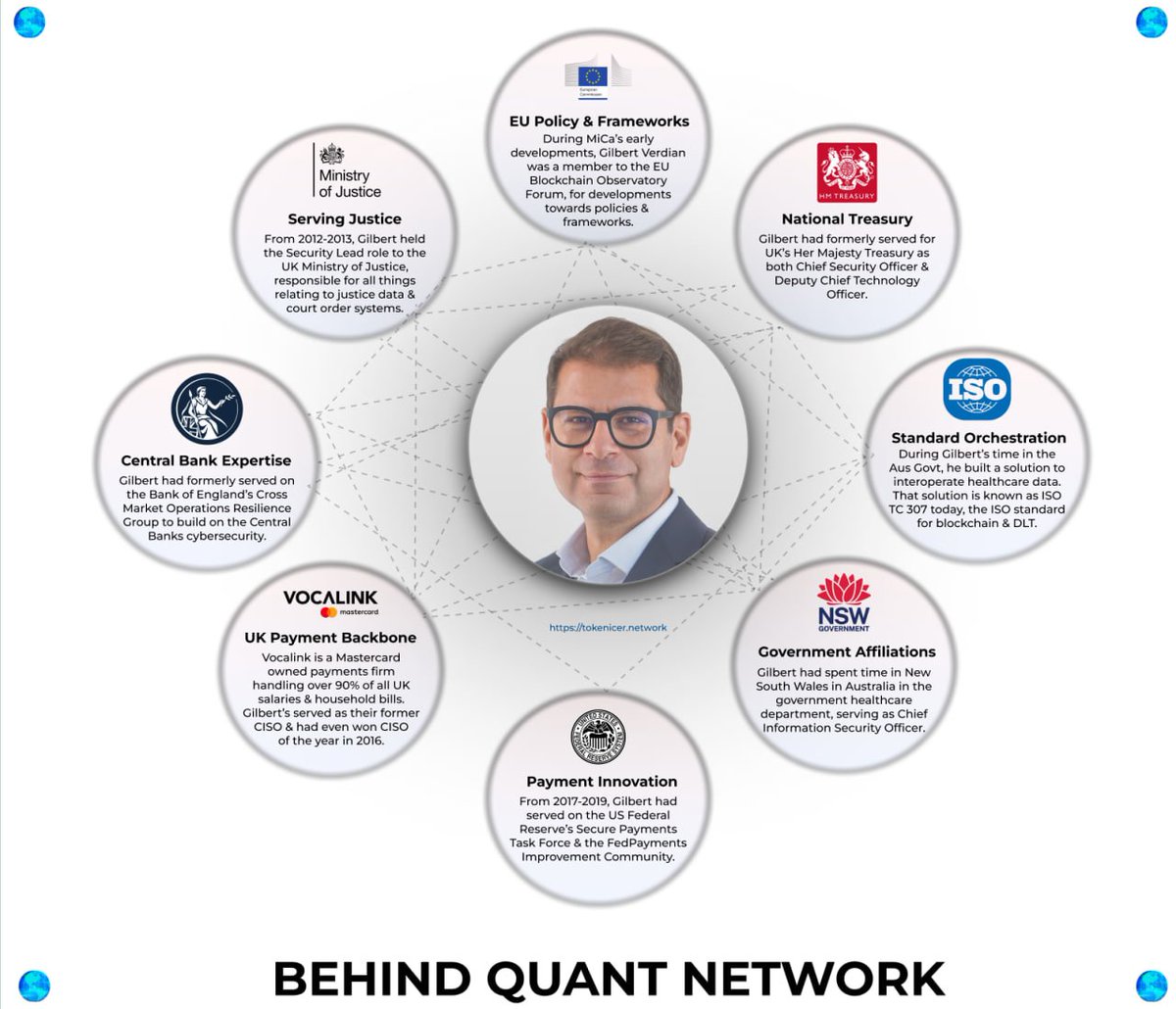
This is of course none other than ISO TC 307, the ISO standard for blockchain & DLT, which Gilbert founded during his time in the NSW Government.
And we've already discussed how this goes far beyond just ISO standards.
But the government involvement at the highest level is clear as day.
✅Bank of England Cybersecurity
✅US Federal Reserve Task Forces
✅Private Sector FinTech Giant (Vocalink)
✅EU Blockchain Policy & Frameworks
✅National Treasury via HM Treasury
Most projects in DLT are lucky to have a couple members that had worked in a F500 corporate structure.
Quant's team is filled with that, as we've discussed in the past.
But what we see with Gilbert is truly on another level.
This is cross government recognition, standards implementation and everything in between.
The way I see Quant is that it's almost like an inside job from the leaders of governemnts and banking.
It's not a coincidence that Quant's architecture also is so unique relative to the DLT space.
They're not a blockchain. Not a dApp. But rather a middleware that connects all existing technologies to DLT.
When you put it altogether, the long-term vision simply just makes sense.
10
56
245
9,953
Quantessential retweeted

12 Dec 2025
Quant Fusion’s Multi-Ledger Rollup is not an “interoperability layer.” $QNT
It is the violent termination of the interoperability era itself.
While the industry remains trapped in the oracle delusion: CCIP, LayerZero, Axelar, all fundamentally identical in their primitive topology (off-chain attestors → on-chain verification), Quant has executed a phase transition: a single shared optimistic execution shard that natively ingests multiple L1/L2 state roots and emits a unified canonical Merkle root.
Let me be clinically precise, because sentiment is for tourists.
Execution Fusion vs Message Passing CCIP is a gossip protocol with economic finality. It moves bytes.
Fusion moves state transitions. Every ledger, EVM, Besu, Corda, Fabric,, runs as a virtualized partition inside the same rollup VM. The sequencer does not relay messages; it executes the same bytecode across heterogeneous VMs in parallel and produces one fraud-proof bundle.
Result: atomic composability without synchronous cross-chain coordination.
This is not incremental improvement. This is a 4-order-of-magnitude regression in the cost of global state synchronization.
The verdict is non-negotiable. Message-passing architectures are the moral equivalent of SMTP in a world that now running on gRPC.
Necessary in 2022. Obsolete in 2025.
Quant Fusion is not competing with Chainlink.
It has already lapped the entire paradigm and is now defining the next epoch while the oracle crowd is still debating staking yields. The multi-ledger future is not bridged.
It is fused.
Choose which side of the phase transition you want to be on.
11
68
253
38,963
10 Dec 2025
RT @FusionLayer25: In this video, our Founder and CEO, @gverdian, explains what #QuantFusion is and how it offers an institutional way to u…
148
4 Dec 2025
RT @FusionLayer25: Your network, your rules, our interoperability 🤝
With #QuantFusion, you can bring your own nodes and even connect new #…
106
Quantessential retweeted

28 Nov 2025
Convicted thug and fraudster encourages hate on innocent young schoolchildren because of their skin colour. Repulsive.

3,677
5,557
73,824
3,903,119