Cardiac Surgeon | Assistant Professor | @TexasChildrens | Visual insights in surgery, cardiology & intensive care | Views my own
Joined July 2025
- Tweets 1,432
- Following 115
- Followers 7,050
- Likes 5,339
911 Photos and videos

Pinned Tweet

2
8
69
51,296
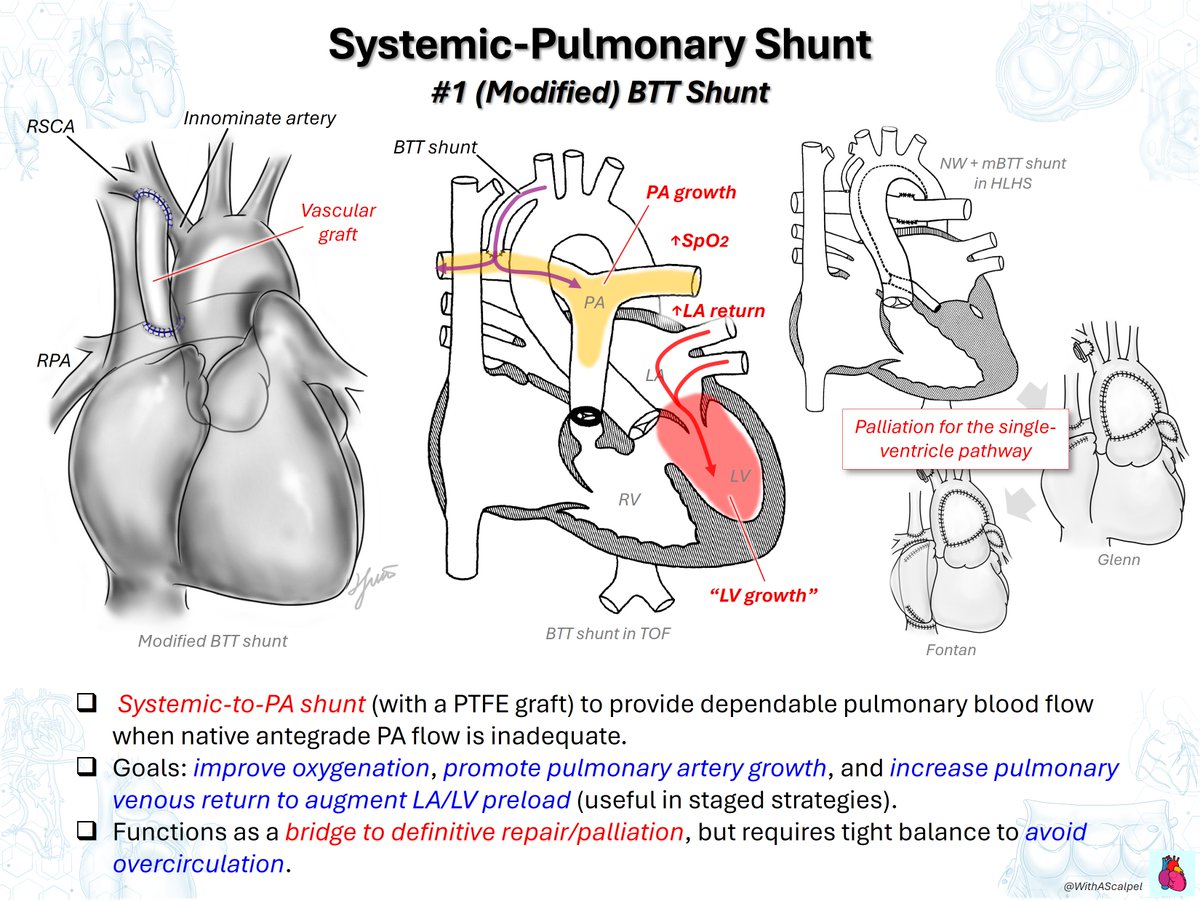
Systemic-Pulmonary Shunt #1: Modified BTT Shunt
👉A modified BTT shunt connects the systemic artery to the pulmonary artery with a PTFE graft, providing controlled pulmonary blood flow.
👉The physiologic goals are improved oxygenation, pulmonary artery growth, and increased pulmonary venous return to augment LA/LV preload.
👉It functions as a bridge to definitive repair or staged palliation, but shunt size and flow must be balanced to avoid overcirculation.
1
7
12
850
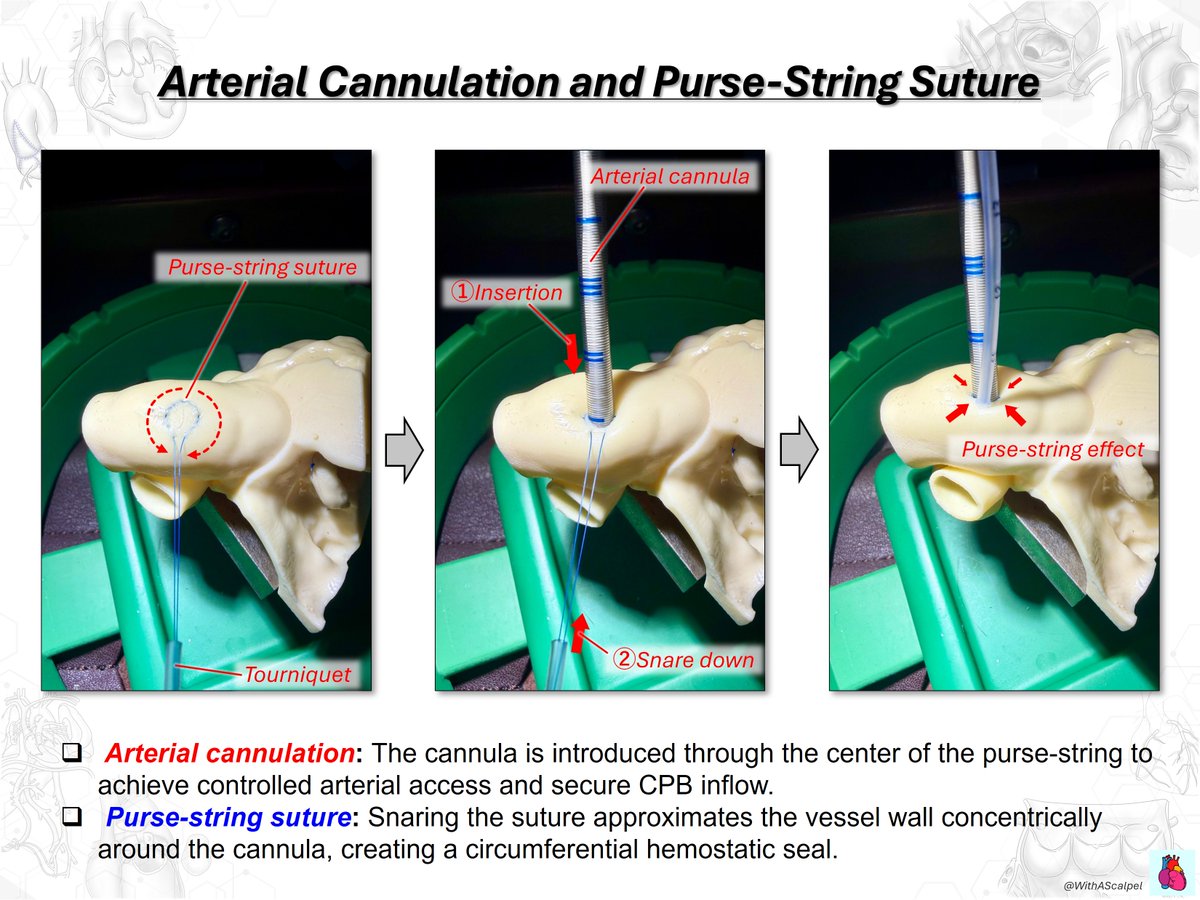
Arterial Cannulation with Purse-String Suture🎯
👉The cannula is placed through the center of the purse-string to establish controlled arterial access for CPB inflow.
👉As the purse-string is snared down, the vessel wall gently cinches around the cannula, creating a secure hemostatic seal.

Intraop TEE 👉 normal left-sided aortic arch with aortic CPB cannula in situ in a patient undergoing VSD patch closure #echofirst
8
23
5,801
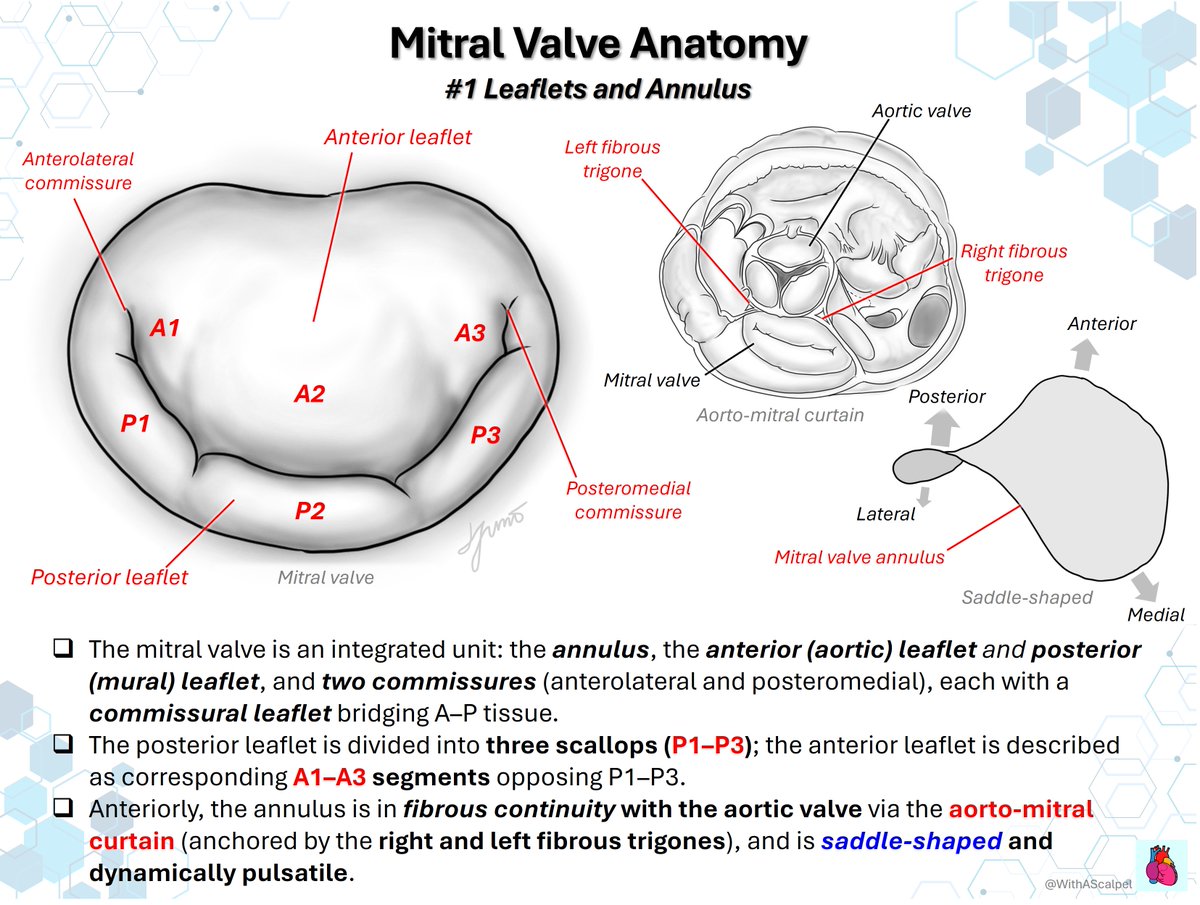
Mitral Valve Anatomy: Leaflets, Annulus, and Subvalvular Apparatus
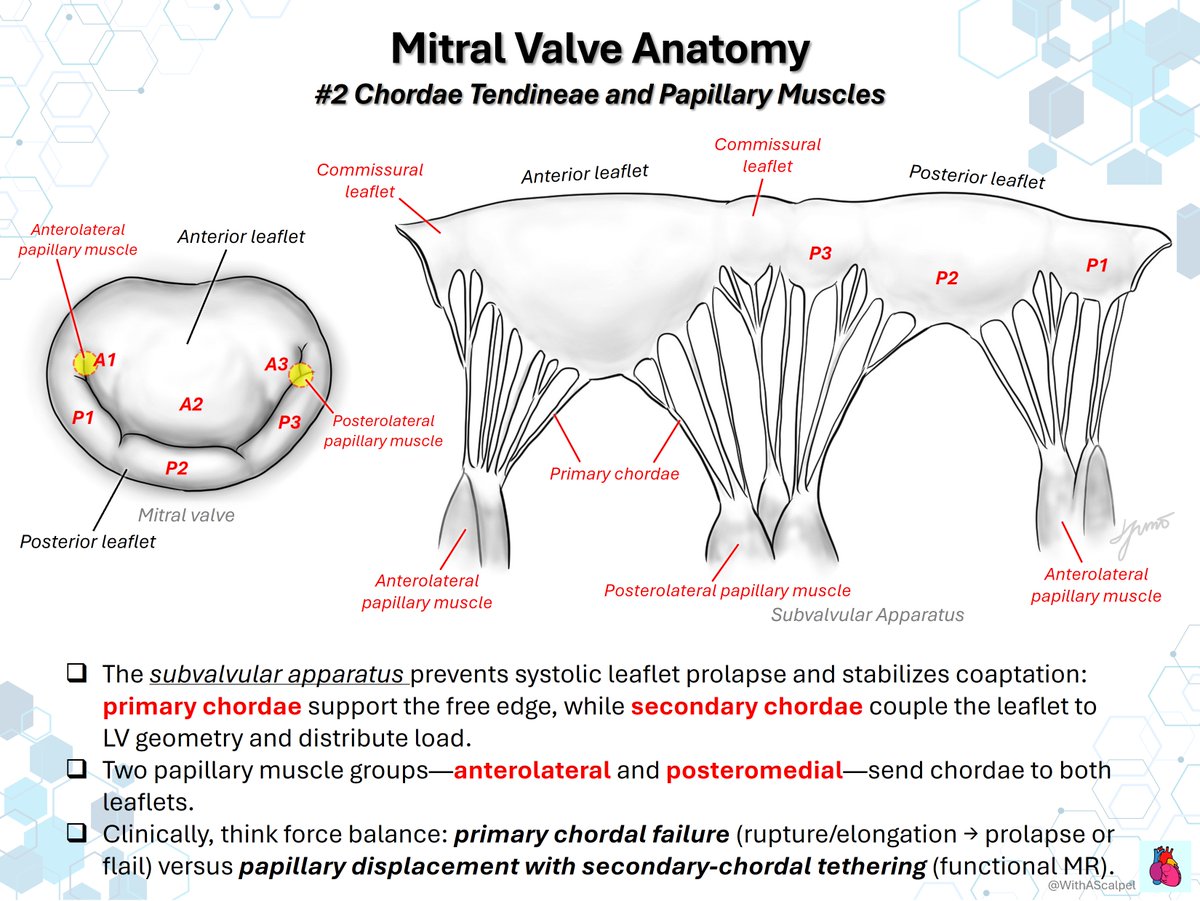
👉The mitral valve is an integrated unit: saddle annulus, anterior and posterior leaflets, commissures, chordae, and papillary muscles.
👉Posterior scallops P1–P3 oppose anterior segments A1–A3, with fibrous aorto-mitral continuity anchored by both trigones.
👉Primary chordae support leaflet edges, while secondary chordae and two papillary muscle groups stabilize coaptation and LV geometry.
33
100
3,559
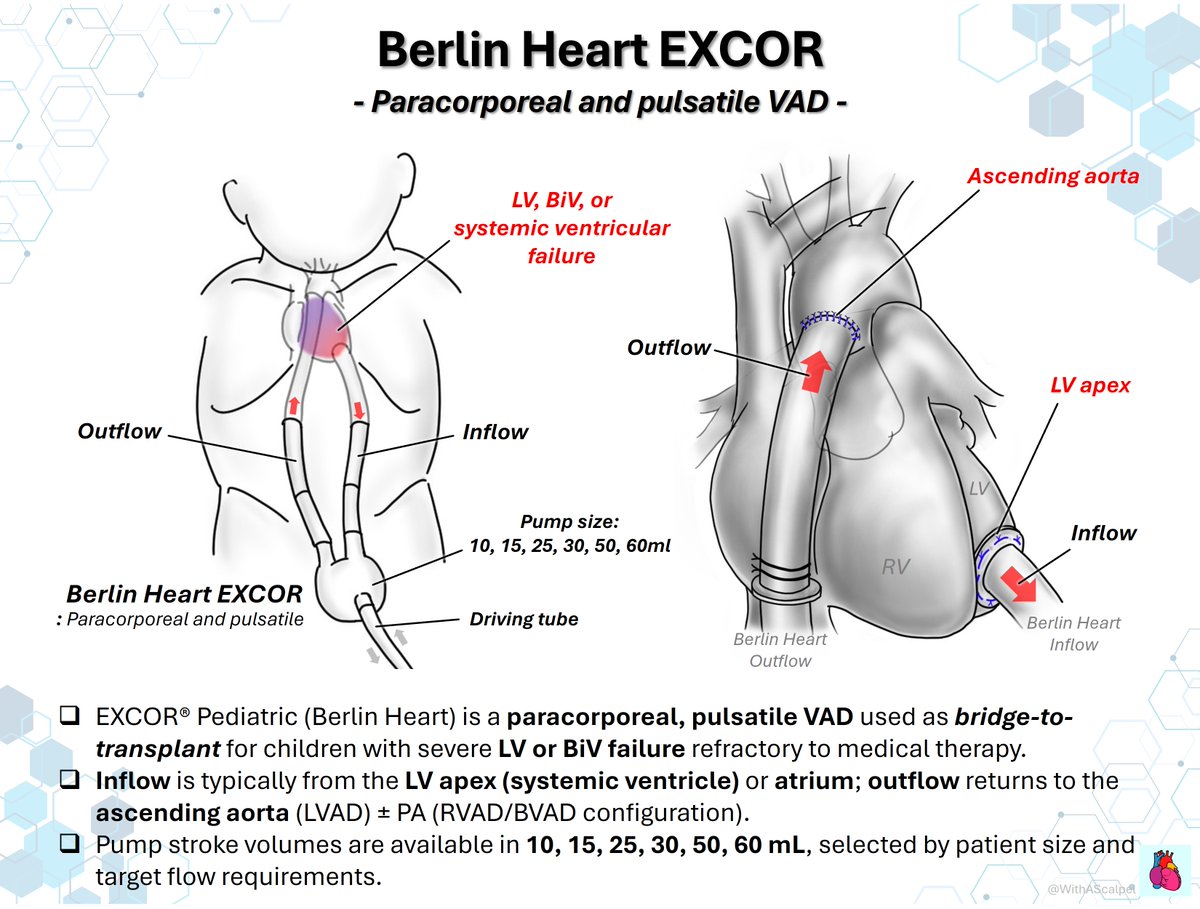
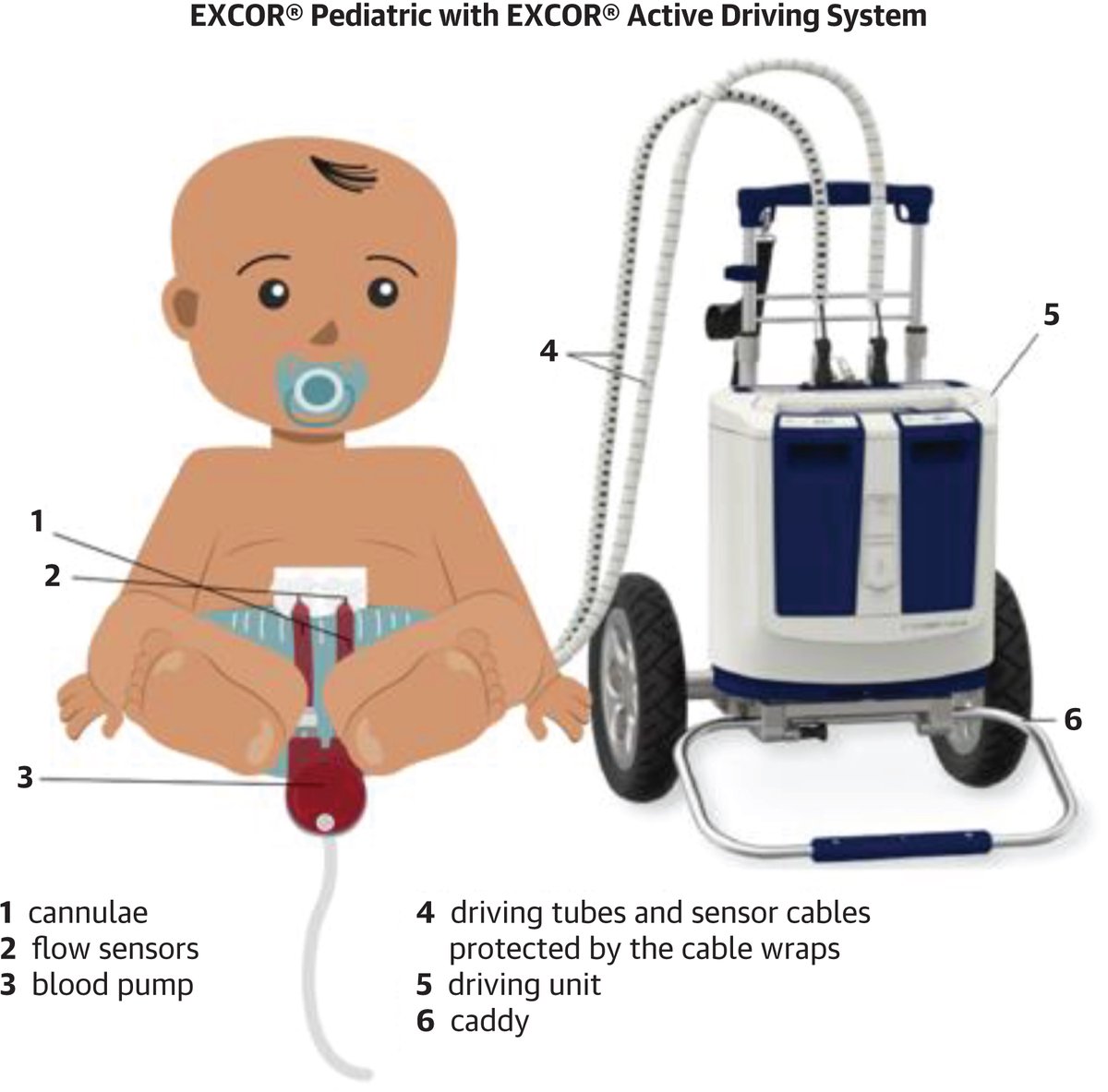
Berlin Heart EXCOR — Paracorporeal Pulsatile VAD Support👶
👉In pediatric LV or systemic ventricular failure, EXCOR provides paracorporeal pulsatile support with inflow from the LV apex or atrium and outflow to the ascending aorta.
👉Pump size and cannulation strategy are tailored to patient size, ventricular morphology, and target flow as a bridge to transplant or recovery.
Jun 11

Behind every pediatric #hearttx is a child who first has to survive long enough to receive one.
The EXCOR Active Driver demonstrated excellent reliability, with 98.1% 90-day survival in the continued access cohort. jacc.org/doi/10.1016/j.jacc.…
#JACC #CHD #cvPed @ACTION4HF
1
10
24
1,874
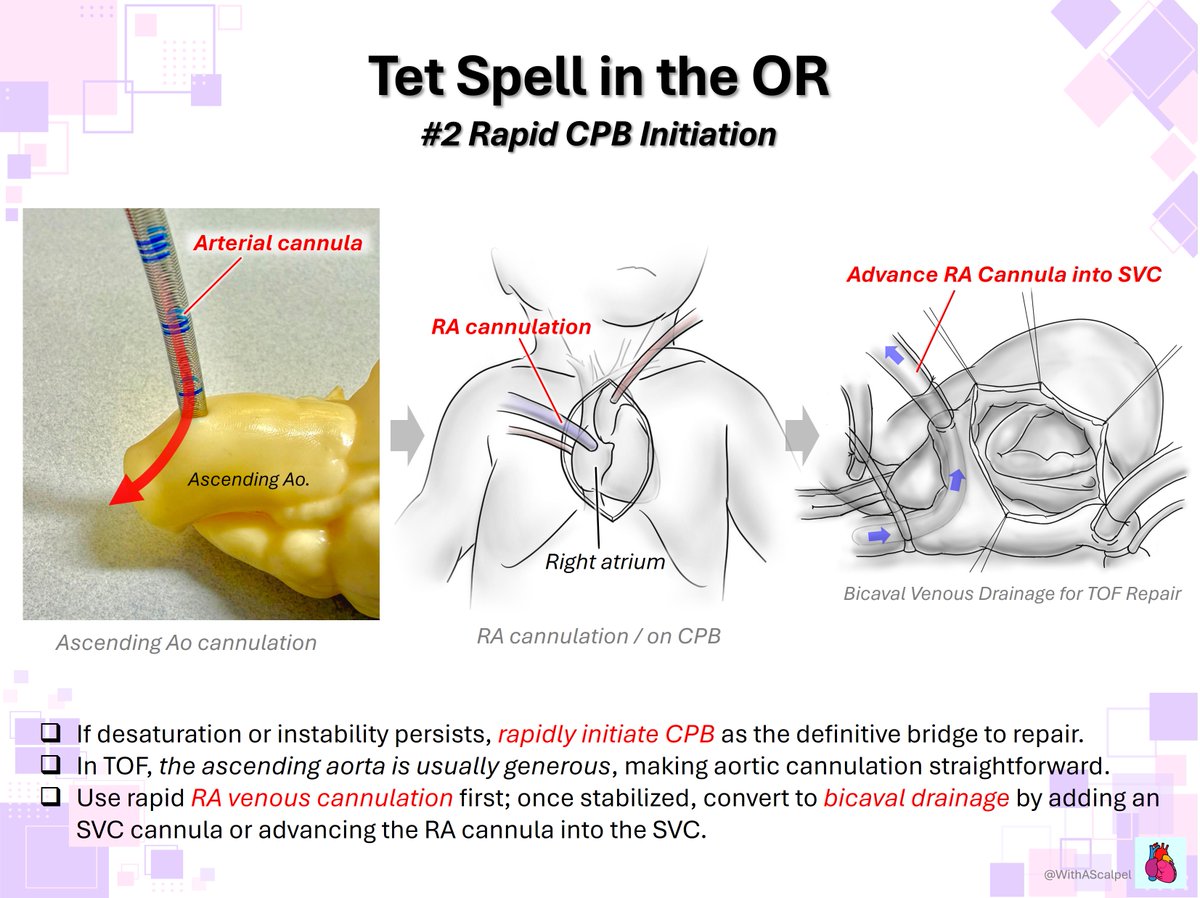
Tet Spell in the OR #2: Rapid CPB Initiation
👉Persistent desaturation or hemodynamic collapse despite physiologic rescue should prompt rapid CPB initiation as a bridge to repair.
👉In TOF, the ascending aorta is often generous, allowing prompt arterial cannulation.
👉Rapid RA venous cannulation can establish CPB first; once stabilized, convert to bicaval drainage for exposure and intracardiac repair.
1
9
22
1,727
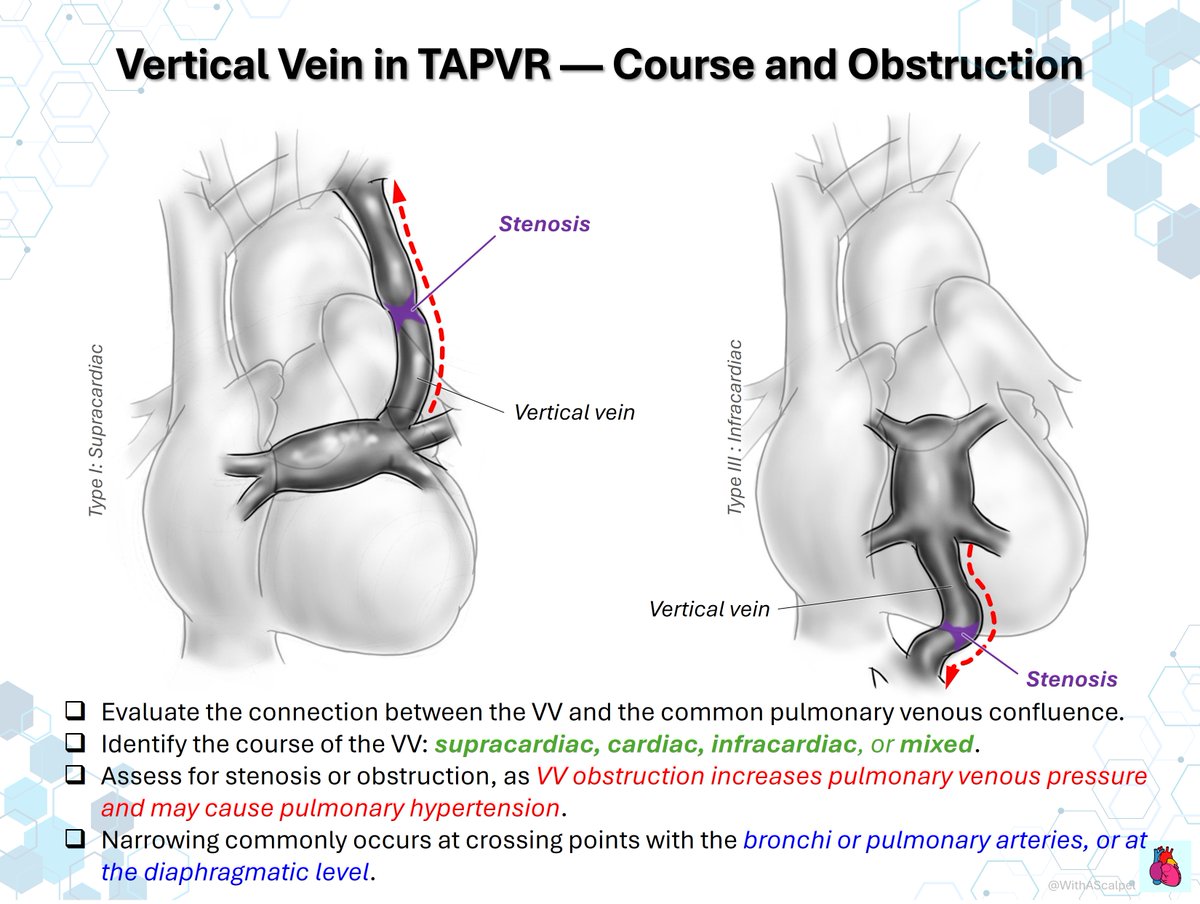
Vertical Vein in TAPVR — Course Determines Obstruction🚧⚠️
👉In infracardiac TAPVR, the descending vertical vein drains below the diaphragm, often creating an obstructed pulmonary venous pathway.
👉Assessing the VV–confluence junction and crossing points with bronchi, PAs, or diaphragm is critical for defining pulmonary venous obstruction.

And another case of Total Anomalous Pulmonary Venous Return (TAPVR).
❗️Infracardiac type.
1 months old baby.
1
8
37
5,336
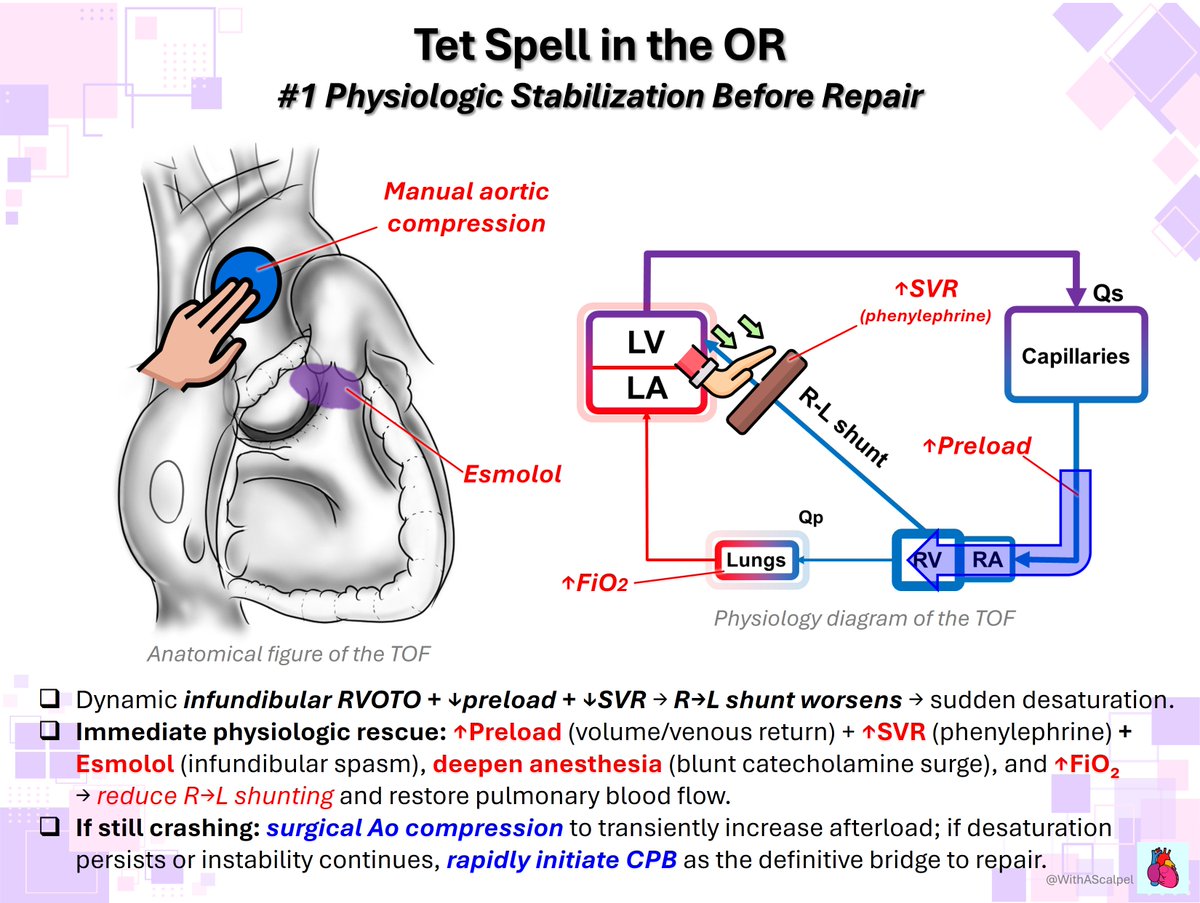
Tet Spell in the OR #1: Physiologic Stabilization Before Definitive Repair
👉Dynamic infundibular RVOTO with low preload or low SVR increases R→L shunting across the VSD, causing abrupt desaturation in TOF.
👉Immediate rescue targets physiology: increase preload, raise SVR with phenylephrine, deepen anesthesia, give oxygen, and blunt RVOT spasm.
👉If instability persists, manual aortic compression can transiently raise afterload; refractory desaturation should prompt rapid initiation of CPB.
1
9
24
1,603
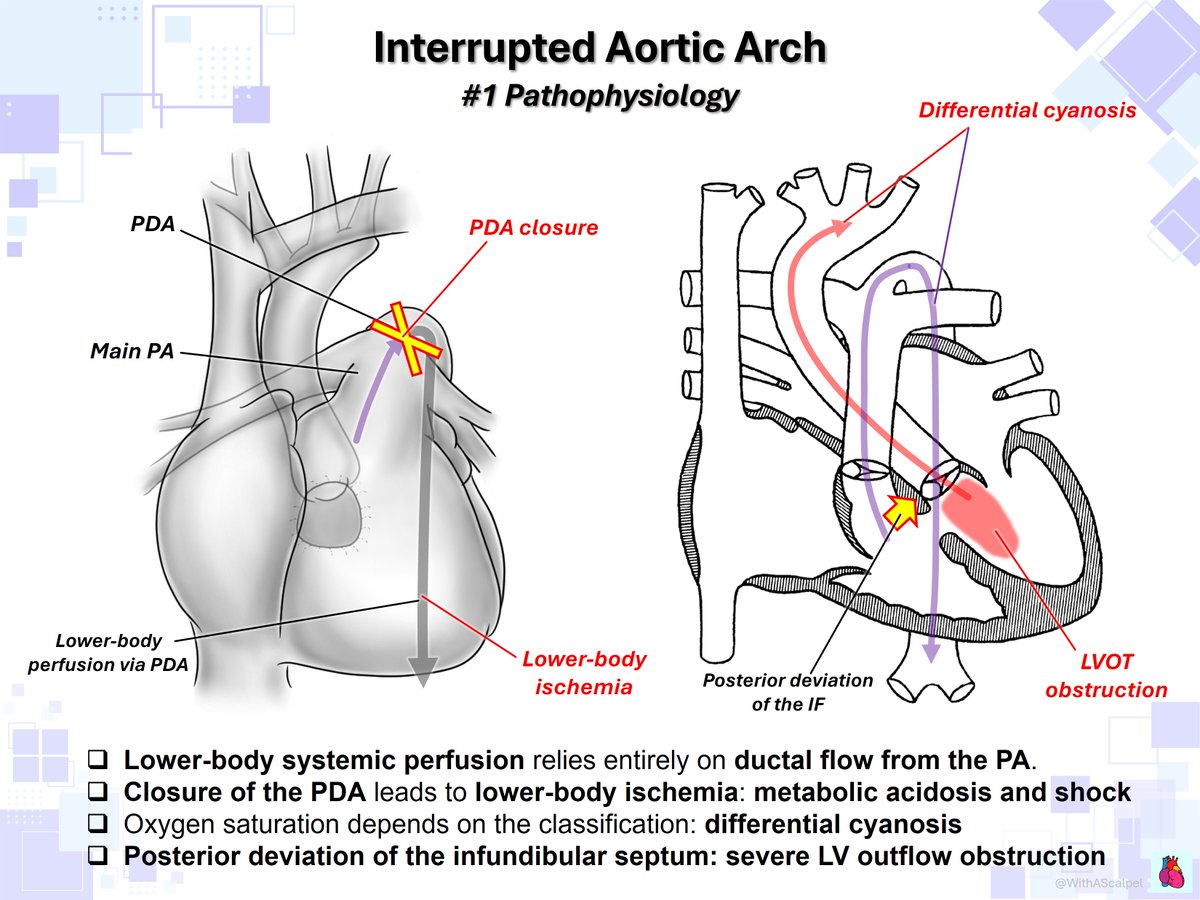
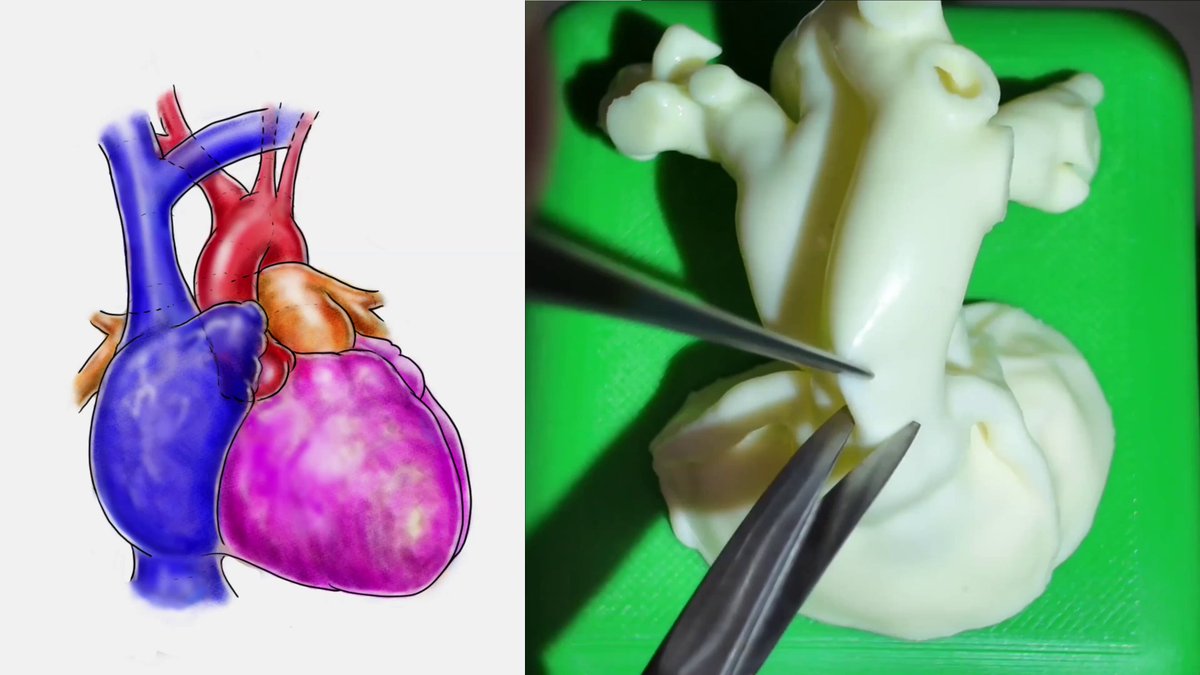
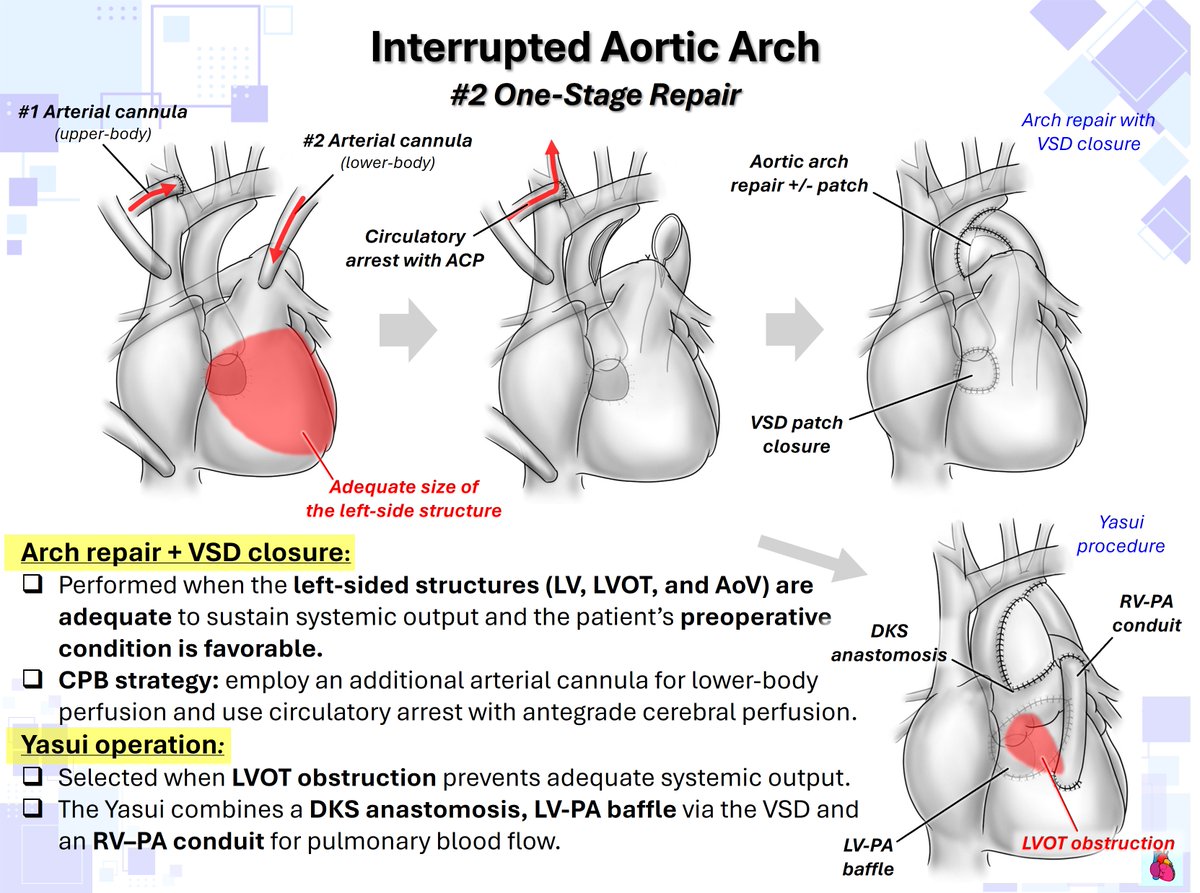
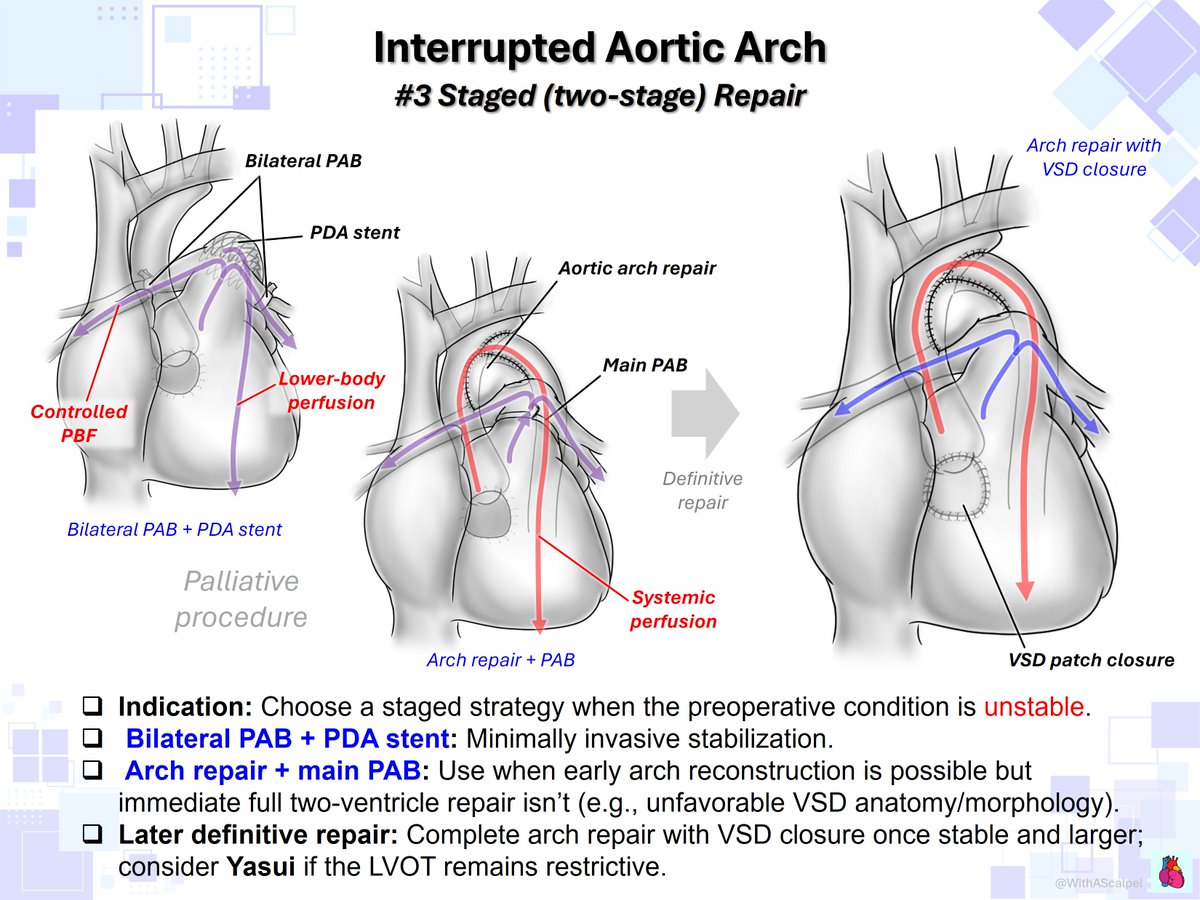
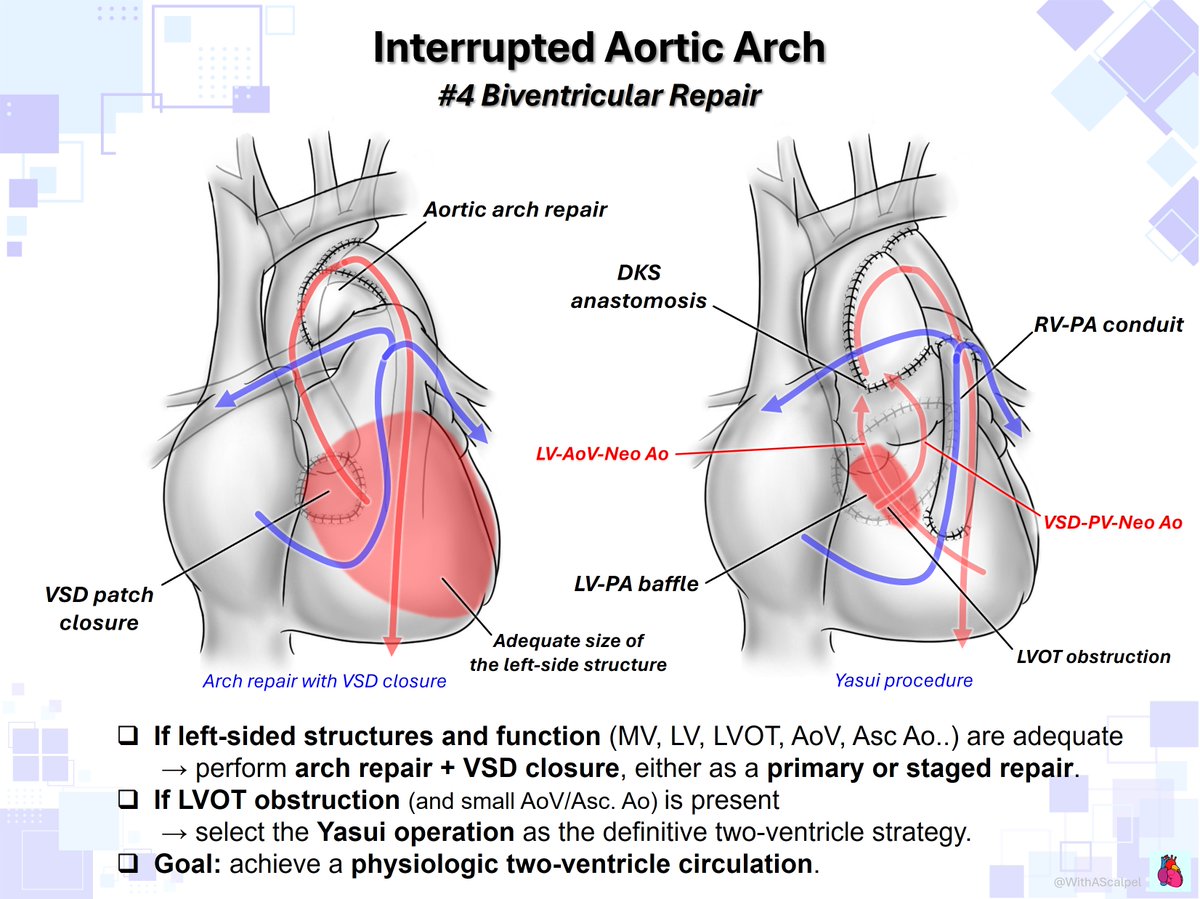
Interrupted Aortic Arch — Biventricular Repair Strategy✌️🛠️
👉BiV repair for IAA requires reconstruction of the arch and closure of the VSD to restore LV-to-aorta systemic output.
👉When LVOT obstruction or small AoV/ascending aorta limits antegrade flow, the Yasui operation provides a two-ventricle pathway via DKS, LV–PA baffle, and RV–PA conduit.

13-day-old, 2.2kg
📌Normal femoral pulses do not exclude IAA when a large PDA is present
📌Absence of pre–post ductal saturation difference
@ASE360 @escardio @iamritu @AEPCcongenital @CASivaram1 @echoleolopez @loomba_rohit @alex1708ander @alexsfelixecho @SIwa23288585 @swatigar
10
31
2,315
Arterial Switch Operation: Step-by-Step Reconstruction
👉After aortic transection, generous coronary buttons are harvested with adequate sinus cuff and proximal mobilization for safe transfer.
👉Coronary transfer is the technical fulcrum—each button must reach the neo-Ao without tension, torsion, kinking, or ostial narrowing.
👉Lecompte maneuver and neo-PA reconstruction complete the repair, with PA geometry shaping late RVOT and branch PA outcomes.
2
12
46
3,293
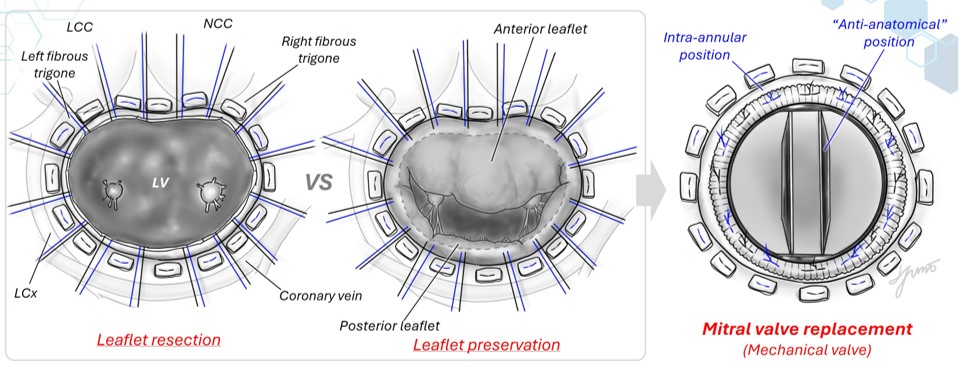
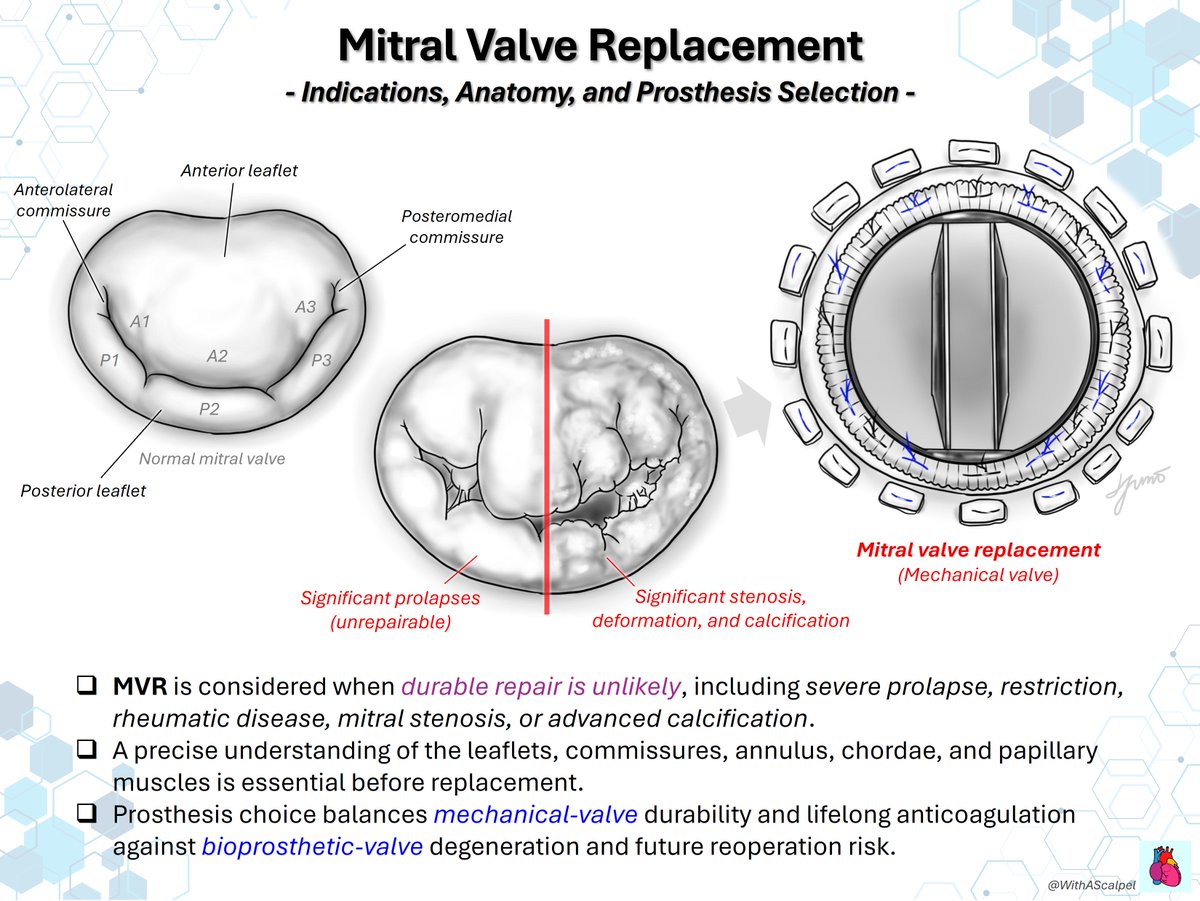
Mitral Valve Replacement for Unrepairable Pediatric Mitral Valve Disease🛠️
👉When severe mitral valve pathology is not amenable to durable repair, MVR becomes the definitive strategy to eliminate MR and LV volume overload.
👉In children, prosthesis sizing, periannular anatomy, and possible subvalvular preservation are critical to safe implantation and postoperative LV function.
10-month-old, Congenital mitral arcade: shortened thickened chordae & closely spaced hypoplastic PM with restricted leaflet excursion 👉🏻Severe MR & LA dilatation.
@iamritu @AEPCcongenital @CASivaram1 @echoleolopez @loomba_rohit @alex1708ander @alexsfelixecho @SIwa23288585
2
20
60
6,969
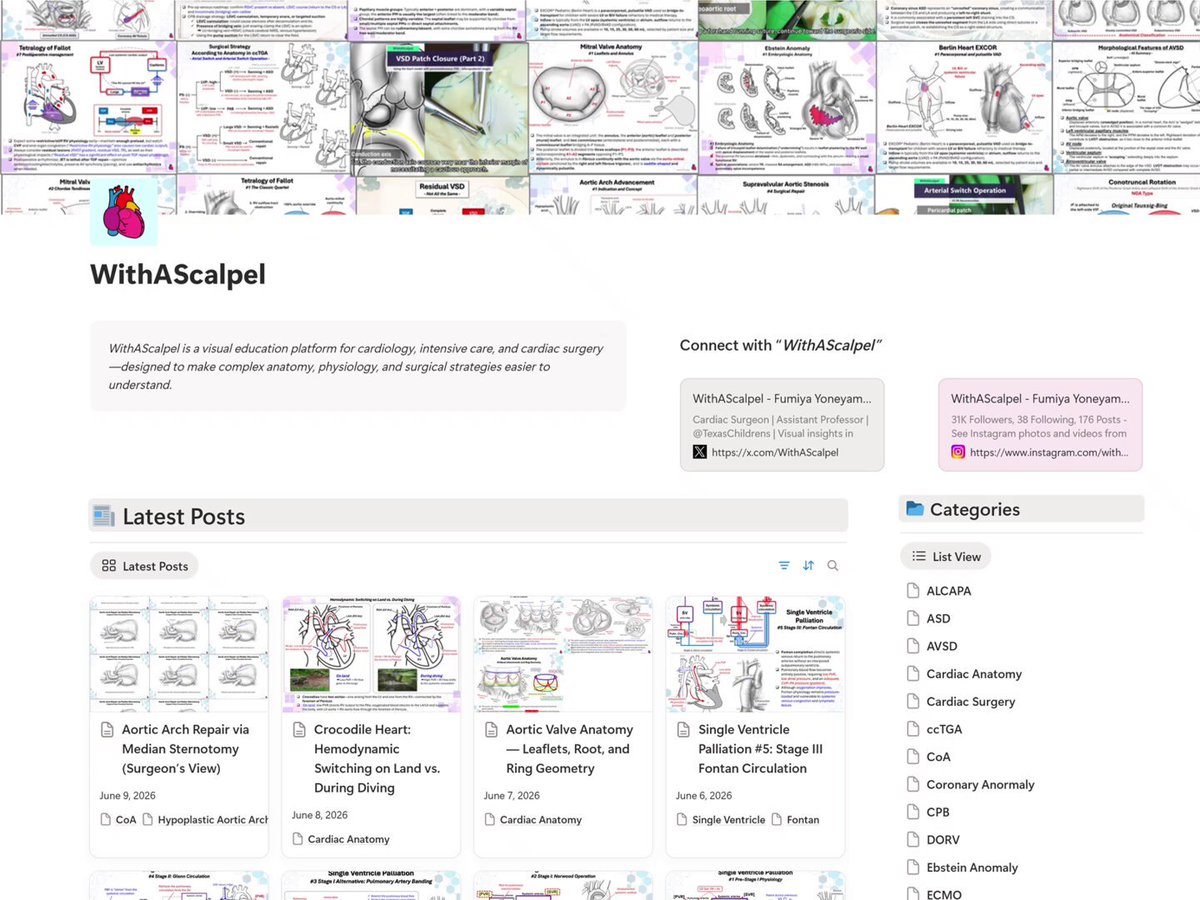
I’m building "WithAScalpel" as a visual education platform💡
👉Cardiac anatomy, physiology, and surgical strategy — organized through illustrations and concise notes.
Explore the archive:
withascalpel.com/
1
16
61
3,122
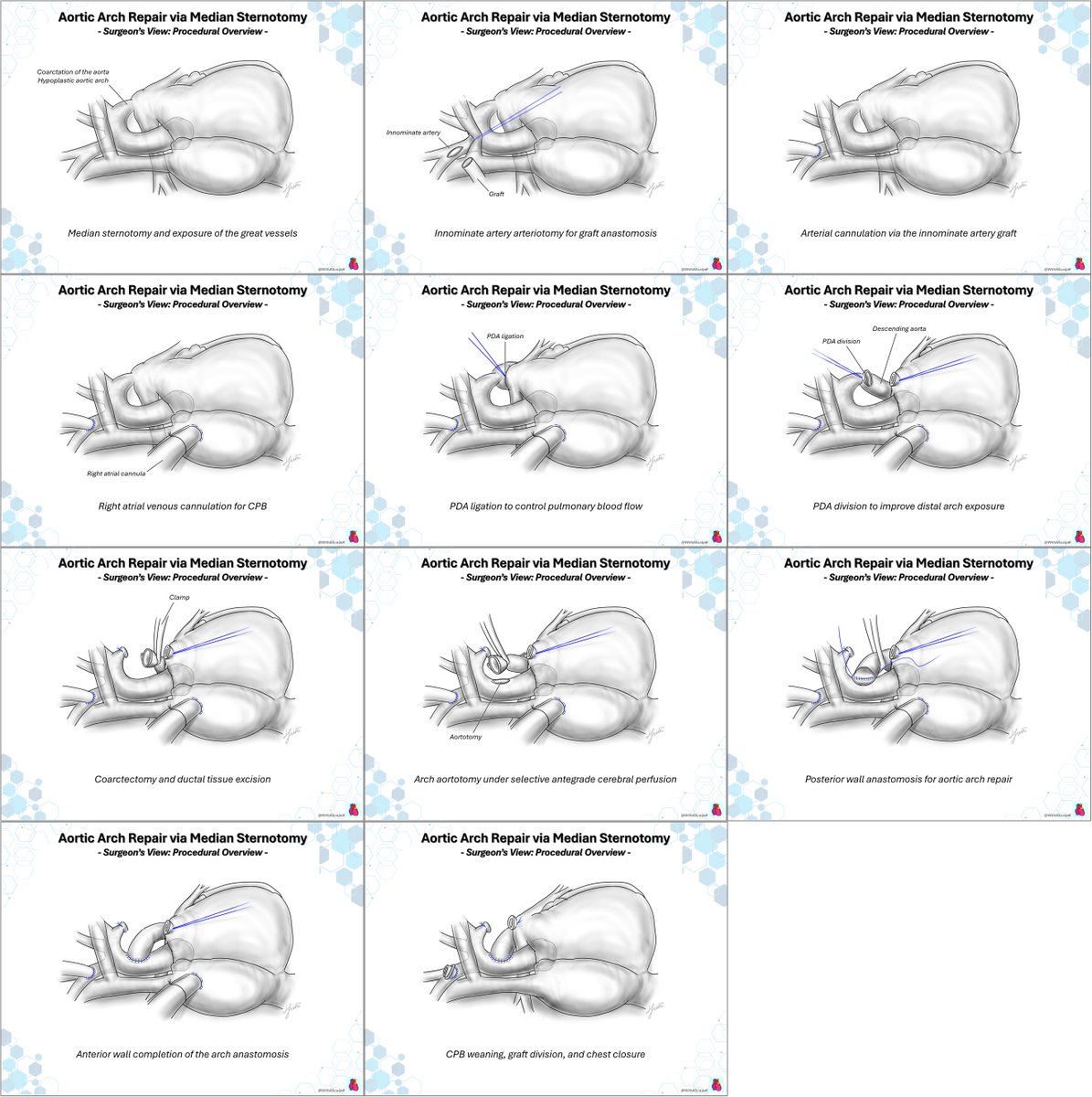
Aortic Arch Repair via Median Sternotomy (Surgeon’s View)
👉Median sternotomy provides central access for neonatal arch repair, with exposure of the innominate artery, PDA, distal arch, and descending aorta.
👉Innominate artery graft cannulation enables CPB and selective antegrade cerebral perfusion while maintaining exposure of the aortic arch.
👉Repair requires PDA division, coarctectomy, ductal tissue excision, and tension-free arch reconstruction.
3
7
35
2,288
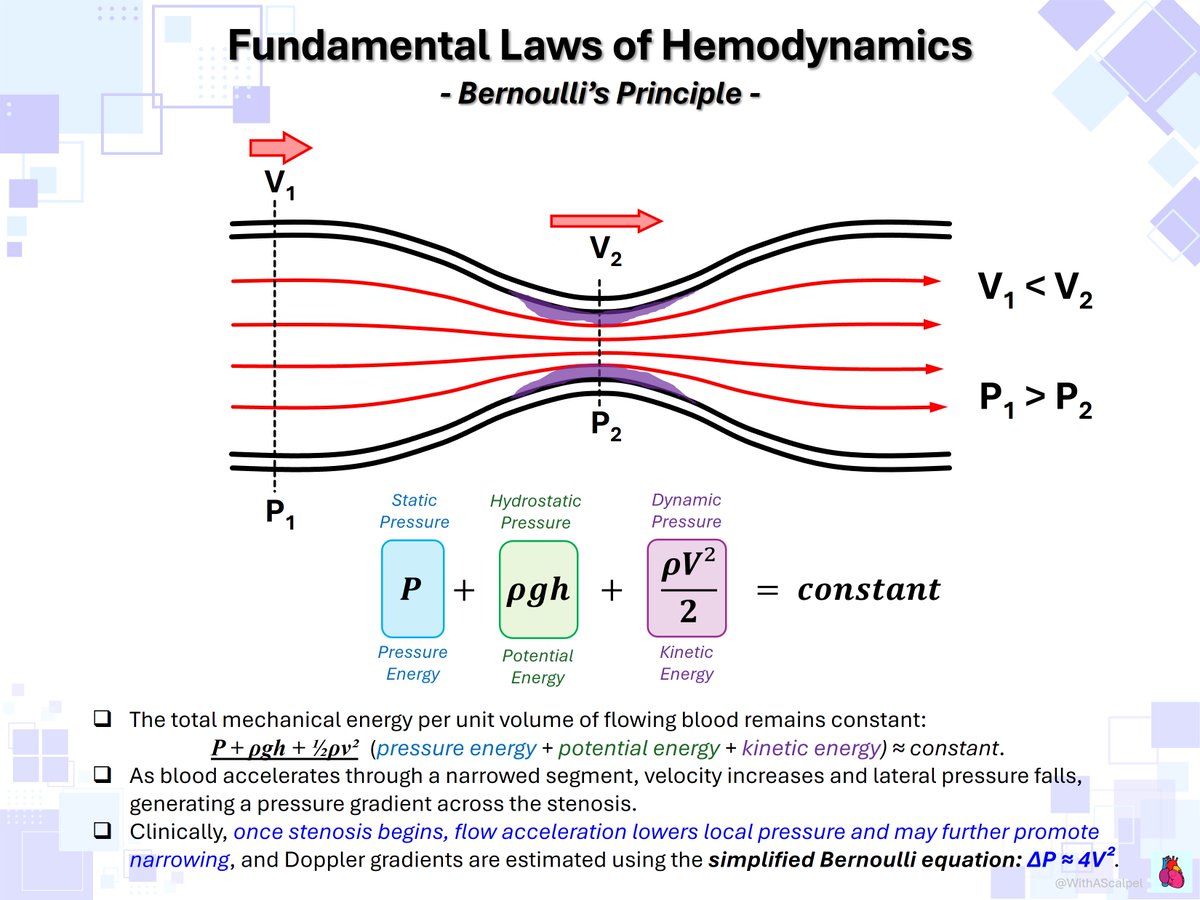
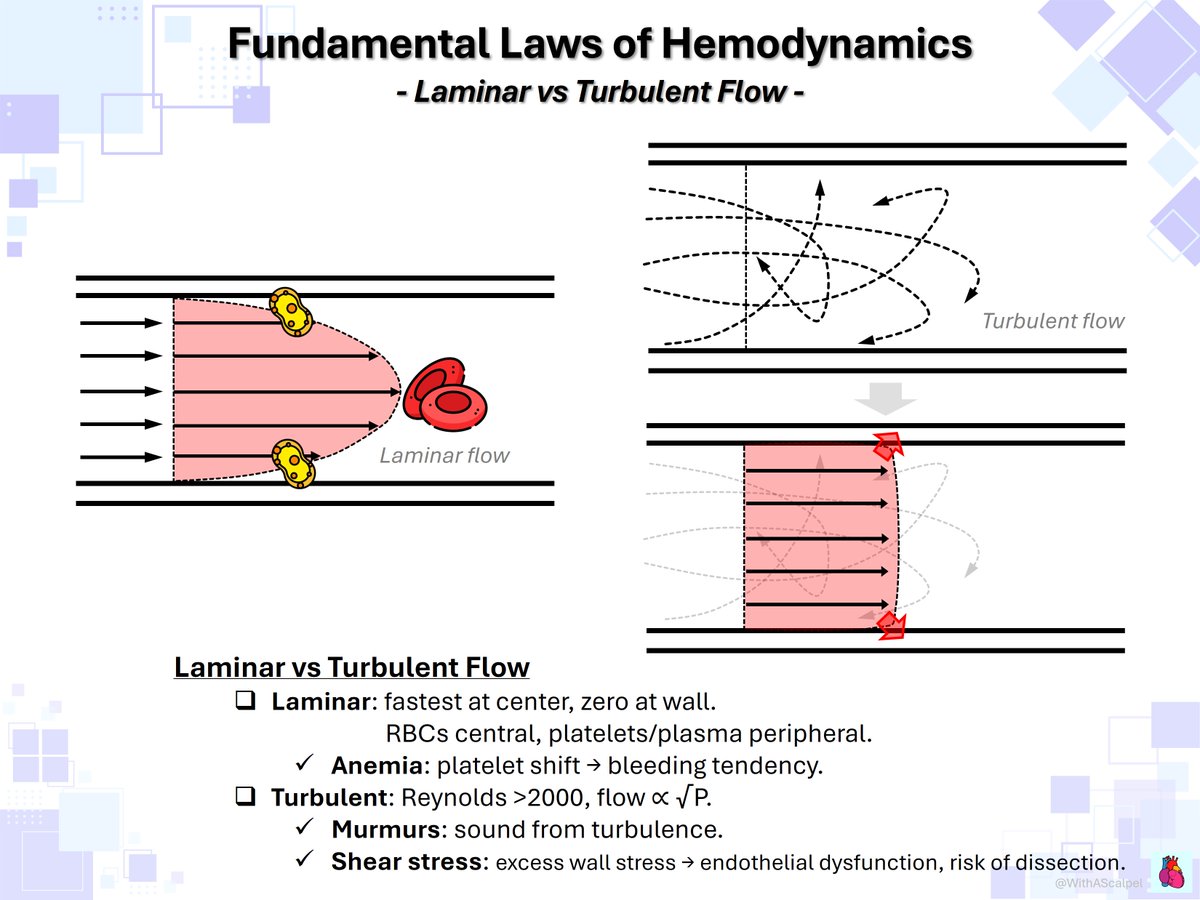
From Bernoulli to Turbulence🏞️🌪️
👉Bernoulli's principle explains how a stenotic valve accelerates flow and generates the Doppler pressure gradient.
👉But real post-stenotic flow is not purely laminar—turbulence causes energy loss that is not fully captured by velocity alone.
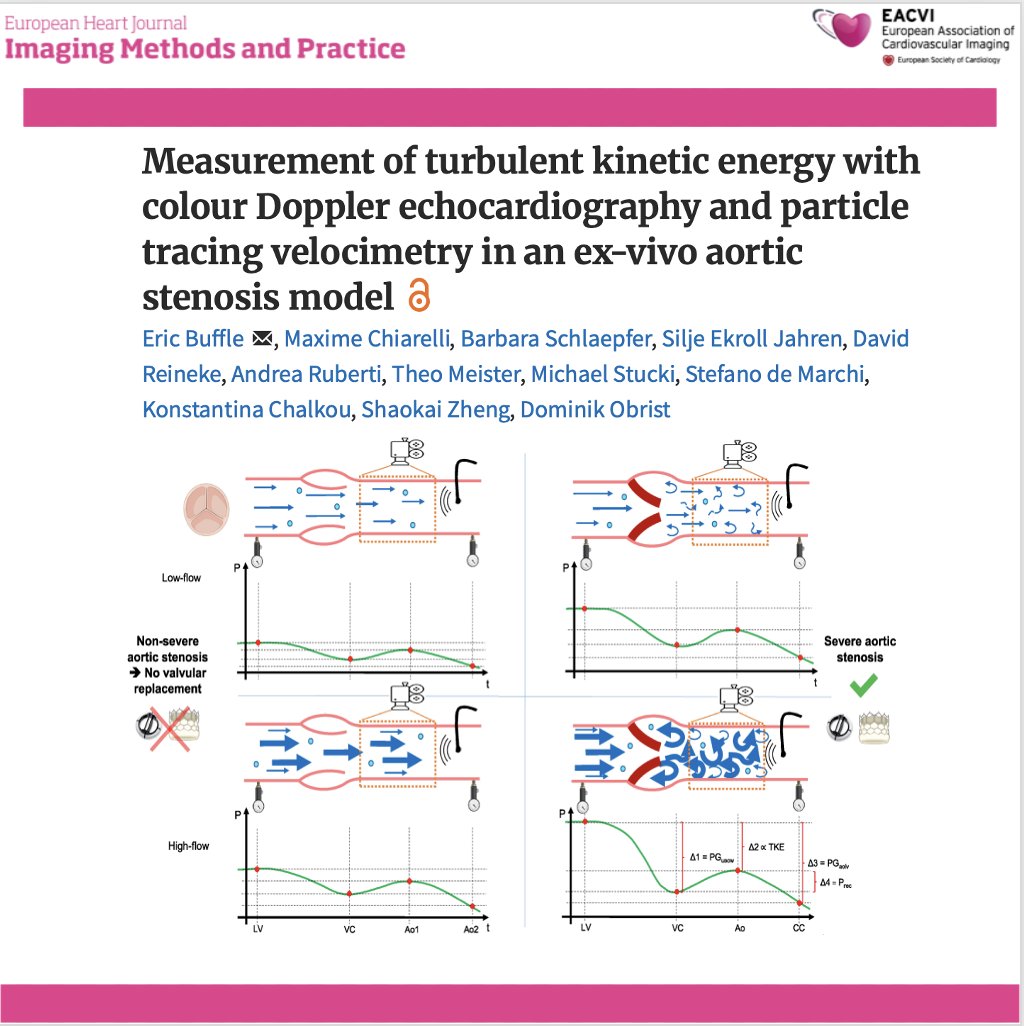
👉TKE may quantify this “wasted energy,” adding a new hemodynamic dimension for difficult AS assessment, especially in low-flow, low-gradient cases.

📄 Can turbulence improve how we assess aortic stenosis?
🔗 DOI: doi.org/10.1093/ehjimp/qyaf1…
🫀 Aortic stenosis (AS) grading still relies heavily on pressure gradients…
❗ But gradients are flow-dependent
❗ And can mislead us in low-flow, low-gradient AS
👉 So—are we missing something more fundamental?
✨ This study explores a novel concept:
👉 Turbulent kinetic energy (TKE) as a marker of AS severity
🧠 Why TKE?
➡️ Turbulence downstream of the valve reflects:
✔ Energy loss
✔ Haemodynamic inefficiency
✔ “Wasted work” not contributing to forward flow
👉 Potentially a flow-independent marker
🔬 Study design:
🧪 Ex-vivo model with porcine aortic valves
🔁 Different flow rates: 1 – 4 L/min
⚙️ Three stiffness grades:
SGa → normal
SGb → moderate
SGc → severe
📊 Two methods to measure TKE:
✔ Reference: particle tracking velocimetry
✔ Test: colour Doppler echocardiography
📈 Key findings:
🔥 TKE increased with:
✔ Higher flow
✔ Higher valve stiffness
👉 Both methods:
➡️ Successfully distinguished severe vs non-severe AS
📊 At high flow (4 L/min):
➡️ Severe AS showed gradients ≈ 41 mmHg
💡 The key message:
👉 TKE reflects energy loss, not just velocity
➡️ A completely different dimension of valve haemodynamics
🚀 Clinical implications:
👉 Could help in:
✔ Discordant AS cases
✔ Low-flow, low-gradient AS
✔ Situations where gradients underestimate severity
👉 And importantly:
✔ Can be estimated with standard colour Doppler
⚠️ Limitations:
❗ Ex-vivo model
❗ Needs clinical validation
🚨 Bottom line:
Turbulence (TKE) may become a new, flow-independent marker of aortic stenosis severity—potentially transforming how we assess difficult cases.
#Cardiology #Echocardiography #AorticStenosis #CardiacImaging #Hemodynamics #Innovation #Echo #ValvularHeartDisease #MedTech 🫀📊
1
48
126
11,394
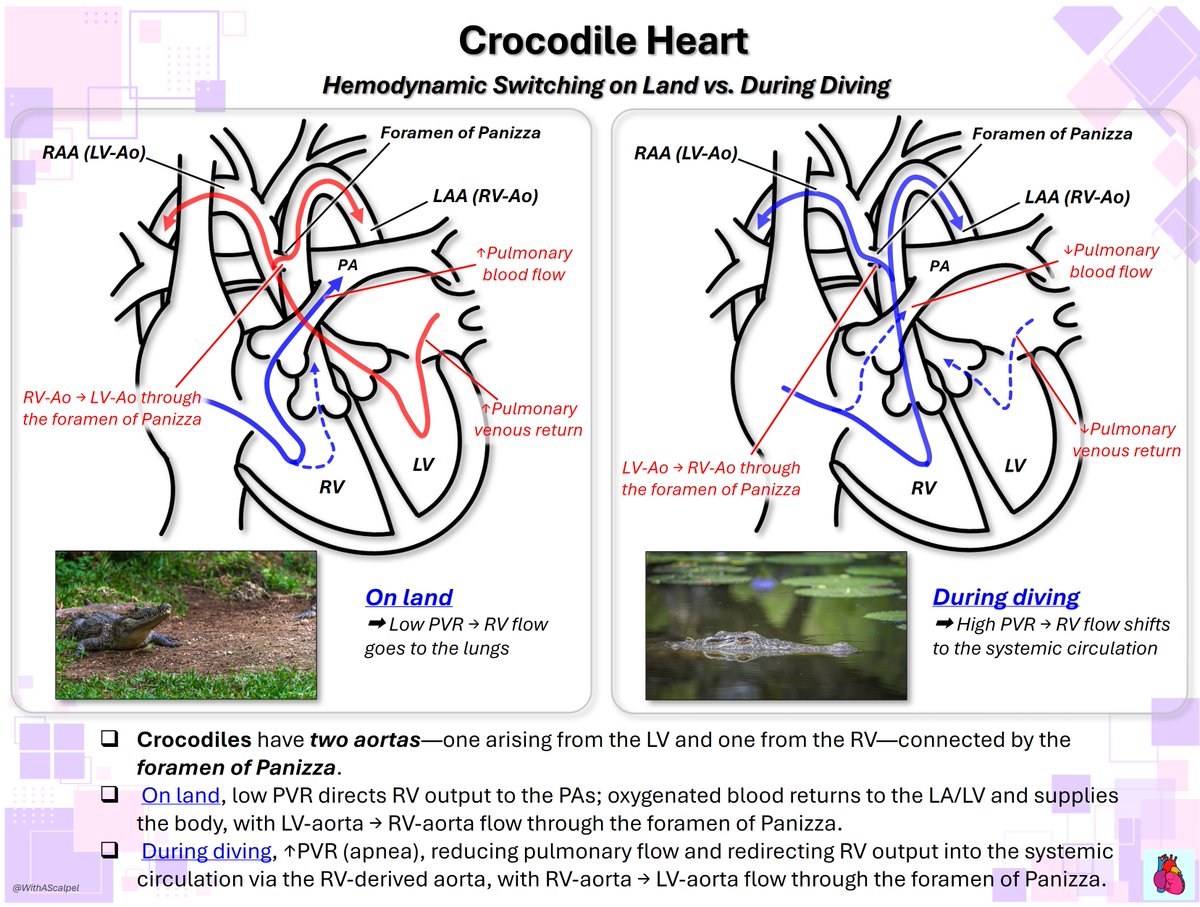
Crocodile Heart: Hemodynamic Switching on Land vs. During Diving
👉Crocodiles retain two systemic aortas: the right aorta from the LV and the left aorta from the RV, linked by the foramen of Panizza.
👉On land, low PVR directs RV output to the pulmonary arteries, while LV pressure drives systemic flow through the right aorta.
👉During diving, apnea increases PVR, reducing pulmonary flow and redirecting RV output into the systemic circuit via the RV-derived left aorta.
1
12
35
4,305
End-to-Side Anastomosis — Post-Parachute Technique🪂
👉The heel is parachuted first, allowing precise alignment before the graft is seated onto the arteriotomy.
👉The running suture is then continued while calibrating the anastomotic diameter to create a smooth, unobstructed flow path.
@PipeCabreraV @SWexner @pferrada1 @CiruAndes2 @TomVargheseJr @AmCollSurgeons

The heel of the anastomosis! Parachute technique! @SWexner @pferrada1 @CiruAndes2 @TomVargheseJr @AmCollSurgeons
2
5
987