
Co-Founder @ Flashpass: The Antidote to AI Doomerism. Co-Founder @ Bowers Hinman Capitol Affairs. Former Director of OH House Speaker’s Office
Joined December 2025
- Tweets 101
- Following 321
- Followers 128
- Likes 119
16 Photos and videos





Pinned Tweet

May 19
Democrats claimed rural Ohio Republicans were too racist to back Vivek for governor.
But Ramaswamy won 82.5% of the primary vote and every county.
Their delusion will end up biting them. Ohioans care about issues over identity politics.
Here's my op-ed in today's Dispatch:

Opinion: Republicans aren't racist. Ramaswamy’s big win proof Democrats are delusional | Opinion dispatch.com/story/opinion/c…
52
37
176
18,406
Jun 12
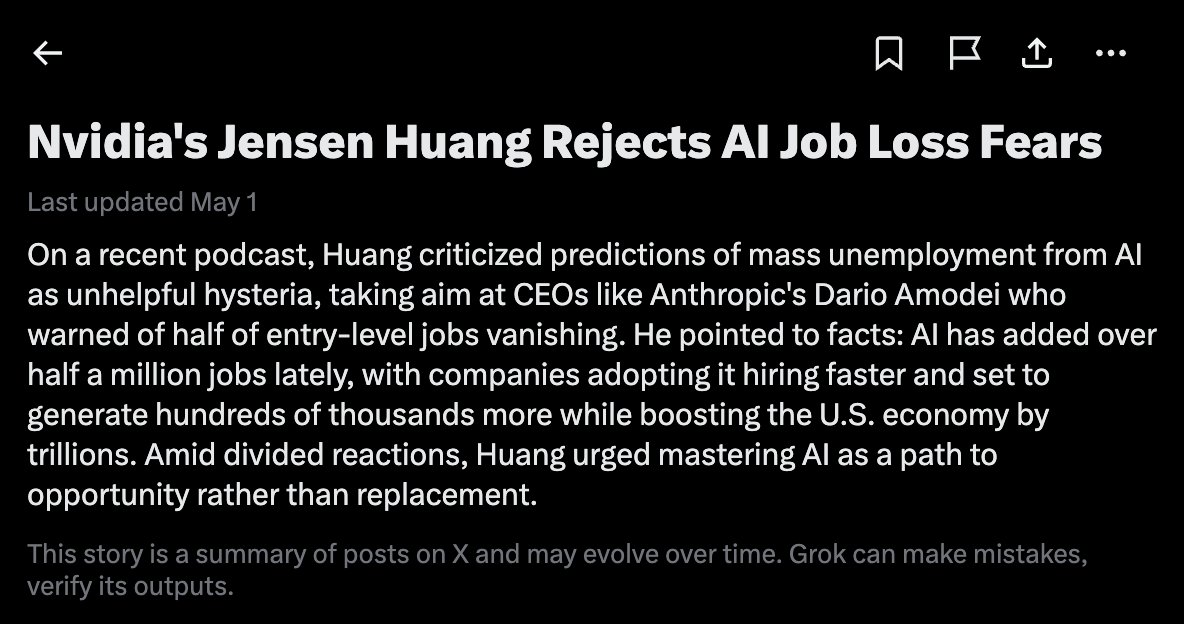
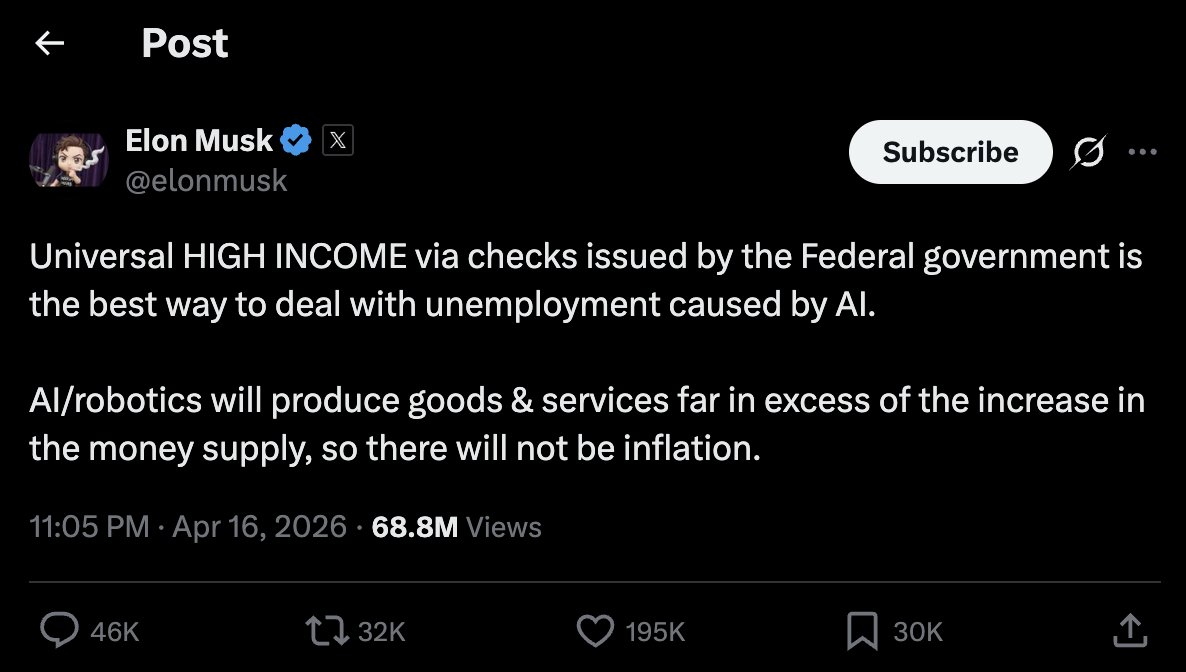
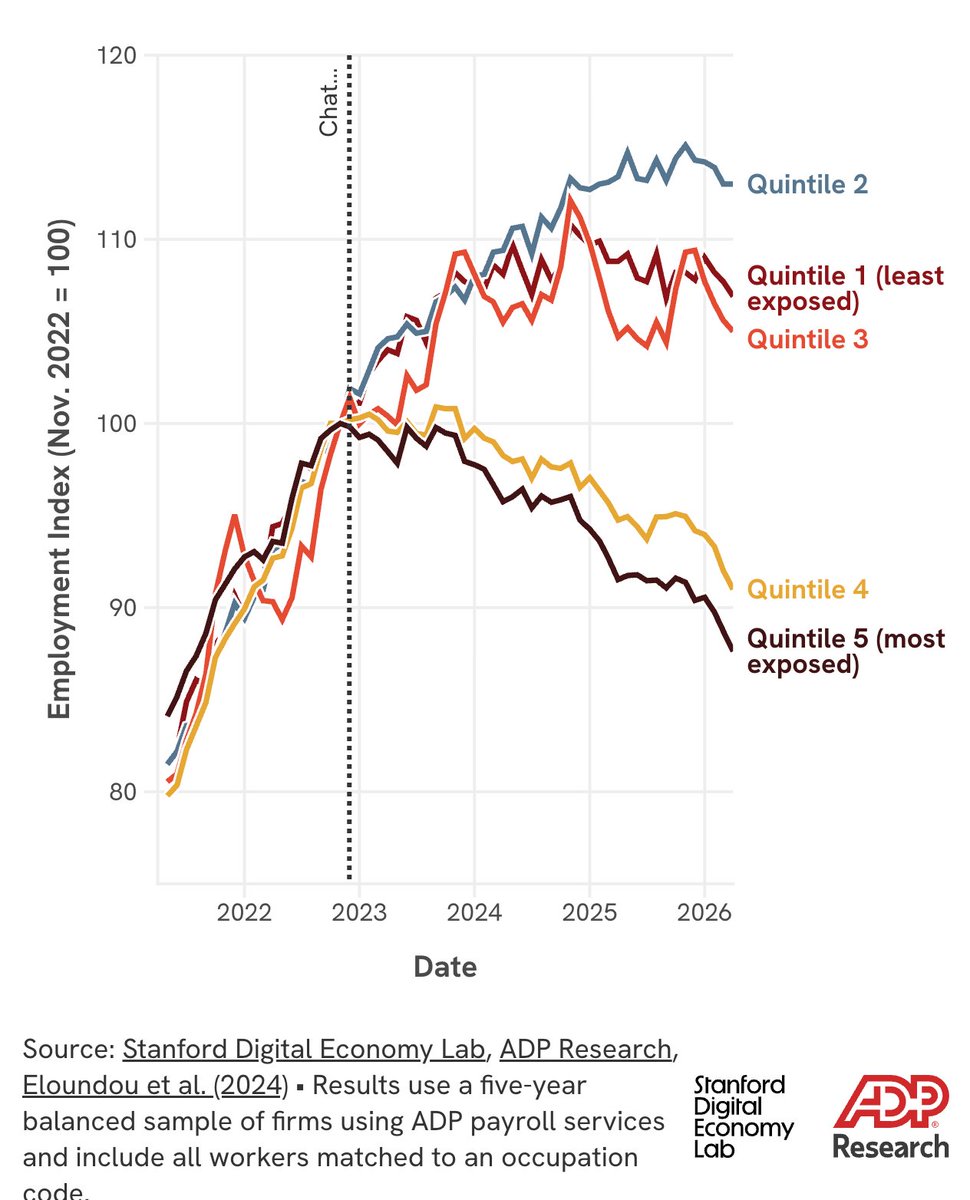
This is why some people feel like AI-induced worker displacement talks are fear mongering and why others feel that it will cause a massive unemployment crisis
AI is impacting sectors unequally and workforce infrastructure is the equalizer.
We have to find effective ways at moving those displaced workers into other arenas.
Jun 10

Today, the Stanford @DigEconLab launches the AI Economic Indicators, a new platform for tracking how AI is reshaping work, productivity, adoption, and the economy.
1/6
1
106
Jun 12
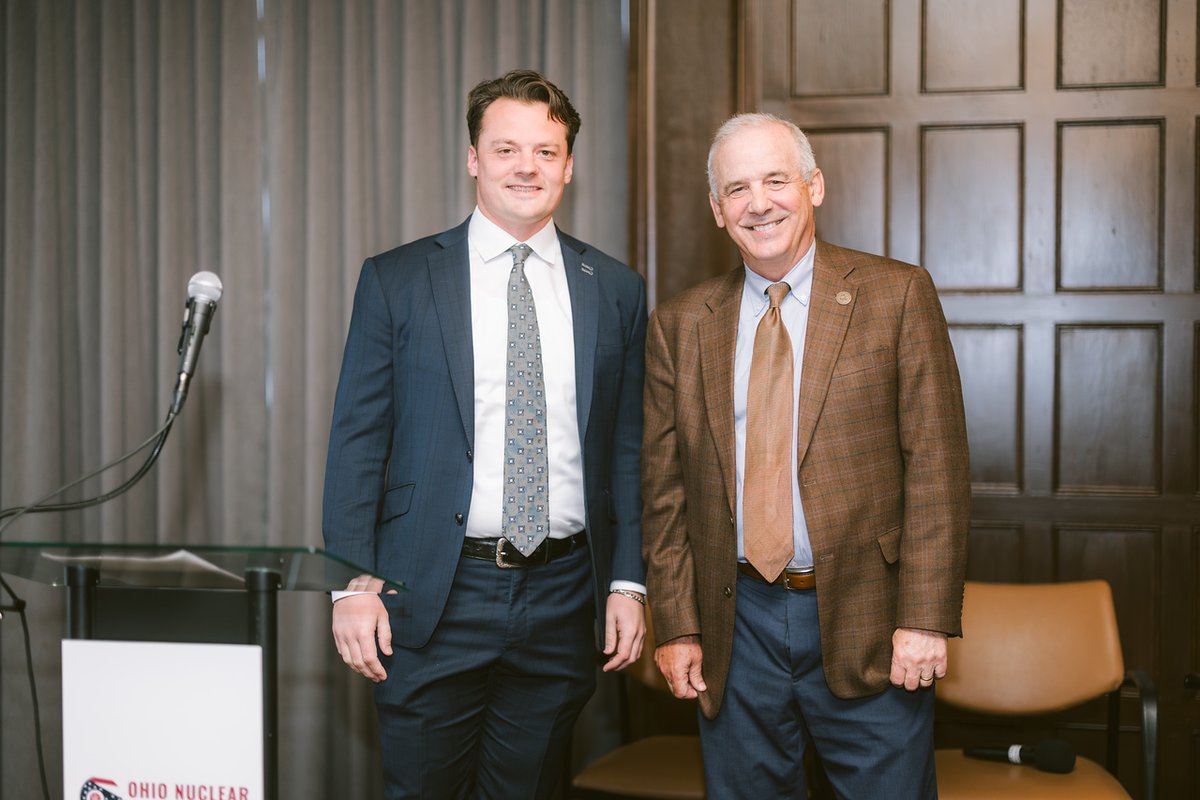
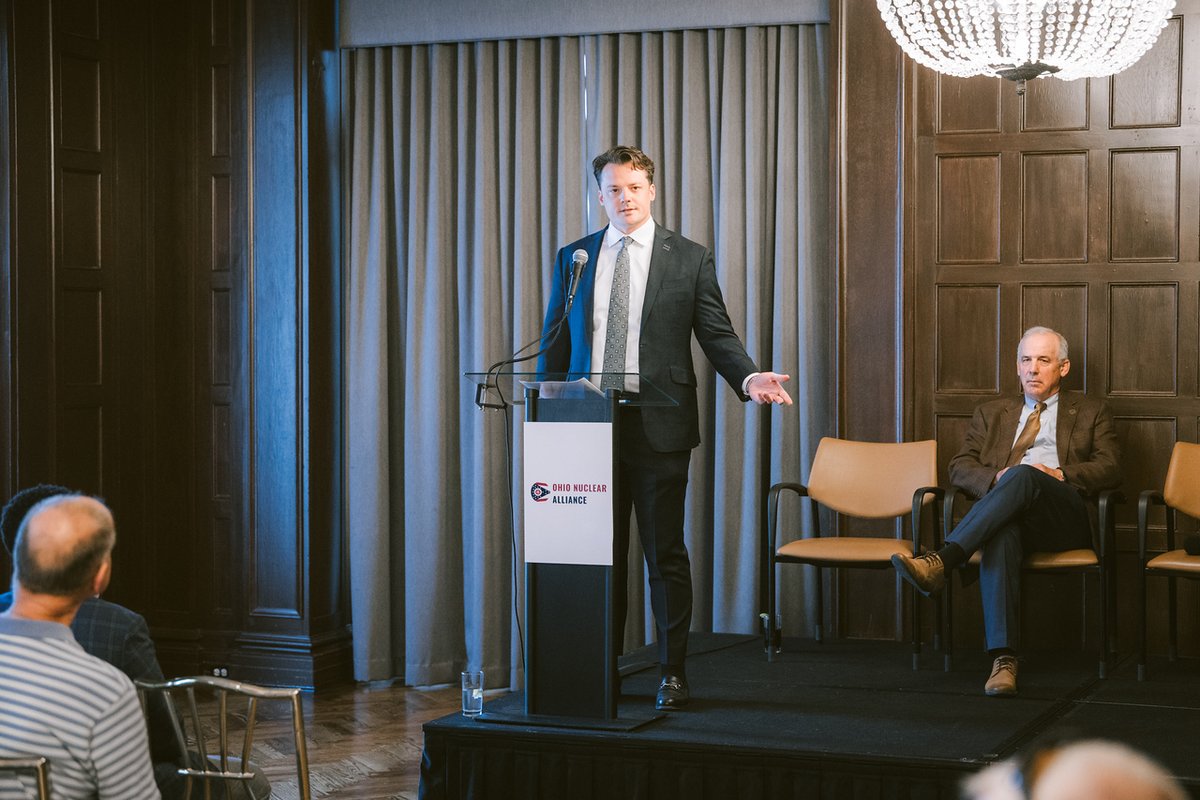
When the Speaker attends your launch… you've got the room.
The Ohio Nuclear Alliance launched this week, and Speaker Huffman @matthuffman1 showed up and told the room he thinks 100 years from now, most energy will be nuclear.
That's quite the signal.
Ohio has been building toward this for a while now with Centrus Energy in Piketon, Meta's nuclear commitments and federal deployment dollars finding their way to state-level projects. What's been missing is a unified industry voice that can sit across from legislators and make a coherent ask. That's what ONA is.
I've spent enough time in the building to know what Huffman's presence actually means.
A trade association standing up with the Speaker's blessing signals that the relationship infrastructure is being built.
The coalition work, the appropriations conversations, the lobbying capacity all have to exist before a bill ever gets written.
When the Speaker shows up to your launch, he's telling everyone in the room how to read the legislative calendar.
The policy window on nuclear just got a lot cleaner.
3
2
26
1,779
Jun 11
There's a massive disconnect between how Silicon Valley talks about AI and how the rest of the country experiences it.
The tech world frames AI as liberation and productivity unlocked.
Drudgery eliminated.
A rising tide.
For a lot of working Americans, it looks like something else.
Communities have already lost manufacturing jobs to globalization. Then they got hit by the opioid crisis.
Those communities are not hearing the AI liberation narrative and nodding along.
They're watching another wave of displacement accelerate while the people building the technology give speeches about abundance.
Very few voices are seriously sitting at the intersection of acknowledging the genuine technological transformation happening while also taking seriously the real human cost landing on specific communities.
Workforce displacement from AI isn't a problem to prepare for in the future.
For a lot of people it's a current problem.
The policy infrastructure to address it is nowhere near keeping pace with the change. The disconnect between Silicon Valley's messaging and the reality is a problem that will soon be impossible to ignore.
1
49
Jun 10
Portsmouth, Ohio wasn't a random casualty of the opioid crisis.
It was a target.
Purdue Pharma and companies like them didn't stumble into Appalachian Ohio by accident.
They marketed directly into communities that were already bleeding with displaced coal workers and people hit hard by the Great Recession.
They were towns that had watched their economic foundation collapse and hadn't found anything to replace it.
The perfect storm wasn't accidental.
Coal mine closures created the desperation while the recession deepened it.
Then pharmaceutical companies showed up with an aggressively marketed product and a patient population with limited options and limited political power.
Portsmouth became ground zero.
The Ohio Valley more broadly became a case study in what happens when corporate profit motive meets economic devastation with no meaningful regulatory check.
JD Vance wrote about this in Hillbilly Elegy. He humanized the people living inside that crisis in a way that the national media largely hadn't.
But the story underneath the story is the deliberate corporate strategy that created the conditions.
It deserves as much attention as the human cost it produced.
1
4
539
Jun 9
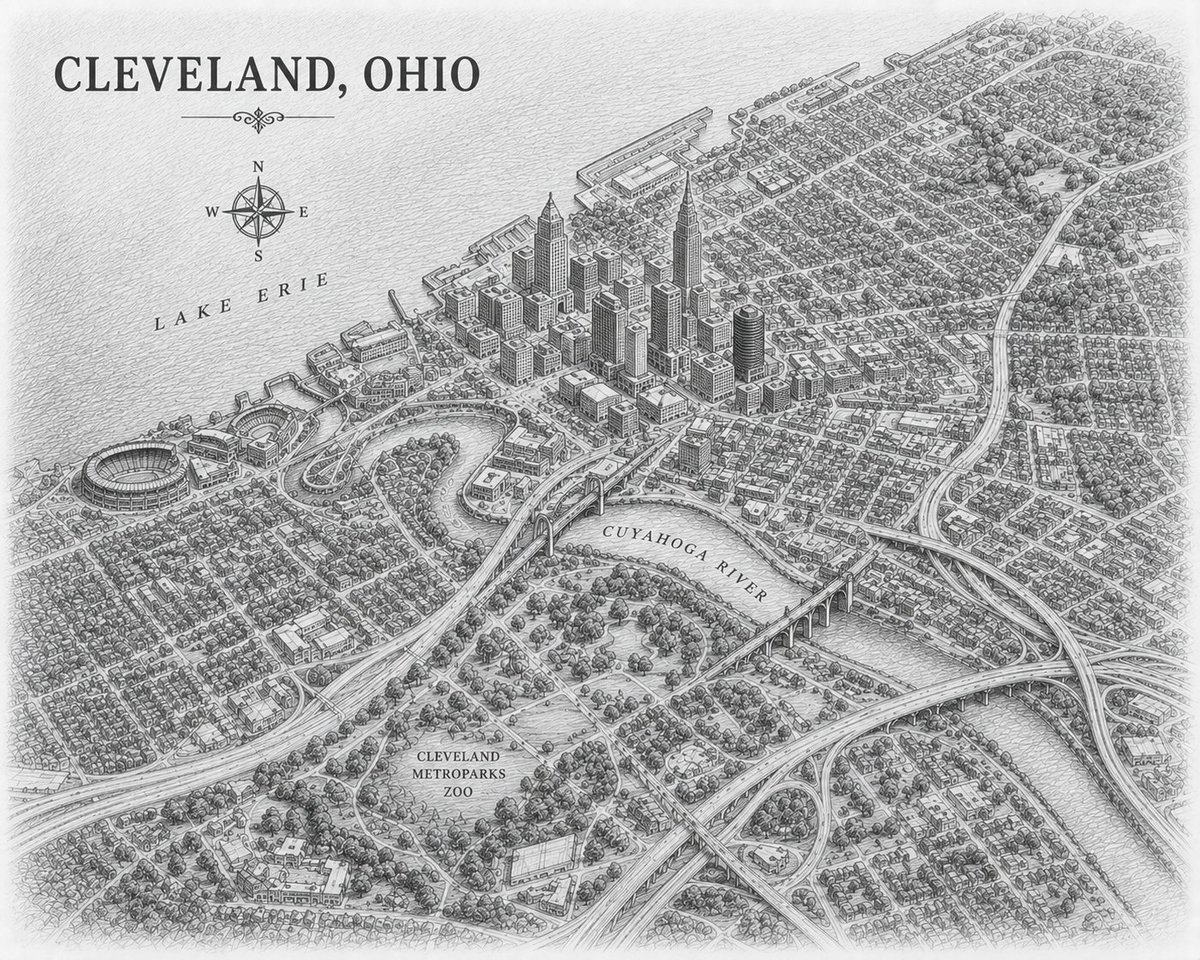
Most people think of Cleveland as one thing.
It's actually several completely different cities stitched together. I’m going to generalize a bit here, but bear with me.
The east side has large, established communities that are typically more white collar, more historically connected to professional and academic institutions.
The west side traditionally has working-class neighborhoods that have been there for generations, with distinct economic realities, cultural priorities, and political instincts.
Those two populations live in the same city, vote in the same elections, and want fundamentally different things from their elected officials.
That's not unique to Cleveland, but Cleveland is a good example of why city-level political analysis that treats urban voters as a monolith gets everything wrong.
"Urban voters" isn't a bloc, it's a collection of distinct communities with distinct histories that happen to share a zip code.
The candidates and campaigns that figure out how to speak to each of those communities specifically and not just to "the city" in aggregate are the ones that find votes everyone else missed.
89
Jun 5
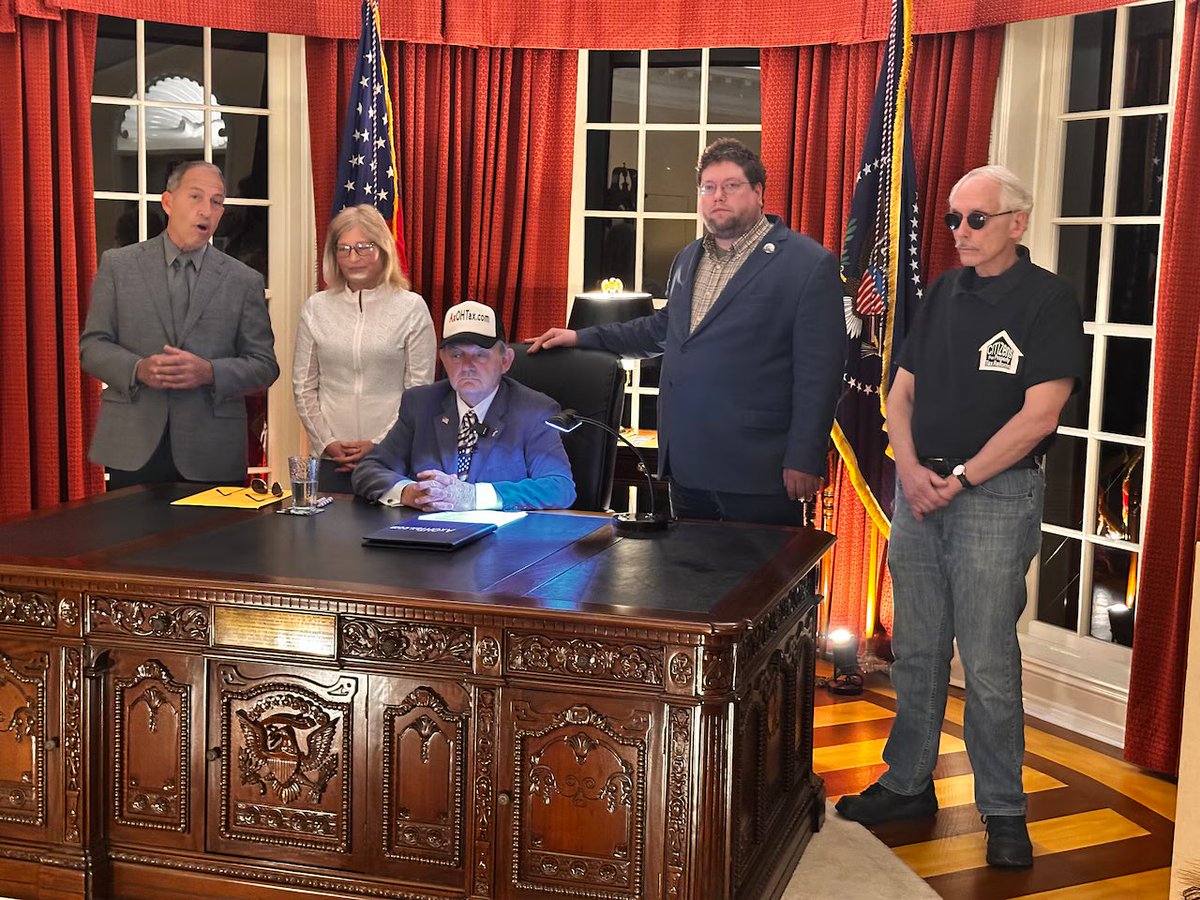
Who would’ve thought that this very serious looking group wouldn’t be able to pull this off?
Jun 5

Ohioans won't be voting to abolish property taxes in 2026. The group gathering signatures for the amendment says they're now looking at 2027. cleveland.com/news/2026/06/o…
8
1,363
Jun 4
I’m a big fan of Quentin Tarantino.
Lately, I’ve had little time to read and watch movies as I focus on work and life.
Back when I had more time on my hands, I was into his book Cinema Speculation.
I’d read a chapter and then watch the corresponding film. Highly recommend.
He references hundreds of films in the book; it’s clear he’s a real student of his craft.
Here’s a list of every film referenced in the book.
How many have you seen?
letterboxd . com /samuryan/list/every-film-referenced-in-quentin-tarantinos-2
1
1
115
Jun 3
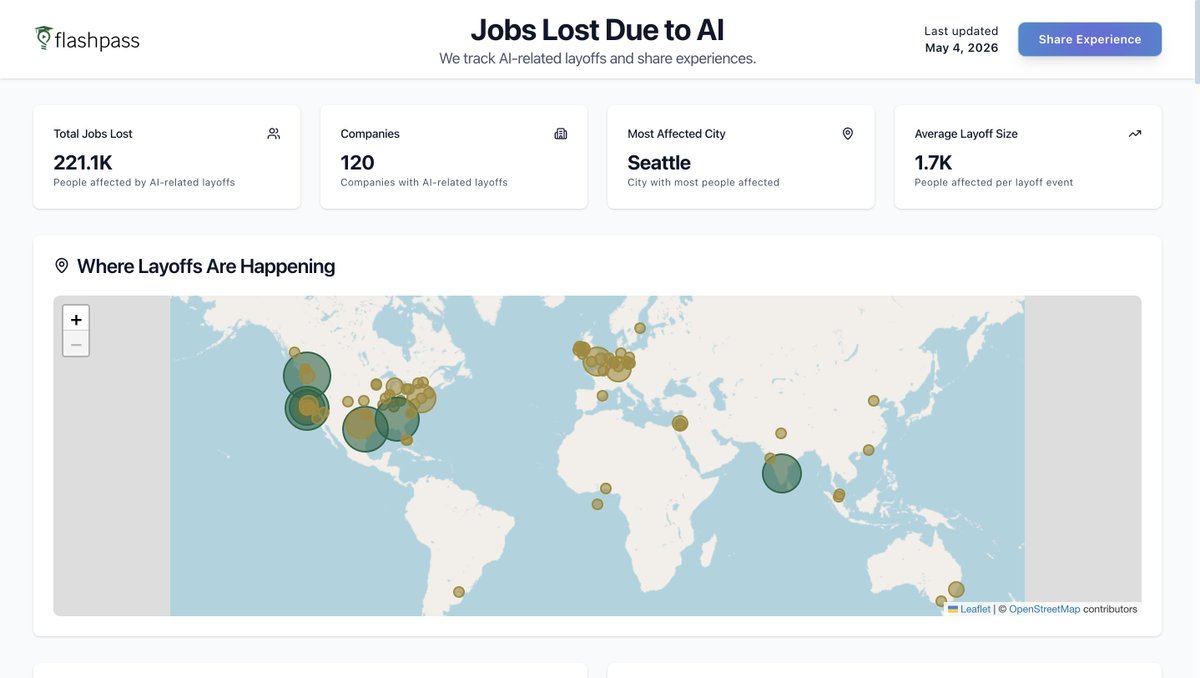
Over 250,000 people have lost their jobs to AI.
We're tracking right now at jobslost.ai
We’re tracking things like no. of companies, people per layoff event and locations hit hardest.
Can see every bubble on the map
Check it out here: jobslost.ai
1
66
Jun 2
The workforce training infrastructure in this country is not keeping pace with how fast the economy is moving.
1
2
273
Jun 2
I find the prediction debates around AI job displacement less useful than the infrastructure question underneath them. You can have a thousand new job categories emerge and still have millions of people who lack the credentials to qualify for any of them.
1
68
Will Hinman retweeted
Jun 1
Even if it doesn’t replace, it will most definitely displace. Either way it’s a crisis worth preparing for.
1
1
1,044
Will Hinman retweeted
May 28
Regardless of what you think of JobsOhio.. @mdkmoto 100% right about this:
"A skilled workforce is not a side issue in economic development – it is central to it. States that are winning today are investing aggressively in talent pipelines, especially in sectors like advanced manufacturing and defense.”
Opinion: I started JobsOhio. It's better than failed bet on podcast pushed by ex-OSU pres. | Opinion dispatch.com/story/opinion/c…
1
135
May 28
The people designing workforce development programs are almost never the people who need them.
1
1
78
May 28
The gap between "program created" and "person hired" is enormous, and nobody in the system is accountable for what happens in that gap.
1
64
May 28
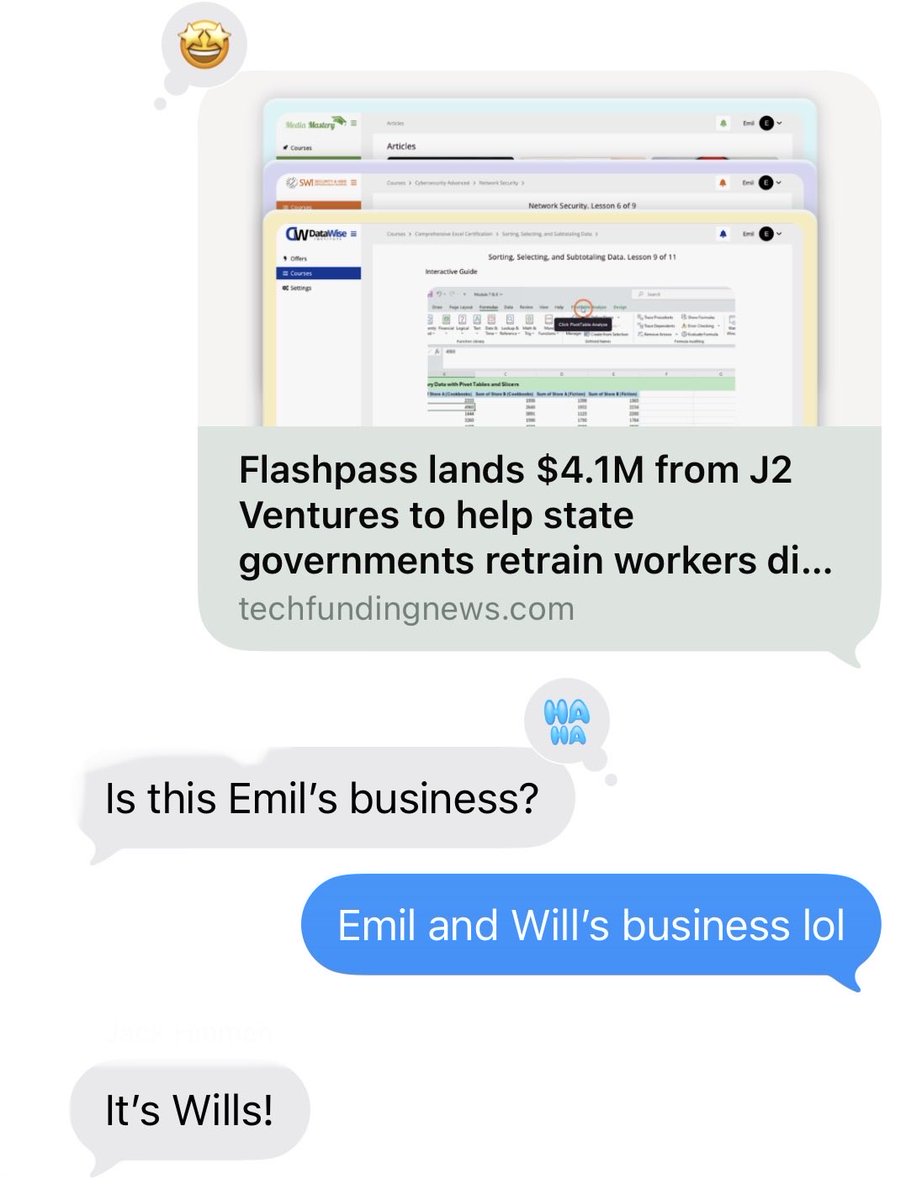
How we can help workers displaced by AI:
Building the credential is step 1.
Connecting it to an employer who will actually hire based on that credential is step 2.
Step 3 is doing that at scale, across multiple states, with enough consistency that governments can point to it as a real return on public investment.
24
Will Hinman retweeted
May 28
Reconstruction era politics. Sure to be wildly successful for Democrats! Thanks for underscoring the point of my op-ed: Dems have their heads in the gutter
1
5
179
May 27
Congressman Fine's bill is a start. What it doesn't address is the 40-something in a GM IT role who finds out this week that their job is gone. Starting early matters. The missing infrastructure is for people who needed the onramp yesterday.
87
May 26
What happens when someone gets displaced at 42 with no career exploration infrastructure at all?
This is an almost entirely unaddressed question.
We build on ramps for students, yet we almost never build them for adults who need them just as much.
3
191