Next stop: the Moon 🌕
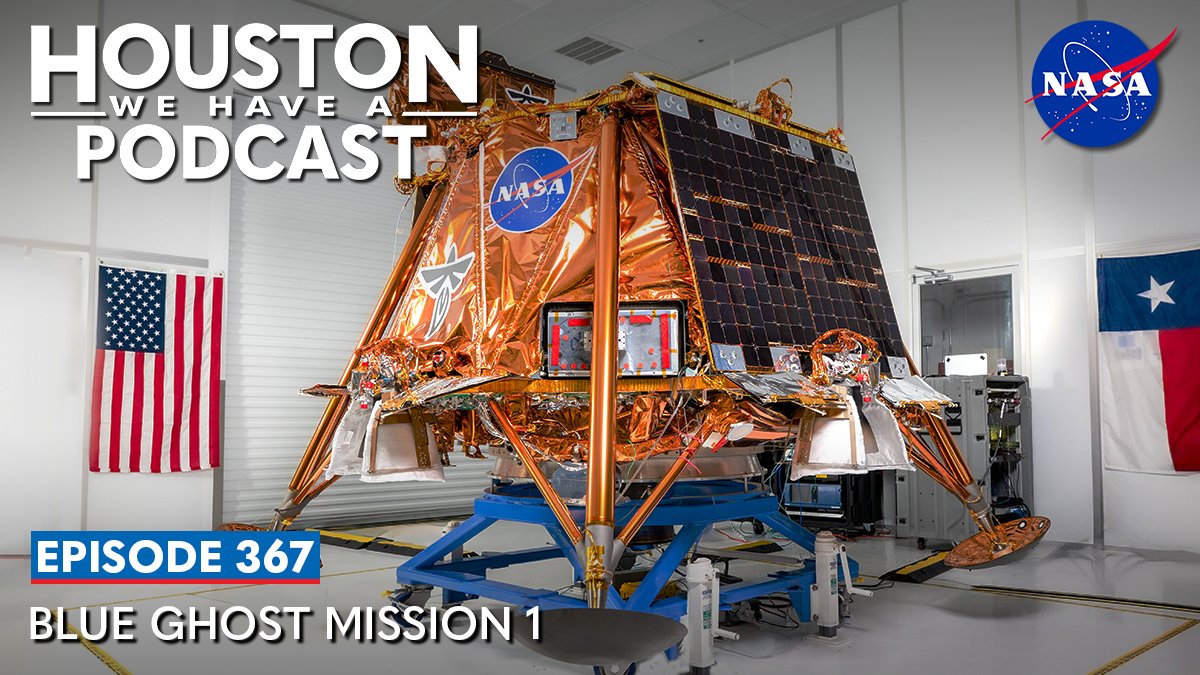
On this week’s #HWHAP, @NASA and @fireflyspace experts discuss the upcoming launch of Blue Ghost Mission 1, its lunar lander, and the science and technology being delivered to the Moon’s surface. go.nasa.gov/4fWRhsi
ALT On this week’s HWHAP, NASA and Firefly Space experts discuss the upcoming launch of Blue Ghost Mission 1, its lunar lander, and the science and technology being delivered to the Moon’s surface. https://go.nasa.gov/4fWRhsi
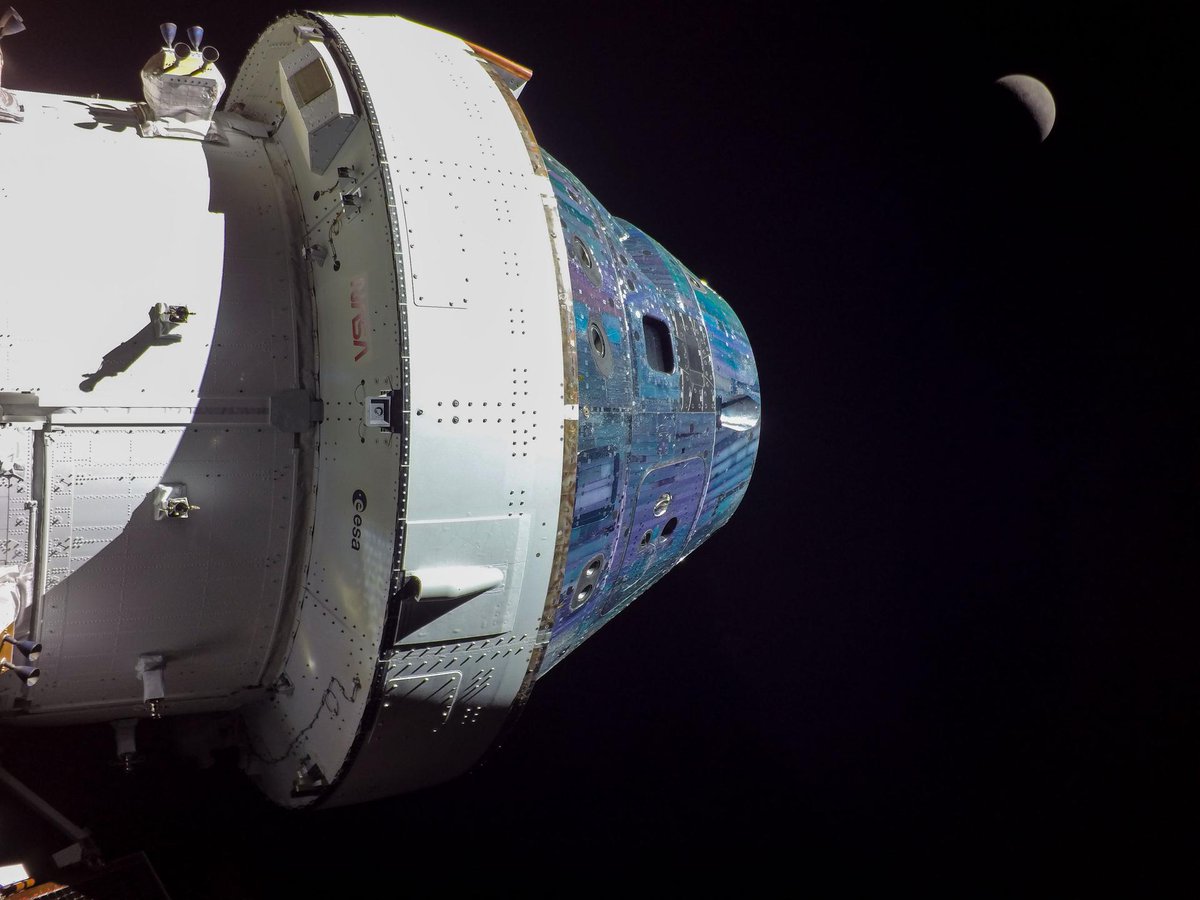
On the ninth day of the #Artemis I mission, the @NASA_Orion spacecraft completed its sixth outbound trajectory correction burn at 4:52pm ET (21:52 UTC). This is the final trajectory correction before entering distant retrograde orbit tomorrow. go.nasa.gov/3gw73BZ
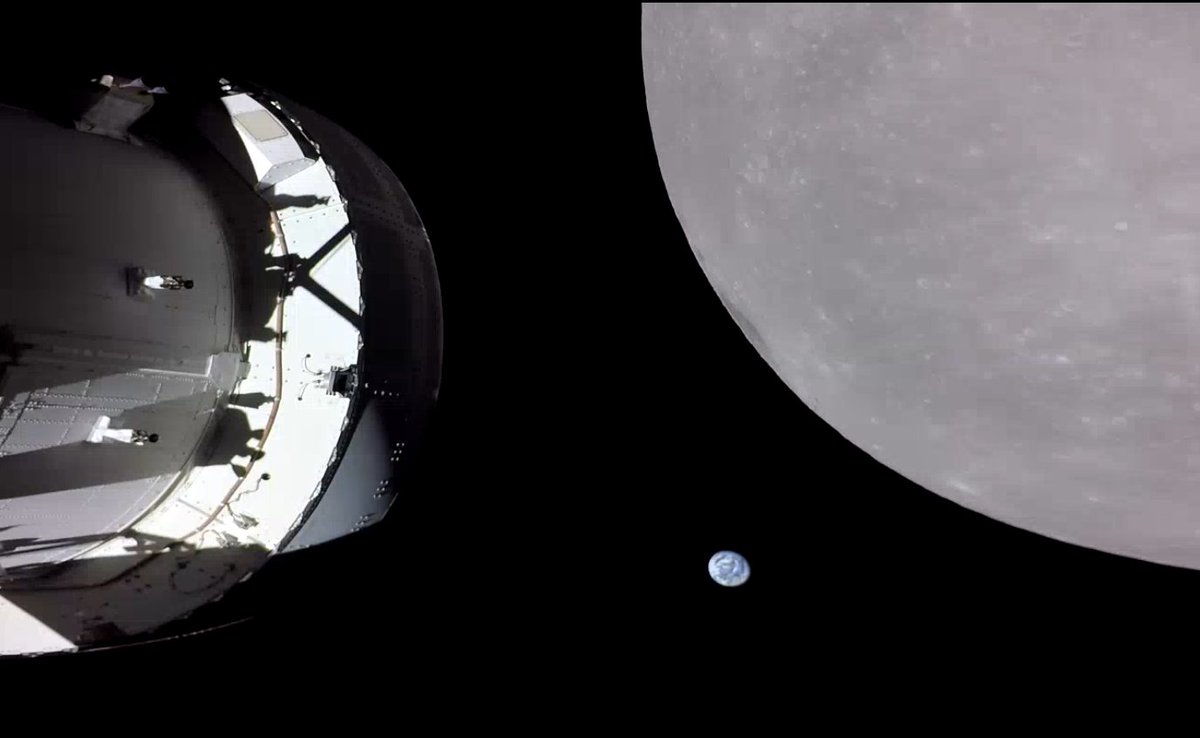
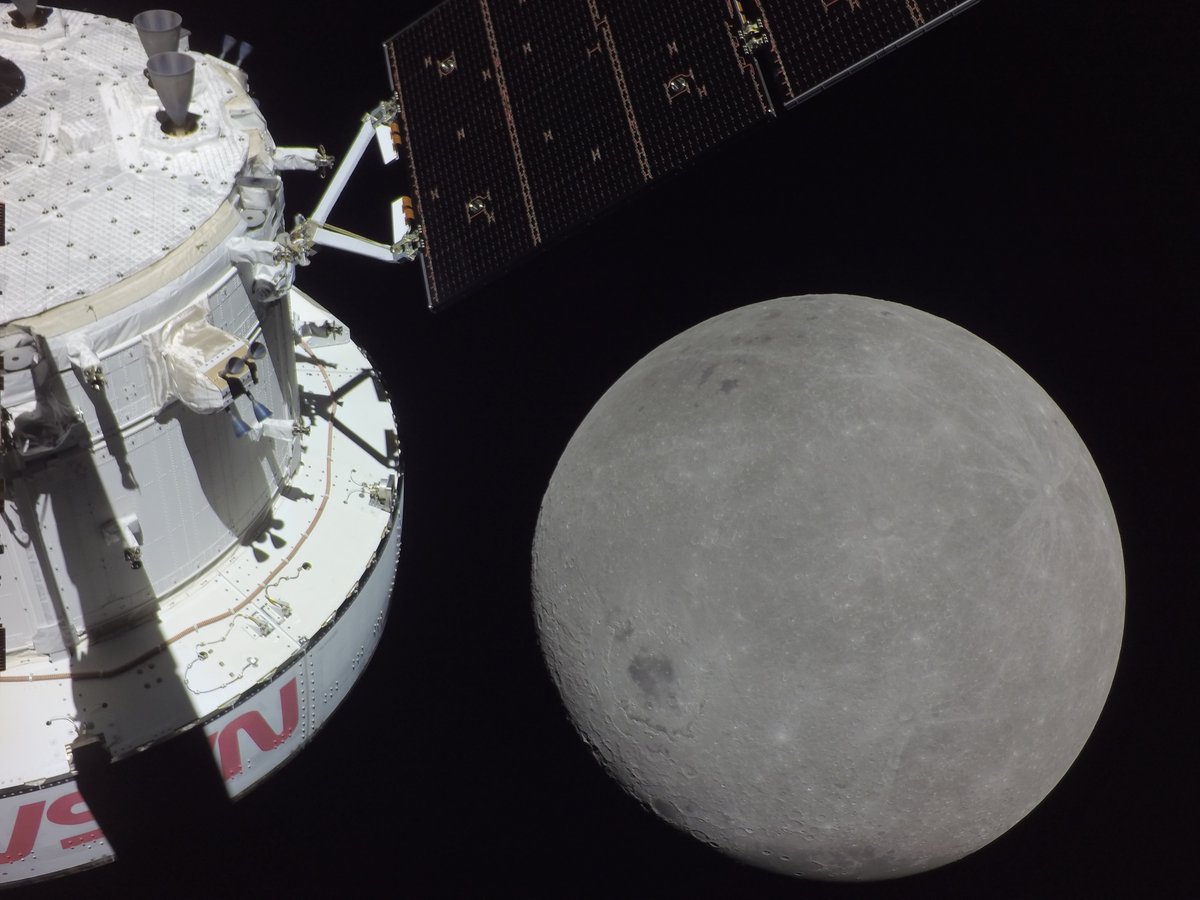
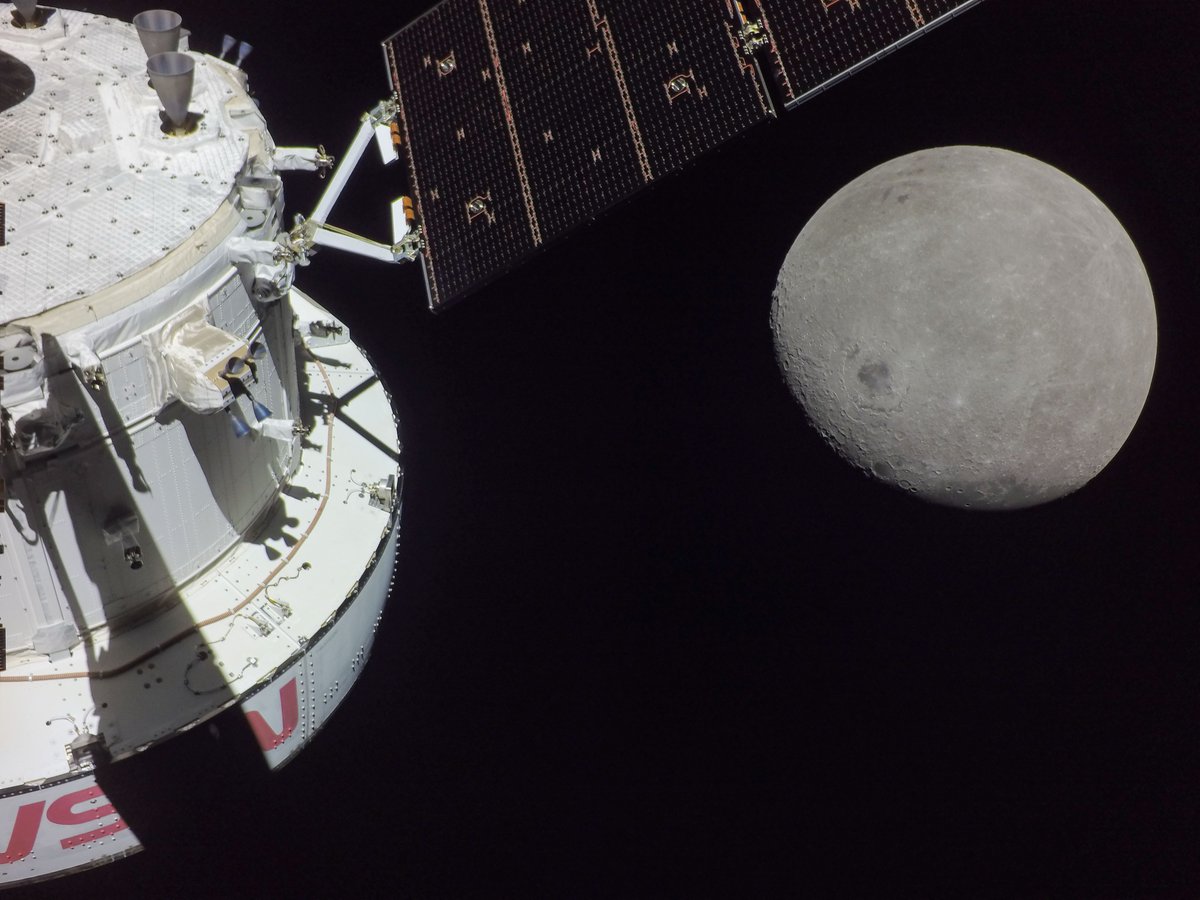
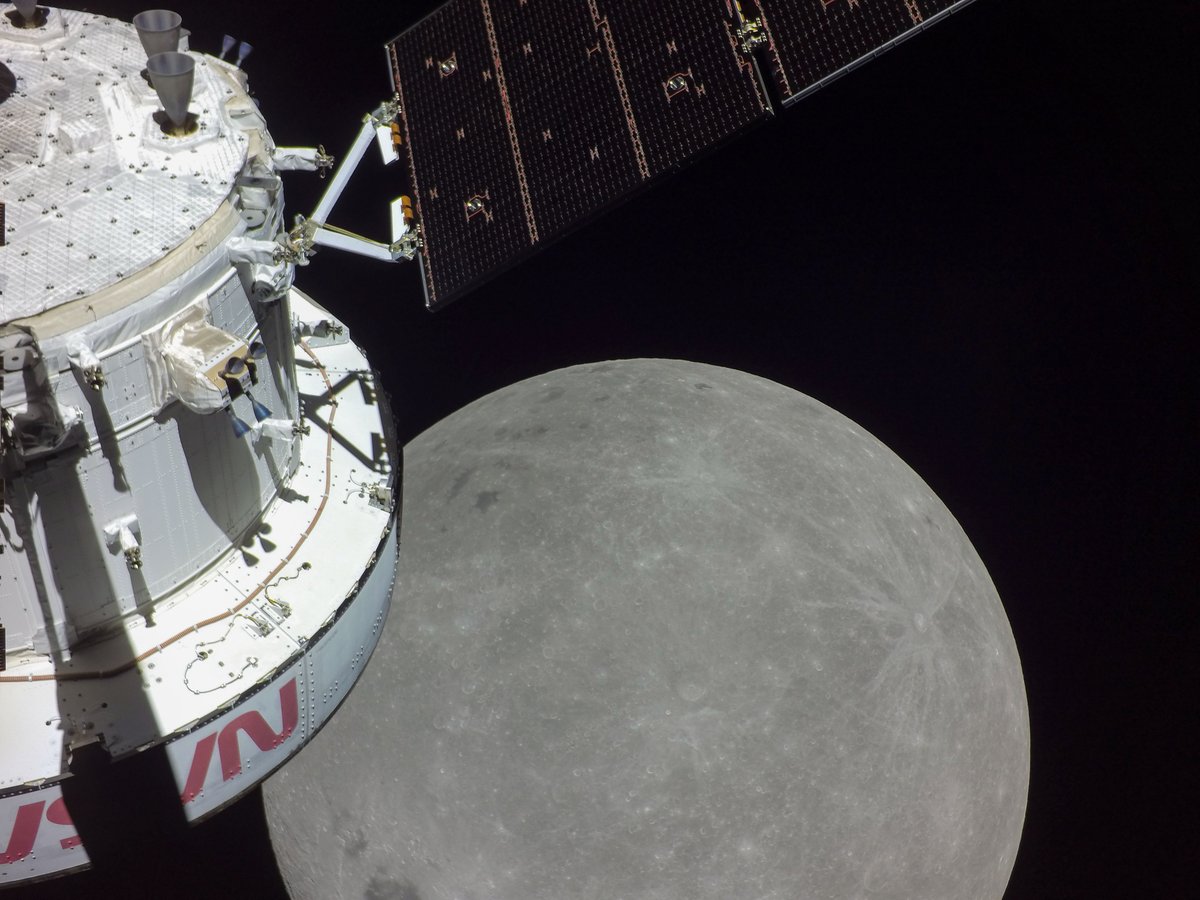
ALT The Orion spacecraft stands out against the blackness of space. The European Service Module, where a glimpse of a solar array extends from, is white. The capsule gleams with colors of silver and blue. The Moon can be seen in the distance.
#HappyThanksgiving from 250 miles above Earth. 🦃
Check in with Expedition 68 crewmembers to learn more about what the holiday means to them—and hear what Thanksgiving aboard the @Space_Station is like: go.nasa.gov/3OzSLN1
This is Artemis All Access Episode 2 - your latest updates from #Artemis I. Coming up:
Nov. 25: Distant retrograde insertion burn
Nov. 26: Orion will break Apollo 13's distance record
Nov. 28: Max distance from Earth
Footage from a remote camera placed inside Launch Complex 39B by Exploration Ground Systems for the launch of @NASAArtemis I on November 16, 2022, at 1:47 a.m. EST.
Watch to the end to see @NASA_SLS start its roll program! #WeAreGoing#Artemis
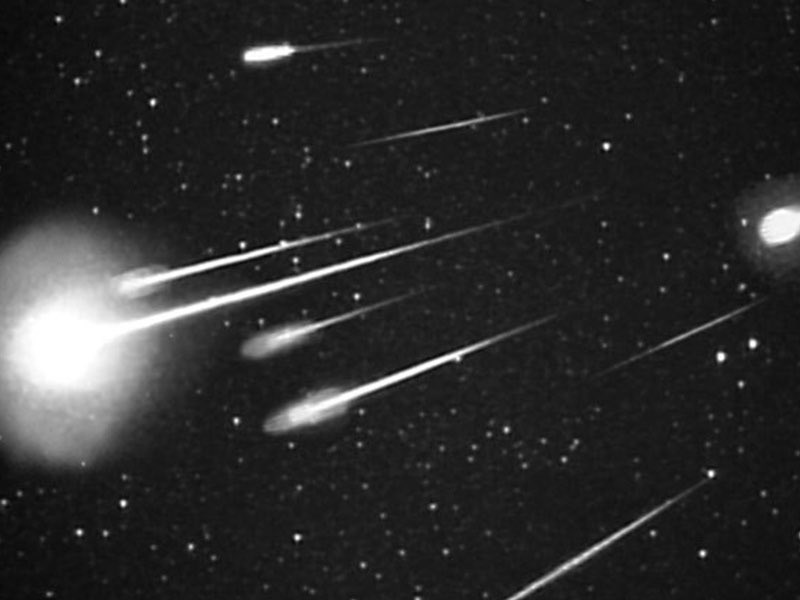
Getting into winter, we’re going to see a lot coming out of the sky like snow, sleet and ice. But we may see some other activity as well…perhaps a flash in the night sky from the Leonids meteor shower! It looks to peak in mid-November, so be on the lookout!
.@NASA_Orion is on track to enter distant retrograde orbit on Friday, Nov 25, and will travel over 57K miles beyond the Moon, passing a record set by Apollo 13. It'll be the furthest a human-rated spacecraft has traveled from Earth, reaching a max distance of over 268K miles.
ALT The Earth is seen setting from the far side of the Moon just beyond the Orion spacecraft in this video taken on the sixth day of the Artemis I mission by a camera on the tip of one of Orion’s solar arrays. The spacecraft was preparing for the Outbound Powered Flyby maneuver which would bring it within 80 miles of the lunar surface, the closest approach of the uncrewed Artemis I mission, before moving into a distant retrograde orbit around the Moon. The spacecraft entered the lunar sphere of influence Sunday, Nov. 20, making the Moon, instead of Earth, the main gravitational force acting on the spacecraft.
As @NASAArtemis continues to meet new mission milestones, this week's #NASASTEM Artemis I Learning Pathway newsletter puts a spotlight on Breaking Boundaries.🚀
Find out how Artemis I is paving the way for Artemis astronauts with videos, lessons and more! conta.cc/3EMWrrE
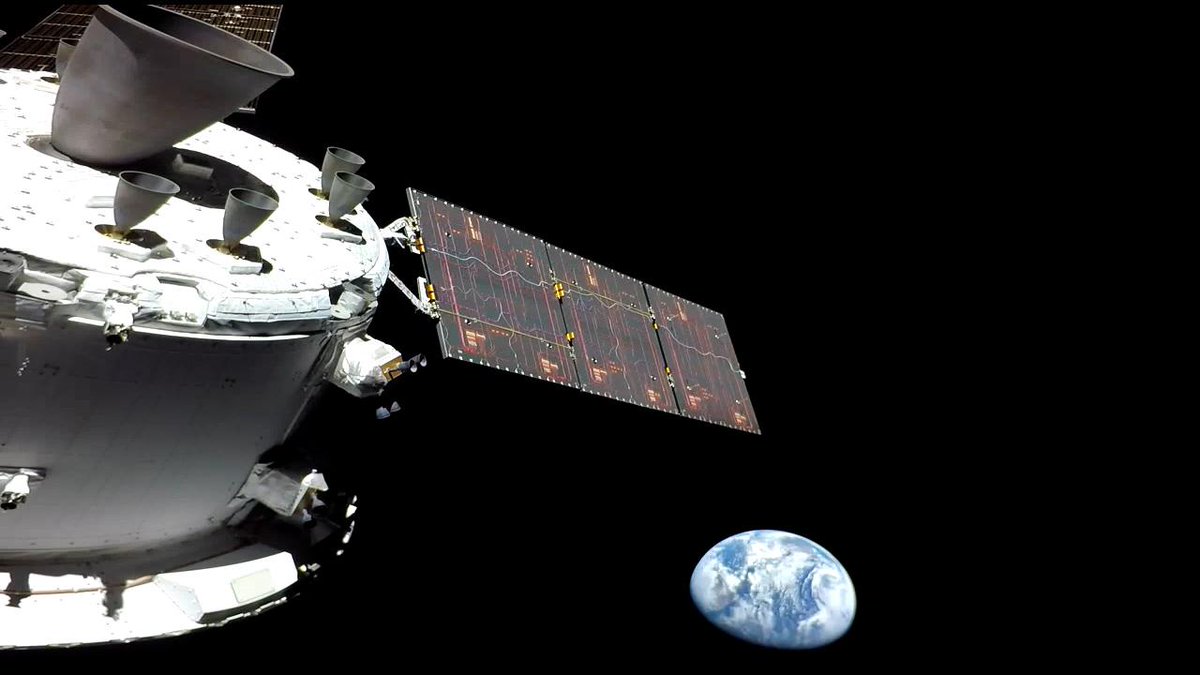
ALT A view of Earth as seen from the Artemis I Orion capsule about 9 hours into flight on Nov. 16, 2022
Humbling.
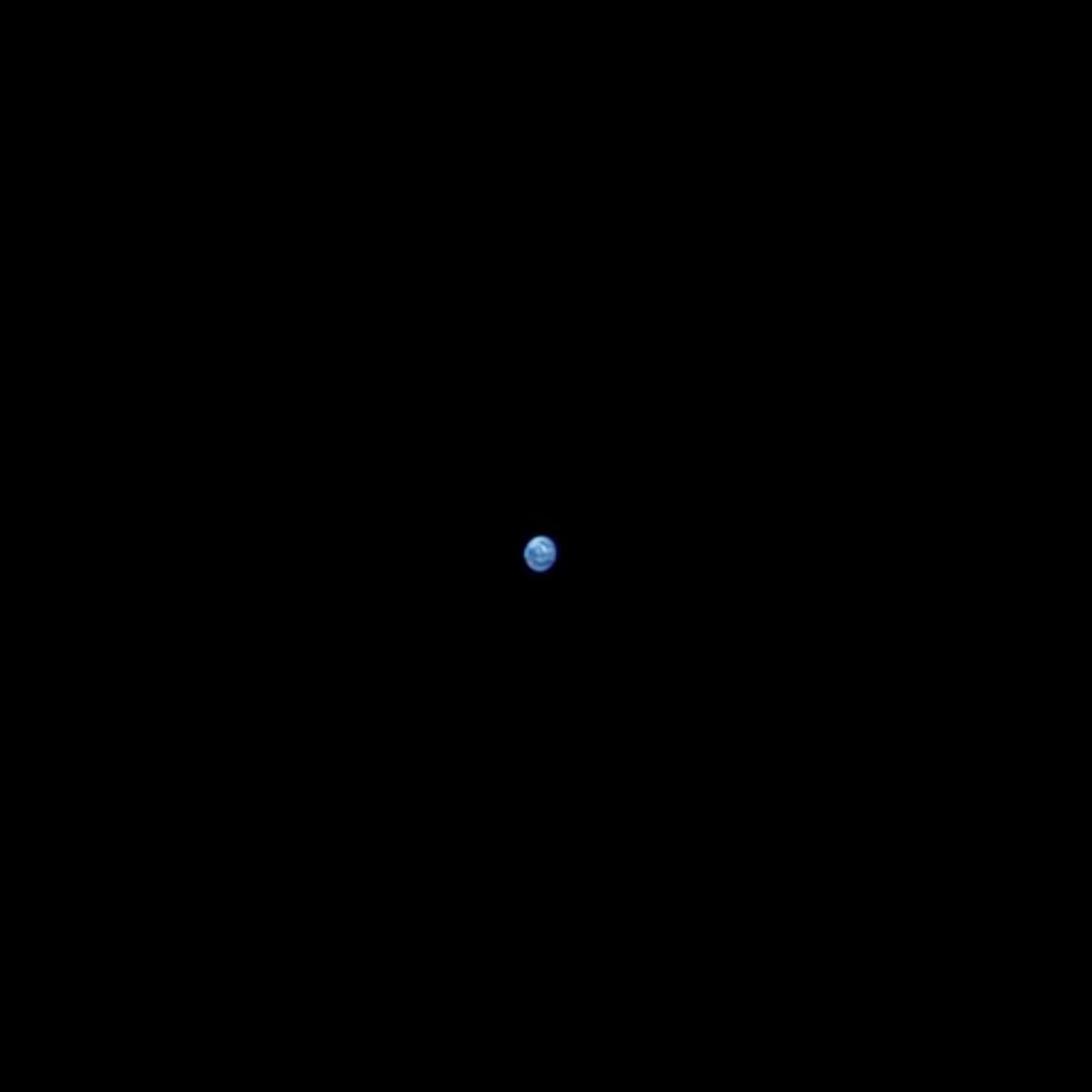
This is the whole world in one photo, taken by @NASA_Orion’s solar array wing camera from just above the lunar surface. It just keeps getting better.
Live Now: Experts from @NASAArtemis and @NASA_Orion discuss the spacecraft's lunar flyby as it moves toward a distant retrograde orbit.
Orion’s closest approach was around 80 miles (128 km) above the Moon’s surface. x.com/i/broadcasts/1dRKZMyqD…
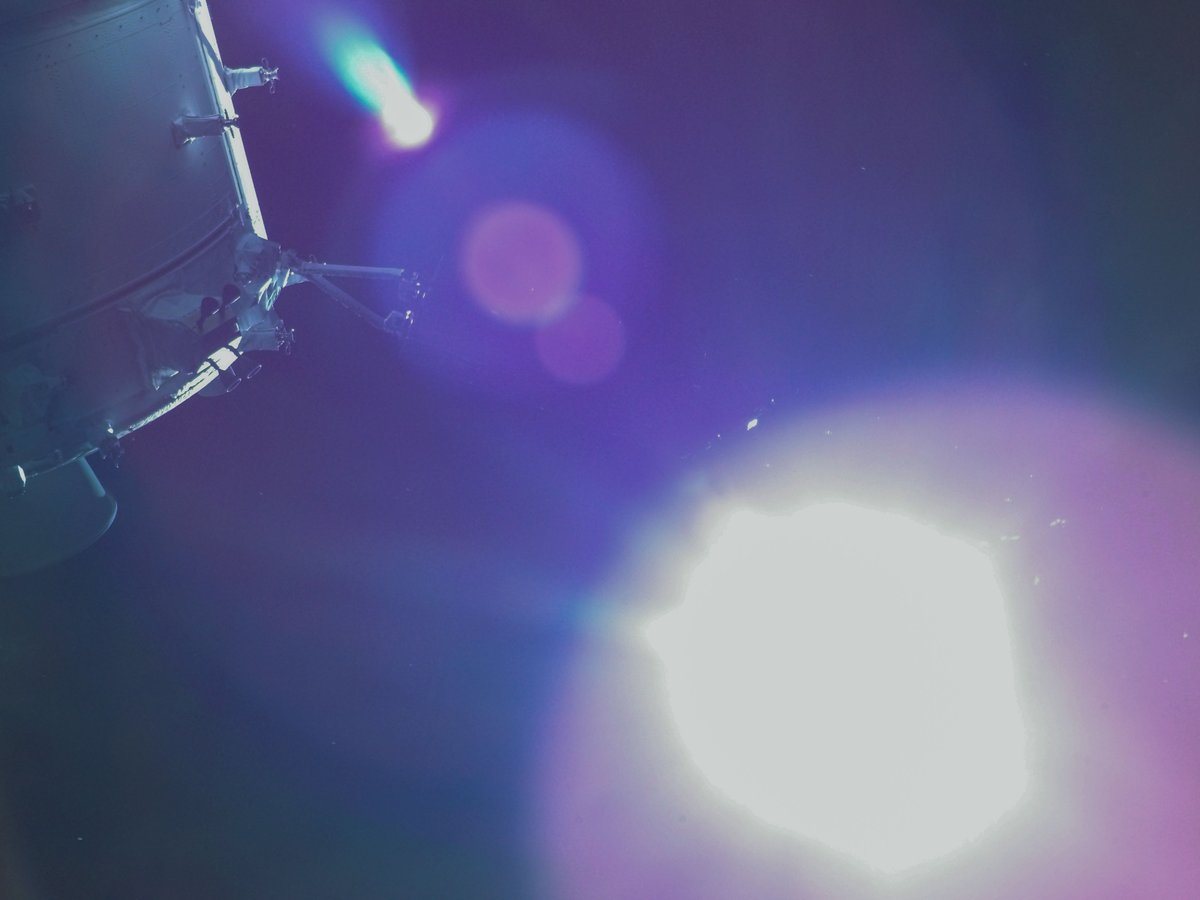
#Artemis I, Flight Day 5. Orion spacecraft takes a selfie while approaching the Moon ahead of the outbound powered flyby - a burn of Orion's main engine on the @ESA service module. During this maneuver Orion came within 81 miles of the lunar surface.
We'll be sharing Orion's snapshots throughout the mission. Don't forget to submit your own images, art, poetry, or any creation honoring the Moon, using #NASAMoonSnap!
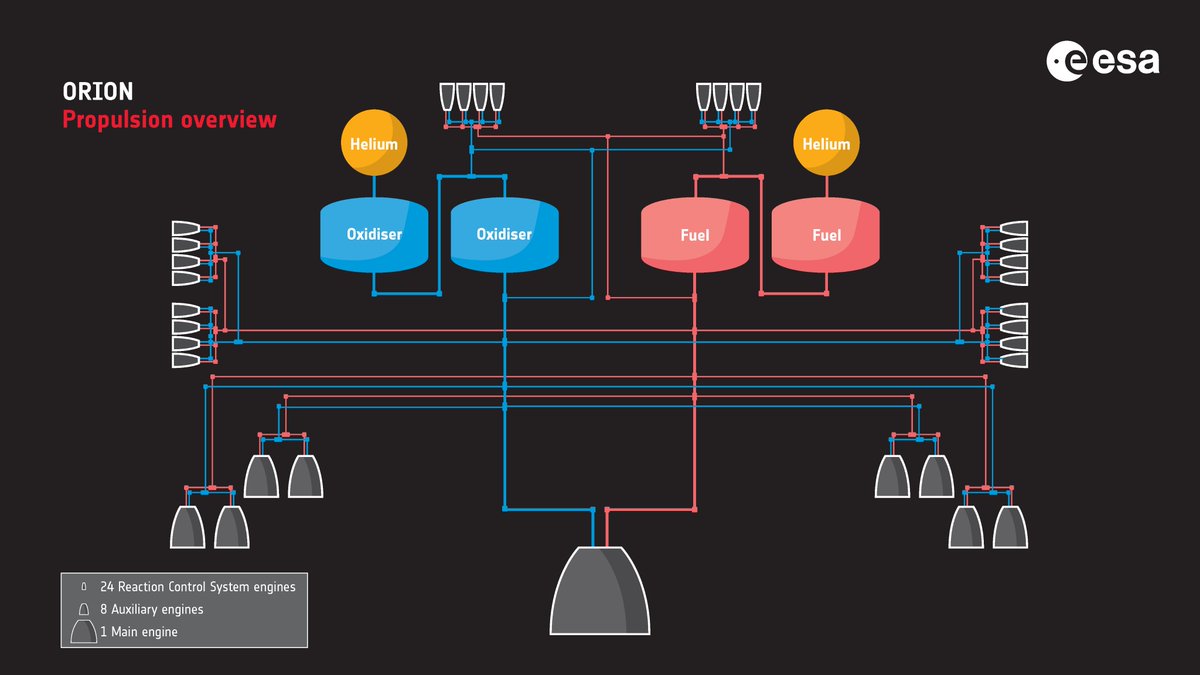
The #Artemis flyby of the Moon is a big moment for the propulsion teams on Earth as they fire the European Service Module's engines in a large burn.
🌙
But how does it work? Here is how to fly @NASA_Orion – propulsion edition: blogs.esa.int/orion/2022/11/…
ALT Heavily simplified overview of the European Service Module propulsion system for NASA's Orion spacecraft.
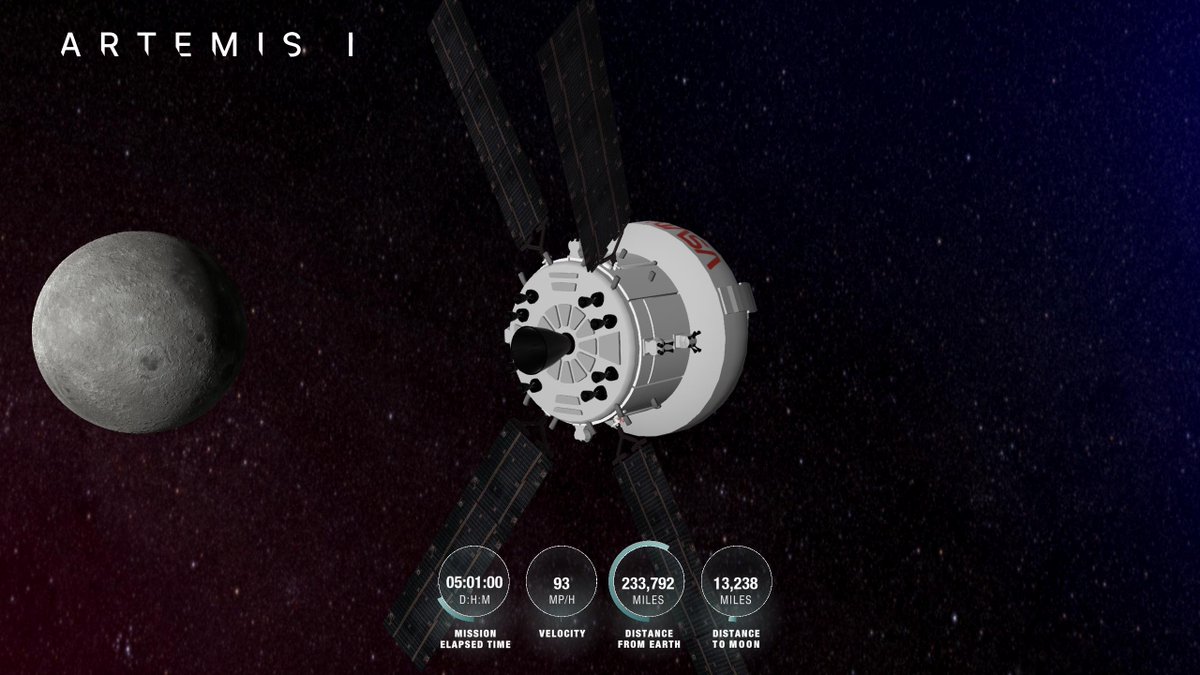
LIVE NOW: The @NASA_Orion spacecraft is performing its first powered lunar flyby.
Orion will make its closest approach to the lunar surface during the #Artemis I mission - approximately 80 miles – at 7:57am ET (12:57 UTC). x.com/i/broadcasts/1djGXlykv…
Mission Time: 5 days, 1 hrs, 0 min
Orion is 233,792 miles from Earth, 13,238 miles from the Moon, cruising at 93 miles per hour.
P: (-210445, -103753, -38386)
V: (57, 74, -2)
O: 56º, 49.4º, 4.6º
What's this? nasa.gov/feature/track-nasa-…#TrackArtemis
ALT Orion is centered. Orion's solar array wings are unfurled and in varying positions.
The Moon is in the far-distance in the center left, lit from the left.
On-screen overlays read: Distance to Earth: 233792 Distance to the Moon: 13238 Velocity: 93 Mission Elapsed Time: 5D : 1H : 0M