Space and STEM in under 60 seconds, one fact at a time. Space facts, rockets, and simple robotics.

Joined December 2025
162 Photos and videos
Pinned Tweet
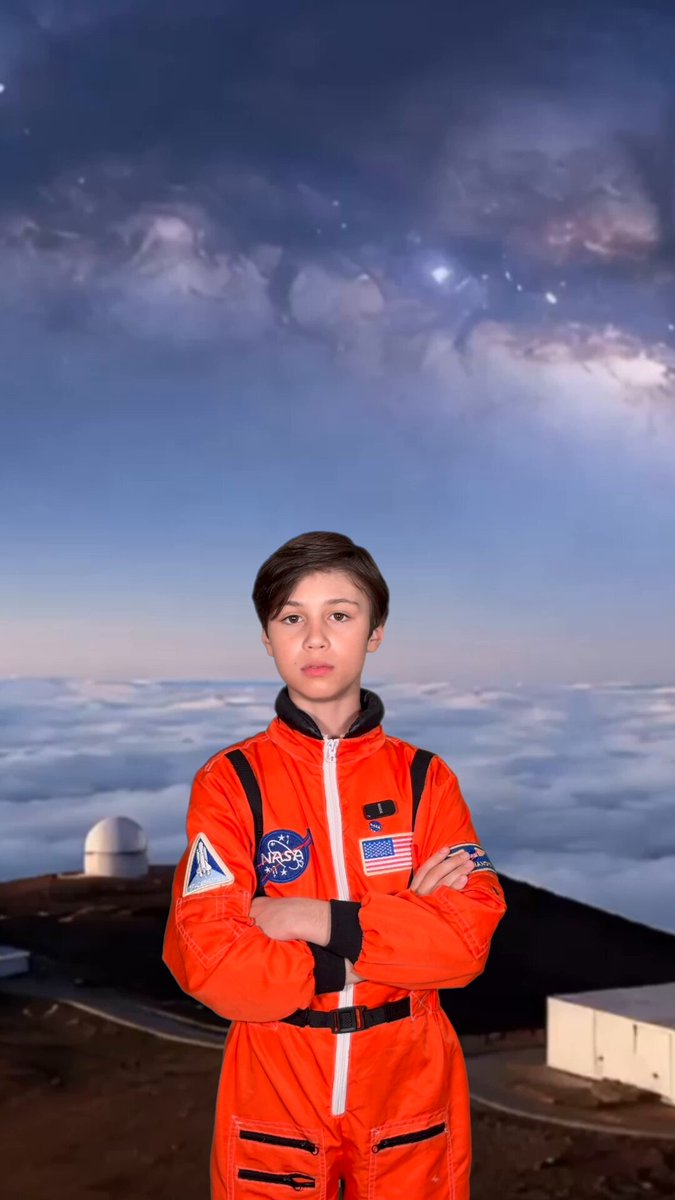
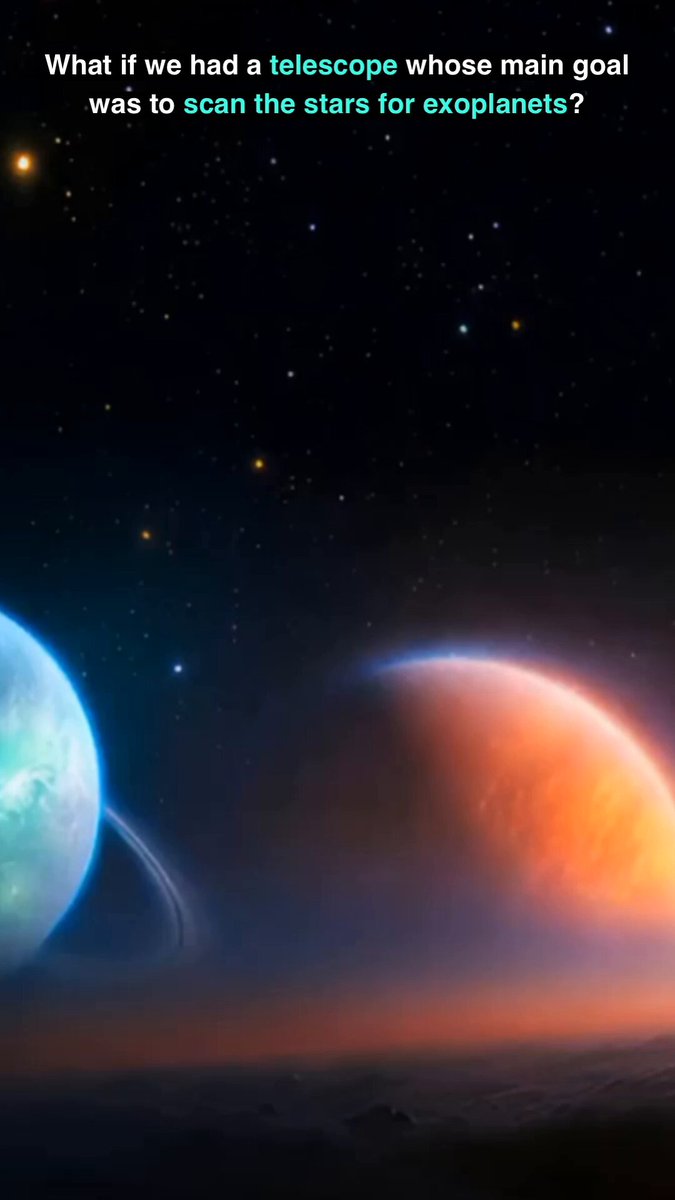
XF7 Space Crew, Space Fact 67. Some of the most powerful telescopes are on Earth. High mountains and dry deserts help because the air is steadier, drier, and darker, which makes it easier to see faint objects in space.
1
1
71
XF7 Space retweeted
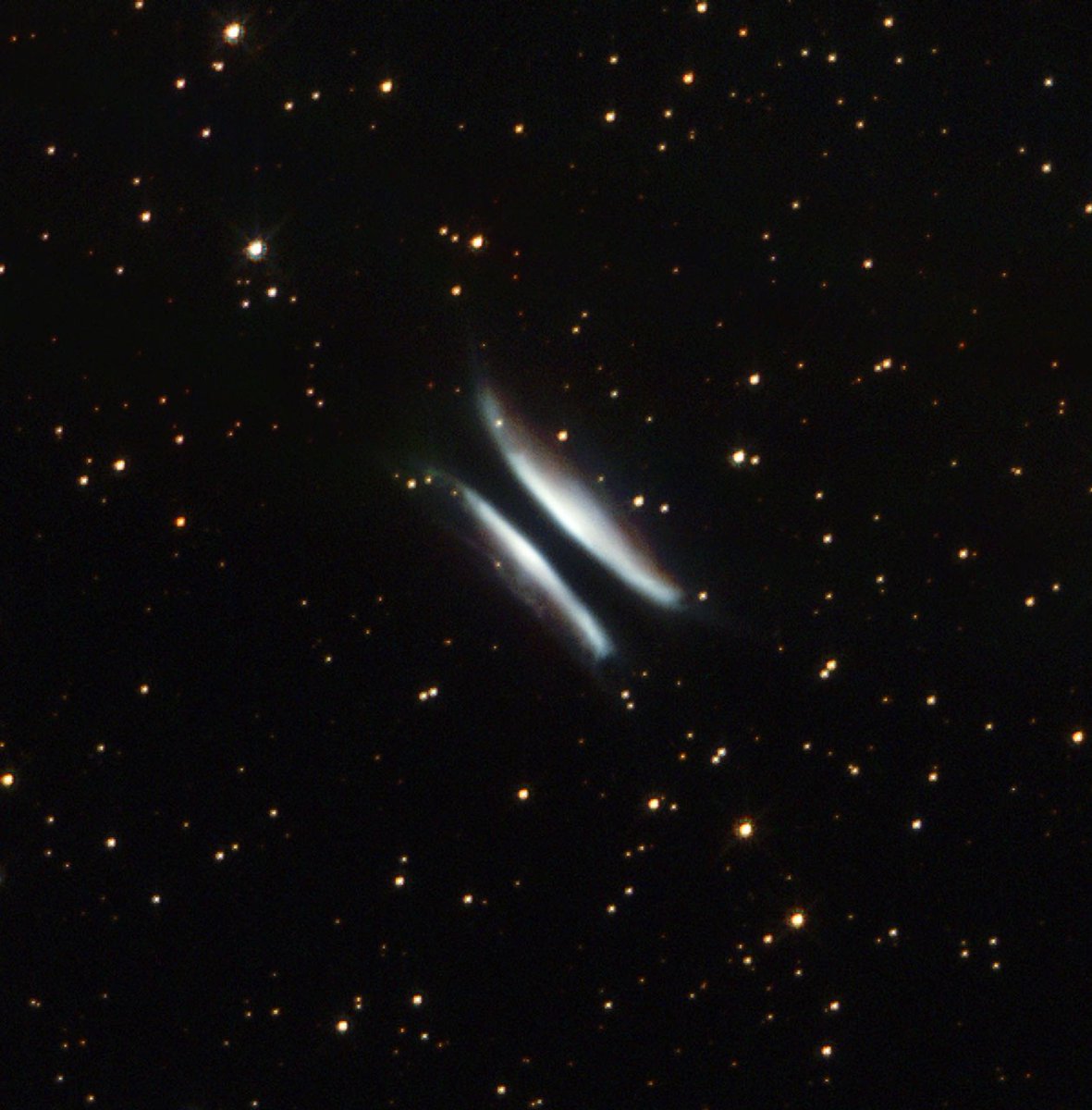
Spaceburger 🍔 Gomez's Hamburger shows a Sun-like star near the end of its life, casting off layers of gas and dust. The "buns" are light reflecting off dust, and the "patty" is the dark band of dust in the middle. Learn more for Hamburger Day: go.nasa.gov/3PTqDJQ
60
303
1,691
78,680
XF7 Space retweeted
Atlas hits a perfect rabona. Even on the simple kick, the follow-through mechanics look so human. Hyundai is an official sponsor of the FIFA World Cup. They're using Boston Dynamics Atlas as the branding hero. Hyundai has a controlling stake in Boston Dynamics.
52
222
1,374
125,153
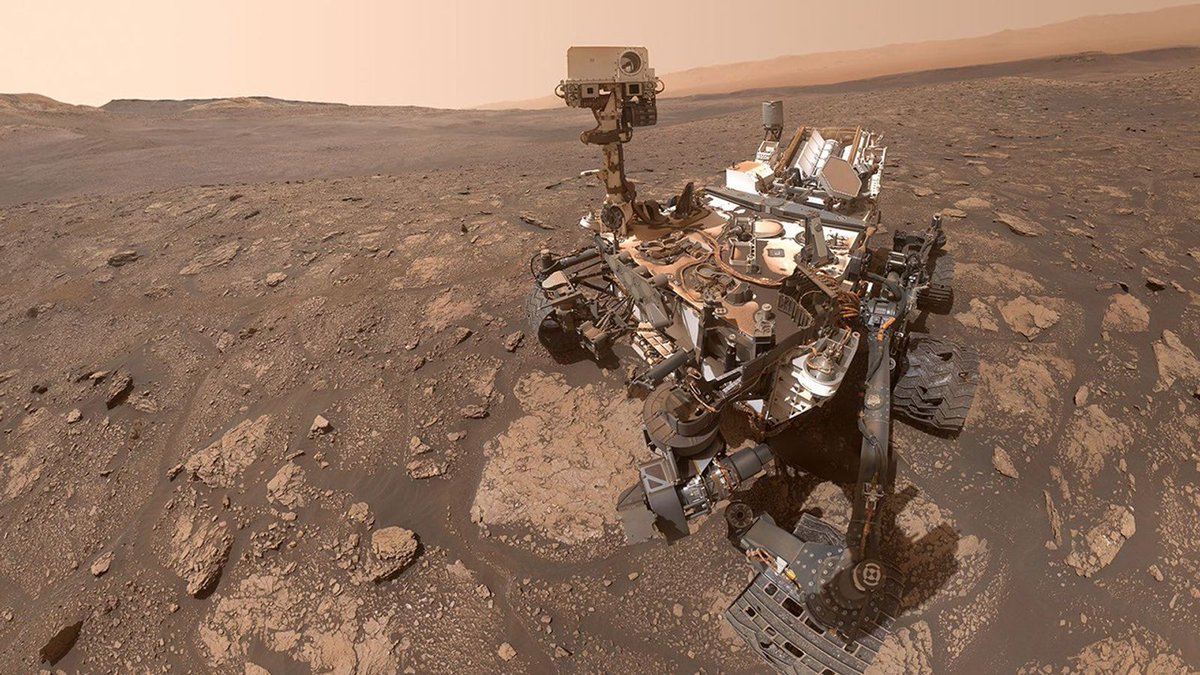
XF7 Space Crew, Six years of driving on Mars is more than a cool timelapse. NASA says these images span 2020 to 2026, and every stretch of rover travel helps scientists connect rock layers, track surface change, and understand how Mars changed over time.
Apr 30
POV: you're rolling around on the Red Planet You’re looking at six years on Mars in around two minutes. This timelapse contains images captured by our Curiosity rover between 2020 and 2026 from one of its navigation cameras. go.nasa.gov/4cH4mrt
1
1
2
112
A rover wheel track is almost like a notebook line on Mars. Over time, movement across different terrain helps connect younger and older layers, which is one reason long missions like Curiosity are so powerful for reading the planet’s history.
1
11
XF7 Space retweeted
High school, tech & college students -- join us for a virtual event about the technical career pathways shaping the future of aviation.✈️ Hear from @NASA aircraft mechanics & technicians and learn about their career journeys. Register: stemgateway.nasa.gov/s/cours…
3
19
68
13,608
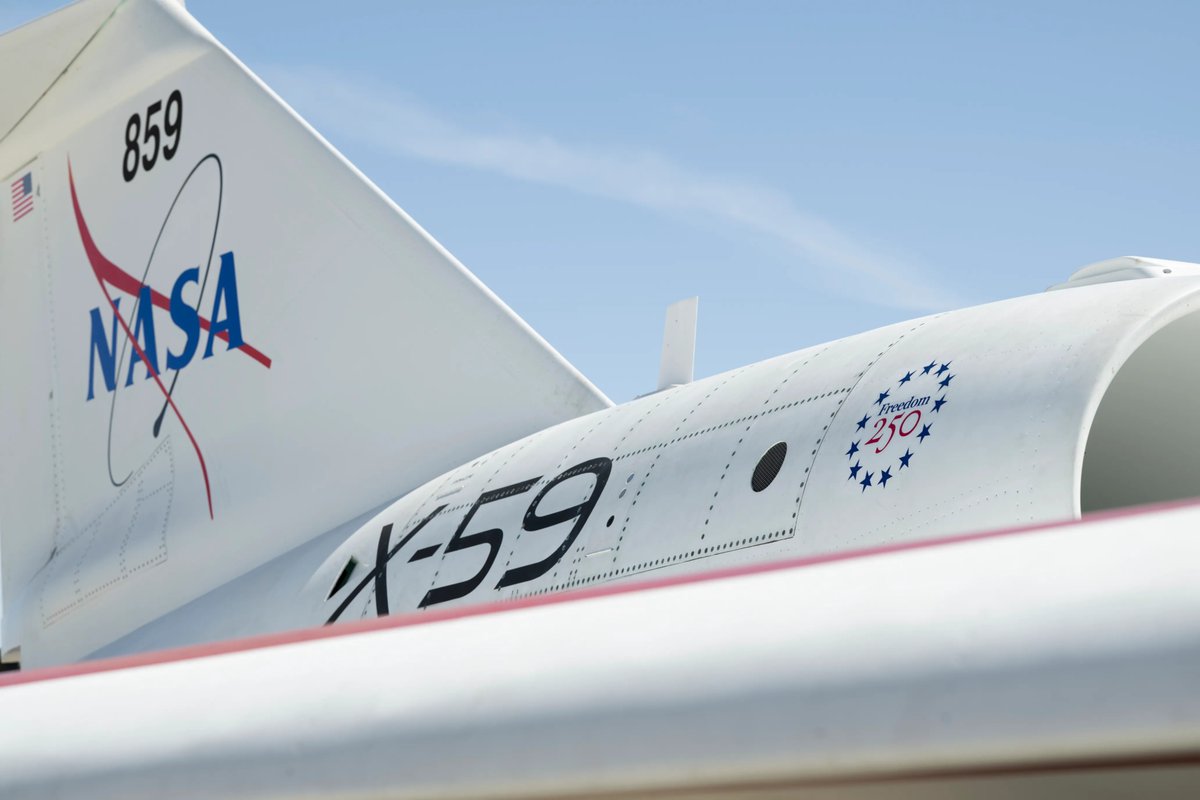
XF7 Space crew, NASA’s X 59 tail and engine now feature a Freedom 250 logo marking the nation’s 250th birthday in 2026. NASA says the X 59 is the centerpiece of the Quesst mission to demonstrate supersonic flight without generating loud sonic booms. Image credit: NASA/Carla Thomas #X59 #Quesst
1
2
31
What detail do you notice first on the X 59, the tail markings or the engine section?
1
7
XF7 Space retweeted
New Humanoid Alert: Shenzhen-based Kinetix AI has unveiled Kai, “the most human-like humanoid yet.” Key Features: - 173 cm (5'8"), 70 kg (154 lb), 115 whole-body DoF - 36 DoF per hand (excuse me?!) - Full-body tactile skin covering 80% of the body - 1.7 kWh semi-solid-state battery, 2 hours jogging, 20 kg (44 lb) dual-arm payload The core AI is the “K World Model,” trained on 100,000 hours of natural first-person human data collected via the lightweight 'Kai Hello' headband.
18
49
258
51,305
XF7 Space retweeted
We have found over 6,200 planets beyond our solar system, but we still only know of one that is just right for human life — our home on Earth. #MondayMotivation

ALT This animation shows the entire southern ecliptic sky in shades of blue-gray, imaged by the Transiting Exoplanet Survey Satellite (TESS). The image builds up individual sectors of the sky, which are each roughly rectangular with a grid of dark lines that look like a windowpane, in a counterclockwise direction. The bright band of the Milky Way, the central plane of our galaxy, arcs through the scene at left. The Milky Way appears as white speckles and blurry clouds on a darker background. The south ecliptic pole lies at the center, within the dark spot to the right of the Milky Way. Below it shines the Large and Small Magellanic Clouds, nearby satellites of our galaxy, as smaller white spots. This image is watermarked with \u201CCredit: NASA/MIT/TESS and Ethan Kruse (University of Maryland College Park).\u201D

28
176
1,020
31,617
XF7 Space retweeted
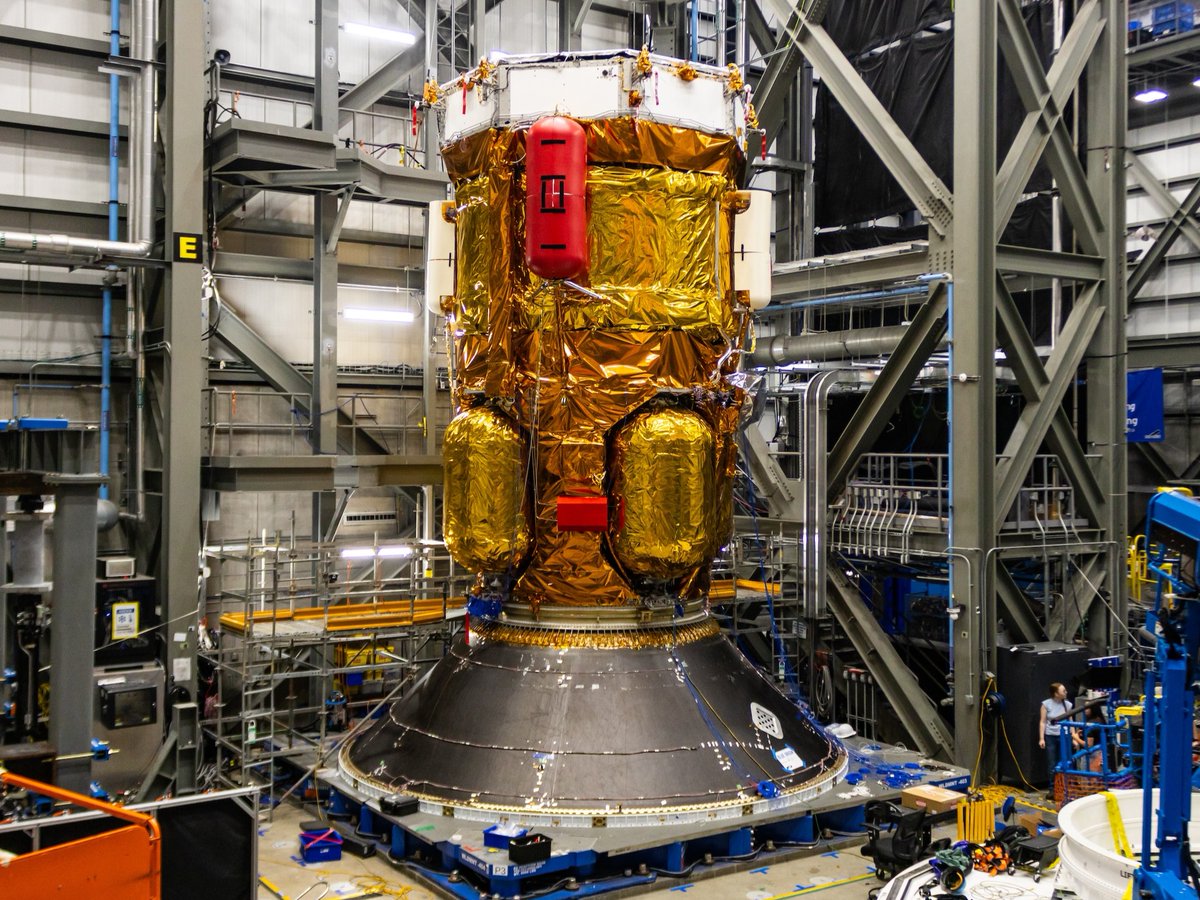
Endurance is going through a variety of tests ahead of launch in Florida. First one complete: modal testing ✅ We used sensors to measure how our lunar lander will respond to launch conditions. The test was performed with Endurance mounted on both the New Glenn flight Launch Vehicle Separation System (LVSS) and a GS2 payload adapter.
57
282
2,193
197,595
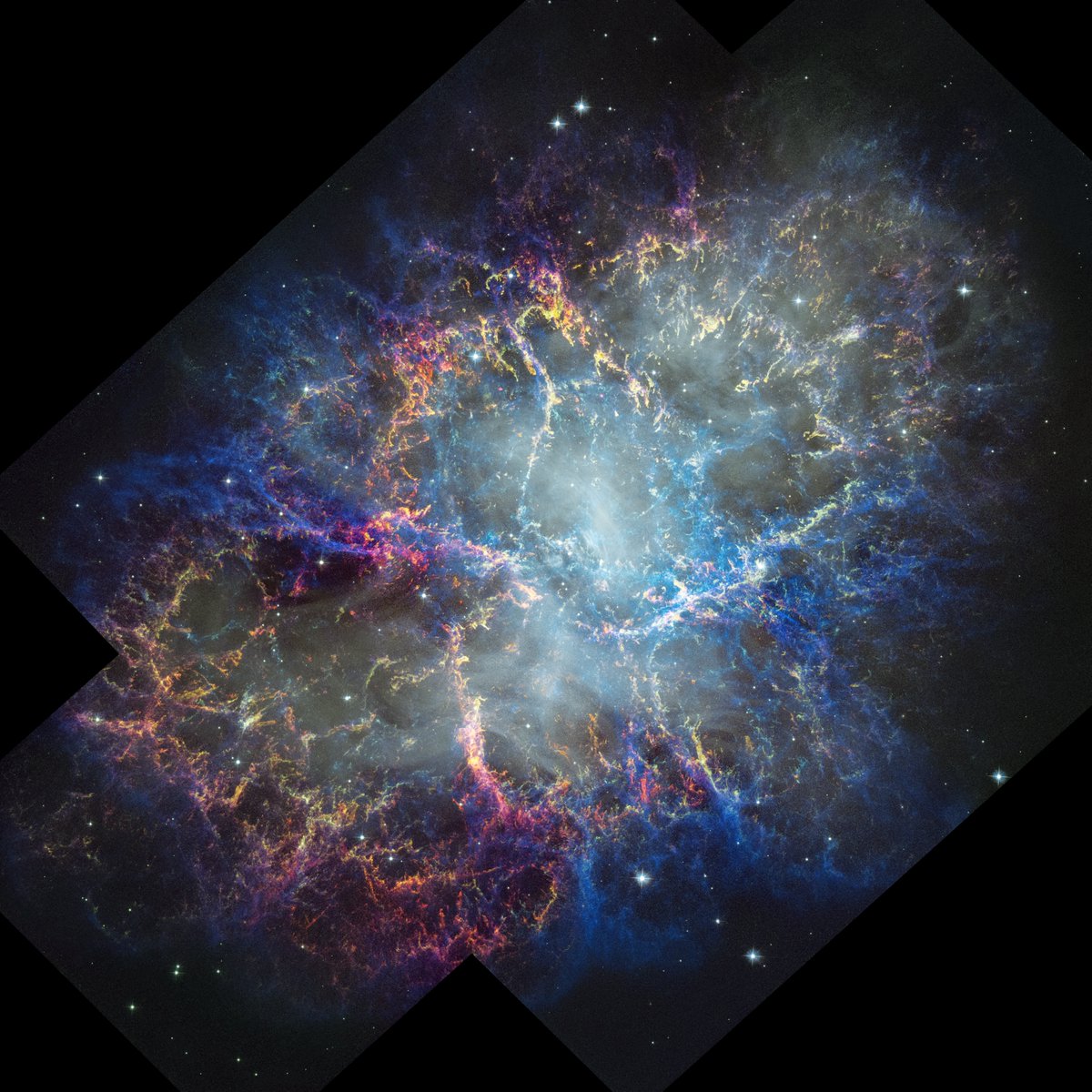
XF7 Space crew, A fresh Hubble view shows the Crab Nebula glowing with tangled, colorful filaments. NASA says this observation from Hubble, released on March 23, 2026, helps astronomers study how this supernova remnant is expanding and evolving over time. NASA says the nebula’s filaments moved outward over 25 years at about 3.4 million miles per hour. Image credit: NASA, ESA, STScI, William Blair (JHU); Image Processing: Joseph DePasquale (STScI) #CrabNebula #Hubble
1
1
20
If you could zoom in anywhere here, would you pick the bright center or the filament edges?
1
7
XF7 Space retweeted
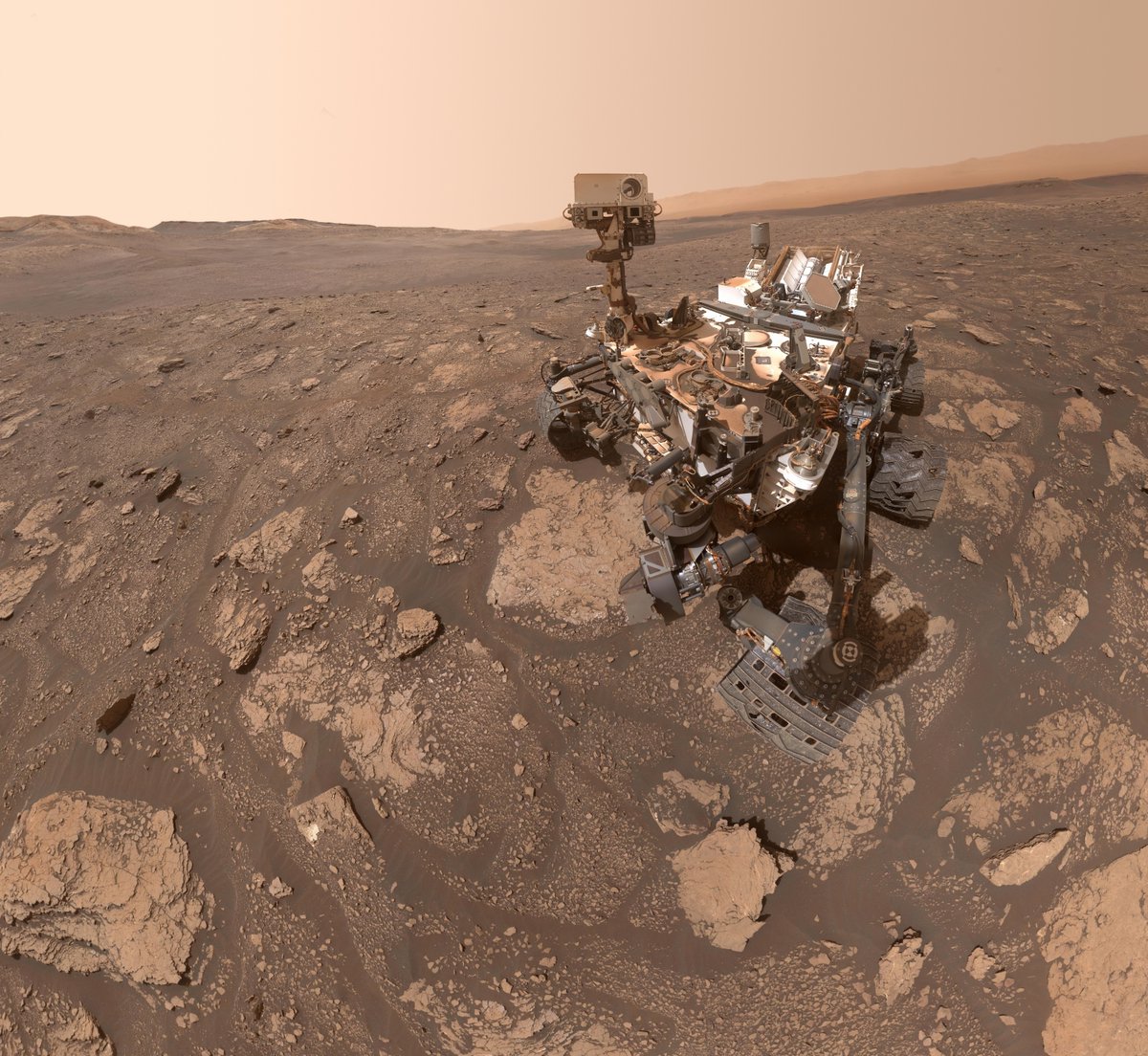
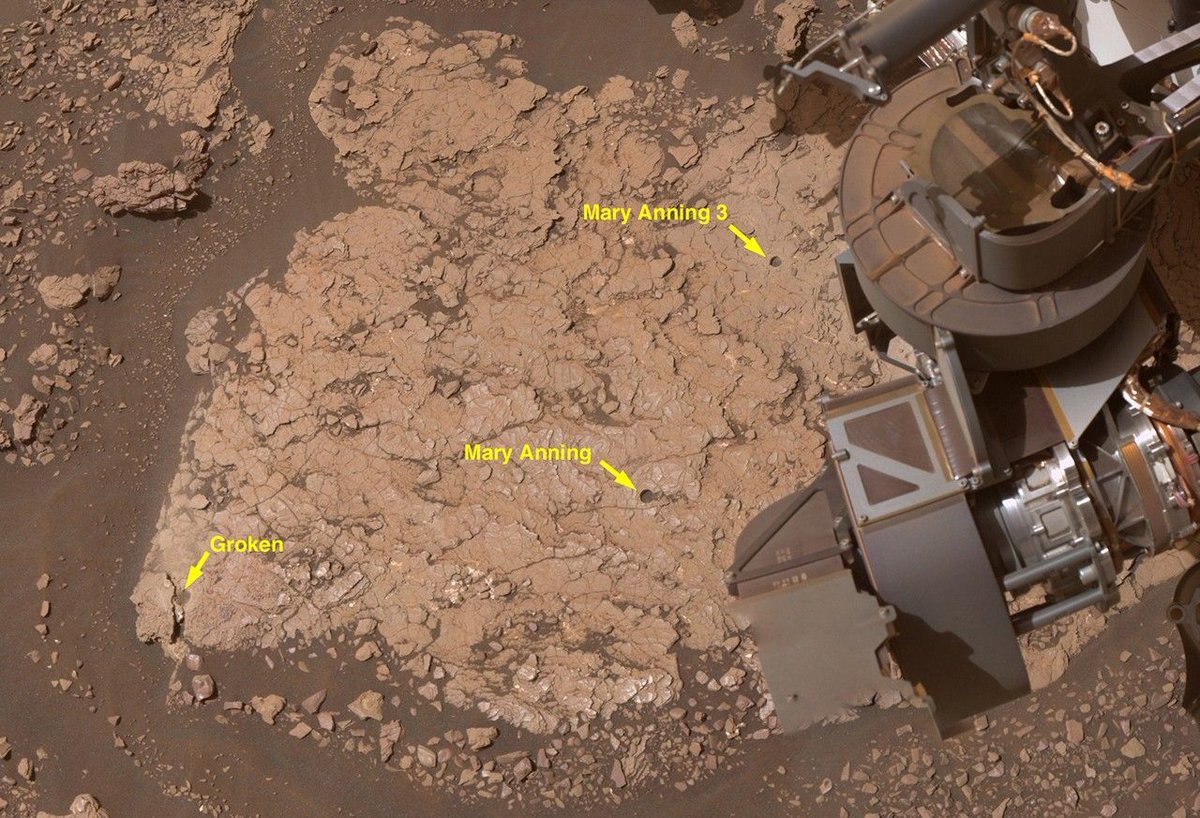
After years of lab work, the results are in: A rock that our Curiosity rover analyzed has the most diverse collection of carbon-containing molecules ever found on the Red Planet. Of 21 organic molecules found, 7 were detected for the first time on Mars go.nasa.gov/3QiG52h
139
1,424
13,026
867,379
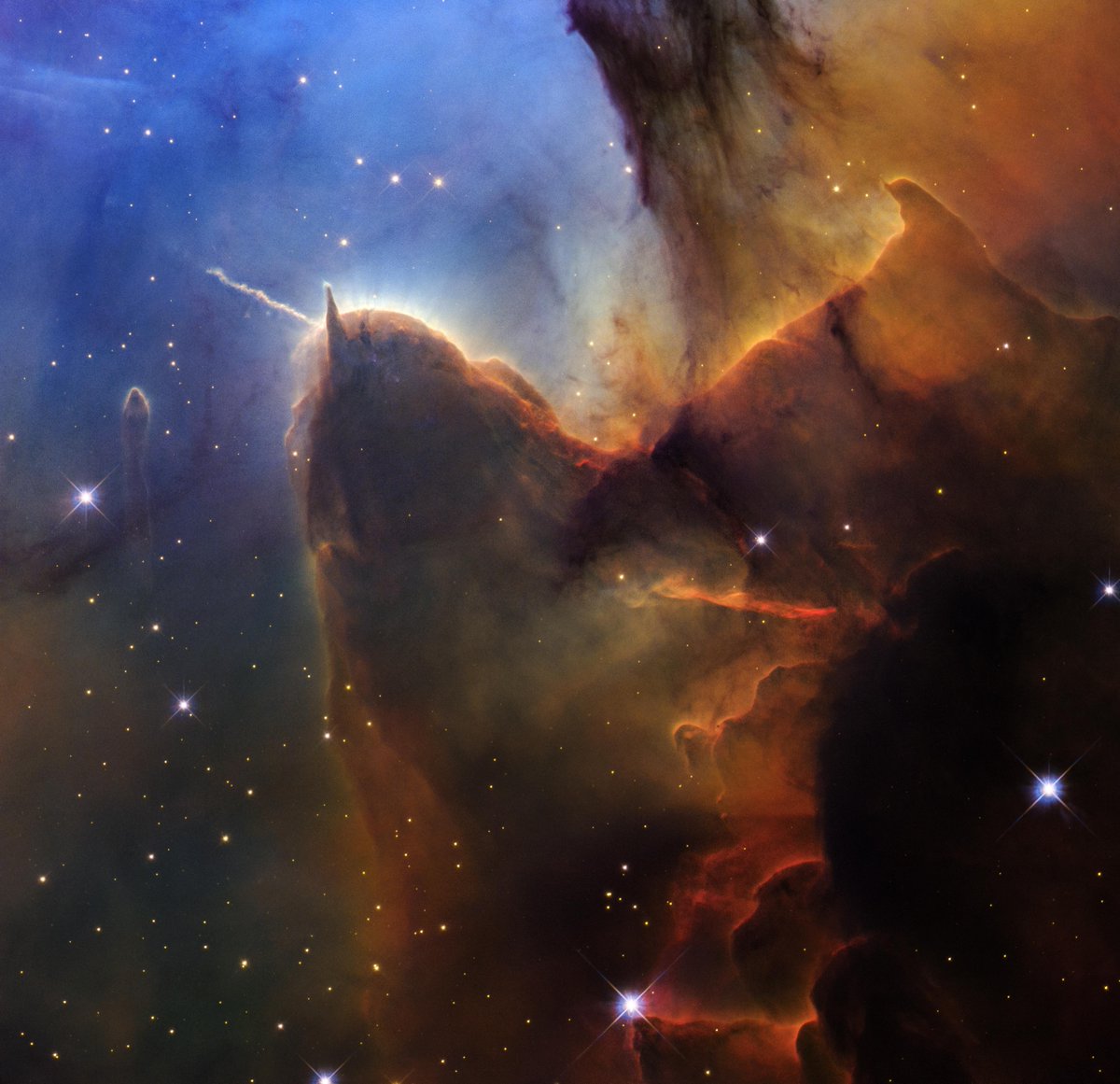
XF7 Space Crew, Hubble birthday week starts with a great reminder that nebulae are not just pretty clouds. NASA says this Trifid Nebula view shows a star forming region where intense ultraviolet light from massive young stars is shaping the surrounding gas and dust.
Welcome to Hubble's 36th birthday week! ✨🎂 We're kicking things off with a new view of the cosmos, courtesy of the telescope-of-honor. Hubble captured brilliant details of the Trifid Nebula, a star-forming region about 5,000 light-years from Earth: go.nasa.gov/4sJ7dEU
1
1
26
One fun science point here is that stars can shape the clouds they are born in. Hubble’s new close up shows how radiation from young massive stars can sculpt nearby gas and dust while new stars are still forming in the same region.
1
5
XF7 Space Crew, This is why Curiosity still matters. NASA says the rover found the largest organic molecules yet detected on Mars in a rock sample from Gale Crater. That does not mean life was found, and it does mean Mars preserved more complex carbon chemistry than we had seen before.
Apr 21
Our Curiosity Mars rover has been studying the Red Planet since it first touched down on Gale Crater back in 2012. Now, a new analysis has revealed the most diverse collection of organic molecules ever found on Mars—informing our search for ancient life: nasa.gov/missions/mars-scien…
1
1
66
Mars keeps getting more chemically interesting. The big science lesson here is that a life clue is not the same as a life claim, and careful missions like Curiosity help us separate those two step by step.
1
1
23
XF7 Space Crew, Space Fact 67. Some of the most powerful telescopes are on Earth. High mountains and dry deserts help because the air is steadier, drier, and darker, which makes it easier to see faint objects in space.
1
1
71
Space Fact 67. Some of the best places for telescopes on Earth are high mountains and dry deserts because the air is darker, drier, and steadier for observing faint objects in space.
1
14