
Postdoctoral Associate at @MIT_csail
Joined July 2021
- Tweets 790
- Following 381
- Followers 1,573
- Likes 2,759
28 Photos and videos
Pinned Tweet

Apr 9
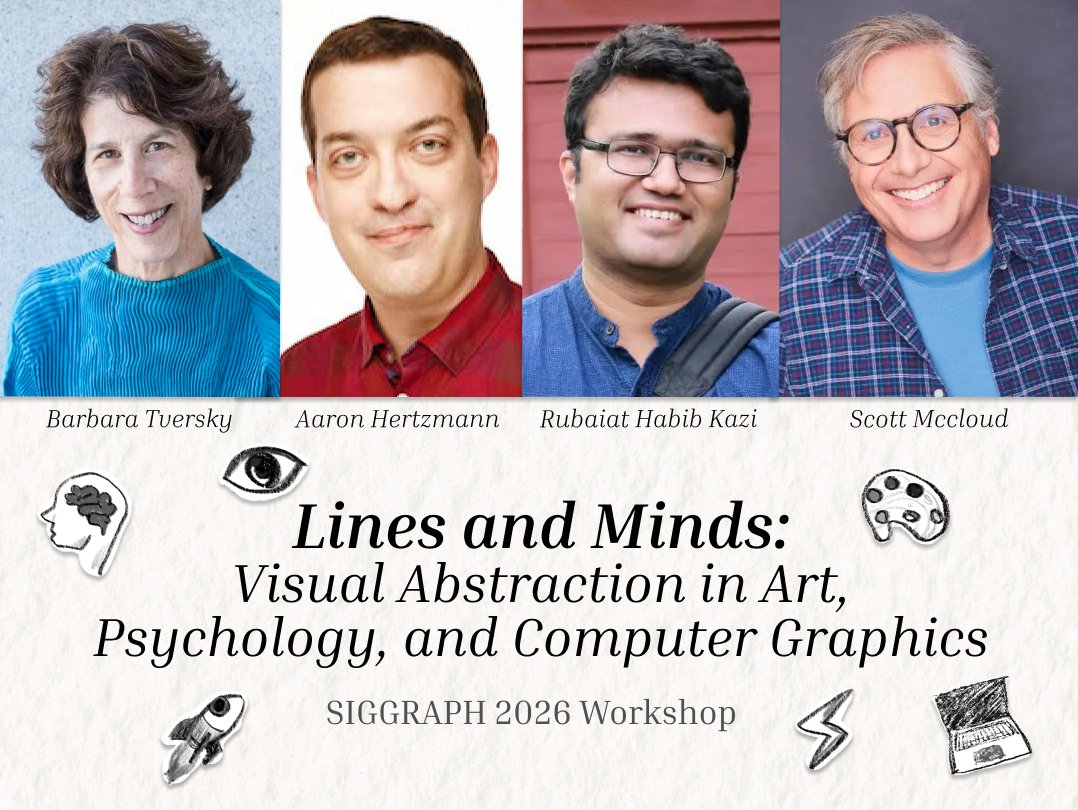
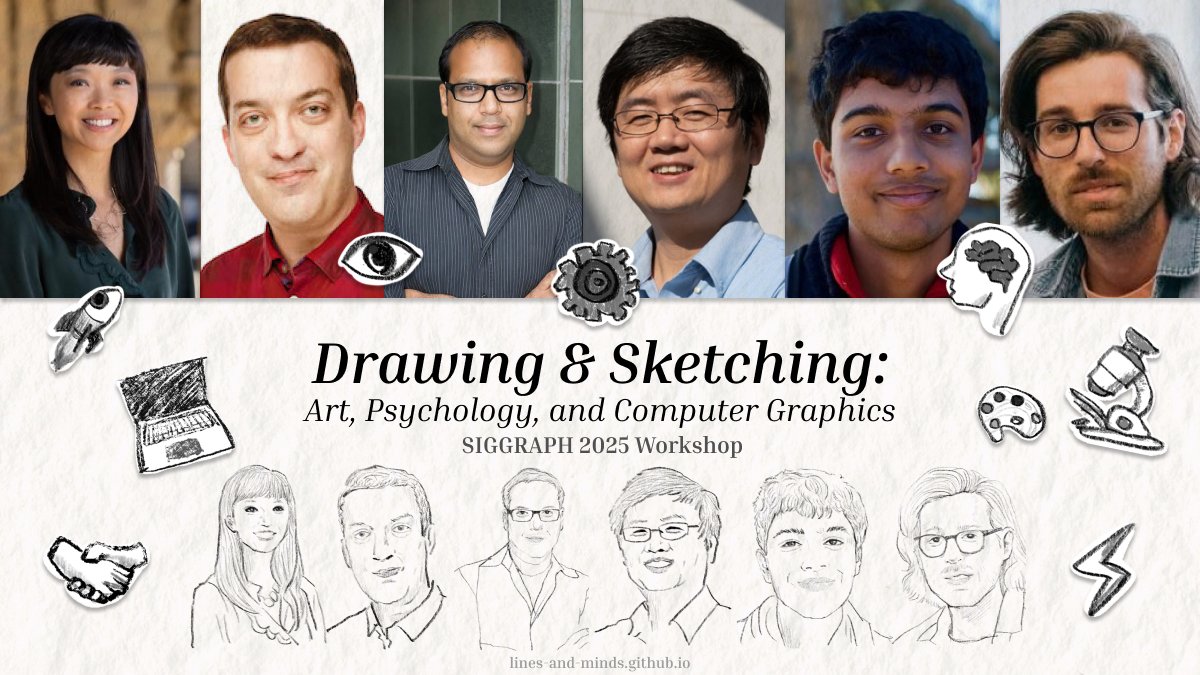
I am *very* excited to announce our SIGGRAPH 2026 workshop:
Lines & Minds: Visual Abstraction in Art, Psychology, and Computer Graphics 🎨🧠🫖
🔗 lines-and-minds.github.io
📅 Sunday, July 19
Join us to explore how visual abstraction shapes how we think, create, and communicate.
7
20
111
14,223
Jun 12
Heading to #SIGGRAPH next month?
Come spend Sunday afternoon with us at the Lines & Minds workshop!🧠🎨
With this wonderful group of speakers, we'll explore how visual abstraction connects art, psychology, and computer graphics.
Hope to see you there!
lines-and-minds.github.io
Apr 9

I am *very* excited to announce our SIGGRAPH 2026 workshop:
Lines & Minds: Visual Abstraction in Art, Psychology, and Computer Graphics 🎨🧠🫖
🔗 lines-and-minds.github.io
📅 Sunday, July 19
Join us to explore how visual abstraction shapes how we think, create, and communicate.
8
47
4,951
Yael Vinker retweeted

Jun 9
How can we tell whether a brain region causally represents a visual concept, rather than merely correlating with it?
Introducing BrainCause, a framework combining generative and brain models to create controlled stimuli and causally test neural representations.
More below 🧠👇
2
8
23
1,840
Yael Vinker retweeted

Jun 7
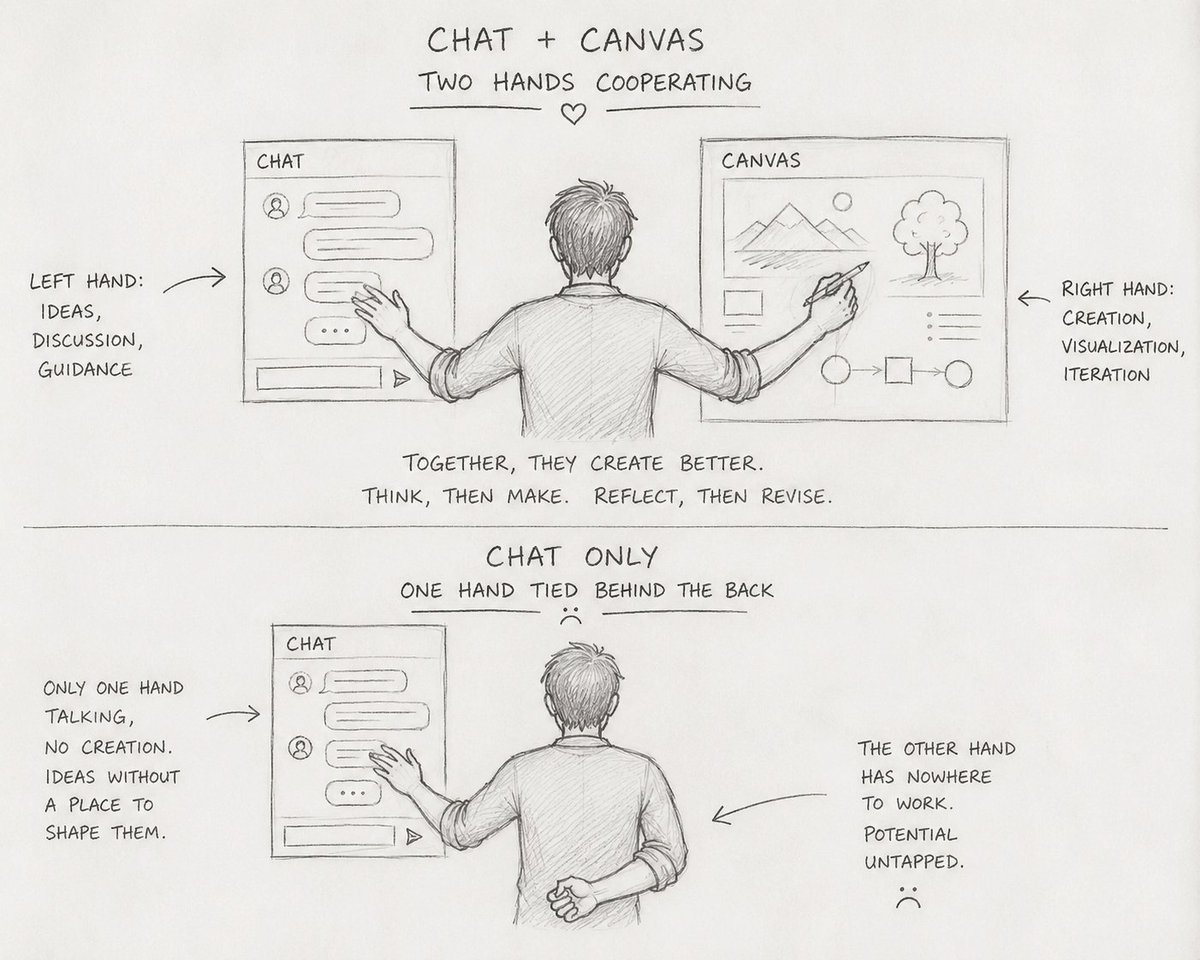
The future of agentic development isn't chat alone. It's chat and canvas, two hands working together. Canvases are where work takes shape, becomes visible, and gets verified. Neither hand can do the job by itself.
2
4
24
4,130
Yael Vinker retweeted

Jun 7
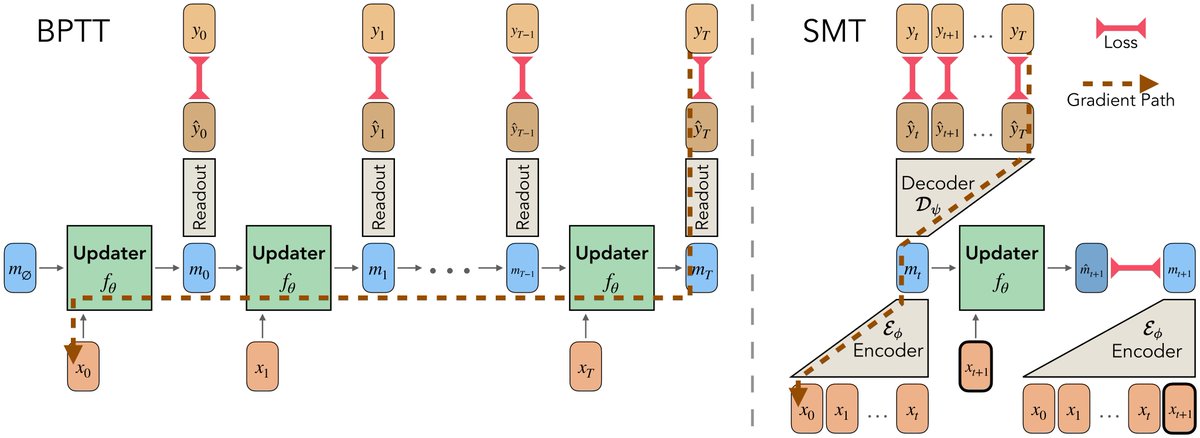
We never really knew how to train nonlinear RNNs well… BPTT struggled with vanishing grads (no long-range memory) and sequential rollout (hard to parallelizable).
What if instead an oracle told us the optimal memory state m_t at each step? Then the RNN could do one-step supervised learning on (m_t, x_{t 1}) → m_{t 1} labels.
We call this Supervised Memory Training (SMT): a replacement for BPTT that trains RNNs without unrolling them. SMT is time-parallelizable and solves vanishing gradients.
Website: akarshkumar.com/smt/
arXiv: arxiv.org/abs/2606.06479
17
119
784
172,438
Yael Vinker retweeted

Our @SimonsInstitute workshop on intelligence starts tomorrow (June 8)!
We're bringing together researchers from AI, TOC, Psych, and Neuro to discuss two emerging themes: world models and social cognition.
Join us in Berkeley or via livestream: simons.berkeley.edu/workshop…
2
9
48
6,076
Yael Vinker retweeted

Jun 4
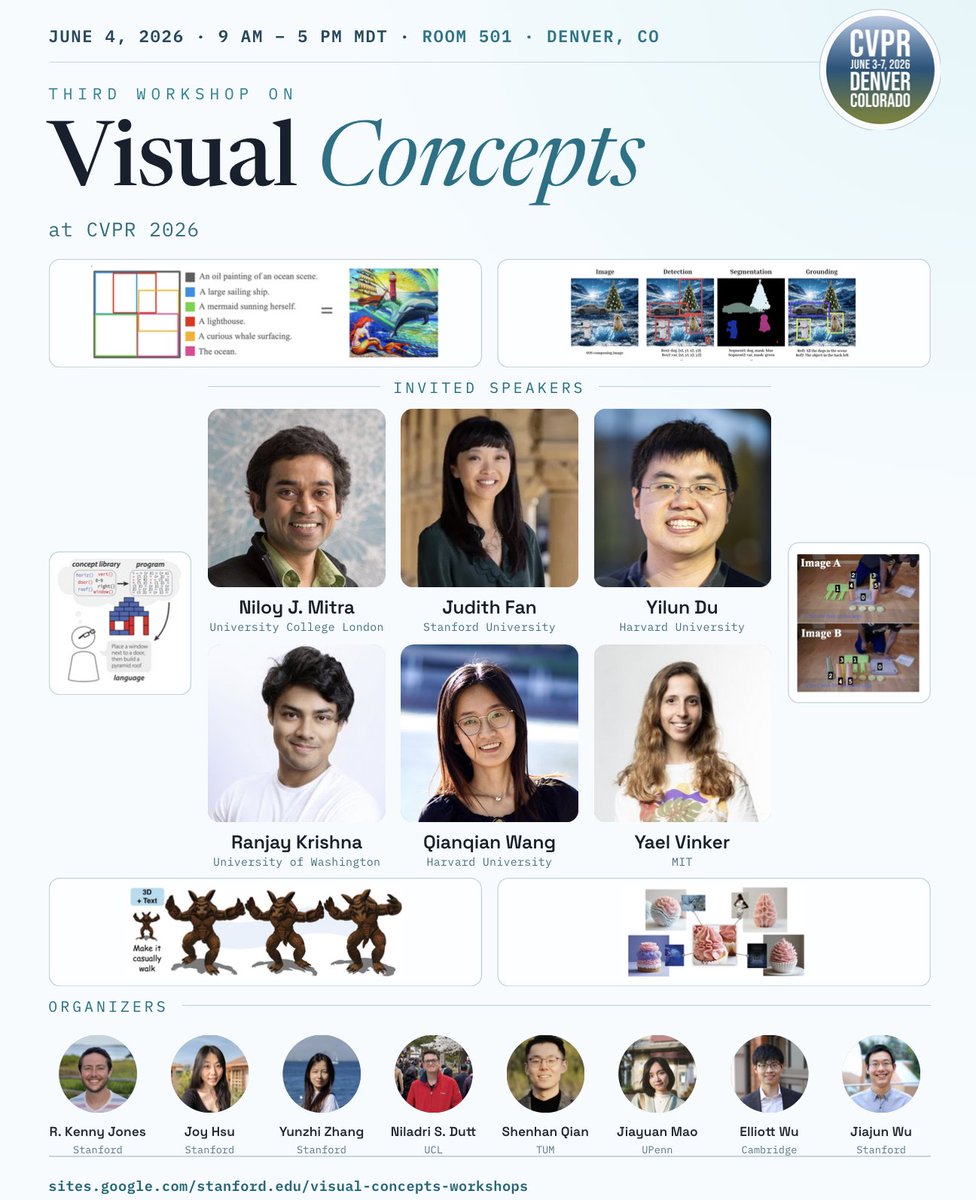
@YVinker is talking at 4pm on "What Makes a Visual Idea? Decomposing and Recombining Visual Concepts with Generative Models"
Join us for our last keynote at the Visual Concepts workshop @CVPR (room 501)!
#CVPR2026
Jun 2

The Visual Concepts Workshop is coming soon to @CVPR 2026!
Join us on June 4 for an exciting discussion on all aspects of visual concepts: from discovery and reasoning, to controllable generation, robotics, and more!
Hope to see you in Denver! #CVPR
4
13
2,824
Yael Vinker retweeted
Jun 4
The workshop on Visual Concept is starting in 1 hour in room 501!
Niloy Mitra will be giving the first keynote: "Capturing and Anticipating 4D Dynamics" at 9:05am
Hope to see you there!
@CVPR #CVPR2026
Jun 2
The Visual Concepts Workshop is coming soon to @CVPR 2026!
Join us on June 4 for an exciting discussion on all aspects of visual concepts: from discovery and reasoning, to controllable generation, robotics, and more!
Hope to see you in Denver! #CVPR
1
3
8
1,680
Yael Vinker retweeted

Looking forward to giving a keynote at the @WiCVworkshop dinner tonight! If you're attending, come say hi!
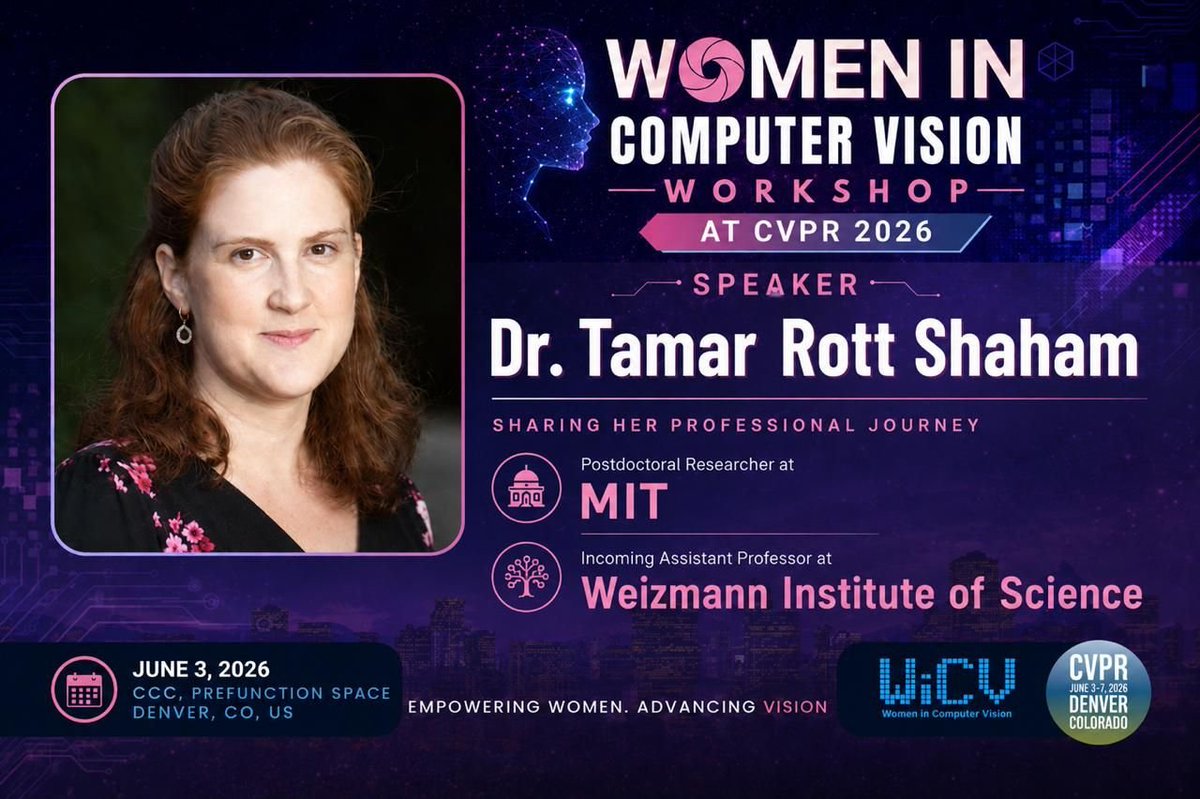

On my way to Denver for #CVPR2026, DM me if you want to connect. See you at our workshop on Thursday!
x.com/i/status/2017429823983…
3
32
1,337

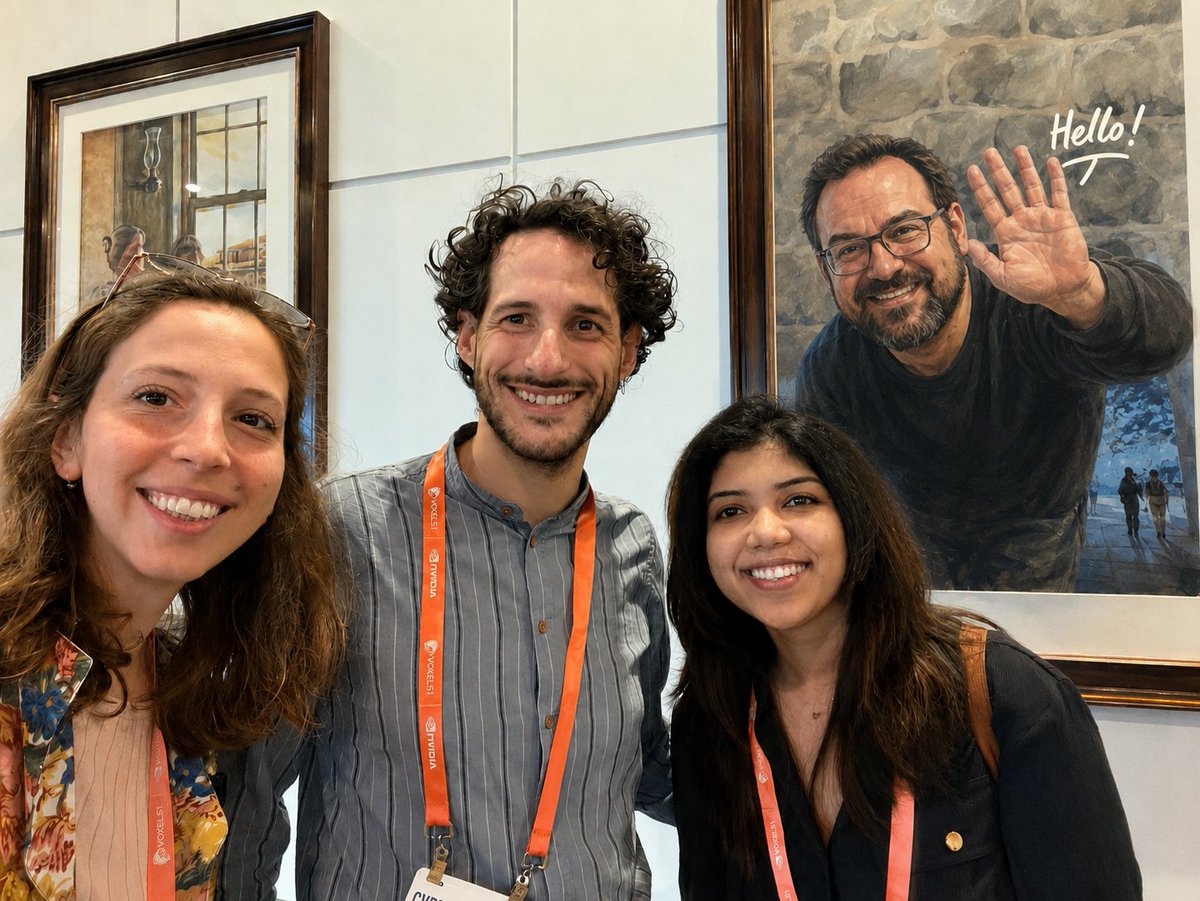
Meet the CVPR 2026 Social Media Team: @CSProfKGD, @anfurnari, @deblinaforAI, and @YVinker.
We're excited to share news, updates, and announcements with you throughout #CVPR2026.
A special thank you to the CVPR 2026 Organizing Committee for their hard work!
3
5
53
5,192
Apr 9
I am *very* excited to announce our SIGGRAPH 2026 workshop:
Lines & Minds: Visual Abstraction in Art, Psychology, and Computer Graphics 🎨🧠🫖
🔗 lines-and-minds.github.io
📅 Sunday, July 19
Join us to explore how visual abstraction shapes how we think, create, and communicate.
7
20
111
14,223
Yael Vinker retweeted

We're back! Happy to announce the second edition of our workshop on Curated Data for Efficient Learning to be held at ECCV 2026!
See our website for important dates and other info: curateddata.github.io
We look forward to your submissions!
#ECCV2026 @eccvconf
4
5
649
Yael Vinker retweeted

May 26
Excited to share that we received an 🌱 Honorable Mention award for Inspiration Seeds 🌱
Was really a pleasure working on that one 😊
1
2
18
900
May 26
Excited to share that Inspiration Seeds has received an Honorable Mention award this year at SIGGRAPH! 🎉
👉kfirgoldberg.github.io/Inspi…
Huge thanks and congrats to the best team! @kfir99 @EladRichardson
Looking forward to seeing you in LA in July!🌱
Apr 2
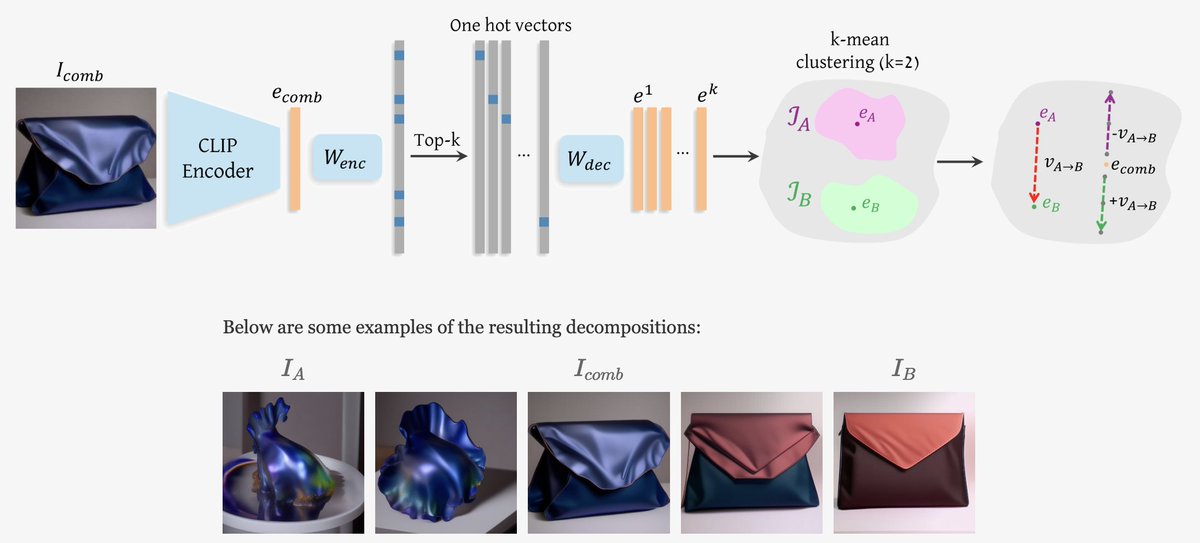
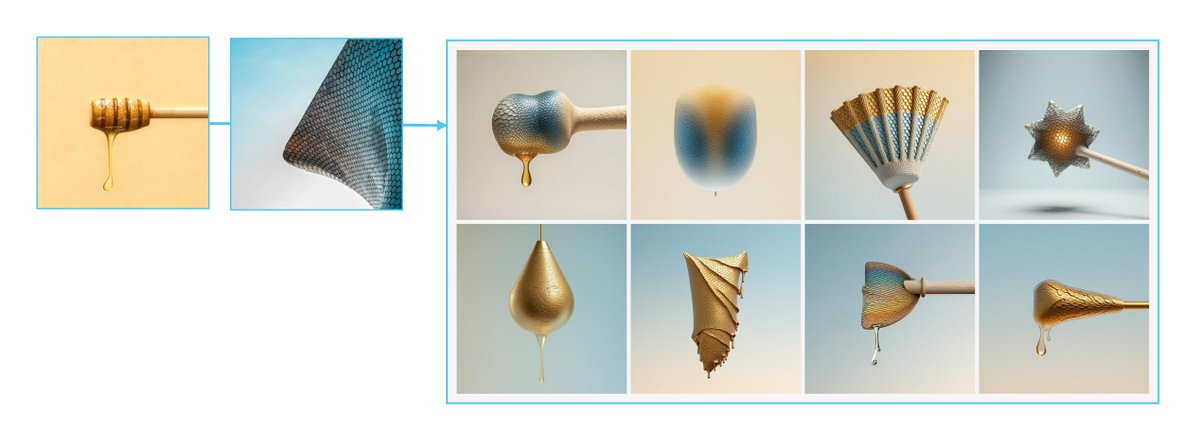
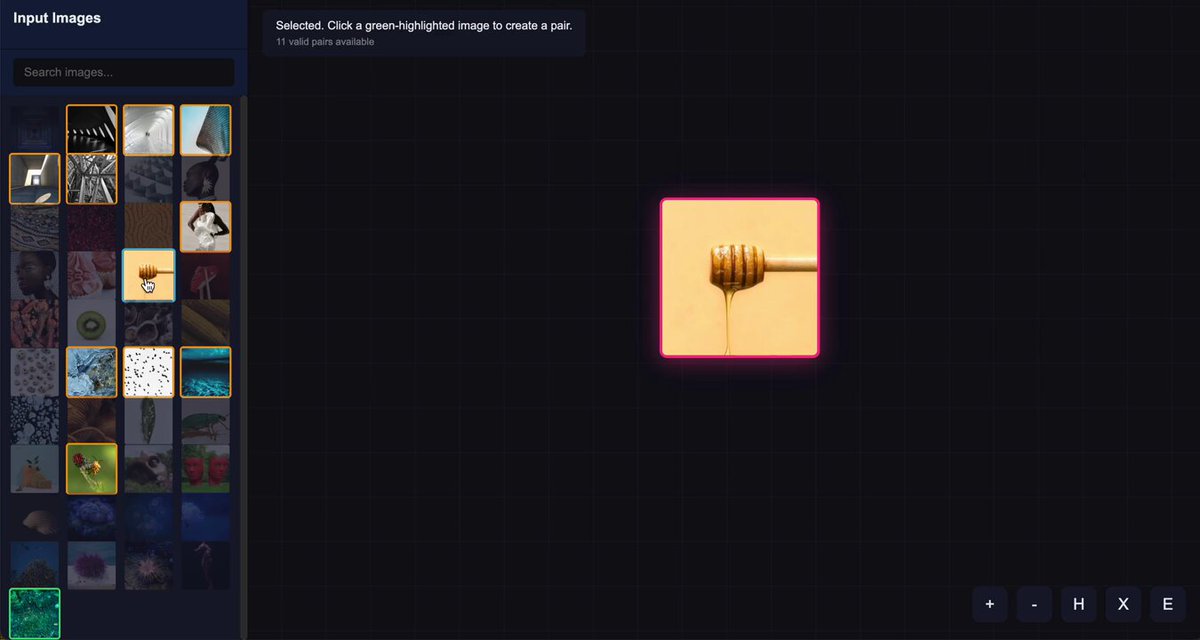
Creative work often starts before we can describe what we're looking for. What role can generative models play at this stage?
🌱Our new work, Inspiration Seeds, reveals hidden visual connections between images, creating a purely visual exploration space.
🔗kfirgoldberg.github.io/Inspi…
7
7
75
5,459
Yael Vinker retweeted

May 26
Happy to share that Inspiration Seeds 🌱 has received a Honorable Mention award at SIGGRAPH 2026! 🎊
We’ve also released all the training and benchmark data used in the paper. Check it out:
kfirgoldberg.github.io/Inspi…
Apr 2
Creative work often starts before we can describe what we're looking for. What role can generative models play at this stage?
🌱Our new work, Inspiration Seeds, reveals hidden visual connections between images, creating a purely visual exploration space.
🔗kfirgoldberg.github.io/Inspi…
4
6
26
2,742
Yael Vinker retweeted

May 23
Classic computer animation techniques from the 90s, as used in Toy Story.
v/@0xmitsurii
5
35
240
27,568

Imagine every pixel on your screen, streamed live directly from a model. No HTML, no layout engine, no code. Just exactly what you want to see.
@eddiejiao_obj, @drewocarr and I built a prototype to see how this could actually work, and set out to make it real. We're calling it Flipbook. (1/5)
1,142
3,736
28,816
5,953,590
Yael Vinker retweeted

May 11
This works really well btw, at the end of your query ask your LLM to "structure your response as HTML", then view the generated file in your browser. I've also had some success asking the LLM to present its output as slideshows, etc.
More generally, imo audio is the human-preferred input to AIs but vision (images/animations/video) is the preferred output from them. Around a ~third of our brains are a massively parallel processor dedicated to vision, it is the 10-lane superhighway of information into brain. As AI improves, I think we'll see a progression that takes advantage:
1) raw text (hard/effortful to read)
2) markdown (bold, italic, headings, tables, a bit easier on the eyes) <-- current default
3) HTML (still procedural with underlying code, but a lot more flexibility on the graphics, layout, even interactivity) <-- early but forming new good default
...4,5,6,...
n) interactive neural videos/simulations
Imo the extrapolation (though the technology doesn't exist just yet) ends in some kind of interactive videos generated directly by a diffusion neural net. Many open questions as to how exact/procedural "Software 1.0" artifacts (e.g. interactive simulations) may be woven together with neural artifacts (diffusion grids), but generally something in the direction of the recently viral x.com/zan2434/status/2046982…
There are also improvements necessary and pending at the input. Audio nor text nor video alone are not enough, e.g. I feel a need to point/gesture to things on the screen, similar to all the things you would do with a person physically next to you and your computer screen.
TLDR The input/output mind meld between humans and AIs is ongoing and there is a lot of work to do and significant progress to be made, way before jumping all the way into neuralink-esque BCIs and all that. For what's worth exploring at the current stage, hot tip try ask for HTML.

1,039
2,017
19,285
3,828,873
Yael Vinker retweeted

Apr 23
9
6
49
2,004
Yael Vinker retweeted

Apr 23
Variable-length compressive tokenization is a promising direction. Not just for efficiency, but for actually learning powerful representations.
FlexTok scratched the surface of this direction with images. But real-world data has additional structure that can be tapped, such as the temporal structure of videos. VideoFlexTok develops this concept for video, integrating the original progressive 1D representation with the temporal structure in the data.
It leads to interesting emergent properties, such as the disentanglement of motion and semantics, only by virtue of compression. Real-world data has even more structure. I expect to see more from this direction.
Check out the webpages and demos of VideoFlexTok (videoflextok.epfl.ch/), image FlexTok (flextok.epfl.ch/), and generation-by-search on such 1D tokens (soto.epfl.ch/). There is a lot of insightful interactive material there.
Apr 15

Are all videos worth the same number of tokens? Whether rich in motion or visually minimal, standard 3D-grid tokenizers treat them equally. We present VideoFlexTok, which represents videos using a flexible-length, coarse-to-fine sequence of tokens.
Page: videoflextok.epfl.ch
Demo: huggingface.co/spaces/EPFL-V…
Paper: arxiv.org/abs/2604.12887
1/n
1
16
141
17,621