
Studying aberrant splicing in cancer @NccriOfficial /Long-read/Omics/mRNA vaccine/ASO/Spatial/国立がん研究センター研究所 がんRNA研究分野/PI: @AkihideYoshimi /東大・慶應・東京科学大・北里大 連携大学院
Joined October 2020
- Tweets 1,120
- Following 990
- Followers 665
- Likes 1,114
107 Photos and videos
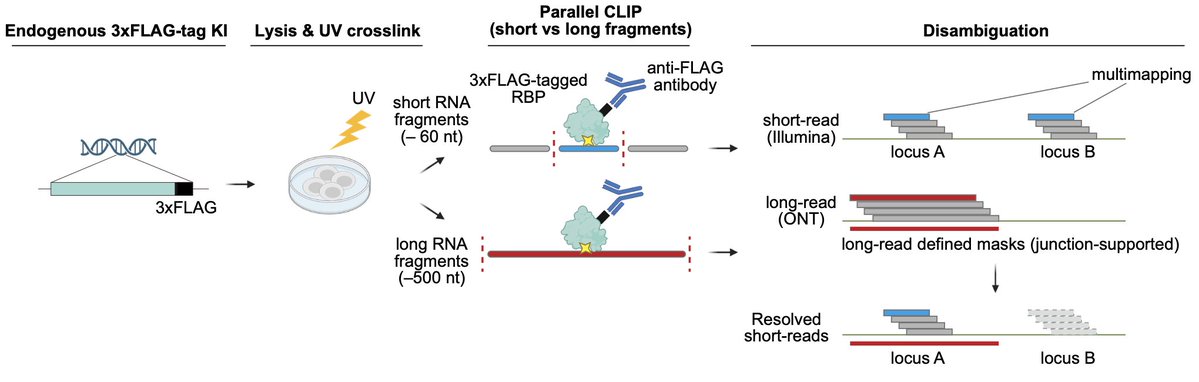


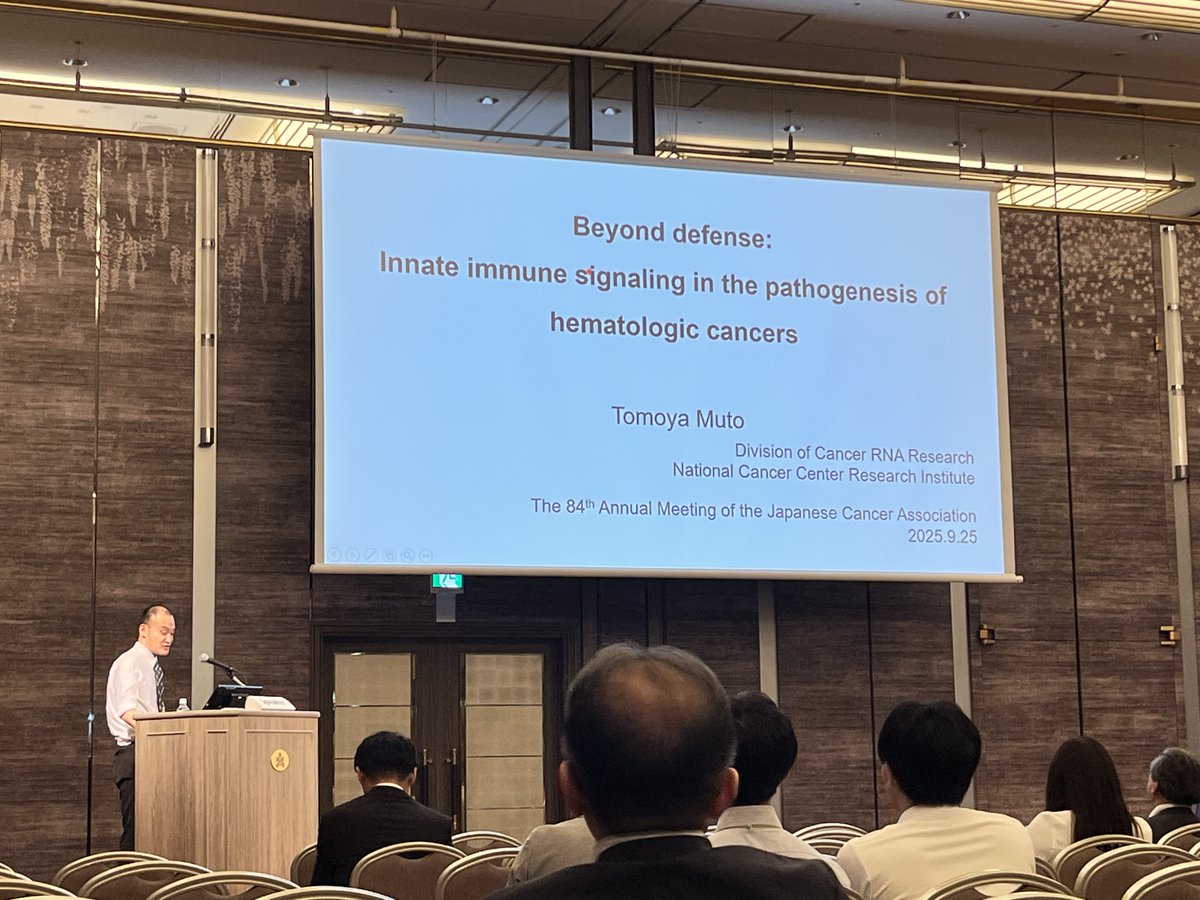

Excited to share our new preprint on bioRxiv‼️
We developed SCALE-CLIP, a scalable approach to map endogenous #RBP occupancy across many factors under directly comparable conditions.
Using this framework, we explore how positional and combinatorial RBP binding patterns shape alternative #splicing decisions.
biorxiv.org/content/10.64898…
4
14
863
新しいpreprintをbioRxivに公開しました‼️
本研究では、内在性RNA結合タンパク質 #RBP の結合を多数の因子間で直接比較可能に解析する"SCALE-CLIP"を開発しました。
大規模なRBP結合マップと #スプライシング 解析を統合することで、RBP結合がどのようにエクソンの包含・スキッピングへと解釈されるのか、その位置依存的・組合せ的な制御原理を明らかにしました。
biorxiv.org/content/10.64898…
7
34
2,905
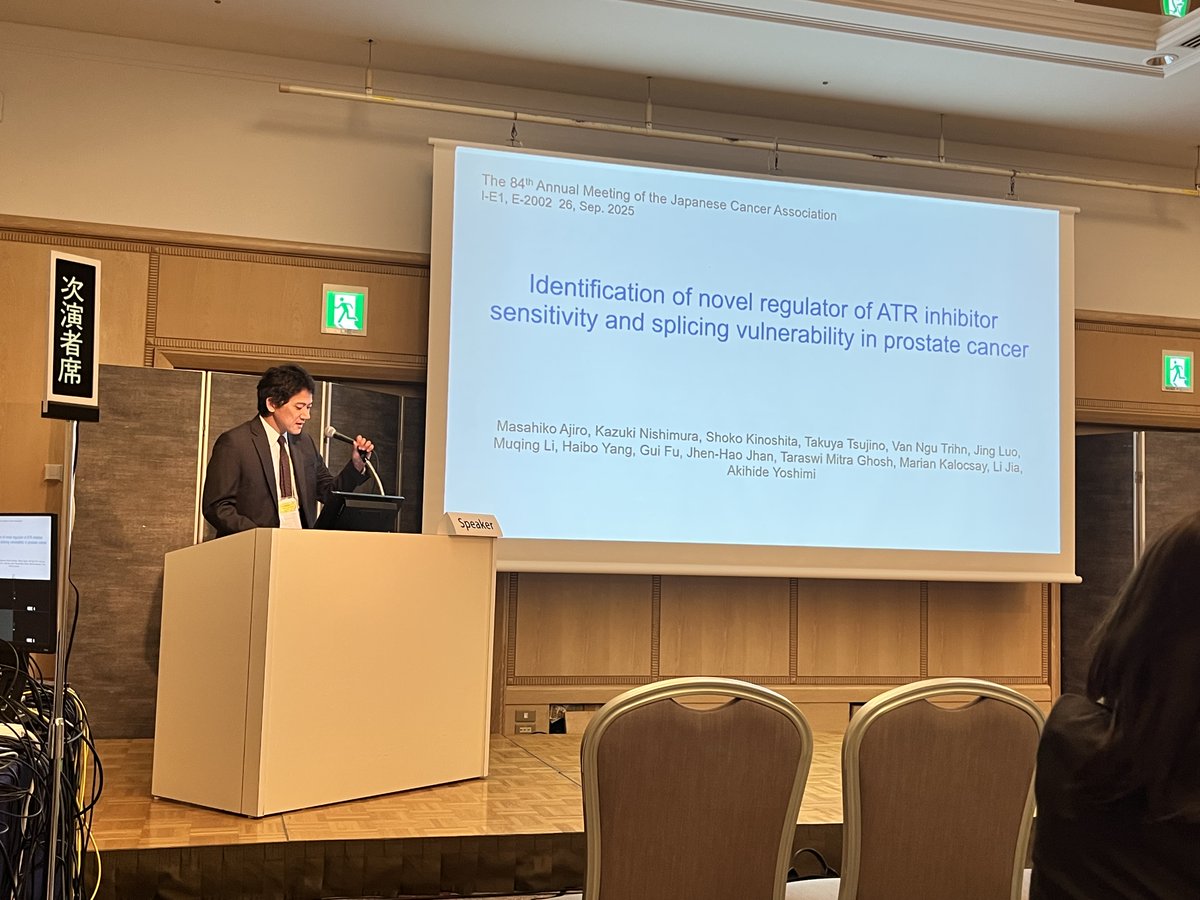
吉見昭秀さんが第35回日本癌病態治療研究会で招待講演しました。
@AkihideYoshimi was invited to speak at the 35th Annual Meeting of the Japanese Society of Strategies for Cancer Research and Therapy.
congre.co.jp/35jsct2026/
7
485
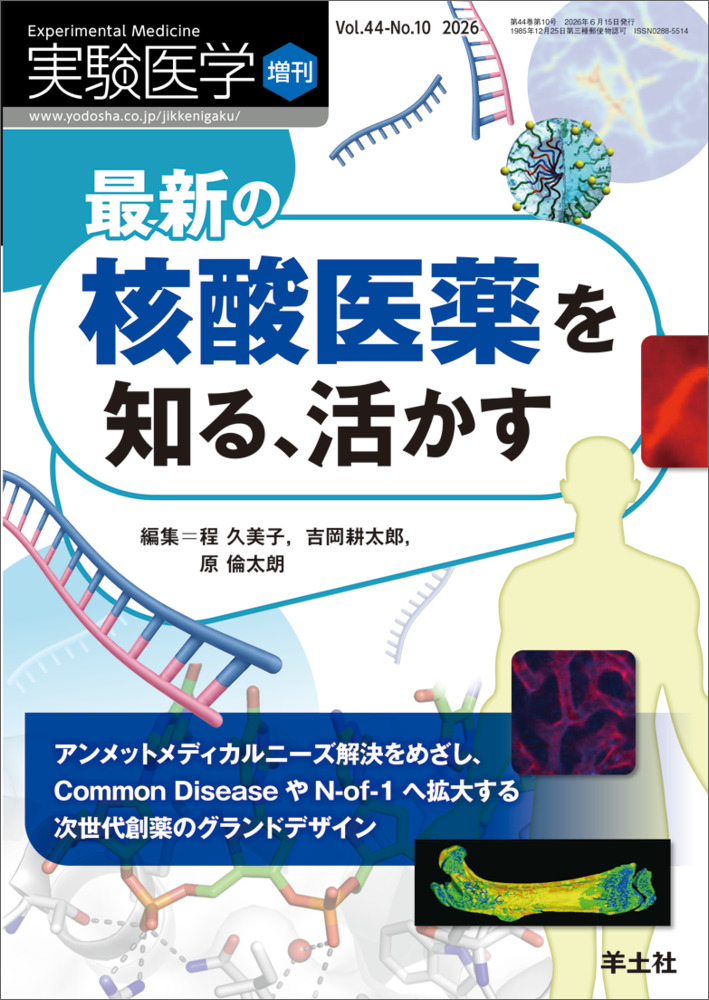
石田敦也さん、吉見昭秀さんが執筆した「裾野が広がるがん核酸医薬開発」が実験医学に掲載されました😀
The article "Expanding Horizons in the Development of Cancer Nucleic Acid Therapeutics" authored by Atsuya Ishida and Akihide Yoshimi, has been published in Jikken Igaku!
yodosha.co.jp/jikkenigaku/bo…
1
2
12
1,305
Journal Club-127 @NatureGenet
While acute myeloid leukemia (AML) cells exhibit a cellular hierarchy headed by leukemia stem cells (LSCs), the molecular basis of LSC stemness remains poorly understood. In this paper, by analyzing chromatin accessibility of AML cells, the authors revealed that a subset of transposable element subfamilies are enriched within accessible chromatin regions of LSCs, and these elements provide a hub of transcription factors and chromatin regulators underlying LSC stemness.
Summarized by @Masahiko_Ajiro
nature.com/articles/s41588-0…
3
8
771
Journal Club-127 @NatureGenet
急性骨髄性白血病(AML)細胞はleukemia stem cell (LSC)を起点とする階層的な分化を示すが、LSCの幹細胞性を特徴づけるゲノム基盤は明らかではない。筆者らはAML細胞のクロマチン構造を解析し、特定のトランスポゾン・サブファミリーの配列におけるクロマチンの開構造がLSCで選択的に生じていることを示した。またこれらのクロマチン領域が転写因子・クロマチン制御因子の足場となり、LSCの幹細胞性の機能的基盤となることが示された。
担当:網代将彦 @Masahiko_Ajiro
nature.com/articles/s41588-0…
2
10
602
Journal Club-126 @Nature
This study shows that metastasis-associated oncofetal states are already established at the invasive front of early-stage colorectal cancer. Furthermore, these phenotypes are driven by TME-induced plasticity rather than additional genetic alterations. Trophocyte-like CAFs promote oncofetal programs through TGFb and prostaglandin signaling.
Summarized by Pariha Muhtar
nature.com/articles/s41586-0…
4
5
544
Journal Club-126 @Nature
本研究は、早期大腸癌の浸潤前縁において、転移関連の胎児様状態がすでに形成されていることを示した。さらに、これらの表現型は新たな遺伝子変異ではなく、腫瘍微小環境による可塑性によって誘導されることが示された。加えて、トロフォサイト様CAFがTGFbおよびプロスタグランジンシグナルを介して胎児様プログラムを促進することが明らかとなった。
担当:Pariha Muhtar
nature.com/articles/s41586-0…
2
4
415
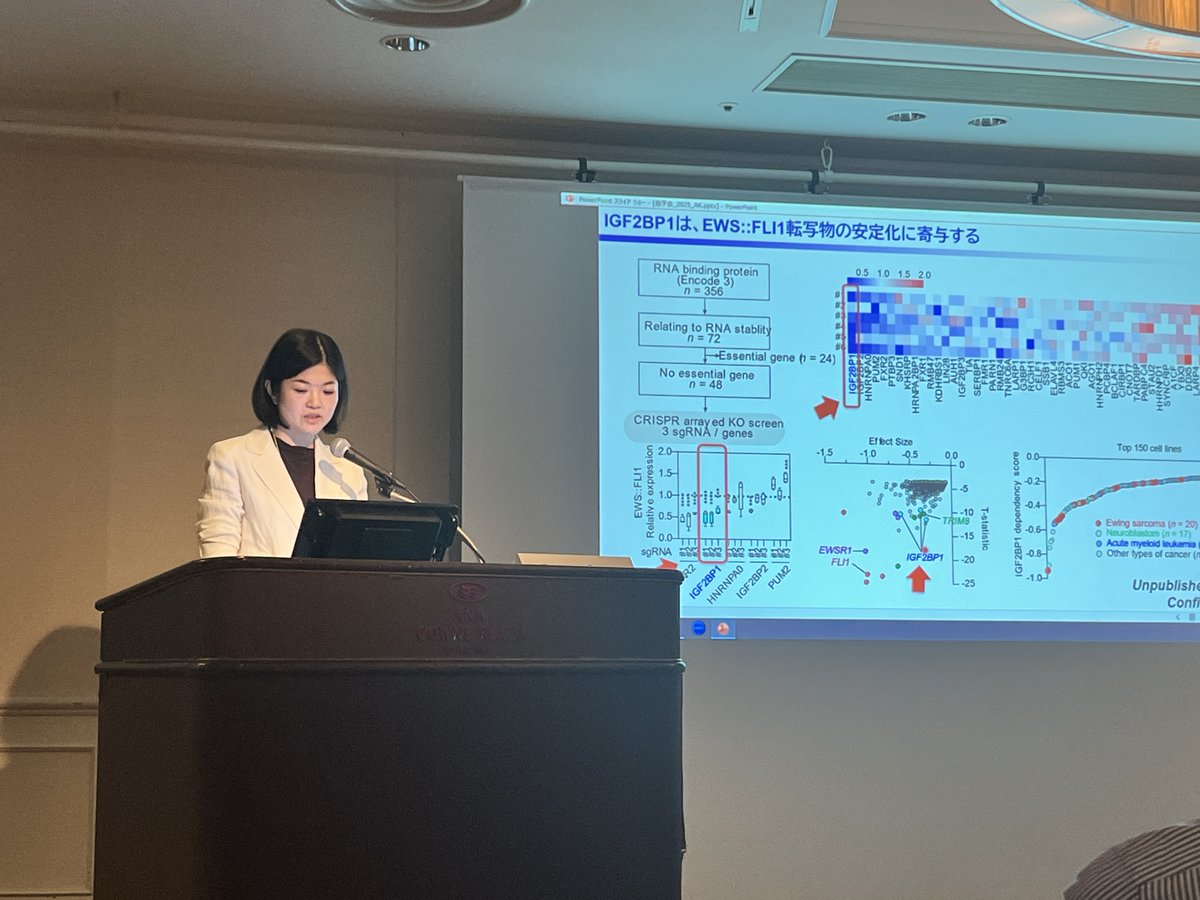
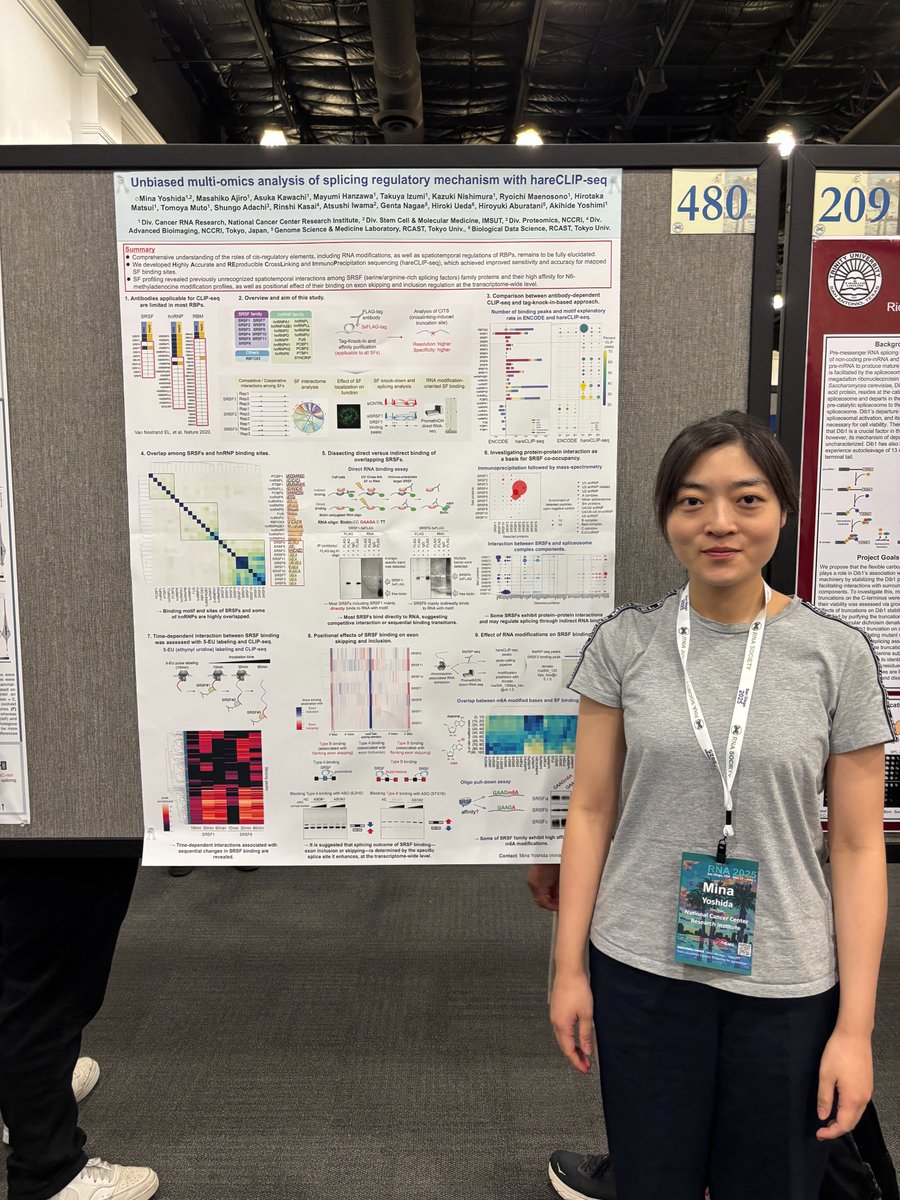
Wulipan Fulati and Mina Yoshida gave poster presentations at the JSH International Symposium!
Wulipan Fulatiさんと吉田澪奈さんがJSH international symposiumでポスター発表しました!
1
2
404
Journal Club-125 @NatureCellBio
This paper shows that type I/III IFN induction by TLR3, TLR4–TRIF and cGAS–STING critically depends on the E3 ligase ANKIB1, which generates K11‑linked ubiquitin chains on TRIF and STING. These K11‑Ub chains recruit optineurin, enabling TBK1–IRF3 activation, whereas RIG‑I–MAVS signaling uses different adaptors and is ANKIB1‑independent, establishing this axis as a key checkpoint controlling IFN responses.
Summarized by Moritoshi Sakamoto
nature.com/articles/s41556-0…
2
4
435
Journal Club-125 @NatureCellBio
本論文は、TLR3・TLR4‑TRIF・cGAS‑STINGによるI/III型IFN誘導が、E3リガーゼANKIB1の作るK11結合ユビキチン鎖に依存することを示した。ANKIB1はTRIFやSTINGなどをK11‑Ub化し、OPTNを介してTBK1–IRF3を活性化する。このAxisがIFN応答の新たな制御ポイントであることが示された。
担当:阪本盛敏
nature.com/articles/s41556-0…
2
3
363
Journal Club-124 @ScienceMagazine
This study shows that the antiphage reverse transcriptase DRT3 synthesizes GT/AC-repeat double-stranded DNA using a protein, rather than RNA, as a template. DRT3 forms a complex composed of Drt3a, Drt3b, and ncRNA, and produces poly(GT/AC) dsDNA in response to phage infection. These findings expand the concept of reverse transcriptases and reveal a new nucleic acid synthesis mechanism in bacterial antiphage defense.
Summarized by Zhu Lu
science.org/doi/10.1126/scie…
1
2
387
Journal Club-124 @ScienceMagazine
本論文は、抗ファージ逆転写酵素DRT3が、RNAではなくタンパク質を鋳型としてGT/AC反復二本鎖DNAを合成することを示した。DRT3はDrt3a・Drt3b・ncRNAからなる複合体を形成し、ファージ感染に応答してpoly(GT/AC) dsDNAを産生する。逆転写酵素の概念を拡張し、細菌抗ファージ防御における新たな核酸合成機構を示した。
担当:Zhu Lu
science.org/doi/10.1126/scie…
1
3
529
京都大学からのプレスリリースはこちら
kyoto-u.ac.jp/ja/research-ne…

Kei Nishimori (@Biostudy1355)’s work from his previous position has been published in Nucleic Acids Research!
西森奎さんの前職での仕事がNucleic Acids Researchに掲載されました!
academic.oup.com/nar/article…
1
7
1,116
Kei Nishimori (@Biostudy1355)’s work from his previous position has been published in Nucleic Acids Research!
西森奎さんの前職での仕事がNucleic Acids Researchに掲載されました!
academic.oup.com/nar/article…
2
10
2,190
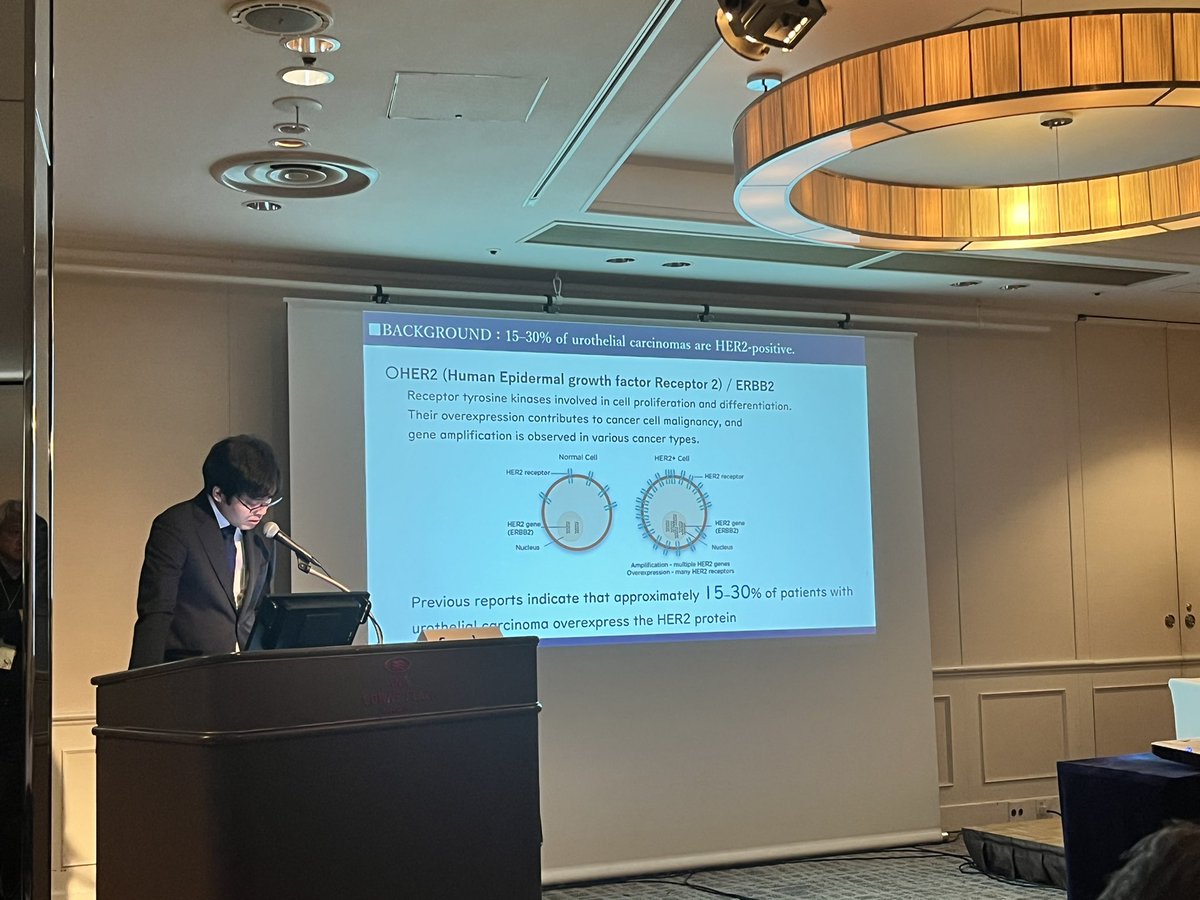
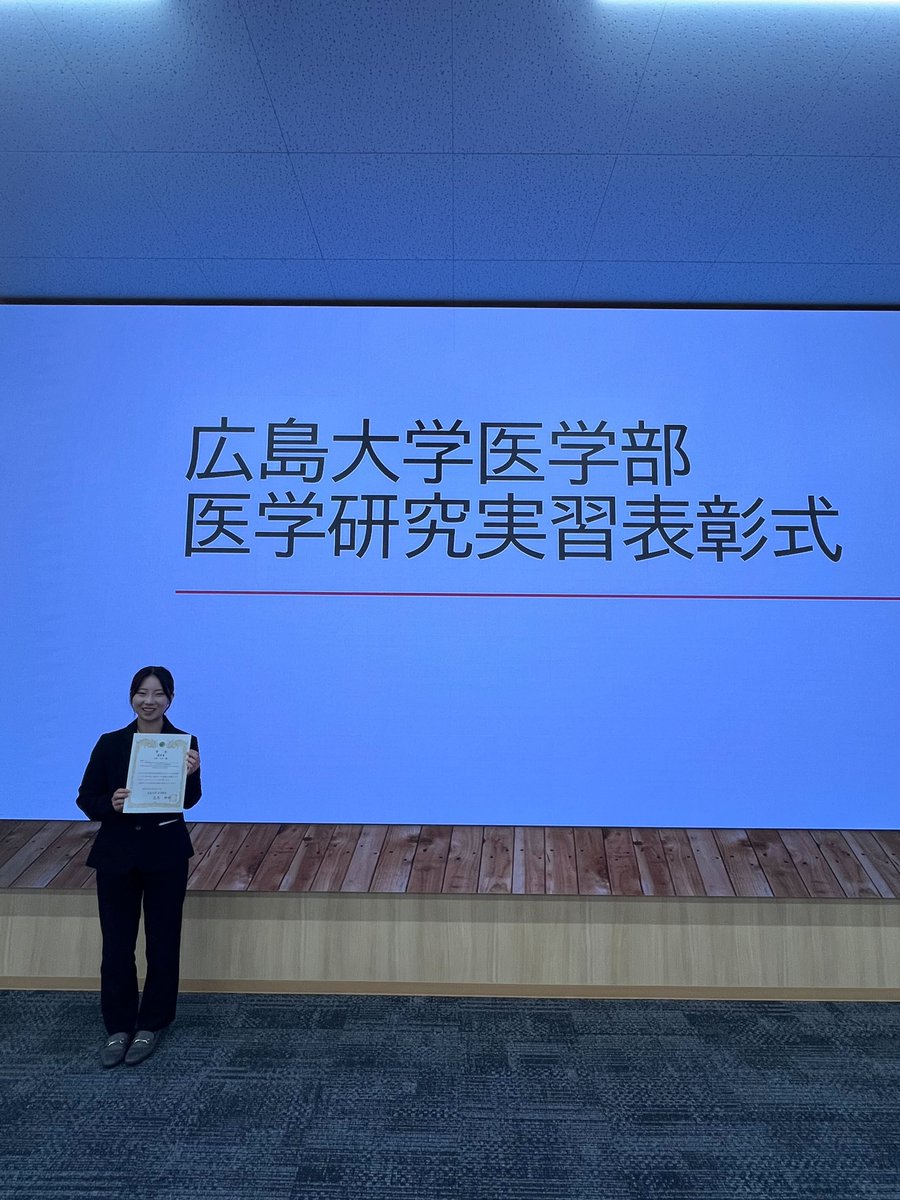
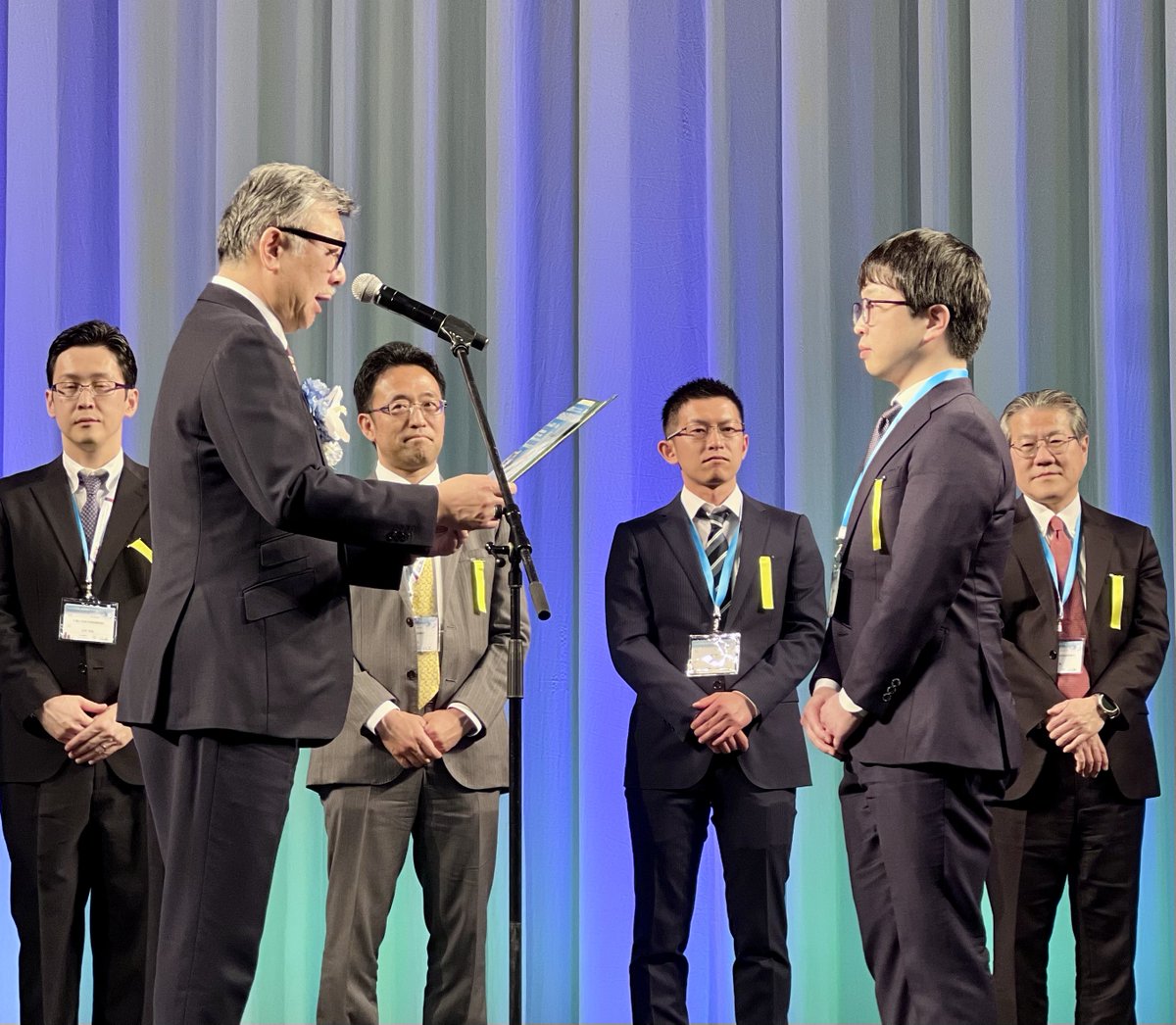
前之園良一さんが泌尿器科学会総会賞を受賞しました!! (2連覇) 🎉
@r_maenosono has won the Urological Association Annual Meeting Award!!
1
4
500
Yoshimi Lab (NCC Official Account) retweeted

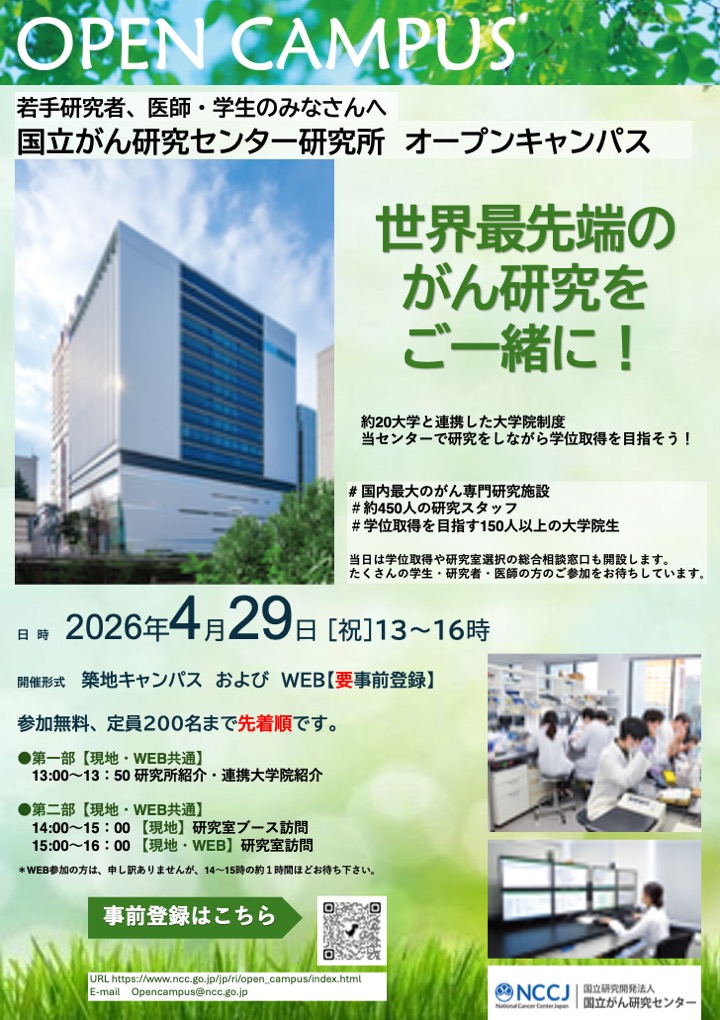
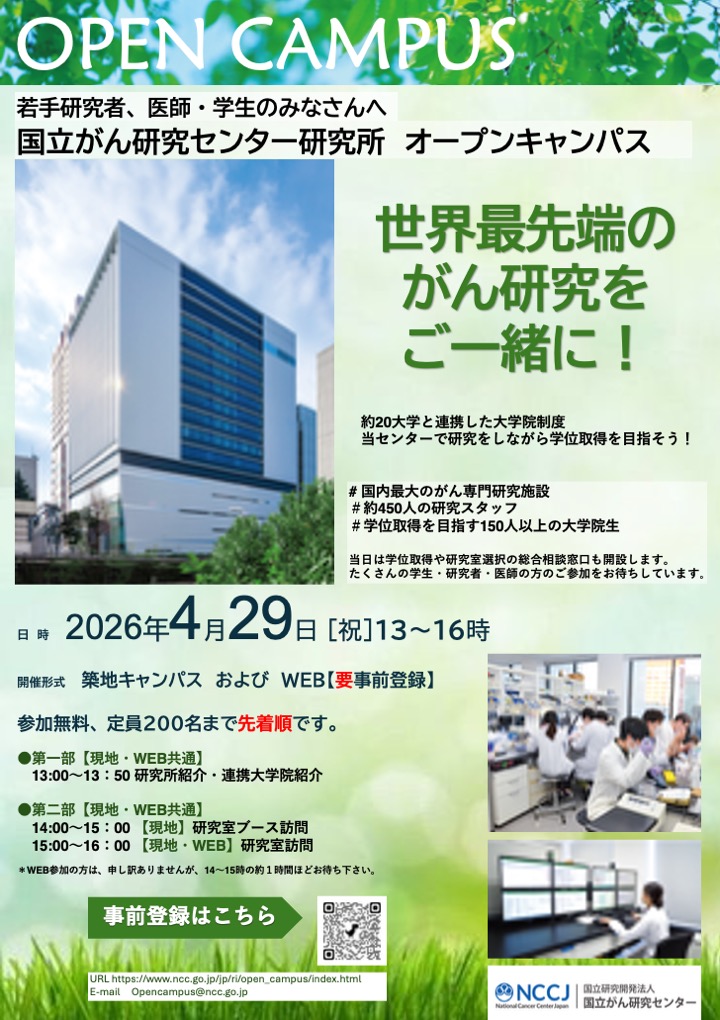
【研究所オープンキャンパス明日です!】
明日は国立がん研究センター研究所のオープンキャンパスです!
直前の登録でも参加可能ですので、お時間があればぜひご参加ください。
明日は研究所一同お待ちしております!
事前登録↓
ncc.go.jp/jp/ri/open_campus/…
4
7
1,194
Yoshimi Lab (NCC Official Account) retweeted
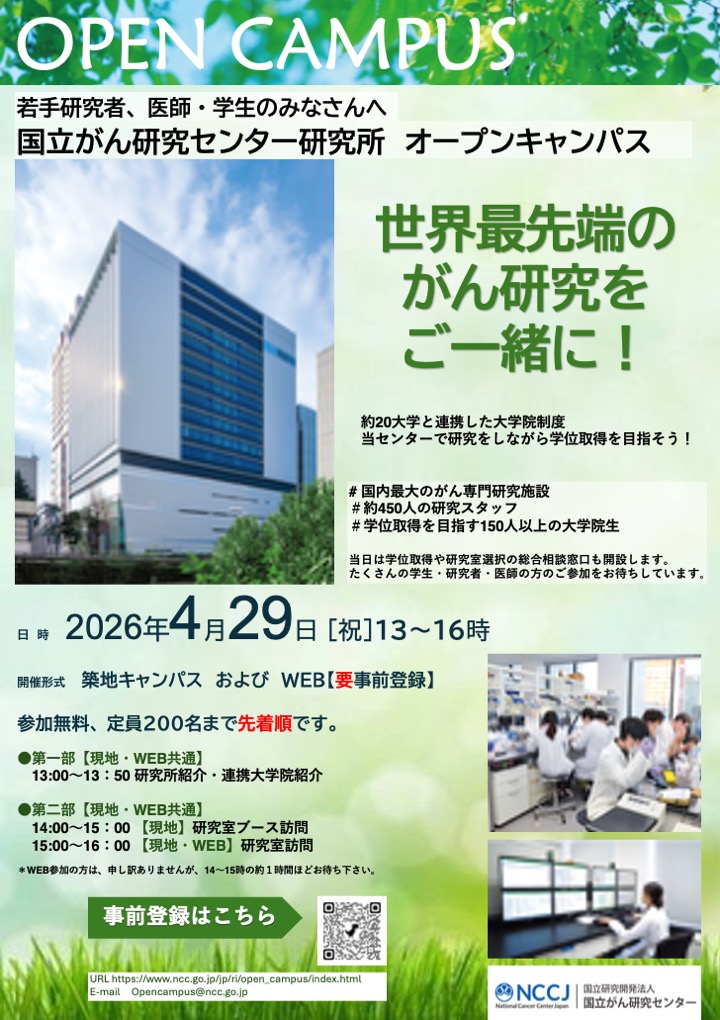
【研究所オープンキャンパスパンフレット配布中】
いよいよ来週に迫った研究所オープンキャンパス。
各研究室の受入状況をまとめた表をアップしました。
パンフも配布中です。
がん研究を志す皆様にお会いできることを楽しみにしています!
事前登録↓
ncc.go.jp/jp/ri/open_campus/…
5
7
987
Yoshimi Lab (NCC Official Account) retweeted
【医師と研究者の二刀流〜呼吸器内科医として研究を極めたい〜】
国立がん研究センター研究所から若手研究者の声をお届けします。
youtu.be/ULVYZn_4F_8
4月29日(祝)に開催する研究所オープンキャンパス、ぜひお申し込みください!
ncc.go.jp/jp/ri/open_campus/…
4
10
1,275
RT @NCCJ_official: 【「研究所オープンキャンパス2026」開催まであと2週間】
4月29日(水・祝)に行われる研究所オープンキャンパス2026では、世界のがん研究をリードする研究者と直接話すことができます。
その魅力を、実行委員のがんRNA研究分野 吉見昭秀…
3