
UF MD/PhD. PhD Neuroscience. Neurobio/Neuroimmuno/Metabolism/Stress Biology. Artist formerly known as Dr. Love/Pre-Med Guy. 🤟.
Joined January 2011
- Tweets 57,465
- Following 1,207
- Followers 3,178
- Likes 15,858
1,276 Photos and videos

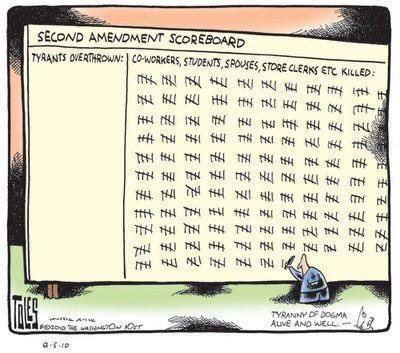
It’s amazing how even the tech oligopoly that claims to value epistemics has almost no capacity to follow through on that claim.
Just clown car buffoonery that would be rolled through by an enterprising high schooler.
Jun 13

💥NEW: @chamath on LA Mayor Election: “I’m for mathematical and statistical literacy. And what happened here is mathematically and statistically IMPOSSIBLE … I can tell you the statistical odds that this would have happened — and it’s one in a trillion!”
1
62
DOAC is frequently a cartoonish podcast in regards to epistemological rigor, but this one is a doozy.

JUST RELEASED 🎙️ #URegina's Dr. @darrencandow appears on one of the world's biggest podcasts, The Diary of a CEO, to break down #creatine science, bust myths, and explore impacts on muscle, brain, sleep, and healthy aging.
youtube.com/watch?v=Jk7RAkFN…
#GoFarUofR
1
473

Jun 14
I like Noah smith, but this thing where he makes sweeping, unsupported claims in the biomedical and healthcare space is getting old.
Jun 14

From a doctor's point of view, the purpose of antidepressants is to get depressed people to stop coming to the doctor.
2
1
11
1,822
Jun 14
Alright this podcast is starting to reach ridiculous levels of absurdity.
Do some basic research. A quick google. AI now exists.
Nominal fluctuations in endogenous glp1 levels (or even pure receptors knockouts in rodents) don’t meaningfully impact subsequent metabolic outcomes.
pmc.ncbi.nlm.nih.gov/article…
pubmed.ncbi.nlm.nih.gov/1096…
pubmed.ncbi.nlm.nih.gov/1565…
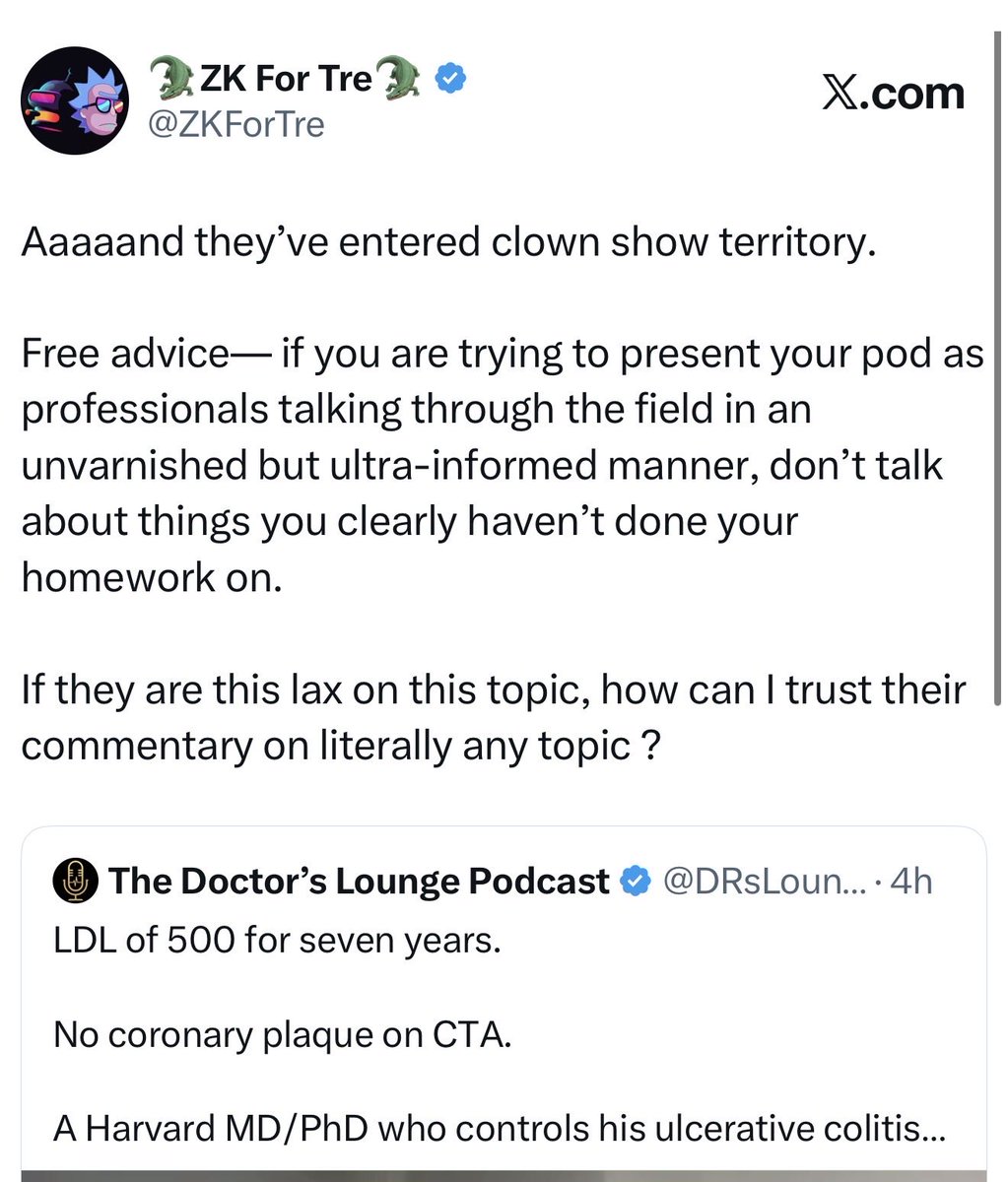
The fact that the study was small and the patients have variable history of statin use is largely irrelevant. They are cardiologists— they should understand the movement of irrelevant or non-contributory biomarkers is physiological noise.
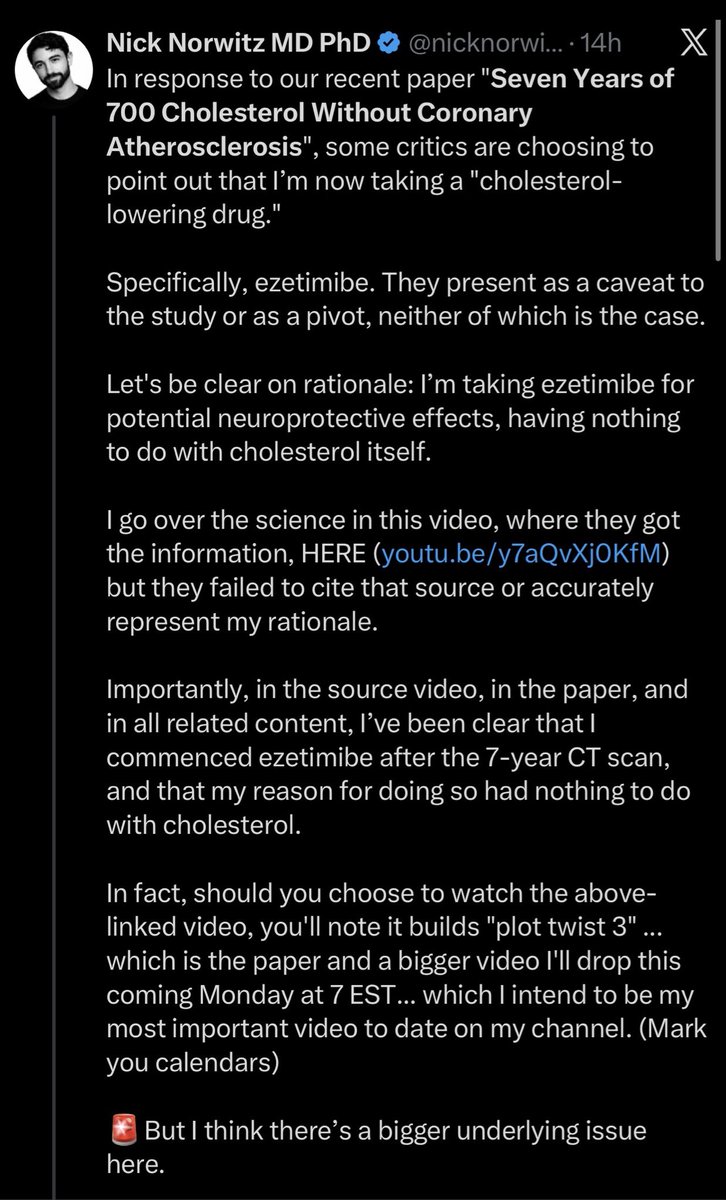
Most annoyingly, this is one of Norwitz’s favorite talking points. Can i prove they are echoing him? No. Did this come right around all their discussions of Nick? It did.
And “no one cares what their ldl is.”
They should! This is a causal biomarker— the kind you should actually put some emphasis on.
What a nonsensical mix of disorganized and poor epistemic handwaving.

Statins lower GLP-1 levels.
That study exists. It's real.
So why isn't it breaking news?
Because it was a handful of people.
It measured a protein in the blood.
The history of medicine is full of mechanisms that should have worked — and didn't when tested in a real trial.
Because biology is complicated.
Nobody cares what their LDL is.
They care: Am I going to have a heart attack?
Mechanisms don't answer that question.
Outcomes data does.
7
1
23
4,818
🐊ZK For Tre🐊 retweeted

Jun 14
Number of NBA championships:
Karl-Anthony Towns: 1
Andrew Wiggins: 1
Jimmy Butler: 0
16
146
1,090
60,034
Jun 14
The musings of a political “moderate”

Can anyone steel man the LA mayor race stats?!
I’m not a conspiracy theorist, but no one seems to have a theory 🤷
629
Jun 13
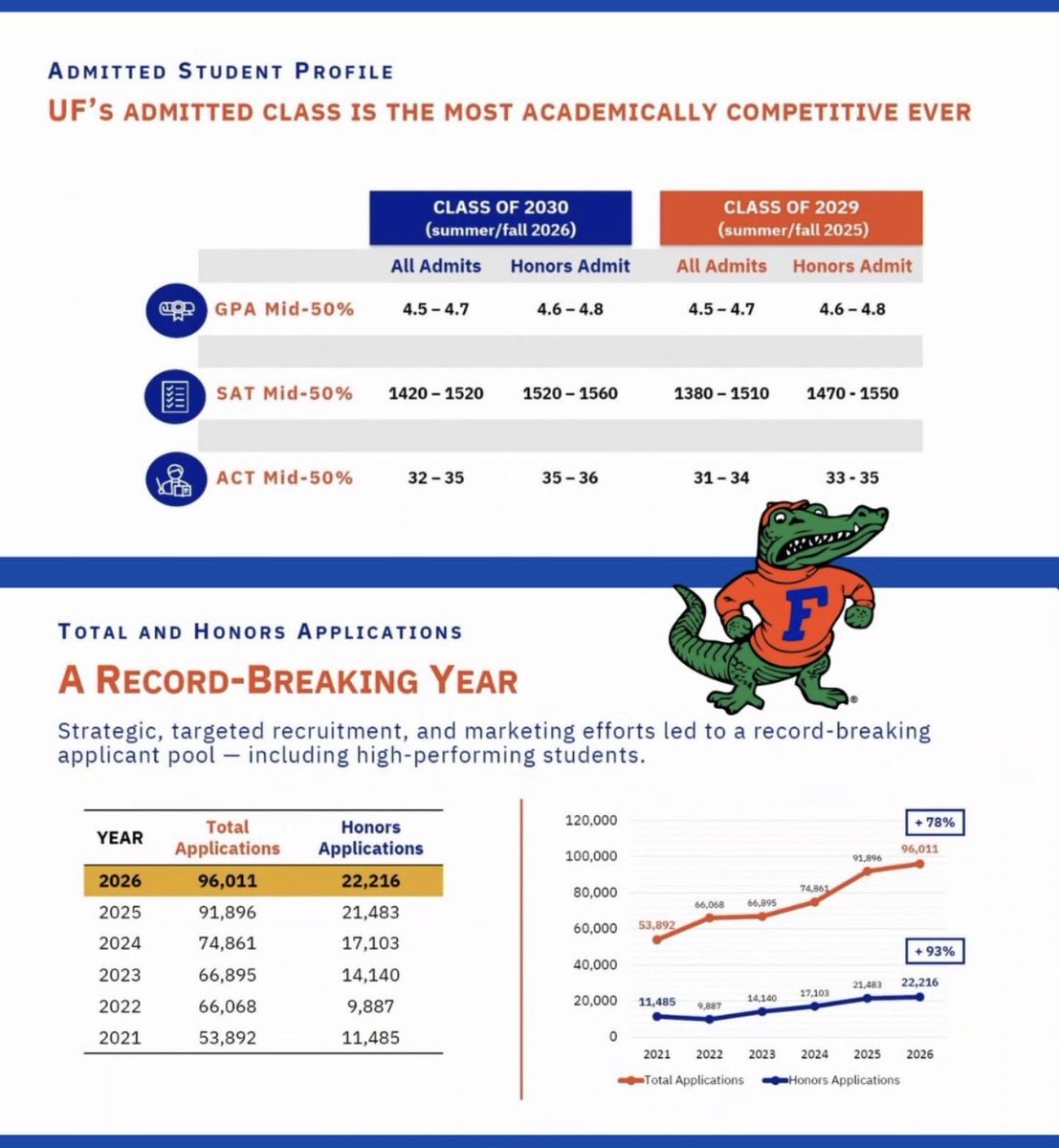
Can someone help me out— how can the kids both not able to read and also be more competitive on paper at a state school than the Harvard admissions class was when I applied to college?
268
Jun 12
Look, I’m all for forgiveness of youthful mistakes. I really am. Far be it from me to claim im some saint, even now.
But you can look through my laptop.
You can look through my cloud accounts.
You can look through my social feeds.
There are no Totenkopfs in there.
I have no idea if Platner knew what he was getting when he got it, but it’s pretty clear now he knew what it was well in advance of a few months ago. That’s setting aside all of the other things that may or may not be worthy of concern with him.
So forgive me if I think it’s entirely reasonable for liberals and progressives who try to maintain a moral compass to question how far they are willing to go to get someone that will beat Susan Collins in Maine (and all of the political tentacles that go with the Collins rubber stamp votes).
Thankfully I don’t vote in Maine, but personally, I wouldn’t ever be able to cast a vote for either one. Reasonable people can make a different calculation, but this notion that people are being irrational for not wanting to vote for Platner— I can’t get behind that.
Jun 12

To everyone so eager to cancel someone for a tattoo they got at age 22, a drunk text, a selfie they took in the middle of a mental health crisis:
Show us your laptop.
Show us your iCloud.
Open your entire digital life to your worst enemy. No context. No filter. No explanation.
You won’t.
You won’t because you know what I know. Any one of us, frozen at our worst moment, photographed in our lowest hour, looks like a monster. Looks like a stranger. Looks like someone who deserves to be cast out.
That is not who we are.
My mom and baby sister were killed in a car accident when I was just a kid. Cancer took my brother Beau, my best friend and my rock. I battled alcoholism. I battled addiction. I chose the coward’s way out more times than I can count.
For years I believed the defining chapters of my life were written by tragedy, loss, and shame.
I no longer believe that.
Pain can shape us. Loss can humble us. Failures can leave scars that never fully fade. But none of them have the authority to define us.
And it sure as hell ain’t the critic that counts.
That authority belongs to us alone-the person in the arena.
Every setback presents a choice. Play the victim, or cut the bullshit and take ownership for who we become next.
Life does not determine our character. It reveals it.
Again and again we are asked the same question. When shit happens, what next?
We are not defined by what happened to us. We are not defined by the worst photo, the worst text, the worst tattoo, the worst night. We are defined by the person we choose to become. And by the courage to choose that person, every single day.
So before you reach for the gavel - show us your laptop.
You won’t.
The whole world saw mine. And I am still here. Still becoming. Still choosing. Still standing.
That is the only definition that matters.
1
7
946
Jun 12
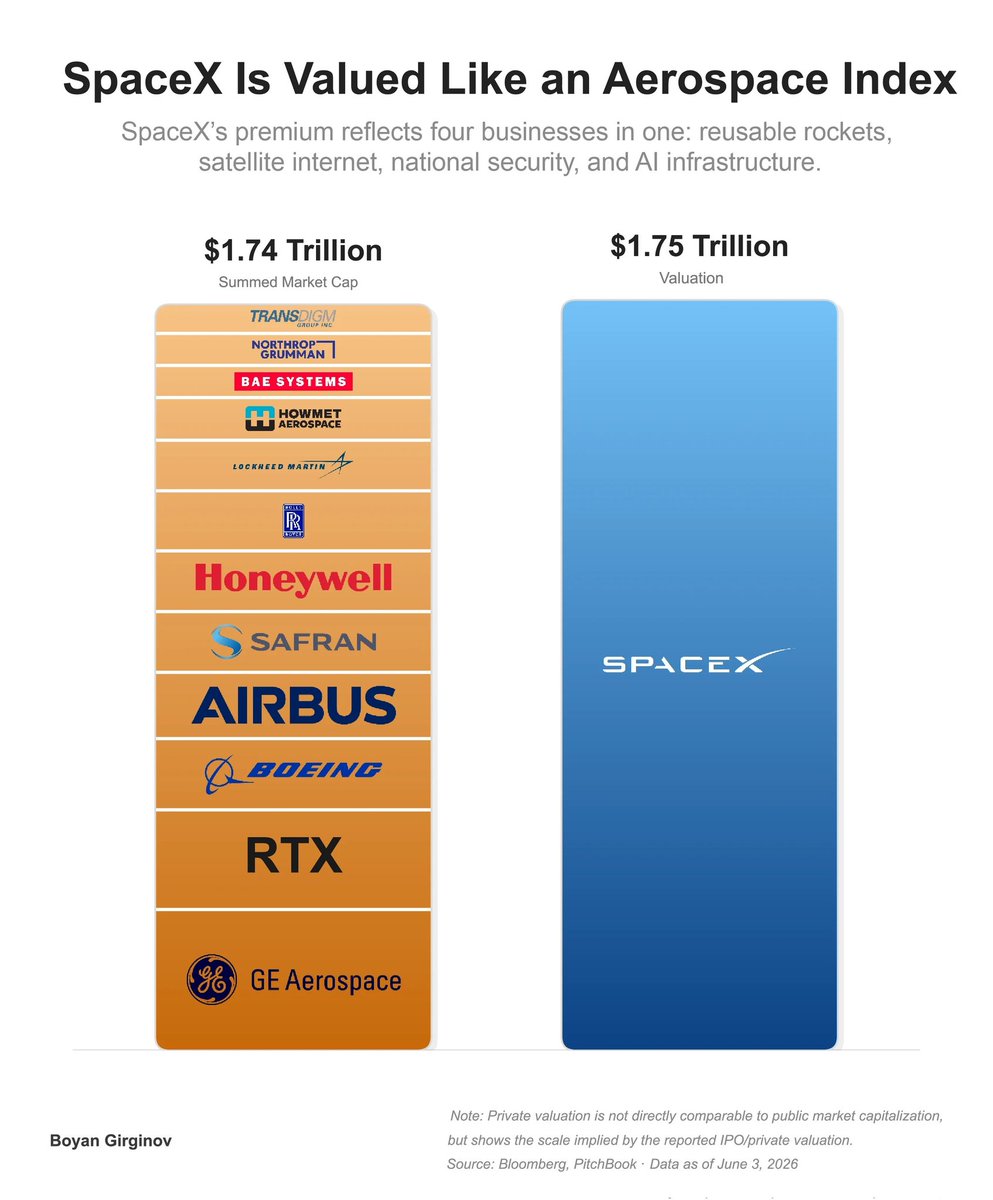
* on par with being all of americas aerospace companies
Jun 11

SpaceX is valued on par with the rest of America's major aerospace companies.
2
392
Jun 11
Jun 11

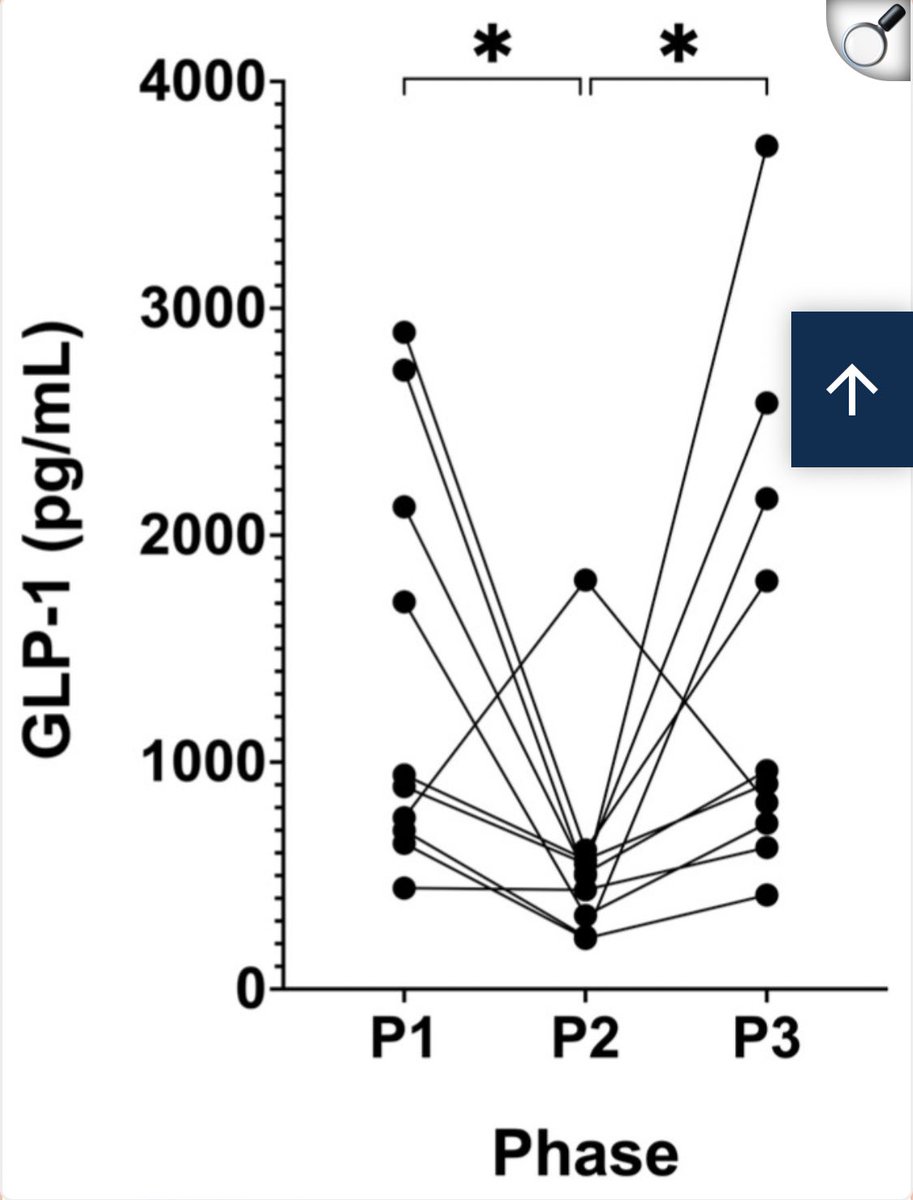
I share this exact figure often in my talks. It's remarkable what a low-carb vs. high-carb diet does to GLP-1 levels in the body. Look at that drop in GLP-1 when subjects changed to a high-carb diet (the middle point) then went back to their low-carb diet!
2
2
14
4,525
Jun 11
For the 2173673927463785th time, endogenous GLP1 levels do not predict metabolic outcomes.
pmc.ncbi.nlm.nih.gov/article…
Jun 10

Look !! Maybe this study helps explain why my low carb patients are so much less hungry? Perhaps they are getting free GLP-1 weight loss hormone ! pmc.ncbi.nlm.nih.gov/article…
1
3
29
2,783
Jun 11
***you are the NIH director***
You are overseeing a house you are actively demolishing, yet you waste your time pumping documentaries to air your unending covid grievance.
Do you experience no shame at all?

My talented friend @MichaelPack_ has produced a great documentary about the lockdown dissidents & the silencing of science during the covid pandemic.
So much harm caused by the lockdowns, school closures, and mandates could have been avoided.
I'm working now to reform public health and science so nothing like that ever happens again.
@WSJopinion
5
26
3,431
Jun 10
Academics sure do suck.
Also a brief sampling of things derived from the work of academics:
nature.com/articles/s41586-0…
nejm.org/doi/full/10.1056/NE…
nejm.org/doi/full/10.1056/NE…
Jun 10

Lots of people sticking up for teachers. I’m not talking about your local high school teachers. My mom was a teacher. I’m talking academia. Professors, administrators, deans etc. People who get a million degrees and but never work in real world. They suck
11
1,899
Jun 10
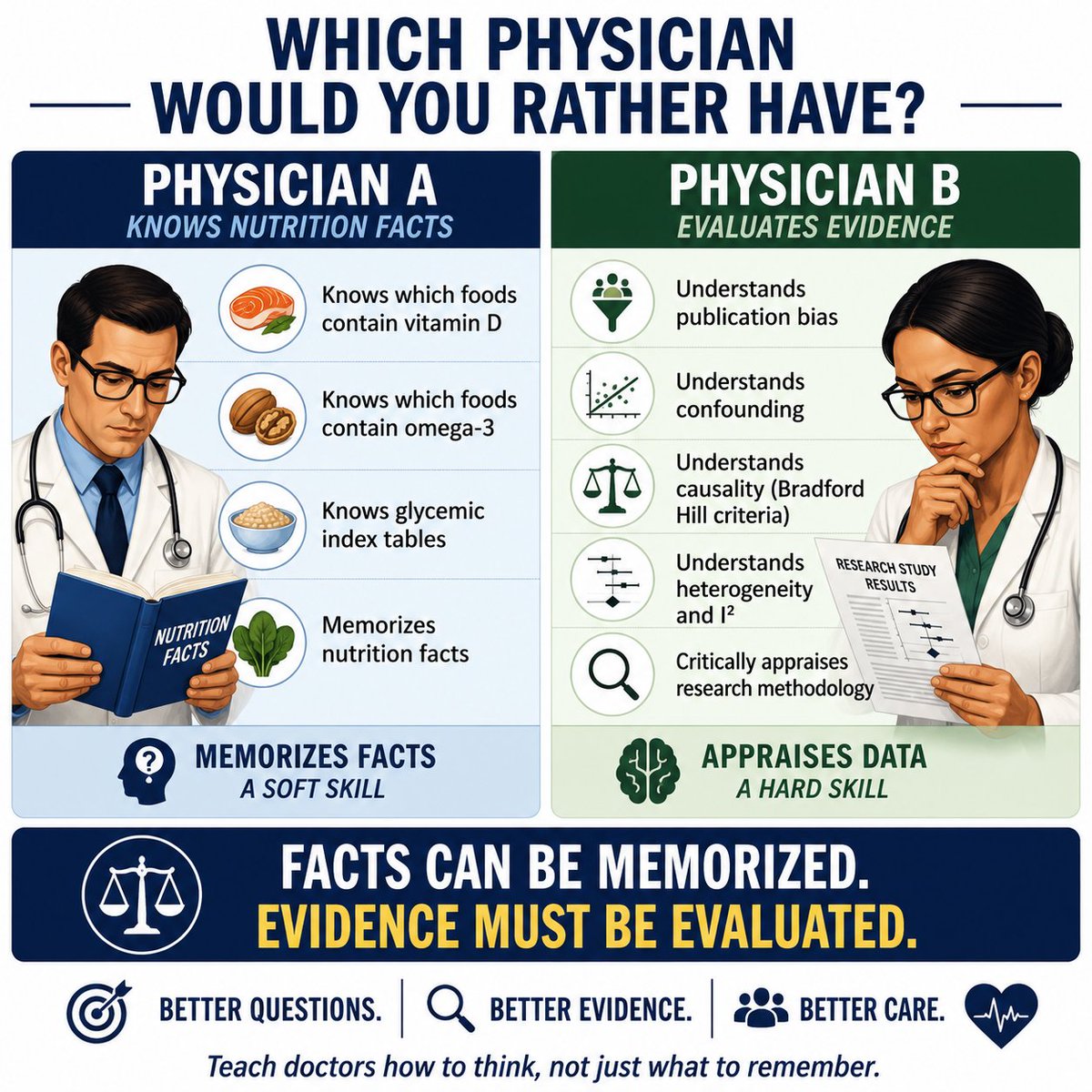
This is a cartoonish representation of what constitutes appropriate knowledge of statistics.
I’d love to take some of these arguments seriously, but it’s just impossible as this suggests the account is simple a parody.

What we need in medical training is more training in data science.
If you cannot competently assess nutritional data, then additional nutrition training is of limited value.
More chi-square tests.
More t-tests.
More ANOVA.
More meta-analysis.
More understanding of concepts such as publication bias, researcher degrees of freedom, Bradford Hill criteria, heterogeneity, confidence intervals, absolute versus relative risk, and the difference between association and causation.
More training in how to critically appraise research methodology.
These skills matter far more than memorizing which foods contain omega-3 fatty acids or vitamin D.
Nutrition facts can be looked up in seconds.
The ability to evaluate the quality of evidence cannot.
Memorizing facts is a relatively easy skill.
Appraising data is the hard skill I want my doctor learning.
1
8
2,085
Jun 10
This is one of the most cartoonish, unserious interviews I’ve seen this calendar year.
Virtually no supported arguments, but the most cartoonish, unpragmatic progressive fever dream vibes.
youtu.be/OkFTKHz5HHc?si=0kcQ…
3
303
🐊ZK For Tre🐊 retweeted

Jun 10
New lab paper @NeuroCellPress!
@_Aaron_McKnight asked a simple question:
Do calories look the same to hunger neurons in the brain? The answer is no.
Fructose and glucose contain the same calories, but they engage fundamentally different gut-brain pathways.
doi.org/10.1016/j.neuron.202…
6
18
70
15,392
Jun 10
I’d just love to see the internal financials justifying this.

🚨NEWS: Pat McAfee, ESPN negotiating $60M per year deal, The Athletic has learned.
nytimes.com/athletic/7344215…
1
288
Jun 10
I think some of the long-tail arguments aren’t totally addressed and there are arguments of basic changes that sit between “it’s great” and “it was a mistake,” but I think this is worth reading.

I wrote about the insanity of "medical privacy."
It's hard now to do research that could cure major diseases because we are too worried about the handling of people's personal data, which they themselves appear not to care about.
HIPAA was a mistake. richardhanania.com/p/privacy…
2
1
5
1,057
Jun 10
When someone uses the term “food addiction,” make them define. Make them use addiction neuroscience standards. Ask them for demonstration of those criteria.
building an argument around an inaccurate premise helps no one, even if there are kernels of truth in the very loquacious commentary.
According to the American Board of Obesity Medicine, there are at least 200 diseases related to obesity.
Here’s the elephant in the room that we rarely talk about. And when we do, we hide behind confusing euphemisms like “food noise.”
One of the major drivers of obesity in the modern world is food addiction.
Think about it.
You never hear a fat person say they’re addicted to steak, eggs, and salt.
You never hear them say they’re addicted to salmon, sardines, or ground beef.
Instead, they’re addicted to sweets, sugary drinks, chips, cookies, donuts, ice cream, and the ultra-processed foods specifically designed to hijack the brain’s reward pathways.
I recently had a patient with pseudotumor cerebri. Simply put, pseudotumor cerebri is a disease that happens because you’re too fat. Because you’re so fat, fluid doesn’t drain from your brain properly. The fluid builds up, you get headaches, and eventually you can lose your vision.
The real treatment is weight loss.
Unfortunately, because weight loss is so difficult, the treatment often becomes surgery. In some cases, surgeons drill a hole in the skull and place a tube that drains the fluid from around the brain into the abdomen.
This patient had previously lost 70 pounds on Wegovy, and her symptoms completely vanished. However, insurance stopped covering the medication. Unfortunately, she gained all the weight back, and her symptoms returned. I now have to do a spinal tap to formally diagnose the condition and help relieve the pressure. She is also scheduled for her second bariatric surgery.
I asked her, “Be honest with me. What foods are you addicted to?”
She said, “Sweets. All forms of sweets and sugary foods.”
What do you say to someone like that?
You can’t just say, “Eat a whole-food diet.”
You can’t just say, “Go low carb.”
You definitely can’t say, “Eat less and move more.”
You have to address the addiction.
Semaglutide (Wegovy) works directly in the brain and suppresses the mesolimbic reward system. Satiety hormones have similar effects through GLP-1-producing neurons in the nucleus tractus solitarius.
We say obesity is a disease. Fine. But it’s a disease we created by shifting toward foods that excessively stimulate these reward pathways and away from foods that nature designed to help regulate them. We’ve created a food environment that overwhelms the normal balance between the drive to eat and the need to maintain a healthy energy balance.
I’ll continue talking about the failed and moronic dietary lipid-heart hypothesis. The discouragement of whole foods that humans evolved eating—meat, fish, and eggs—in favor of processed and plant-based junk tracks directly with worsening human health. First during the agricultural revolution 10,000 years ago, and then again in the 1970s when we officially sanctioned dietary advice that accelerated the metabolic disaster we’re now living through.
The result is generations of food addiction, obesity, and poor metabolic health. And we’re still pretending the solution is simply to “eat less and move more.”
4
12
1,982