
Joined July 2019
- Tweets 1,609
- Following 271
- Followers 114
- Likes 11,088
273 Photos and videos







Pinned Tweet

21 Apr 2025
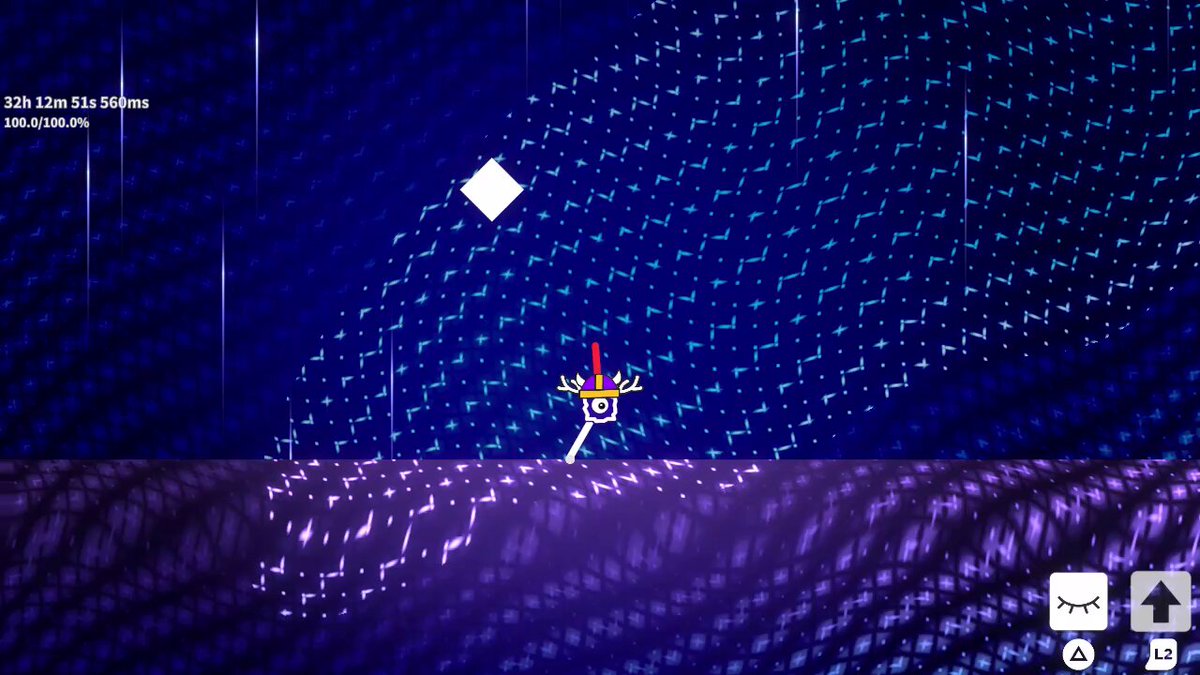
Worked on getting in hit effects, screen shake and fixing more bugs today
2
7
644
Apr 14
ARC-AGI-3 scoring improvements

Since previewing ARC-AGI-3, nearly one million scorecards have been submitted on public environments. That real-world data helps us stress-test and harden our scoring approach
Based on what we’ve observed, we’re announcing two updates to ARC-AGI-3 scoring:
1. The per-level baseline is now less sensitive to outlier performances, reducing the impact of luck on individual levels
A single unusually efficient human run no longer defines the baseline for ARC-AGI-3 scoring. Rather the baseline now reflects more typical human play. Technical change: the human baseline which normalizes scores moves from 2nd-best player to median player per level
2. A single subpar level no longer disproportionately drags down an overall score
A test taker who generalizes well across an entire environment is no longer penalized by a single, sub-par, level. Technical change: per-level score cap increases from 100% to 115%
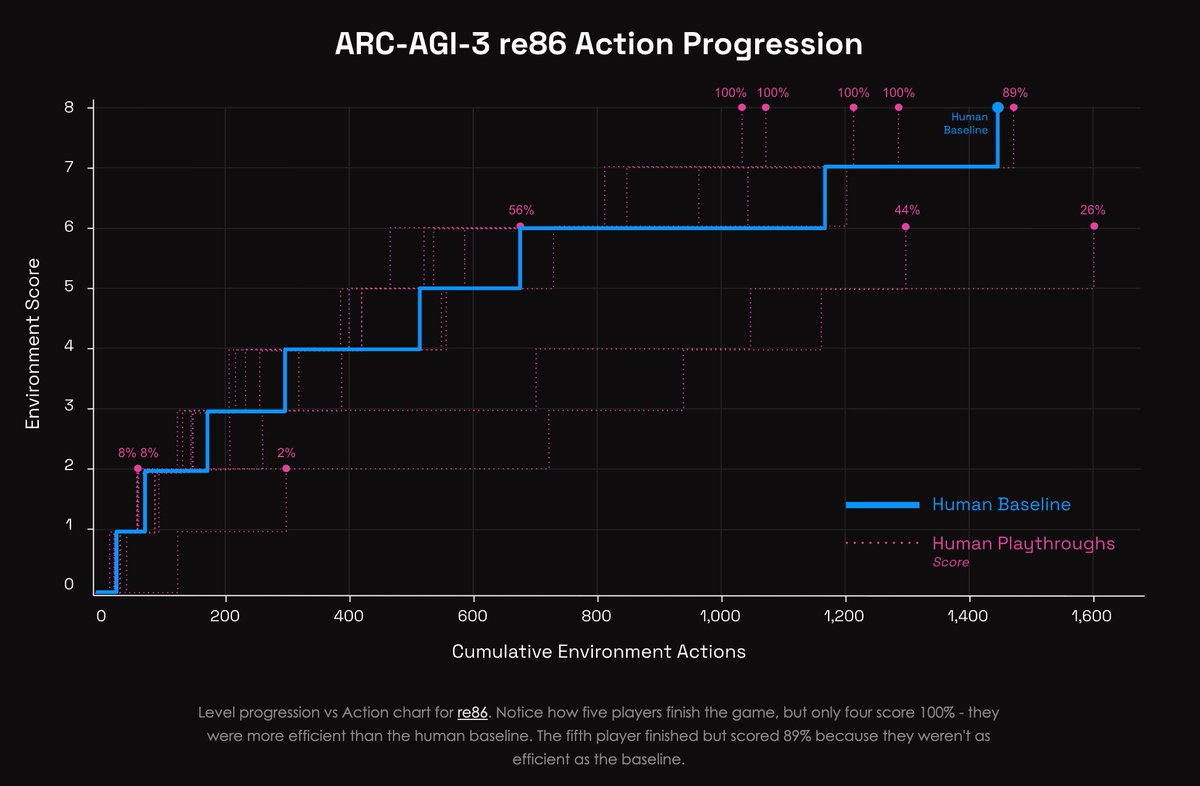
For a view of how action efficiency translates into scores, see how the 11 human players who played re86 during testing
2
86

when the risks of AI denialism go from "gary marcus gets laughed at on Twitter" to "some degree of institutional ignorance around foundational security systems breaking" then you have an imperative to look at the denialism dead in the eye and say "you're going to get people hurt"
4
10
154
7,443

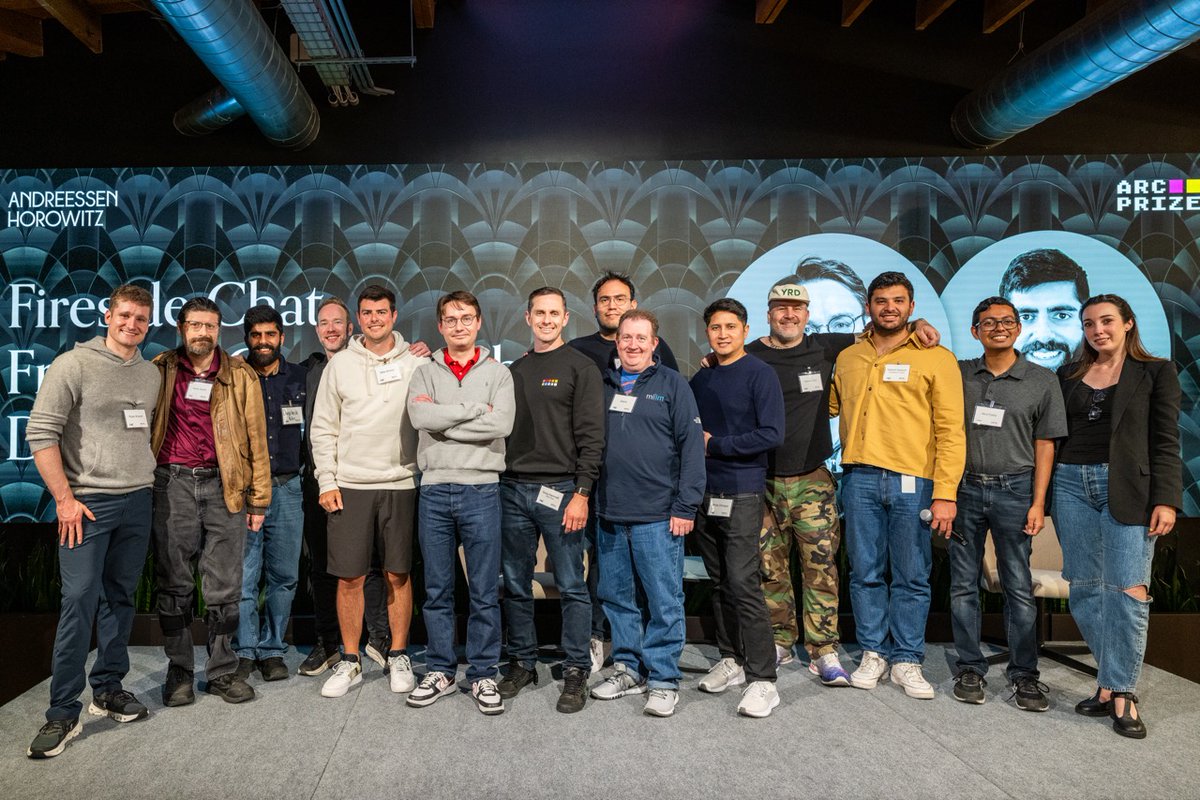
Platform Engineer - Benchmark Lead
ARC Prize Foundation is hiring a senior engineer to build our benchmark platform
* Expand ARC-AGI-3
* Own ARC-AGI-4
* Lay the foundations for ARC-AGI-5
Come build the benchmark that defines progress toward AGI
$7.5K referral bonus
4
13
89
41,196
Mythos system card
Apr 7

The Claude Mythos Preview system card is available here: anthropic.com/claude-mythos-…
31
Mar 25
ARC-AGI-3 is out! Some interesting concepts in the games if you're looking for ideas. Try them out!
Announcing ARC-AGI-3
The only unsaturated agentic intelligence benchmark in the world
Humans score 100%, AI <1%
This human-AI gap demonstrates we do not yet have AGI
Most benchmarks test what models already know, ARC-AGI-3 tests how they learn
2
168
Mar 22
Sklime Update today
Mar 22

New Sklime update - The Final Trial
store.steampowered.com/news/…
1
37
Mar 19
It's not the hard games we are lacking its the hard game gamers. It does seem like younger generations these days have power crept into being way better at video games because of how ubiquitous they are now which helps
Mar 18

I WANT EVERYONE'S LIFE TO GET BETTER AND EASIER SO WE CAN GET SOME PROPER HARD GAMES!
I UNDERSTAND WHY PEOPLE MIGHT NOT WANT TO BE CHALLENGED IN A GAME AFTER BEING REAMED BY LIFE, BUT THESE COZY GAMES ARE NOT CUTTING IT
AND NO WE DONT HAVE HARD GAMES. THEY'RE SPARLKING ANNOYING
51
Mar 18
friendslop,
millenialslop,
In the age of slop, what slop will you make?

1
372
Mar 17
It was still a large failure in putting together materials for presentation
Mar 17

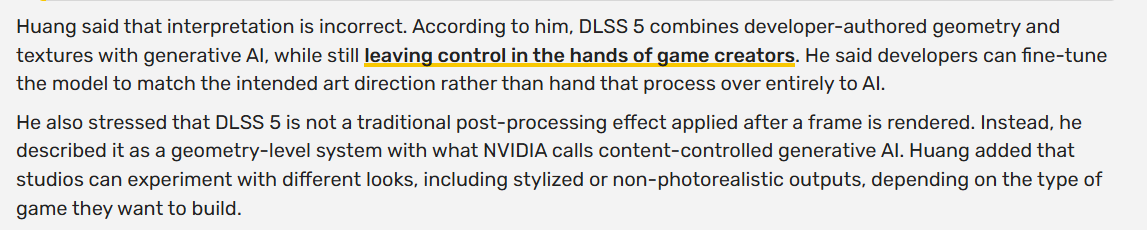
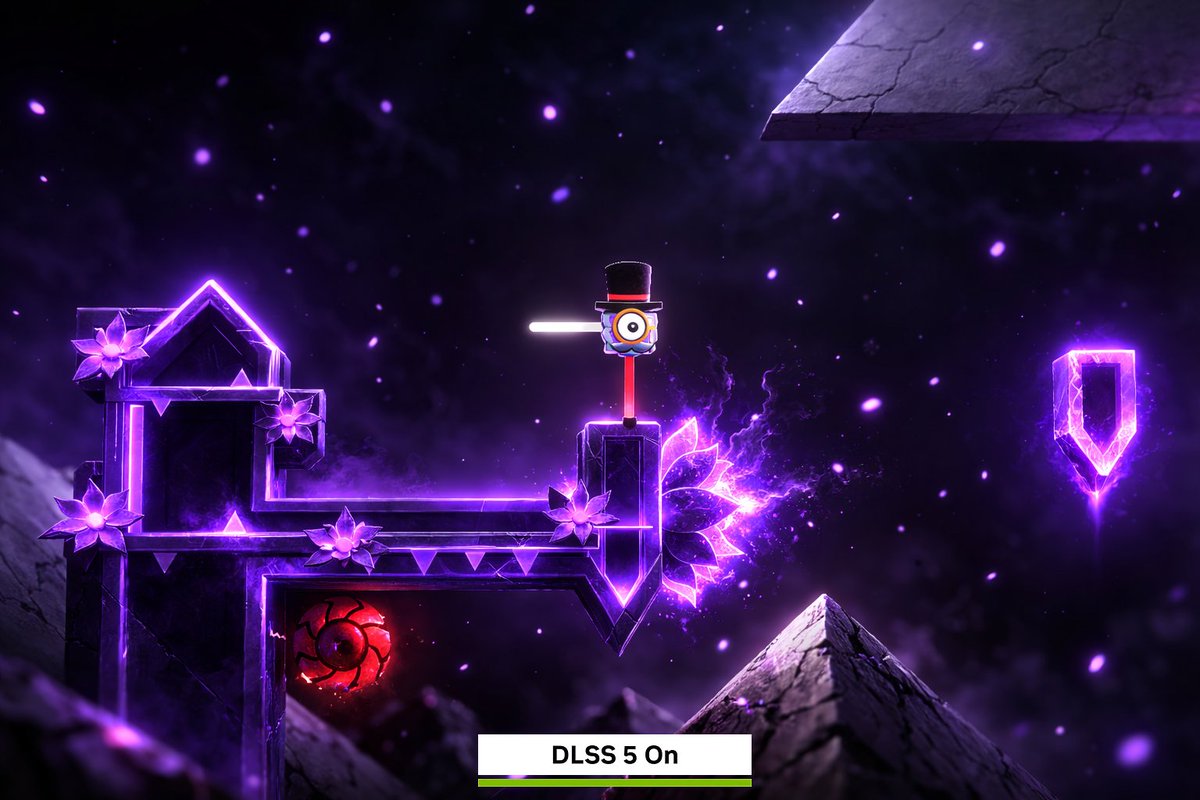
Jensen Huang says gamers are ‘completely wrong’ about DLSS 5 backlash
videocardz.com/newz/jensen-h…
1
41
Mar 17
If you can't make it look good there then there is less hope for devs to
17
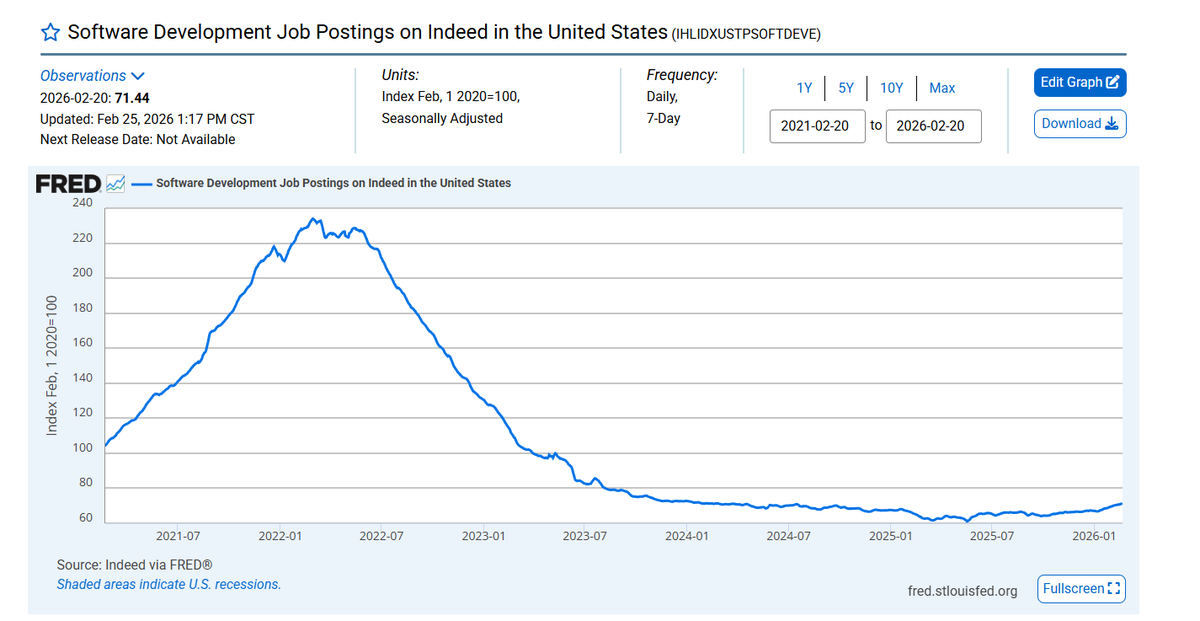
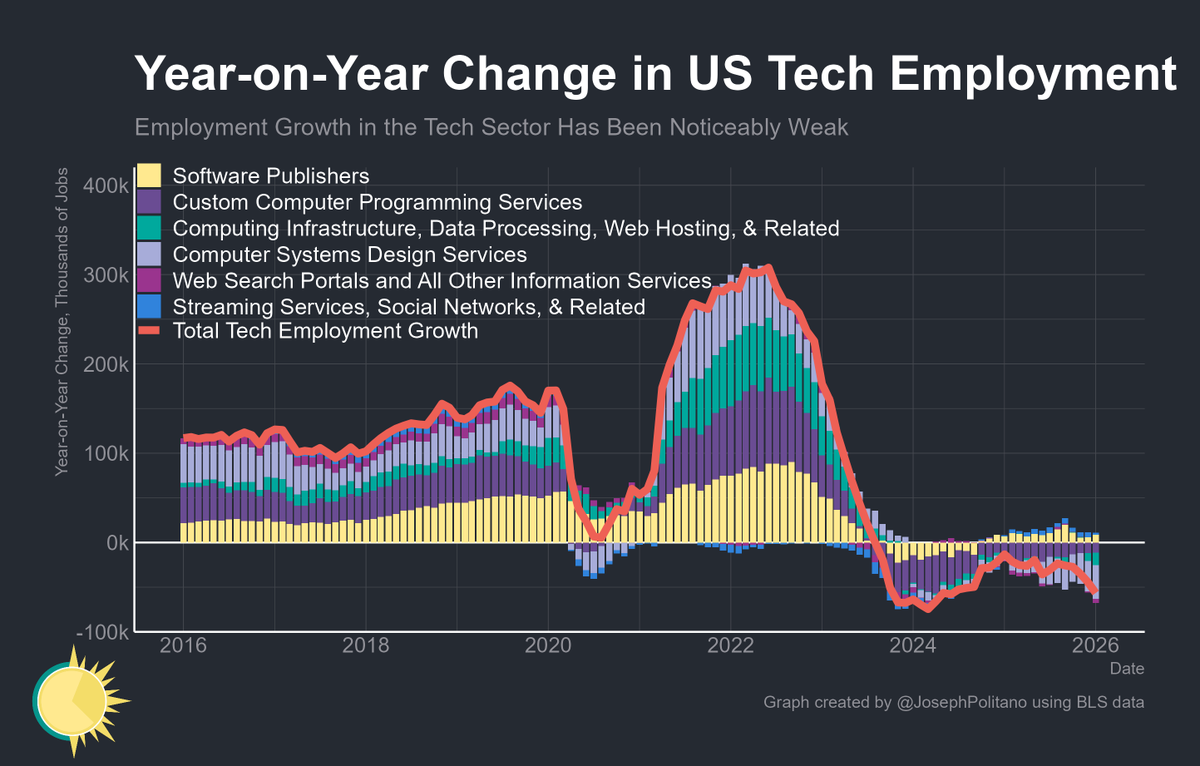
This seems a lot more informative compared to a zoomed in graph of indeed job postings increasing

Brutal numbers for US tech sector jobs released today—overall, employment decreased by 12k last month and is down 57k over the last year
That's now nearly as bad as the worst of the 2024 tech-cession, and significantly worse than either the 2008 or 2020 recessions
71
Feb 23
All my homies hate unity's animation system
It seems like every time I try to use it something is either breaking or behaving in an inexplicable way. Easily the worst part of the engine aside from editor performance that has tanked in recent major versions
68

Jan 24
big mistake never profile ai generated code, it's better not to know
1
63
Jan 24
try to install intel's vtune to my other drive and this happens
this is why their stock is down 17% today

1
88

Jan 22
After over a year of my game being out a friend finally beat Sklime.
When telling people about the games I have made in the past, I tell people not to play it, because you have to be a certain type of person to enjoy this genre
1
38
Jan 19
Every real gamer knows the speed of light is very slow so it makes no sense to add more latency

Bezos says your PC will be in the cloud.
"It makes no sense...you're going to buy compute off the grid."
The video:
1
46