
#SeniorLiving & #SMB Growth Consultant | Relationship-Based Outreach, Client Engagement and Brand Communications | Board Positions| 25 Yrs of Leadership
Joined April 2012
- Tweets 64,497
- Following 5,477
- Followers 11,052
- Likes 21,677
8,885 Photos and videos







Pinned Tweet

2 Apr 2015
It's your decisions, not your conditions, which shape your life - @TonyRobbins #quote

26
309
434
Jun 11
#ModelCollapse happening over several generations of #AI seems plausible.
Your take on this @sama @OpenAI @AnthropicAI @GeminiApp @perplexity_ai ?
What will you do to resolve this learning problem #LLMs are facing?
#AI #ChatGPT #Gemini #Claude #Perplexity
Jun 10

You have noticed it. ChatGPT feels dumber than it used to. Your prompts that worked six months ago produce worse results now. The writing sounds flatter. The ideas sound safer. The internet itself feels like it is shrinking. Every article reads the same. Every email sounds the same. Every answer sounds like it was written by the same voice.
You thought it was you. It is not you.
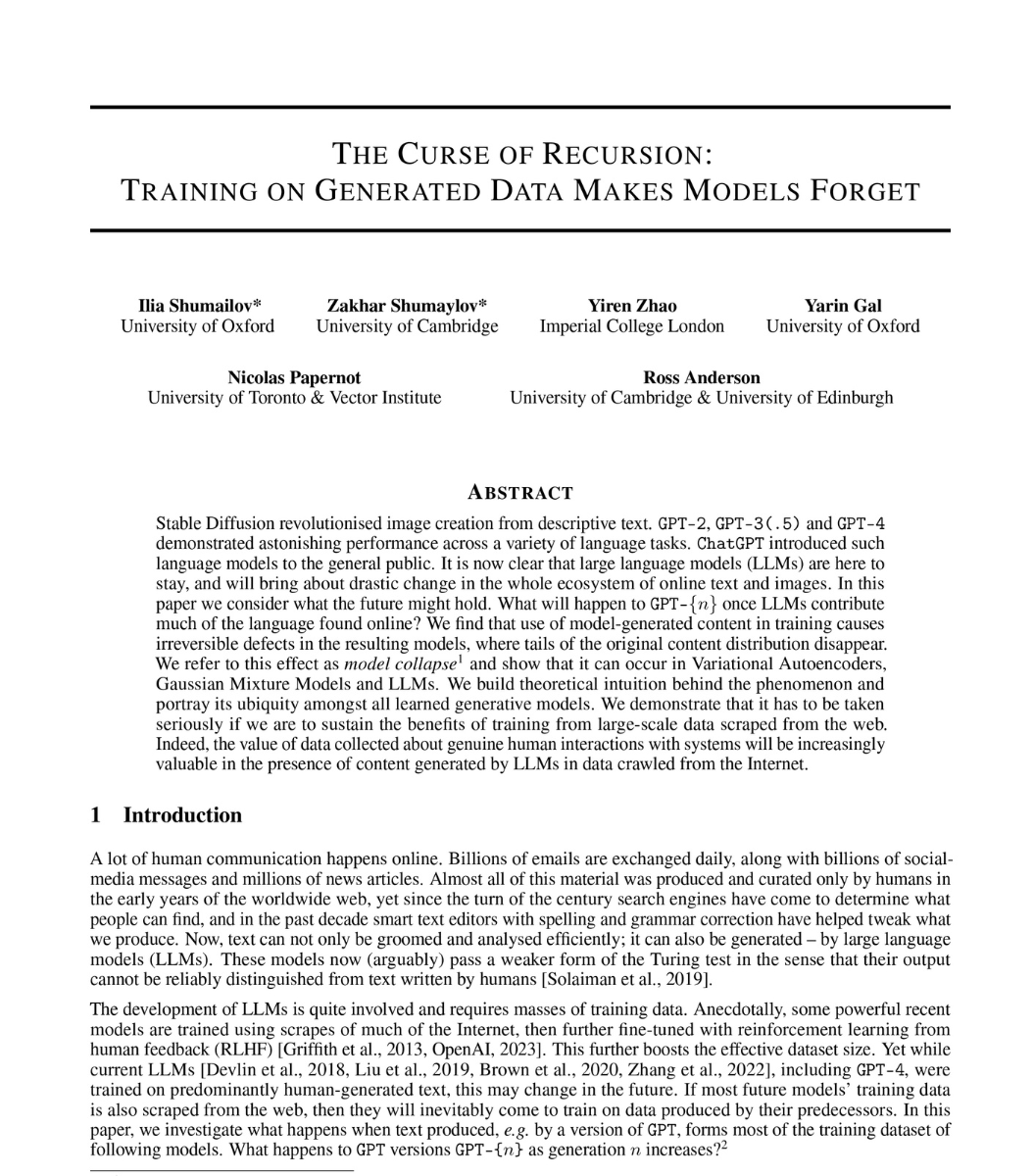
Researchers at Oxford and Cambridge published a paper in Nature proving what is happening. They call it Model Collapse.
Here is the mechanism in one sentence. AI trained on AI-generated data gets dumber every generation until it forgets what real human data looked like.
The internet is filling with AI-generated content. Blog posts. Articles. Reviews. Comments. Social media. AI companies scrape the internet to train the next generation of models. Which means the next generation of AI is being trained on the output of the current generation.
Each cycle loses information. Not randomly. It loses the rarest, most unusual, most creative parts first. The researchers call these the "tails of the distribution." The weird ideas. The unexpected perspectives. The things that made the internet feel human. Those disappear first.
What remains is the average. The safe. The expected. The bland.
Then the next generation trains on that. And loses more. And the next generation trains on that. And loses more. The researchers proved this is not a slow decline. Major degradation happens within just a few iterations. Even when some of the original human data is preserved.
They tested it on large language models. On image generators. On statistical models. The pattern was the same every time. The output converges toward a narrow, flattened version of reality that looks nothing like the original data.
The lead researcher put it plainly. "Large language models are like fire. A useful tool. But one that pollutes the environment."
The pollution is invisible. You cannot see which sentence on the internet was written by a human and which was written by AI. Neither can the AI that is about to train on it. And once the tails are gone, they do not come back. The damage is irreversible.
This is not a prediction anymore. It is a diagnosis.
The internet you grew up on was built by humans writing things no algorithm would have written. Strange, personal, imperfect, alive. That internet is being diluted. One generation of AI at a time. And the models trained on what remains are learning a smaller and smaller version of the world.
Model Collapse is not a technical problem. It is a cultural one. The thing that made the internet worth reading is the thing that disappears first.
144
Zen Yinger retweeted

Jun 7
I ACCIDENTALLY UNLOCKED "GOD MODE" IN CHATGPT,
AND IT STARTED TEACHING ME THINGS I DIDN'T KNEW EXISTED.
HERE ARE THOSE 7 CHATGPT PROMPTS THAT WILL CHANGE EVERYTHING FOR YOU:
42
109
373
110,449
Jun 8
This is not strange at all in the world we currently live in, is it?
Hope the campaign works!! #GodSpeed #Conservation #AnimalHabitats #NashvilleZoo #Zoo #USA
Jun 7

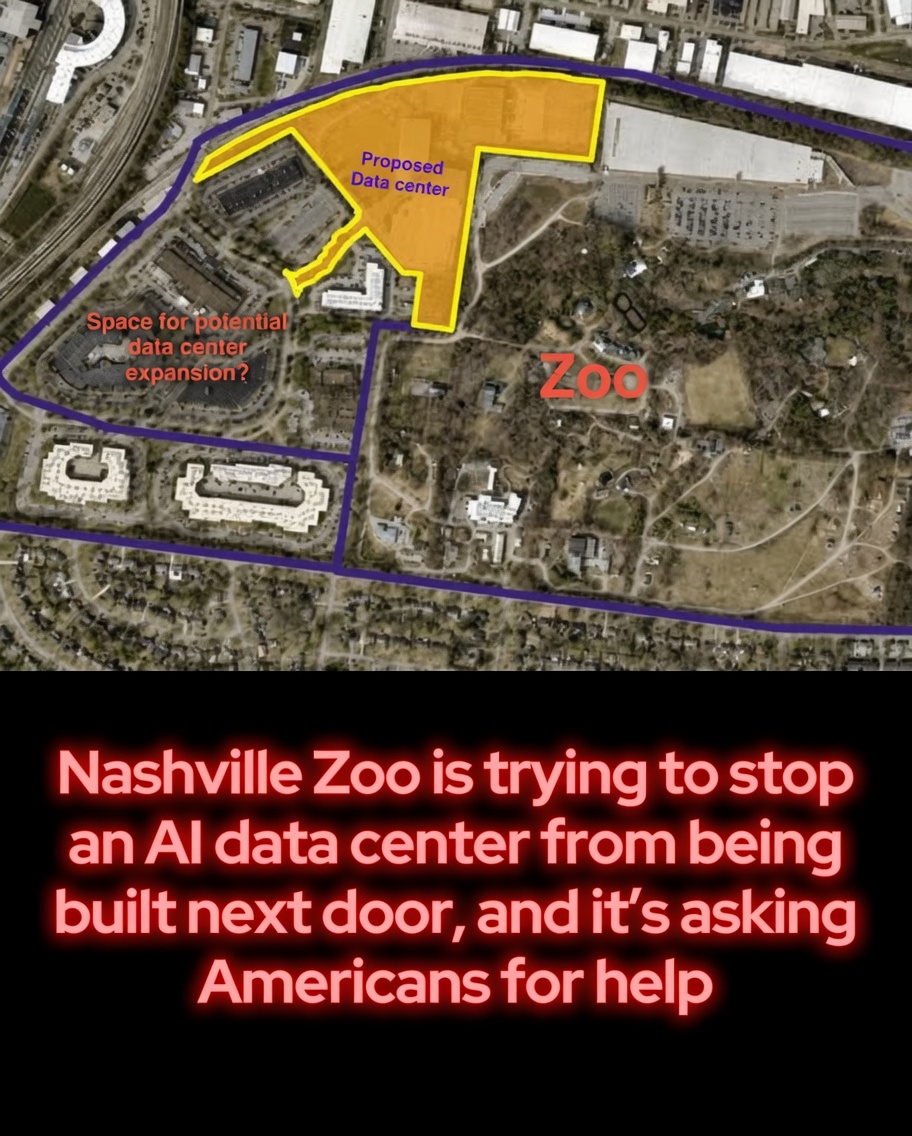
The Nashville Zoo has launched a public campaign to block construction of a proposed 69,000-square-foot AI data center that would sit directly adjacent to habitats for endangered animals, including vulnerable clouded leopards.
Zoo officials warn that the facility’s constant noise, bright artificial lighting, and electrical hum could seriously disrupt animal behavior, stress levels, and long-established breeding programs. The zoo is home to more than 3,700 animals representing over 350 species and maintains one of the most important collections of rare and endangered wildlife in the United States.
This conflict highlights a growing backlash against the rapid expansion of data centers driven by the AI boom. These facilities require massive amounts of electricity and operate 24 hours a day, prompting communities nationwide to raise concerns about energy consumption, water use, noise pollution, and environmental impacts. Wildlife conservation groups are now joining the resistance.
More than 180,000 people have already signed a petition opposing the project.
The developer behind the data center states that it will use waterless cooling systems, meet all local noise regulations, and comply with environmental standards. However, zoo leaders argue that the location itself, immediately next to sensitive animal habitats, makes the project unacceptable regardless of technical mitigations.
The dispute underscores a broader challenge of the AI era: how to build the vast digital infrastructure needed for artificial intelligence without placing undue pressure on local communities, ecosystems, and wildlife.
20
Zen Yinger retweeted

We simply do not know what will be required by the job market in the coming decades. What matters most is the capacity to remain flexible, and to have a wide range of skills – intellectual, physical and social.
95
446
1,609
182,395
Jun 2
Love it!! #NBA

Today, I signed an Executive Order temporarily repealing bedtimes in the City of New York so that kids of all ages can watch our team in the NBA Finals.
As Mayor, you’re forced to make many difficult decisions. This was not one of them.
Go Knicks.


20
Zen Yinger retweeted

May 31
Forever be the person who always gets excited when the sky is in beautiful colors.
55
398
2,601
43,743
Zen Yinger retweeted

May 31
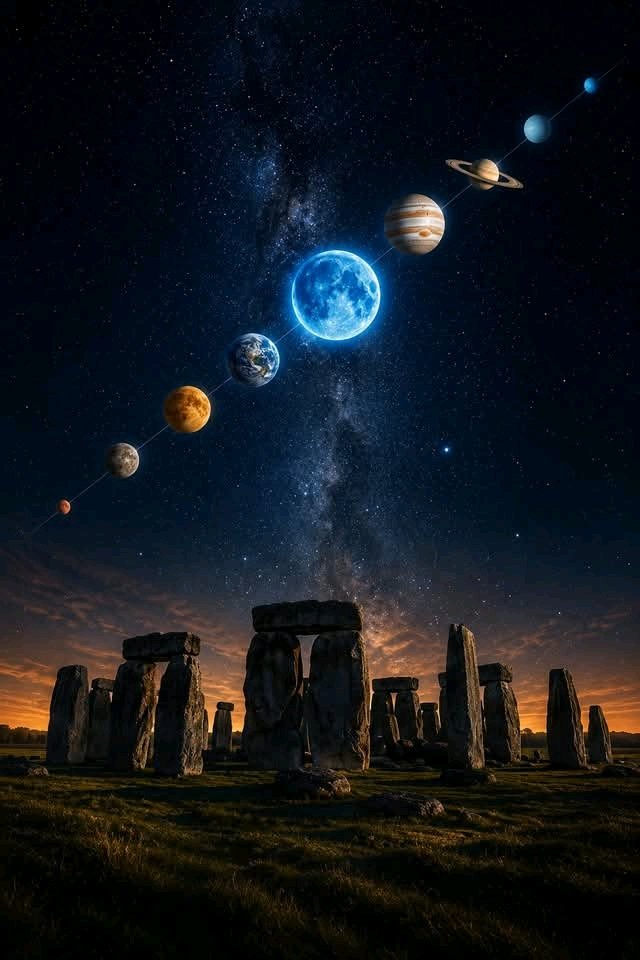
Outstanding, Look up. The sky is putting on a show you won't see again until 2028.
A rare Blue Moon is rising on May 30, peaking in the early hours of May 31 at 8:45 UTC.
It marks the second full moon of May and the first time two full moons have appeared within a single calendar month since August 2023.
But the Moon won’t have the stage to itself.
Venus and Jupiter will shine low in the western sky shortly after sunset, while Mars and Saturn rise in the east before dawn. Mercury will also join the western evening lineup, creating an impressive planetary display.
Four planets.
One Blue Moon.
One sky.
What makes this event even more special is that this Blue Moon is also a micromoon — the smallest full moon of the year, located about 252,360 miles from Earth near its farthest orbital distance.
A micromoon. A Blue Moon. A planet parade. All happening at the same time.
On May 30, the Moon will appear close to Antares, the bright red heart of Scorpius. For the best view of the planetary lineup, step outside 30–45 minutes after sunset and look toward the western horizon. If you want to catch Mars and Saturn, set your alarm before dawn and look east.
And despite its name, the Blue Moon won’t actually appear blue. The term comes from the calendar, not the Moon’s color.
The next event like this won’t arrive until December 2028.
Don’t miss it.
6
67
266
5,893
Zen Yinger retweeted

May 31
Do not use your energy to worry. Life is too short to worry about stupid things.
Have fun. Fall in love. Regret nothing and do not let people bring you down.
Study, think, create and grow. Teach yourself and teach others.
—Professor Richard Feynman
3
69
248
13,739
May 31
If it's #AI v/s #Humans.
Humans will win. Always.
#Hope #Joy #Love #Passion #Compassion #Peace #Play #Laughter can only be experienced by the living, and this overpowers computational sys. no matter how sentient they seem.
Our species has survived for eons.
It's game on!
May 31

At university graduation ceremonies this spring, commencement speakers have been getting booed for championing AI, given how the technology might threaten their job prospects.
In a commencement speech at Bard College last week, I delivered a more hopeful message — that humans can do essential things that computers simply can’t. Here are some highlights from that speech:
1
30
May 30
AI is a computational system made up of 1's and 0's.
#Awareness is experiential only by living things and beings.
#AI is a tool. An exceptional, useful tool.
May 29

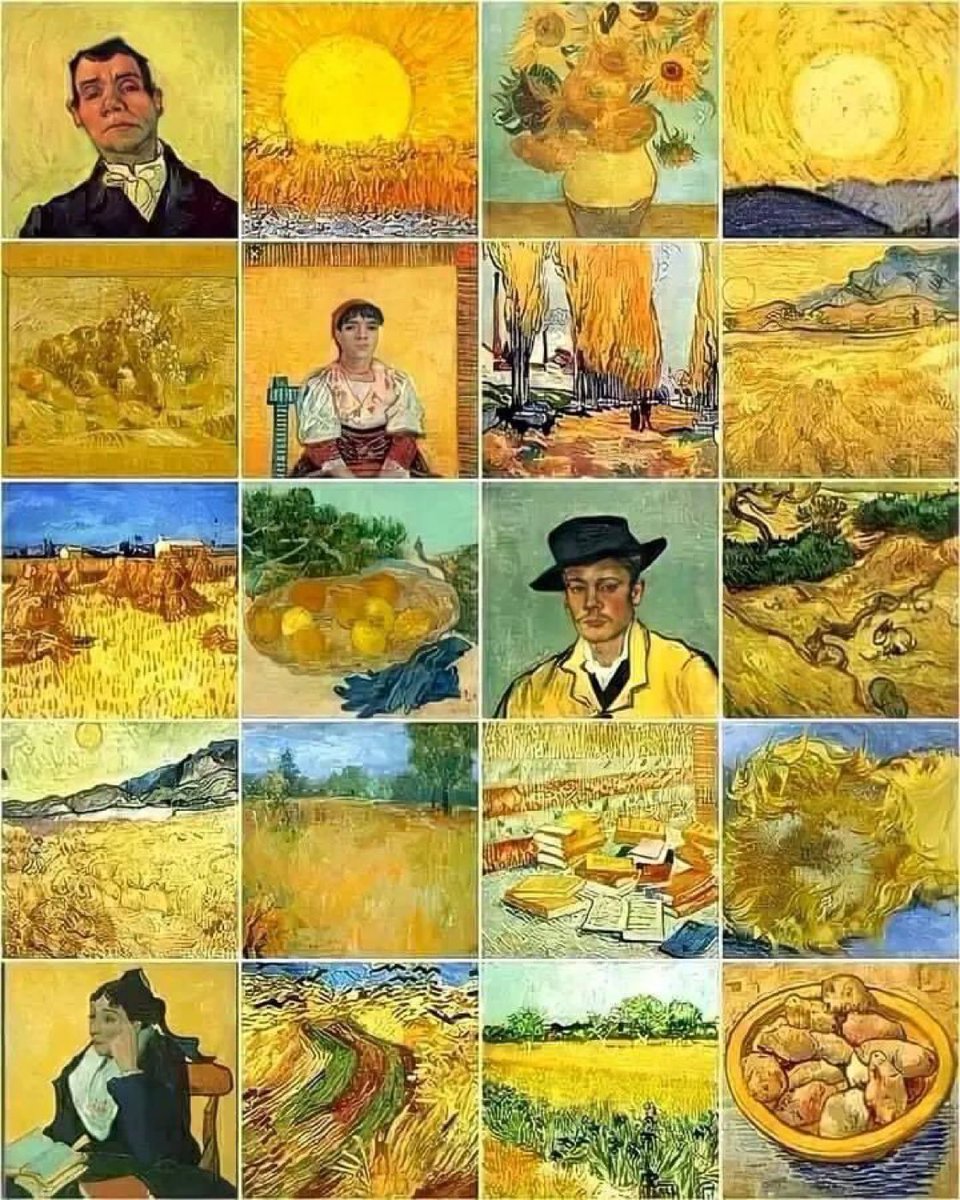
Artificial intelligences do not undergo experiences, do not possess a body, do not feel joy or pain, do not mature through relationships, and do not know from within what love, work, friendship or responsibility mean. Nor do they have a moral conscience, since they do not judge good and evil, grasp the ultimate meaning of situations, or bear responsibility for consequences. They may imitate or even simulate, but they do not understand what they produce, for they lack the affective, relational, and spiritual perspective through which human beings grow in wisdom. #MagnificaHumanitas
13
May 30

1
35
Zen Yinger retweeted

May 30
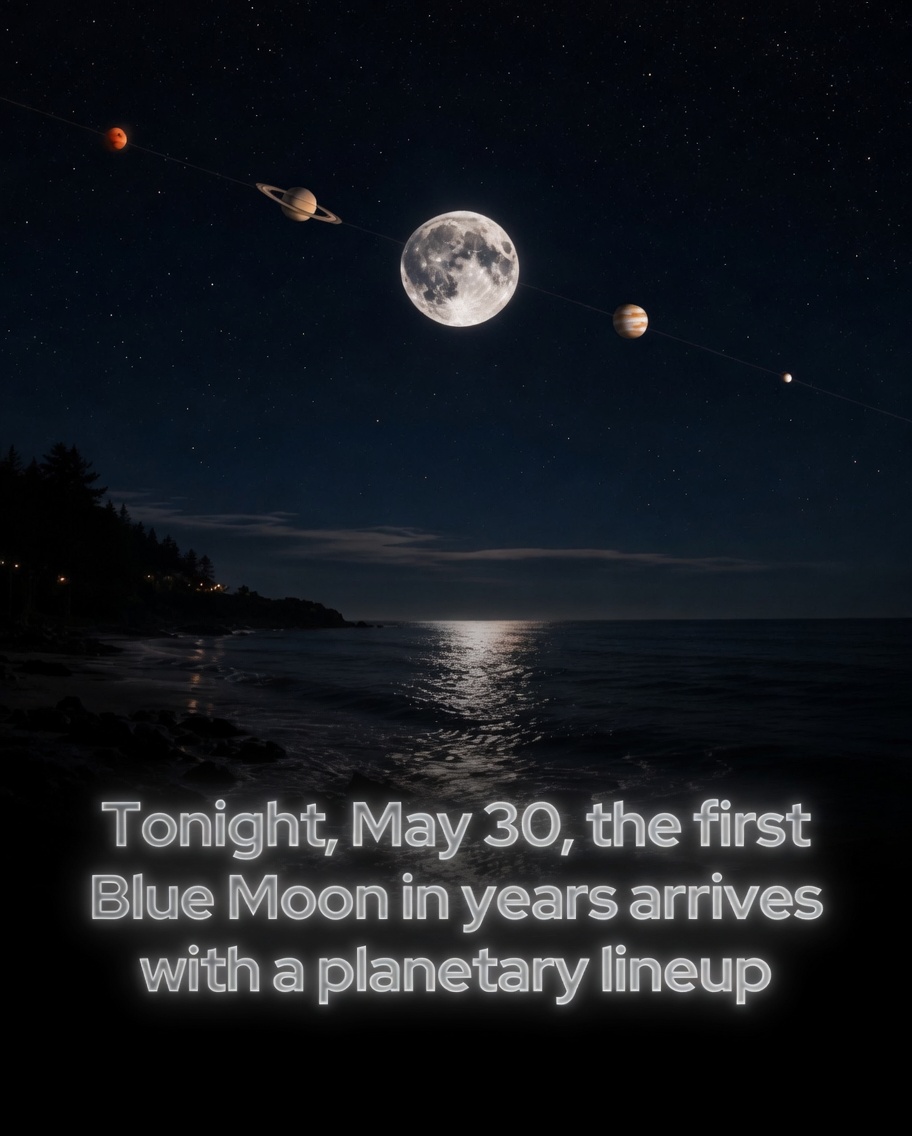
One of the rarest moons of the decade is rising over Earth tonight.
On May 30–31, the second full moon of the month will grace the sky, creating what is known as a Blue Moon. This uncommon event occurs only about once every two and a half years. After this weekend, the next monthly Blue Moon will not appear until December 2028.
This year’s Blue Moon is especially spectacular because it coincides with a beautiful planetary lineup. Before sunrise, Mars and Saturn will shine low in the eastern sky. After sunset, Venus and Jupiter will glow brightly in the west as the full moon dominates the night.
Despite its name, a Blue Moon is not actually blue. The term simply describes the second full moon to occur within a single calendar month. Since the Moon takes roughly 29.5 days to orbit Earth, squeezing two full moons into one month is unusual but not impossible.
The best time to view this Blue Moon may surprise you. Although it reaches peak fullness in the early hours of May 31, many skywatchers prefer to observe it rising on the evening of May 30. As it lifts above the horizon near sunset, the Moon often appears larger and takes on striking deep orange and golden hues.
This warm coloring is caused by the same atmospheric effect that creates colorful sunsets. Near the horizon, moonlight travels through more of Earth’s atmosphere, scattering shorter blue wavelengths and allowing longer red and orange wavelengths to reach our eyes.
The four bright planets sharing the sky with the Blue Moon are not actually close to one another. Jupiter, for example, is currently about 365 million miles (588 million km) from Earth. They only appear grouped together from our perspective here on the ground.
121
1,720
5,211
300,037
Zen Yinger retweeted

May 30
"We are like butterflies who flutter for a day and think it's forever."
- Carl Sagan, in Cosmos (1980)
61
594
2,636
67,774
May 27
12
Zen Yinger retweeted

May 27
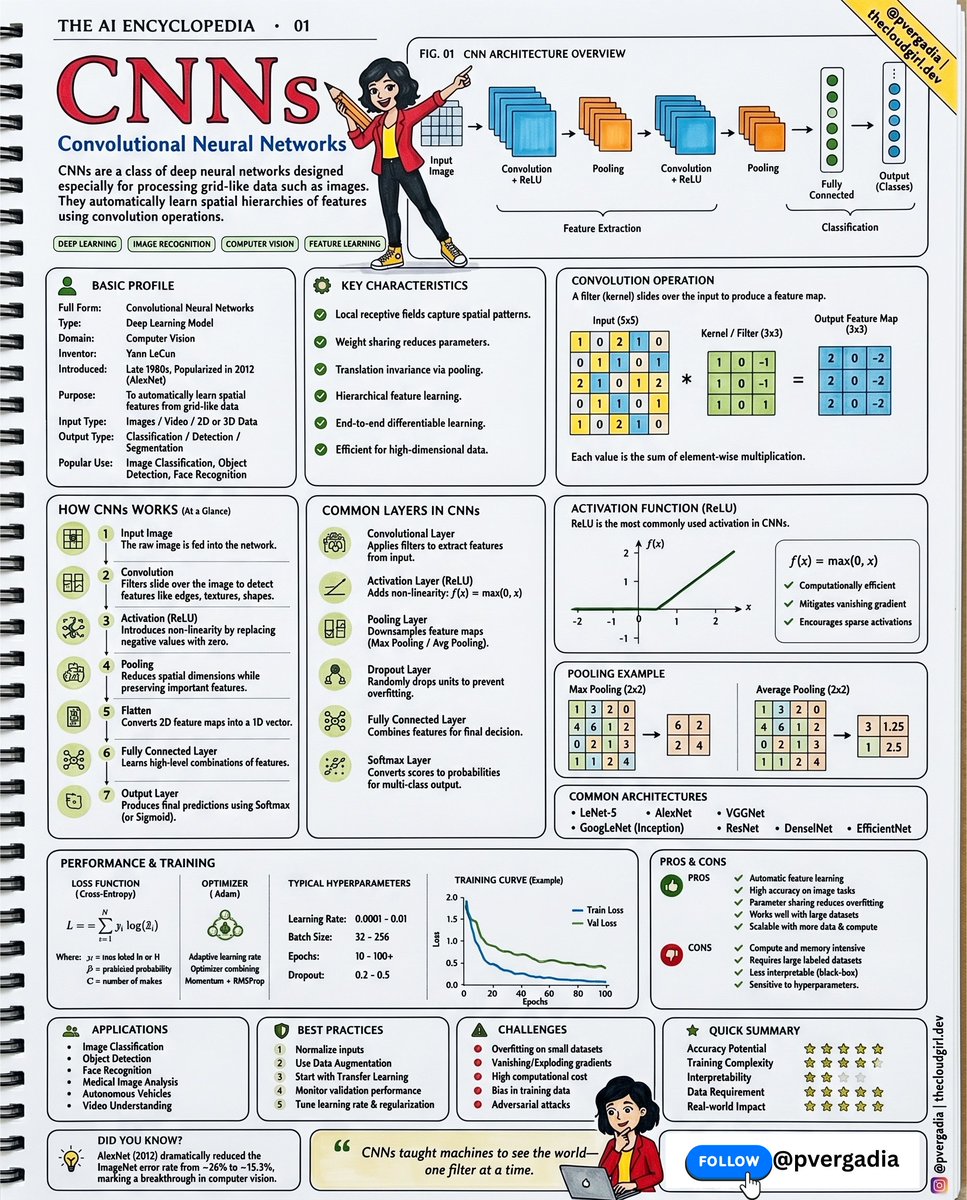
ChatGPT didn't come from nowhere. It came from 60 years of researchers hitting walls, breaking things, and rebuilding from scratch. I wrote about the real history behind Transformers, from a cat's visual cortex in 1959 to the architecture running every LLM today. Coming soon but in the meantime some sketches from the blog.
CNN: Taught machines to see by stealing a trick from cat brains: look locally, share what you learn.
3
25
92
3,481
Zen Yinger retweeted

May 27
"Nothing in life is to be feared, it is only to be understood. Now is the time to understand more, so that we may fear less."
— Marie Curie

60
191
614
18,740
Zen Yinger retweeted

May 27
Baby Recognizes Mom After Removing Eye Patch
51
324
5,223
139,015
Zen Yinger retweeted

May 27
The Marvelous spatuletail hummingbird is only found in a small area in the Andes of northern Peru
📹 alvarowildlifephoto / Alvaro Cubero
70
991
4,632
135,393
Zen Yinger retweeted

May 26
“Logic will get you from A to B. Imagination will take you everywhere.”
— Albert Einstein
53
389
1,445
25,284
Zen Yinger retweeted

May 27
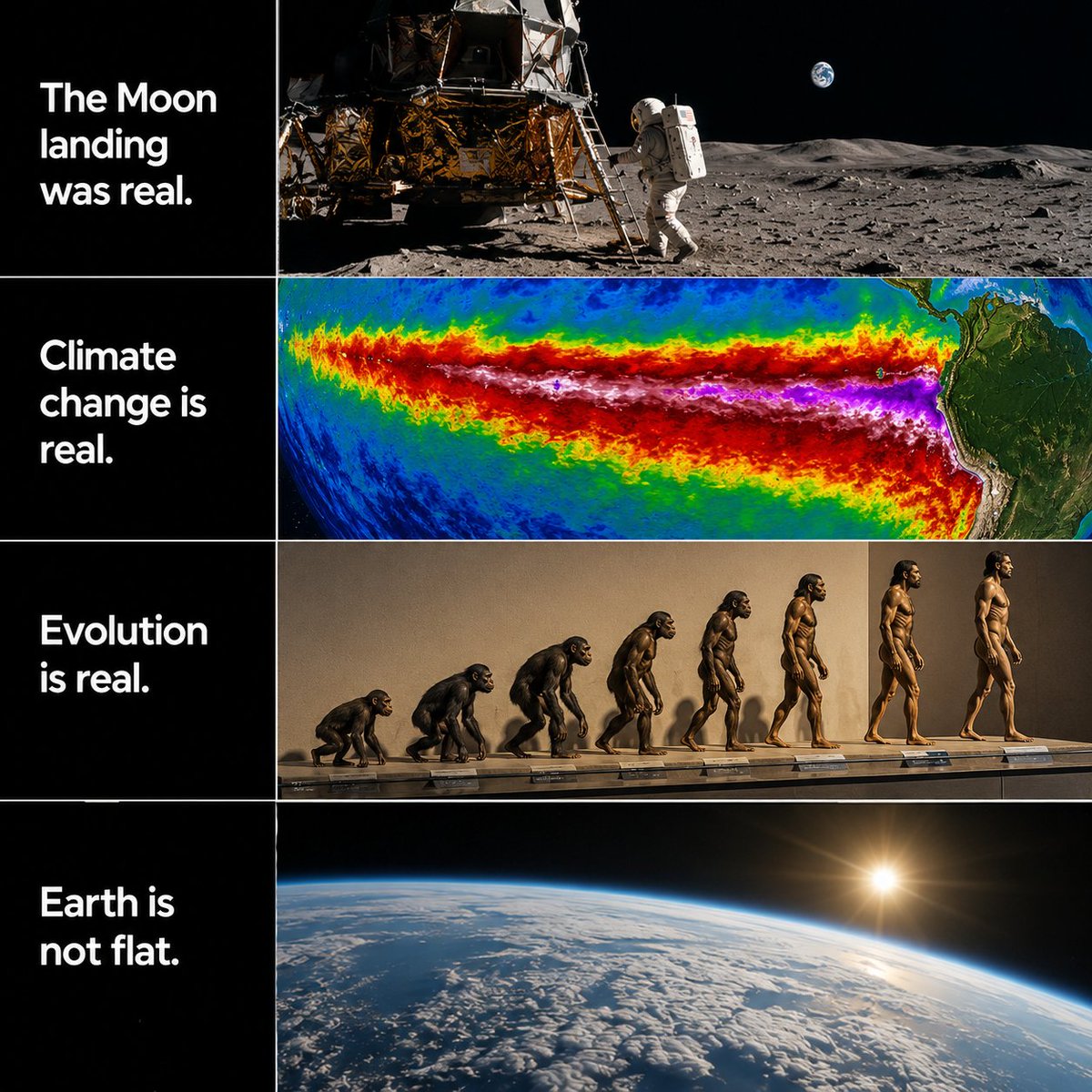
Astronauts walked on the Moon. Twelve of them. Between 1969 and 1972, six Apollo missions touched down on the lunar surface and brought back 842 pounds of rock that scientists worldwide still study today.
The climate is warming. Global temperatures have risen roughly 1.1°C since the late 1800s, and 97% of actively publishing climate scientists agree humans are the cause.
Evolution happened. It's still happening. The fossil record, DNA evidence, and observable changes in living species all tell the same story.
The Earth is round. We've photographed it from space thousands of times. Ships disappear over the horizon. Time zones exist. You can literally watch it curve from a high-altitude flight.
332
123
764
70,552