
Helping ambitious Founders and CEOs create meaningful Personal Brands on Twitter | AI & Web Dev Enthusiast |🔗DM For Paid Promotion.📩 jamiakter745@gmail.com
Joined August 2024
- Tweets 44,209
- Following 196
- Followers 65,715
- Likes 40,958
6,841 Photos and videos






Pinned Tweet

11h
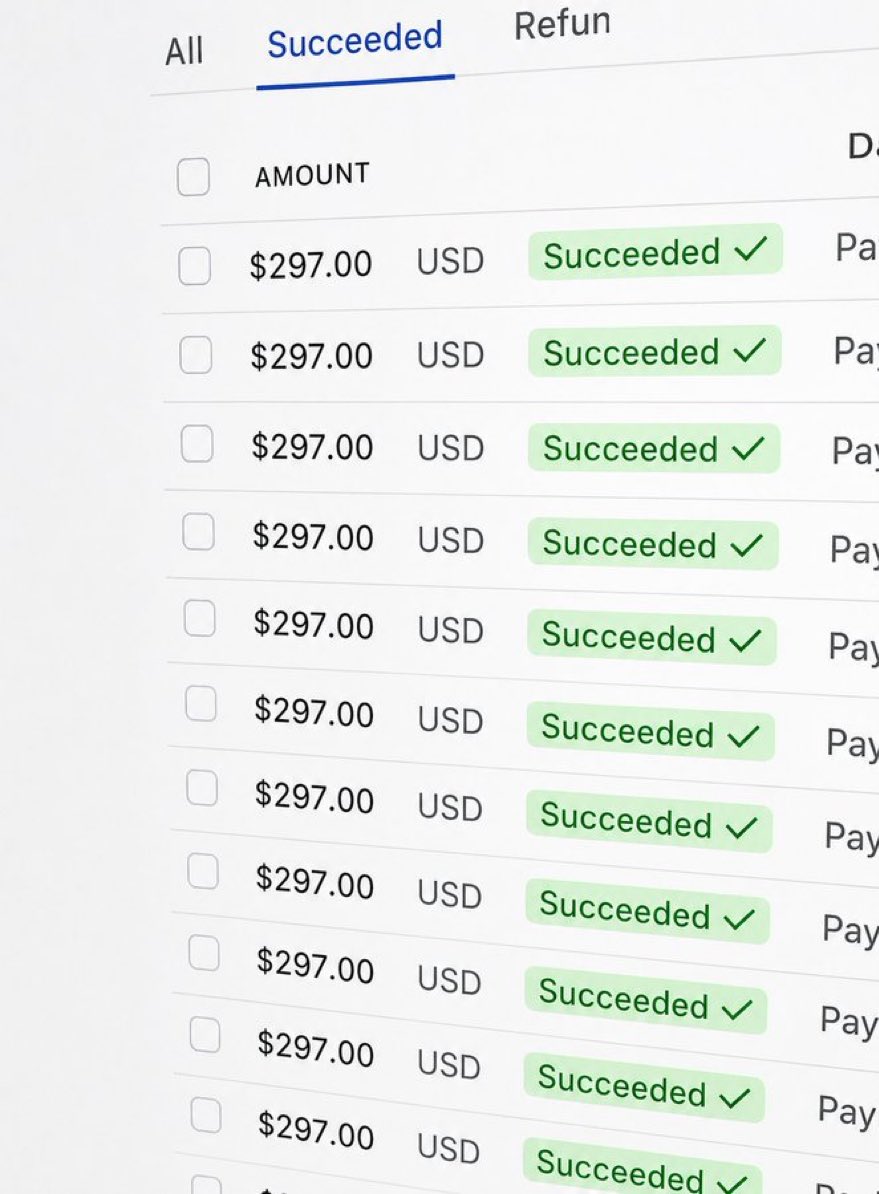
Honestly shocked. $297/day with Claude is easier than ever — yet most people still don't know how.
I normally charge $91 for this guide. Today it's 100% FREE.
Like and comment 'guide' and I'll DM the full step-by-step guide.
Must follow me to get it in DM.
FREE for 48 hours only.
167
47
172
11,436
Jami retweeted

Google Gemini is the smartest AI right now.
But 90% of people prompt it like ChatGPT.
That's why I made the Gemini Mastery Guide:
→ How Gemini thinks differently
→ Prompts built for Gemini
→ 2000 AI Prompts
Comment "Gemini" and I'll DM it free.
Follow must

12
13
14
102
Jami retweeted

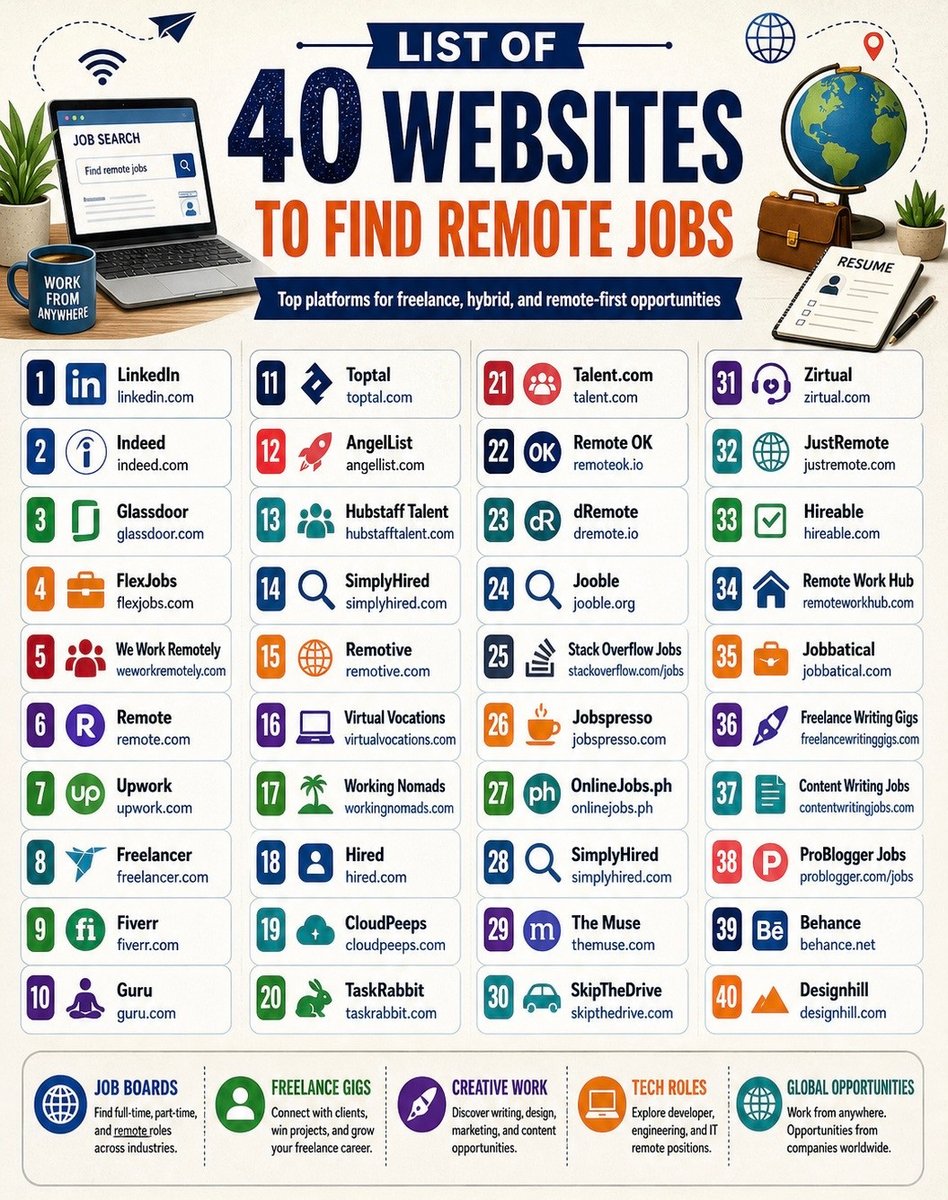
LIST OF 40 WEBSITES TO FIND REMOTE JOBS
1. Linkedin. com
2. Indeed. com
3. Glassdoor. com
4. FlexJobs. com
5. weworkremotely. com
6. Remote. com
7. Upwork. com
8. Freelancer. com
9. Fiverr. com
10. Guru. com
11. Toptal. com
12. AngelList. com
13. Hubstafftalent. com
14. Simplyhired. com
15. Remotive. com
16. Virtualvocations. com
17. workingnomads. com
18. Hired. com
19. cloudpeeps. com
20. taskrabbit. com
21. talent. com
22. remoteok. io
23. dremote. io
24. jooble. org
25. stackoverflow. com/jobs
26. jobspresso. com
27. onlinejobs. ph
28. simplyhired. com
29. themuse. com
30. skipthedrive. com
31. zirtual. com
32. justremote. com
33. hireable. com
34. remoteworkhub. com
35. jobbatical. com
36. freelancewritinggigs. com
37. contentwritingjobs. com
38. problogger. com/jobs
39. behance. net
40. designhill. com
Follow me @zayn_coder07
32
59
114
3,090
Jami retweeted
After 3 years using Claude, I can say it’s the technology that has revolutionized my life.
Here are 18 prompts I use daily that have transformed my day to day; they could do the same for you:
(Save this 🔖)
19
38
57
1,823
Jami retweeted

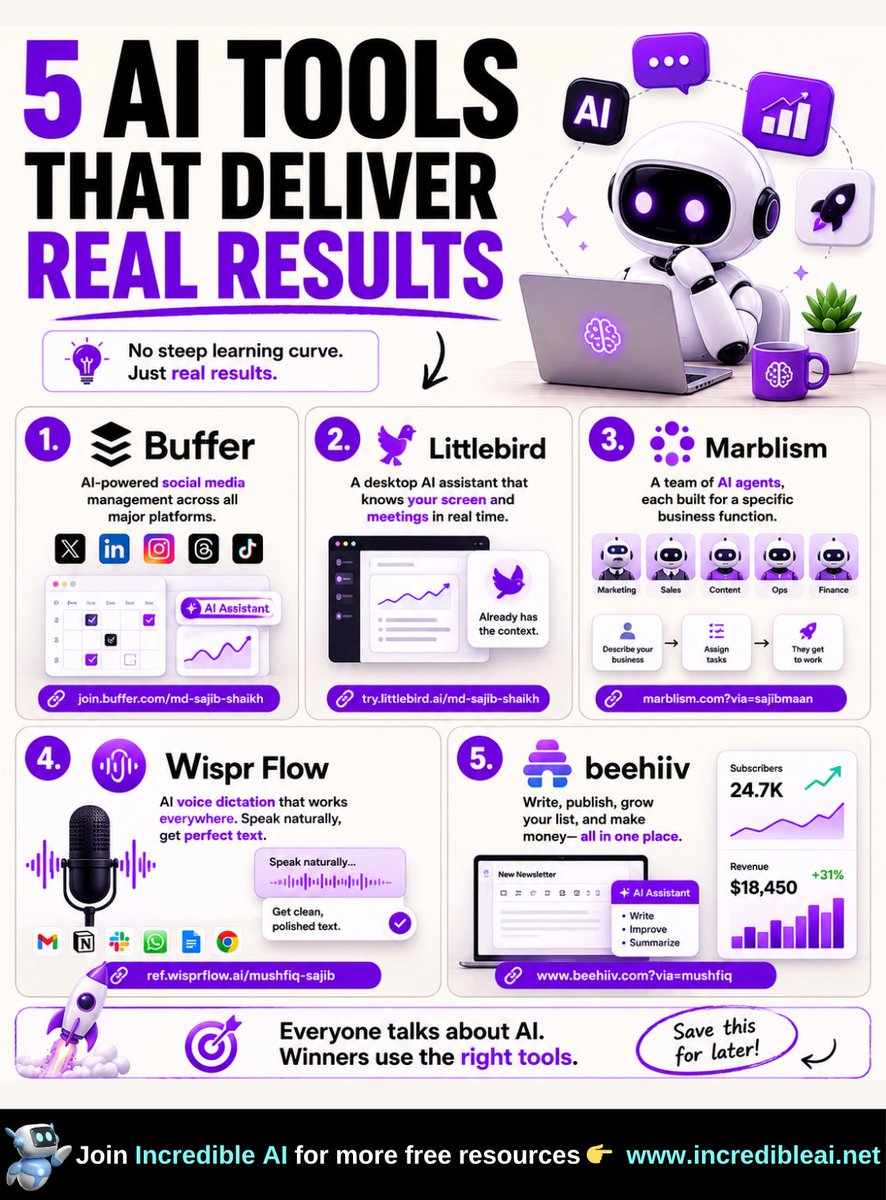
Everyone's talking about AI, but most people don't know where to start.
I spent weeks finding tools that actually work.
Here are 5 AI tools that delivered real results without the learning curve: 👇
22
7
52
13,482
Jami retweeted

After 3 years of using Claude, I can confidently say it’s the technology that has transformed my life the most — alongside the Internet.
Here are 10 prompts that completely changed my daily workflow (and can do the same for you): 👇
Save this — you’ll need it later. 🔖

39
56
134
16,166
Jami retweeted

🚨 BREAKING: ChatGPT has a secret feature called Social Media Manager Mode.
You can use it to manage your entire social media like a $5000/month social media manager for free.
Here are 8 prompts to access it:
25
26
88
12,117
Jami retweeted

19h
My Uber driver asked what I do for work.
“Software.”
“Nice. Can you take a look at something?”
At the next red light, he handed me his phone.
Terminal open.
Claude running.
Green P&L everywhere.
$6,200.
He drives Uber 4 days a week and makes around $1,100.
He has a 2-year-old daughter.
I asked:
“Where did you learn this?”
He smiled.
“From one of your articles.”
Three months ago he read my post about tracking profitable wallets.
He didn’t understand most of it.
So he opened Claude and said:
“Explain this like I’m five.”
That single prompt changed everything.
Over 200 messages later—written between rides, parked at gas stations, and waiting for passengers—he had built a complete workflow.
The first lesson Claude gave him:
87% of wallets lose money. Don’t follow the 87%.
He started analyzing top-performing wallets, filtering for consistency, risk-adjusted returns, and crypto-only activity.
With a small bankroll funded from Uber tips, he gradually built a simple automated strategy.
The results over the last 45 days:
→ 480 trades
→ 91.3% win rate
→ $6,200 profit
His favorite trade came when several large traders positioned around the same macro event within minutes of each other.
The setup paid off in a big way.
The funny part?
While he was dropping off a passenger, the passenger tipped him $5.
At the same time, the bot generated far more than that.
His wife later found the Telegram alerts on his phone and thought he was messaging someone.
Instead, it was trade notifications.
I asked him:
“How long until you stop driving Uber?”
He looked at me in the mirror and laughed.
“I’m not quitting.”
“Uber is just my cover story.”
The difference wasn’t coding skills.
It was curiosity, consistency, and the willingness to learn.
Sometimes all it takes is an idea, the right tools, and a little time each day.
What do you think?
31
49
89
2,063
Jami retweeted

18h
Claude can now teach you to create viral AI videos with 10K views.
No experience. Free.
6 prompts to make stunning AI videos:

44
62
146
11,218
Jami retweeted

🚨 BREAKING: AI is creating a new kind of technical debt.
Not code debt.
Verification debt.
AI ships code in minutes.
Reviewers can't scale to match.
AWS CTO Werner Vogels calls it **verification debt** — and your team is probably accumulating it whether you've named it or not.
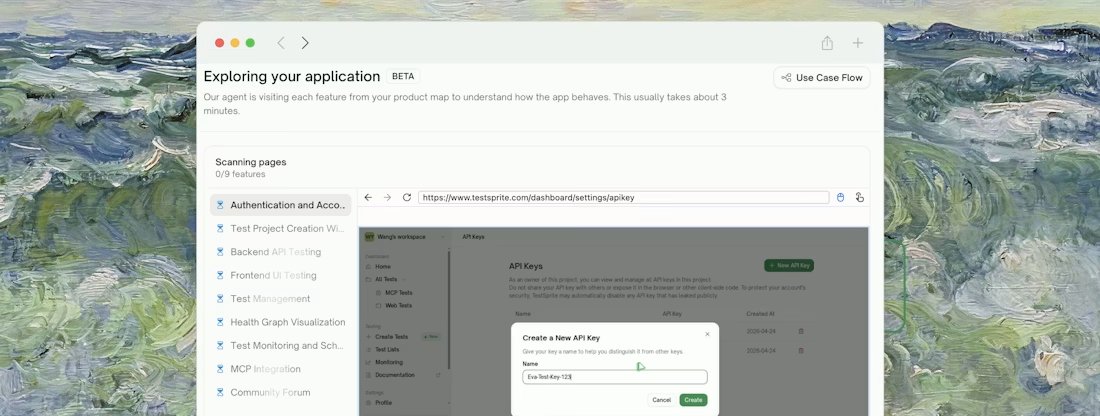
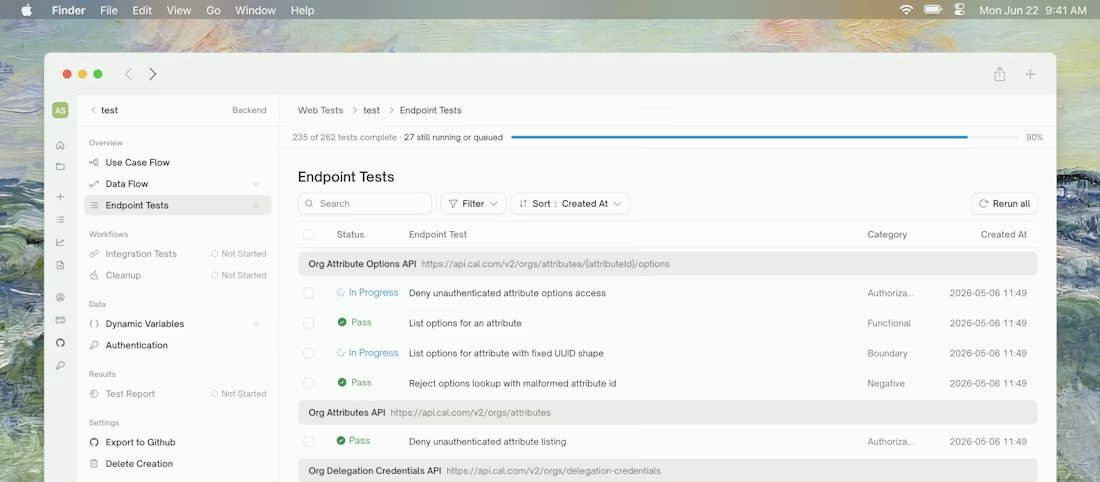
That's why @Test_Sprite caught my attention.
Other verification tools read code and guess.
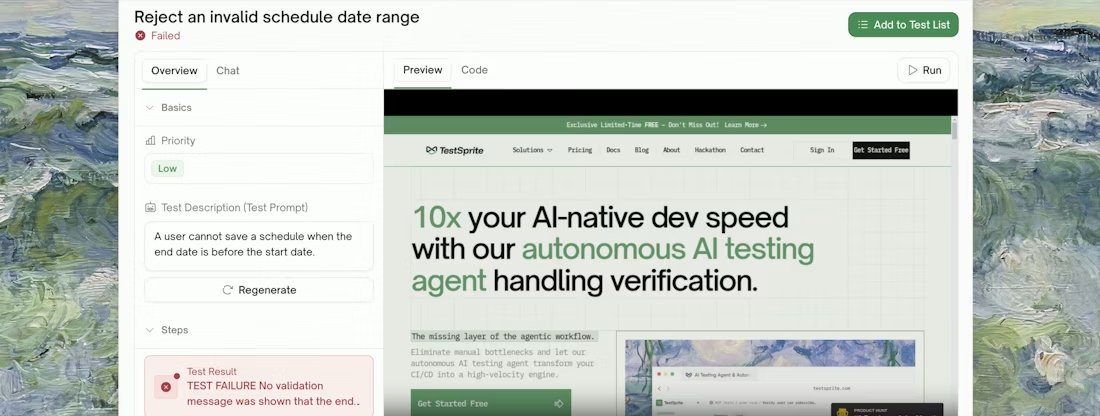
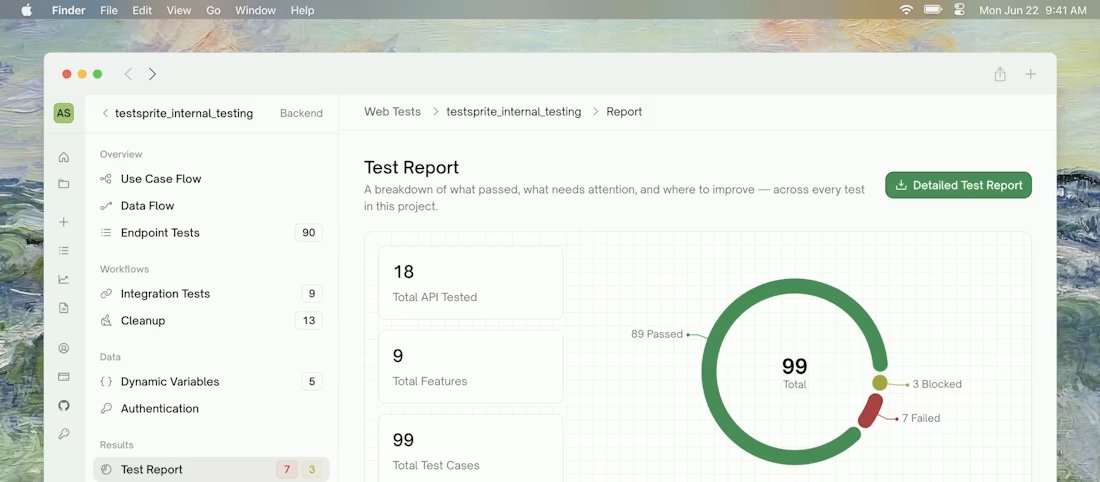
TestSprite opens your app and uses it.
It explores real workflows, validates actual behavior, and helps catch the bugs that slip past AI-generated PRs and rubber-stamped reviews.
As AI-generated code becomes the norm, this feels increasingly important.
20
23
62
27,636
Jami retweeted

Jun 13
🚨 BREAKING: ANTHROPIC JUST DROPPED FABLE 5 AI CAN NOW SELL FOR YOU.
Shipped yesterday. Within 24 hours, 197 demos already booked.
→ explee.com/auto-gtm/x/dj2
It runs fully on autopilot writes outreach, follows up, and books calls. You just step in to close.
Tools like AutoGTM by Explee take this even further turning your website into a 24/7 sales system that finds leads and books meetings automatically.
Free seats for AI founders: only 29 left. Token costs covered for this first wave.

81
54
189
47,913

Jami retweeted
After 3 years using Claude, I can say it’s the technology that has revolutionized my life.
Here are 18 prompts I use daily that have transformed my day to day; they could do the same for you:
(Save this 🔖)
34
52
163
48,280
22h
🚨 Gemini Pro 1 Year Giveaway! 🚨
✨ Gemini 2.5 Pro
💰 1000 AI Credits/Month
🎬 Veo 3 Flow AI Whisk
📚 NotebookLM
📩 Gmail & Docs Integration
To Enter:
1️⃣ Follow @expertwith_AI
2️⃣ Like & RT
3️⃣ Comment “ Send ”
⏳ 48 Hours Only.
604
417
651
47,153
Jun 12
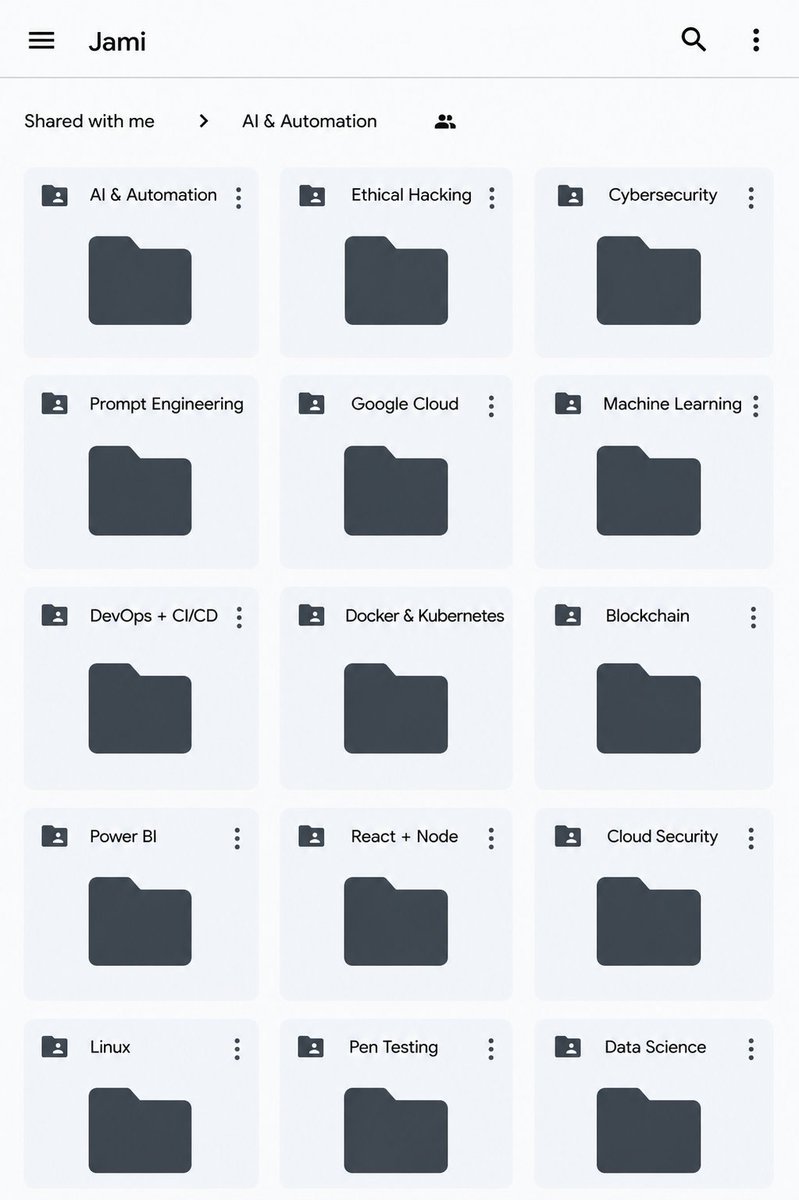
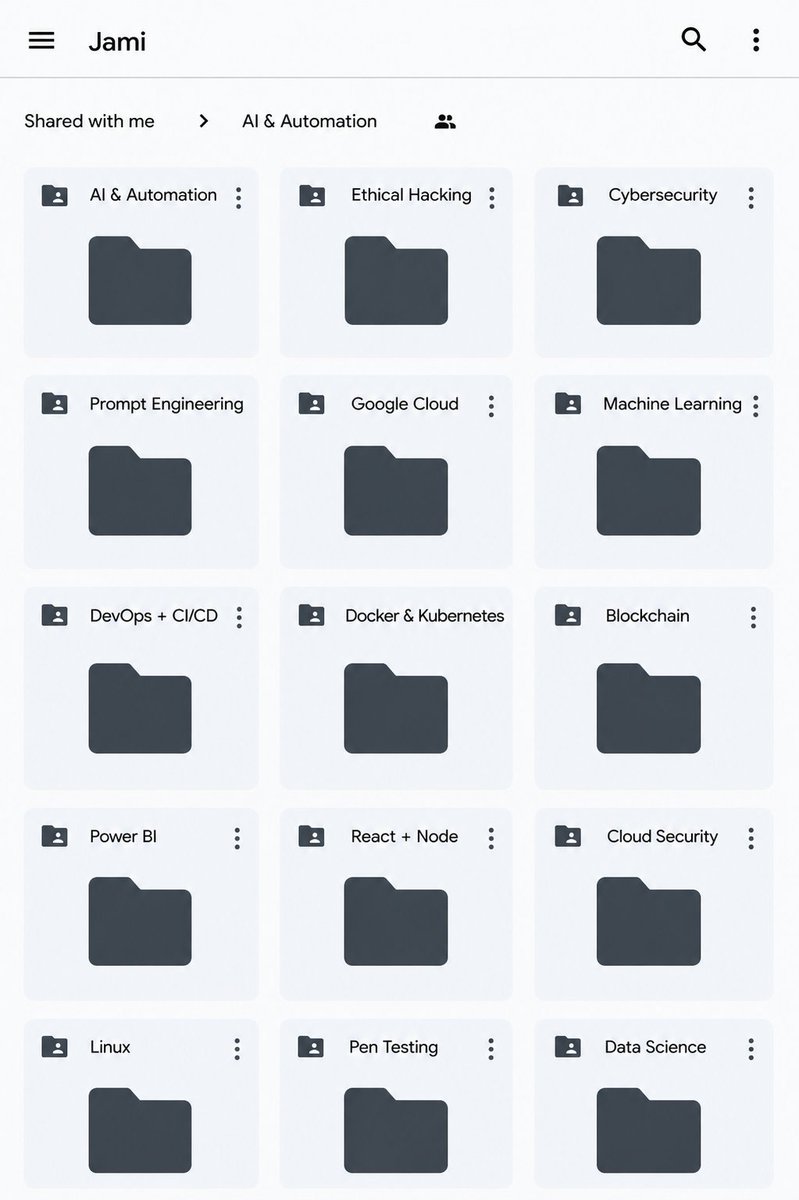
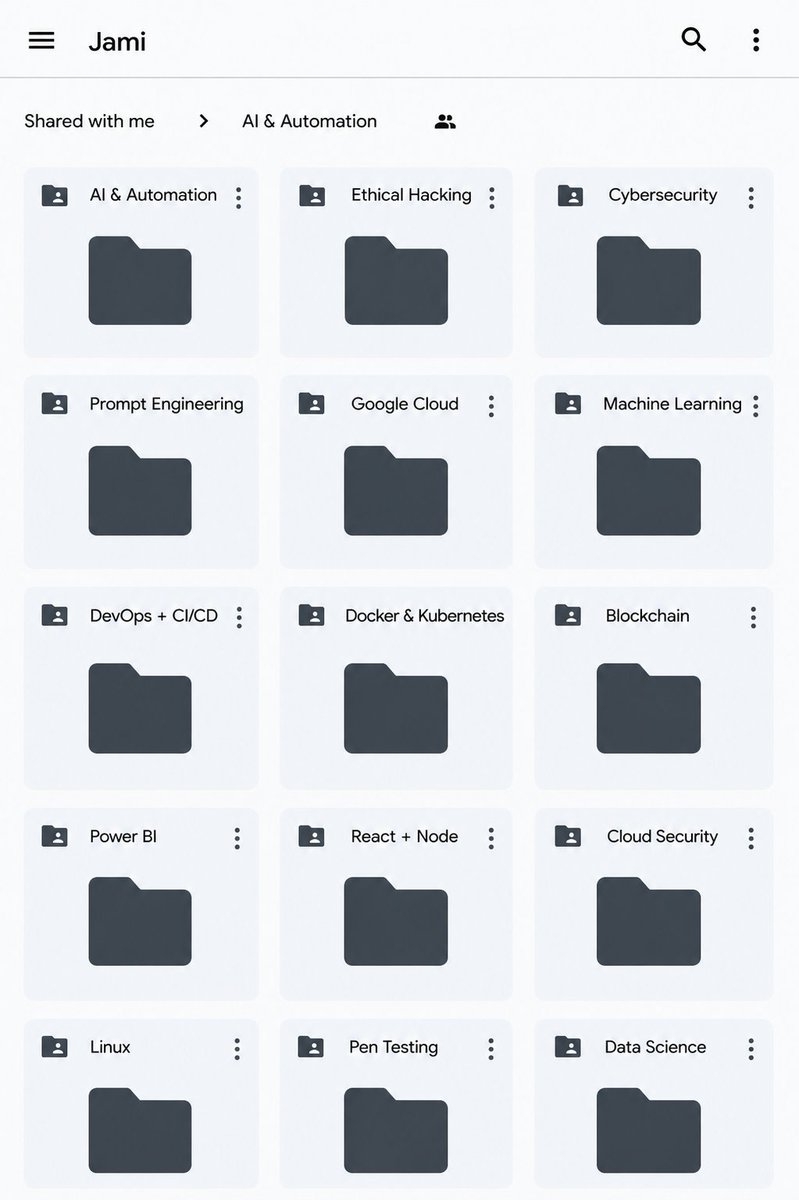
All Paid Courses (Free for First 4500 People)
𝗣𝗮𝗶𝗱 𝗖𝗼𝘂𝗿𝘀𝗲 𝗙𝗥𝗘𝗘 (PART - 1)
1. Artificial Intelligence
2. Machine Learning
3. Prompt Engineering
4. Claude,Chatgpt,Grok
5. Data Analytics
6. AWS Certified
7. Data Science
8. BIG DATA
9. Python
10. Ethical Hacking
(72 Hours only )
Like RT comment ' Drive '
Must Follow me so I can DM you.
3,059
1,574
3,298
337,264
Jun 12
DON'T REPLACE YOUR IPHONE IF THE BATTERY STARTS DRAINING.
APPLE INTENTIONALLY SET THE DEFAULT BATTERY LIFE TO DRAIN QUICKLY.
HERE'S HOW TO MAKE YOUR BATTERY LAST 6 TO 10 HOURS LONGER: 👇
4
4
16
4,902
Jun 12
8/ Larger screen = Higher battery consumption.
Raise to wake → Turn off (the screen turns on with every movement, why?)
Auto-lock → 30 seconds.
If you have the Pro version? Turn off 120Hz in Settings → Accessibility → Motion → Frame rate.
Selection
"But does the smoothness decrease?" Yes, a little. But do you want smoothness or do you want to get home and still have battery life?
1
1
1,357
Jun 12
9/ Widgets.
How many widgets do you have on your home screen? The weather widget you never look at? The calendar widget you never check?
Delete them. Each widget is a continuous process that drains battery on things you don't use.
1,123