
Web3 Brand Strategist 🪡 •●• @staratlas •●• 𝐓𝐞𝐚𝐦: @VictoriaVRcom •●• DeFi Maxi 💡 $SOL
Joined August 2022
- Tweets 6,943
- Following 1,076
- Followers 4,613
- Likes 11,338
613 Photos and videos






Pinned Tweet

14 Oct 2024
Gm folks!🪡
Been experimenting with Solana staking lately, and gotta say, @MarinadeFinance has been a total game-changer🔥
They've been around since the early days of #Solana staking (OGs, you know!), consistently delivering top-notch performance with a whopping $1B TVL🤝
The best part?
Earning up to 7.6% APY while I chill? Sign me up!
Seriously, if you're looking to stake your $SOL, don't sleep on #MarinadeFinance
Give a hit:
Marinade.finance

91
54
212
220,688
Jan 14
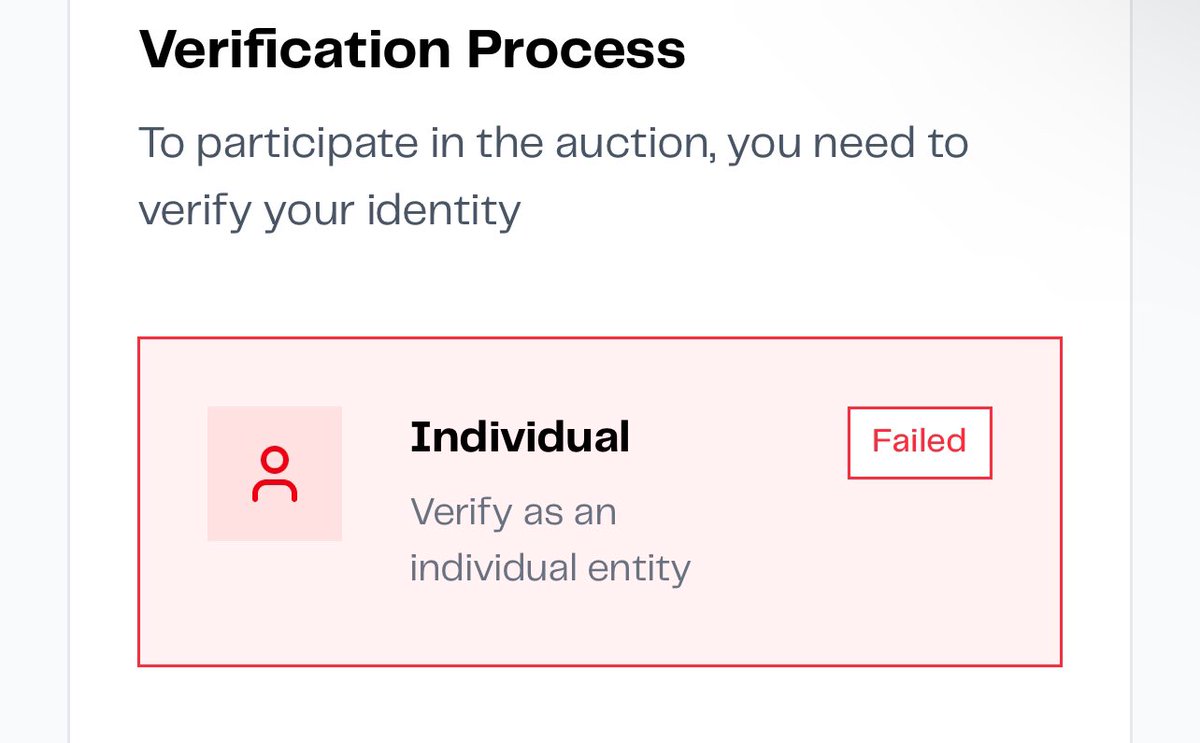
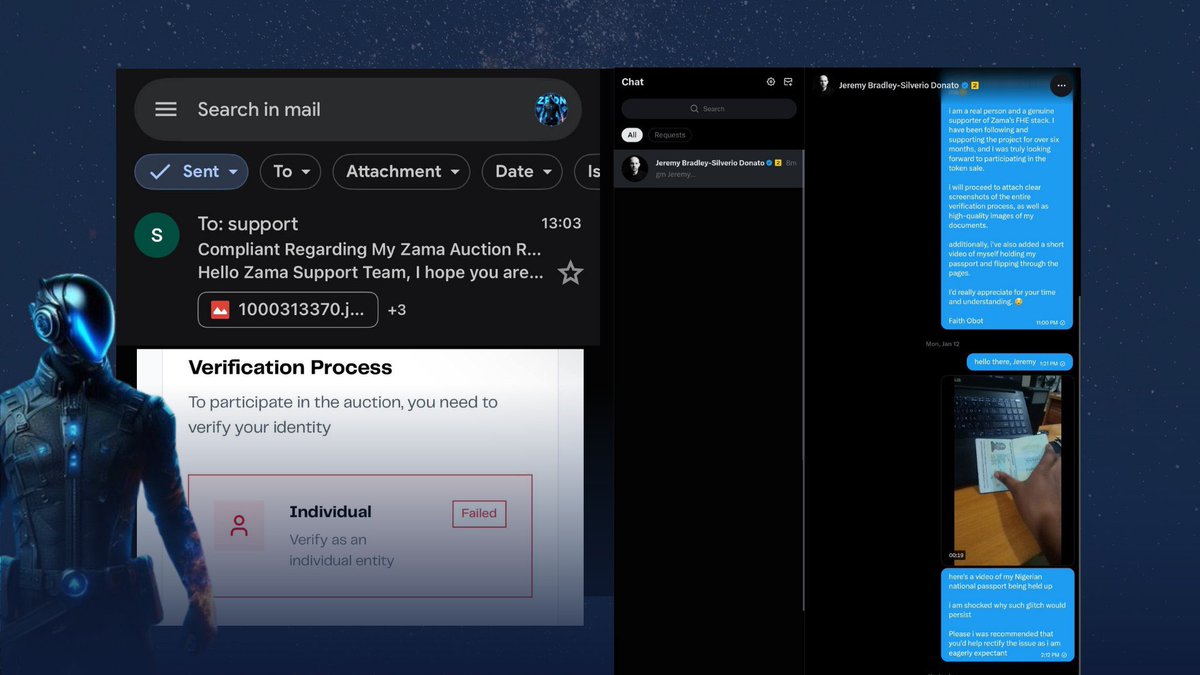
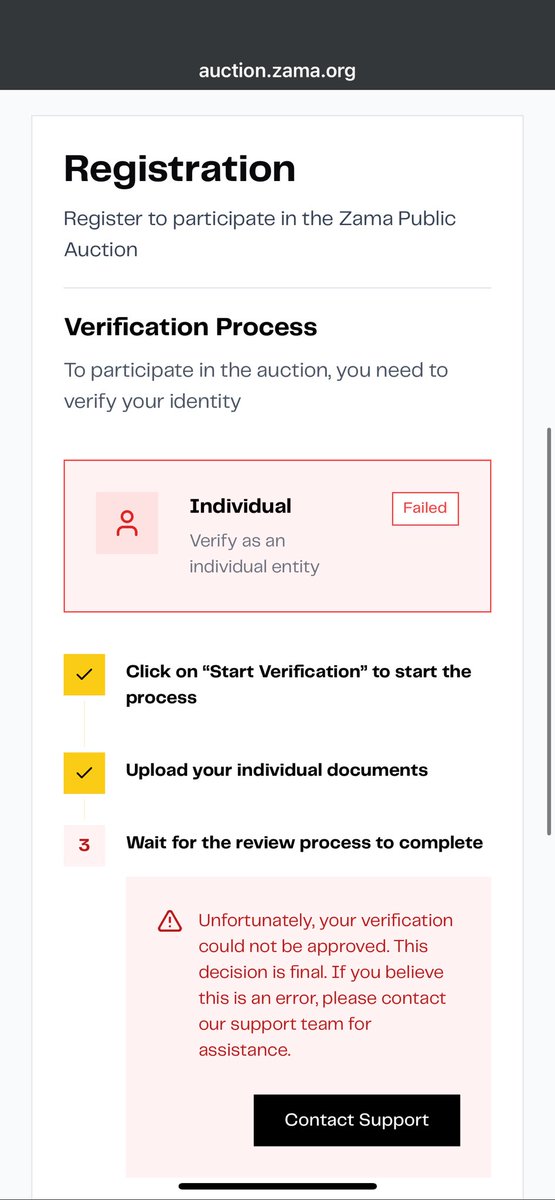
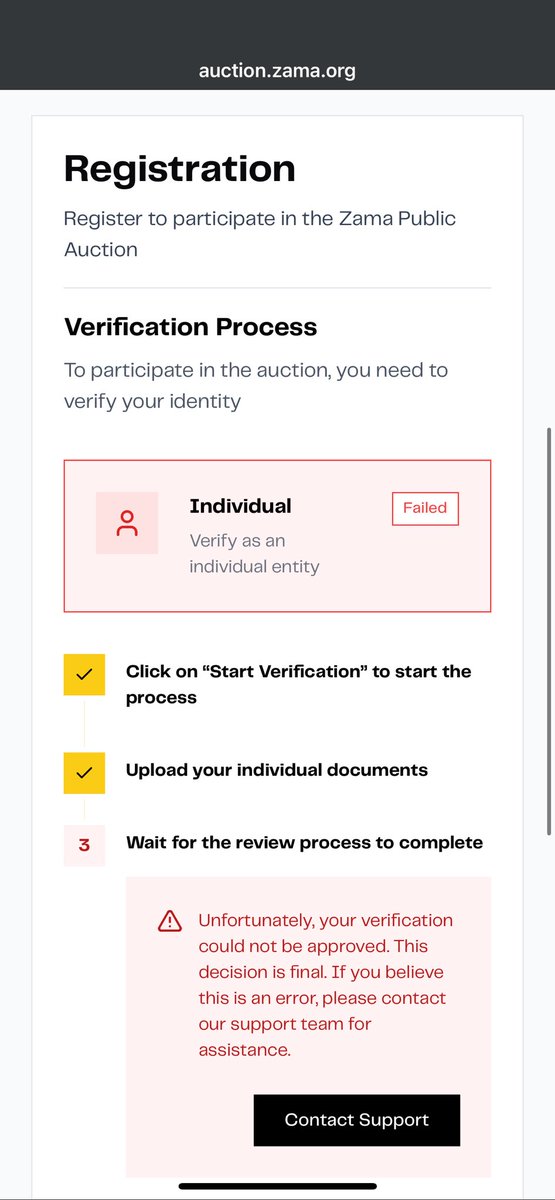
not looking good at all😭
my KYC verification still says “failed”
i've sent a dm multiple times to @jeremy_cbradley in the past 72 hours, and still haven’t got any response
it's been over 3 days, no reply from support@zama.org either
i’m a Zama OG NFT holder, so this really sucks
i’ve already emailed, shared my ETH and tagged the team here multiple times in the past 90 hours
please help @zama @jeremy_cbradley
27
22
332

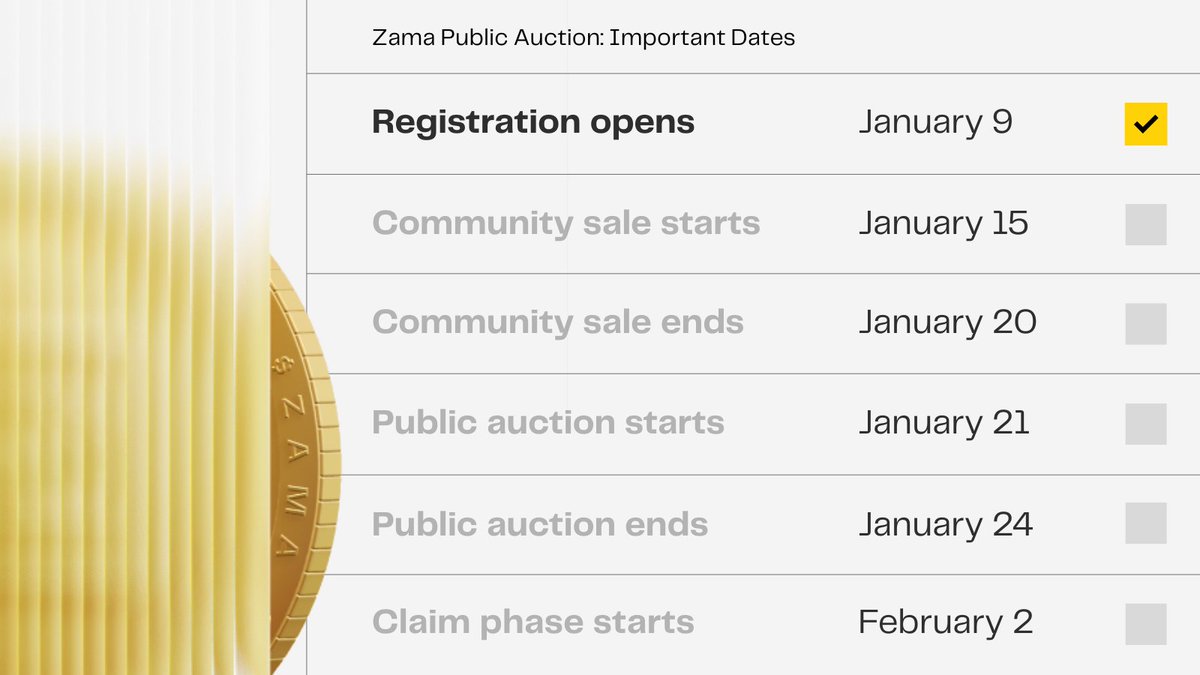
You can now register for the Zama Public Auction.
Click here: auction.zama.org/register
570
341
2,034
731,538
𝐙𝐞𝐨𝐧🪡 retweeted

42
31
227
27,313
14 Dec 2025
i spoke to myself today, not that i'm crazy lol
for none other than this whole confidential computing wave lately
no doubt that most privacy in web3 still quietly asks you to trust
and once you start looking for what’s actually trustless
not “private if you squint”
you realise why @zama keeps coming up
if i had to explain why it clicked for me, i’d keep it plain
most privacy systems today still lean on trust
especially TEEs like Intel SGX
you get private computation, sure
but you’re trusting the hardware maker
and the operator running the enclave
if either fails or acts funny
the whole privacy promise falls apart
that alone breaks the whole point of web3
exactly why zama feels right to me
instead of TEEs, they built around Fully Homomorphic Encryption
so computation happens directly on encrypted data
much simpler;
> data stays encrypted end to end
> the chain still computes correctly
> results are verifiable on-chain
> nothing ever gets decrypted mid-way
> from wallet → contract → output, it stays private
though about the actual unlock is the architecture:
compute runs off-chain on coprocessors
correctness is verified on-chain
no trusted hardware
no single point of failure
so you end up with:
> real trustlessness
> end-to-end encryption
> cryptographic verifiability
pretty much the holy grail of confidential computing
and this matters way more than people think
because serious use cases need this by default
things like:
> confidential stablecoins
> RWAs
> on-chain credit
> high-compliance financial apps
all of them need privacy without intermediaries
although, zama isn’t yet live on Ethereum mainnet, but i'm expecting it should come much sooner
built on existing tooling, test environments
and real dev usage through the Zama developer program
it has to be the allignment that stood out to me in all this
privacy
verifiability
and decentralization
working together instead of trading off
if trustless privacy is going to be a real standard in web3
it feels like @zama is setting the bar others will have to meet
135
93
8,655
𝐙𝐞𝐨𝐧🪡 retweeted
13 Dec 2025
if i'm being legit
i’ve been sitting this thought out for the longest of times, and i long figured
why this whole privacy conversation suddenly feels urgent
for anyone new to it
blockchains were always designed to be open
and back then, that openness was an inevitable constraint we accepted
coming from how the internet evolved, the pattern feels familiar
before HTTPS, the web was basically a public street
anyone could look
nothing felt safe, niether could nothing serious really scale
i saw how well encryption changed that
it made the internet:
> trustworthy
> usable for commerce
> private by default
> safe to actually build on
thinking of it
that’s the same shift @zama is pushing for blockchains
<> i'll break it down a bit
right now, smart contracts are powerful
but they’re exposed
inputs
balances
logic
all stamped publicly forever
and because of that, you don’t really get:
> real private finance
> serious enterprise adoption
> on-chain AI
> encrypted user logic
> proper confidential identity
as a result of everything staying public
precisely where FHE changes the whole picture for me
being able to compute on encrypted data
without ever decrypting it
what’s wild is how @zama is turning that into actual infrastructure
the chain still:
> runs your transactions
> executes your logic
> processes your models
yet never sees the raw data
that’s figuratively HTTPS-level big
same trust model shift, just for crypto
we could see a lot opening up once this clicks;
> private smart contracts
> encrypted DeFi strategies
> AI agents running on-chain without leaking weights
> institutions deploying confidential logic
> personalized apps without data leaks
> even new asset classes built from private computation
won't lie
once @zama fully perfects this, trust finally enters the system
and once trust shows up
money follows
builders follow
real users follow
institutions follow
crypto might need Zama’s FHE stack to do the same, same way the internet needed HTTPS to grow up
he’s probably right
12 Dec 2025

Zama’s CEO believes the Zama Protocol is blockchain’s equivalent of the HTTPS moment for the internet.
124
3
90
11,348
14 Dec 2025
not entirely sure why testing @zama last night had to go too smooth
didn’t merely go smooth
i ran it without confusion, nor boredom from a heavy setup
only smooth movements without exposing my business to the whole chain
<> had to make a post breaking it down slowly:
> jump into confidentialtoken.com
> claim some euroz
> shield it and it turns private
> send it to another wallet
> send the shielded version too
> decrypt it back to normal
> check it all on the explorer
what i found wildest is what actually isn't happening
the reality that nobody sees the amounts
your balance stays hidden
likewise your transfers
yet everything still feels fully on-chain
without weird friction
nor awkward UX
<> not a bad idea for me at all, seeing @zama make a necessary example of how full encryption can live naturally inside blockchain,
essentially, without also breaking the usual on-chain flow
my observations where:
felt futuristic
also felt… inventive
much like something you’d actually use without pondering a second time.
i easily moved euroz around with such ease
and honestly this still feels like only the early chapters
you can tell,
the system works
the flow is clean
but, there’s way more room left to open
i've recently met folks who are genuinely curious as to what private crypto could look like day to day.
this testnet is a solid place to touch it yourself, supposing you're similarly curious
probably has to be one of the cleanest and smoothest i've seen out there
134
1
115
7,449
𝐙𝐞𝐨𝐧🪡 retweeted
10 Dec 2025
folks, let me be real for a sec
the way people react when i even mention @zama is low-key wild
not to pitch anything
i just told my guy what their tech actually does
and suddenly he’s hitting me with question after question
<> so let me break it down the same way i broke it down for him
most protocols today are obsessed with speed and scalability
but zama came in and decided to solve something way deeper
they made it possible for chains to compute on encrypted data
without exposing anything underneath
that used to sound like sci-fi
i remember reading about FHE years back thinking it’d take decades
and now @zama is about to auction a token ($zama) that actually powers a real confidentiality layer
with builders already using it
quite honestly, the more you look at it, the more you realise;
it's core infra
something every major chain will eventually need
<> i hold that opinion because no one is trusting public ledgers with sensitive data forever
enterprises can’t build real apps
if every move instantly becomes public
confidentiality shouldn’t be optional, but rather madatory
as it is for adoption
and that’s why i thinkthis auction actually matters
you’re buying a token that secures operators
pays encryption decryption fees
and powers the coprocessors that make all of this computation possible
i keep saying it because it’s true
next cycle belongs to the projects fixing structural problems
not the ones adding decoration on top
and @zama is tackling the problem the entire space avoided for years;
privacy with real computation
encryption with zero tradeoffs
and a new default for web3
145
2
111
12,356
12 Dec 2025
it wild out here
the more i look at what’s happening around privacy the more it feels like we’re past the “cool demo” phase
that’s why seeing the November @zama Builder Track winners hits a bit harder
>< if you’re still trying to make sense of it
think of it like this;
people aren’t experimenting anymore
they’re shipping real private apps that can actually run on-chain
i'll break it down simple
< builders are using FHE for real products
< not mockups, not theory
< apps that hide data by default
< while still working cleanly on-chain
and every month the quality keeps stepping up
you can literally feel the momentum in the Zama community
some standout examples:
< Shadow by @missthedip
private voting where everything stays hidden
polls run, votes are cast, and even the contract only sees encrypted numbers
> FileZ by @DefiPreacherr
private file sharing with encrypted files and permissions
only the chosen recipient can open anything
the chain sees nothing
< Z Payment by @devasherarch
any ERC20 can become private
balances hidden
transfers hidden
basically a privacy switch for everyday tokens
< Agora by @0xRiujy
a new governance flow
results are public
your vote stays private
finally fixes a long-standing DAO issue
> Private Uniswap by @tomi204
a Uniswap-style swap
your trade intent stays encrypted
yet matching still works smoothly on-chain
wild to see it actually running
>< the takeaway for me is pretty clear;
encrypted apps aren’t theoretical anymore
people are building them right now
and Zama’s FHEVM is already supporting real use cases
this feels like early signs of what private crypto actually looks like in practice
seems so
huge respect to the builders pushing it forward

Congratulations to the winners of November's Zama Builder Track @missthedip @DefiPreacherr @devasherarch @0xRiujy @tomi204. Learn more about their projects in the thread 🧵⬇️

124
94
9,283
12 Dec 2025
thought i’d better put this into proper perspective
actually not to hype anything
only because some of y’all deserve a clearer picture of what encrypted computation actually means
especially now that players like Etherscan are stepping in
not merely observing privacy tech, but actively securing it
aight so encrypted computation sounds complex
but the core shift is actually pretty straightforward
it’s about changing how blockchains treat information
not just making things faster or cheaper
i'll have to put it small in actual perspective
> data doesn’t have to be public
> balances and inputs can stay encrypted end-to-end
> the chain still computes correctly
> results are provable without revealing anything
> fairness doesn’t rely on trust or off-chain tricks
you could understand where @zama really comes in
<> for a long time, everyone just accepted that blockchains had to expose everything
every transaction
every balance
every bid
as the “cost” of decentralization
but i like how @zama questioned that assumption
and proved encrypted data can still be usable
not hidden in a black box
but visible, verifiable, and composable
that’s why Etherscan becoming a genesis MPC operator matters
they now help secure the private FHE key using multi-party computation
so no single entity can ever decrypt user data
for me, that's basically,
privacy without central trust
verification without exposure
under the hood, this runs through fhEVM:
an EVM-compatible layer that lets smart contracts compute directly on encrypted values;
inputs encrypted
state encrypted
outputs encrypted
yet the chain still settles everything publicly
additions
comparisons
conditionals
even access control, all on ciphertexts
and the heavy cryptography doesn’t clog Ethereum either
sensitive compute runs on decentralized FHE coprocessors
proofs come back on-chain
gas drops by ~90% compared to zk alternatives
today it’s already doing ~20 TPS per chain
with roadmaps pointing to 1,000 as GPUs and ASICs come online
<> particularly, that’s why the upcoming auction is such a clean example
normally token sales get messy
snipers
revealed bids
last-minute games
here, bids are encrypted
the network computes the clearing price under FHE
and no one ever sees anyone else’s input
not even the contract
> clean outcome
> real fairness
> ans especially no patchwork solutions
i think, once you zoom out, the scope gets bigger
> confidential DeFi where balances stay hidden
> RWAs that meet compliance without leaking data
> healthcare apps processing sensitive info safely
> identity systems that verify without surveillance
none of this was realistic before
because encrypted data used to be unusable
personally like how realistic it is now because@ zama made encrypted computation developer-native
solely Solidity
soely wallets
no new languages
no bridges
no rewrites
i see people keep debating the next big crypto narrative
have to be honest,
confidentiality with computation feels bigger than a narrative
seems to me like an ideal infrastructure
the kind that quietly turns Eth more into a programmable vault,
more than a public spreadsheet
more people need to grasp what's actually going on underneath the hood
110
84
5,799
𝐙𝐞𝐨𝐧🪡 retweeted
10 Dec 2025
truth is, my gut rarely misses these tech shifts
and it sure didn’t miss with fhe from @zama
a lot of people are just now seeing how far it’s really come
i've long it's a strong tech
just didn’t realize how many sharp edges still shape the way it works
for anyone new to it
fhe is basically encrypted compute with real-world limits
you get:
> solid performance on shallow ml
> <1ms bootstraps (which is wild progress)
> private txs that actually run fine
> strong privacy without zk/mpc overhead
> a clean fit for regulated workloads
doesn't end there, you see edges;
> big models still choke
> deep circuits hit noise walls
> gas and compute costs rise fast
> hardware matters way more than people think
no doubt at all about it being the kind of tech you use intentionally
peesonally do like how the fully homomorphic encryption (fhe) from @zama is crafted for such measured progress.
and honestly
watching it mature means a lot for feels like privacy infrastructure
128
4
100
7,050
11 Dec 2025
i feel like a lot of people still see privacy in crypto as some side feature
but @zama is showing a completely different version of it
they're not merely adding privacy onto blockchains
rather, they’re making it something you can actually use at protocol level
not just hope for someday.
> it’s best to see it as the simplest of ideas:
i've long seen most projects chase speed or scaling
looks a but realistic with @zama decided to fix the deeper issue,
letting chains compute on encrypted data without revealing anything
some things that make it easier to understand
> FHE used to sound like sci-fi, now it’s production-ready
> developers are already building real encrypted apps today
> the upcoming token powers a full confidentiality layer, not just a feature
> the system keeps data hidden and verifiable at the same time
so instead of privacy being a theoretical dream as you know it to be,
it works
it scales
and it becomes something every major network will eventually need
particularly because no enterprise or serious user will trust a ledger where every action is public by default.
confidentiality is not optional, it’s required for real adoption.
additionally, why i think that’s why the auction matters
$zama has a lot more actual utility:
> paying encryption decryption fees
> staking to operators
> powering the coprocessors behind
> encrypted computation
all day-one use cases
if you’re new, think of zama like giving blockchains a way to stay transparent
without exposing the people using them
you still keep verification
but now you get privacy that actually works
lowkey feels like a major shift tbh
98
1
76
3,032
𝐙𝐞𝐨𝐧🪡 retweeted

9 Dec 2025
Mobile? Desktop? VR? Yes - all of them.

6
19
52
1,014
9 Dec 2025
lately, i’ve found it quite occupying to address the argument on whether or not fhe ai is inevitable
and honestly, once i look at how well @zama is shipping, the whole narrative clicks differently
<> fhe always sounded like sci-fi math
but the flow is basically this:
> your data stays encrypted the whole time
> ai runs on it without ever seeing it
> proofs keep everything verifiable
> devs just plug it into pytorch/solidity like normal
that’s simply it
private inference, encrypted training, even confidential data markets, without changing how you build
<> talking of the “httpz” vision, that's what hooked me
cos it feels like the https moment all over again
privacy becoming the default, not the upgrade
my most intruiging part in the evaluation is:
considering it already works today with the concrete ml fhevm stack from @zama
fortunately, we're still early
definitely why i think encrypted ai as the baseline is inevitable tbh
155
126
20,633
8 Dec 2025
while glancing the timeline much earlier this morning, i was kinda stunned by the reaction.
some folks are acting shocked that @zama already broke into top 5 mindshare
at the start of a new week
let me put it simple:
> this rise sure didn’t come out of nowhere
> the FHE cryptographic tech from @zama lets chains compute on encrypted data
> and it does that without exposing anything in the process
that alone should tell you something
when a tech solves a problem the industry has carried for over a decade,
people aren’t going to ignore it for long
<> especially considering at its core, FHE unlocks the one thing crypto always struggled with;
being both verifiable and private at the same time
i'm only certain that as more poeple recognize what $zama has built,
the narrative will naturally expand
feels like encrypted computation is shifting from a niche topic
to one of crypto’s next foundational pillars
that's my view

190
161
8,930
8 Dec 2025
ngl the more i study blockchain’s past decade
the more it feels much like we built powerful systems but forgot the people inside them
we obsessed over liquidity, throughput, settlement, scaling
but most users just want one thing:
control, dignity, protection from being exploited
<> and that’s why @zama stands out to me;
i see encrypted computation as much more than an upgrade,
it basically gives back what everyone lost when everything went public
the ability to participate without exposing themselves
you look at how things worked before;
> wallet histories turning into public profiles
> trades being front-run
> bids revealed
> strategies copied
> votes tracked
people got used to it because there was no alternative
then you're now picturing a chain where intent doesn't only stay protected,
private logic also remains private
yet every computation is still fully verified
all without any no raw data leakage.
that’s simply the world @zama is building
it actually hits me how overdue this fix has long been.
<> blockchains were never meant to feel like surveillance tech
they were supposed to remove trust without removing privacy
we just didn’t have the tooling until now
now the infra finally exists with @zama clearing the path for any chain;
to integrate encrypted computation and build confidential apps
without breaking composability
and that opens doors everywhere
defi
institutions
enterprises
even governments
anyone needing blockchain without forced exposure
might be just me, but this feels like one of those quiet shifts that later becomes obvious
it's getting even more obvious with @zama that privacy is required for real adoption
171
131
15,465
7 Dec 2025
casually thought about something today
ngl it hit me how much crypto exposed all of us without us even noticing
my reflection somehow had to do with @zama
not entirely because of noise
rather, because what they’re building feels way too fundamental to ignore
we saw early crypto have a dream of a perfect system
but i think in chasing trustlessness
we accidentally built one of the most transparent digital environments ever
<> i've decided breaking it down like i’m explaining it to someone new:
> every wallet was visible
> every trade was exposed
> all decisions and mistakes lived in public
> and we convinced ourselves that was normal
but as the space grows up
you can feel people wanting decentralization also with the need to not sacrifice that for privacy.
for me, that’s precisely the gap @zama is stepping into;
having to create a model where blockchains can compute on encrypted data
without ever revealing the underlying information
and the more you think about it
the more it feels like this is where the industry was always supposed to go
because transparency shouldn’t mean total exposure
verification shouldn’t depend on vulnerability
and decentralization shouldn’t require users to reveal everything about their intent
<> overall, what stands out most is the execution
they shipped real tools
a protocol layer
a virtual machine
and a path for existing chains to adopt encrypted logic without breaking composability
and when you zoom in
you see how many things become possible once encrypted computation is standard;
enterprises can actually join
governance gets more honest
defi becomes less exploitable
and users finally get protection from the downsides transparency created
we see the industry keep debating what the future of blockchain looks like
i’m starting to think @zama is building the part we’ve been missing for a while.
114
97
5,001