
The ACB is an NGO committed to dismantling inequalities in the food and agriculture systems in Africa through the promotion of agroecology and food sovereignty.
Joined September 2015
- Tweets 2,174
- Following 631
- Followers 2,868
- Likes 2,676
Photos and videos

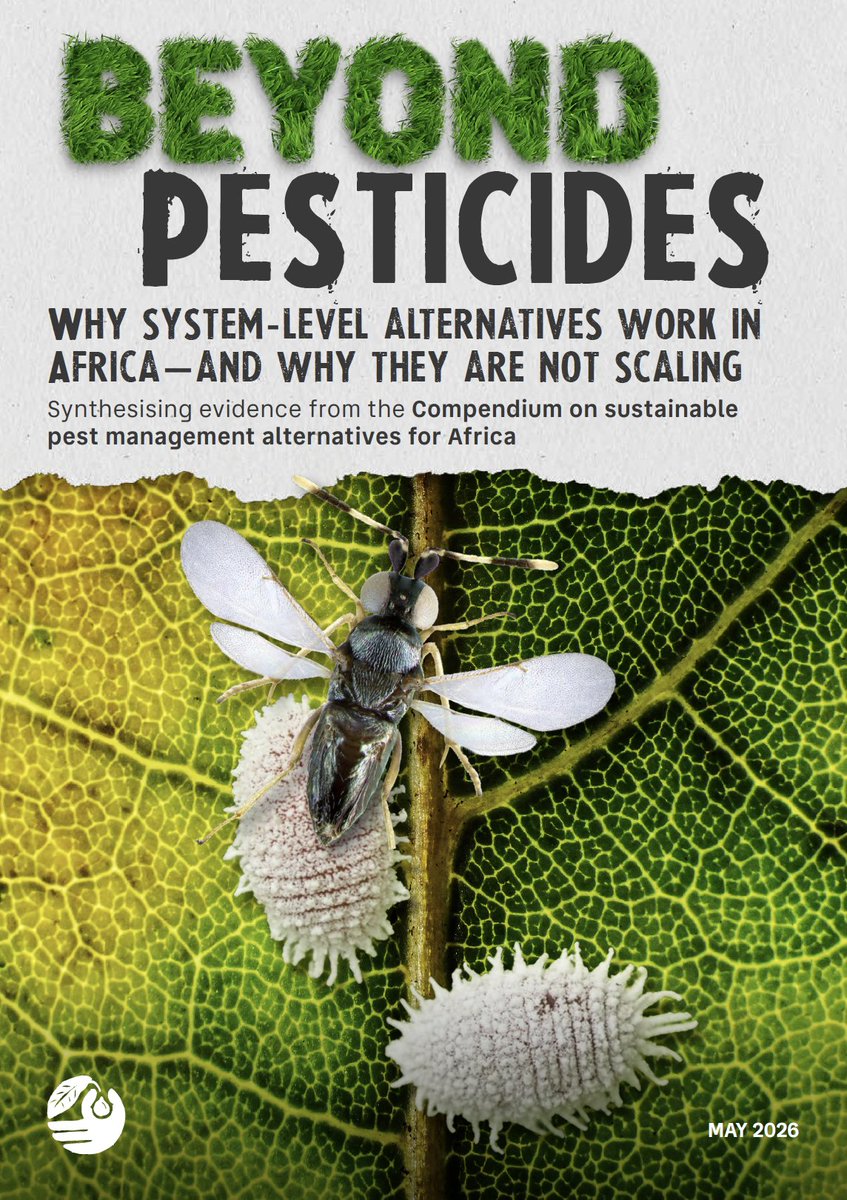
Our Compendium of sustainable pest management alternatives for Africa has 80 peer-reviewed, field-based studies from Africa over 15 years showing that agroecological/biological alternatives to toxic pesticides work for pest management.
t2m.io/Beyond-Pesticides_bri… #BeyondPesticides
1
1
47
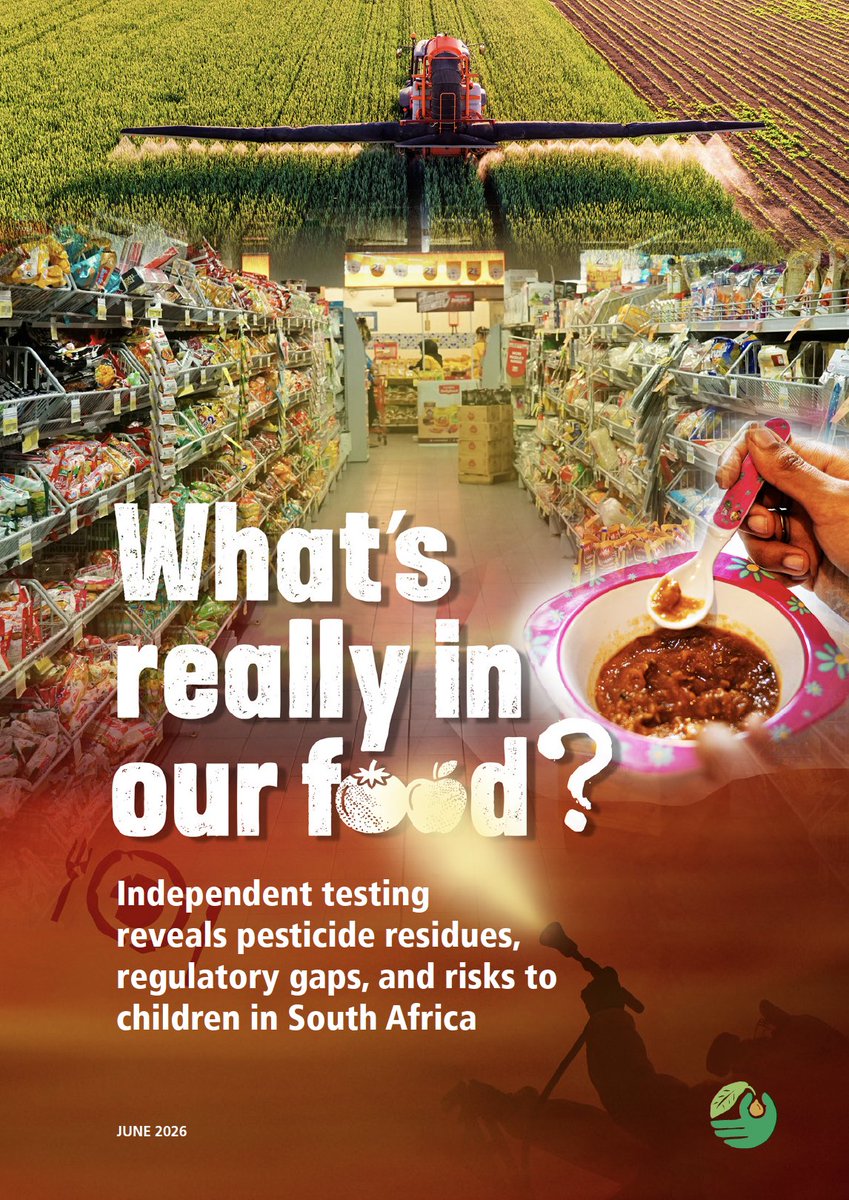
Shocking results of testing 43 SA staple foods—wheat/maize, fruit/veg & baby food for pesticide residue points to regulatory failure. 13 HHPs detected across 26 products & 13 product–pesticide combos exceeded MRLs. t2m.io/whats-really-in-our-f…
1
3
1
40
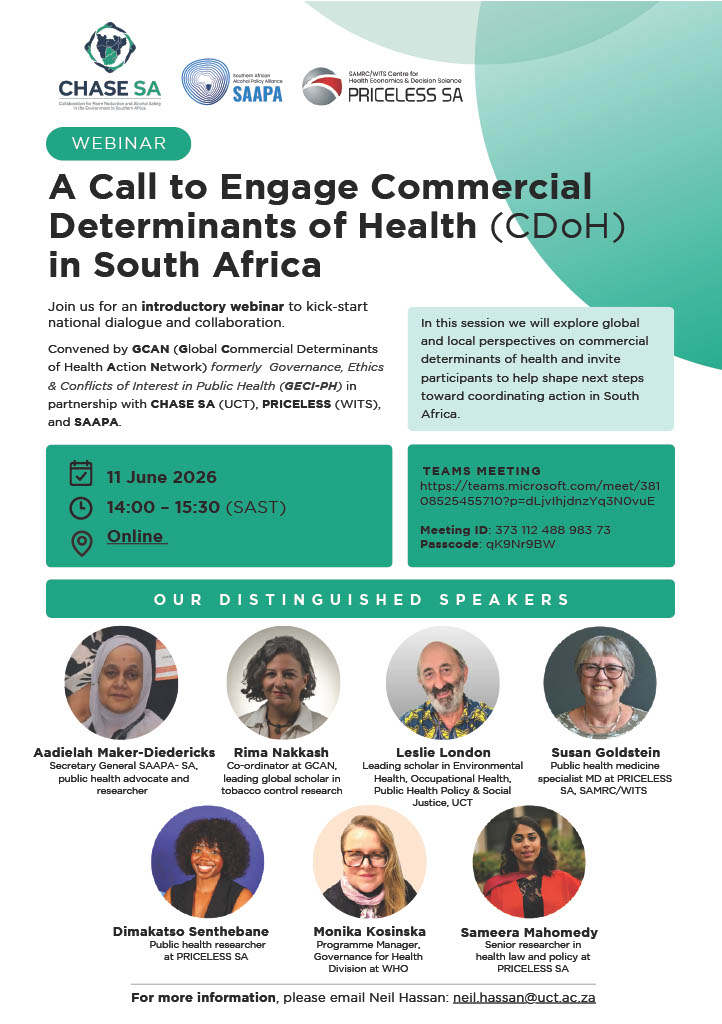
Join GCAN (Global Commercial Determinants of Health Action Network), CHASE SA (UCT), PRICELESS (Wits) & SAAPA online as they host a webinar exploring global & local perspectives on Commercial Determinants of Health & opportunities for collaboration in SA: 11 June, 2pm (SAST).
1
1
225
Factsheet 8 in our NBSAPs series examines how DSI has opened a loophole in access & benefit-sharing rules: genetic resources can be commercially utilised without access to biological material, leaving provider countries & IPLCs without fair returns. t2m.io/NBSAPs_factsheet-8_ta…
51
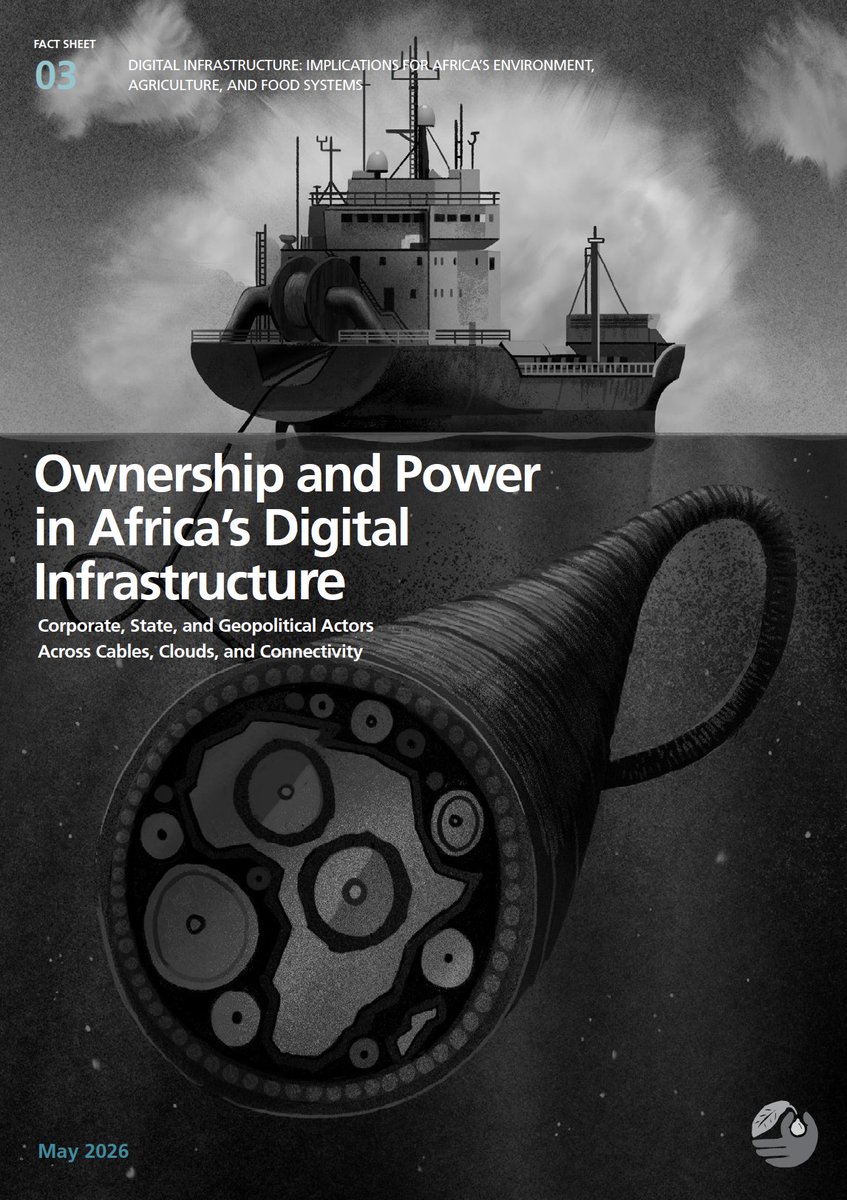
Our latest fact sheet exposes how Big Tech hyperscalers, telecom giants, private investors & state-backed actors are shaping Africa’s connectivity. This is not just about technology. It’s about power, sovereignty, and who decides Africa’s digital future. t2m.io/Digital-infrastructur…
1
1
37
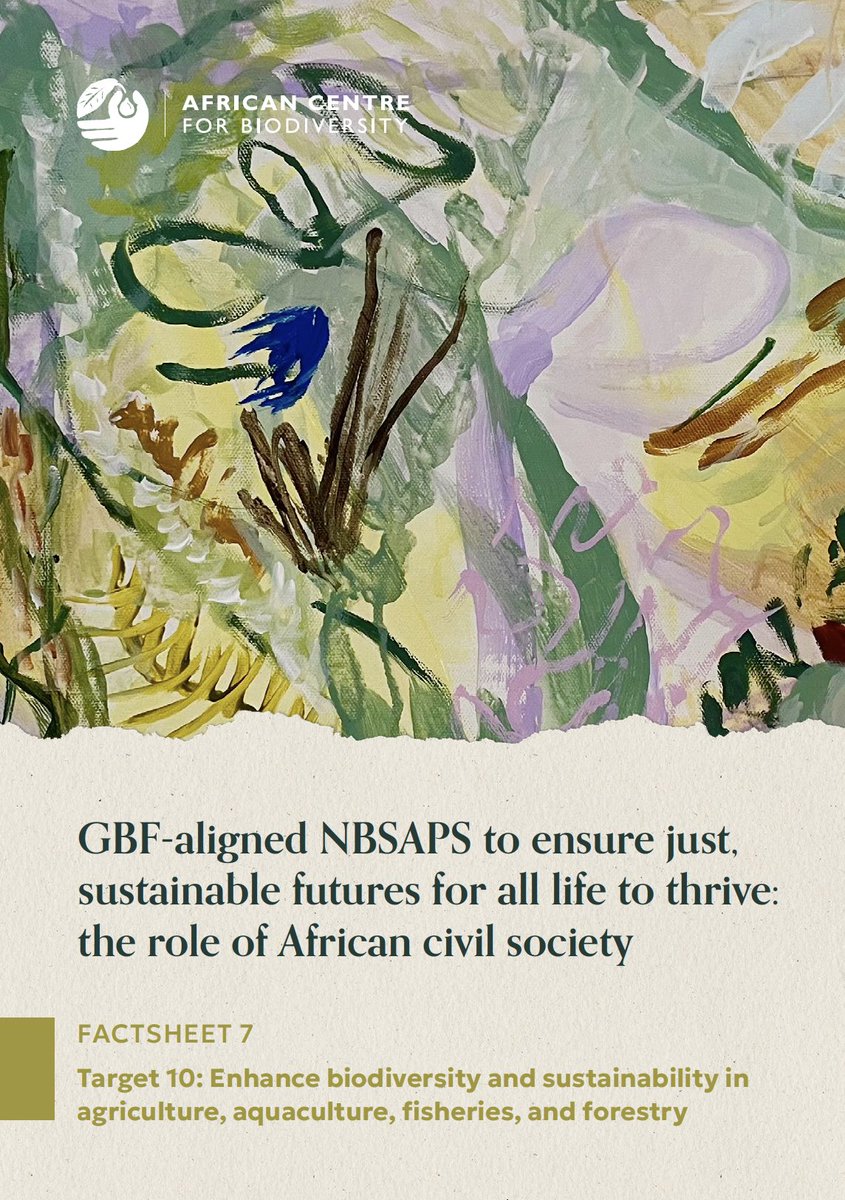
Target 10 of KM–GBF can help reverse biodiversity loss, only if it drives real transformation. Our fact sheet makes the case for agroecology as clearest pathway for implementation: restoring ecosystems, strengthening livelihoods, supporting right to food: t2m.io/NBSAPs_factsheet-7_ta…
52
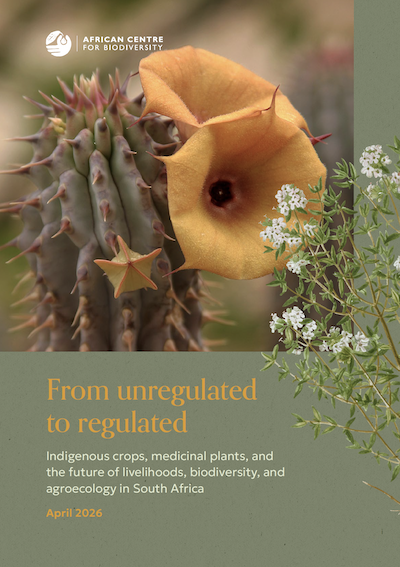
Indigenous crops and medicinal plants are being formalised in South Africa. Read our new briefing to explore who gains and who loses: t2m.io/Indigenous-crops_medi…
#foodsovereignty #biopiracy
43
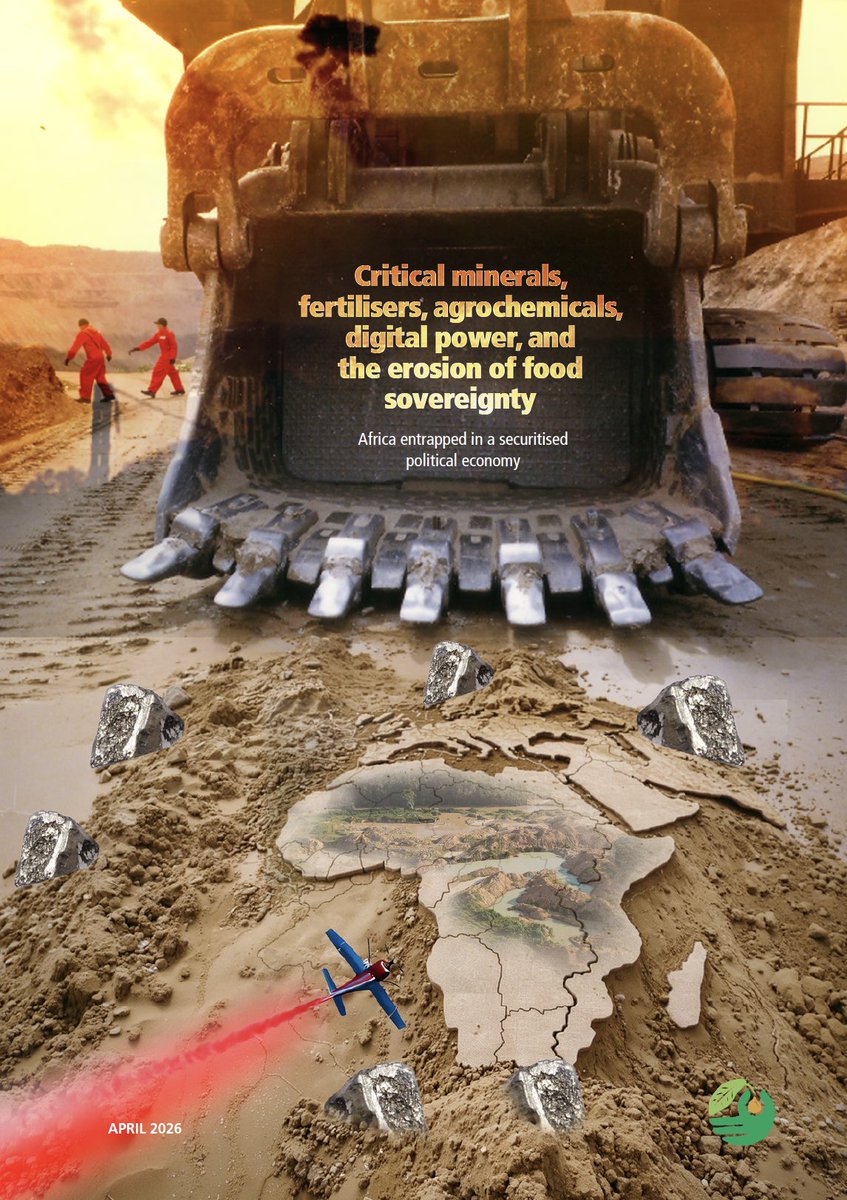
Africa’s hunger is not accidental. It is engineered. Our paper exposes how Africa’s food systems are being absorbed into a militarised, securitised global political economy. t2m.io/critical-minerals-bri… #foodsovereignty #mineralsovereignty #digitalsovereignty #Agroecology #FoodJustice
1
38
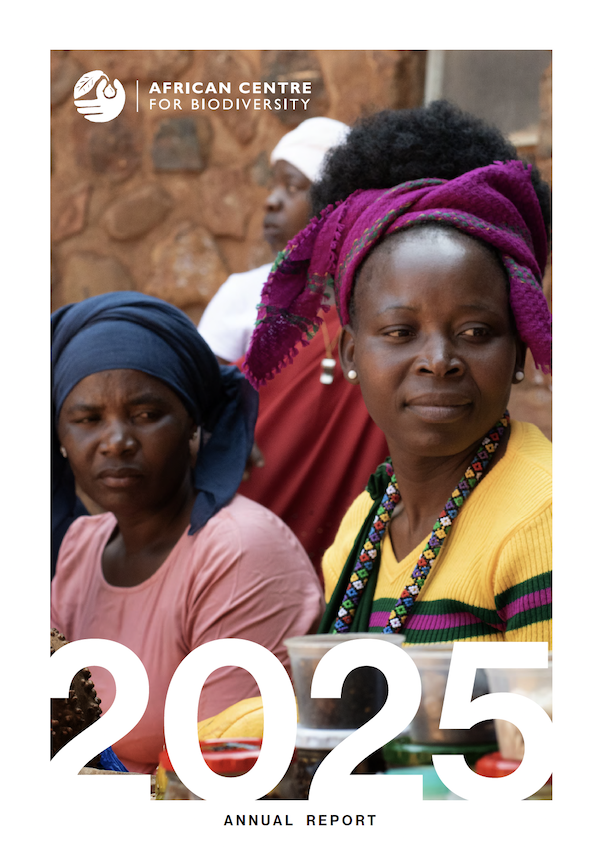
We are pleased to share our 2025 Annual Report, which reflects not only the collaborative work and solidarity that continue to define our partnerships but also the remarkable commitment of our staff and board: t2m.io/ACB-Annual-Report-202…
2
45
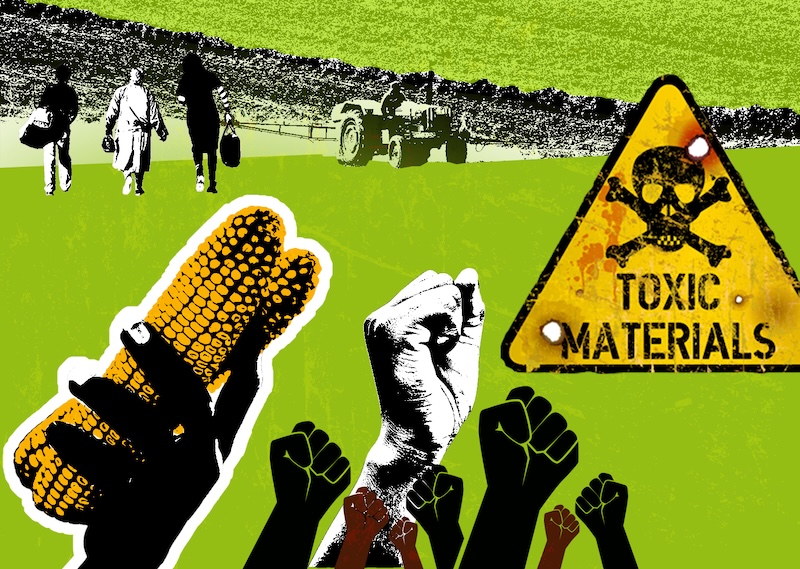
Issues raised by ACB’s Zakiyya Ismail & Mariam Mayet at @SAHRCommission's recent #foodinquiry on SA’s food systems came up in commissioners’ questions to Agri Minister Steenhuisen & Jonathan Mudzunga, Registrar for Act 36 (which regulates pesticides): t2m.io/SAHRC-inquiry-food-sy…
41
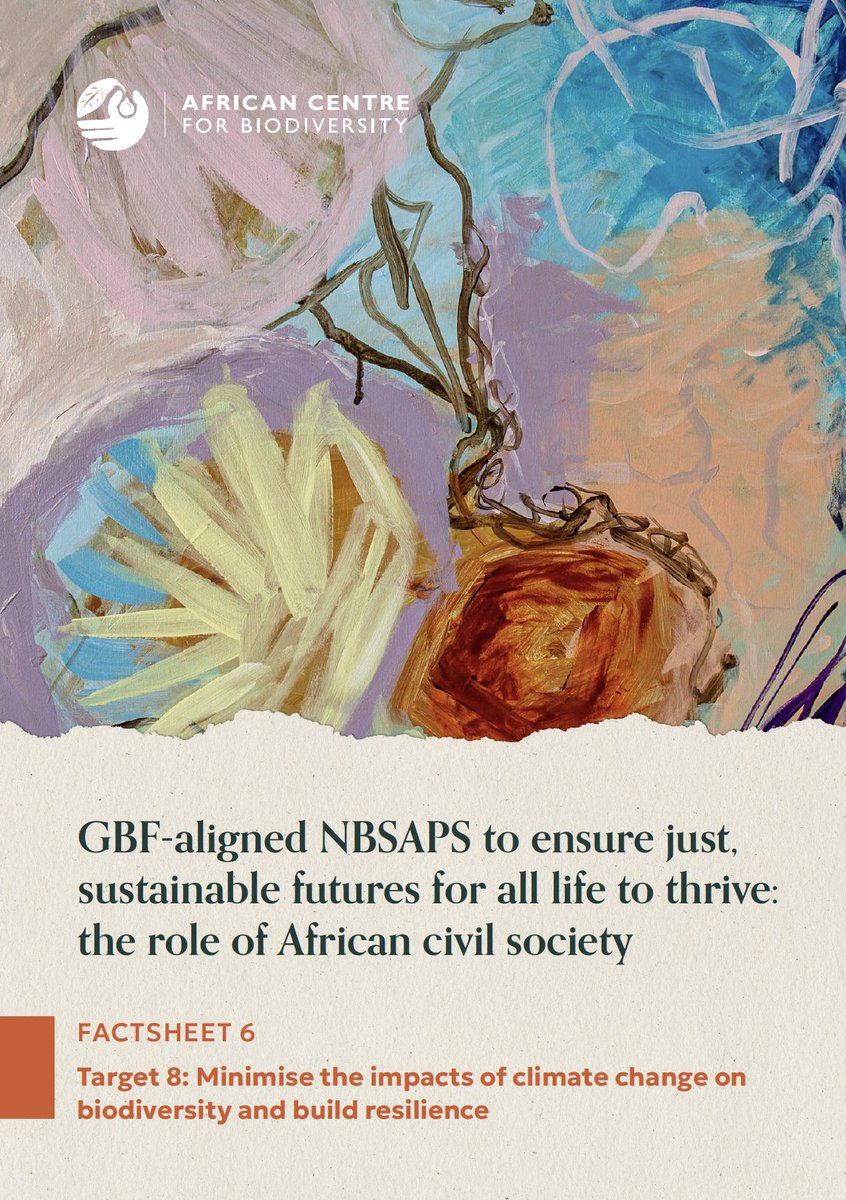
Africa is bearing the brunt of a climate & biodiversity crisis it didn’t create. False solutions threaten community rights & ecosystems. Our latest fact sheet unpacks #GBF Target 8 & the risks of offsets, enclosure & greenwashing: t2m.io/GBF_NBSAPs_factsheet6… #COP17 @unbiodiversity
1
1
48
ACB presented at @SAHRCommission national investigative hearing into SA’s food systems on: Systemic failures in SA’s pesticide and GMO regulatory framework: implications for Constitutional rights. youtube.com/watch?v=MGJdAH1J… #FoodInquiry
3
2
444
WATCH LIVE (4PM): Colette Solomons (Women on Farms Project) & Judge Navi Pillay address European Parliament on the human rights impacts of highly hazardous pesticides in South Africa. multimedia.europarl.europa.e… #BanHHPs #HumanRights #FarmworkersRights
2
3
303
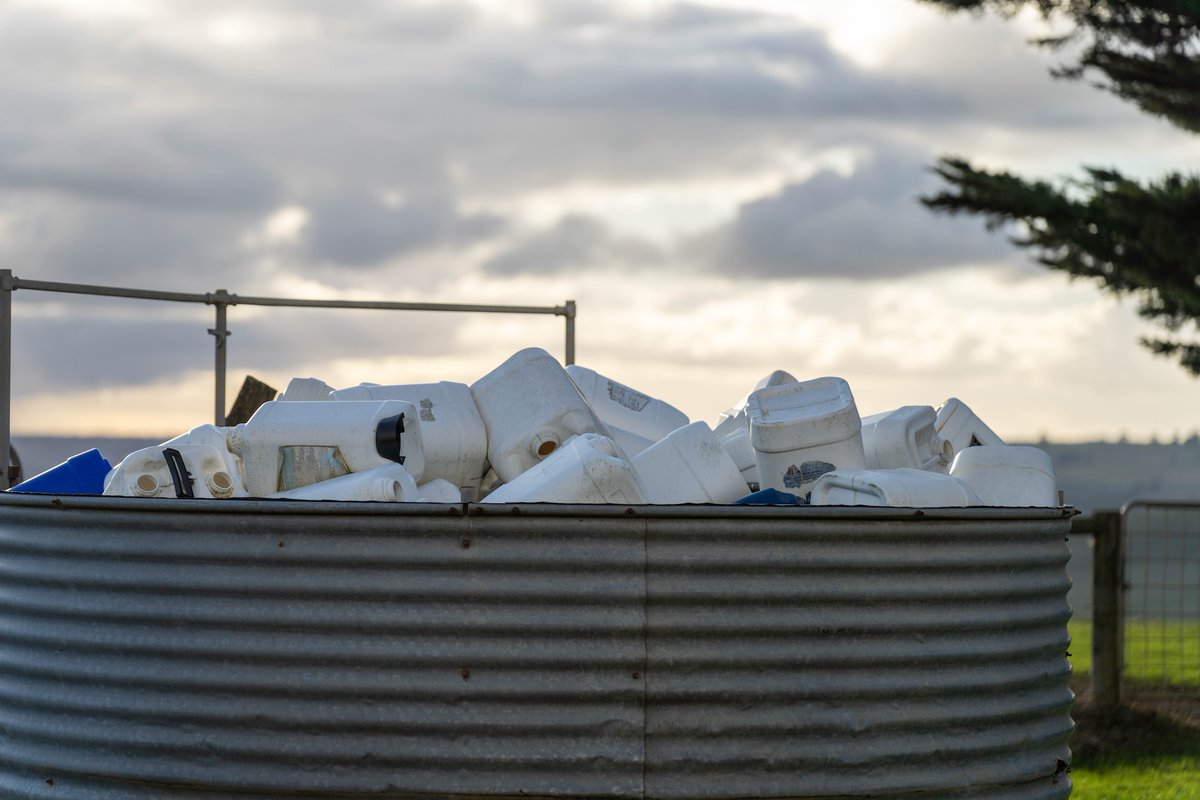
Ban Terbufos now! No loopholes. No derogations. No phase-out. The SA People’s Tribunal on Agrotoxins backs the urgent ban on Terbufos — an extremely hazardous pesticide. Continued use violates rights to life, health, and children’s safety: acbio.org.za/corporate-expan…
#BanTerbufos
1
35
"Chronic pesticide exposure is a ‘silent pandemic’ of neurodevelopmental harm in South Africa. The current regulatory system, designed for adults, fails to protect children from cumulative, low-level exposure," Paola Viglietti in Daily Maverick: dailymaverick.co.za/article/…
2
2
66
Fact sheet 5 in our GBF-aligned NBSAPs series exposes drivers of agri pollution & urgent actions African governments must take. Civil society has a critical role; together we can demand the just agroecological transition we need: t2m.io/GBF-NBSAPs-factsheet5… #COP17 @environmentza
29
Glyphosate & AMPA have been found in South African staple foods, including baby cereal! Some levels exceeded legal limits. This means continuous, involuntary exposure for millions, particularly the vulnerable. ACB demands a national ban! t2m.io/Glyphosate-call-for-b… #GlyphosateMustGo

20
21
486
Africa’s rapidly expanding digital ecosystem has material, environmental, and socio-political impacts. Our new fact sheet series on digital infrastructure in Africa exposes the realities of digitalisation and unpacks the power relations behind it: acbio.org.za/corporate-expan…
1
33
ACBIO retweeted

Feb 12
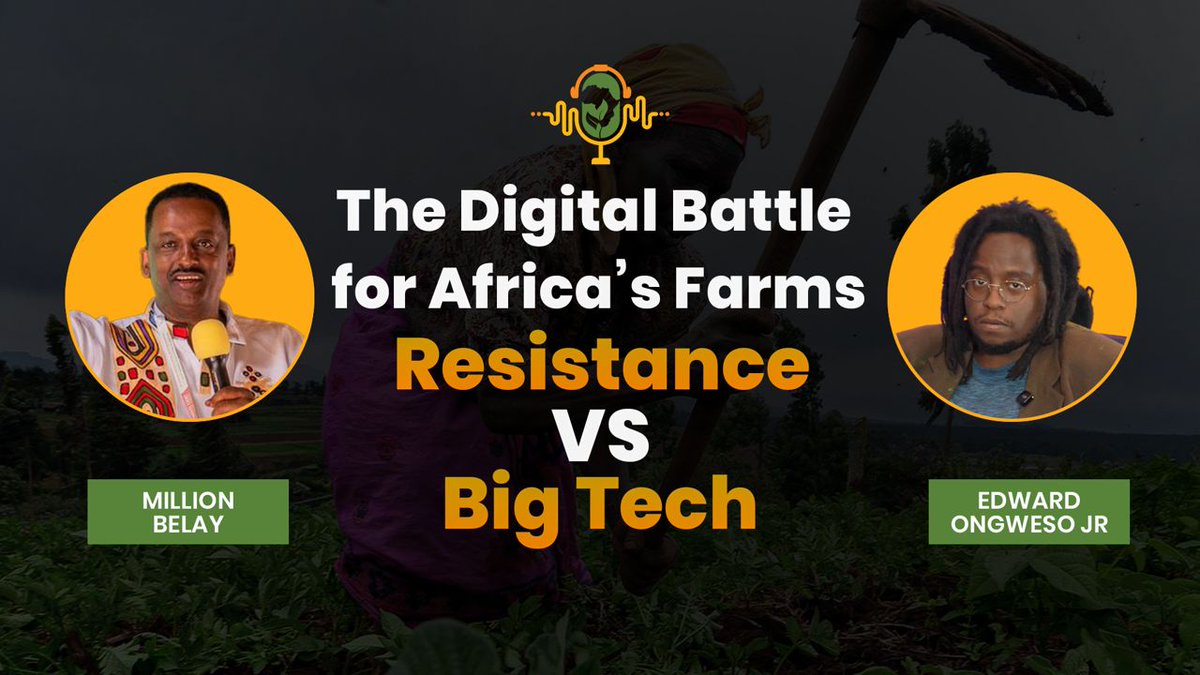
𝗧𝗵𝗲 𝗕𝗮𝘁𝘁𝗹𝗲 𝗳𝗼𝗿 𝗔𝗳𝗿𝗶𝗰𝗮𝗻 𝗔𝗴𝗿𝗶𝗰𝘂𝗹𝘁𝘂𝗿𝗲 𝗣𝗼𝗱𝗰𝗮𝘀𝘁 || 𝗘𝗽𝗶𝘀𝗼𝗱𝗲 𝟮𝟬 - 𝗪𝗶𝘁𝗵 𝗘𝗱𝘄𝗮𝗿𝗱 𝗢𝗻𝗴𝘄𝗲𝘀𝗼 𝗝𝗿.
The Digital Battle for Africa’s Farms: Resistance vs Big Tech
In this episode of The Battle for African Agriculture, Dr. Million Belay speaks with Edward Ongweso Jr. @bigblackjacobin writer, editor, tech critic, and co-host of This Machine Kills, about biodigitization and the political economy behind digital technologies entering agriculture. Edward explains that technologies are never neutral or inevitable. They are shaped by political and historical conditions and by the interests of those who finance them. Using examples from insulin development to Uber’s restructuring of labor markets, he argues that what appears as innovation is often the outcome of corporate strategy and political lobbying rather than pure scientific progress.
Turning to agriculture, Edward describes “digitization” as a term companies use when what they often mean is privatization by another route. He warns that biodigitization can subject land, ecosystems, and farming practices to a logic of quantification, surveillance, and transaction, where corporations seek to extract maximum value. When agriculture falls “under the thumb of large corporations,” he says, everyone but the corporation loses. From Monsanto’s seed lawsuits to platform lock-in through data control, intellectual property law, and debt, he outlines how dependency and enclosure make it extremely difficult for farmers to exit once they are absorbed into such systems.
Yet Edward ends on a note of cautious hope. He expresses more optimism about resistance in Africa than in the United States, arguing that local resistance can “pack a bigger punch.” He urges vigilance as tech firms promote AI and biodigital solutions, warning that Silicon Valley has a long history of using crises and vulnerable regions as experimental grounds. At the same time, he insists that if communities, farmers, and movements build sustained resistance and demand democratic control over technology, including over data, infrastructure, and governance, then alternative futures remain possible.
Listen to the full conversation
YouTube
youtube.com/watch?v=uItVLBvF…
Spotify
open.spotify.com/episode/4lf…
Apple Podcast
podcasts.apple.com/us/podcas…
1
10
13
2,575
Fact sheet 4 in our series which speaks to prep of GBF-aligned NBSAPs, looks at Target 4. To halt species extinction & protect genetic diversity will mean support for in situ & ex situ conservation of PGRFA. t2m.io/GBF_NBSAPs_factsheet4… #COP17 @environmentza

1
31