
Joined September 2013
- Tweets 2,627
- Following 253
- Followers 76
- Likes 170
3 Photos and videos



FallingBrick retweeted

May 20
WordPress 7.0 “Armstrong” is here. 🎷
This major release introduces foundational AI tools, a refreshed admin experience, expanded design controls, new blocks, and powerful developer APIs.
Explore what’s new, update when you’re ready, and start building with WordPress 7.0 today. wordpress.org/news/2026/05/w…
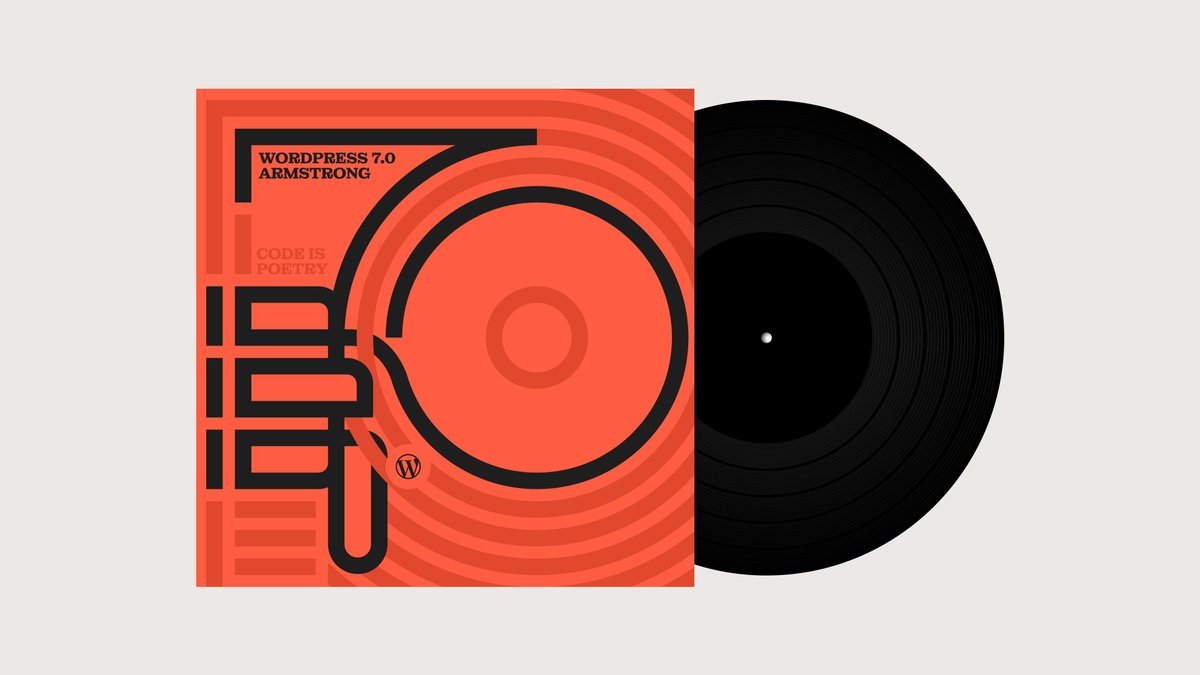
ALT Record sleeve with record peeking out. The graphics on the sleeve say WordPress 7.0, Armstrong.
33
192
503
144,975
FallingBrick retweeted

May 20
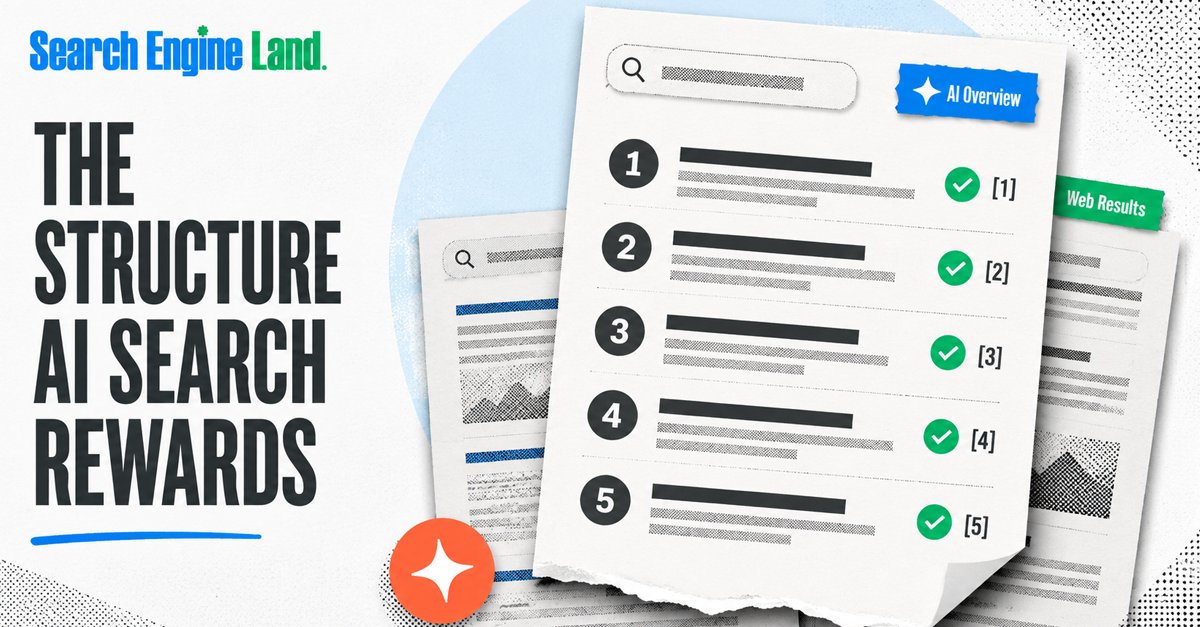
AI search visibility may depend less on "writing for LLMs" and more on shaping the pages LLMs retrieve.
A review of ~25,000 heavily cited URLs found a clear pattern 👇
Structured, specific list-based content is cited often across major AI search systems 🧵
4
8
35
5,843
FallingBrick retweeted

May 7
Mastering glass transparency in Photoshop! 🍷✨
by bigsmileediting
76
558
29,016
FallingBrick retweeted

May 7
Awesome Site To Teach You Good Designs.
1. Patttterns
(Patttterns.net)
2. Lookup
(Lookup.design)
3. Screenlane
(Screenlane.com)
4. Scrnshts
(Scrnshts.club)
5. Mobbin
(Mobbin.design)
6. Pttrns
(Pttrns.com)
7. Pageflows
(Pageflows.com)
12
241
1,587
81,420

Your buyers discovered you on TikTok. Validated you on Reddit. Got a second opinion from ChatGPT.
And your attribution model has no idea any of that happened 👀
This isn't a future problem, it's already here.
• Google holds 73% of discovery across 41 major surfaces (not the 90% most marketers plan around)
• The other 27% is where opinions form, and decisions get made without you
• 43% of consumers have already discovered a brand through AI
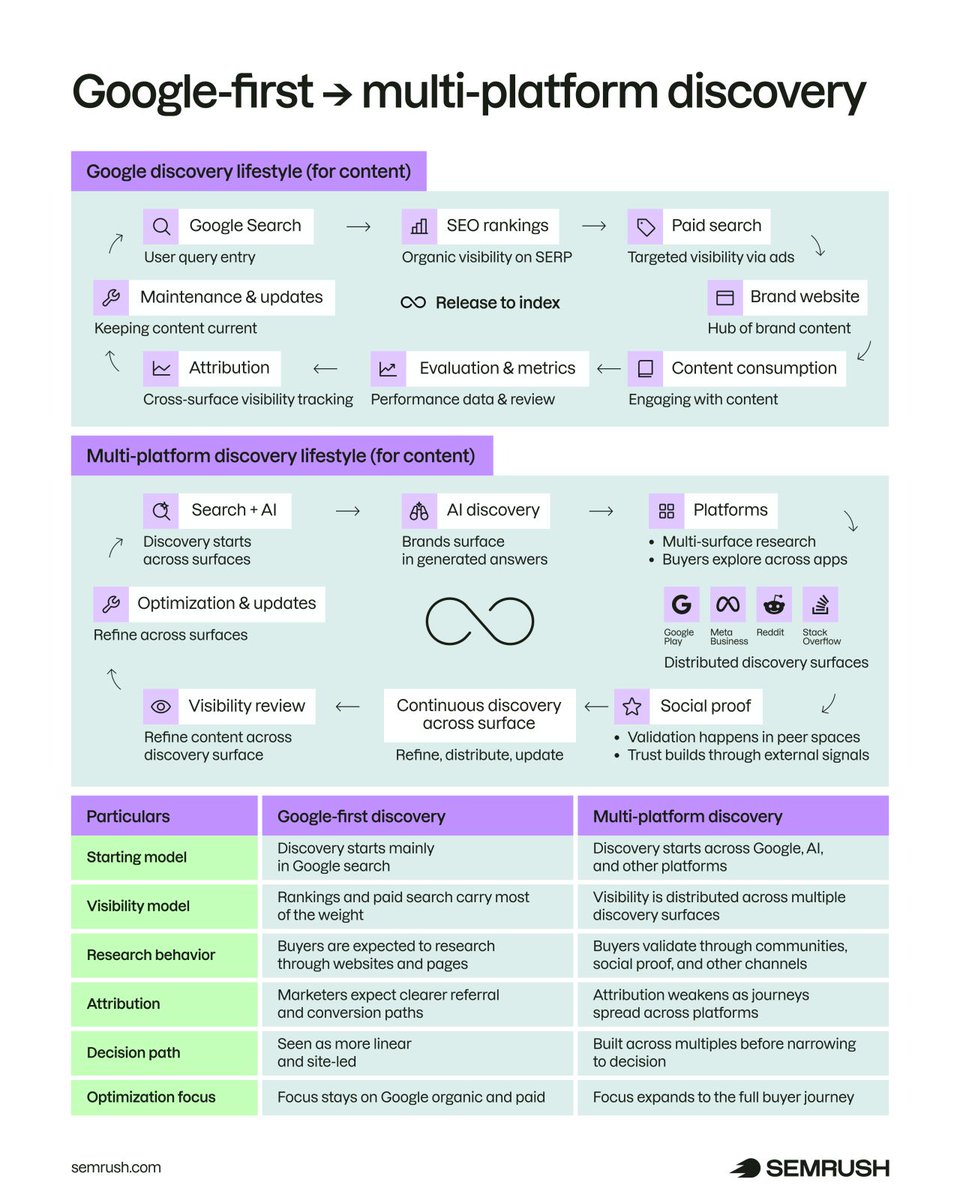
Here's what the multi-platform discovery can look like 👇
2
20
67
2,819

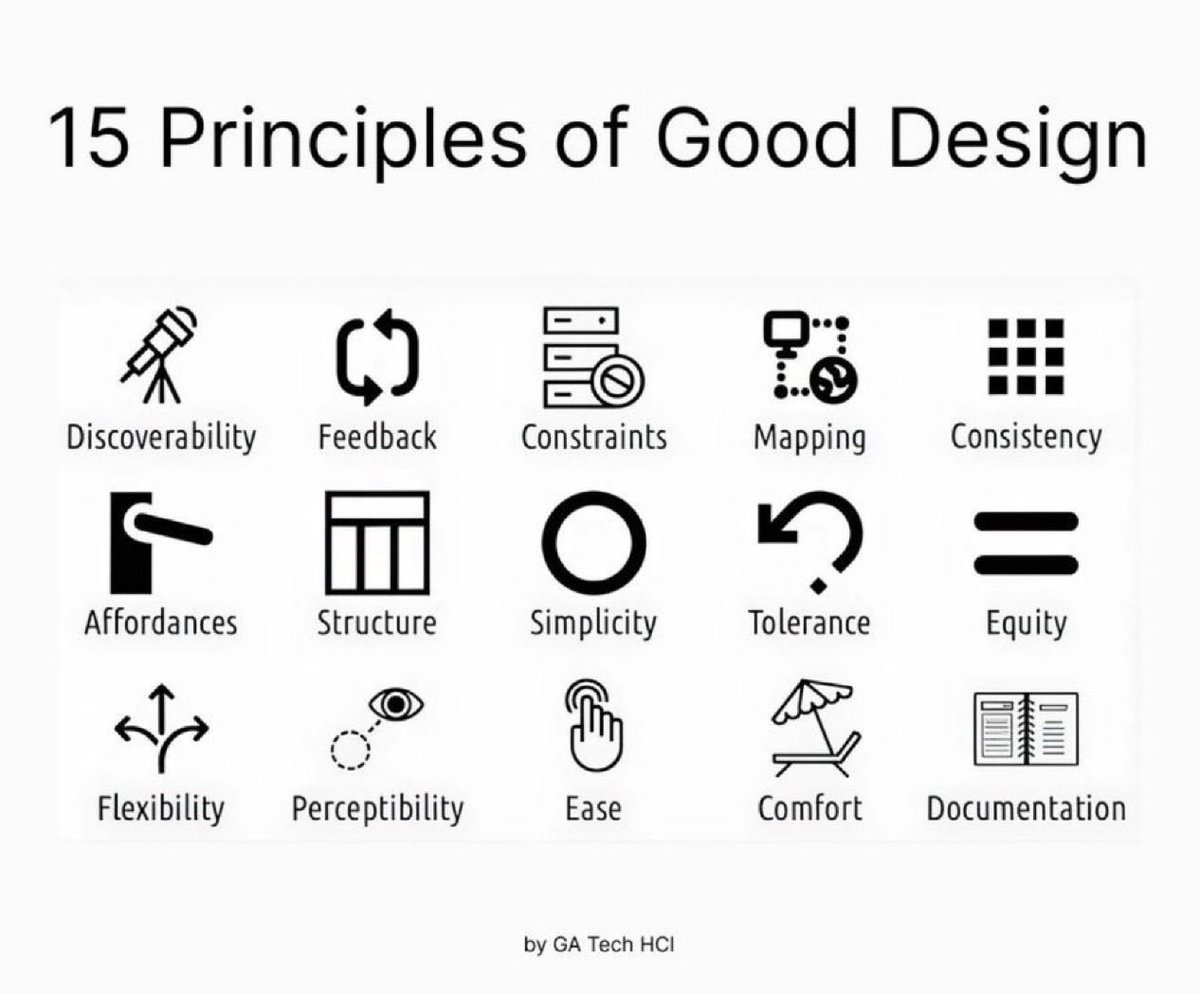
15 Principles of Good Design to Boost Your Next Design Project 🙌
Great design isn’t just beautiful, it’s usable, accessible, and intentional.
These 15 principles help guide meaningful UX 👇
1. Discoverability
Users should easily find what actions are possible and where to begin.
2. Feedback
Every action should have a clear, timely response to show it’s working.
3. Constraints
Limit choices to prevent errors and guide users toward the correct path.
4. Mapping
Controls should match users’ mental models (e.g., up means increase).
5. Consistency
Keep patterns, terms, and visuals uniform across your product.
6. Affordances
Design elements should suggest how they’re meant to be used (e.g., buttons look clickable).
7. Structure
Group related content and actions logically to reduce cognitive load.
8. Simplicity
Remove unnecessary elements—clarity beats clutter every time.
9. Tolerance
Design should forgive errors—make undo easy and prevent destructive mistakes.
10. Equity
Ensure your design works for users of all abilities and backgrounds.
11. Flexibility
Support different user needs and preferences without forcing one path.
12. Perceptibility
Make important information visible and legible to all users.
13. Ease
Reduce friction—fewer steps, simpler wording, smarter defaults.
14. Comfort
Design for emotional and physical ease—no stress, no strain.
15. Documentation
When needed, provide clear guidance to help users succeed.
Design with these in mind and you’ll build experiences people actually want to use 🙌
#UX #UIDesign #DesignPrinciples #ProductDesign #Startup #Business
2
20
98
3,997
FallingBrick retweeted
Apr 7
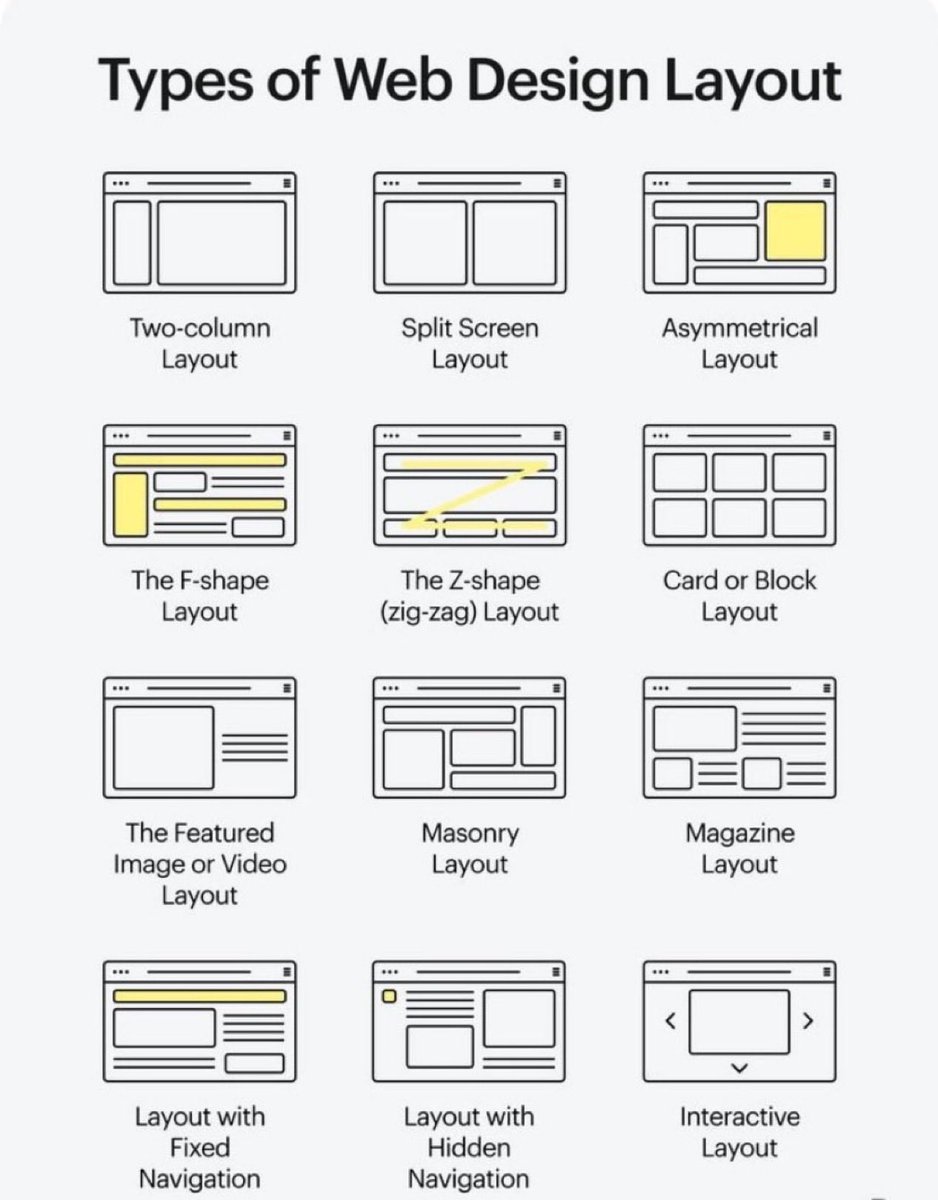
Choosing the right web design layout can transform user experience 🙌
FREE cheatsheet attached 🔖
Here are 12 classic styles every designer should know:
🟦 Two-column → balanced text sidebar
🟨 Split screen → compare options
🟧 Asymmetrical → bold modern
📖 F-shape → natural reading flow
⚡ Z-shape → landing pages & CTAs
🗂️ Card/Block → scan-friendly chunks
🎥 Featured media → visual storytelling
🧩 Masonry → galleries & feeds
📰 Magazine → content-heavy layouts
📌 Fixed nav → menu always visible
📂 Hidden nav → minimalist menus
🎛️ Interactive → sliders & carousels
Which layout do you use most? 👇
#UX #UI #UXDesign #UIDesign #ProductDesign
24
215
7,522
FallingBrick retweeted

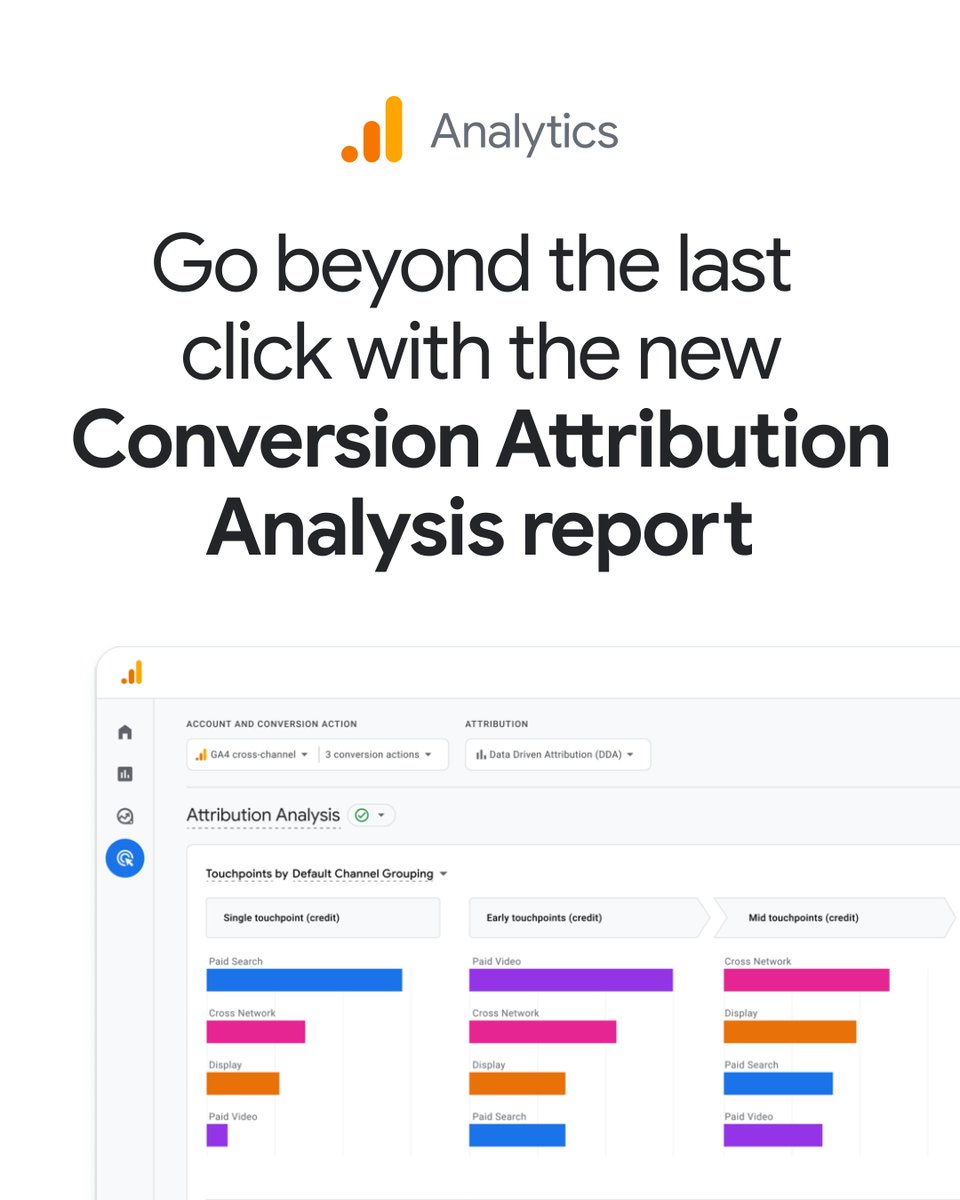
A new report just launched! ✨
Go beyond last click with the Conversion Attribution Analysis report — see how your demand creation media is driving your wins.
It shows you…
🔹 Assists vs. last touch
🔹 Early engagement
🔹 Full-path view
Learn more: goo.gle/4sQ0slE
2
58
338
36,672
FallingBrick retweeted

Apr 8
essential Adobe Illustrator keyboard shortcuts pros use daily
(by: ducthangds)
18
1,302
12,989
743,572
FallingBrick retweeted
Mar 13
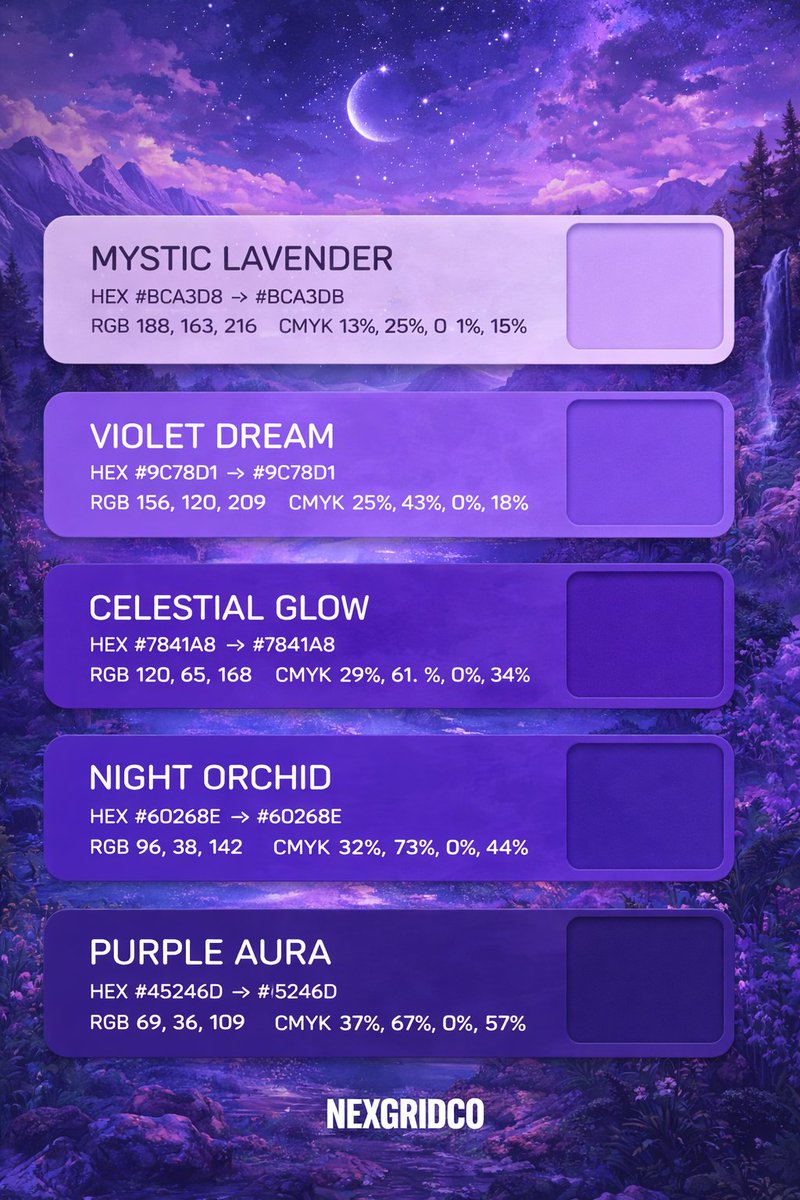
how to build a soft purple palette that feels premium and calm
2
83
502
7,127
FallingBrick retweeted
Mar 12
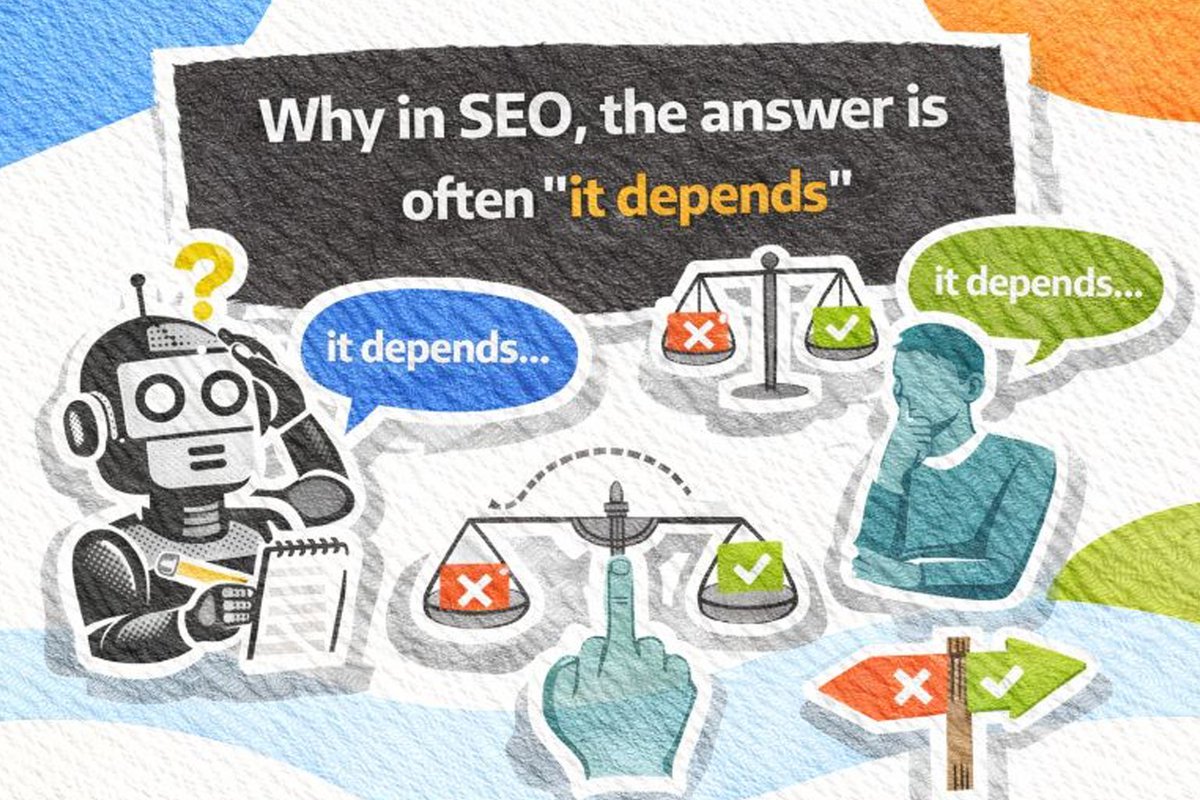
If someone gives you a definitive SEO rule, be skeptical.
"Schema boosts rankings."
"Domain age matters."
"404s are bad."
Sometimes true. Sometimes irrelevant.
In #SEO, context beats checklists. This piece explains why 👇
searchengineland.com/seo-it-…
1
8
17
1,706
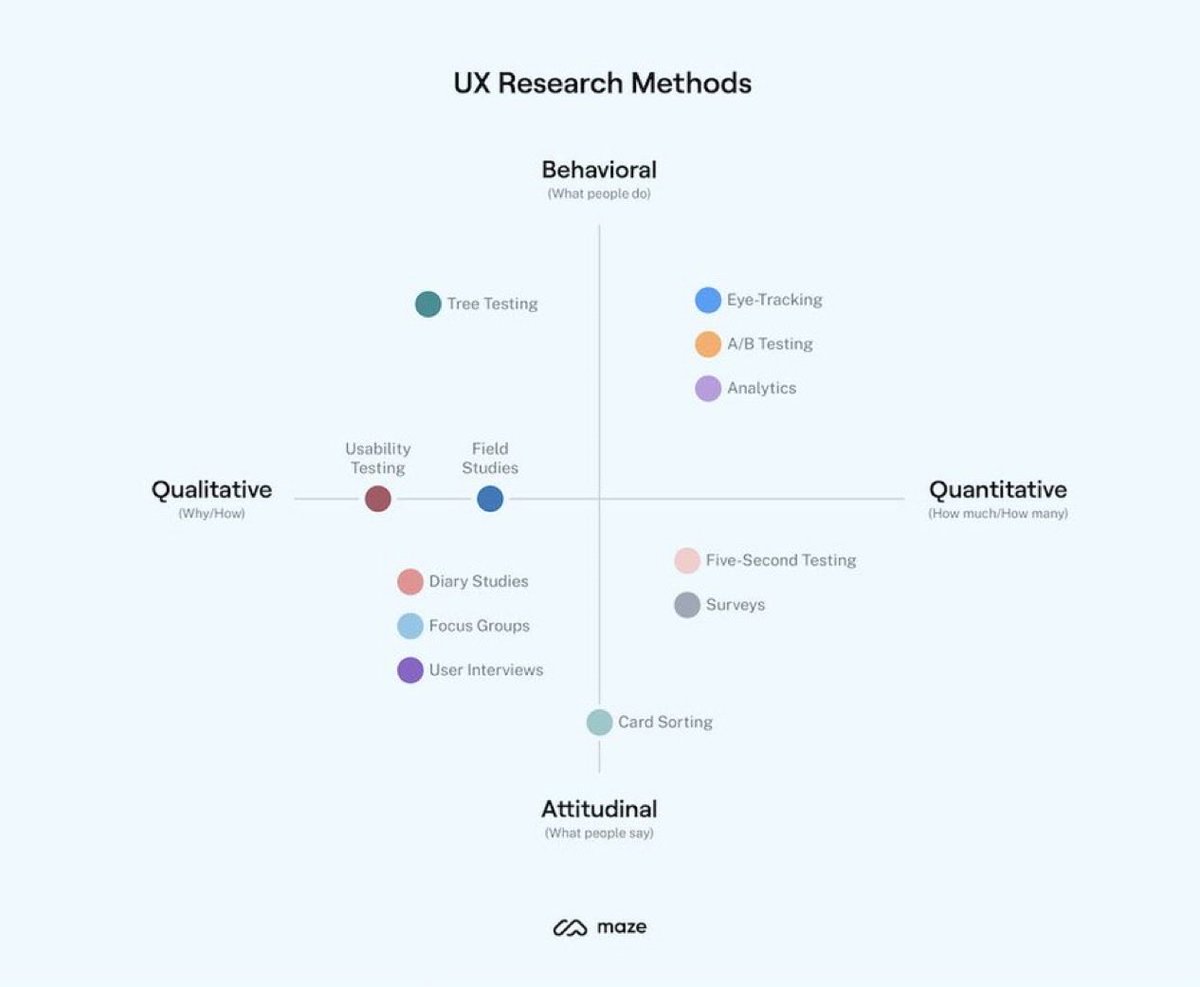
Learn about the Key UX research methods, how and when to use them! 🙌
What are UX research methods?
User experience (UX) research methods are different ways of generating insights about your users, their behavior, motivations, and needs. You can use methods like user interviews, surveys, focus groups, card sorting, usability testing to identify user challenges and turn them into opportunities to improve the user experience.
UX research methods include user interviews, card sorting, surveys, usability testing, and more. We’ll go into more detail about the top methods and when to use them later in this chapter. If you'd prefer a quick overview, check out the video below. Or, keep reading for an in-depth guide to each method (plus a bonus technique).
Overview:
The most common types of user research
Qualitative vs. quantitative
All research methods are either quantitative or qualitative. Qualitative research focuses on capturing subjective insights into users' experiences. It aims to understand the underlying reasons, motivations, and behaviors of individuals. Quantitative research, on the other hand, involves collecting and analyzing numerical data to identify patterns, trends, and significance. It aims to quantify user behaviors, preferences, and attitudes, allowing for generalizations and statistical insights.
Attitudinal vs. behavioral
Attitudinal research is about understanding users' attitudes, perceptions, and beliefs. It delves into the 'why' behind user decisions and actions. It often involves surveys or interviews where users are asked about their feelings, preferences, or perceptions towards a product or service. It's subjective in nature, aiming to capture people's emotions and opinions.
Behavioral research is about what users do rather than what they say they do or would do. This kind of research is often based on observation methods like usability testing, eye-tracking, or heat maps to understand user behavior.
Generative vs. evaluative
Generative research is all about generating new ideas, concepts, and insights to fuel the design process. You might run brainstorming sessions with groups of users, card sorting, and co-design sessions to inspire creativity and guide the development of user-centered solutions.
On the other hand, evaluative research focuses on assessing the usability, effectiveness, and overall quality of existing designs or prototypes. Once you’ve developed a prototype of your product, it's time to evaluate its strengths and weaknesses. You can compare different versions of a design or feature through A/B testing—ensuring your design meets user needs and expectations.
The best UX research type?
The best research type varies depending on your project; what your objectives are, and what stage you’re in. Ultimately, the ideal type of research is one which provides the insights required, using the available resources.
For example, if you're at the early ideation or product discovery stage, generative research methods can help you generate new ideas, understand user needs, and explore possibilities. As you move to the design and development phase, evaluative research methods and quantitative data become crucial.
#UX #UI #UXDesign #UIDesign #ProductDesign
1
7
30
1,476

WordPress 6.9.1 Maintenance Release wordpress.org/news/2026/02/w…
13
FallingBrick retweeted
3 Dec 2025
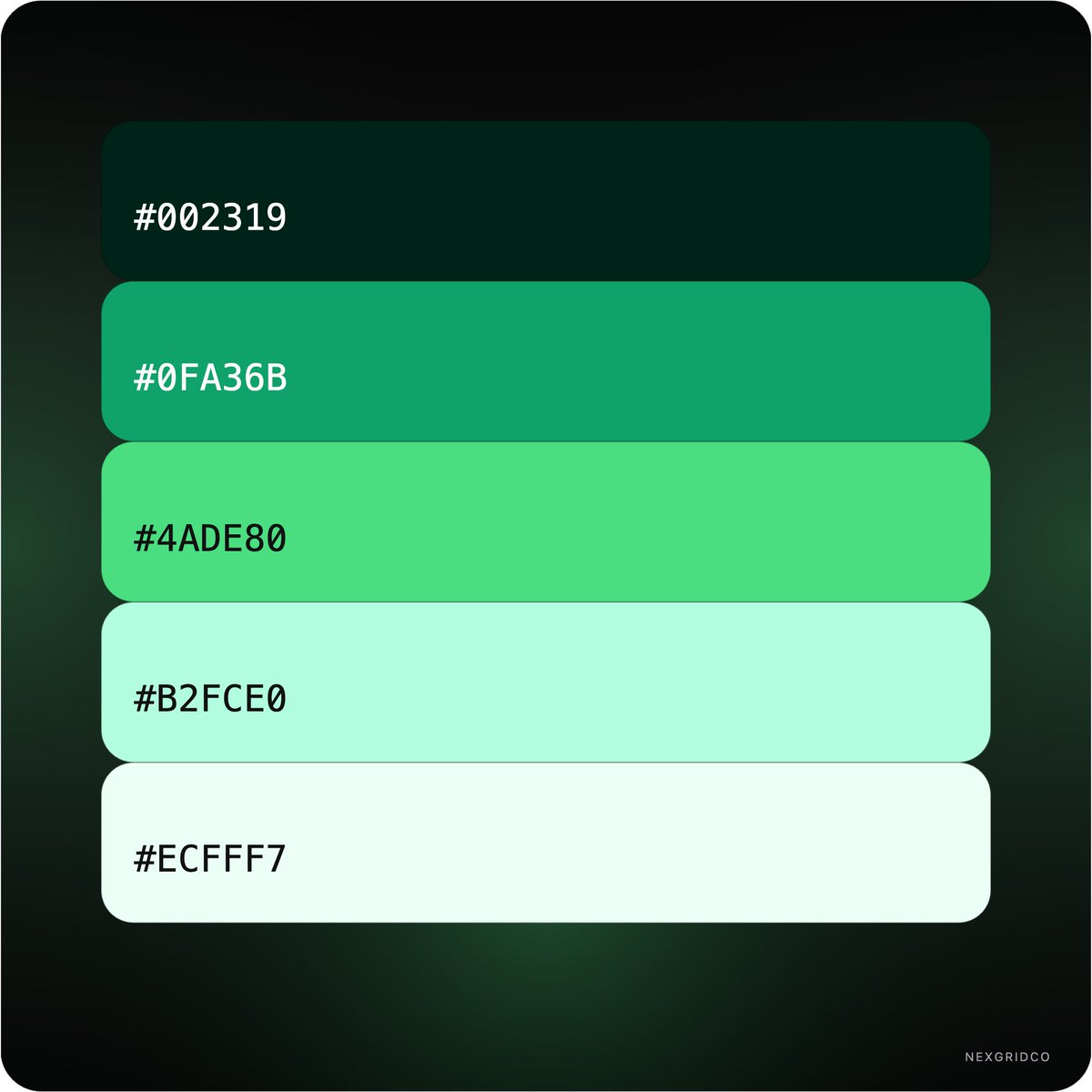
fresh green gradient palette for health, eco, and fintech ui
1
21
142
4,800
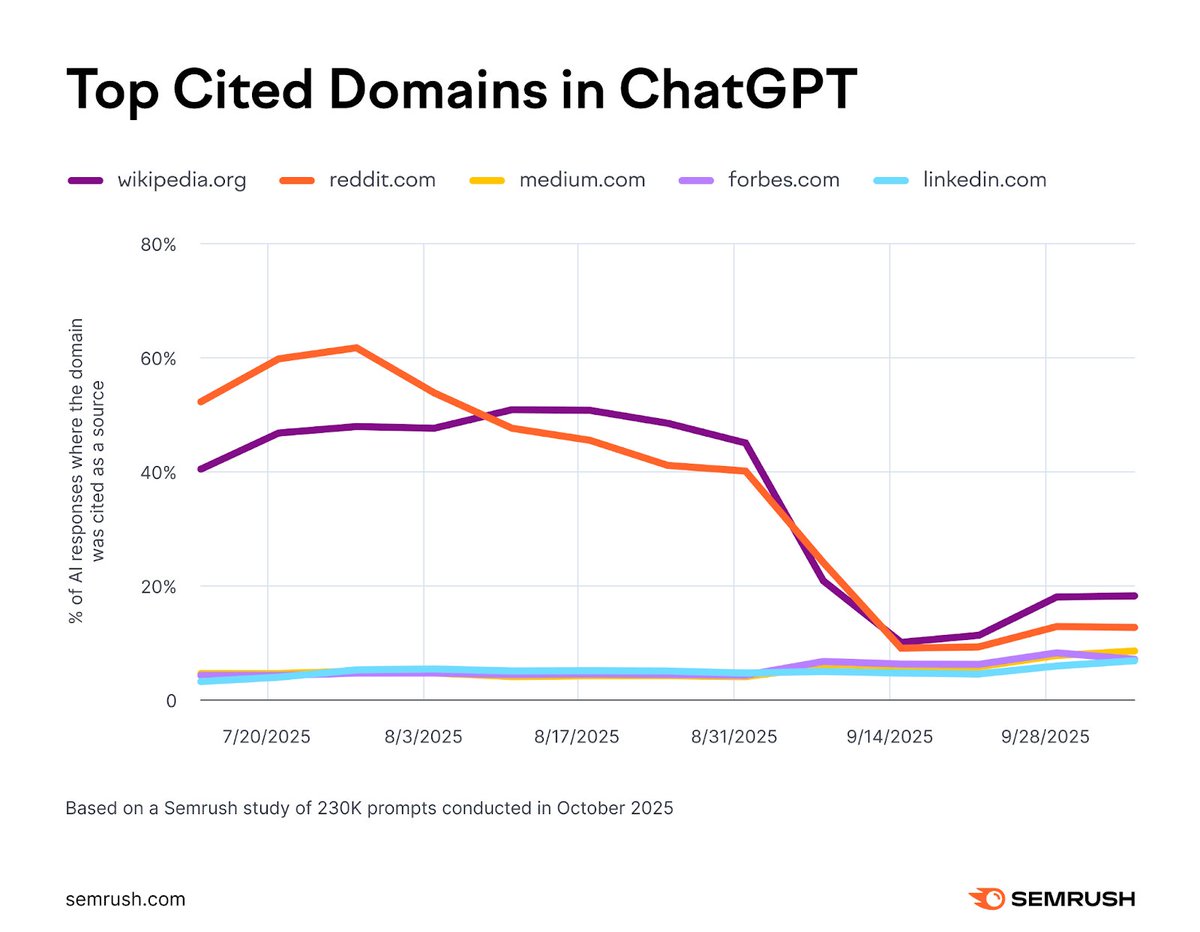
Different AI platforms, totally different citation behavior.
And honestly, the gap between them is getting wider every month.
Ask the same question across AI platforms and you’ll get three completely different “source universes”.
ChatGPT pulls from one mix, Perplexity leans into another, and AI Mode has its own vibe entirely.
For marketers, that means your domain can look super visible on one model and almost invisible on another. The tricky part is, most people still assume all LLMs behave the same… and that blind spot can cost visibility fast. 👀
So we compared all 3 side by side and mapped exactly where the citations go across 230K prompts and 100M references. Spoiler: they do not match.
Full breakdown, charts and insights here 👉 social.semrush.com/4pGB67Y.
11
8
30
2,844