A scientific twitter feed for #Oceanography #Ocean #Conservation #Marine #Biology #Climate #Science #DeepSea #Advocacy @_Oceanography - MIT grad student project
Joined November 2012
- Tweets 16,709
- Following 7,548
- Followers 8,386
- Likes 38,703
210 Photos and videos
Pinned Tweet

20 Aug 2025
#DeepSeaMining has the potential to disrupt microbes and the carbon cycle in the most critical segment - deep storage of carbon in the abyssal plain. Deep seabed mining should not proceed. #DeepSea #OceanConservation
1
4
8
523

An expert warns the Trump administration is treating the ocean like a gas station and dump, dismantling vital monitoring while pushing deep sea mining expansion and looser fishing regulations that threaten marine ecosystems.
buff.ly/CfLLjGW
29
43
661
Oceanography retweeted

Jun 11
The deep-sea mining industry could launch in the near future in U.S. waters, but experts warn that regulations are outdated & lack important oversight provisions. savingseafood.org/news/regul…
2
2
53
Oceanography retweeted

Jun 11
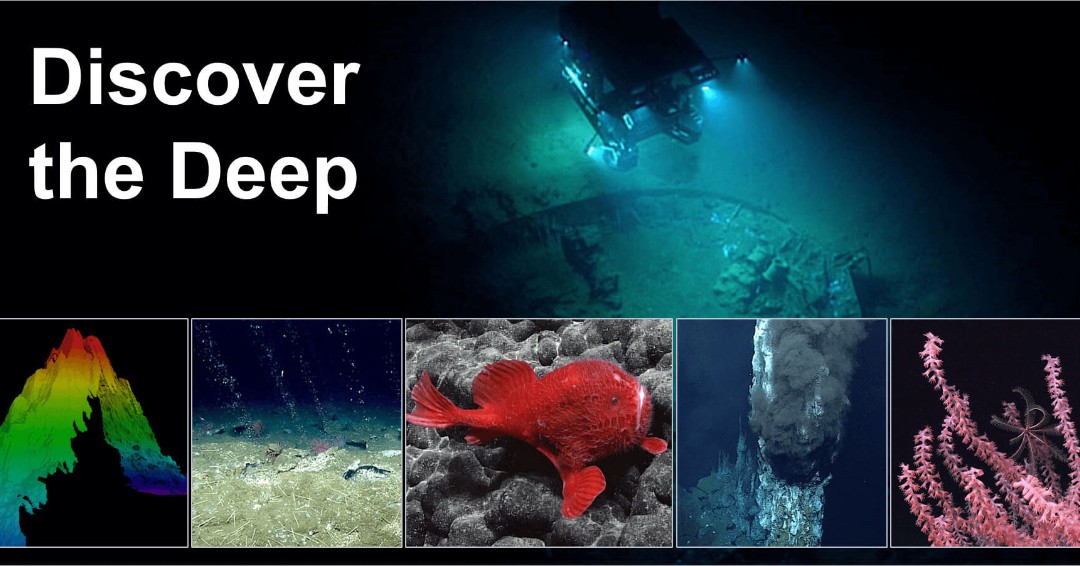
The Deep Ocean Education Project helps educators and students harness the power of leading organizations in ocean exploration: @oceanexplorer, @EVNautilus & @SchmidtOcean. Dive into educational materials: deepoceaneducation.org/explo…
#OceanMonthNOAA #STEM #Science #TeacherResource
1
4
8
911

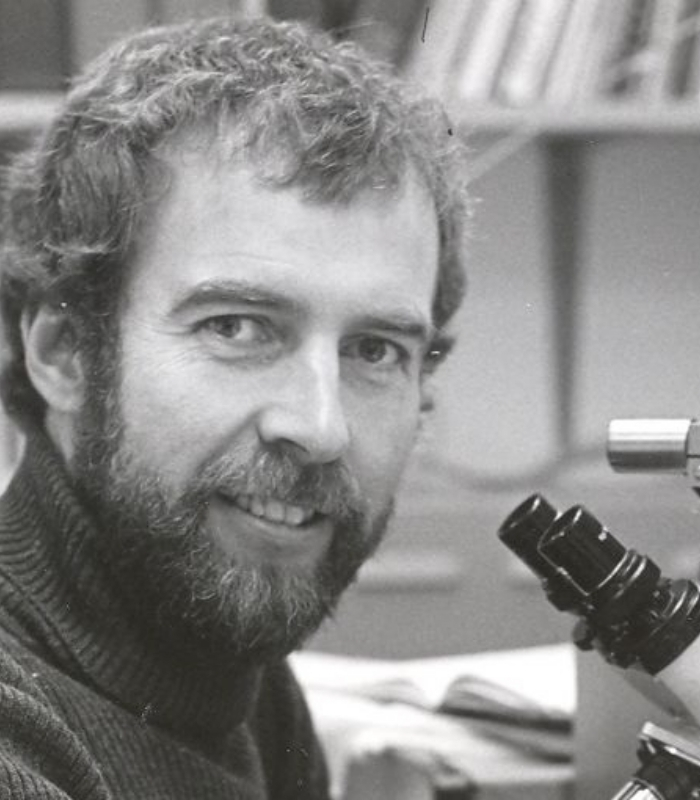
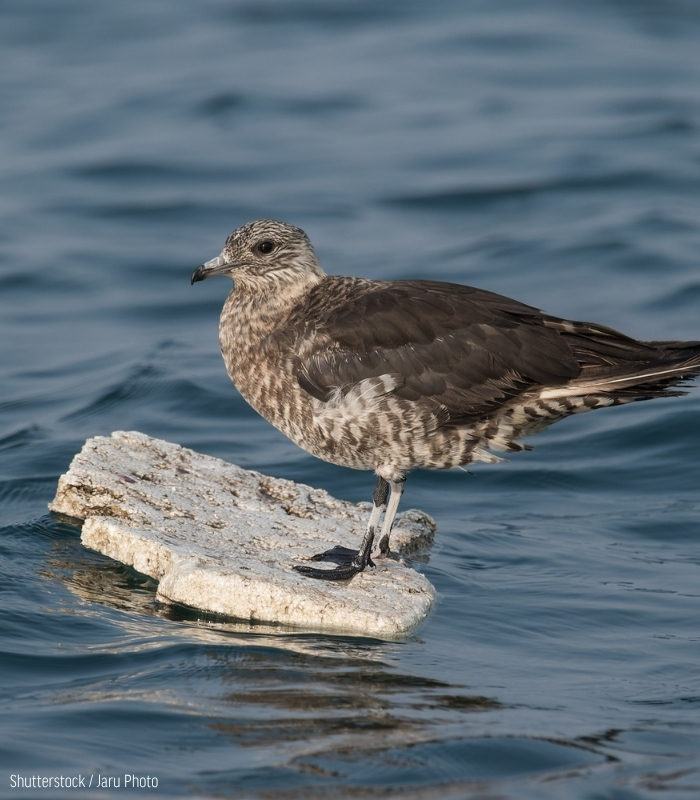
#DIDYOUKNOW: Before the world noticed, Dr. Edward Carpenter was one of the first scientists to document plastic pollution in the ocean.
But to his surprise, when he brought this discovery to the world, he wasn’t met with much of a response.
Read more: oceana.ly/3S1Q9xp
23
110
3,067

Oceanography retweeted
Deep-sea octopus fr genus Cirrothauma, filmed 2,923 m beneath the Ocean’s surface during the #Doldrums expedition.
For #WorldOceanDay we paired this footage with a Mary Oliver poem, as part of our #PoetryInOcean series. Read the full caption here: youtube.com/shorts/CnAC892Q1…
6
24
2,342
Oceanography retweeted

Jun 8
On World Ocean Day we celebrate all the new discoveries made by scientists in the Ocean Census Science Network. More than 2000 since the programme began in 2023! 🪸 Meet the new species on Ocean Census NOVA, and support our species discovery mission. oceancensus.org/nova/
5
14
1,009
Oceanography retweeted

Jun 3
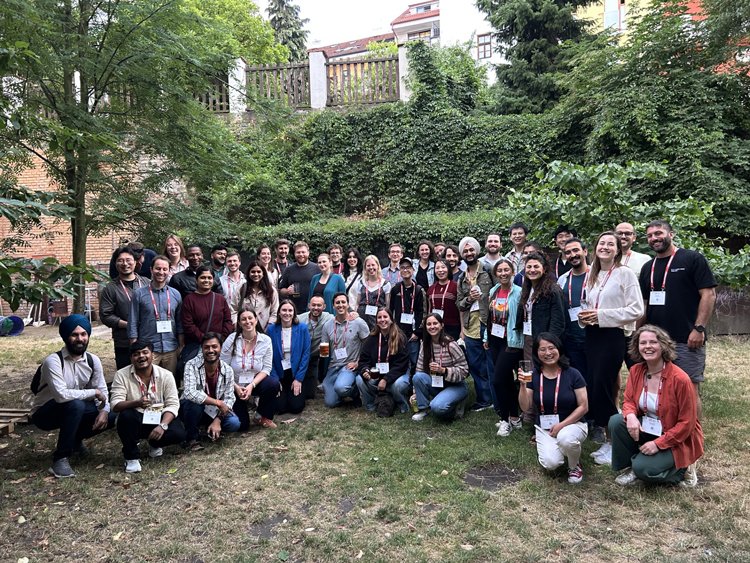
📢Applications are open for the 2026 GEOTRACES Early Career Scientist (ECS) Committee! 🌊
Join a global network of ocean scientists and help shape ECS activities across the GEOTRACES community
Apply by 3 July 2026:
geotraces.org/2026-ecs-call/
#EarlyCareerScientists #MarineSciences
3
6
224
Oceanography retweeted
What do shrimp see? “These guys have completely different eye designs,” according to Dr. Jan Hemmi, a visual neurobiologist. Their large eye size tells Dr. Hemmi and his colleagues that eyes are pretty important to these animals. #designingthefuture3
2
41
174
5,219
On first glance, seagrass may not look like much, but it’s the unsung hero of our seas. 🌿🌿
Seagrass beds absorb & store huge amounts of carbon dioxide, stabilize seafloor sediments, and provide food and shelter for countless species.
Speak up to protect ocean habitats today: oceana.ly/48ImagU
7
88
206
4,403
Oceanography retweeted

May 12
This is astonishing me (again). Tintinnids are now blooming. (cf with my May 6th post.) But they are the 'only' zooplankton in my coarse (280 µm) and fine (90 µm) net tows. This video is the samples combined under the microscope. (Diatoms are blooming too.) But 'no' mesozooplankton or meroplankton (larval forms). Just like last summer, devoid of copepods, crab larvae etc. Why, and what are the implications? @zeiss_micro @natgeo
2
19
74
3,172
Oceanography retweeted

16 Nov 2023
Experts estimate between 88%-92% of species in the Pacific Ocean’s Clarion-Clipperton Zone (CCZ) are undescribed or undiscovered.
With so little known, mining in the CCZ would put hundreds of known and thousands of unknown species at risk. #DeepDay pew.org/3ryRSxe
5
11
1,024
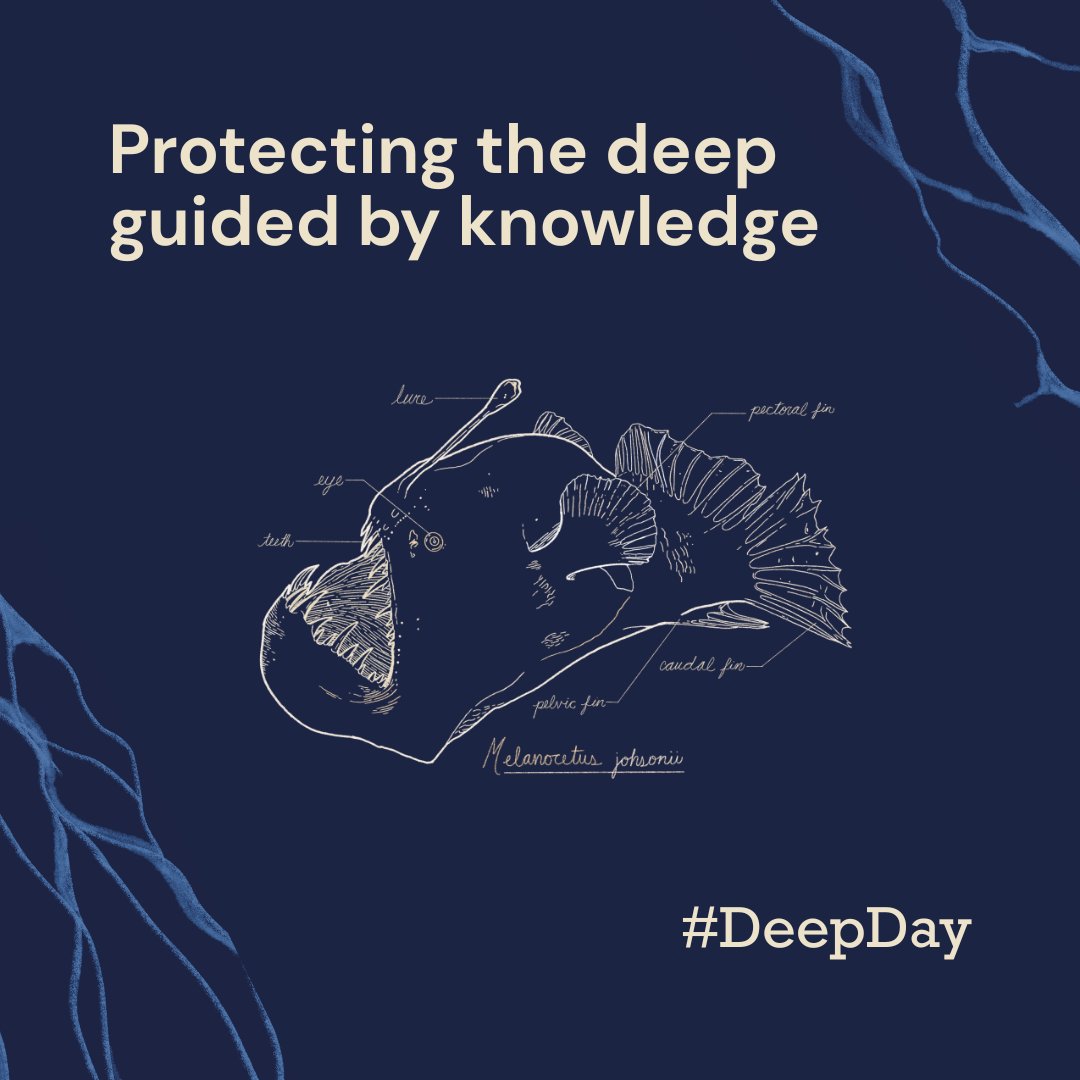
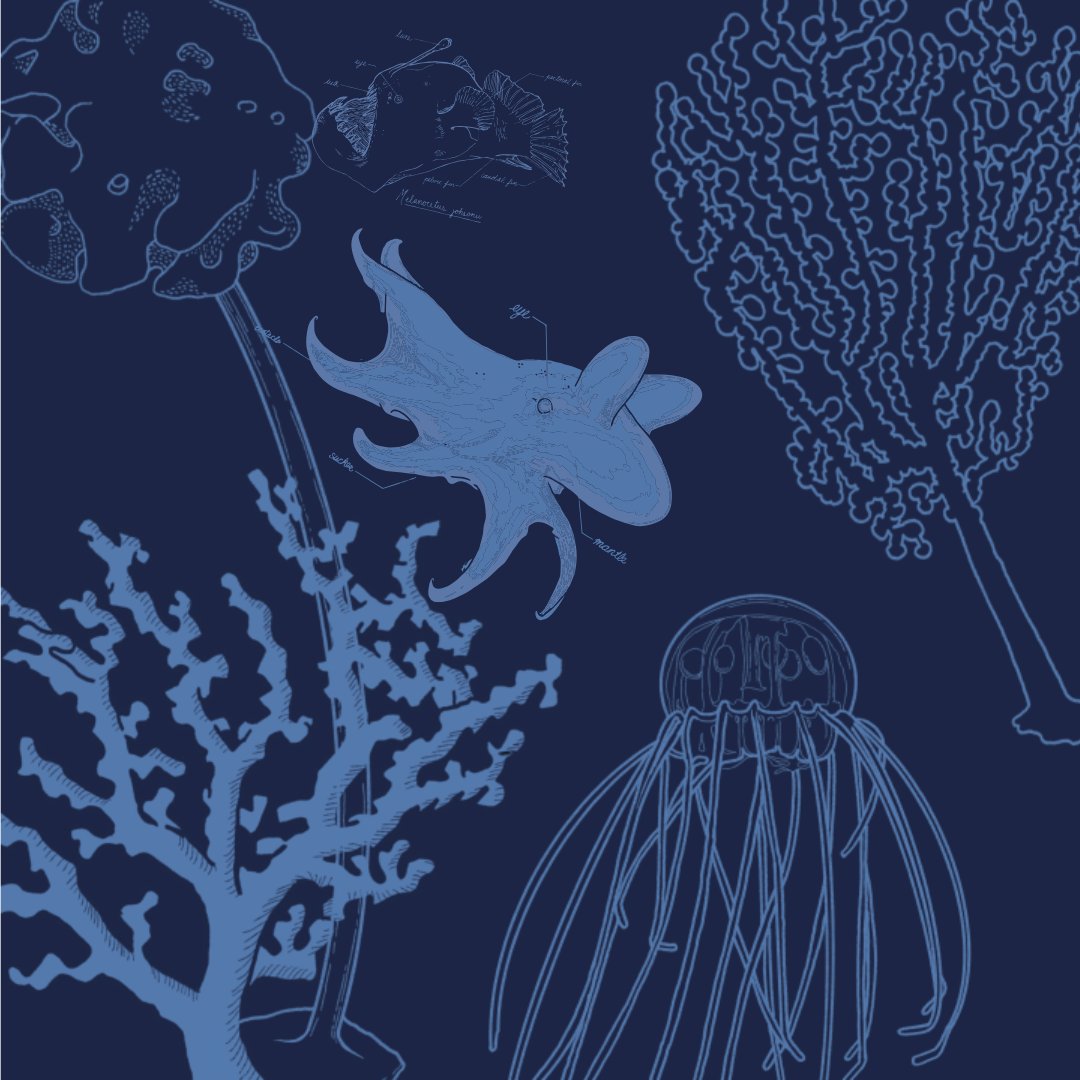
Happy #DeepDay!
Today is all about celebrating the deep sea —our planet’s largest, least explored habitat—and advancing knowledge to protect it. Because the more we know, the better we can #DefendTheDeep: bit.ly/3RUrojw
9
30
98
3,246
Oceanography retweeted

Feb 13
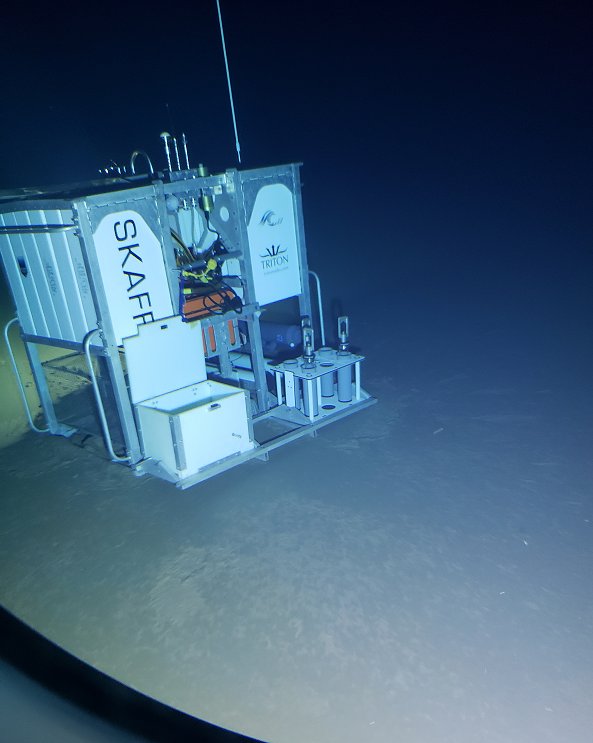
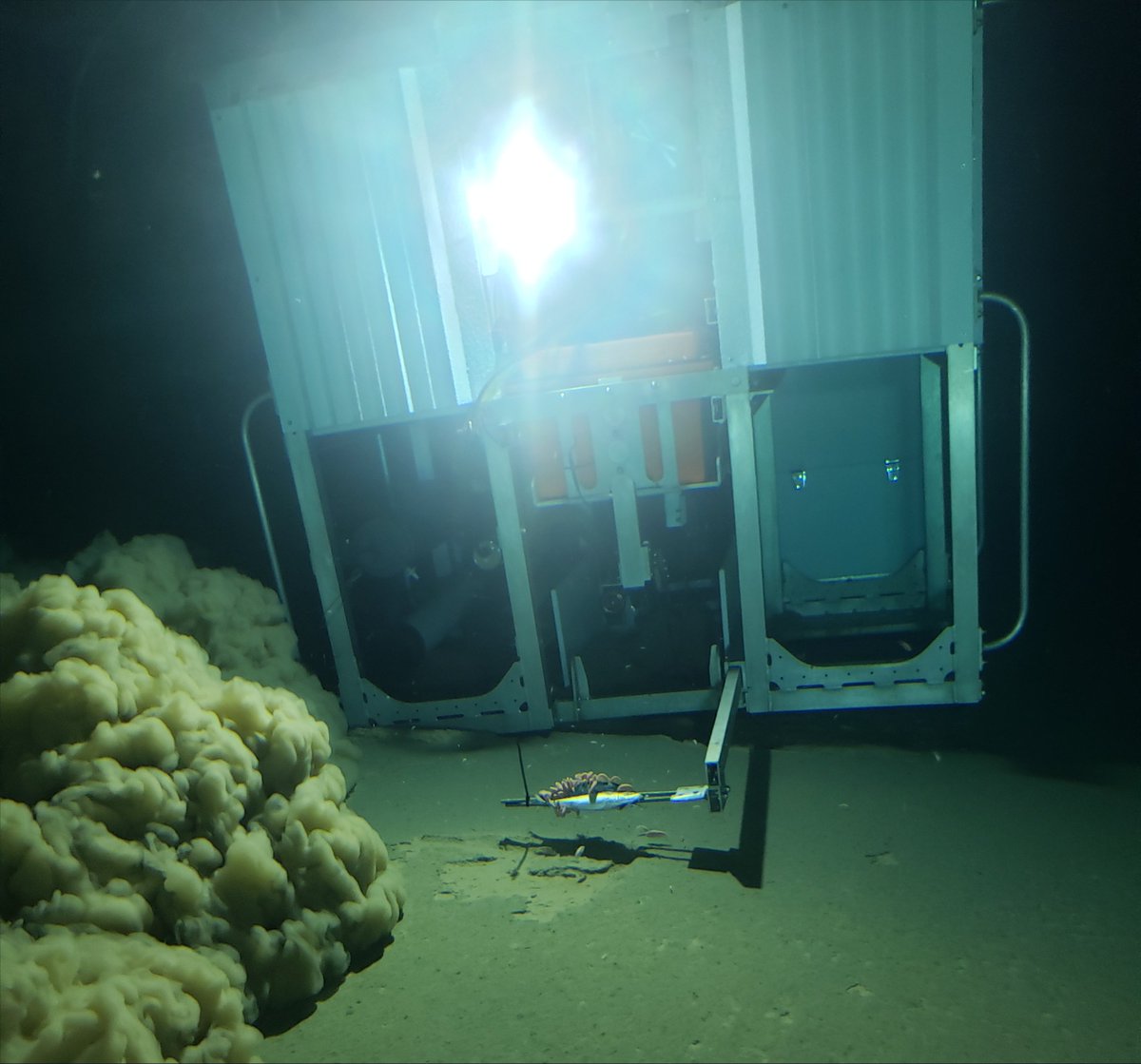
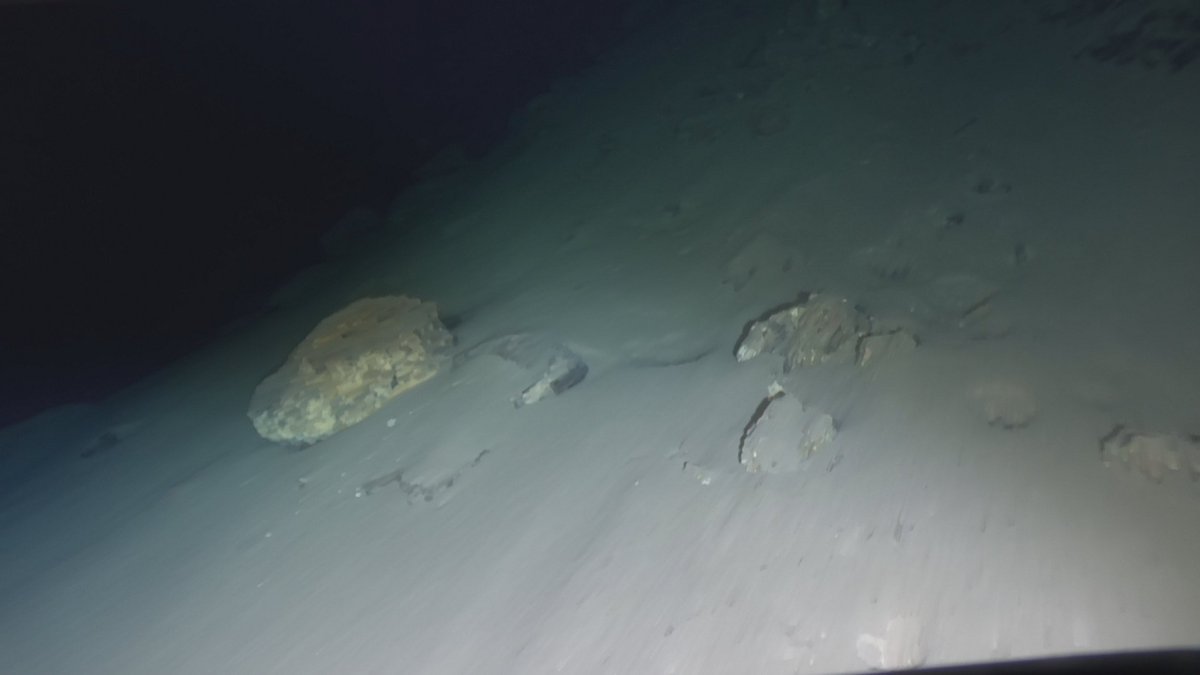
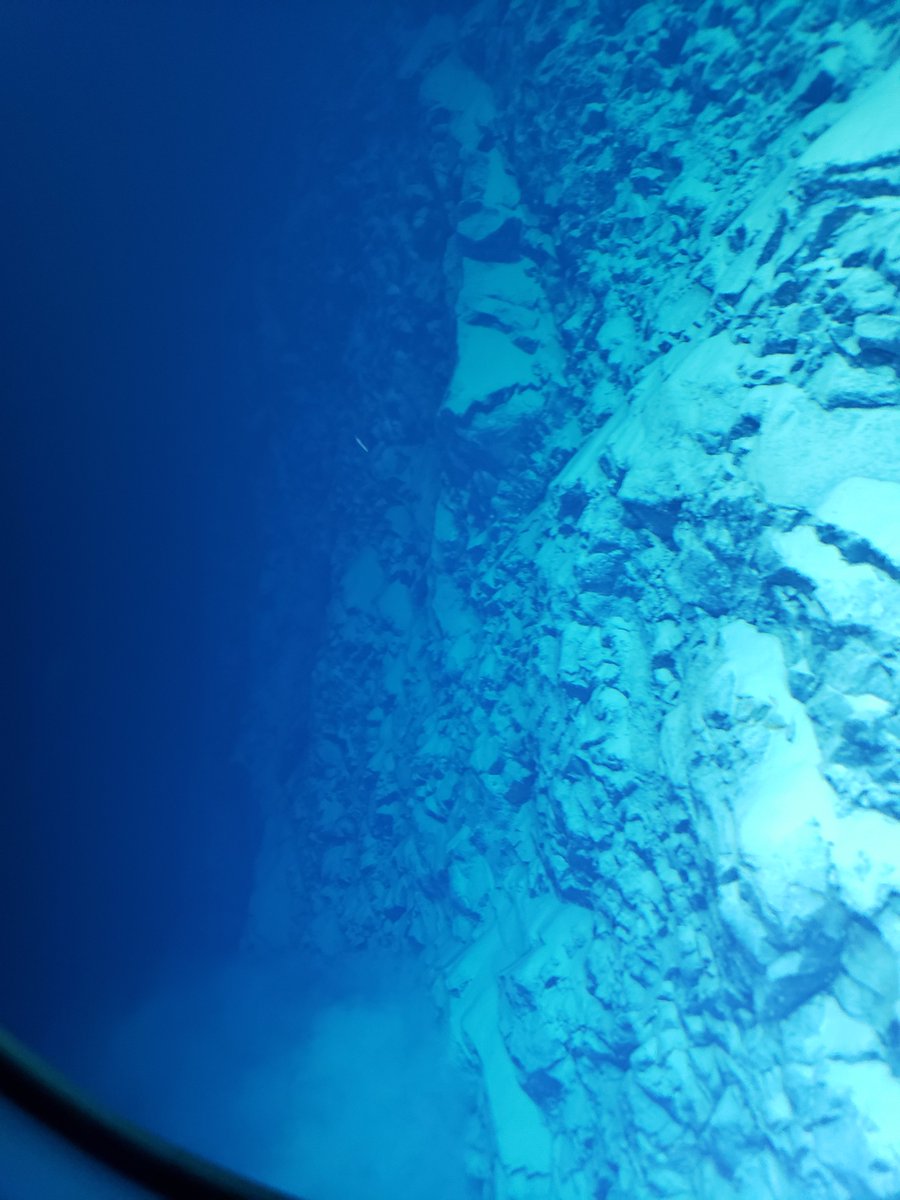
Well, here are some pictures I personally took at the bottom of Challenger Deep, 10,935 meters. Light does indeed cast about 25-35 meters even there. G'day.
2
6
129
Oceanography retweeted

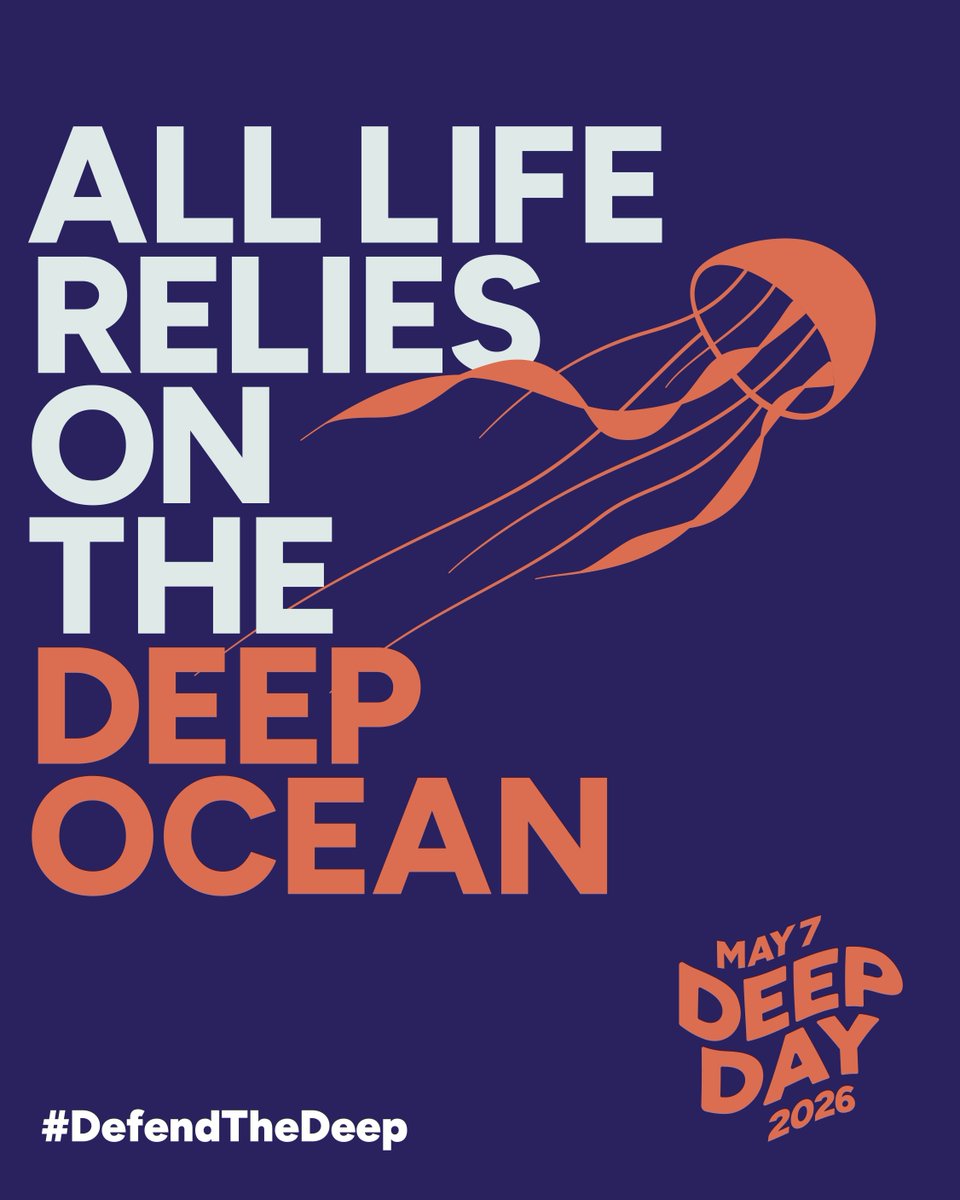
💙 Today is #DeepDay, a day to celebrate the deep ocean and stand up for its protection. As govts consider the future of the deep ocean, now is the time to support the growing calls for a global moratorium on deep sea mining.
Together, we can #DefendTheDeep.
#DSMC #StopDSM
1
5
9
122
Oceanography retweeted

Apr 23
Ctenophore, commonly known as Venus girdle, during a dive with ROV SuBastian, around 200m. This is the largest known ctenophore, resembling a twirling, transparent ribbon that gently glides through the water. #designingthefuture3
2
37
126
4,068
Oceanography retweeted

Apr 20
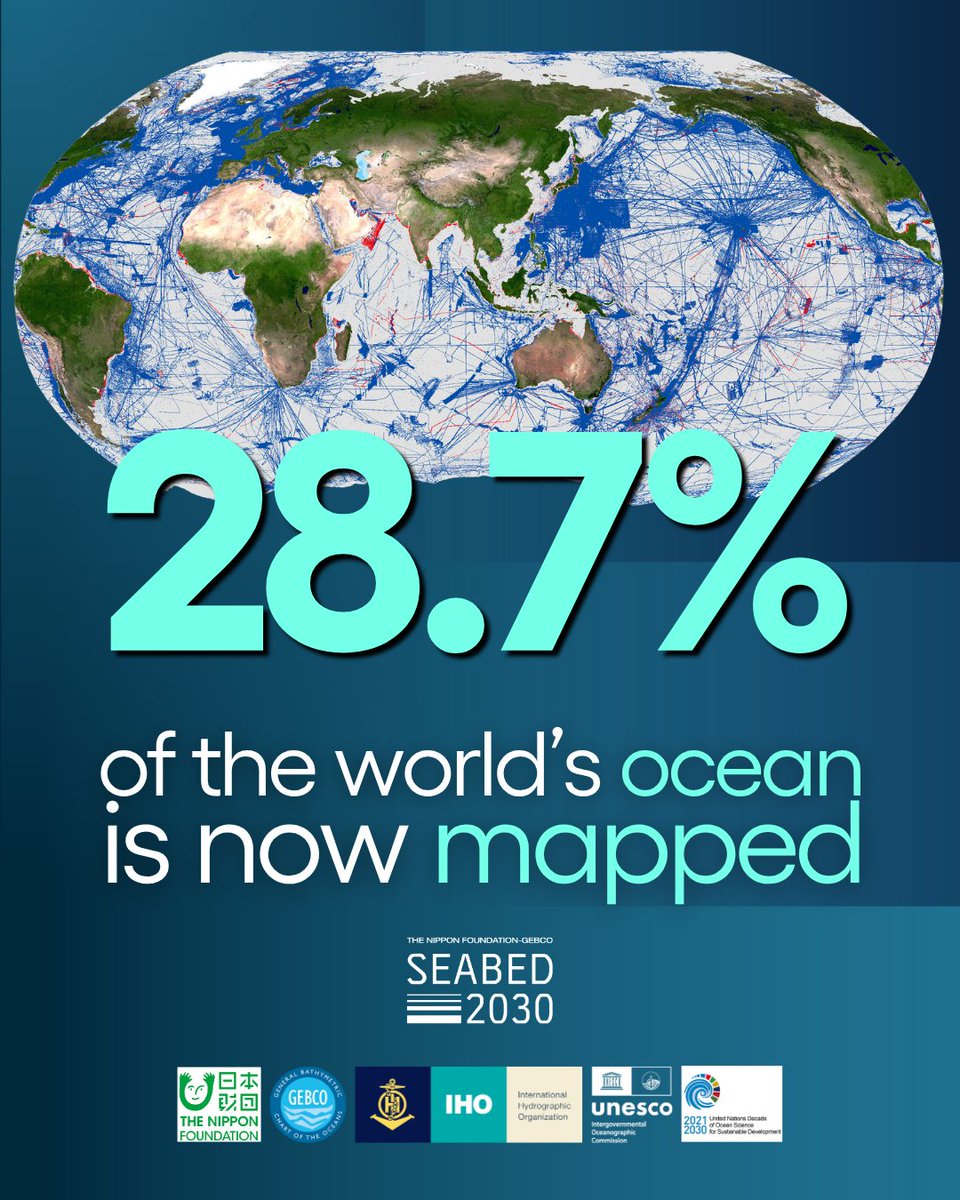
📢 28.7% of the world's #oceanfloor is now mapped.
That’s equivalent to more than two-thirds of the Earth’s land surface - with almost 5 million square kilometres of new seabed data added in the past year alone. 🌎
1
19
32
9,262
Oceanography retweeted
Apr 23
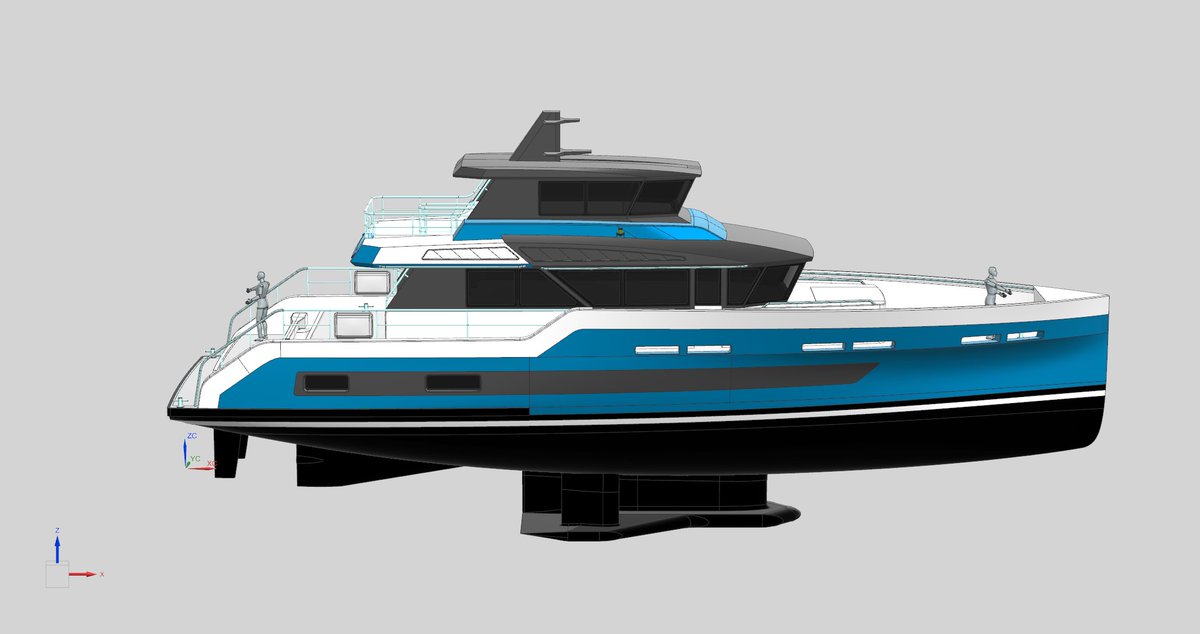
Just a small short on the timeline to build, and capabilities of, the Ocean Mapping vessel I am working on. Current activities are trying to get it "classed" by DNV to ensure quality and safety once built. Paperwork, but very important paperwork.
7
10
50
3,819
Oceanography retweeted

🚀 It's almost time to welcome the #ArtemisII crew back to Earth! 🌏 Scripps space researchers spoke with media to share more about what the Artemis II mission means to local space researchers and the cutting-edge lunar and solar system research taking place here in San Diego.
1
4
10
887
Oceanography retweeted
Apr 3
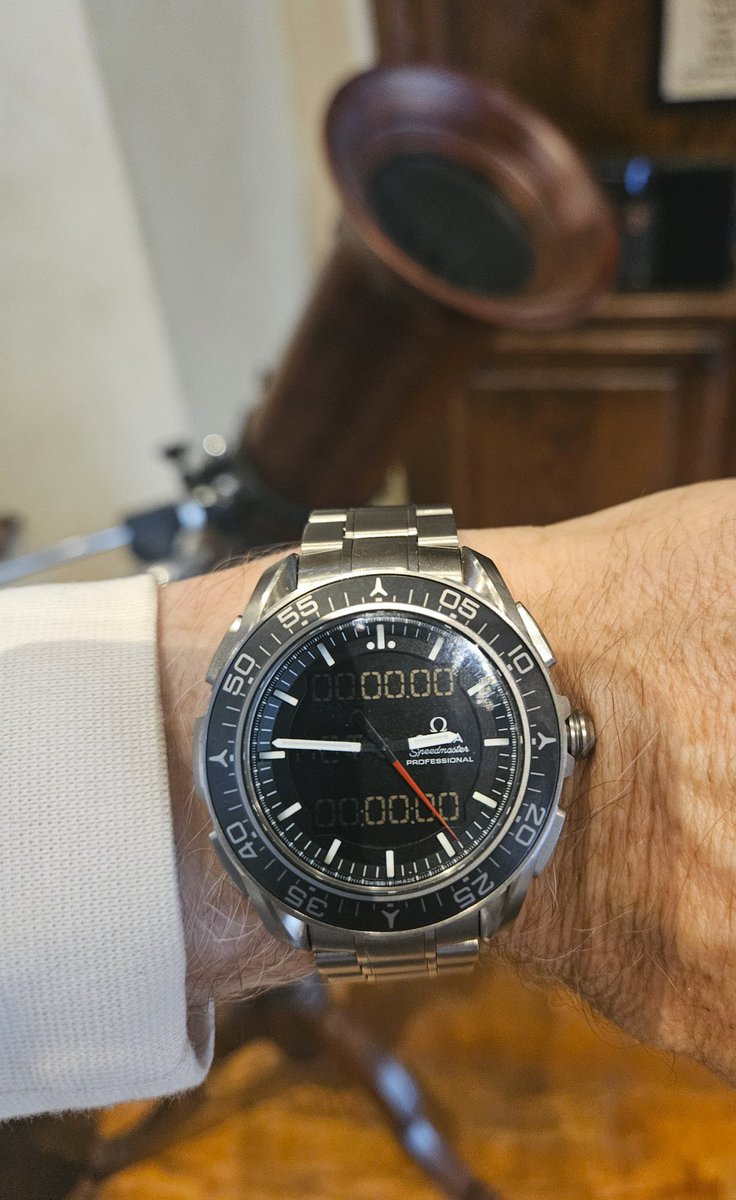
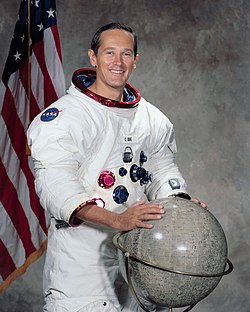
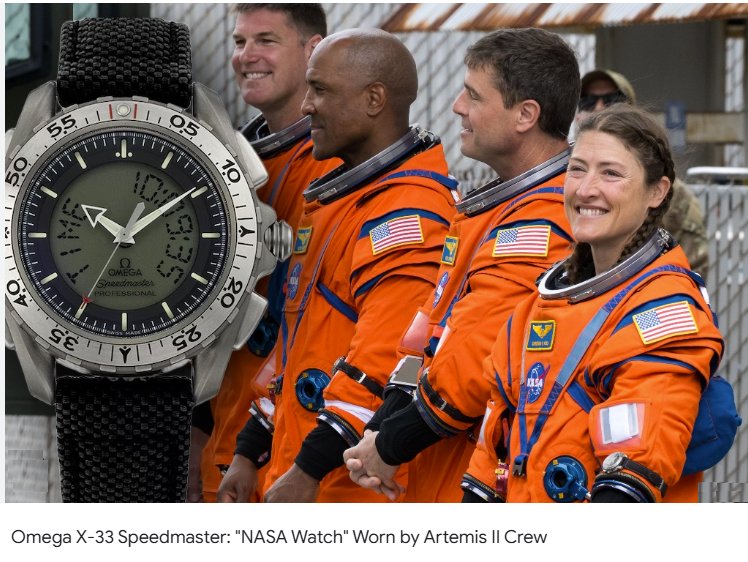
Congratulations Artemis II crew and team! In commemoration of their flight, I'm wearing my Omega X-33 until they make it safely back. It was granted to me by fellow Omega Ambassador Charlie Duke, youngest person to ever walk on the moon right before my own space flight in 2022.
8
18
225
16,225