
Official @NOAA account for NOAA Ocean Exploration, the only federal organization dedicated to exploring and understanding our ocean.
- Tweets 6,912
- Following 795
- Followers 216,246
- Likes 814
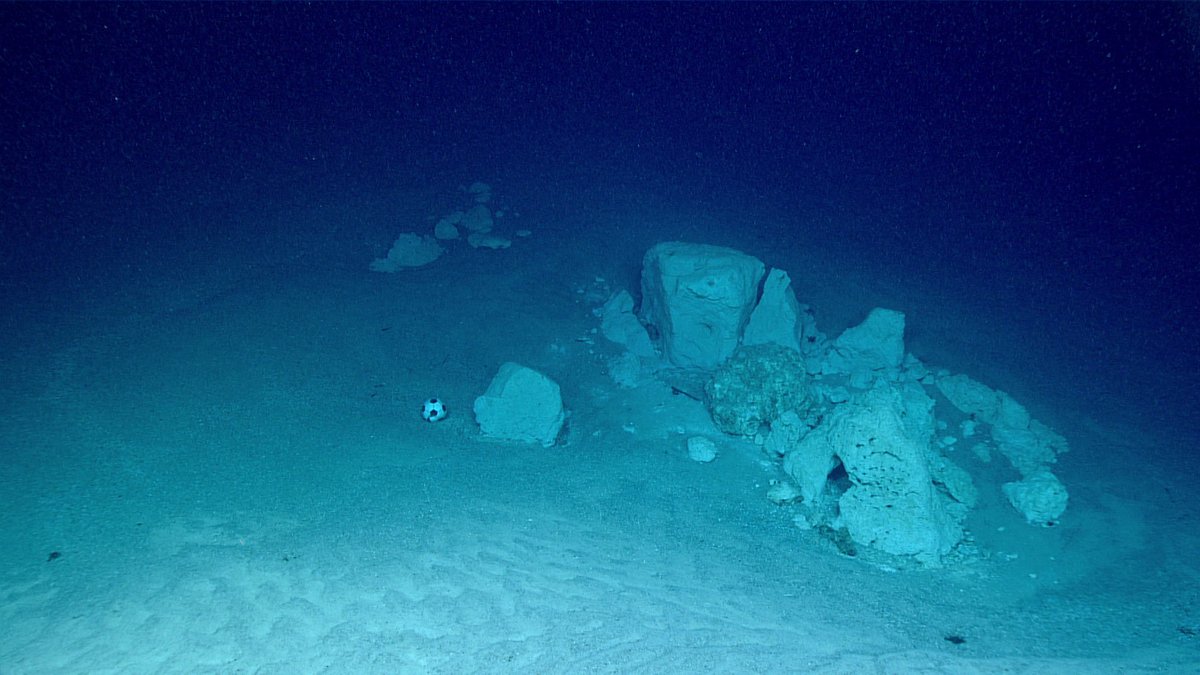

ALT A black and white soccer ball rests on the sandy ocean floor next to white boulders.
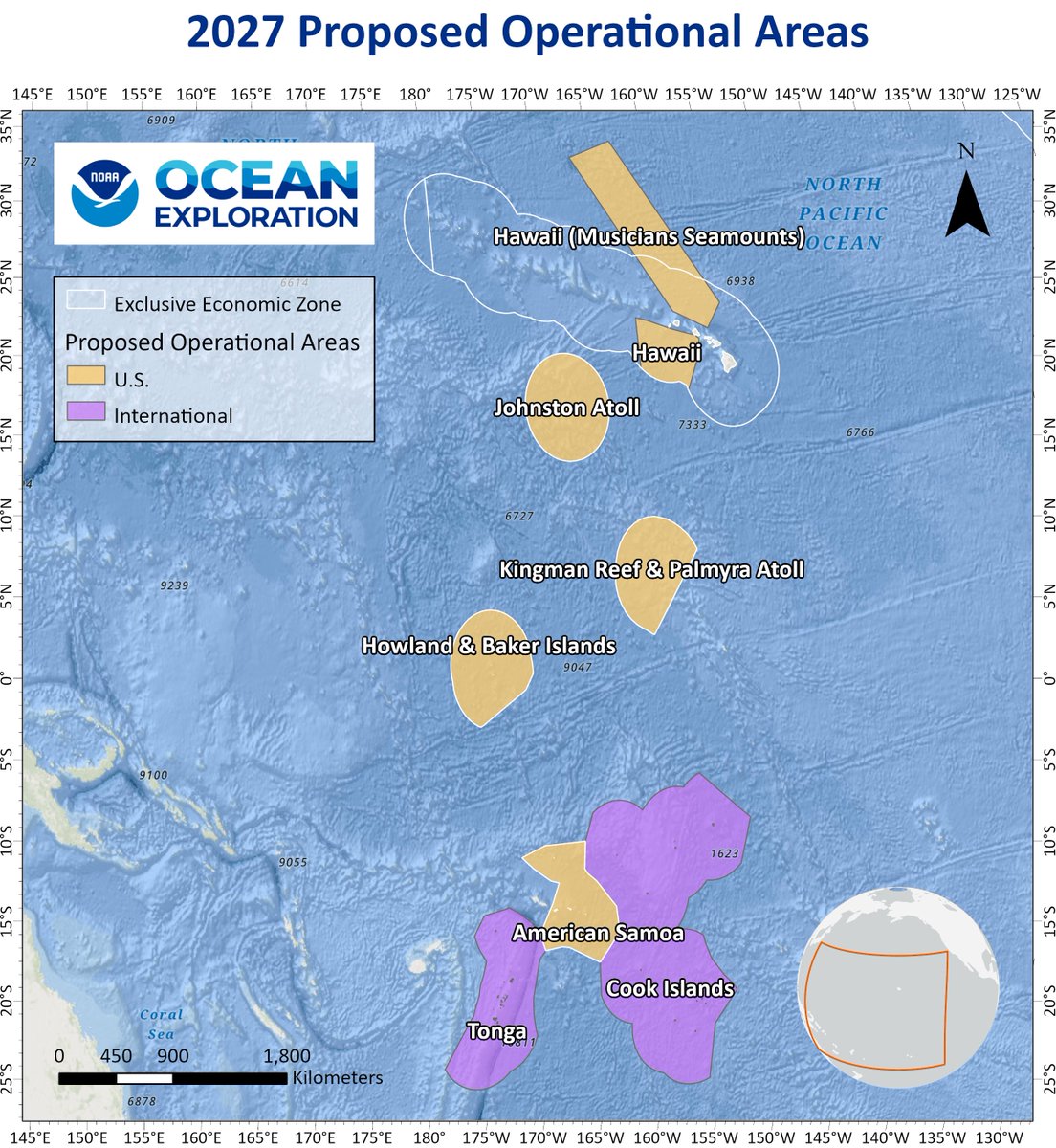
ALT Map showing proposed operational areas for NOAA's 2027 exploration in the Pacific Ocean, highlighting U.S. and International zones.
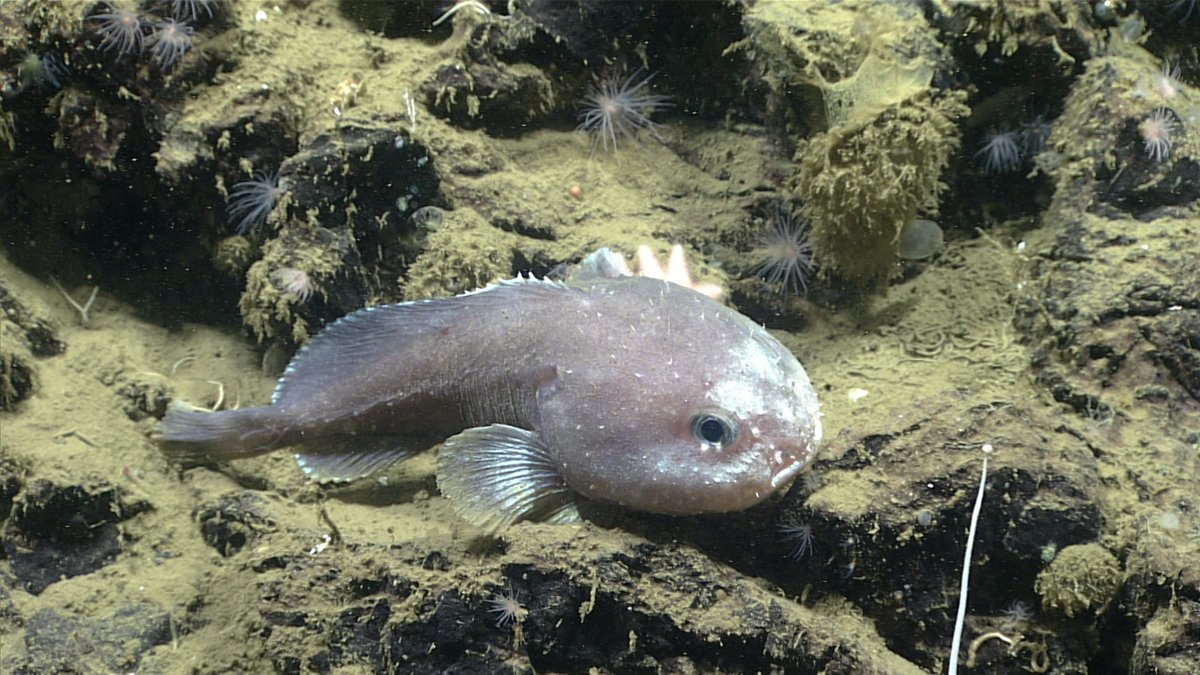
ALT Caption: The blob fish Psychrolutes phrictus is among the many fish, invertebrates, marine mammals, microbes, and more found in the recently released environmental DNA data from NOAA Ship Okeanos Explorer expeditions. Alt text: Purplish deep-sea fish rests on a silty, volcanic rock seabed.
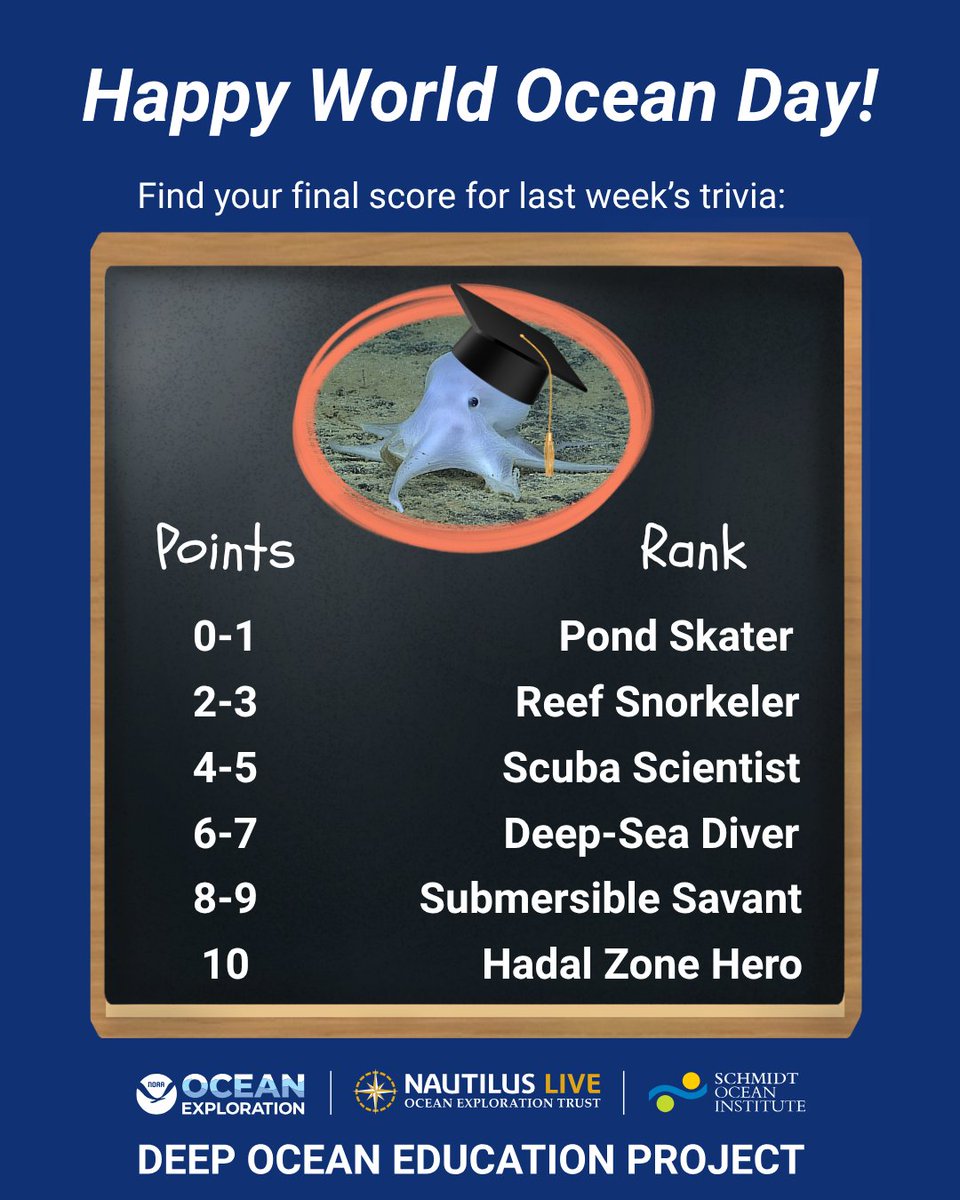
ALT A blackboard on a blue background. The blackboard explains point ranking categories as described in the post text. The blackboard also features an image of “Casper” the octopus with a graduation cap edited onto the octopus’s head. Logos for NOAA Ocean Exploration, Nautilus Live, and Schmidt Ocean Institute appear above the words “Deep Ocean Education Project.” Listed score categories include: “ 0-1 points: Pond Skater,” “2-3 points: Reef Snorkeler,” “4-5 points: Scuba Scientist,” “6-7 points: Deep-Sea Diver,” “8-9 points: Submersible Savant,” and “10 points: Hadal Zone Hero”
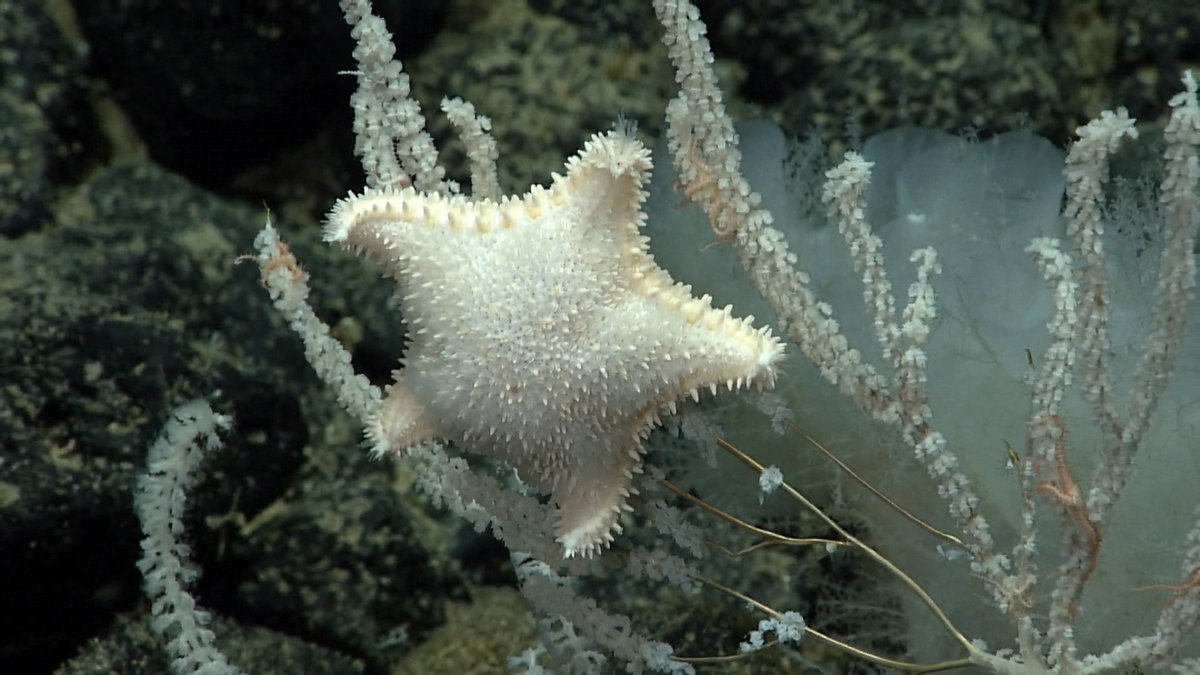
ALT Caption: Some of the deep-sea animals seen while prepping the remotely operated vehicles for the 2026 field season on NOAA Ship Okeanos Explorer during the 2026 ROV Shakedown. Alt text: A bumpy white sea star clings to branching deep-sea coral in a dark, rocky underwater environment.
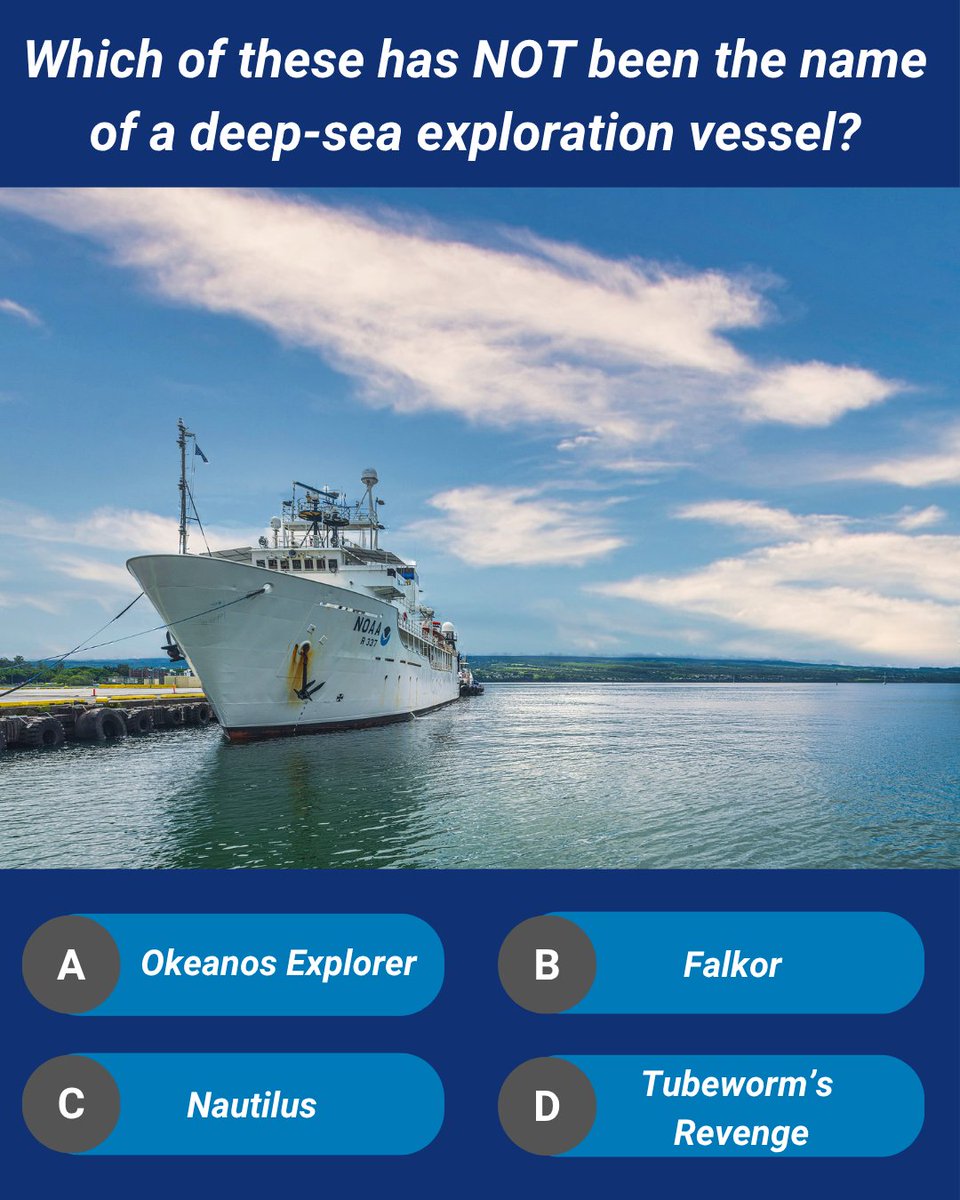
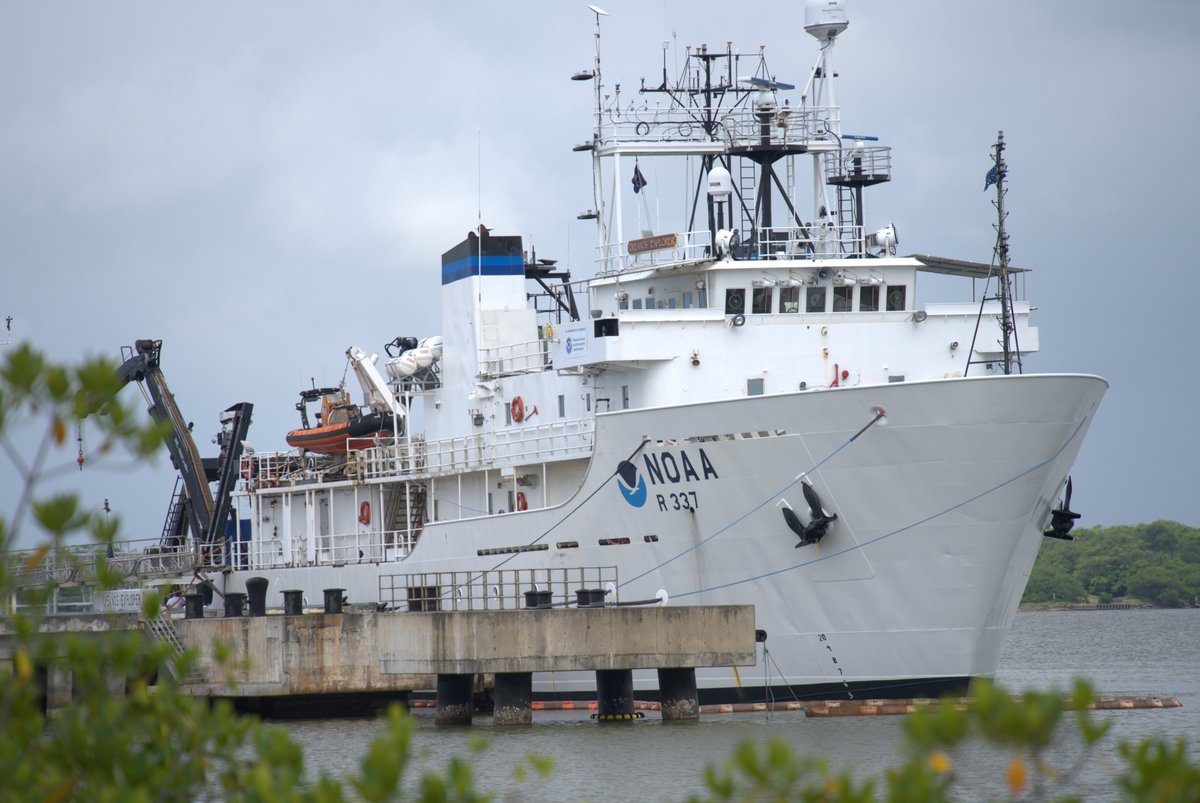
ALT A trivia question as described in the post text on a blue background. The image also features a white ship with NOAA symbols in port. The answer options provided are "A: Okeanos Explorer," "B: Falkor," "C: Nautilus," and "D: Tubeworm’s Revenge."
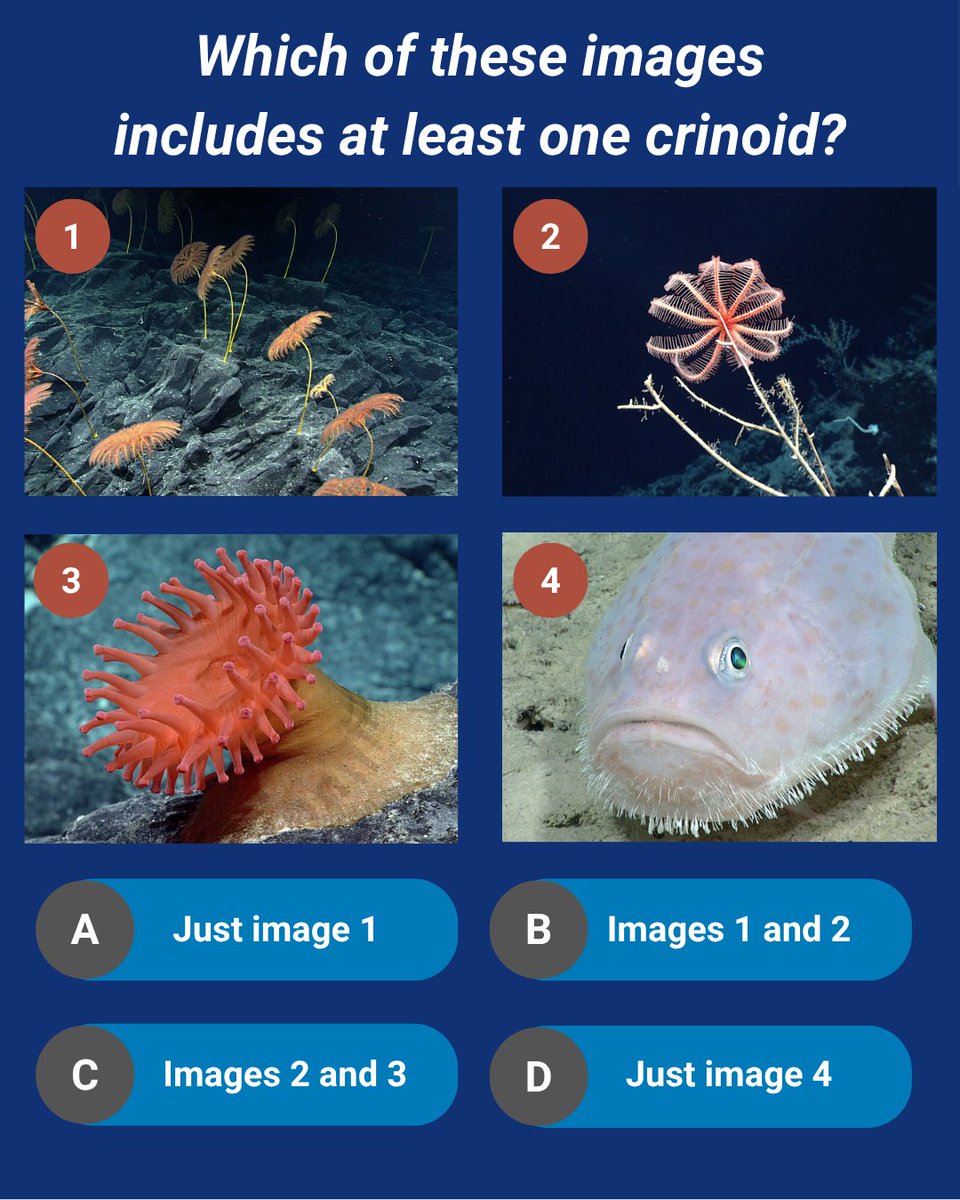
ALT A trivia question as described in the post text. Image 1 shows several stalked animals with feathery arms attached to the seafloor. Image 2 shows a many-armed creature attached to a stick-like feature extending from the seafloor. Image 3 features a soft-looking, orange animal with tentacles attached to the seafloor. Image 4 features a fish resting on the seafloor. The answer options are "A: Just image 1," "B: Images 1 and 2," "C: Images 2 and 3," and "D: Just image 4."
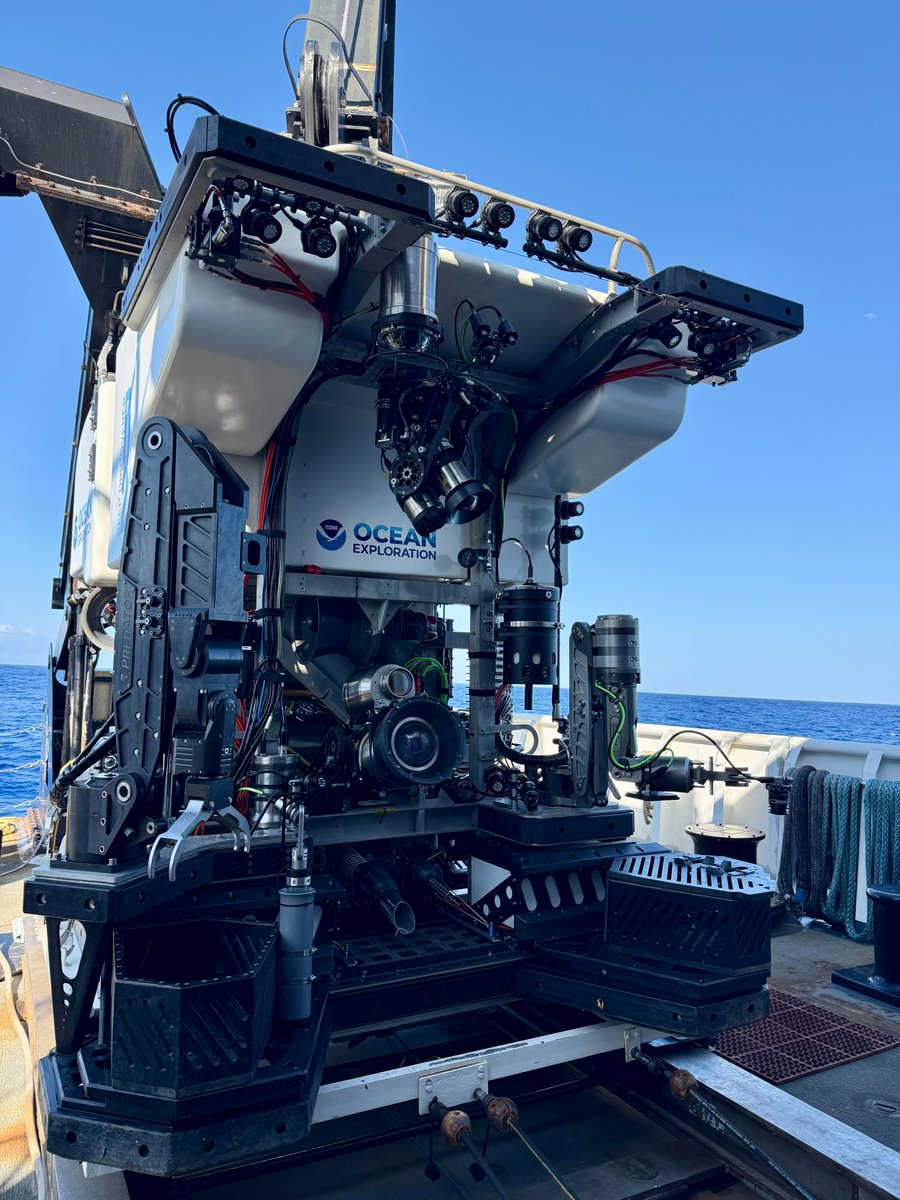
ALT ROV Deep Discoverer sits on a ship's open deck at sea, showcasing a manipulator arm, sampling equipment, and camera systems.
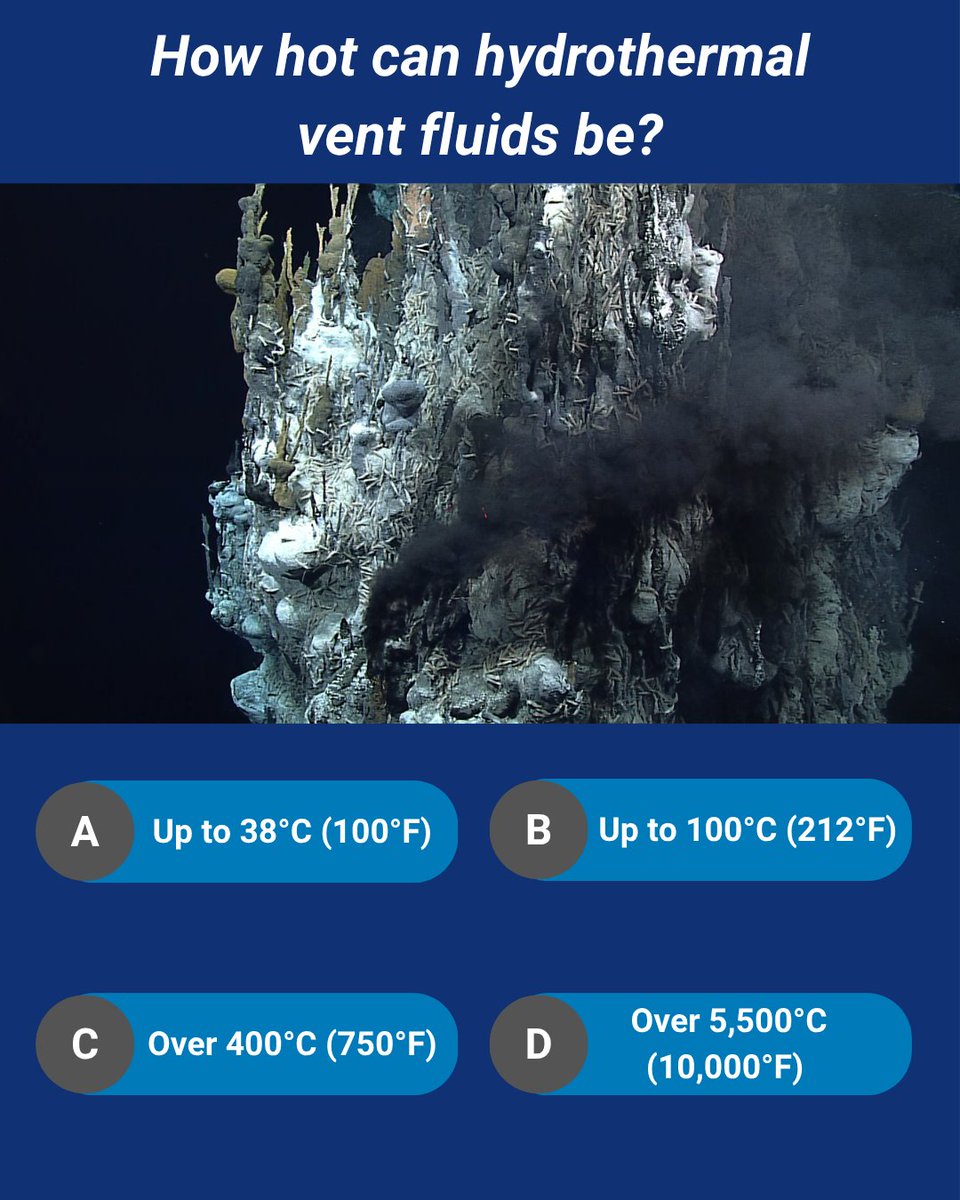
ALT A trivia question as described in the post text. The answer options are: A: Up to 38°C (100°F), B: Up to 100°C (212°F), C: Over 400°C (750°F), and D: Over 5,500°C (10,000°F) The media includes an image of a “black smoker” hydrothermal vent chimney.
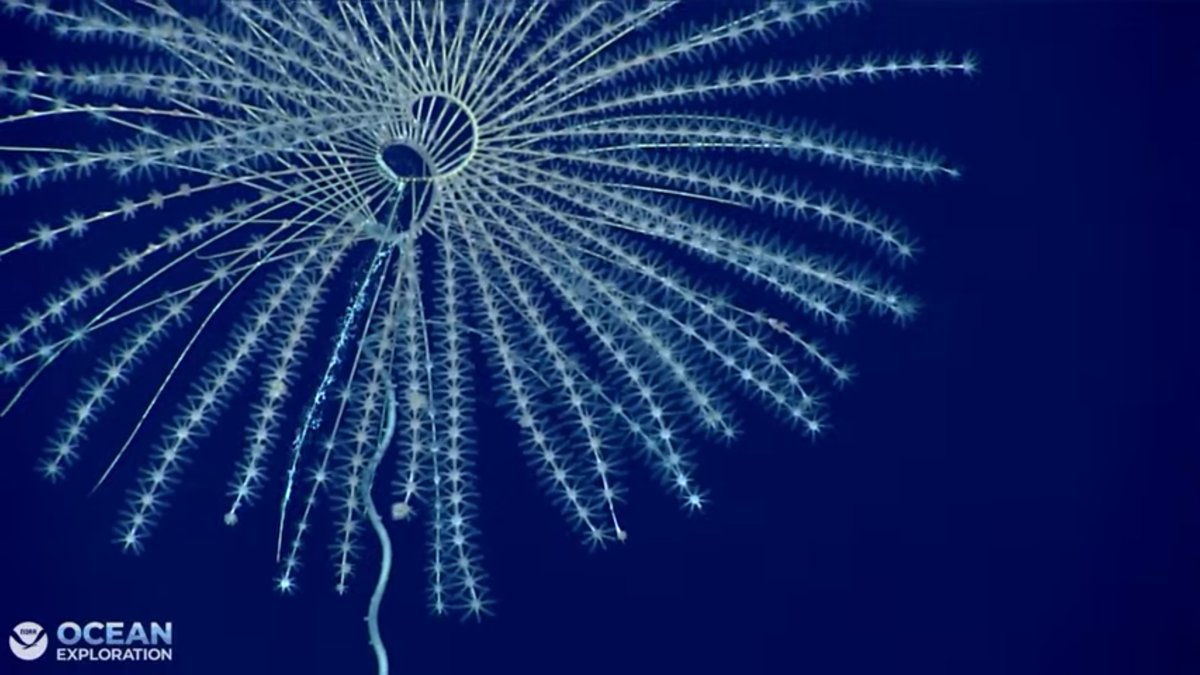
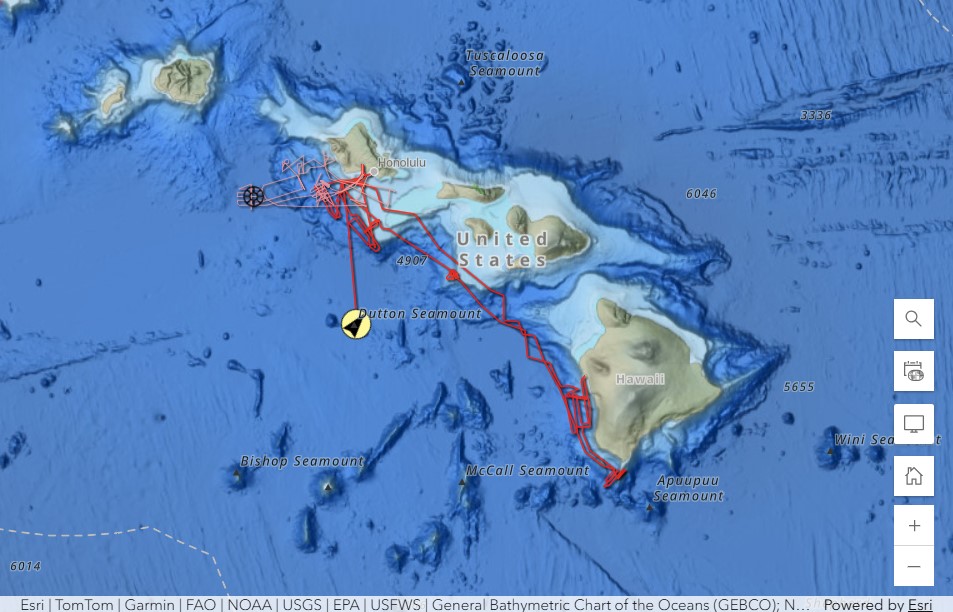
ALT Caption: An Iridogorgia sp. coral seen on Dutton Seamount during the 2026 ROV Shakedown expedition on NOAA Ship Okeanos Explorer. Alt text: A light-colored, deep-sea coral with delicate branches radiating in a wide, circular spiral pattern against a dark blue background.