Joined August 2021
- Tweets 5,320
- Following 3,881
- Followers 1,779
- Likes 19,042
358 Photos and videos


Pinned Tweet

31 Jan 2023
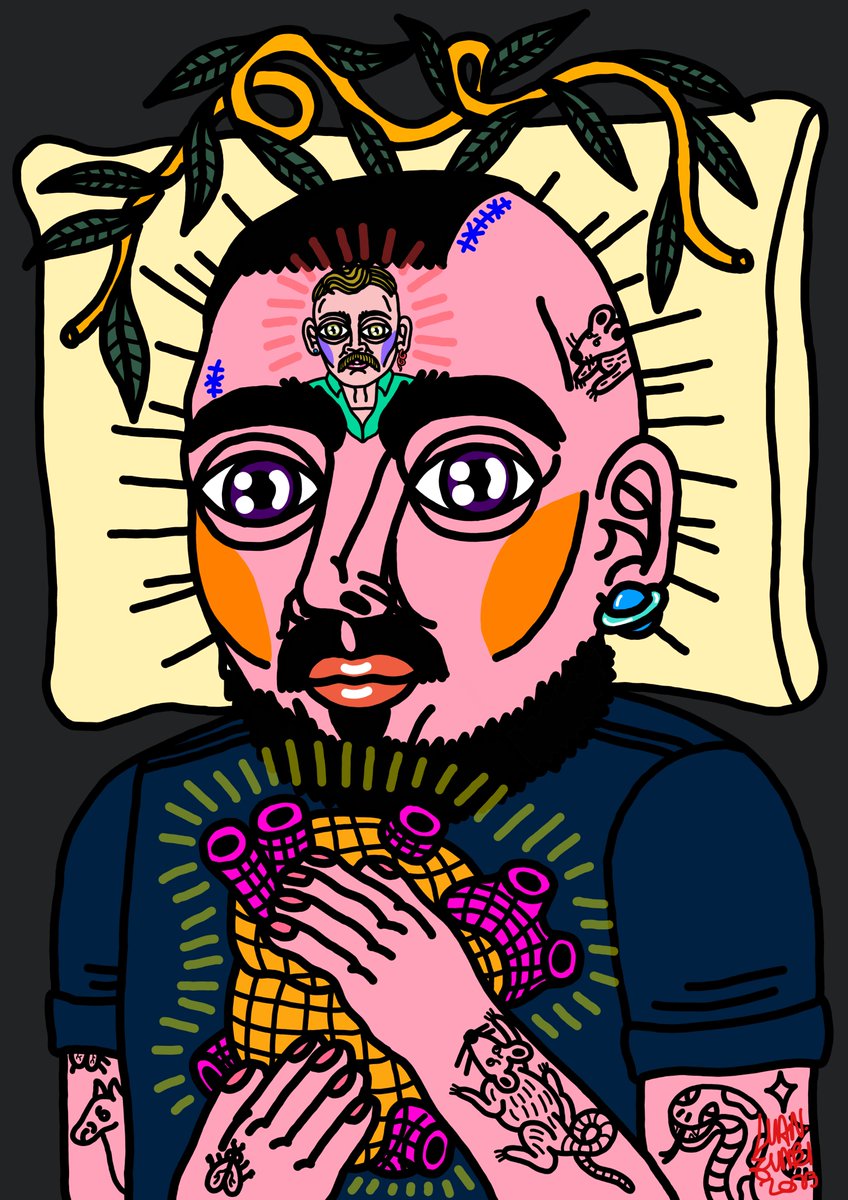
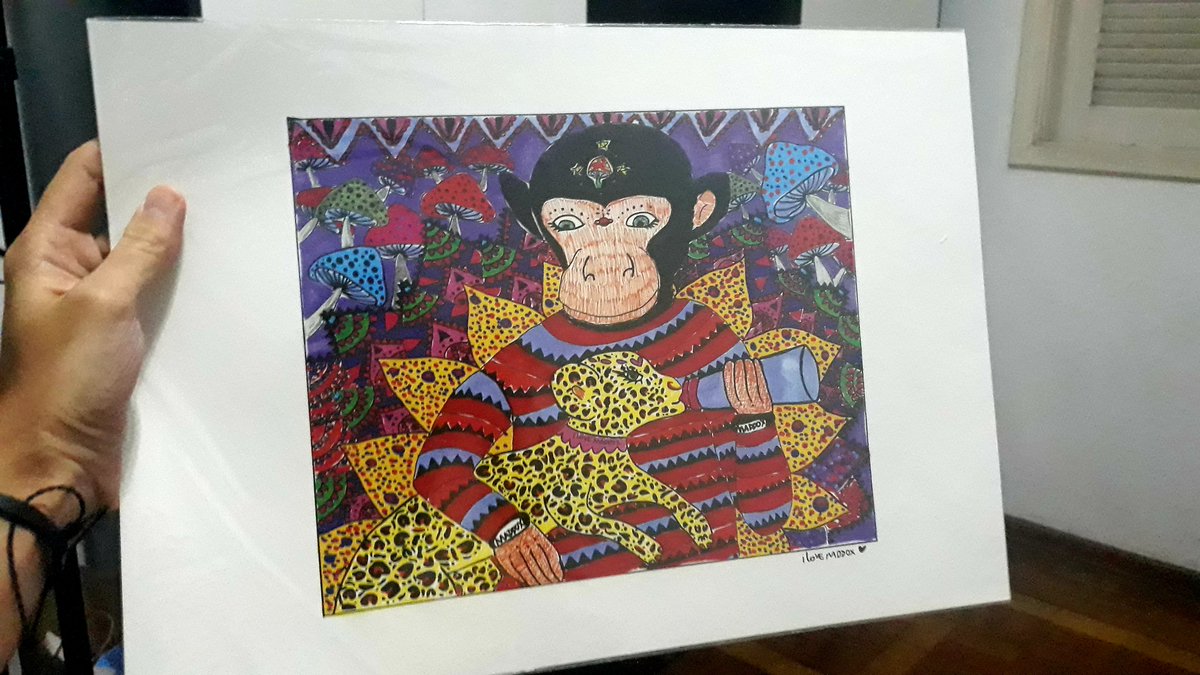
How it feels collecting art on #tezos: a thread of curated artworks collected in january 2023 🧵
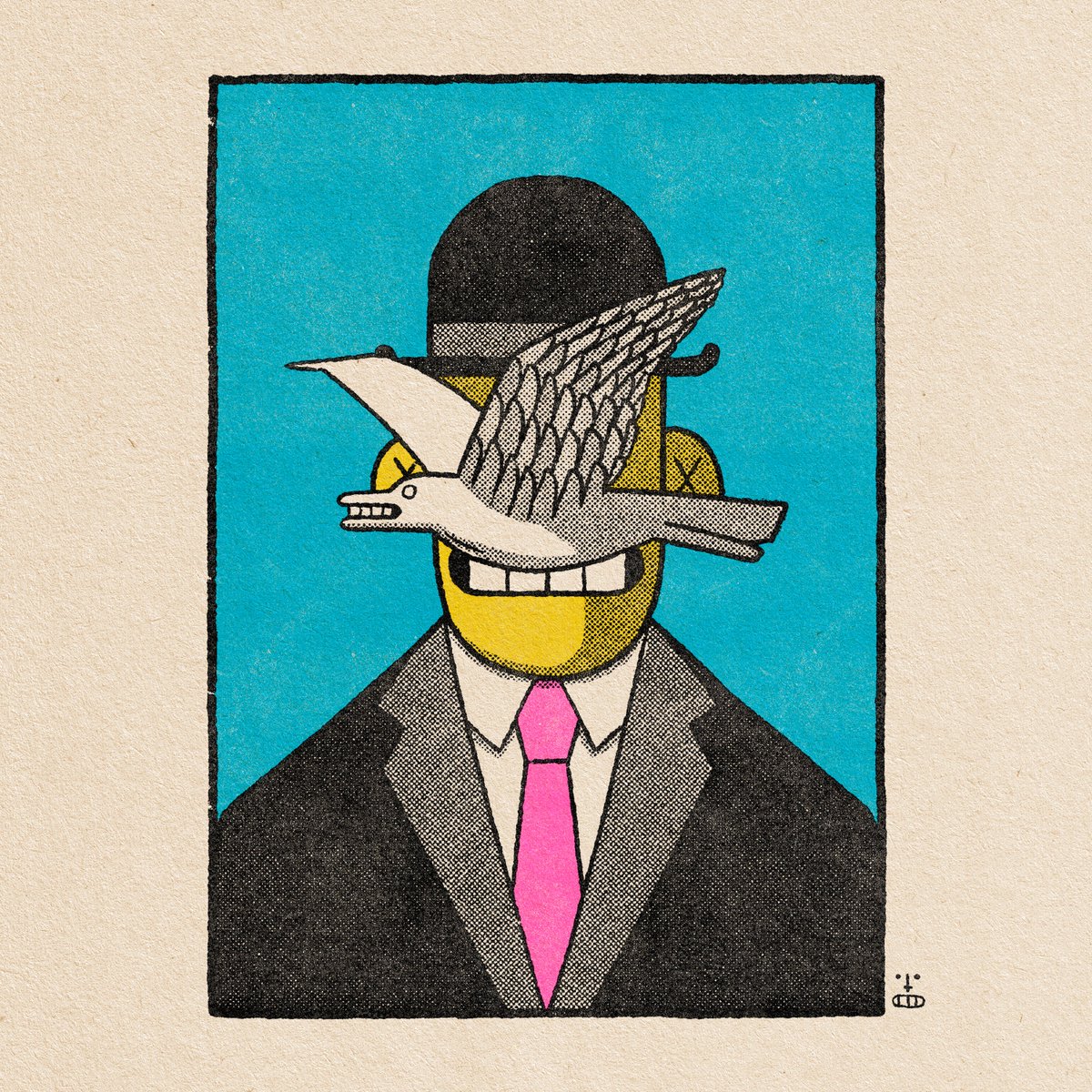
1. Drop 3 Pt.9 - Man in a Bowler Hat
Artist: @danielwponto02
21
18
83
2,475
13 Jul 2025
NFT's aren't an art format, but an art movement
Symple as that
4
67
13 Jul 2025
Omfg, it's been a really really long time since I touched anything nft-related, I'm talking about months!!
So, what's new around here? And what remains the same???
1
2
53
Lucas Andrade retweeted

10 Jan 2025
It is a great pleasure to present to you my first project of 2025, and I would like to thank @JimiWen @QM0x7 and the entire genify/deart_ai team for the activation
Anthropophagic Scale
in 10 days, in genify 0.009 ETH (base)
genify.xyz/collection/scale
4
9
30
1,984
14 Jan 2025
You think its funny to take screenshots of people's NFTs, huh? Property theft is a joke to you? I'll have you know that the blockchain doesn't lie. I own it. Even if you save it, it's my property. You are mad that you don't own the art I own.
Delete that screenshot.
2
5
107
Lucas Andrade retweeted

14 Jan 2025
EXTRUSION by @0010_888
rodeo.club/post/0x5F72C25f00…

2
4
25
1,129
Lucas Andrade retweeted

10 Jan 2025
Bring back the crying videos of artists after a sale
86
12
265
13,646

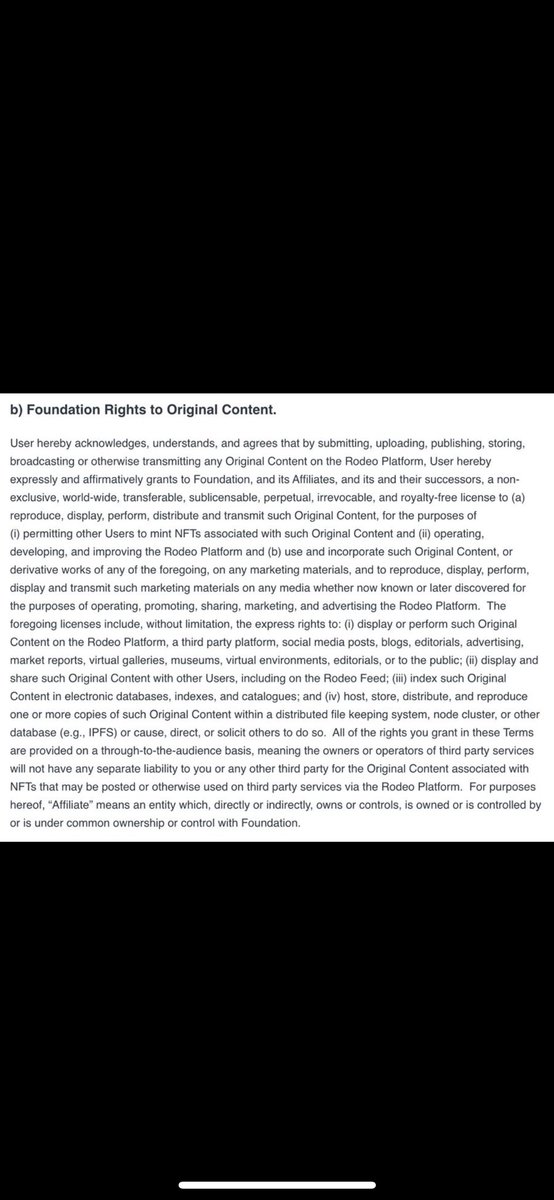
This isn’t my first Rodeo. This licensing clause is shit for artists and rehashing much of the worst of web2. To make this less opaque - once you upload, Rodeo can use, reproduce, and distribute your work in any way they see fit, for as long as they want, anywhere in the world, and without paying you a dime. That’s a perpetual, irrevocable, worldwide license to do whatever they want.
It also doubles down on the same centralized structures we need to escape. They can host, index, and profit from your work in massive, locked-down databases, effectively recreating the same walled gardens that gave creators so little say in how their art was circulated or monetized. Slapping a “Web3” label on top doesn’t fix that problem.
They can also mint NFTs and cook up derivative works without involving you in the process or sharing any revenue. That’s basically a blueprint for repeating all the worst exploitation we saw in the old IP landscape. If the policy reads like it’s paving the way for a cash grab, it’s probably because it is.
The sweeping rights they’ve granted themselves practically erase your ownership. If Rodeo’s platform terms sound way too much like Web2’s exploitative playbook, chances are they’re not looking out for you, so keep your eyes open. 🏴
201
191
819
104,370
Lucas Andrade retweeted

7 Jan 2025
In recent days, I have been closely observing the debate unfolding about Rodeo, the new social network that allows users to collect digital artworks for just a few cents.
This platform is generating both criticism and praise, raising a series of reflections on the value of art, the identity of a social network, and the future of artists in a context that seems increasingly oriented toward consumerism.
Is it really a social network?
The first question I ask myself is: can we define this platform as a social network? Its structure seems more geared toward encouraging buying and collecting artworks rather than fostering the simple exchange of ideas or interaction between users, which are the pillars of traditional social networks.
Here, art seems reduced to a quick consumption item, a commodity to be bought and sold as casually as a fast-food hamburger.
This makes me reflect: how much does this dynamic influence the way we perceive art and the role of the artist?
A traditional social network is built on creating connections, sharing experiences, and publishing content that often tells personal or collective stories. Rodeo, on the other hand, seems constructed around the economic value of the artworks, minimizing the relational component.
Perhaps it’s worth questioning whether the term "social" is still appropriate to describe a platform that centers commerce rather than people.
A new gold rush
There’s an air of "gold rush" surrounding Rodeo, with FOMO dominating users’ choices.
But is this FOMO really justified? What are people running after? From a collector’s perspective, it might be fun to return to collecting in this way, with a model reminiscent of collectibles.
However, it is important to call things by their name: this is a market for digital collectible items, not a cultural revolution.
This phenomenon leads us to reflect on the nature of modern collecting.
Once, collecting meant building an emotional connection with the objects gathered, dedicating time to the search, and attributing personal value to each piece.
Today, however, a more superficial approach seems to prevail, driven by the desire to own something popular or the hope of making a quick economic gain.
This transformation risks impoverishing the collecting experience, reducing it to a mere act of consumption.
New perspective
Is there a need to adopt this new formula to chase a sense of dopamine, to try something new? Of course, evolution and experimentation are part of an artist’s journey, but can we truly call it experimentation to sell phone wallpapers for a few cents? One day, unique artworks (1/1) sold at significant prices are celebrated, and the next, multiple editions at very low prices are embraced, often after openly criticizing this model.
Another aspect to consider is the emotional and psychological impact of this dynamic on artists.
Selling works at rock-bottom prices can generate a sense of devaluation of one’s work, undermining confidence in one’s creativity.
Additionally, adopting a model based on quantity rather than quality risks compromising artistic integrity, pushing artists to produce standardized works to satisfy mass demand rather than expressing their unique vision.
It is inevitable to ask: doesn’t an artist risk feeling devalued in this context? What message is being sent about the value of artistic work?
It’s possible that economic pressure lies behind this trend, but we must question whether this business model can truly ensure an artist’s survival.
We’ve seen many false hopes in this space, and it’s not certain that this is the most sustainable direction.
Quality versus quantity
The crucial point seems to be balancing quality and quantity. There is a risk of falling into a vicious cycle where lowering prices also reduces the perception of quality, devaluing not only the works but also the artist’s image.
When will we find a balance? We swing from one extreme to the other: first, complaints about exorbitant prices, then about prices being too low.
This oscillation only generates instability and uncertainty.
Another topic linked to quality is accessibility. Making art more accessible through lower prices could be seen as a positive aspect, but only if it does not compromise the dignity and perceived value of the work. A way must be found to balance these needs, creating a sustainable market for both artists and collectors.
Reflection before action
I do not write these words to disparage but to try to understand what the best course to take is. Before embarking on a journey that risks sinking at the first wave, it is essential to stop and reflect.
Are we truly building a sustainable future for digital art? Or are we simply being carried away by a trend that risks reducing art to a disposable consumer good?
The debate is open, and perhaps the answer depends on the value each of us decides to attribute to art and the artist’s work. But it is essential to face these questions with awareness and critical spirit, to avoid losing sight of what truly matters.
Ultimately, the future of digital art will depend on the ability to find a balance between innovation and respect for the intrinsic value of art and creative work.
41
26
161
11,647

6 Jan 2025
Nothing is permanent
We are just at the beginning of everything
1
32

Lucas Andrade retweeted

4 Jan 2025
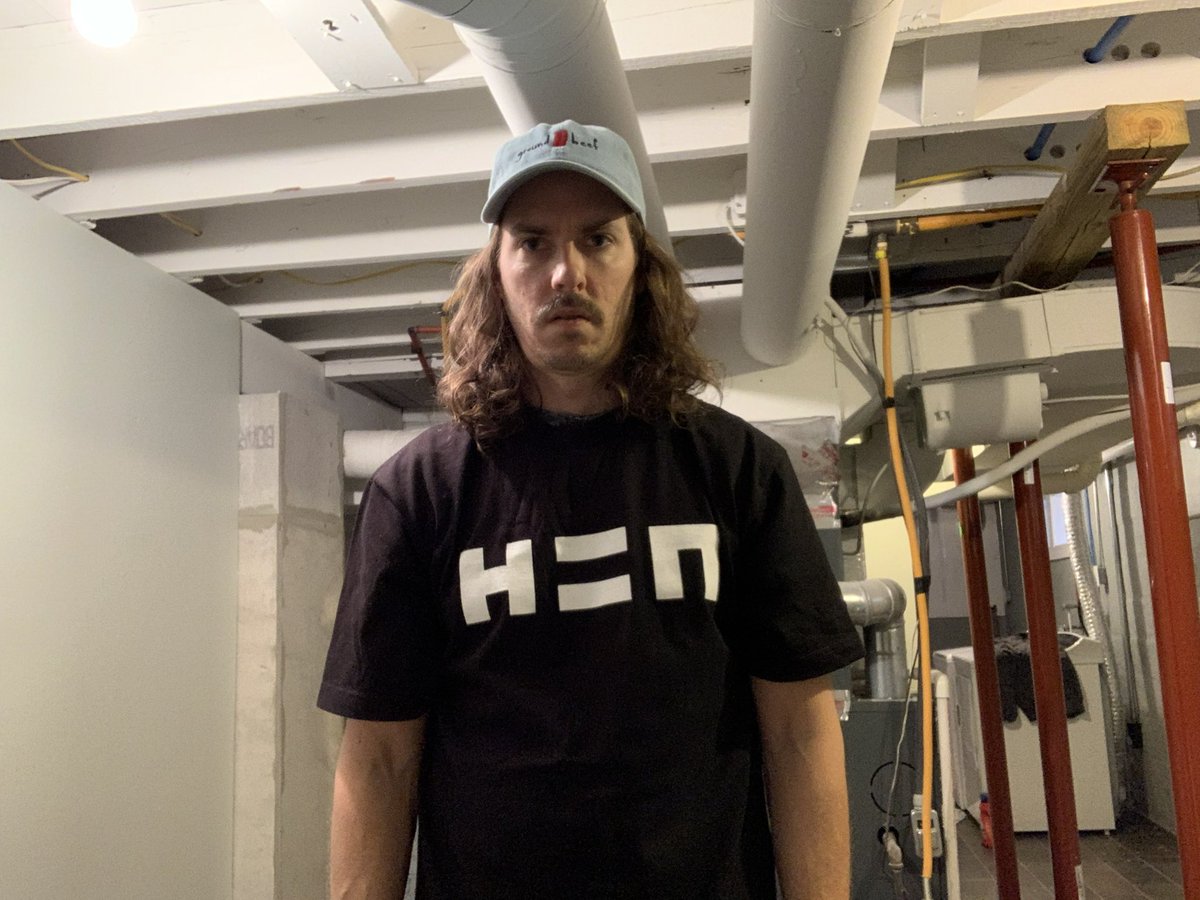
there will never be another hen. and that’s ok. there are moments in life. that are unrepeatable.
and should remain that way.
40
43
440
13,111
Lucas Andrade retweeted

5 Jan 2025
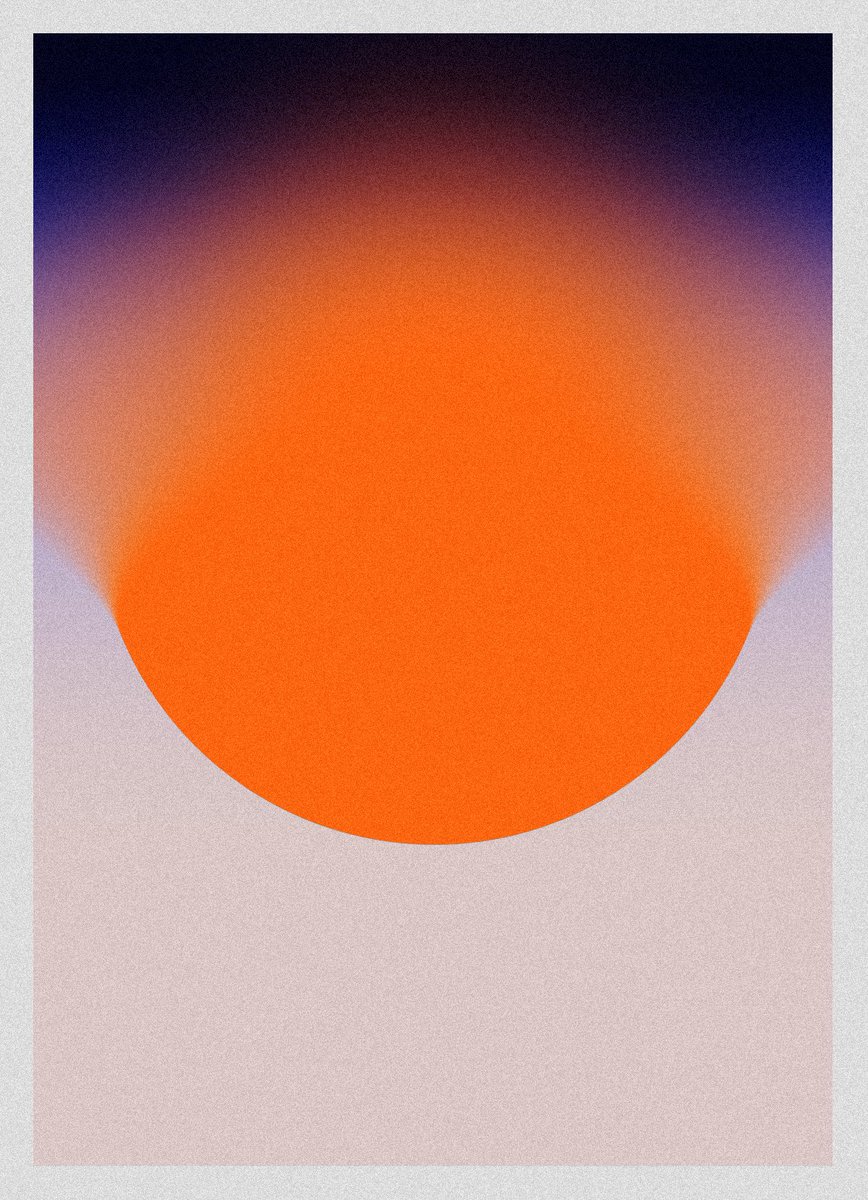
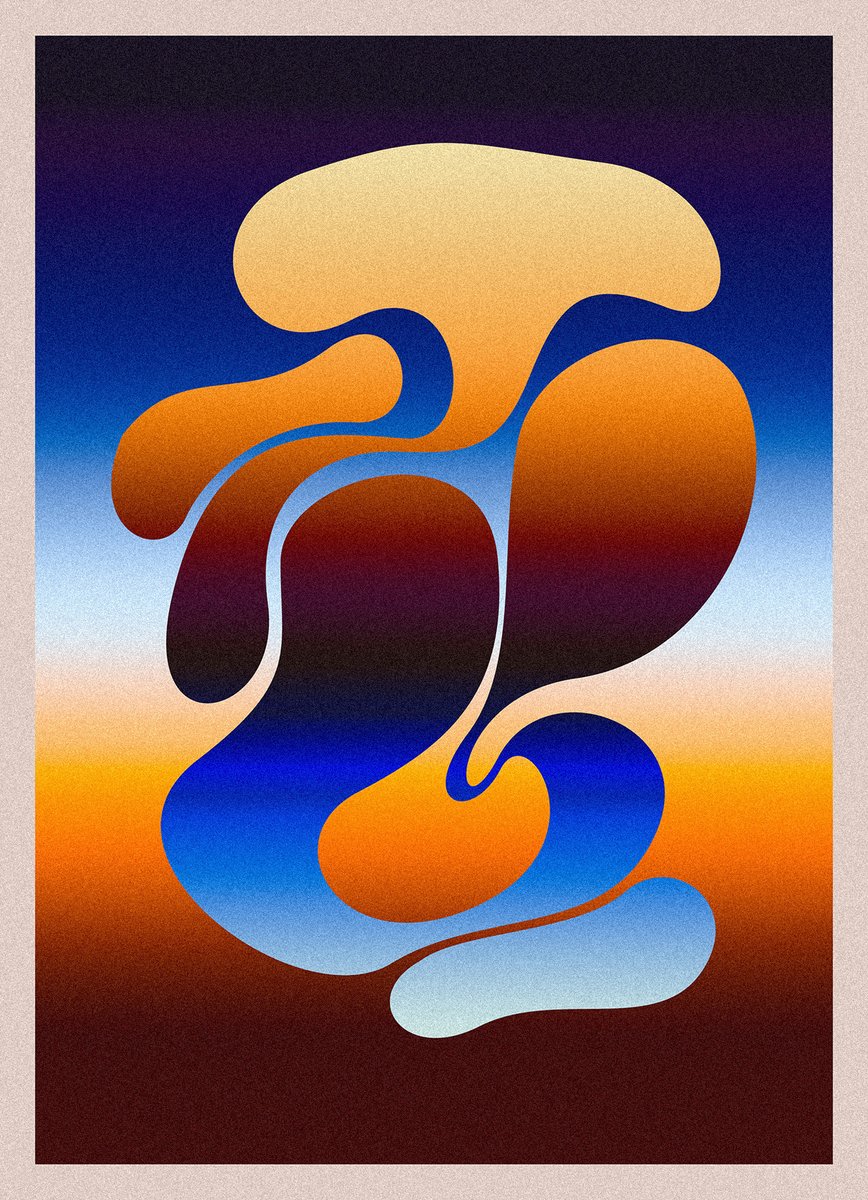
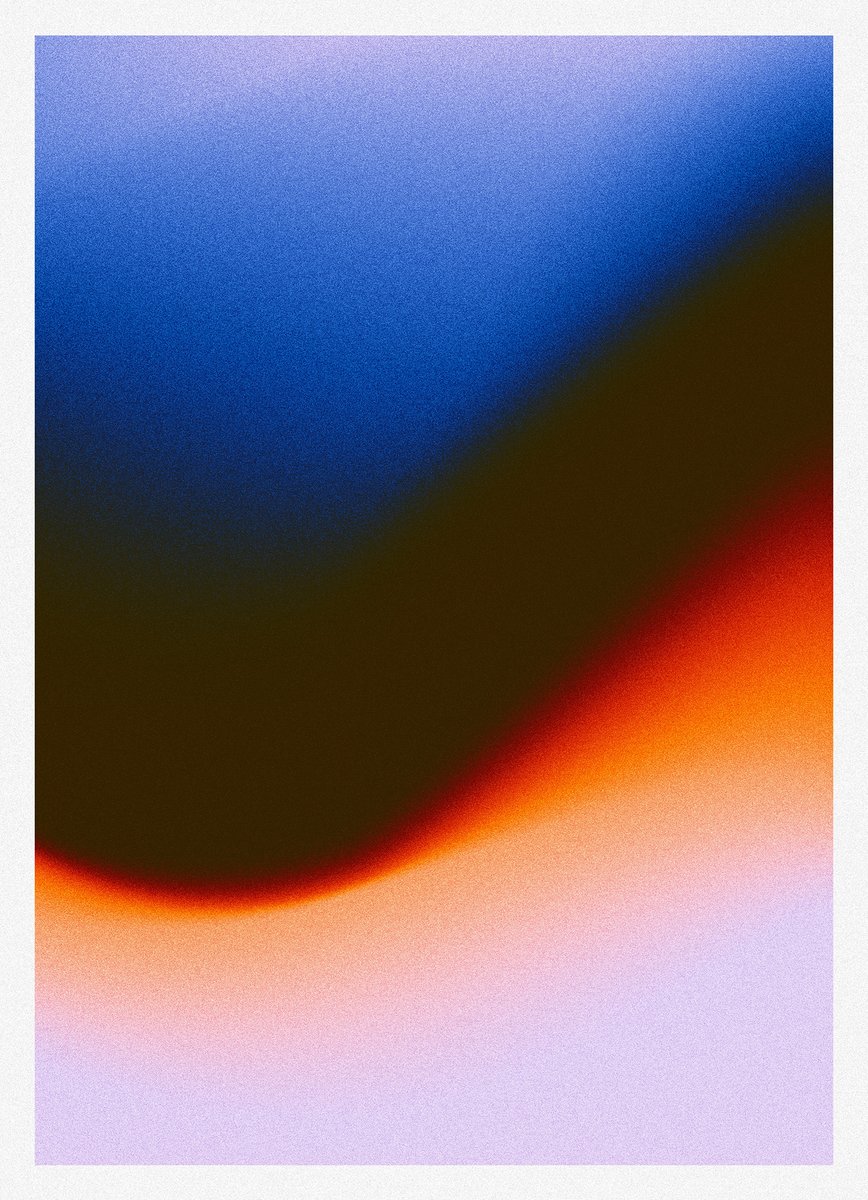
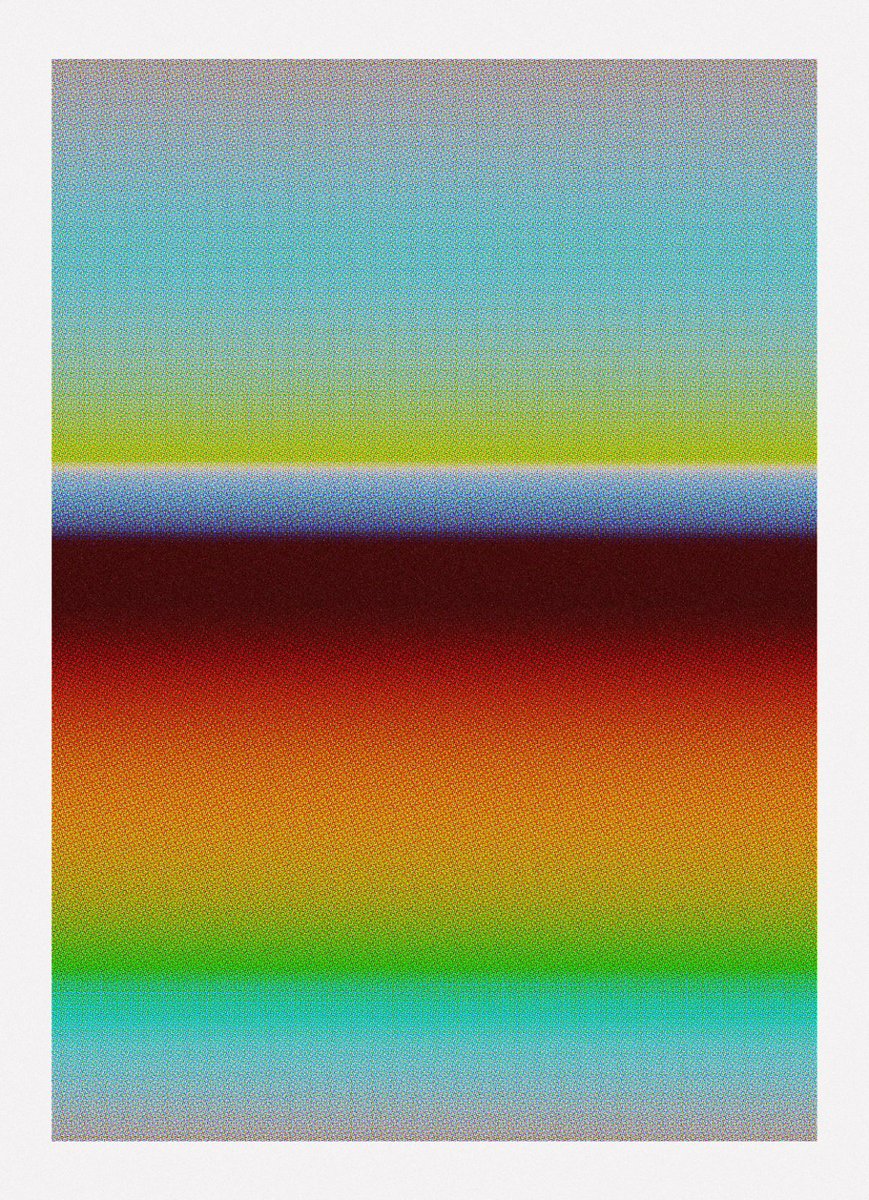
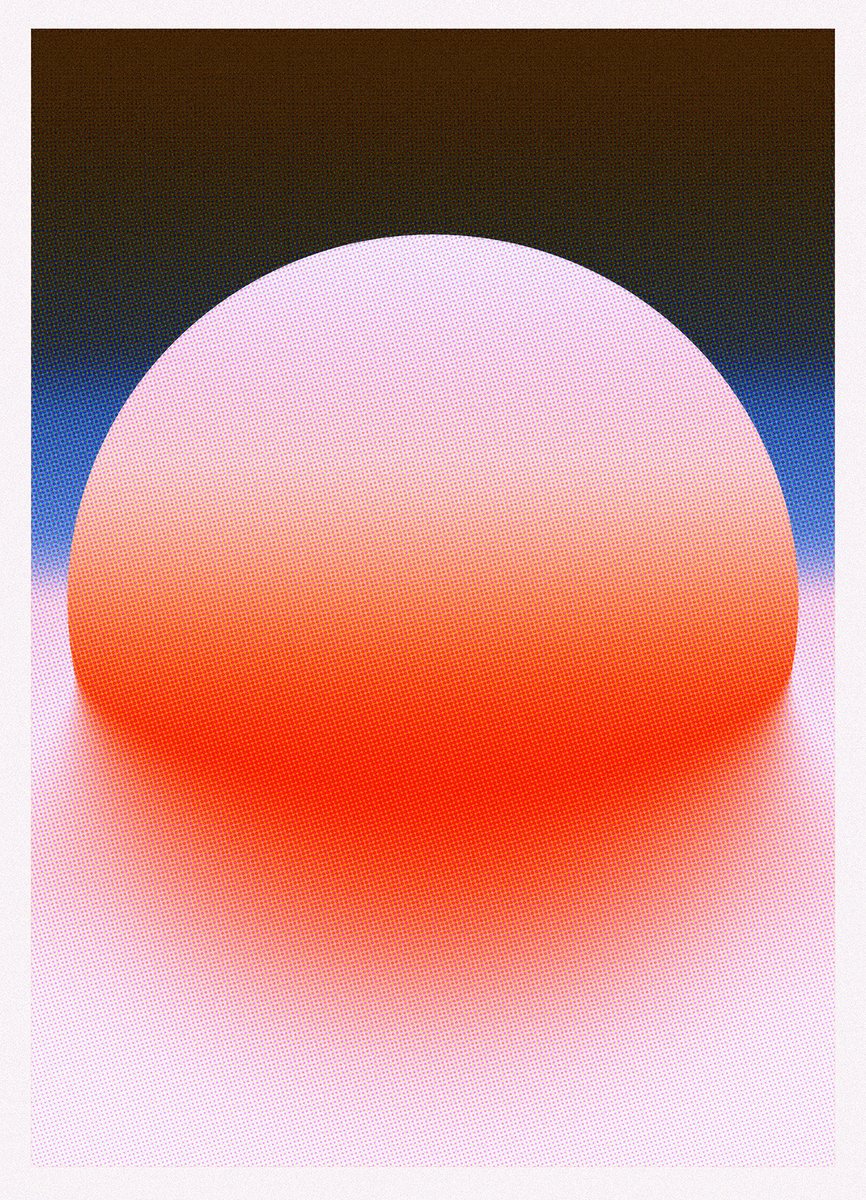
I love the discussion about @rodeodotclub tbh.
Its good to post without a filter and not having to overthink what I post, while it's still stored somewhere on the blockchain.
Using it as a personal visual diary with daily less-serious / spontaneous / experimental pieces.
43
67
662
34,145

Lucas Andrade retweeted

4 Jan 2025
a blind man guiding a blind man
gif - 100 frames - 22 eds - 4.44xtz
9
38
176
4,589
Lucas Andrade retweeted

20 Feb 2023
a thread about my art 🧵
a review by @knaack_nina
126
415
1,912
128,047