
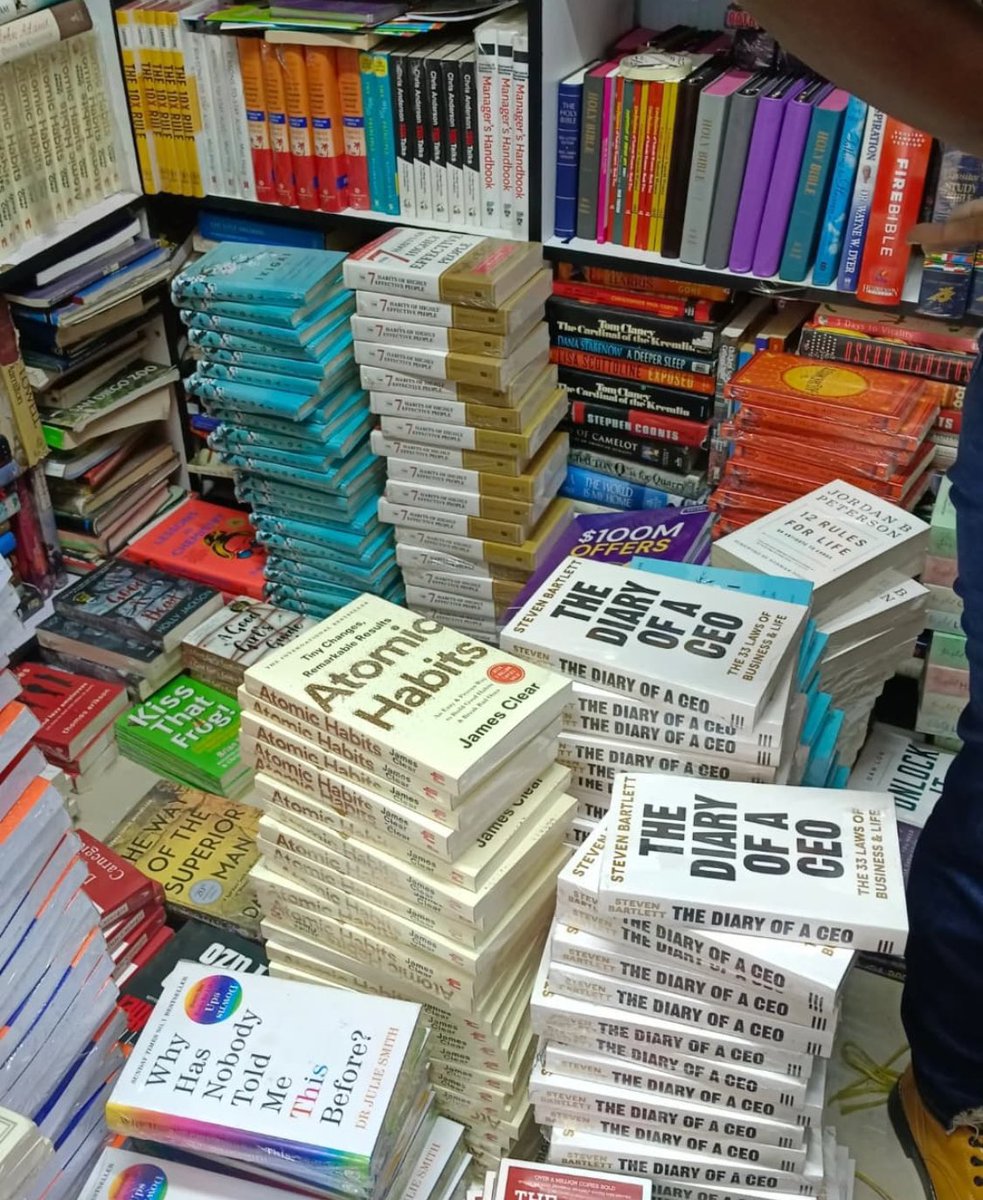
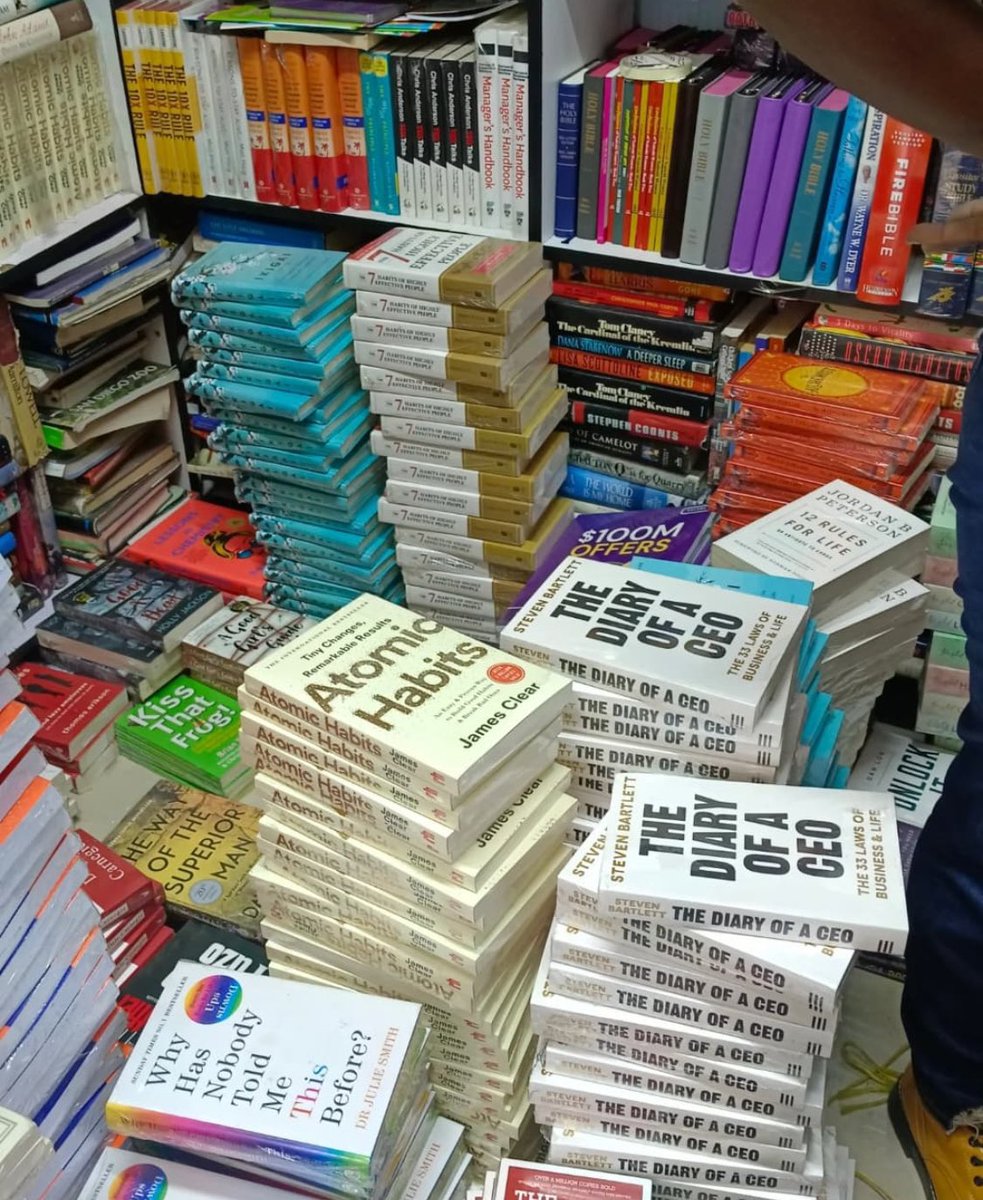
For book orders, contact us via 0702439355 or click the link below to send us a WhatsApp message. We deliver to homes and offices. 👇👇
Joined January 2021
- Tweets 53,331
- Following 9,220
- Followers 10,046
- Likes 63,942
16,503 Photos and videos



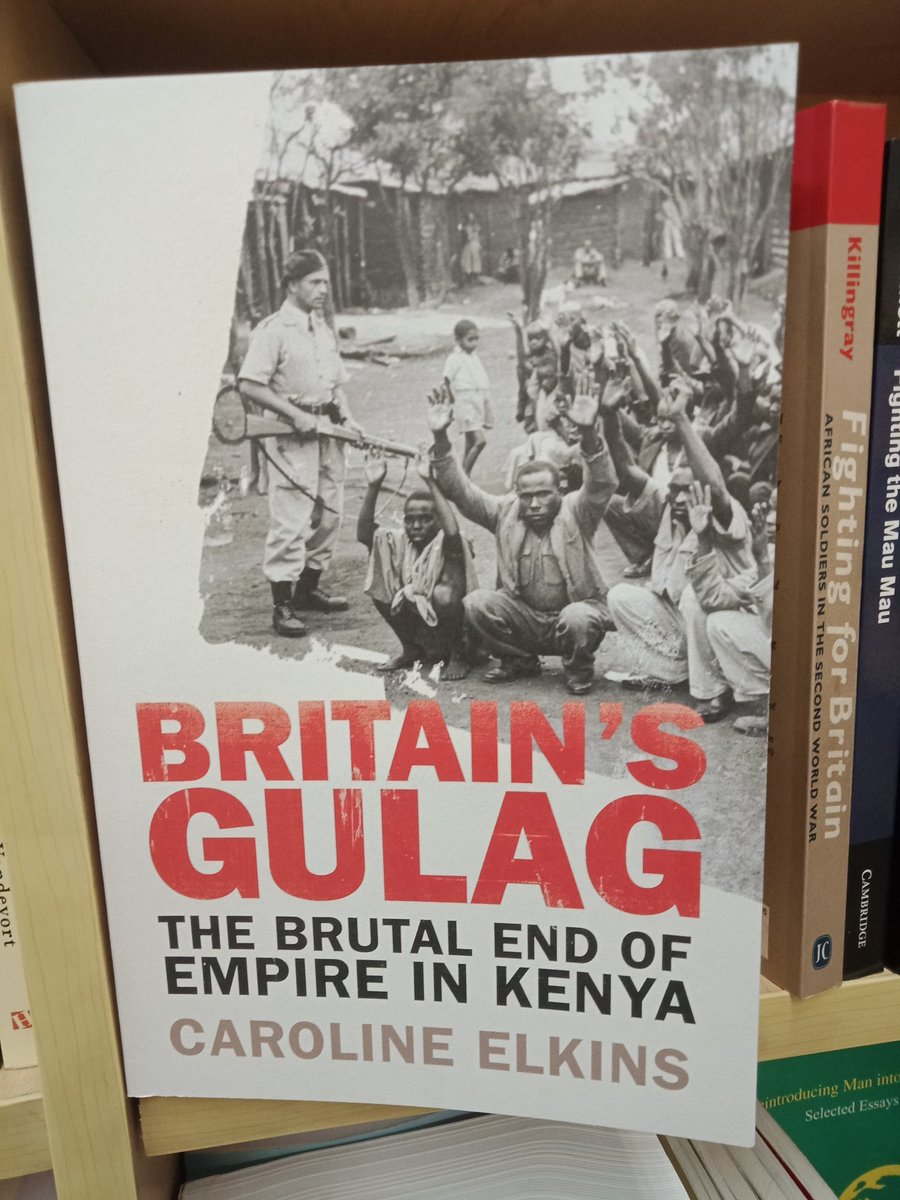
Pinned Tweet

2 Aug 2023
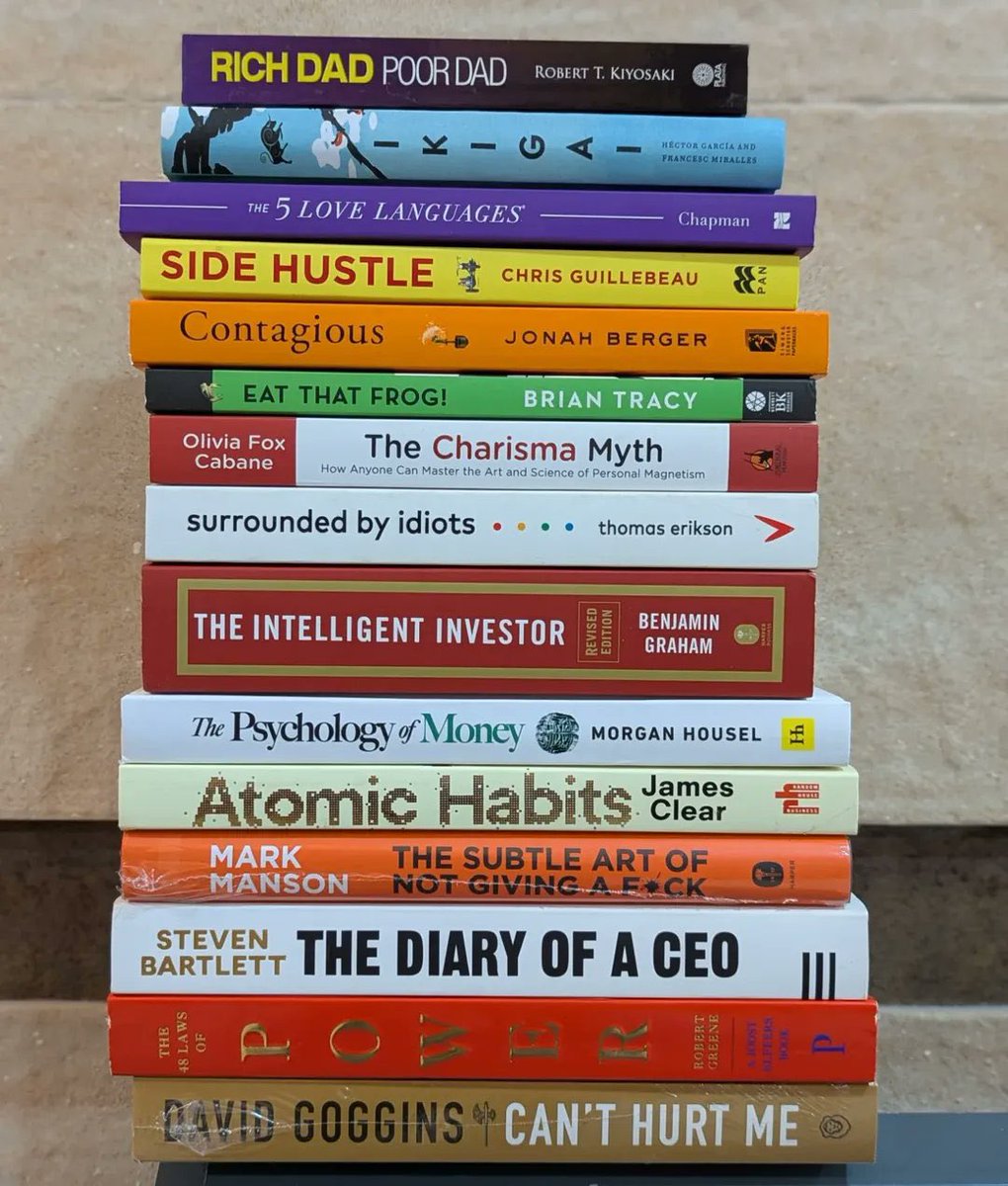
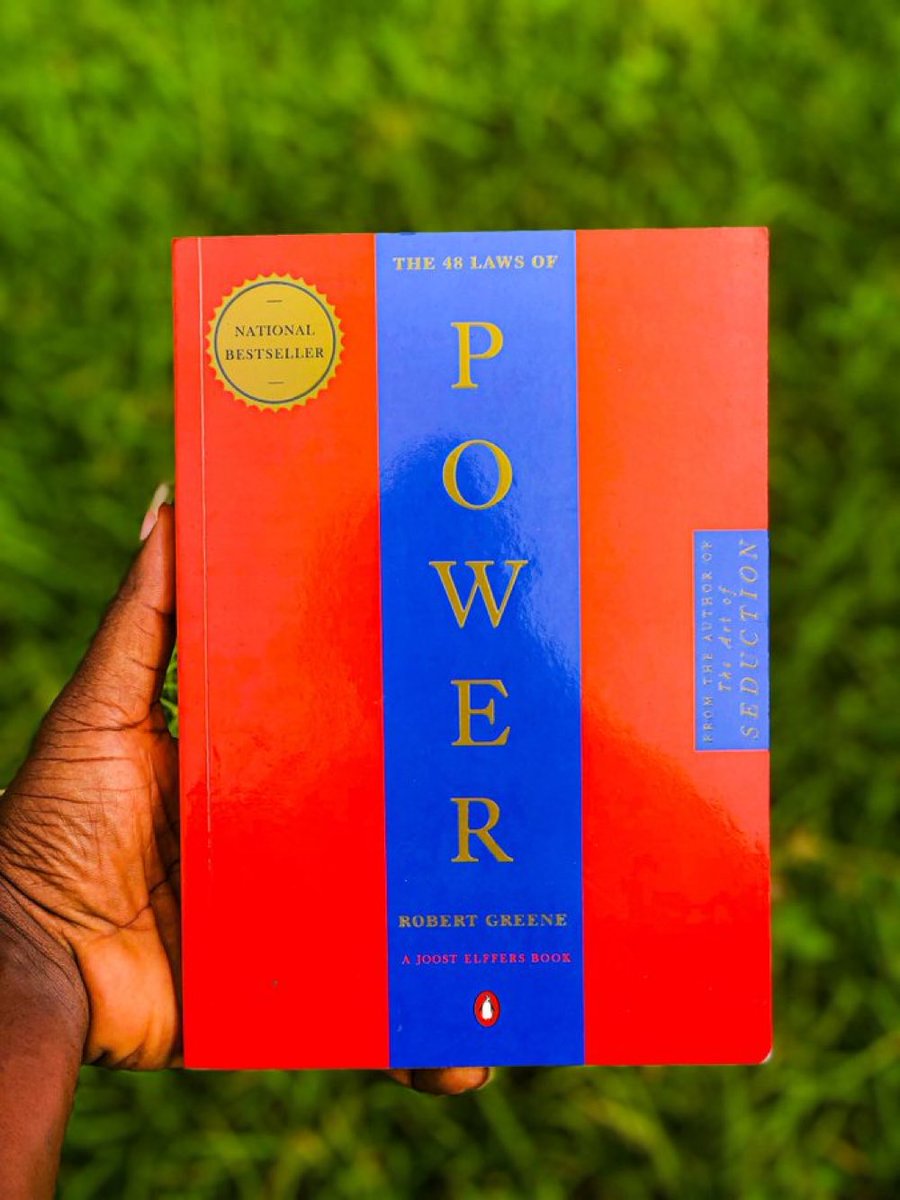
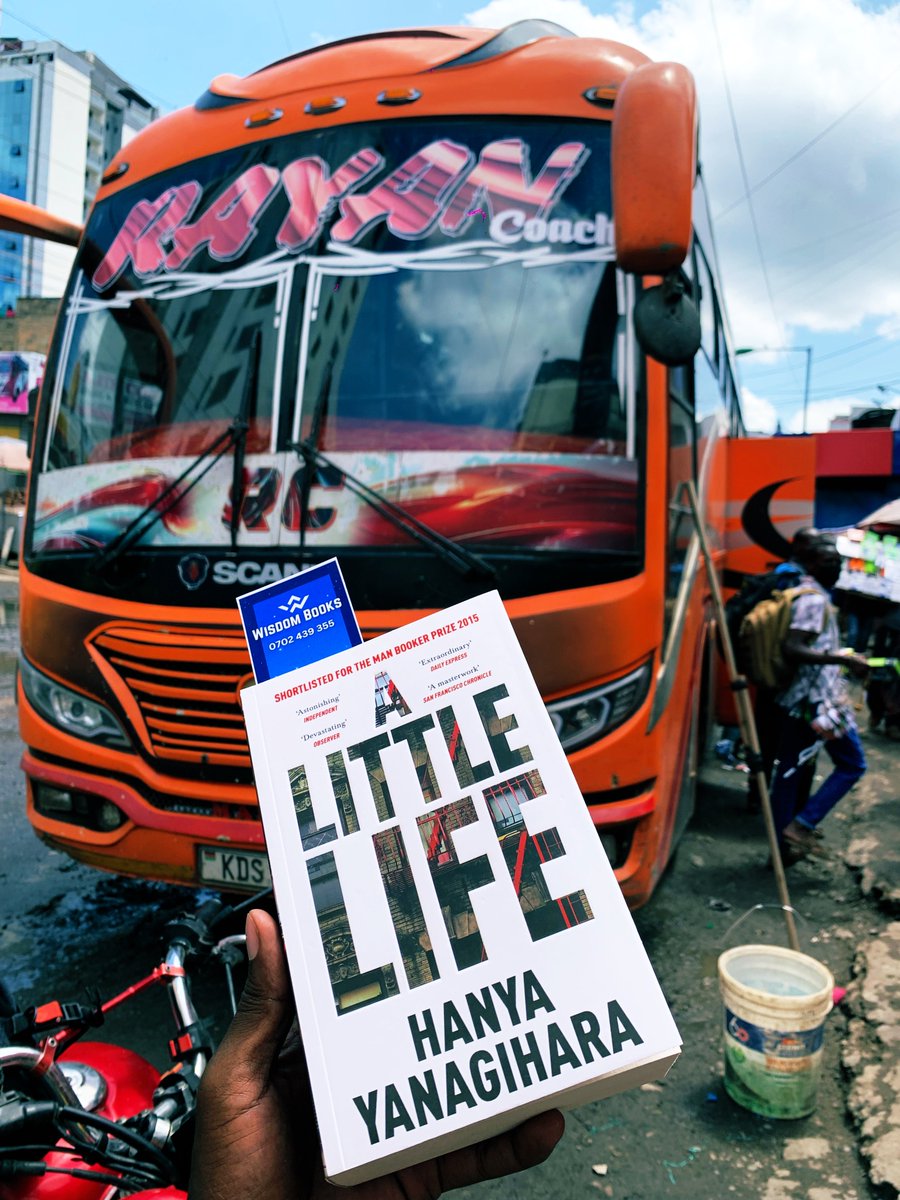
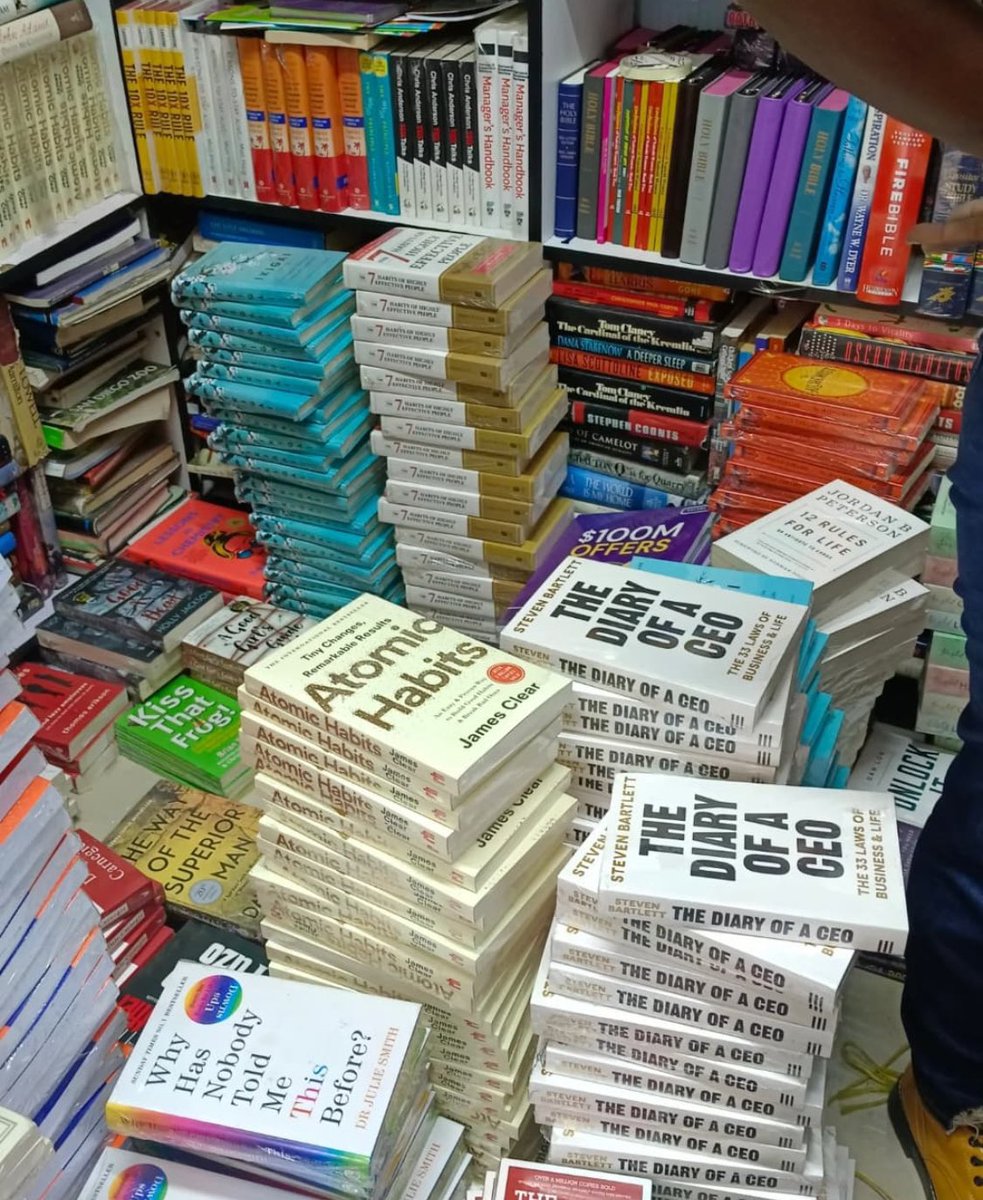
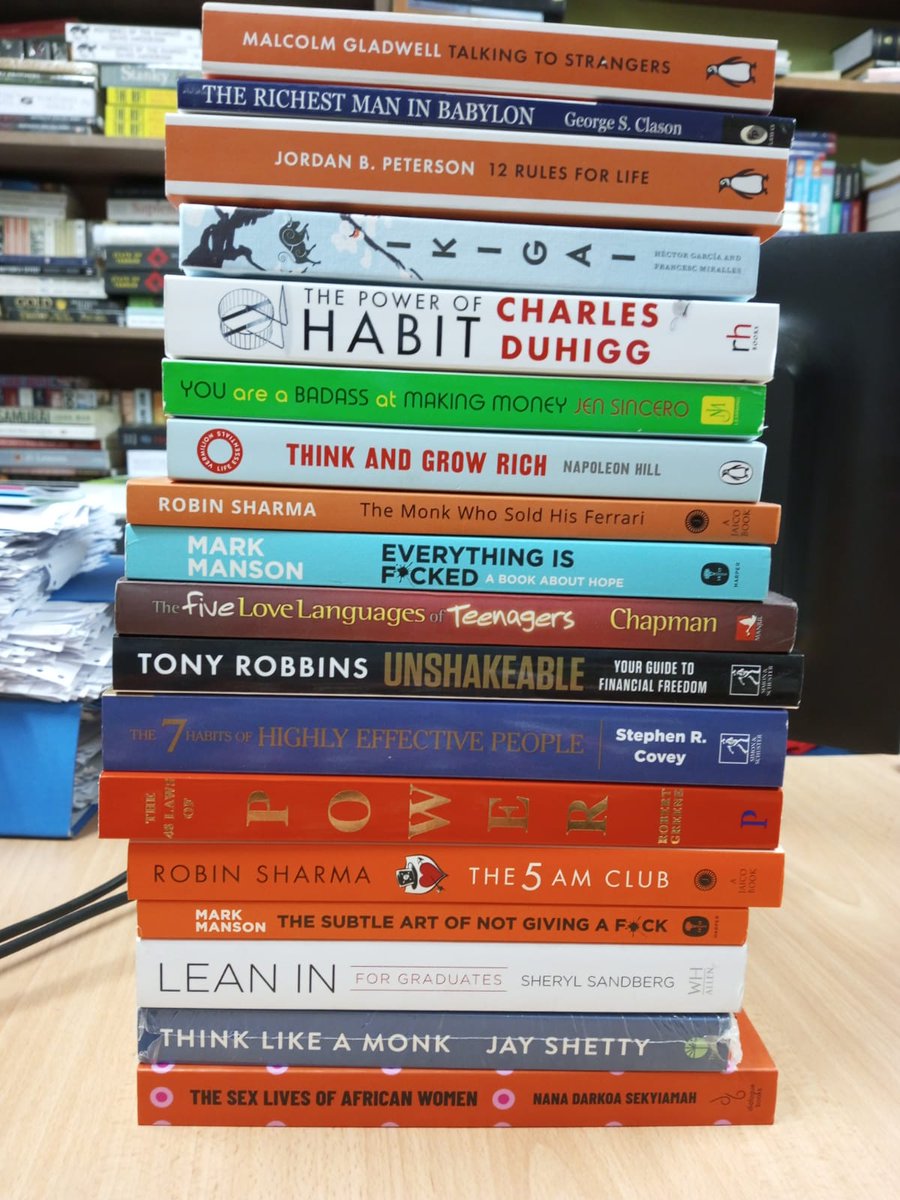
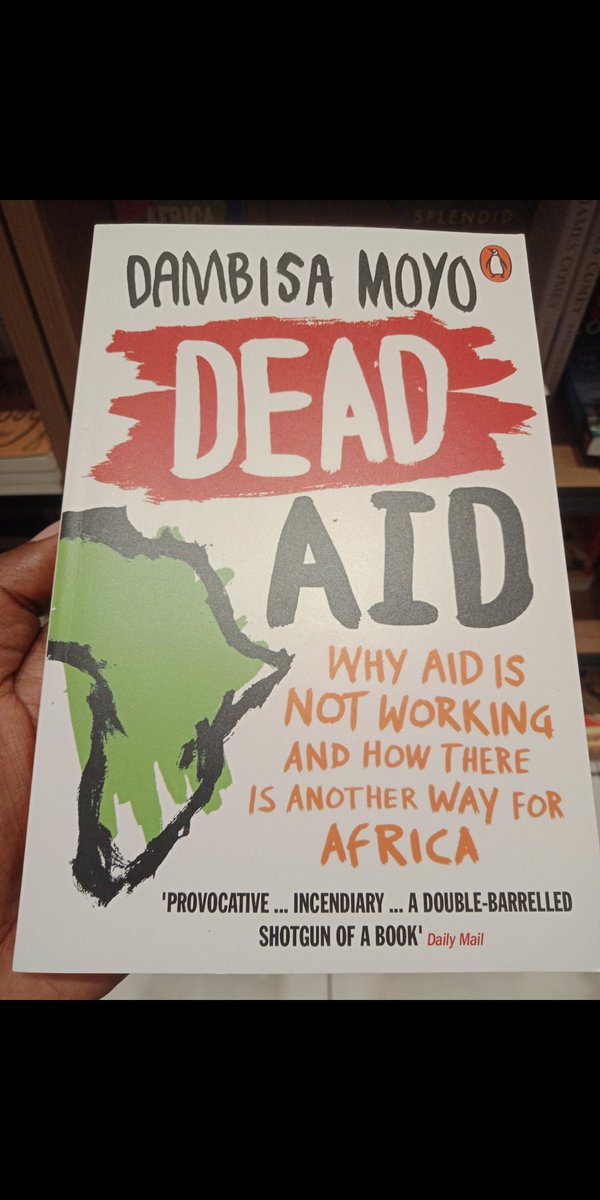
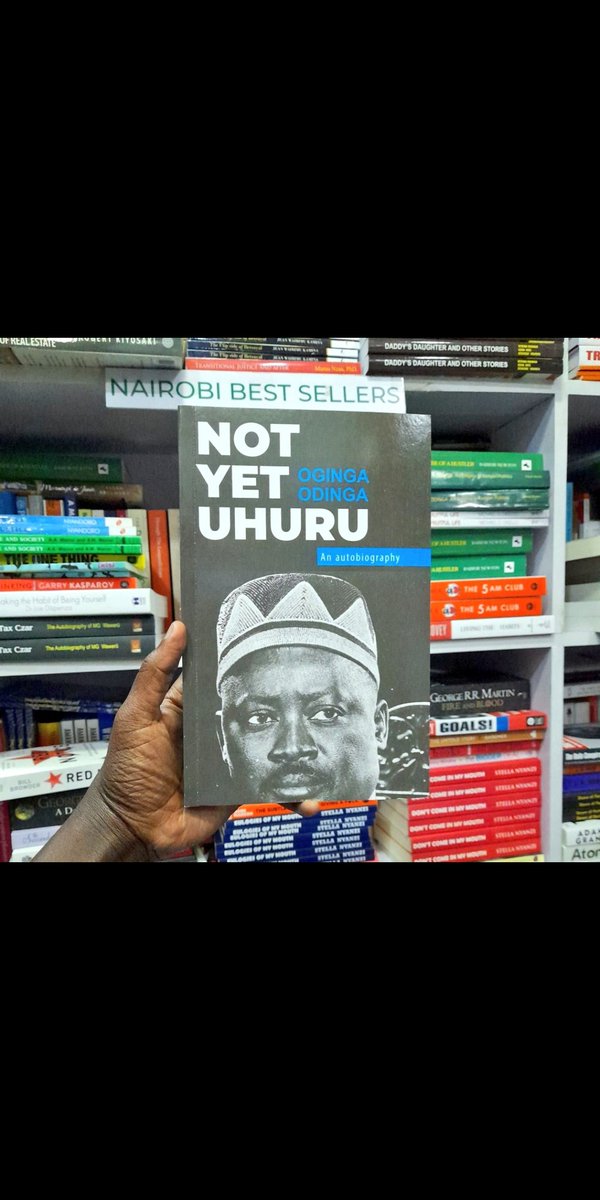
Allow us to serve you. We are the best booksellers in the country.
We deliver to your homes and offices from our store in Nairobi.
Talk to us; wa.me/254702439355.
Thank you.
13
38
178
84,034
Jun 11
'my blender' alafu anajaa ngori, lmao kama ni yako mbona ajam?
Jun 11

I broke my blender trying to make my own peanut butter .
Sai mumama amejaa ngori tiambo
1
188
Jun 11
Let's go Portugal! Winning it for the 🐐🐐
19 Nov 2022

Team Portugal. 🇵🇹🇵🇹🇵🇹🇵🇹🇵🇹🇵🇹🇵🇹🇵🇹🇵🇹🇵🇹🇵🇹🇵🇹🇵🇹🇵🇹🇵🇹🇵🇹🇵🇹🇵🇹🇵🇹🇵🇹🇵🇹🇵🇹🇵🇹🇵🇹🇵🇹🇵🇹🇵🇹🇵🇹🇵🇹🇵🇹🇵🇹🇵🇹🇵🇹🇵🇹🇵🇹🇵🇹🇵🇹🇵🇹🇵🇹🇵🇹🇵🇹🇵🇹🇵🇹🇵🇹🇵🇹🇵🇹🇵🇹🇵🇹
1
12
Wizzy 🇰🇪 retweeted
5 Aug 2023
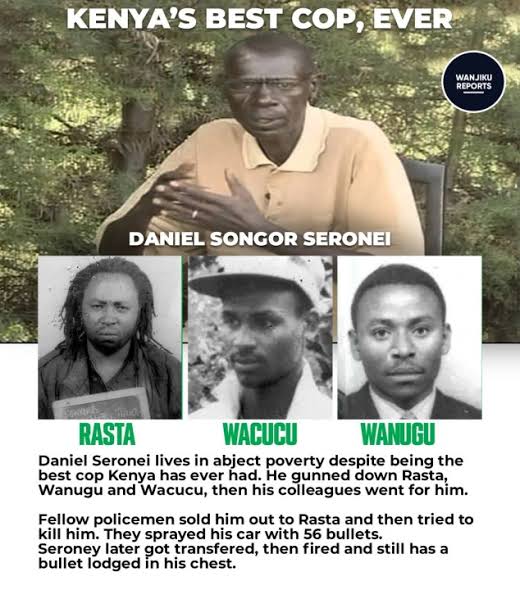
Heard of Wanugu, Wacucu and Rasta, Kenyas deadliest gangsters? Here is their STORY.
Wanugu, whose real name was Gerald Wambugu Munyeria, was one of the most notorious gangsters in Kenya during the 1990s. He was part of a gang of three, along with Anthony Ngugi Kanagi (alias Wacucu) and Bernard Matheri Thuo (alias Rasta), who terrorized the country with a series of robberies, murders, and carjackings.
Wanugu was born in Nyeri in 1970. He dropped out of school in his early teens and began a life of crime. He was first arrested in 1988 for robbery, but he was released on bail. He continued to commit crimes, and he was arrested again in 1993 for car theft. This time, he was sentenced to 10 years in prison.
Wanugu ESCAPED from prison in 1994 and reunited with Wacucu and Rasta. The three formed a gang that quickly became notorious for its violent crimes. They robbed banks, stole cars, and killed people without mercy. They were also known for their flamboyant lifestyle, and they often wore expensive clothes and drove flashy cars.
The police launched a massive manhunt for the gang, but they were able to evade capture for several months. A Ksh 100,000 price tag was placed on their heads, the bounty was later doubled to Kshs. 200,000 as they had become unstoppable.
In June 1996, two of them were finally cornered in Nakuru, Kenya.
On the day of the shootout, the police received a tip that Wanugu and Wacucu were hiding in a house in Nakuru. The police surrounded the house and demanded that the two gangsters surrender. Wanugu and Wacucu refused to surrender, and they opened fire on the police.
The police returned fire, and a shootout ensued. Over 100 bullets were fired, and the house where they were hiding was completely destroyed. The shootout also left several police officers injured. The deaths of Wanugu and Wacucu were a major blow to the Kenyan crime world.
RASTA
Rasta loved guns. He lived, loved and killed by them. A renown sharpshooter, he was said to have honed his shooting skills by having scampering chicken and human beings as targets for practice.
Rasta could, man solo, empty a whole magazine on cops who scampered for safety. He cared less for the GSU as well whom he countered with a grenade at the GSU headquarters after his henchmen were killed at the GSU Roundabout in 1996.
Rasta was said to bribe cops for info on how the Flying Squad was tracking him hence the 12 months of being on the run.
The breakthrough came on September 1, 1997, when Alpha Romeo and Flying squads received a tip from the public and finally caught up with him. They had located his hideout at a goat's pen in his mother's homestead in Kiria-ini, Murang'a County.
On this particular day, at around 5.00 p.m., the police trailed Rasta's sister, who entered the hideout to deliver tobacco to her addicted brother. A dry spell of the drug would make him sick.
Rasta, being the first one to spot the police, emerged from his hideout, jumped out of the compound's fence, and ran towards a nearby valley while firing at the cops.
In the ensuing gunshot exchange, Rasta was gunned down. He died on the spot from multiple bullet injuries.
The death of Rasta was also a significant victory kwa mambang'a. Hope imekua insightful na imekubamba pia.
Photo credits @WanjikuReports.
51
273
779
122,433
Jun 6
Argentina, iza my boy Lisandro Martinez
Jun 6

We've been hate-watching Arsenal at club level. Who are we hate-watching at the World Cup?
120
Wizzy 🇰🇪 retweeted

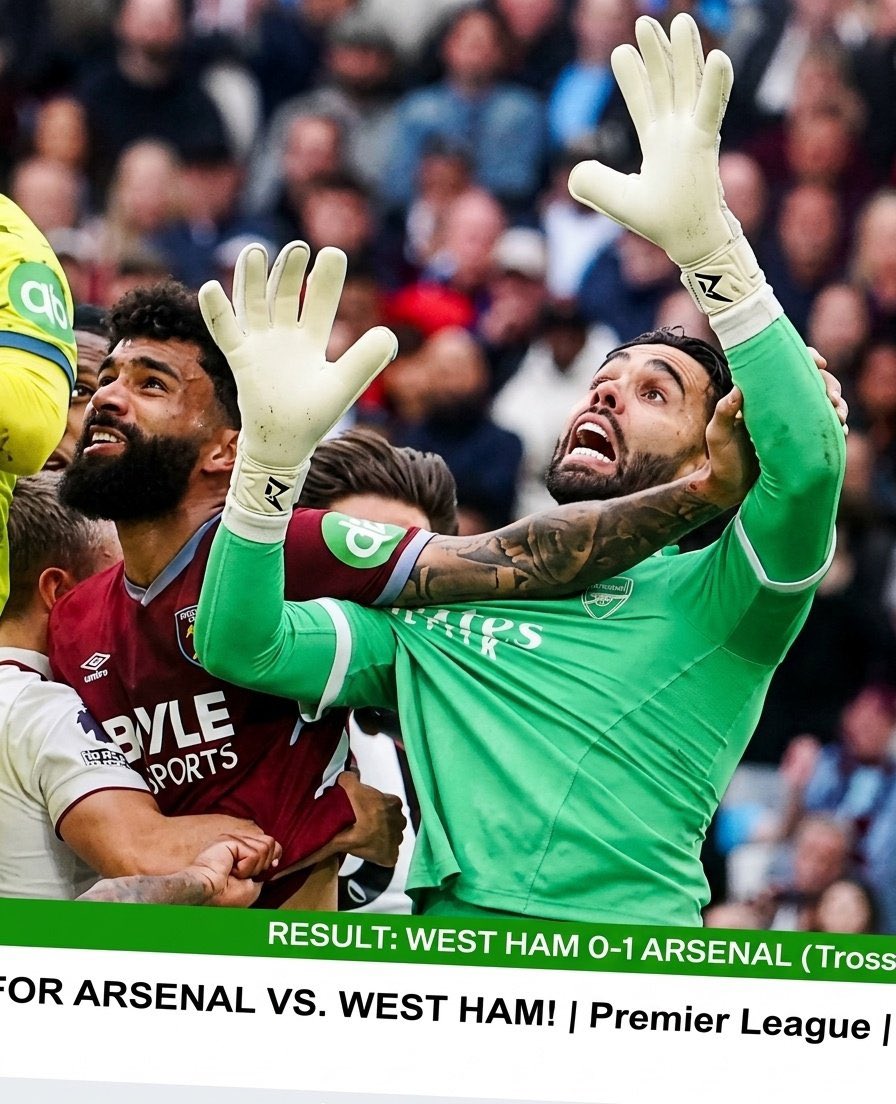
Rumour has it he was hit by Gabriel’s penalty.
Jun 4

🚨 PICTURED: Former Prince Andrew with a large bruise on his face earlier today
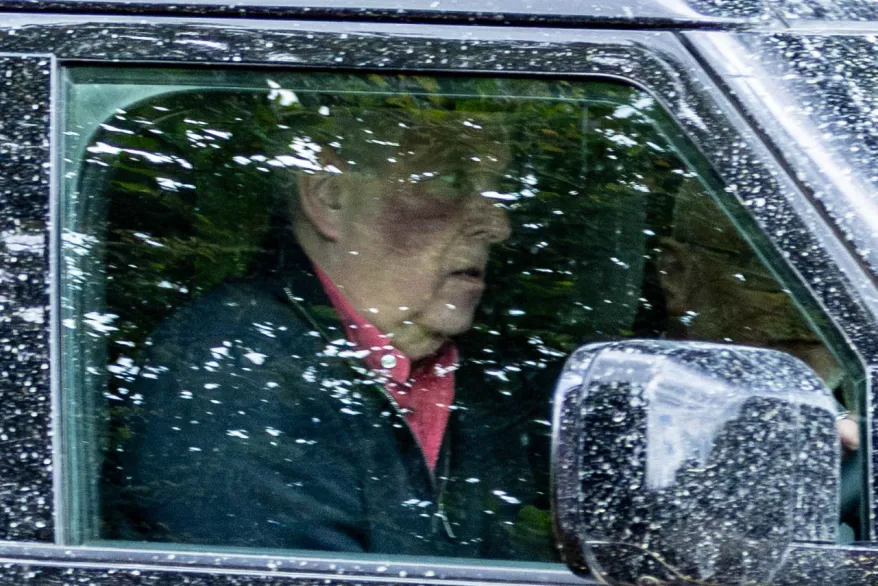
ALT Picture credit: Bav Media
55
883
15,329
739,129
Jun 1
Too much video on my timeline, somebody tell Elon Musk that if I really needed that I would have downloaded TikTok instead
2
99
May 31
Kesho ni holiday ingine perfectly set for us to remind Arsenal fans how shitty their club is 🥳😂
1
1
94
May 31
Hii team itakuja kuniulia marafiki 🤣🤣🤣🤣🤣
Tweet authored more than a decade ago, yet jana tuu they were crying after Gabriel blasted the ball so far even Google Maps couldn’t track it😂😂
6 Dec 2014

Arsenal though :(
118
Wizzy 🇰🇪 retweeted

May 30
No Arsenal hater will pass without liking this tweet😂😂😂😂😂😂😂😂😂😂😂😂😂😂😂😂😂😂😂😂😂😂😂😂😂😂😂😂😂 x.com/xavislegacy6/status/20…
363
5,623
116,229
1,316,142
Wizzy 🇰🇪 retweeted
May 30
Arsenal fans:
after GW 38 vs after UCL final whistle
1
1
76
Wizzy 🇰🇪 retweeted
15 Sep 2024
Mi hiyo racism ya Germans haiwezi nishtua. Naenda huko very fast if I got the chance without blinking. Can't wait to be in Bavaria sitted on the VIP section pale Allianz Arena watching Bayern beat the hell out of Arsenal in the UCL after my first paycheck. Mungu fungua milango 😭
1
2
10
339
May 29
Huwaga nikona idea ya kupiga look design ya Thomas Shelby wa Peaky Blinders, ipo siku
1
63
May 24
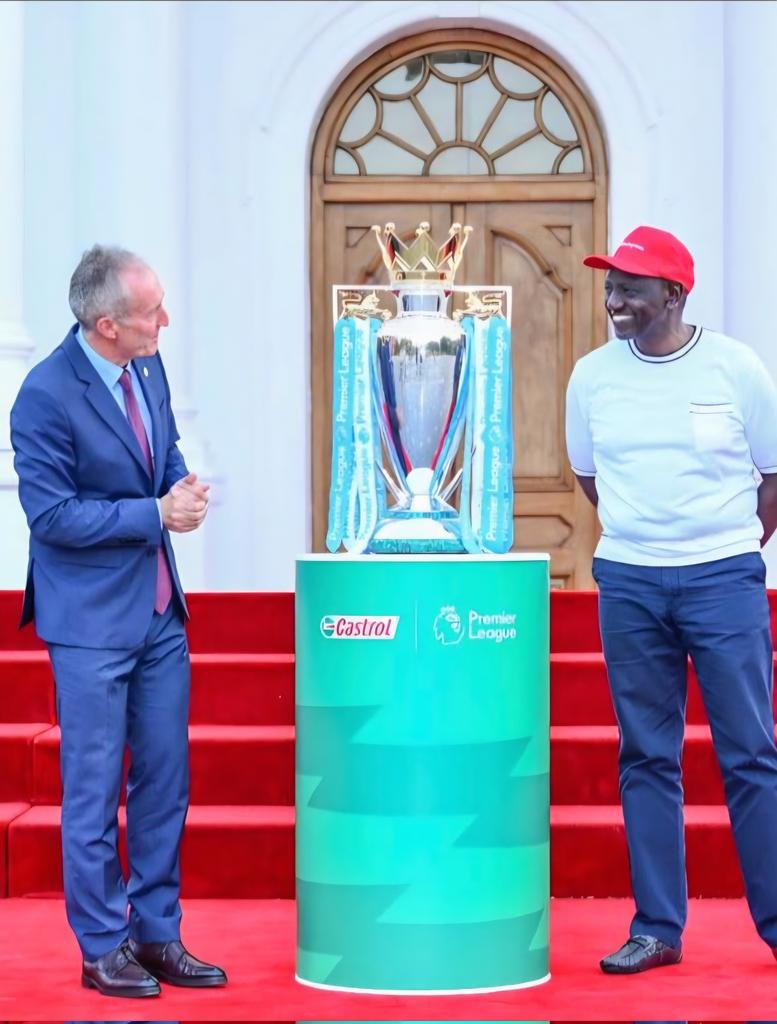
Huyu atawaibia hiyo Asenali yenyu, msiseme sikuwawarn

Our dreams may be deferred, but never extinguished,
The journey may be long, but the destination doesn't shift,
Meaningful struggle will always be hard and important work difficult:
But we are determined, dedicated and disciplined, therefore our focus and consistency will take us to the finish line. To win, we must do our work and live our lives with the mentality of champions
Congratulations to the @Arsenal, and thank you for exemplifying resilience and consistency. Let's do it again soon.
1
87
Wizzy 🇰🇪 retweeted

May 24
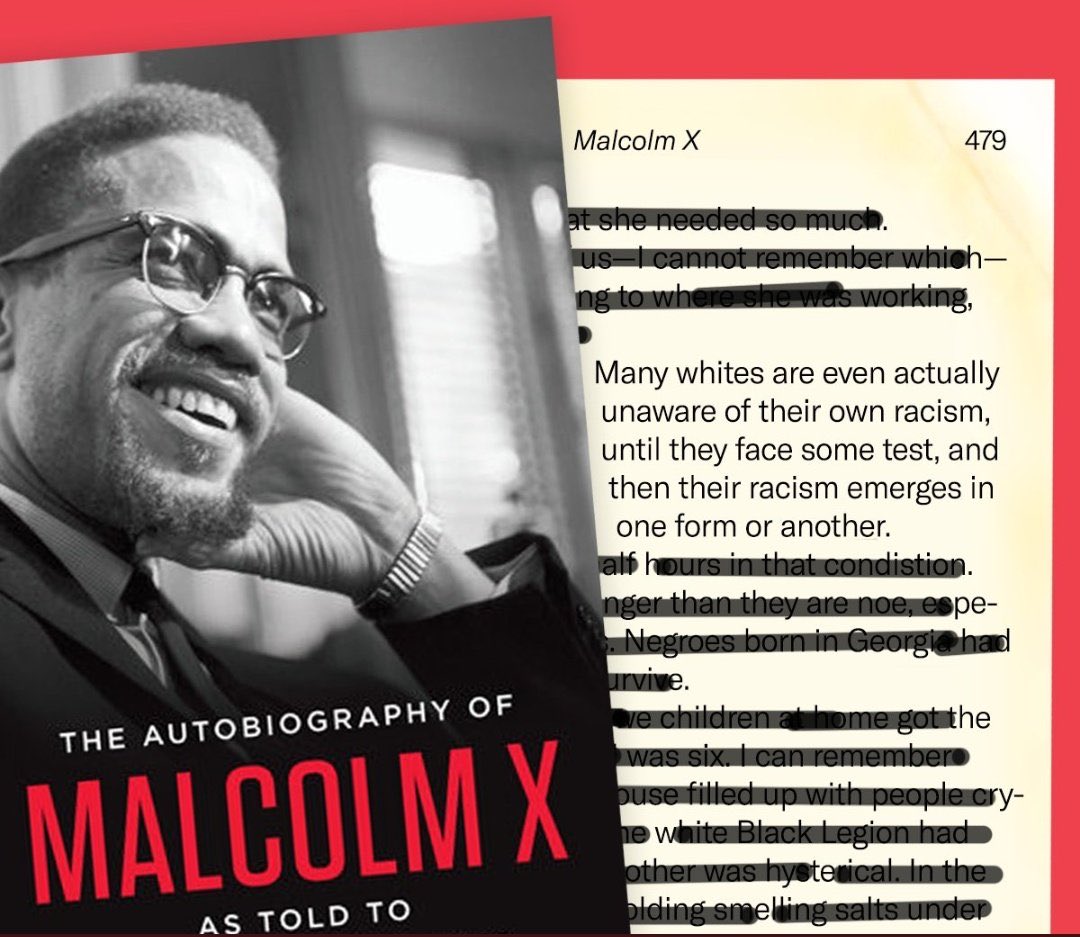
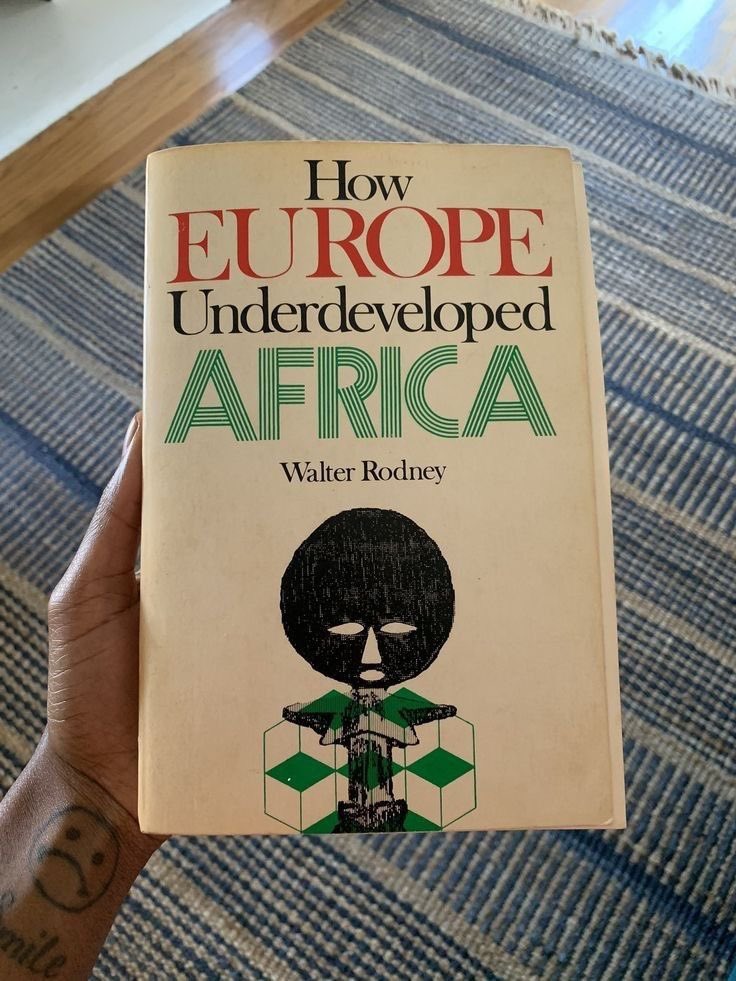
The writer of this book died in a car bomb. Think about that !!

570
35,900
214,570
3,360,715
Wizzy 🇰🇪 retweeted
May 24
Allow us to serve you. We are the best booksellers in the country.
We deliver to your homes and offices from our store in Nairobi.
Talk to us; wa.me/254702439355.
Thank you.
1
3
261
Wizzy 🇰🇪 retweeted

Today being Sunday and given that I am feeling born again,I am giving The WiFi Economy Playbook for free.
Just drop your email on this TL each of you will get the book for free.
I hope in our next space we shall all objectively give our feedback on this.
Those interested just reply with your official email address!
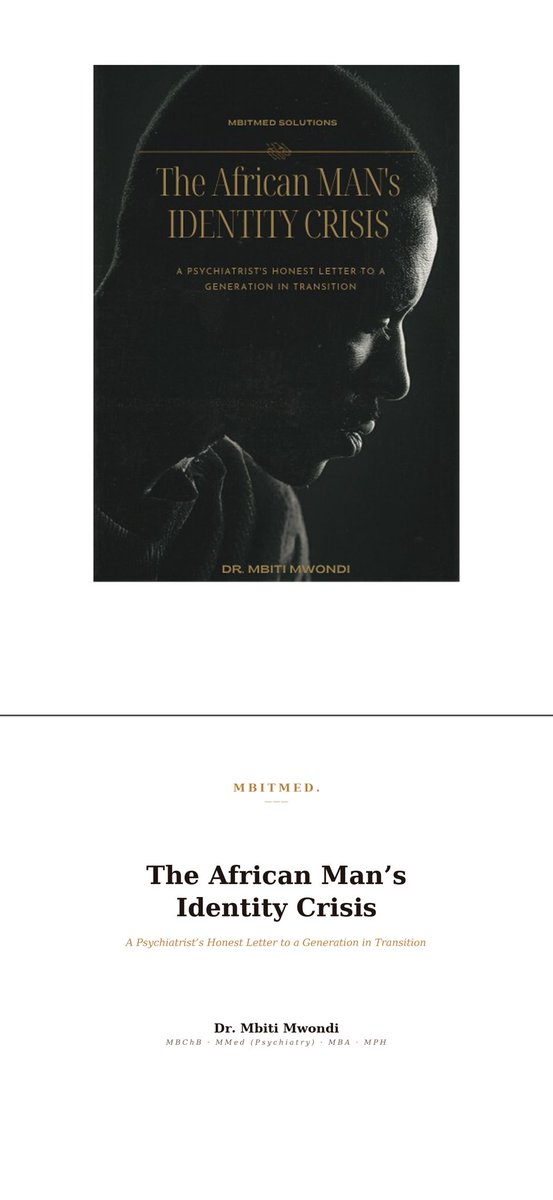
Next week I release a psychological book “The African’s Man Identity Crisis” for men,the real masculinity talk ignore what you see on the TL!!
1,371
140
786
87,843