
I write about Product, UX, Startups & AI 🚀 | Product Leader @Nielsen | Previously Led Product @ Nykaa, Dineout, OYO | Ex-Apple, Microsoft| Ex-EdTech Founder
Joined April 2009
- Tweets 1,452
- Following 761
- Followers 720
- Likes 163
234 Photos and videos



Pinned Tweet

7 Jan 2025
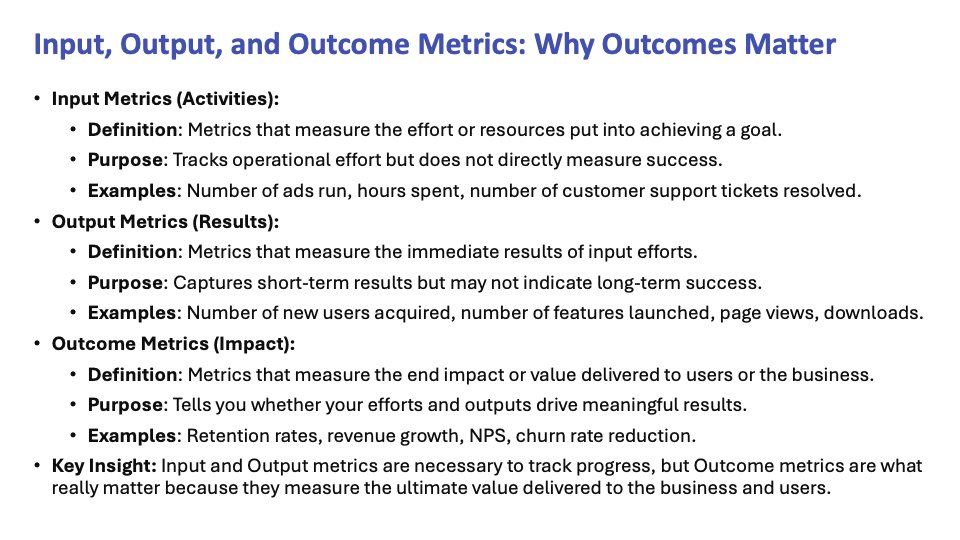
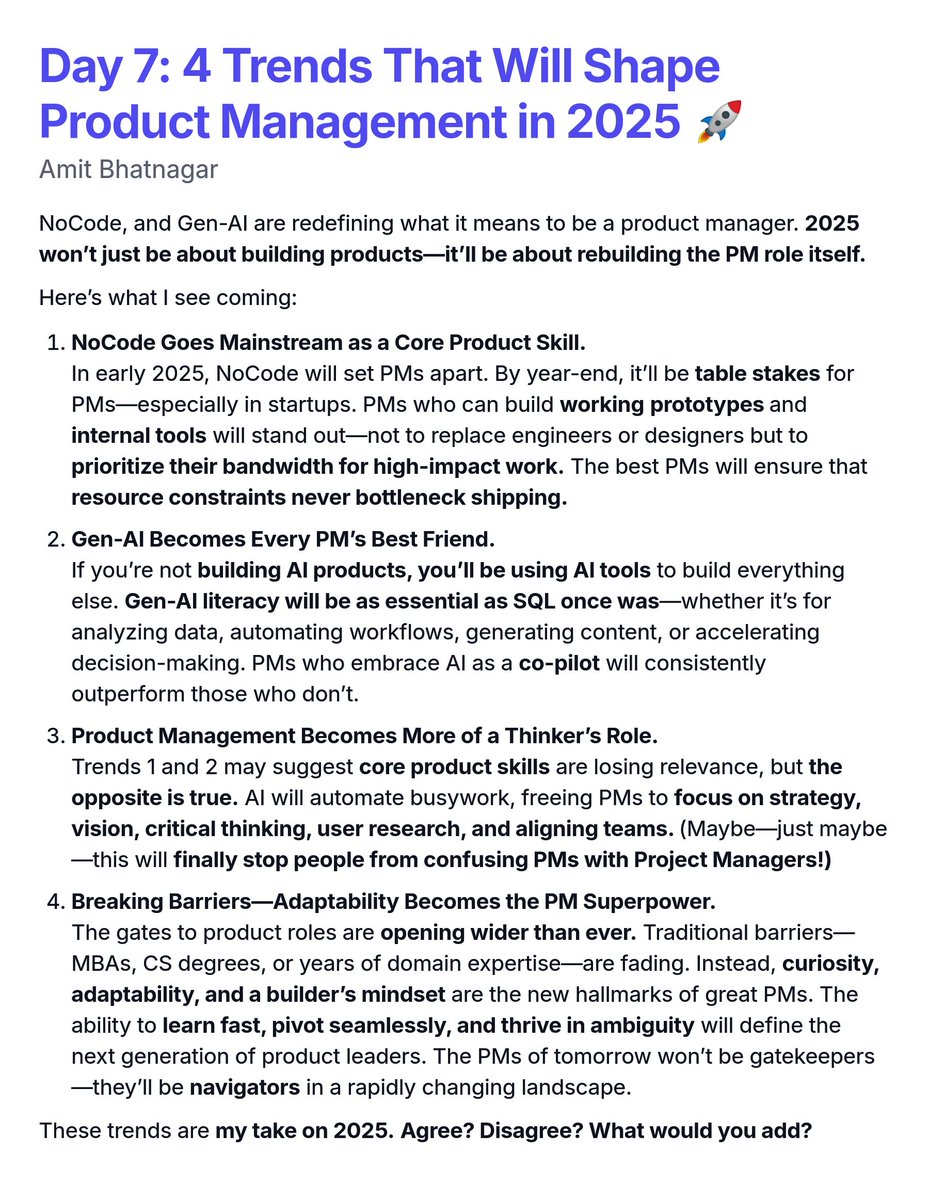
4 Trends That Will Reshape Product Management in 2025 🚀
No, you’re not reading last year’s trends recycled. These predictions aren’t about what’s already happening—they’re about what’s set to accelerate and solidify in 2025. From NoCode and Gen-AI becoming core PM skills to breaking down barriers to entry—this post outlines what’s next for product management.
Full essay in the image below. A blog post expanding on these trends—coming soon! 🔗
Which trend do you agree with? What would you add?
Let’s discuss 👇
#ProductManagement #AI #NoCode #PMTrends2025 #FutureOfWork #Ship30for30
1
7
638
Jan 11
Excellent photo by @arbitervivek.
After a loss to Nihal at #TataSteelChessIndia, Anand still looks happy. Like a proud dad watching his child grow and succeed. What a legend! 🫡
Reminds me of Kasparov’s line: “Vishy’s children are all grown up, and chess is coming home!” 🇮🇳♟️
65
25 May 2025
Those who don’t play chess may never understand this.
Even my family couldn’t grasp why I returned to the game after 18 years, when I was emotionally shattered from shutting down my startup, AulaCube.
I found a home in those 64 squares: When I was playing a game, it helped me forget the devastating loss at least for a while.
It wasn’t just a coping mechanism or an escape. It was the rediscovery of a forgotten dream when another had ended. #chess
24 May 2025

"I believe that chess possesses a magic that is also an a help in advanced age. A rheumatic knee is forgotten during a game and other events can seem quite unimportant in comparison with a catastrophe on the chessboard".
Vlastimil Hort
1
3
185
17 Mar 2025
Spent a fun weekend building PawAges – a playful tool that converts your pet’s age to human years, using AI-powered scaling (not just x7 for dogs! 😅).
Built with @lovable in no time.
Pet parents, try it out & let me know what you think! 🐾👇
pawages.com/
#Pets #PetLovers #Dogs #Cats #PetCare #PetOwners #AnimalLovers #vibecoding
(First of many to be announced shortly!)
83
8 Mar 2025
𝗪𝗼𝗺𝗲𝗻 𝗶𝗻 𝗣𝗿𝗼𝗱𝘂𝗰𝘁 𝗠𝗮𝗻𝗮𝗴𝗲𝗺𝗲𝗻𝘁: 𝗧𝗵𝗲 𝗣𝗿𝗼𝗴𝗿𝗲𝘀𝘀 𝗮𝗻𝗱 𝗧𝗵𝗲 𝗪𝗼𝗿𝗸 𝗔𝗵𝗲𝗮𝗱 hashtag#IWD25
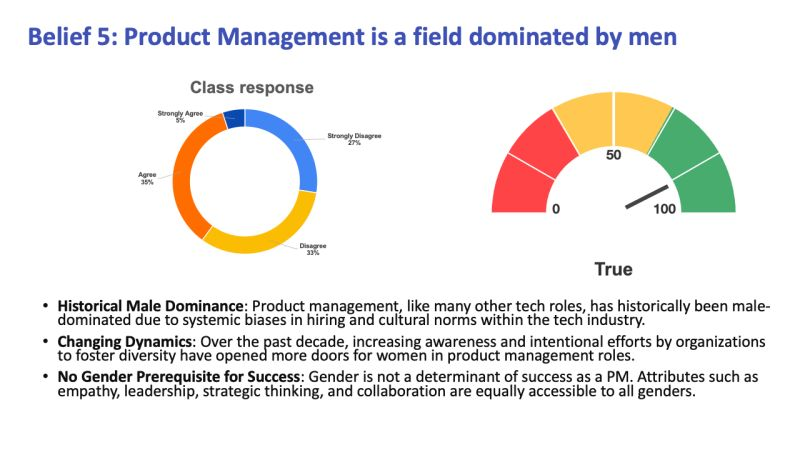
When I started teaching Product Management at Altera Institute, I opened the first session with a myth-busting exercise. While I was happy to debunk myths like “You need a CS degree to be a great PM” and “Great PMs need to be extroverts,” I had to acknowledge one hard truth: 𝗣𝗿𝗼𝗱𝘂𝗰𝘁 𝗠𝗮𝗻𝗮𝗴𝗲𝗺𝗲𝗻𝘁 𝗶𝘀 𝘀𝘁𝗶𝗹𝗹 𝗺𝗮𝗹𝗲-𝗱𝗼𝗺𝗶𝗻𝗮𝘁𝗲𝗱. (slide attached)
To reinforce that the field is not just for men, I invited Kaajal, one of the best PMs I’ve worked with, to share her journey. Seeing a successful female Product Leader helped make the lesson real.
1
2
131
8 Mar 2025
𝗦𝗶𝗴𝗻𝘀 𝗼𝗳 𝗣𝗿𝗼𝗴𝗿𝗲𝘀𝘀
The landscape is improving, even if change is slow. Today, aspiring women PMs have more role models than ever: Gail Giacobbe, Aparna Chennapragada, Jennifer Liu, Archana Kannan, Ruchi Sanghvi, and many others.
Even some of the most impactful books in product are written by women:
• Product Strategy & Culture: Escaping the Build Trap – @lissijean
• People Management & Leadership: The Making of a Manager – @joulee
• Product Interviews: Cracking the PM Interview – @gayle
• Product Positioning: Obviously Awesome – @aprildunford
• Customer Discovery: Continuous Discovery Habits – @ttorres
• Stakeholder Management & Communication: Radical Candor – @kimballscott
1
1
106
8 Mar 2025
I’ve had the privilege of working with many exceptional women in product. But considering the much longer list of male product leaders I’ve worked with, this shorter list is a stark reminder of how much work still needs to be done.
𝗪𝗵𝗮𝘁 𝗖𝗮𝗻 𝗣𝗿𝗼𝗱𝘂𝗰𝘁 𝗟𝗲𝗮𝗱𝗲𝗿𝘀 𝗗𝗼?
• Mentor/Sponsor: Support women in product & acknowledge their unique challenges.
• Expand the Pipeline: Actively bring more women into the funnel while keeping the hiring bar the same.
• Challenge Biases: Don’t penalize women for traits praised in men.
The progress is real, but so is the work ahead. 𝗪𝗵𝗮𝘁 𝗲𝗹𝘀𝗲 𝗰𝗮𝗻 𝘄𝗲 𝗱𝗼 𝘁𝗼 𝗮𝗰𝗰𝗲𝗹𝗲𝗿𝗮𝘁𝗲 𝘁𝗵𝗶𝘀?
45
4 Feb 2025
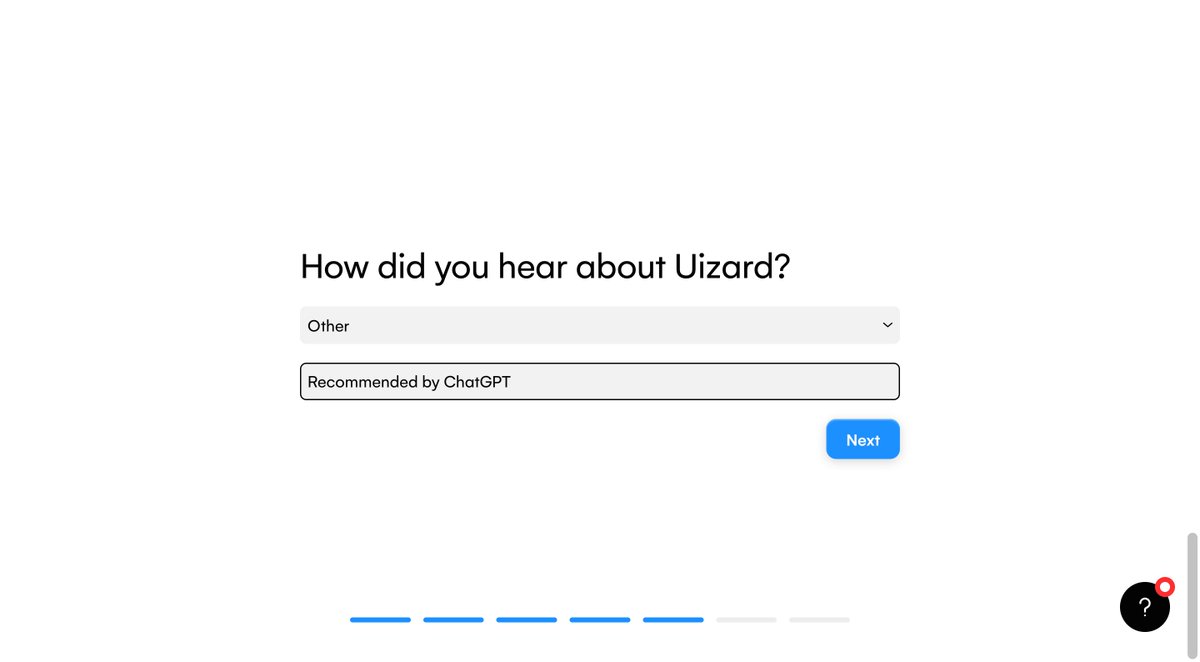
Dear @uizard, looks like your AI cousins are spreading the word and you are not acknowledging their existence! 😄
Maybe it's time to add "Recommended by AI" as an option in your dropdown?
82
31 Jan 2025
Teaching is the closest thing to parenting.
I used to compare people management with parenting—guiding, mentoring, and sometimes just letting people figure things out on their own.
But after starting to teach product management in November 2024, I see an even stronger parallel between teaching and parenting:
✅ You don’t just give answers; you help them think.
✅ You celebrate progress, not just outcomes.
✅ You have to see their potential before they see it themselves.
✅ You measure success not by what they know today, but by how they’re growing into tomorrow.
✅ You guide them to discover their own path, and that may not be the one you envisioned for them.
✅ Even when you are giving it everything you can, you question yourself “Am I doing it right?”
I had mentoring sessions with 10 students today with 10 more lined up for tomorrow:
Exhausted? Absolutely.
Fulfilled? Even more! :)
1
83
30 Jan 2025
"Shouldn’t we be customer-centric, not product-centric?" a friend asked today. That’s when I realized—many confuse ‘product-led’ with ‘product management-led.’ Probably because of this, @shreyas makes a beautiful distinction between Product-dominated and Product-guided companies.
So what do I mean when I say “Product-led” or “Product-centric”?
A truly Product-centric organization is where the whole organization, not just Product Management, thinks like a modern product company and embraces product culture. And no, it is not dominated by Product Managers!
Here’s how a typical Product-led (📱) vs. Non-Product-led company (💰) would compare:
1️⃣ Customer Obsession
📱 Understands customer problems deeply, talks to them regularly and solves for them.
💰 Claims to be customer-focused but often prioritizes short-term gains, sometimes even at the cost of customer experience..
2️⃣ Data-Driven Decision Making
📱 Data isn’t just for reporting—it’s core to decision-making. Teams rely on metrics like retention, adoption, and conversion to prioritize what to build.
💰 Decisions are often driven by gut feeling and/or hierarchy. HiPPO (Highest Paid Person’s Opinion) rules!
3️⃣ Experimentation, Iteration & License to Fail
📱 Runs experiments, learns fast, and iterates continuously. Failures are accepted and considered opportunities to learn.
💰 Fears failure—if an experiment flops, the CEO shouts “Who approved this?”, and any further attempts to innovate die.
4️⃣ Building What Scales
📱 Invests in scalable systems and processes. Some quick hacks are fine to test things (See 3), but somebody is always asking/thinking “Will this scale?”
💰 Throws people at problem and focuses on short-term fixes instead of building for scale.
5️⃣ Building What Matters
📱 Prioritizes outcomes over output—shipping features that align key business and customer goals. Knows that sometimes, less is more.
💰 Measures success by the number of features shipped. Ends up becoming a feature-factory.
6️⃣ Big Bet Thinking
📱 Balances quick wins with ambitious, asymmetric bets that can be game-changers.
💰 Plays it too safe without a clear long-term vision until a competitor ships something, then scrambles to make it the top priority.
7️⃣ Top Product & Tech Talent
📱 Attracts, empowers, and retains top PMs and engineers, allowing them to drive real impact. It eventually becomes a flywheel of “Top talent and good product culture attract top talent and strengthens product culture”
💰 Hires yes-men in these roles expecting them to just execute. When strong leaders do join, they often leave in 1-2 years due to misalignment.
💡 Which of these resonates most with you? Or is there another key behavior you’d add to the list?
1
4
154
29 Jan 2025
☠️ Product Management is NOT Project Management ☠️
Yet, I see this confusion all the time—especially in companies that haven’t fully embraced modern product management or legacy businesses that now need to “go digital.”
✅ Product Management is about the “WHAT” and the “WHY.”
PMs define what should be built and why it matters. As I tweeted last week, good PMs balance both the business value and the customer value.
📅 Project Management is about the “HOW” and the “WHEN.”
Project Managers focus on execution—timely delivery, managing dependencies, and keeping teams aligned on milestones.
To be clear, project management is an essential component of product management. A great PM doesn’t just strategize—they execute relentlessly. But when PMs are reduced to just delivery managers, it’s a systemic failure.
In many organizations, business stakeholders dictate what needs to be built, and product managers are expected to simply “work with developers” to get the feature shipped. That’s not product management. That’s glorified project coordination.
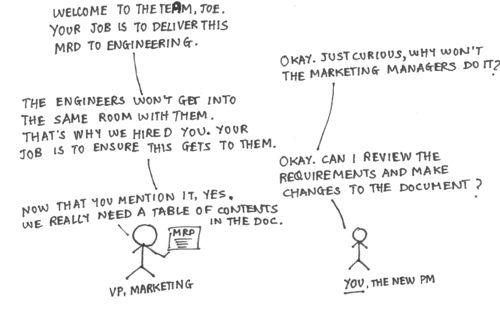
This reminds me of an old blog from @shreyas, where he explained why Product Management should never report into Marketing. (Today, the idea of Product Management reporting into Marketing seems absurd, but while the reporting structure has been fixed in most companies, the underlying issue shown in the cartoon still persists in many companies.)
🔴 If your company treats PMs as execution managers, you’re not just underutilizing them—you’re playing with their careers.
Has this happened to you or your team? If you are an ambitious early career PM and can relate to this cartoon, consider making a move to a more product-centric company ASAP!
ALT Cartoon from old blog of Shreyas Doshi
4
95
Amit Bhatnagar retweeted

28 Jan 2025
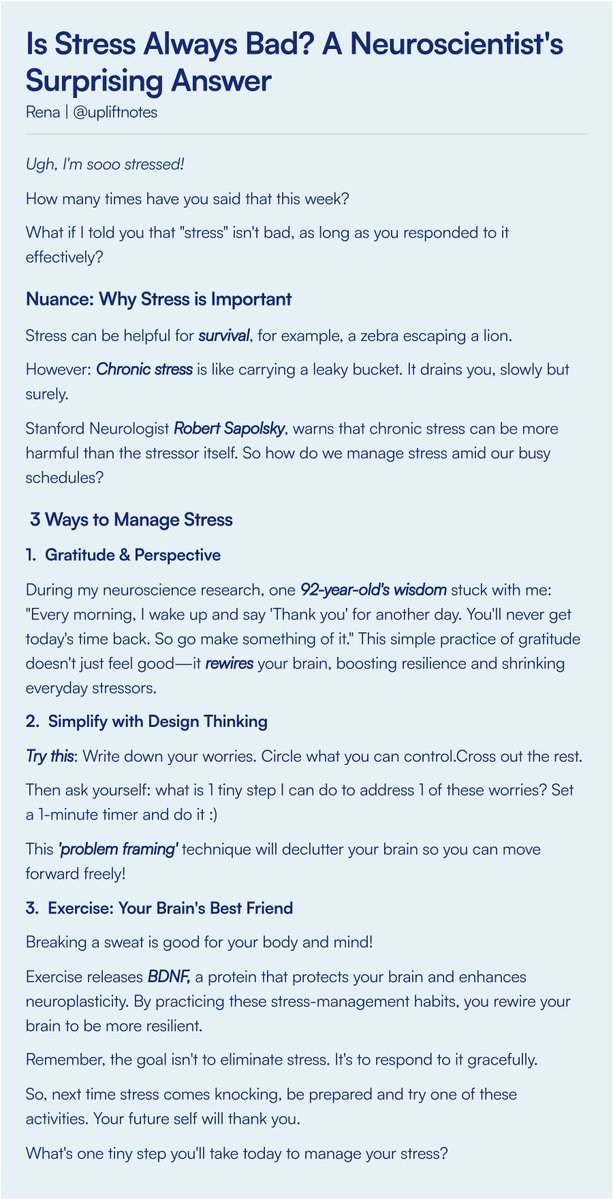
Is Stress Always Bad?
A Neuroscientist's Surprising Answer ⬇️
1
1
3
185
28 Jan 2025
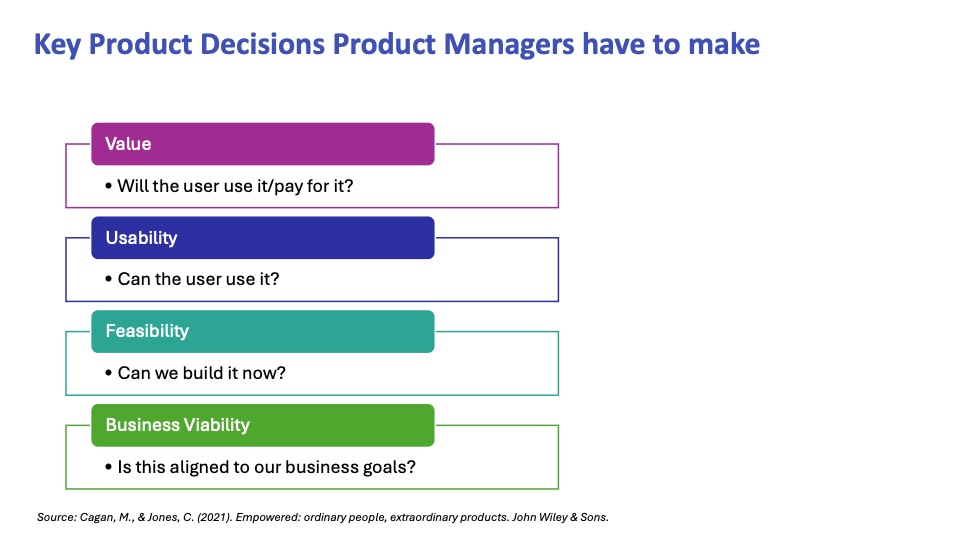
🔥 If you’re a Product Manager or a UX Designer, this is a must-read. (I am making this one a required reading for the Product Management class I teach)
Tinder’s monetization strategy case study by @growthdotdesign is a masterclass in User Psychology, UX, and growth tactics.
Here are just a few of the takeaways:
1️⃣ Progressive Disclosure – Tinder keeps it simple for new users by showing only a few features initially, then gradually unlocking more with more usage. Reduces cognitive overload, improves engagement. And new features feel like “earned”
2️⃣ Curiosity Gap – Tinder teases users with a blurred preview of people who liked them but requires an upgrade to see the list. The psychological need to “fill the knowledge gap” drives conversions.
3️⃣ Smart Pricing Psychology – They use:
• Social Proof (tagging “Most Popular” plans)
• Price Anchoring (showing the highest price first)
Each of these makes upgrading feel worth it.
And that’s just the tip of the iceberg.The full breakdown: growth.design/case-studies/t… 🚀
📌 A must-read for every Product Manager.
1
3
87
27 Jan 2025
Top 3 Lessons from “Fixing the Shipyard, Not Just the Ships” by Petra Wille:
(BTW, a lot in this article reminded me of how we transformed the product culture at @swiggydineout)
1️⃣ Fix the System, Not Just Individual Problems:
Product leaders should focus on addressing underlying organizational challenges rather than tackling PM issues in isolation. If multiple PMs face similar struggles, the root cause likely lies within the system—whether it’s an ill-defined strategy, inefficient processes, or an organization that simply doesn’t empower its PMs. And that brings me to the next point.
2️⃣ Create an Environment for PM Success:
Empowering PMs isn’t just about offering tactical, one-off advice. If recurring obstacles from other departments or stakeholders are hindering your PMs’ success, it’s your responsibility as a product leader to resolve them systemically. Sustainable success comes from removing roadblocks, not just working around them.
3️⃣ Hiring Is More Than Just HR’s Responsibility:
This is just one of the systemic issues mentioned in the article, but for me, it was important enough to deserve a spot in key takeaways. Instead of fixing one job posting at a time, product leaders should step back and evaluate their employer branding strategy.
(At Dineout, we focused on improving our employer branding through LinkedIn, our tech blog, and Instagram (for UX designers) to attract top talent—an investment that paid off tremendously.)
Thanks for the fantastic share, @ttorres!
1
1
91
26 Jan 2025
Product Management is a Lifelong Course – And I’m Always Enrolled 📚
Every product evolves. So should the Product Manager.
When I first heard the term Perpetual Student🧑🎓 back in 2009 during my early days in the US, it was used in a negative connotation. But I personally resonated with it so much that I decided to embrace it as my identity.
When I call myself a Perpetual Student, I’m not just talking about my obsession with learning new things—whether it’s Spanish 🇪🇸, chess ♟️, or psychology 🧠. I approach Product Management the same way—constantly learning and evolving. Because in product management, stagnation is the first step to irrelevance.
As a product manager, being a Perpetual Student isn’t an option—it’s a necessity. Even the definition of the role keeps evolving.
Here is how to be a Perpetual Student in Product Management:
1️⃣ Keep Learning About Your Customers & Industry
• Don’t rely on research and data that’s 18 months old—markets evolve, competitors emerge, behaviors change, and yesterday’s truths may already be outdated today.
• A great PM is always asking: What has changed? What might have changed? What new challenges are our users facing?
• Staying close to your customers and industry ensures your decisions stay relevant and impactful.
2️⃣ Stay Ahead of Technological Shifts
• As @PeterDiamandis puts it in his book, The Future Is Faster Than You Think, and nowhere is this truer than in our industry. The pace of tech is relentless—whether it’s NoCode, AI, or the next wave of innovation, staying ahead means constantly adapting.
• PMs who fail to embrace emerging tools and trends risk being left behind.
• The key? Make learning a habit, not an afterthought.
3️⃣ Unlearning & Re-learning is a Superpower
• What succeeds in the US may not work in India. (I learned this the hard way—now I have a go-to failure story in interviews!)
• What works in a large company may not work in a startup.
• What drives growth in e-commerce may cause your SaaS product to fail.
And yet, most product leaders will tell you that the fundamentals of product management remain the same across industries and markets. They’re right—but the challenge lies in knowing what’s fundamental and what isn’t.
True learning isn’t just about acquiring new knowledge; it’s about shedding old assumptions and adapting to new environments.
The Takeaway:
Great product managers never graduate. 🎓
The moment you think you know it all, you stop being effective.
Stay curious, stay adaptable, and stay a student.
1
2
101
25 Jan 2025
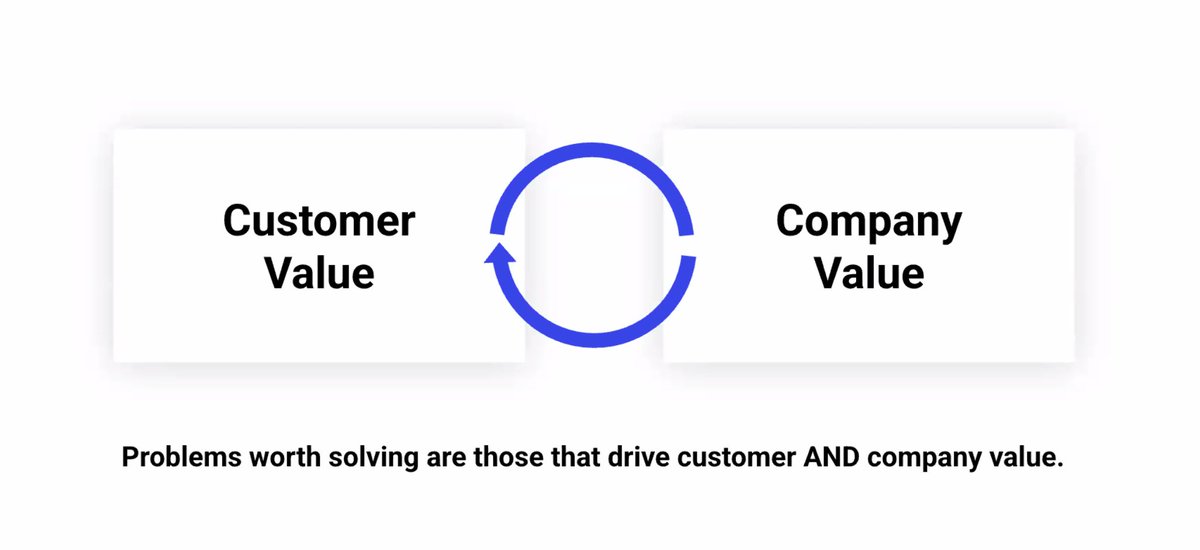
🧵 One of the key takeaways from the amazing @ProductFaculty Advanced Product Management course by Jenifer Liu is the importance of “Problems worth solving.”
As a PM, every decision we make should balance customer value and company value. 👇
1
1
70
25 Jan 2025
Two of my favorite examples:
WhatsApp’s “No Ads Ever” promise 🚫
A customer-centric move, but ultimately, it didn’t align with Facebook’s business goals—leading to changes that monetized the platform later.
Google Reader 📚
A beloved product by power users (including me!), but it didn’t contribute enough to company's business goals, leading to its shutdown despite high user satisfaction.
1
56
25 Jan 2025
What other products come to your mind? 🤔
Share your favorite products that got killed because they didn’t deliver company value.
31