I like making things look like things.
- Tweets 1,654
- Following 259
- Followers 177
- Likes 6,036











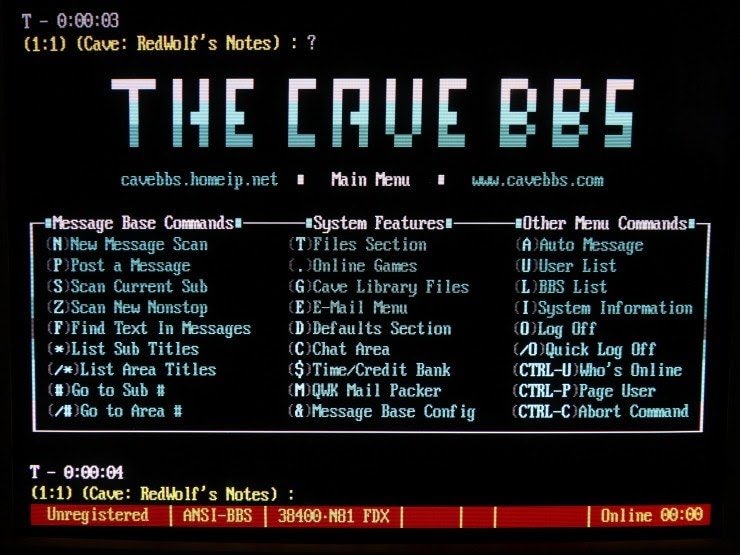
ALT The Cave BBS ANSI menu

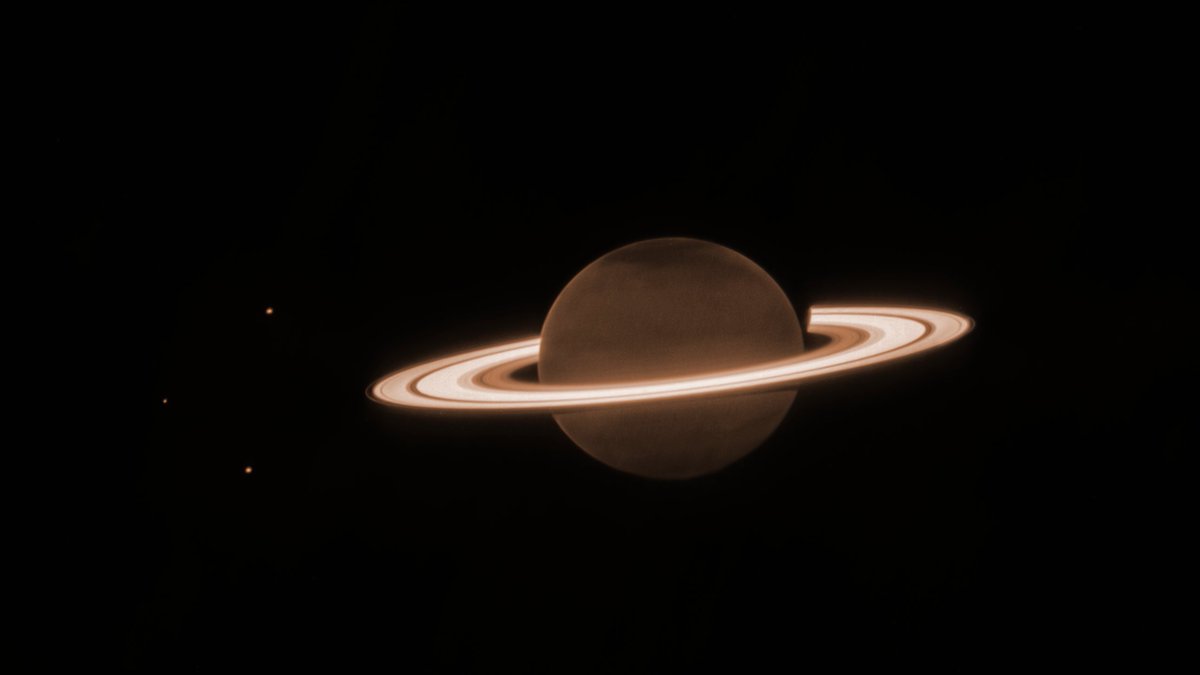
ALT The background is mostly dark. At the center is a dark orange-brown circle, surrounded by several blazing bright, thick, horizontal whiteish rings. This is Saturn and its rings. There are three tiny dots in the image—one to the upper left of the planet, one to the direct left of the planet, and the lower left of the planet. These are three of Saturn’s moons: Dione, Enceladus, and Tethys, respectively. There is a slightly darker tint at the northern and southern poles of the planet. The rings surrounding Saturn are mostly broad, with a few singular narrow gaps between the broader rings. There is an innermost, thicker ring, and next to that is a brighter, wider ring. Traveling farther outward, there is a small dark gap before another thicker ring. In the thicker ring, there is a narrow faint band. There is then an outermost, faintest, thinnest ring.

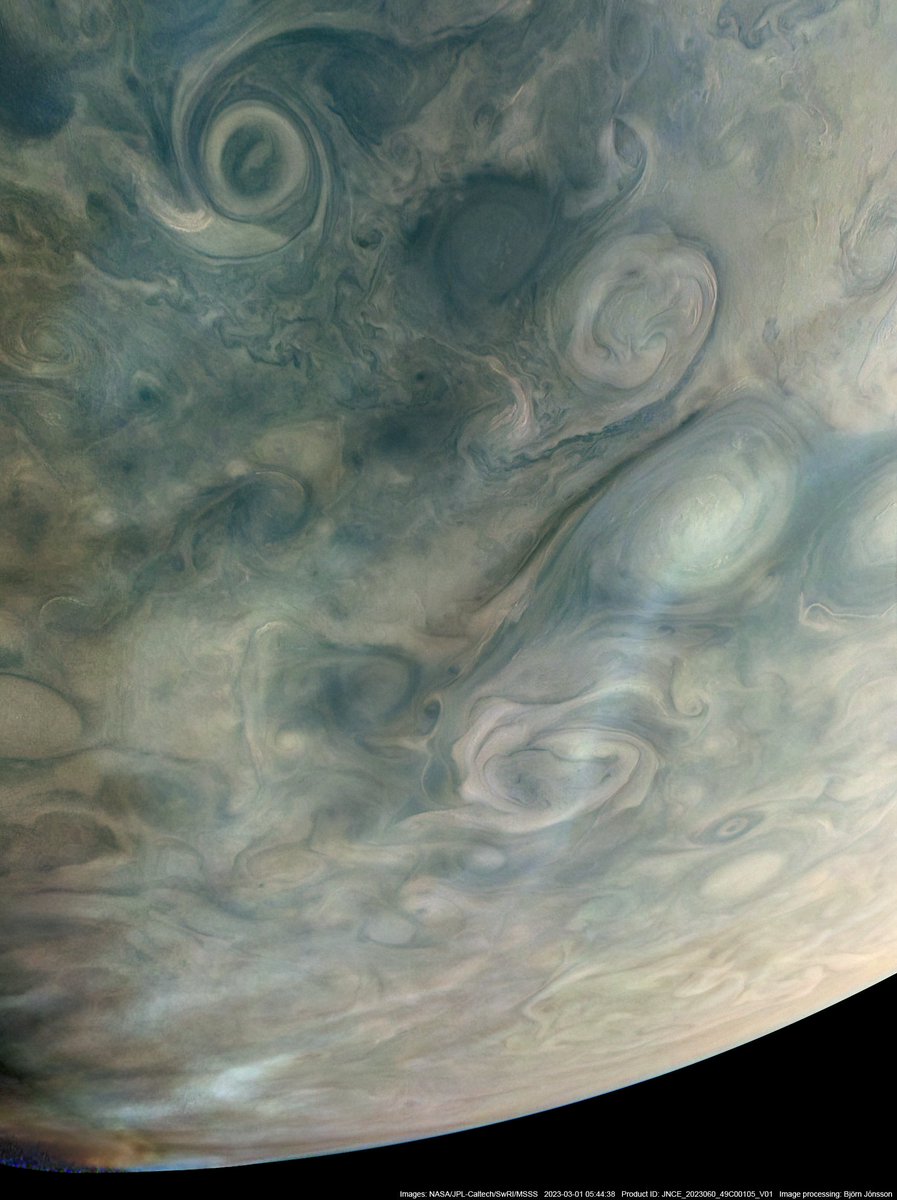
ALT Swirling storms in hues of blue and green and the curving horizon of Jupiter with the darkness of space beyond. Above the spiraling clouds of the cyclones are wispy, light colored bands of haze. Image data: NASA/JPL-Caltech/SwRI/MSSS Image processing by Björn Jónsson © CC NC SA