If you don't have bread, eat cake|| @iamfels1 || Email: fels1@jaloka.org
Joined January 2017
- Tweets 131,253
- Following 12,489
- Followers 348,988
- Likes 460,124
7,048 Photos and videos










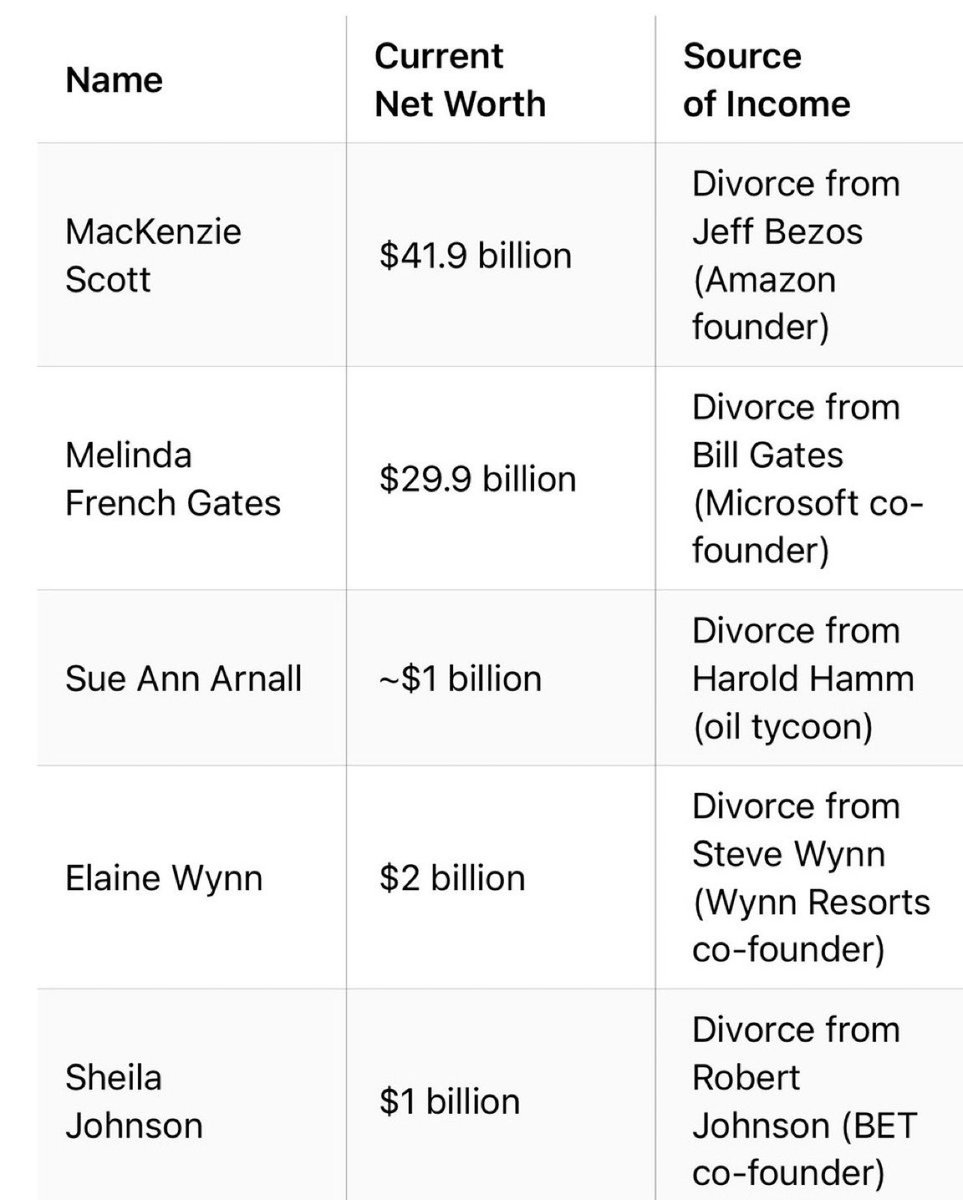





June is Men’s Mental Health Awareness month. It is imperative to state upfront that discussions surrounding men’s mental health, particularly in Africa are overly suppressed by deeply rooted patriarchal norms and cultural expectations. From a young age, men are socialized to adopt the concept of “mwanaume kamili”, a traditional concept of masculinity which demands that men become emotionally stoic, physically tough, and financially provident. This rigid standard inculcates an imaginary yet permanent strength in men, making them perceive and internalize anxiety, vulnerability, and sadness as a sign of weakness. When confronted with financial strains, chronic stress, or relationship breakups, majority of men either find themselves socially isolated or without the necessary vocabularies to articulate their emotional distress and pain. The silence is further exacerbated by a glaring systemic gap: the government allocates just less than 0.01% of its health budget to mental health, and at least 75% of men lack access to adequate mental health care. This leaves critical psychiatric and counseling services absent in most parts of the continent.
The consequences of this silent crisis is evident through the disturbing statistics. For instance, date from the WHO reports that while women may report higher rates of diagnosed depression, men are confronted with far more fatal outcomes. In Kenya, for instance, suicide mortality rates for men are a staggering five times higher as compared to women’s, making four out of every five suicides reported in the country daily. In addition, men bear a disproportionate burden of severe mental health disorders and substance abuse, accounting for 56.9% of total documented mental health disorders. It is further critical to note that young men between the ages of 15 and 24 remain the most highly vulnerable group. Since seeking psychological help is still vastly stigmatized, many men have resorted to alcoholism and substance abuse as an escape strategy and a form of self-medication. This further creates a devastating cycle that underscores why men’s mental health awareness month is overly crucial for saving lives.
To shatter this silence and stigmatization, therefore, men must become each other’s keepers, replacing the pressure of absolute strength and stoicism with the safety of shared vulnerability. By actively checking in on one another and normalizing honest conversations, men can inevitably build vital lifelines that pull their brothers out of the abyss and into a space of healing and restoration.

6
73
223
17,476
Ja Loka retweeted

The Migori County Aggregation and Industrial Park (CAIP) demonstrates a deliberate national approach to inclusive, regionally balanced development; where each county leverages its unique resource base through industrial parks to drive localized value addition and broaden participation in the national economy.
Jointly implemented by the National Government and the Migori County Government, this project positions Migori within that wider framework by turning its agricultural strengths into structured industrial opportunity.
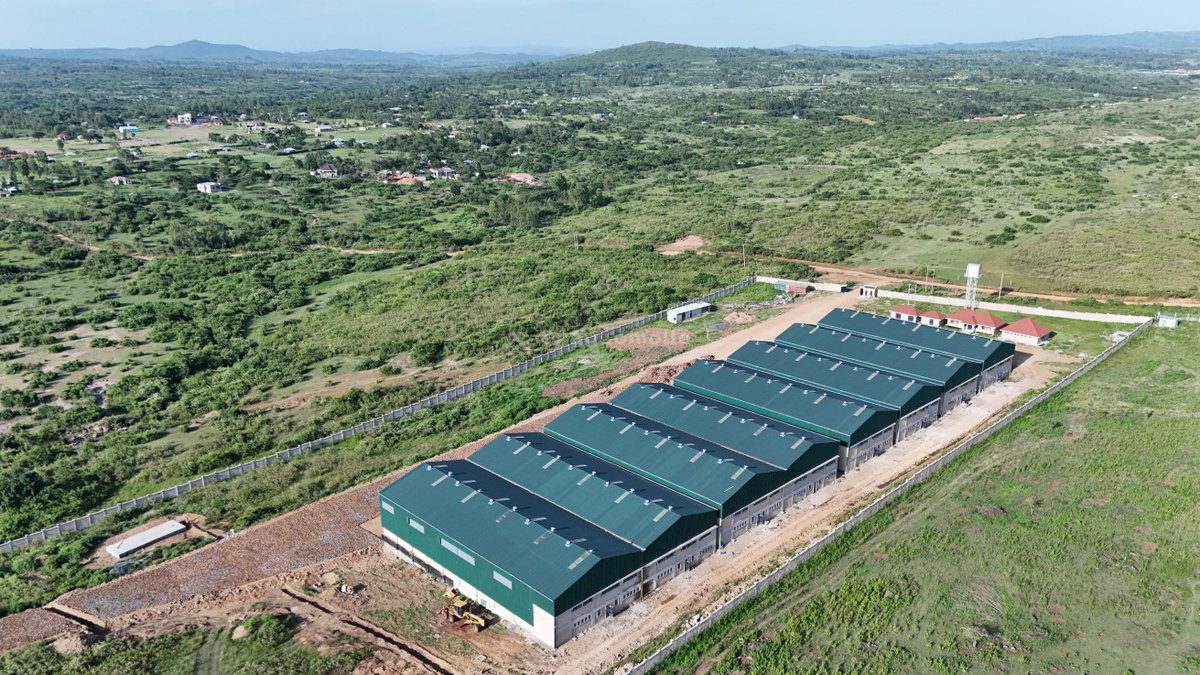
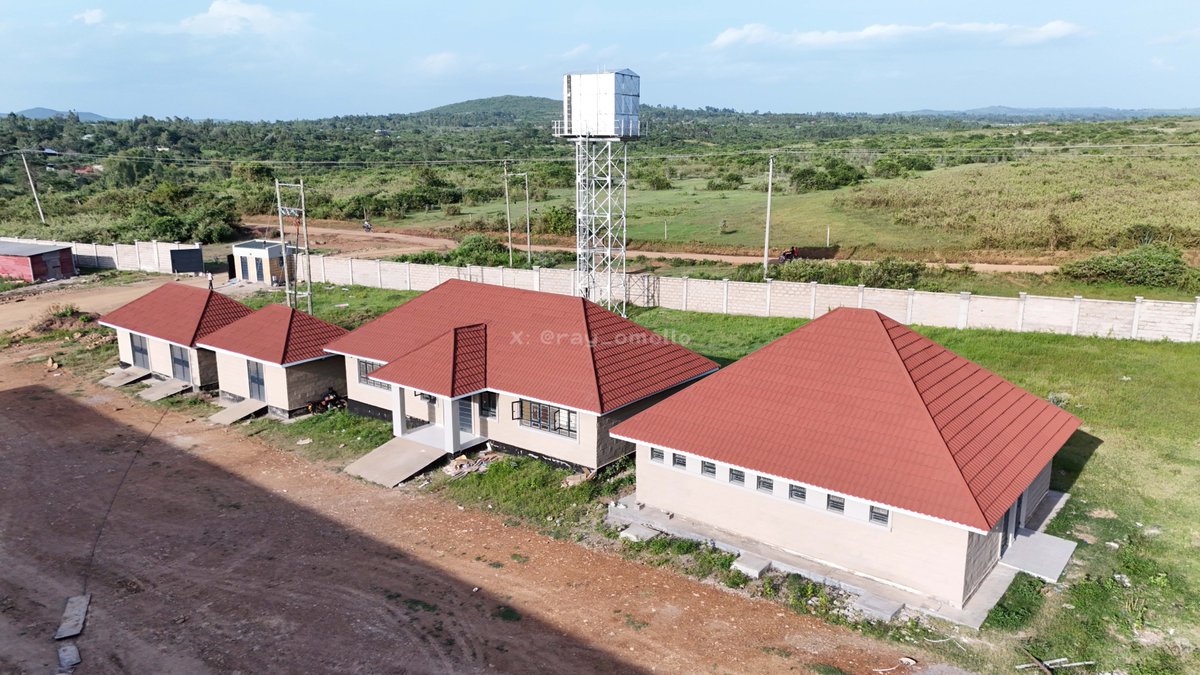
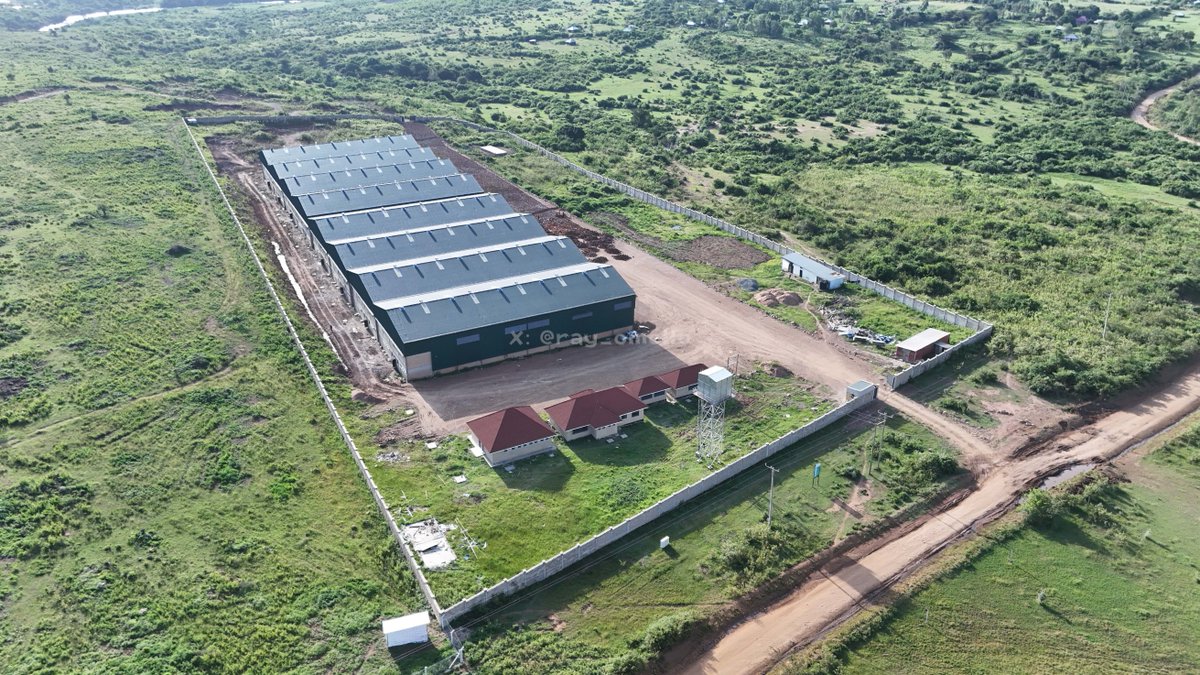
Situated on a 100-acre site at Macalder Kanyarwanda in Nyatike Constituency, the park is designed as a centralized agro-processing and manufacturing hub, supporting commodities such as fish, sweet potatoes, sugar, rice, maize and horticultural produce.
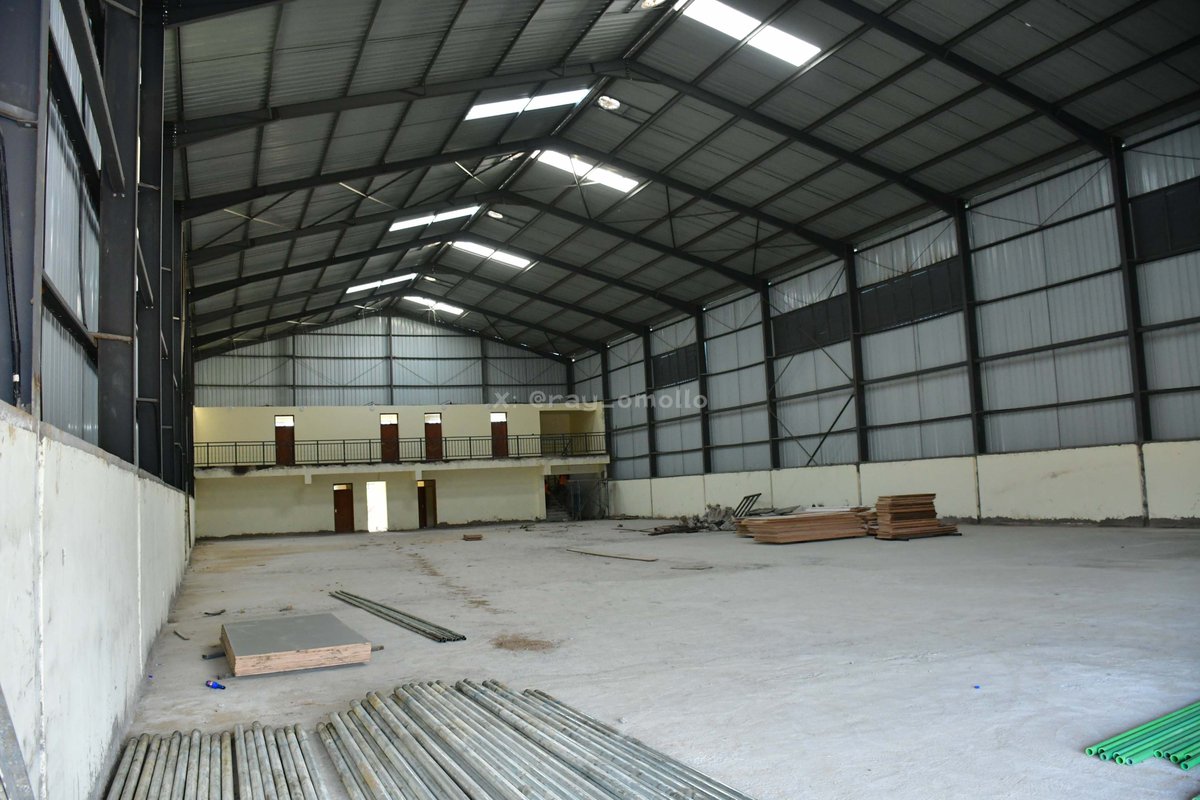
Its infrastructure, now fully formed, comprises eight large warehouses arranged in two blocks, an administrative complex, a central powerhouse, a main store, a water tank and an ablution facility.
The project has progressed into its final phase, with internal floor tiling underway and external cabro works shaping access roads and walkways.
Equipped with modern storage and cold chain systems, the facility is structured to streamline aggregation, reduce post-harvest losses and improve producer returns by minimizing inefficiencies along the value chain.
Serving all sub-counties across Migori, including Nyatike, Rongo, Awendo, Uriri, Suna East, Suna West, Kuria East and Kuria West, the park is expected to scale county-led industrialization and generate approximately 30,000 jobs, strengthening the region's economic potential.
The State Department for Internal Security and National Administration continues to play a facilitative role, ensuring a stable operating environment, coordinating local administrative support and fostering community alignment critical for the seamless transition of the project into full operational use. MORE PICS - shorturl.at/SQCzL
10
36
52
2,220
Your work in this city is not to solve women's problems. Know this and have peace.

Bro to Bro: Avoid asking a lady “How are you?” Few ladies are fine in this generation. She is either hungry, has no data, rent is due, nails are due, or she is not feeling well, etc. I come in peace.
6
66
228
5,653
Ja Loka retweeted
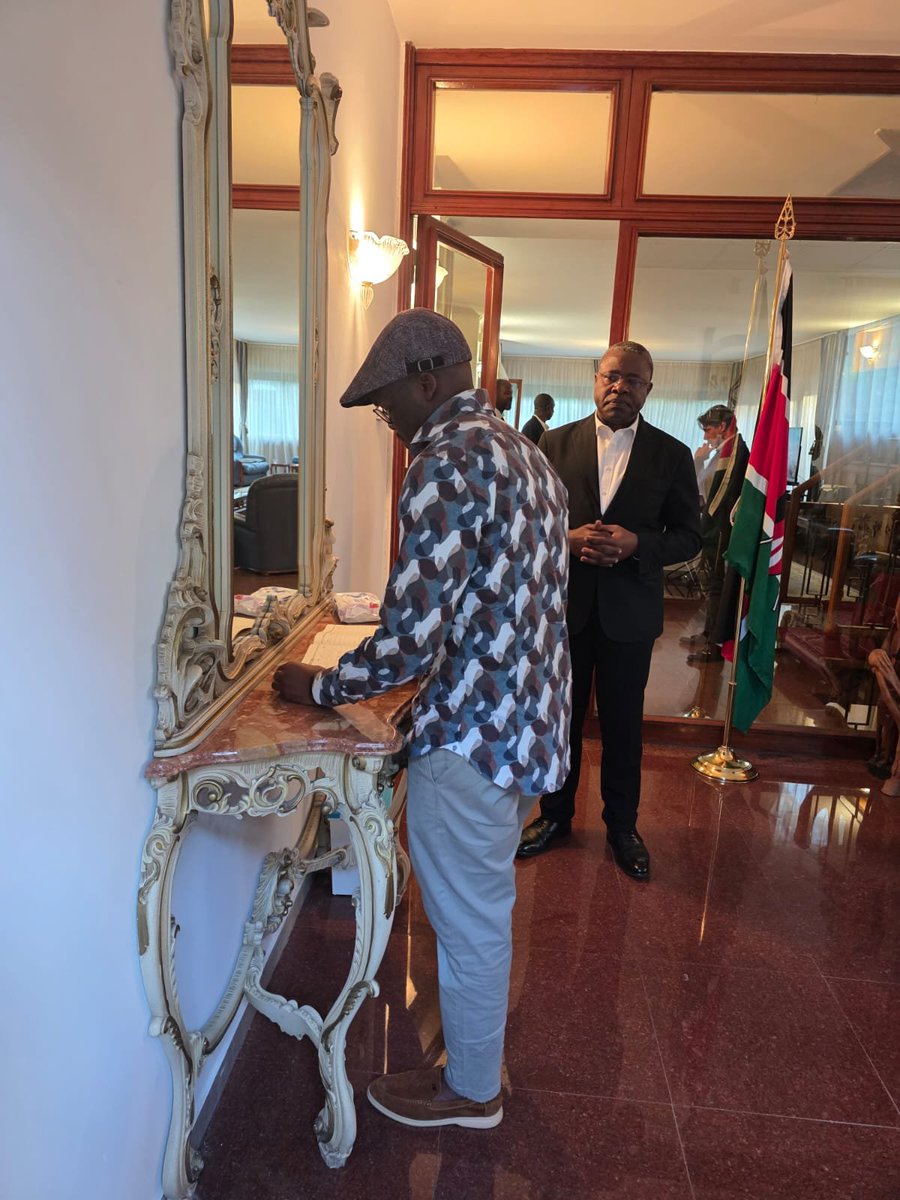
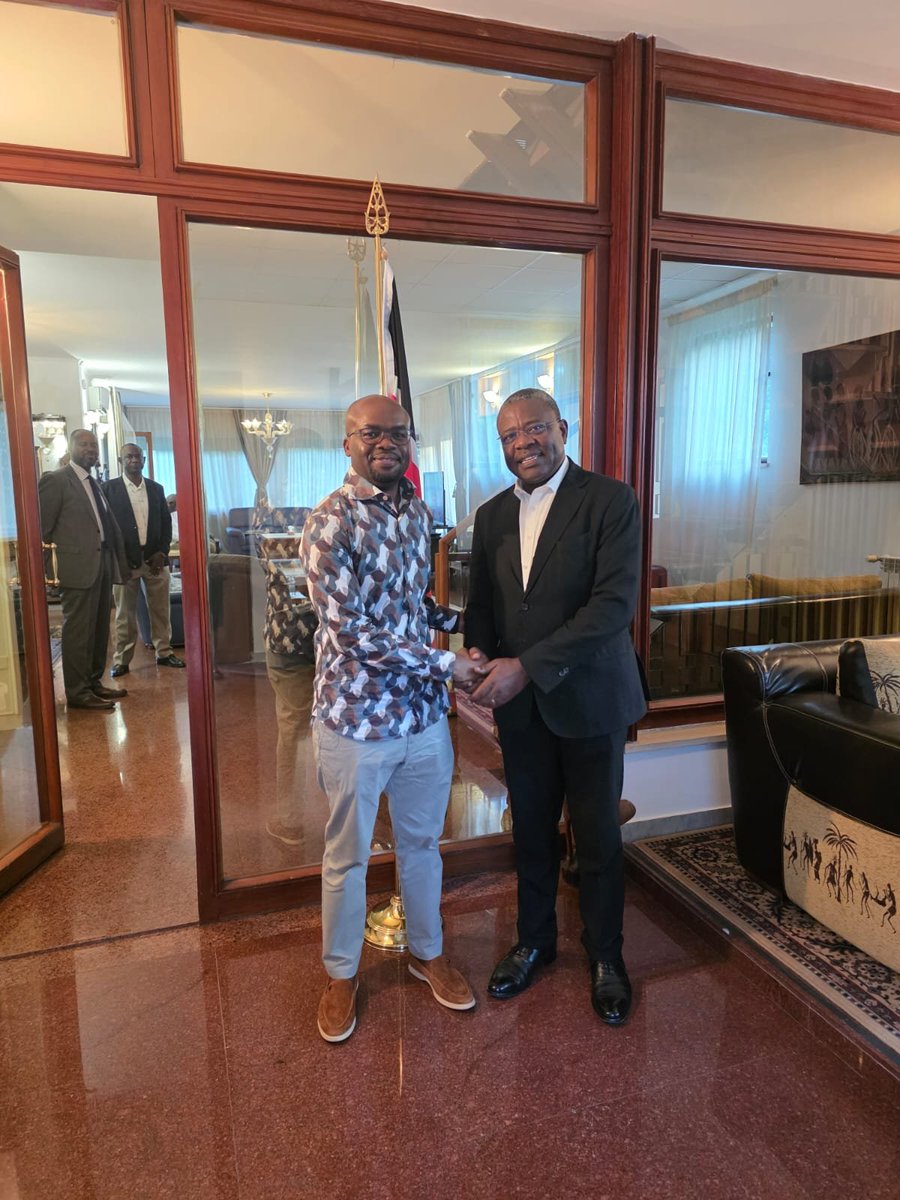
Paid a courtesy call on Kenya's Ambassador to Italy, Ambassador Fredrick Matwang'a, at Kenya House in Rome, Italy.
The visit offered valuable insights into Italy's governance and institutional frameworks, complementing the ongoing benchmarking mission aimed at identifying best practices that can inform policy and service delivery improvements back home.
I expressed my appreciation for the Embassy's continued support in facilitating Kenya's engagements in Italy and promoting the country's interests abroad.
18
44
132
6,535
What defines this 'best life' you people keep mentioning?
Jun 11

Imagine not living your best life because you want to be called wife material
46
119
729
27,859
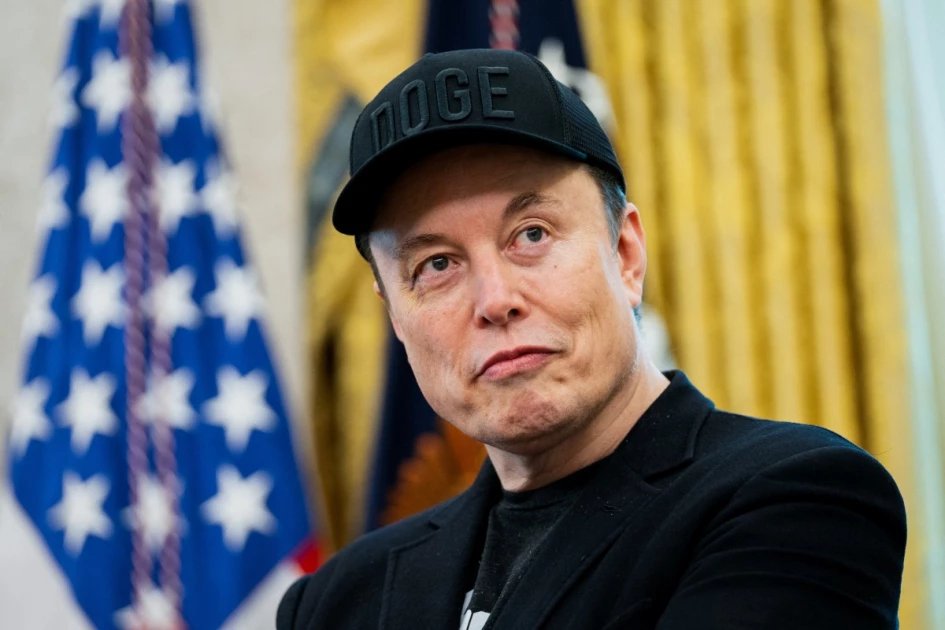
What shall it profit a man if he gains the whole world but loses his own soul?

91
45
388
15,911
Ja Loka retweeted
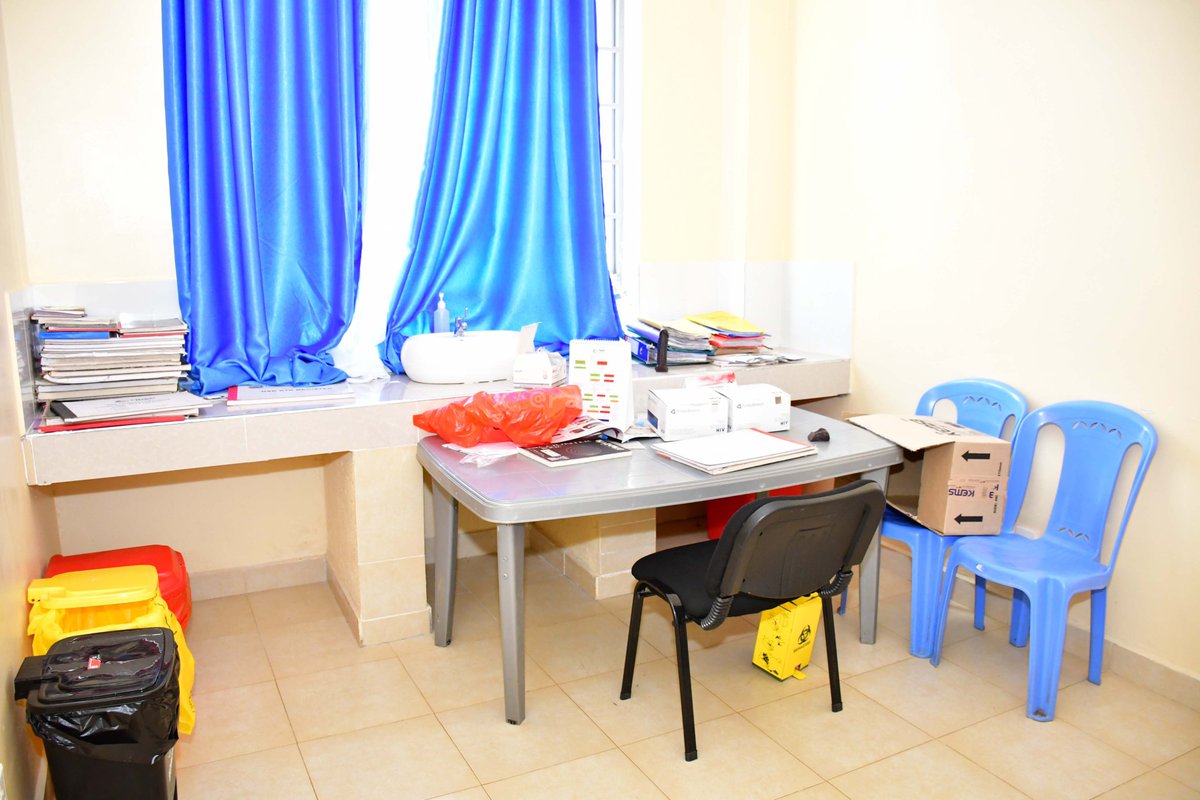
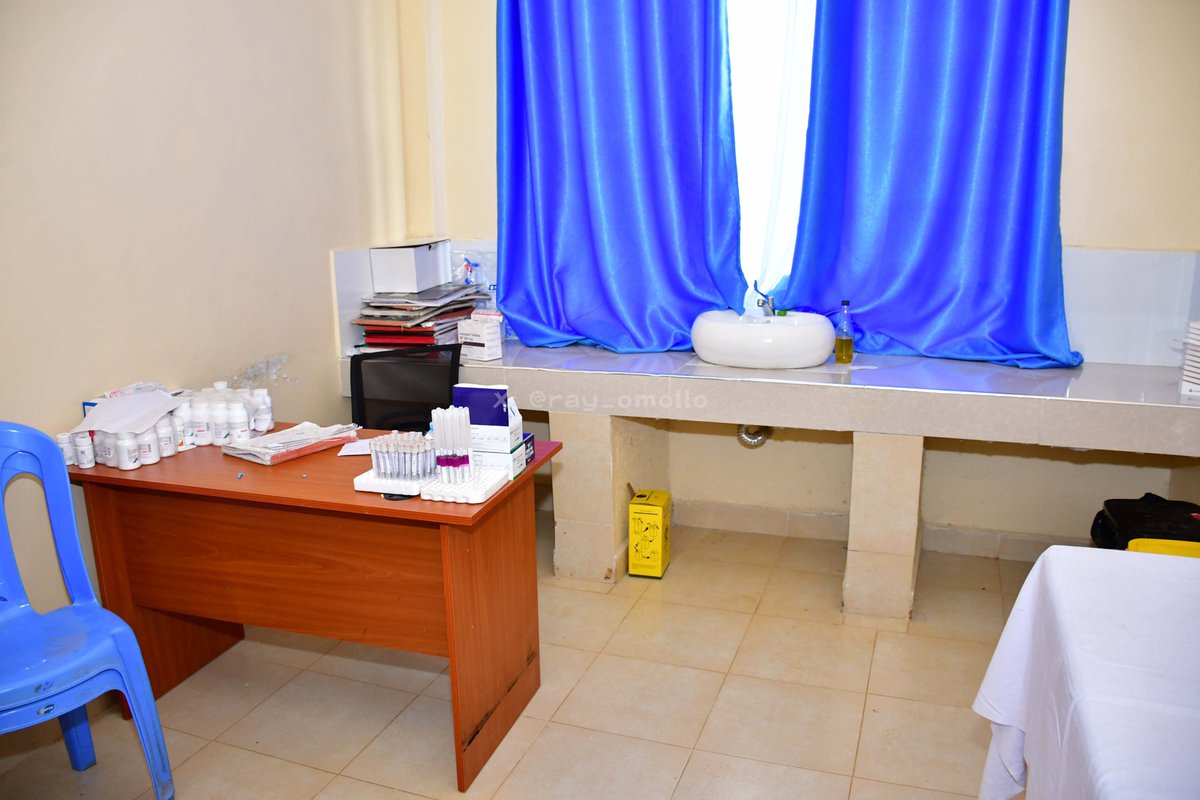
The ongoing reforms in the health sector aimed at achieving Universal Health Coverage (UHC) are increasingly driven by infrastructure upgrades, particularly in rural facilities where access to quality care has long been limited.
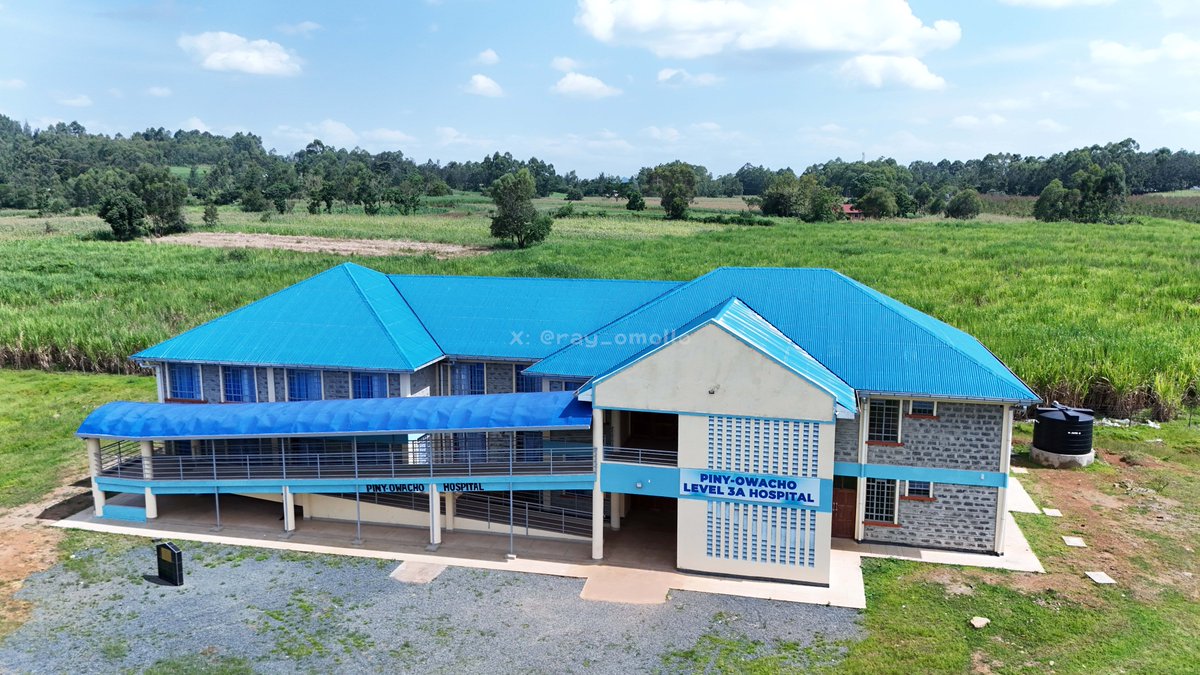
The transformation of Piny Owacho Level 3A Hospital in Uriri Constituency, Migori County, demonstrates this shift from basic care to strengthened primary healthcare delivery.
Originally a small dispensary, the facility whose foundation stone was laid by H.E. President @WilliamsRuto in October 2023, was later elevated and officially commissioned in March 2026 by the President as a fully functional Level 3 hospital, marking its transition into a modernized county health facility.
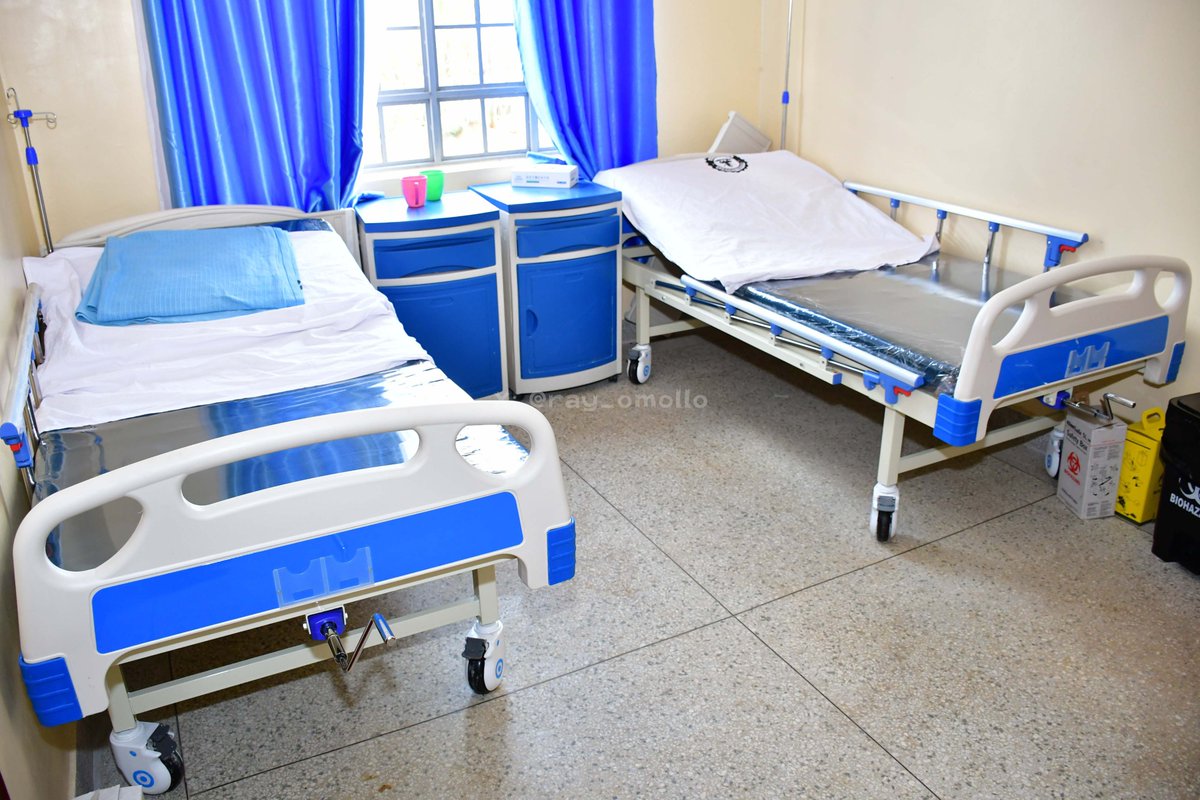
It now features a maternity and neonatal wing to improve maternal outcomes, inpatient wards for short-stay care, outpatient diagnostic units for consultations and immunization tracking and an advanced medical laboratory to enhance rapid testing and reduce referrals to distant facilities.
The State Department for Internal Security and National Administration supports the smooth and secure operation of the hospital by safeguarding public health infrastructure, strengthening safety within and around the facility and ensuring uninterrupted access to essential health services for the surrounding communities.
16
78
160
9,874