Urban planner, obsessed with urban greening. Planning for nature in Europe with @UrbanGreenUP🇪🇺, doing a doctorate at @RMIT_CUR. Seldom here because of Elon.
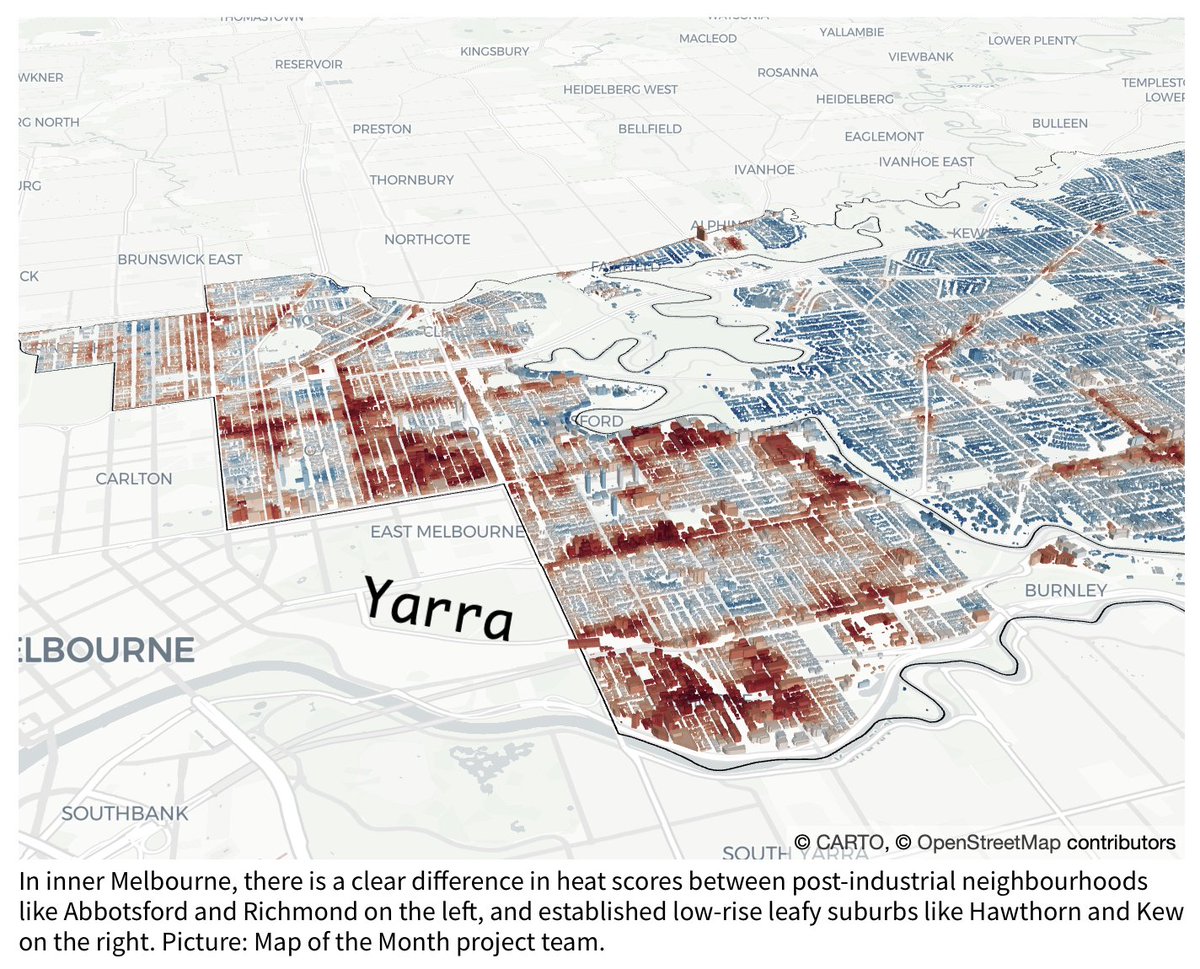
Everyone wants a greener city, but where do we find the space for all those new trees?
We've just published new research that shows how to do exactly that. It's actually pretty simple: park your car in a garage!
theage.com.au/national/victo…
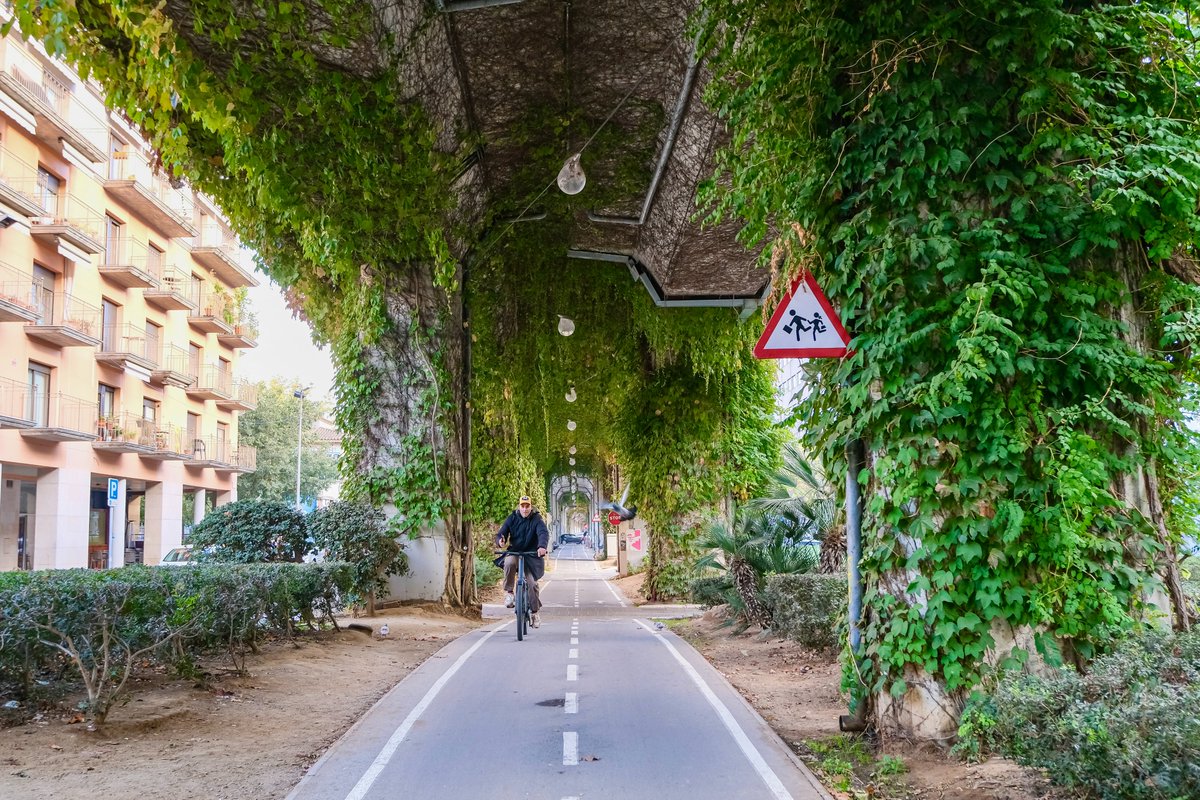
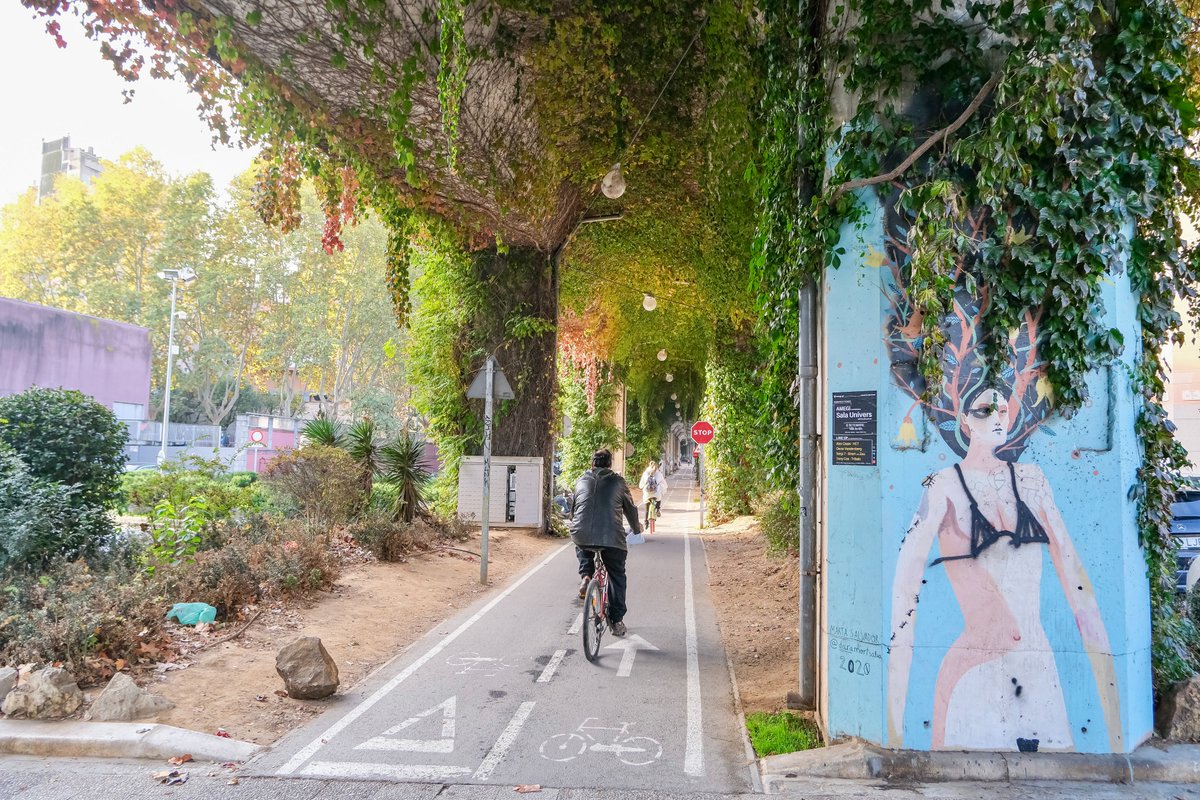
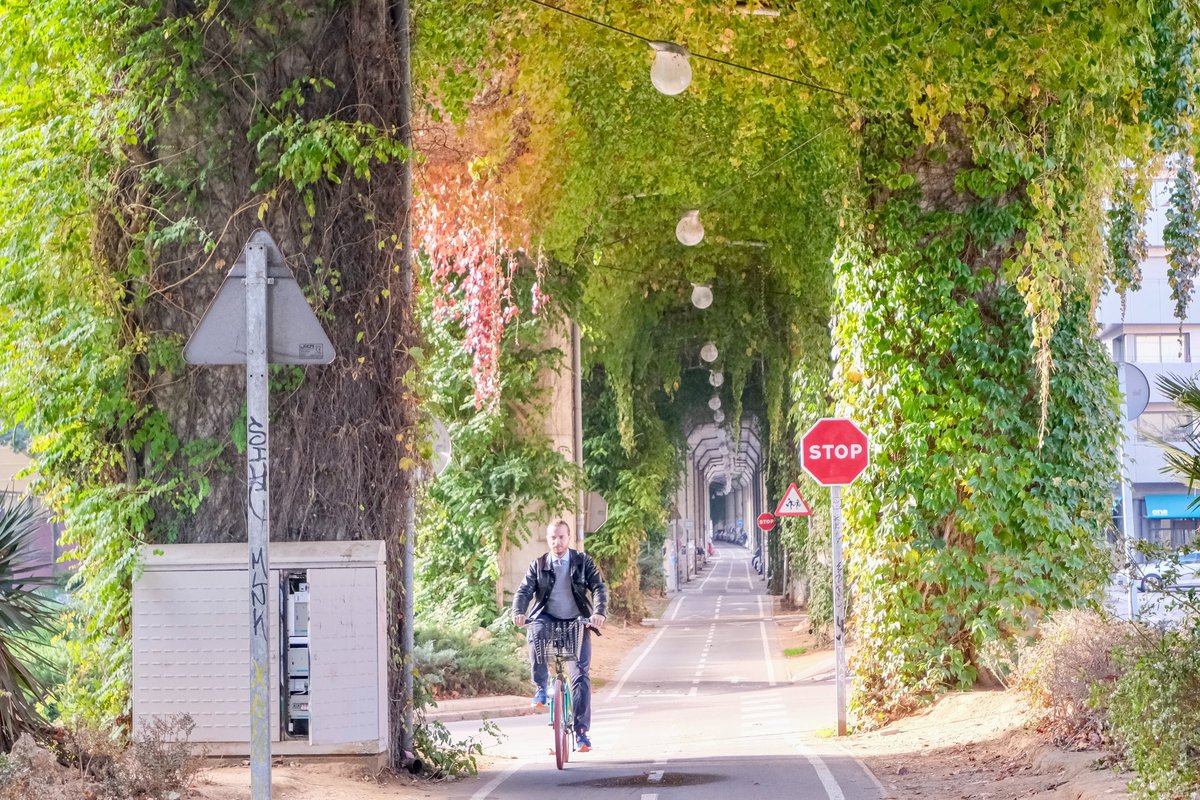
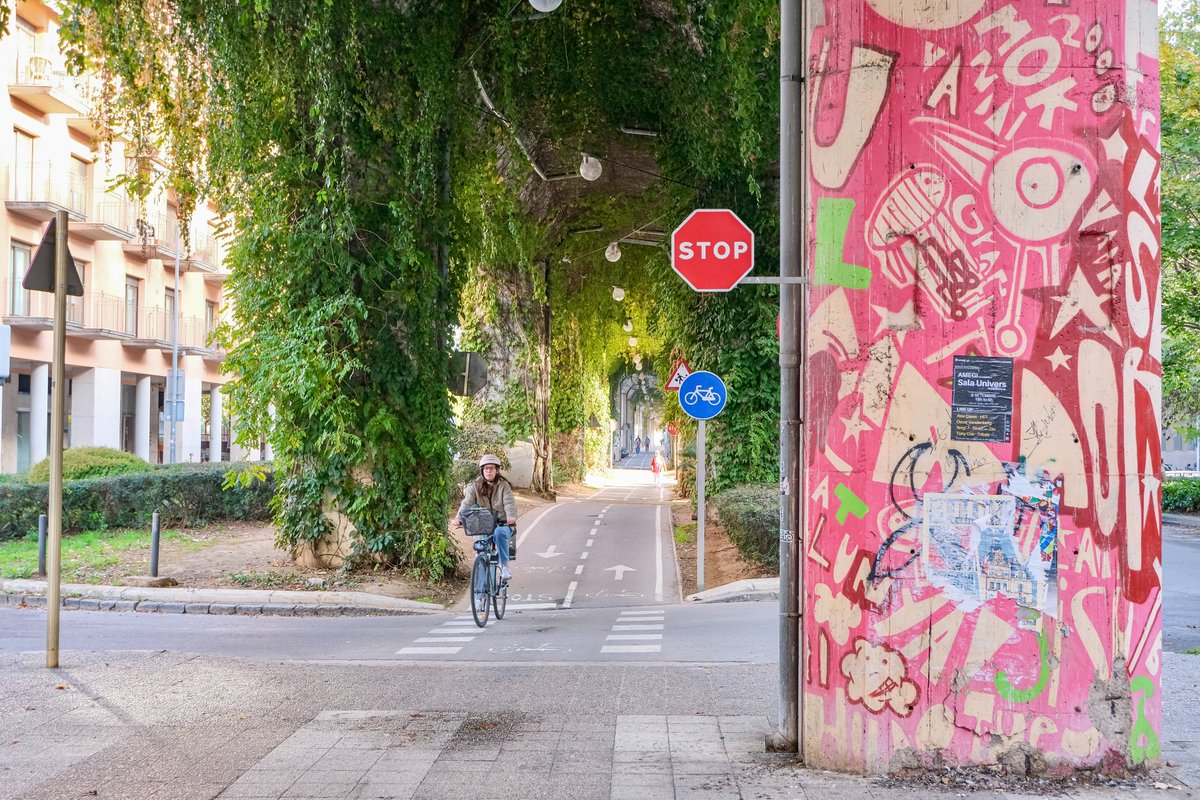
Girona has long-term plans to tunnel the elevated train tracks running through the heart of the city, but in the meantime, they are making the most of the existing railway viaduct; activating the area below with a kilometre-long path that forms the spine of their cycling network.
ALT Pedestrians, cyclists, scooters, and joggers travel along a pathway underneath a concrete railway viaduct in Girona featuring climbing plants, street art, and overhead lighting.
Each and every fresh snow reveals how much we’ve over-designed our streets and roads for cars, making them faster and more dangerous, and how much space we could reclaim for people and public life.
We call them #sneckdowns. GIF via @otucis#sneckdown
Many cities fail the 3-30-300 benchmark for urban nature. The ‘3’ is often met and the ‘300’ is patchy due to poor tree canopy coverage. Cities need better planting conditions and governance to support tree growth @_ficus@TerrEcolGroup@geoconR@sbekessynature.com/articles/s41467-0…
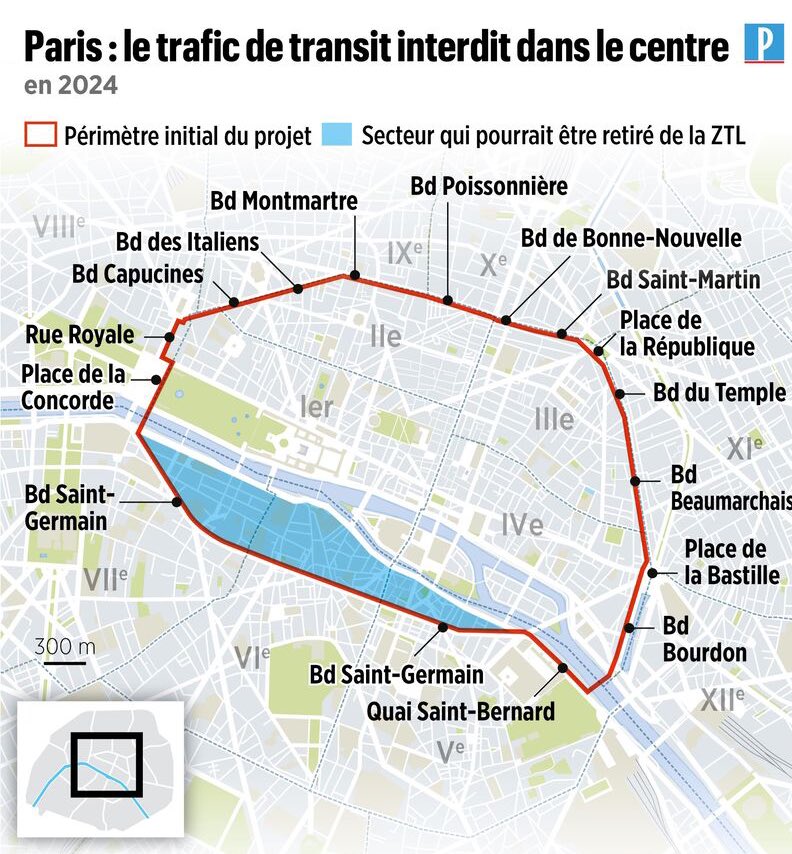
THIS IS HUGE. Paris City Hall has announced that starting on Monday, Paris will limit (not ban) car traffic in the city centre, as cities like Ghent have done. They’re creating a limited traffic zone (ZTL) about 2 sq miles in size, to clean the air & create more space for people.
I lived in #Paris in the 90s. A city totally dominated by cars.
Hard to walk in, a nightmare to ride a bike in.
Look at it now: a city where cars, rather than people, have trouble moving.
Which, in the overheated, hurricane-plagued 2020s, is how a city *should* look.
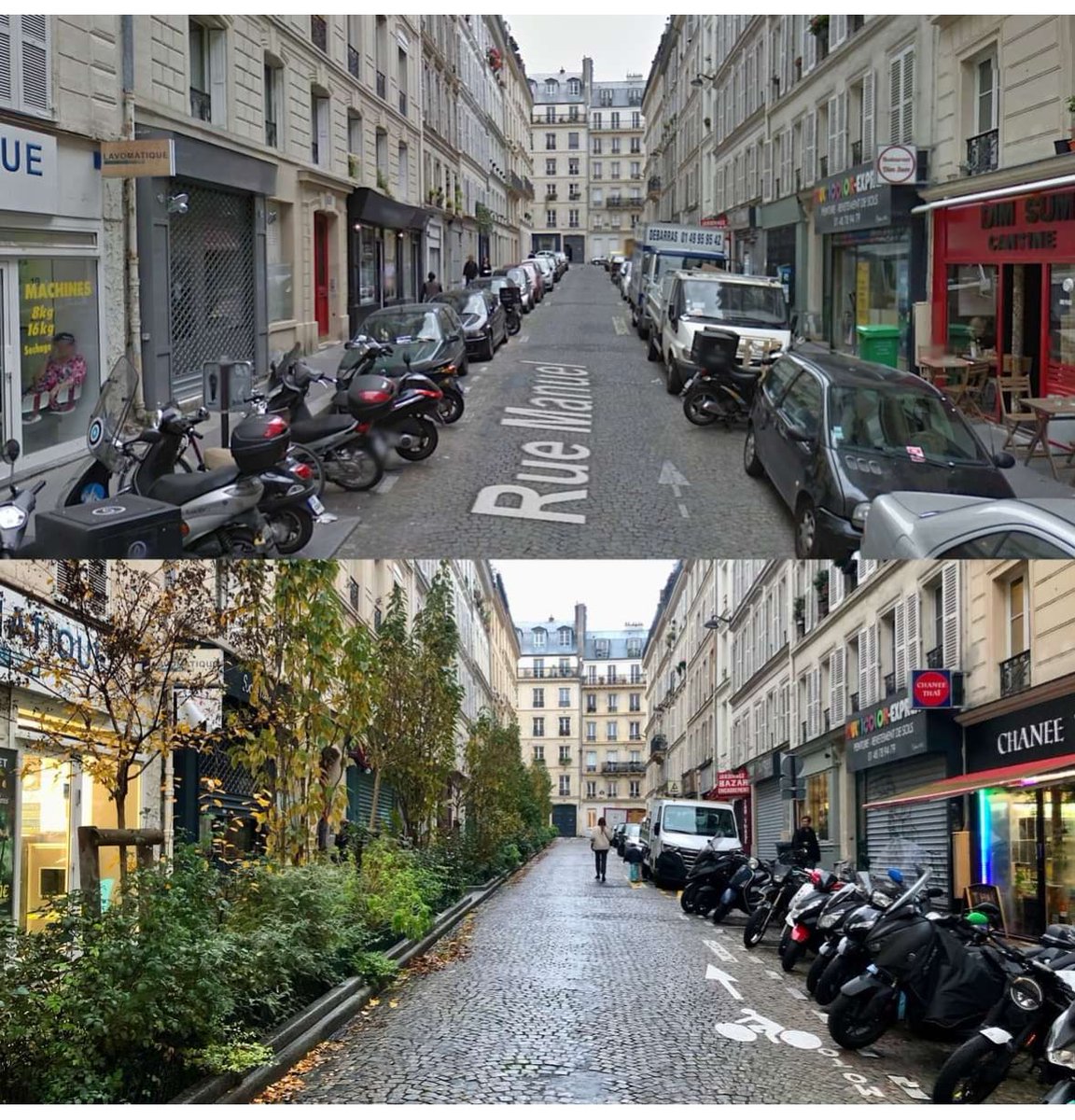
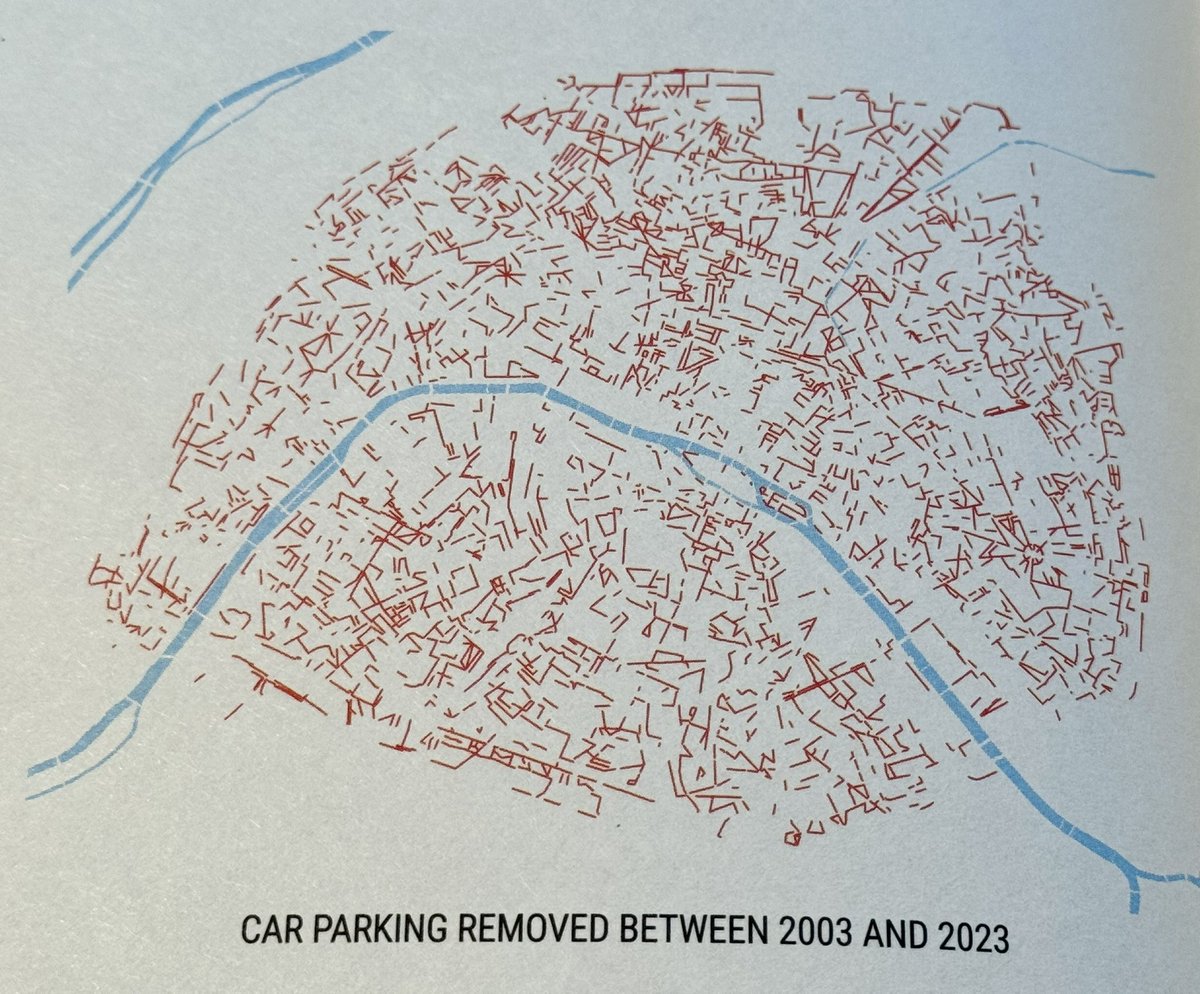
In the last 20 years, 44 hectares of Paris car parking has been transformed, making room for wider sidewalks, bikes and buses (15ha), bike racks, EV spots, accessible space, & 2.2K new patios/terraces for outdoor dining. 90% of trips in the city are via walking, biking & transit.
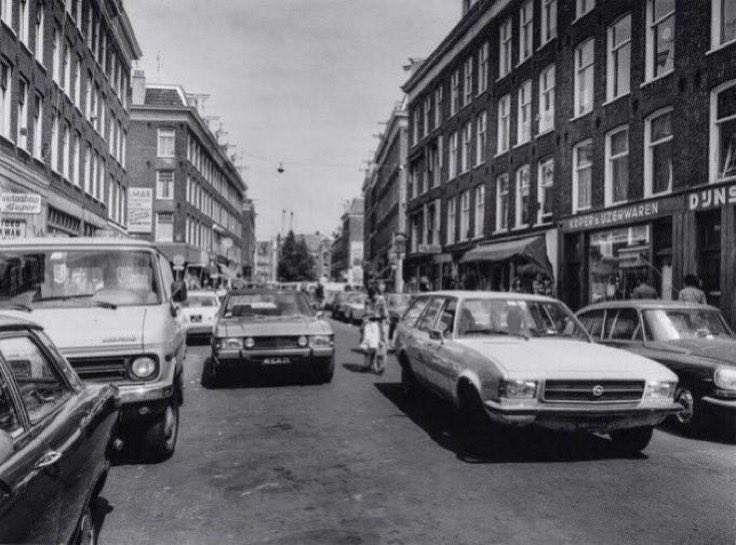
They say “We can’t do that. We’re not Amsterdam.” You reply “Amsterdam wasn’t always like that either” and show before & after transformations illustrating how cities we admire made CHOICES. They try new excuses. You don’t accept them either. (1e van der Helststraat, 1978 & 2005)
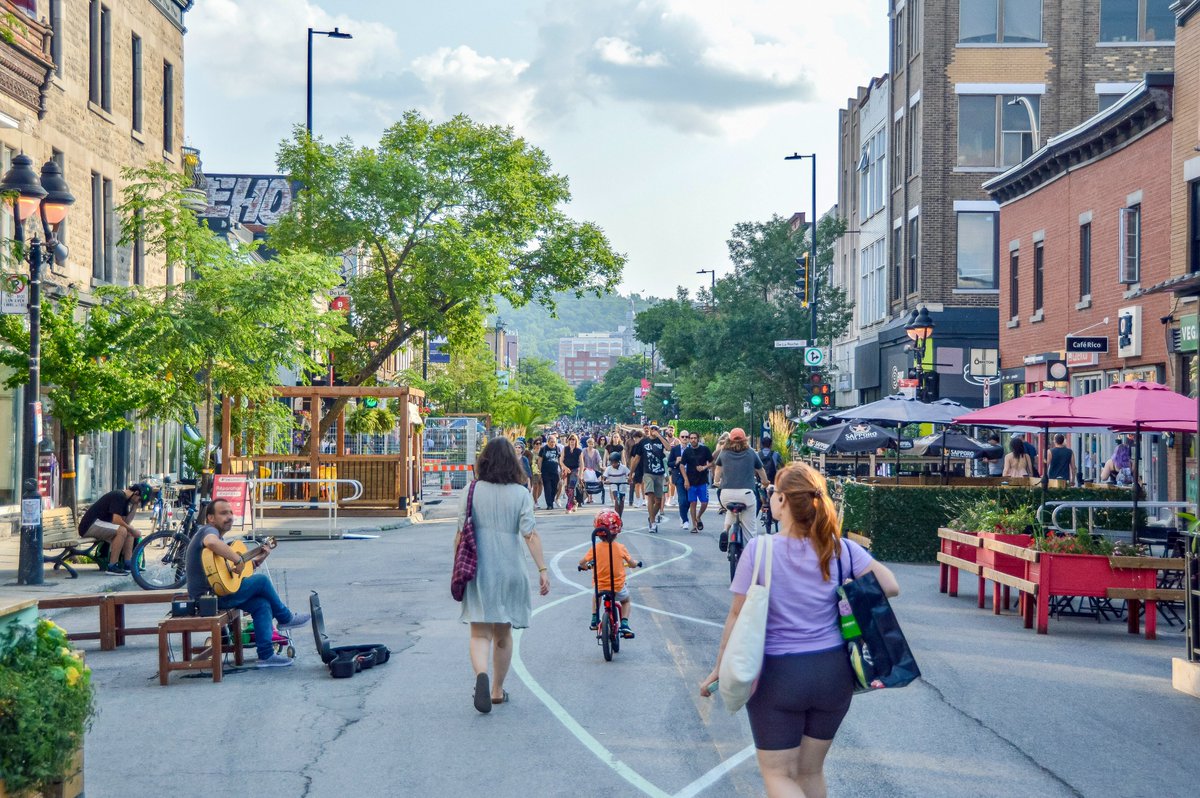
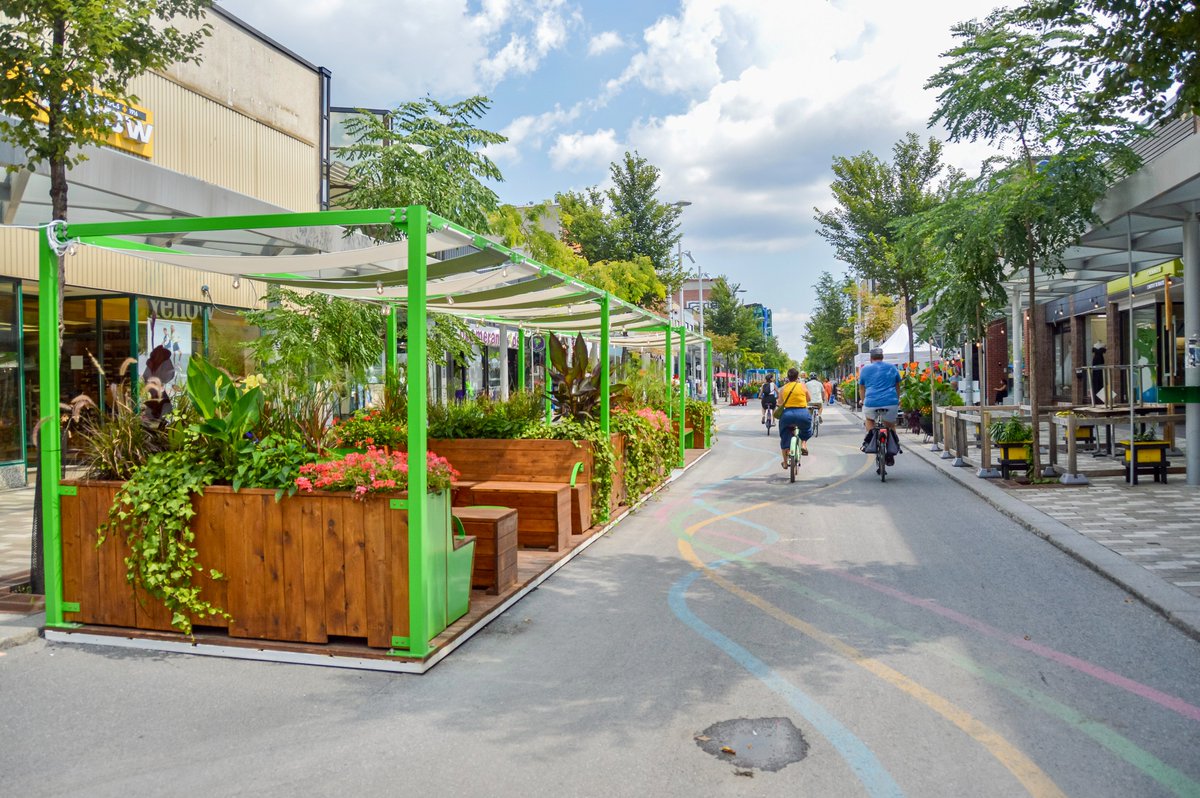
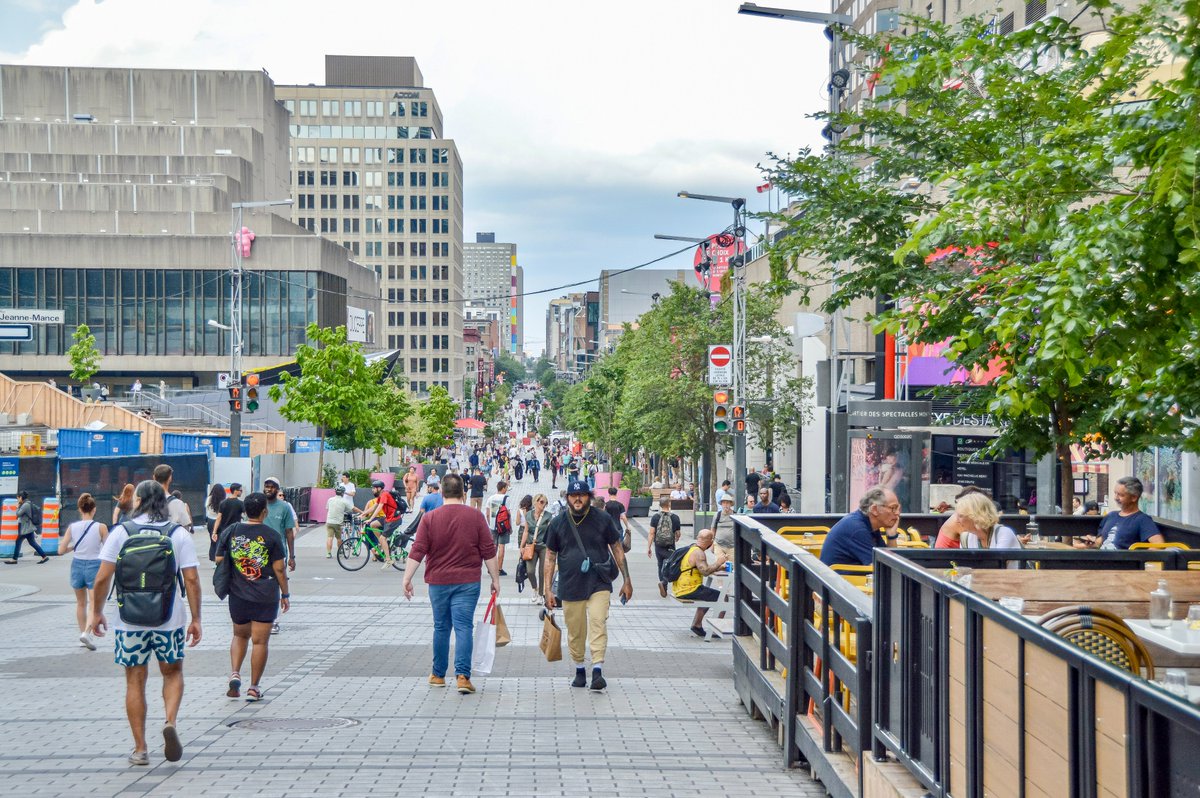
The most ambitious car-free scheme on the continent, Montréal pedestrianized 11 commercial arteries—totaling 9.4 km—in seven boroughs this summer.
A pandemic-era initiative pushed by business leaders, they have quickly become cherished destinations for locals and tourists alike.
ALT People walk, sit, and dine along a pedestrianized street in Montreal. It is lined with trees, planter boxes, terraces, and benches.
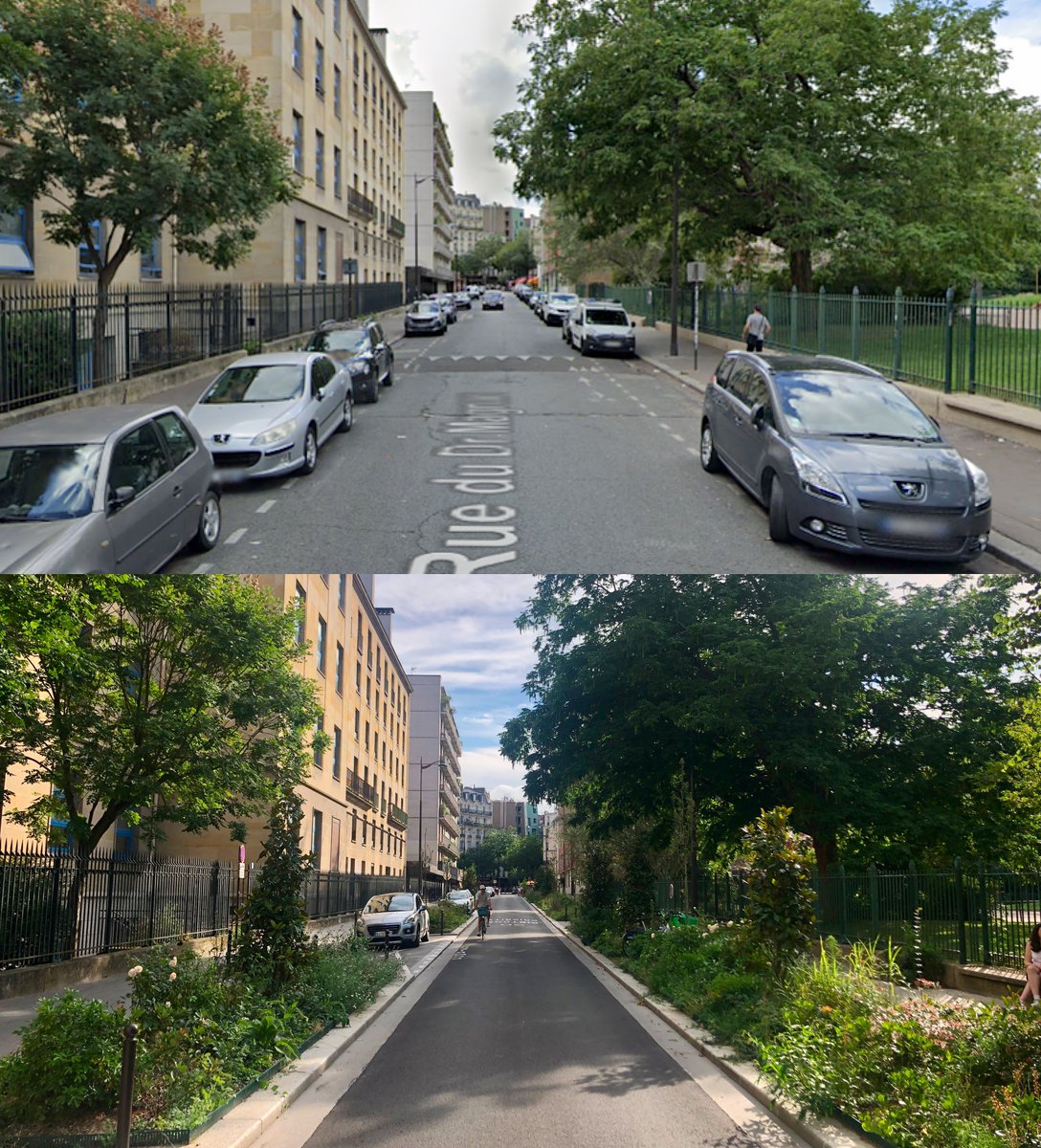
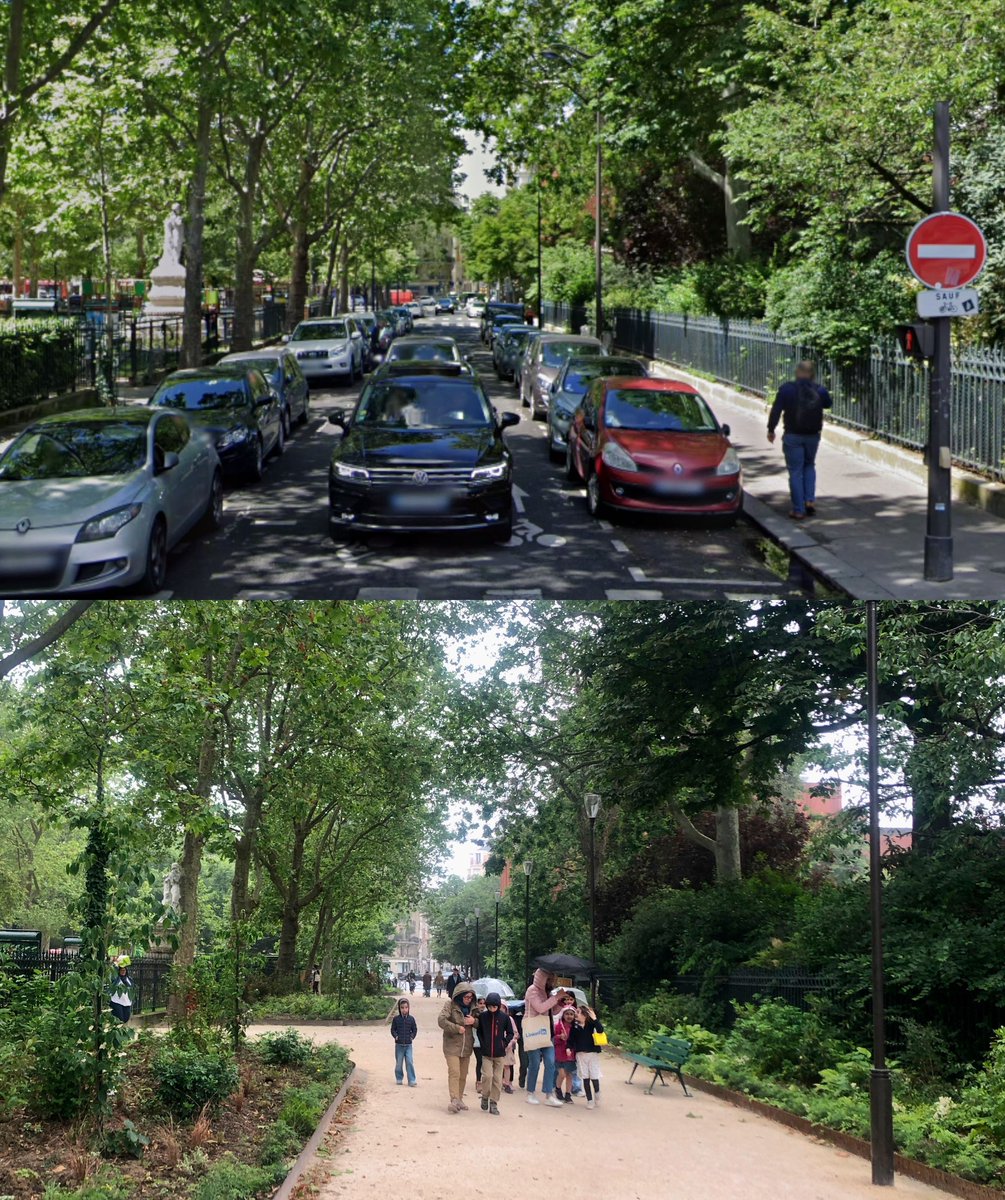
Avant / Après Rue Mouton-Duvernet dans le 14ème arrondissement de Paris. Une ancienne rue parking entre deux parcs a été piétonnisée et végétalisée, pour faire une continuité entre les deux parcs.
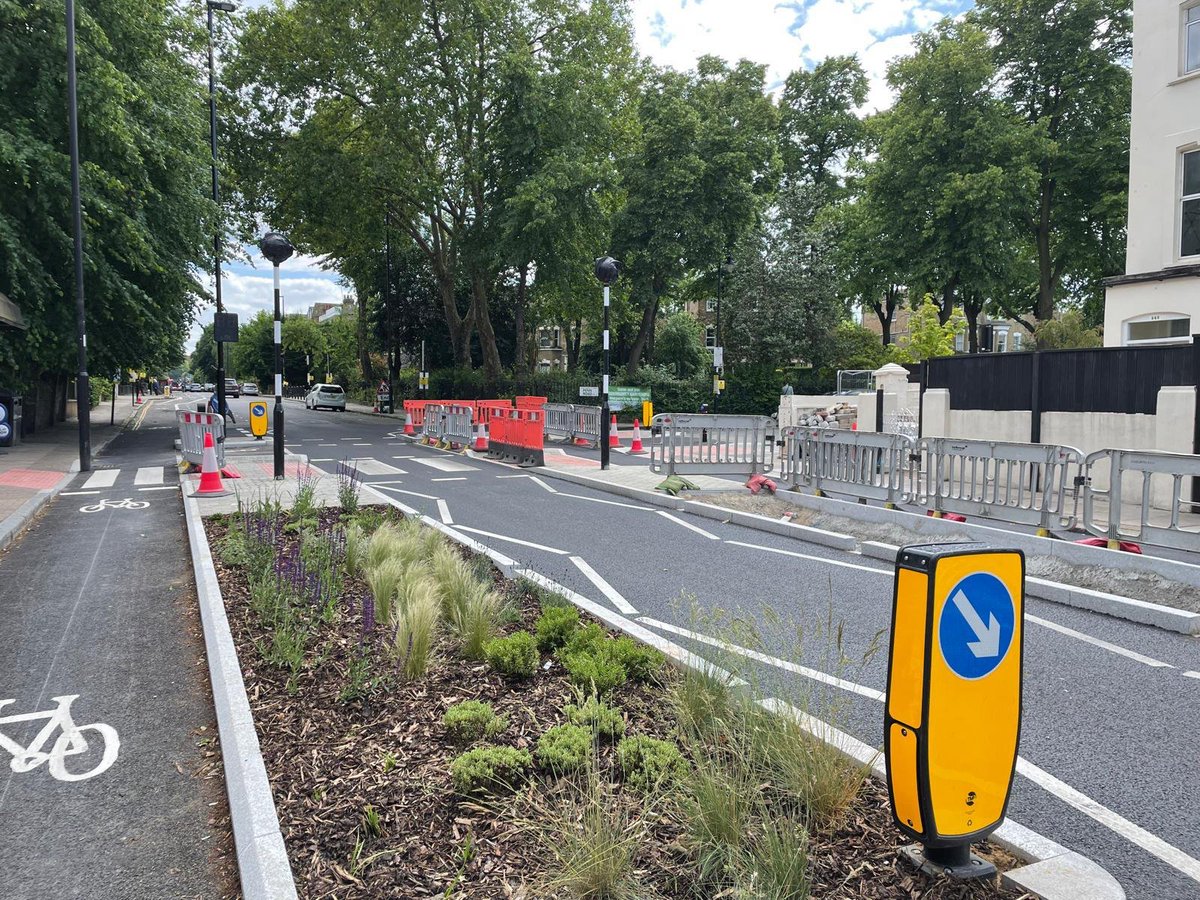
To enable more Londoners to switch trips, we're continuing to expand @MayorofLondon's network of cycleways.
The newest section of Cycleway 50 in Islington is looking great:
🚲protected cycle lanes
🦓crossings
🌧️🌿sustainable drainage systems
💚💚💚💚
👏@TfL@IslingtonBC
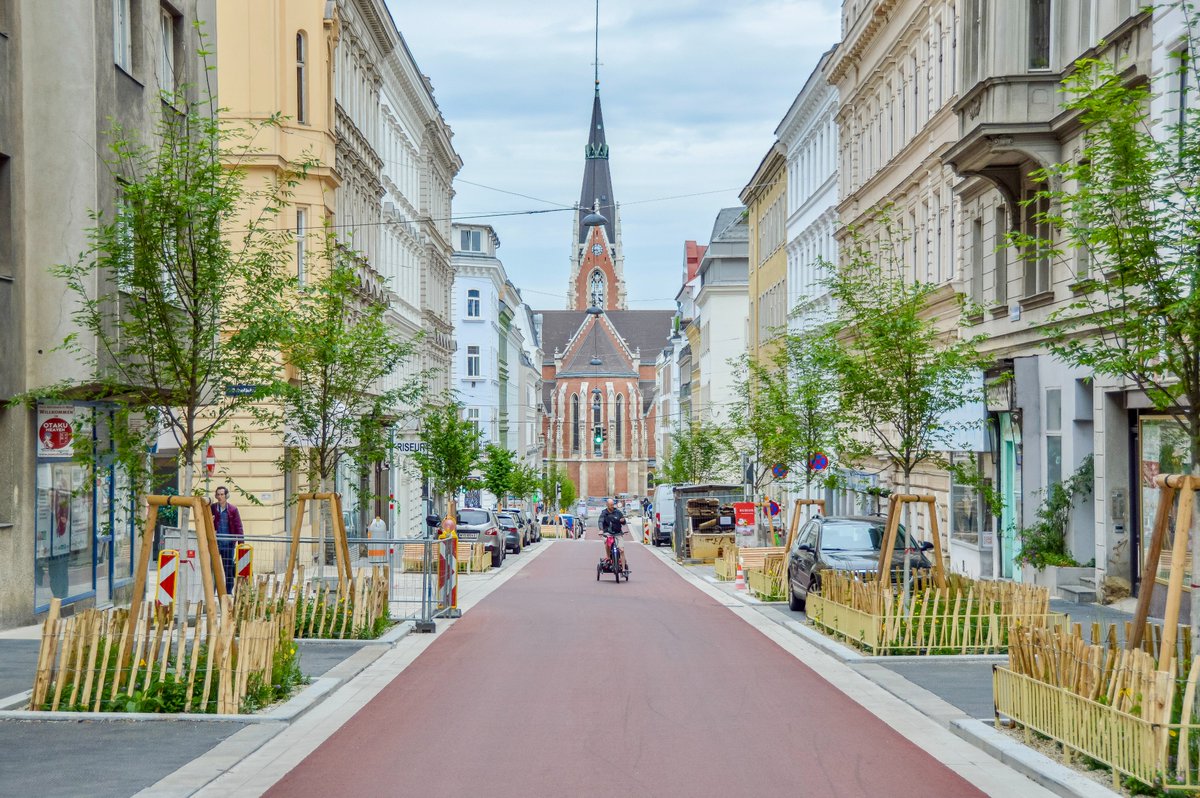
Vienna's first Dutch-inspired bicycle street is nearing completion on Argentinierstraße; totally transforming the 1.3 km corridor.
140 car parking spaces were removed to significantly improve the walking and cycling experience; while adding abundant trees, planting, and seating.
ALT People in casual spring attire cycle on Argentinierstraße in Vienna—a red asphalt “bicycle street” lined with four-storey buildings, trees and plants, and wooden benches.
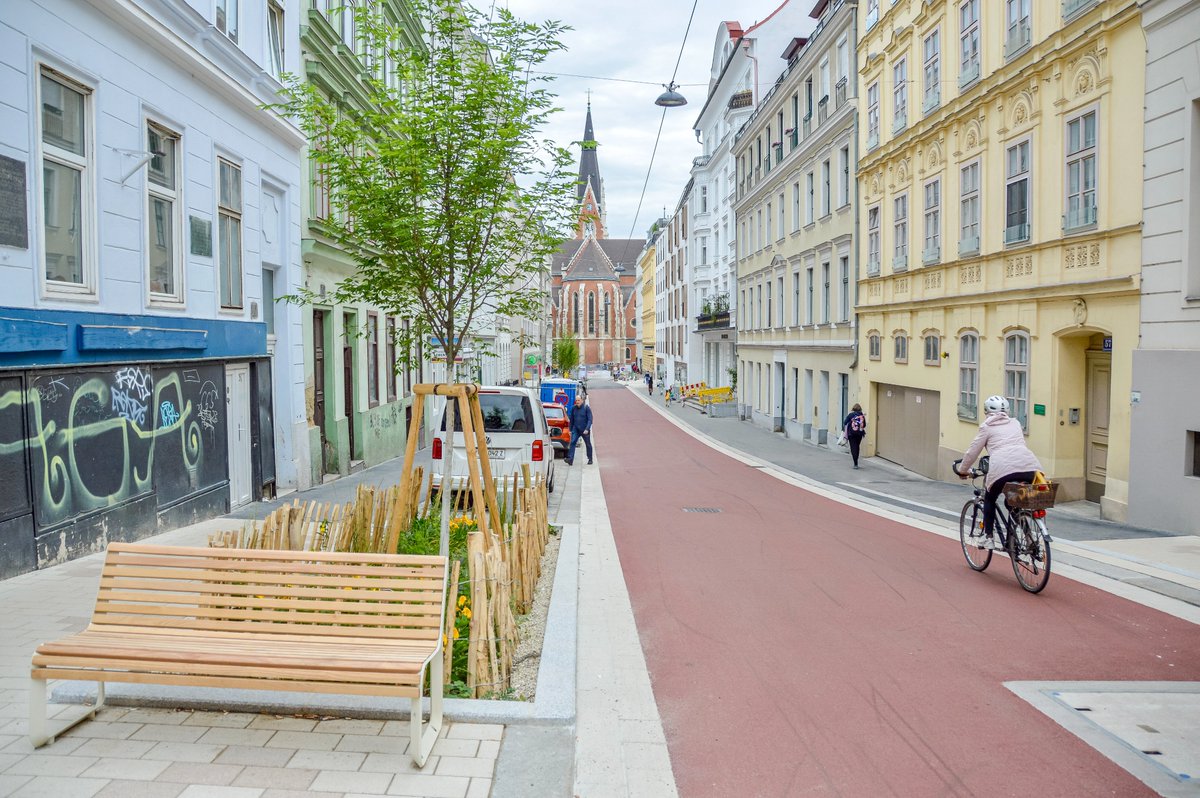
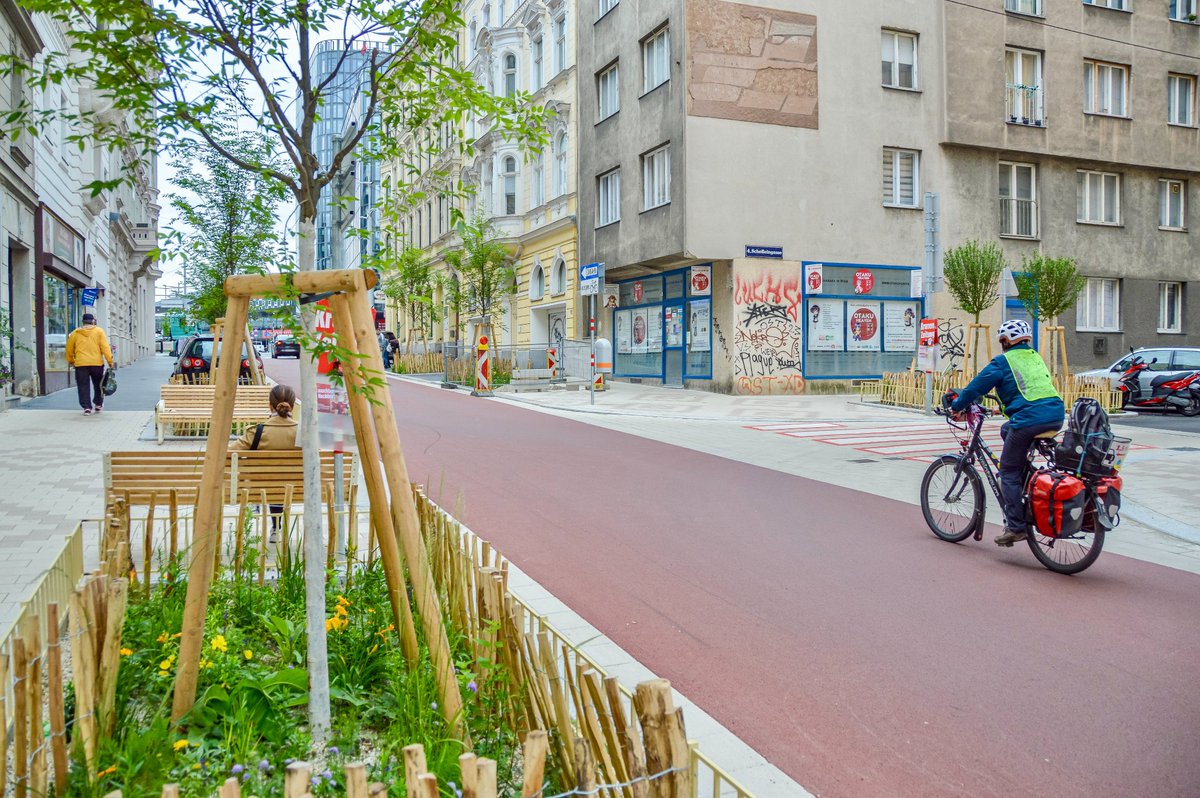
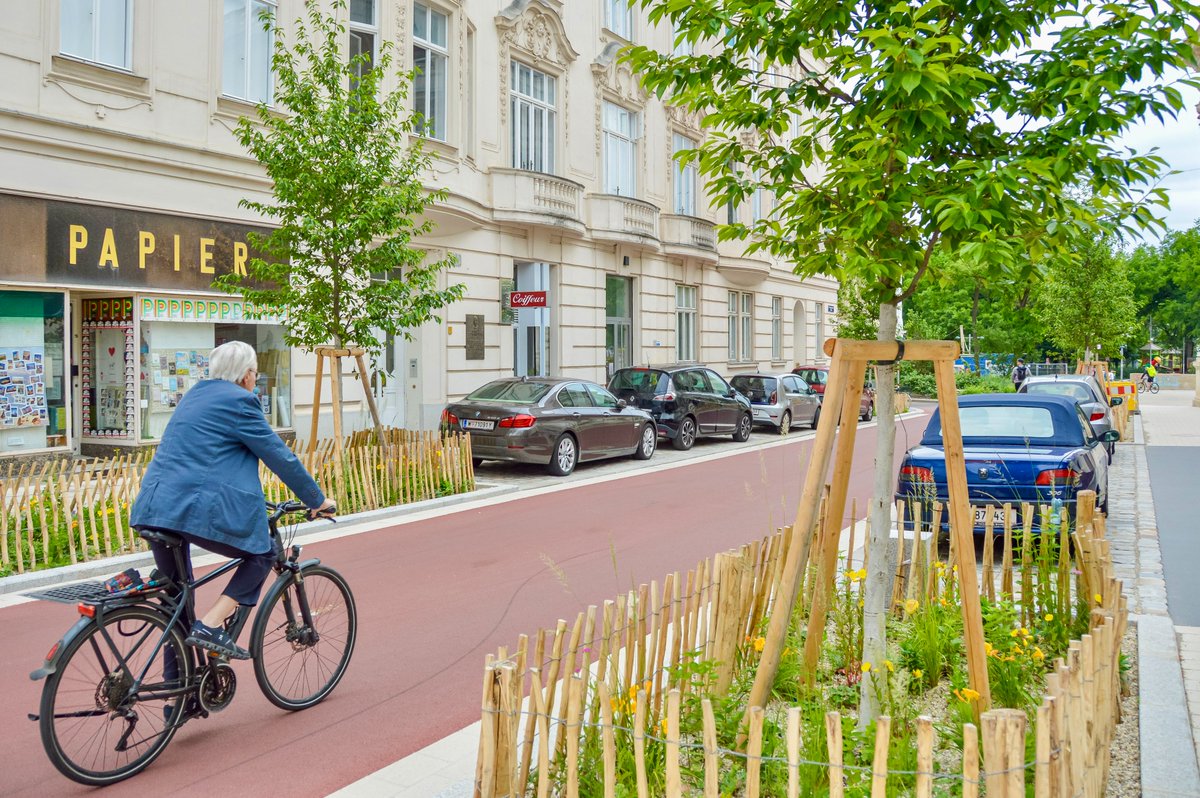
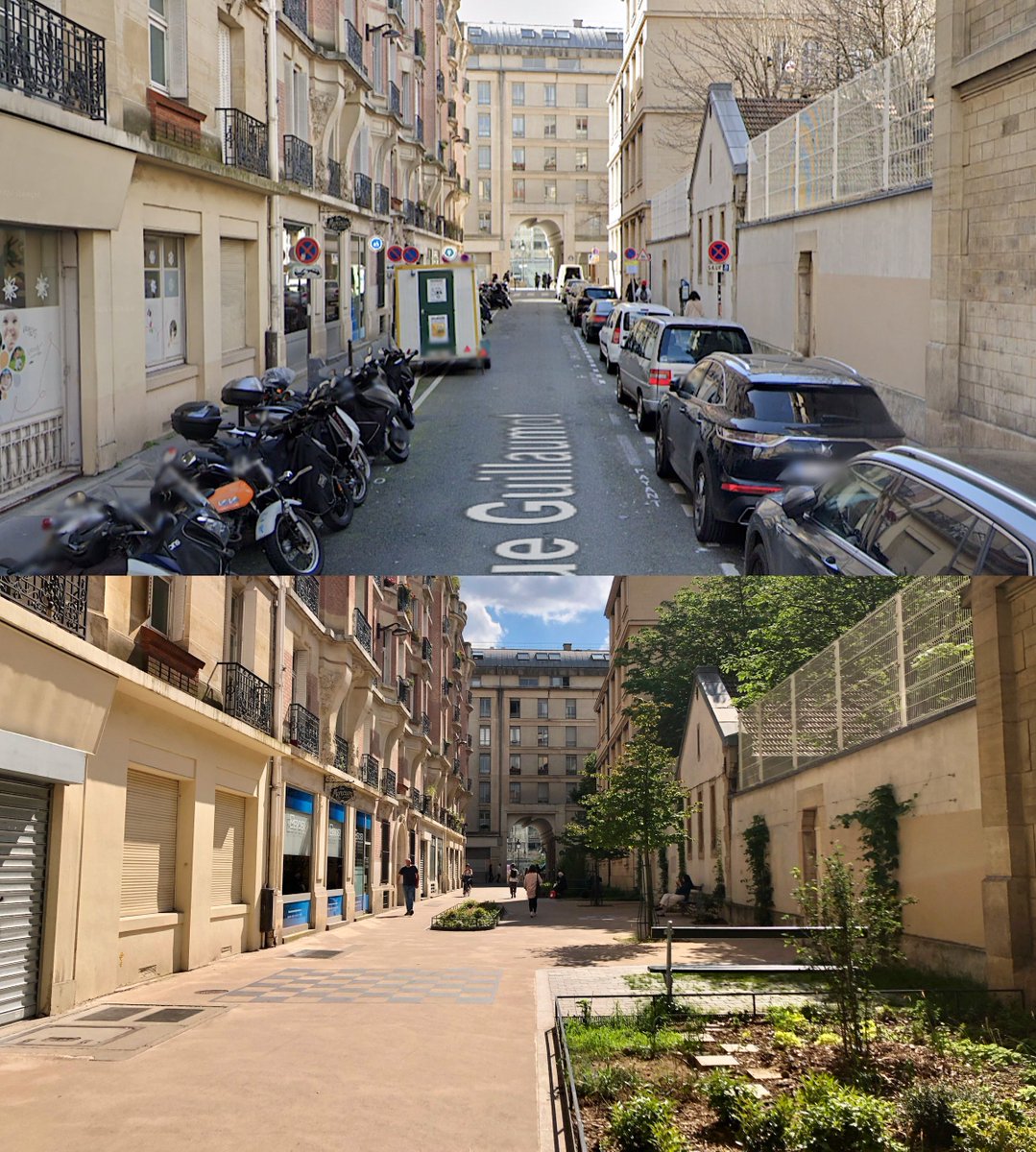
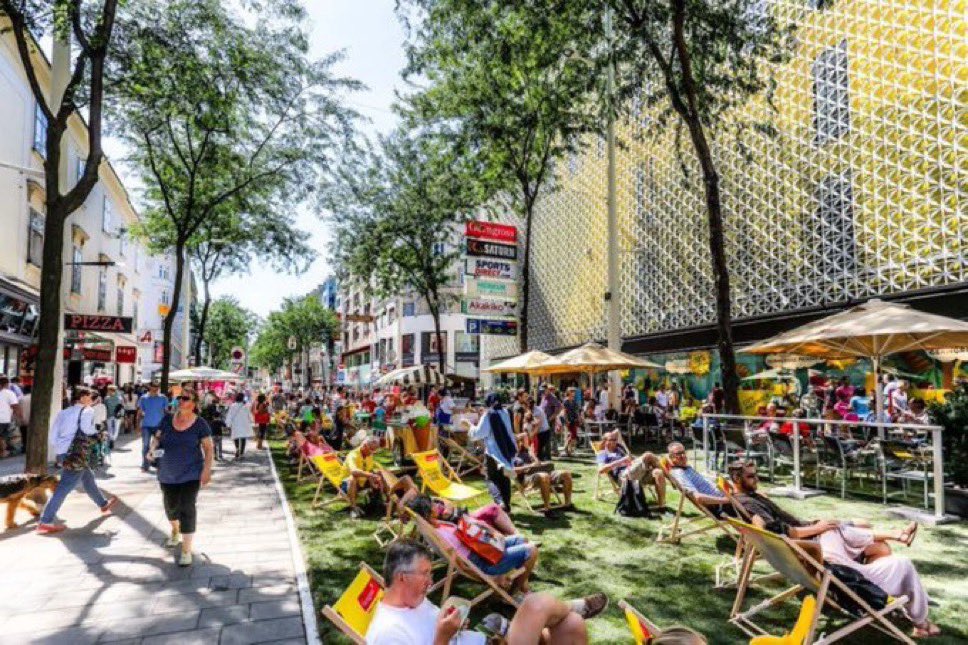
This Vienna street isn’t “closed” because cars have been removed. It has successfully been “opened” to everything else, to a diverse and invigorated civic life, because cars have been replaced by a multitude of wonderful things.
Language matters.
HT @_dmoser for pic
#urbanism#OpenStreets#Vienna