
Joined October 2010
- Tweets 121,115
- Following 230
- Followers 3,765
- Likes 114,232
25,555 Photos and videos













RM ✨️ retweeted

14h
India Without Congress
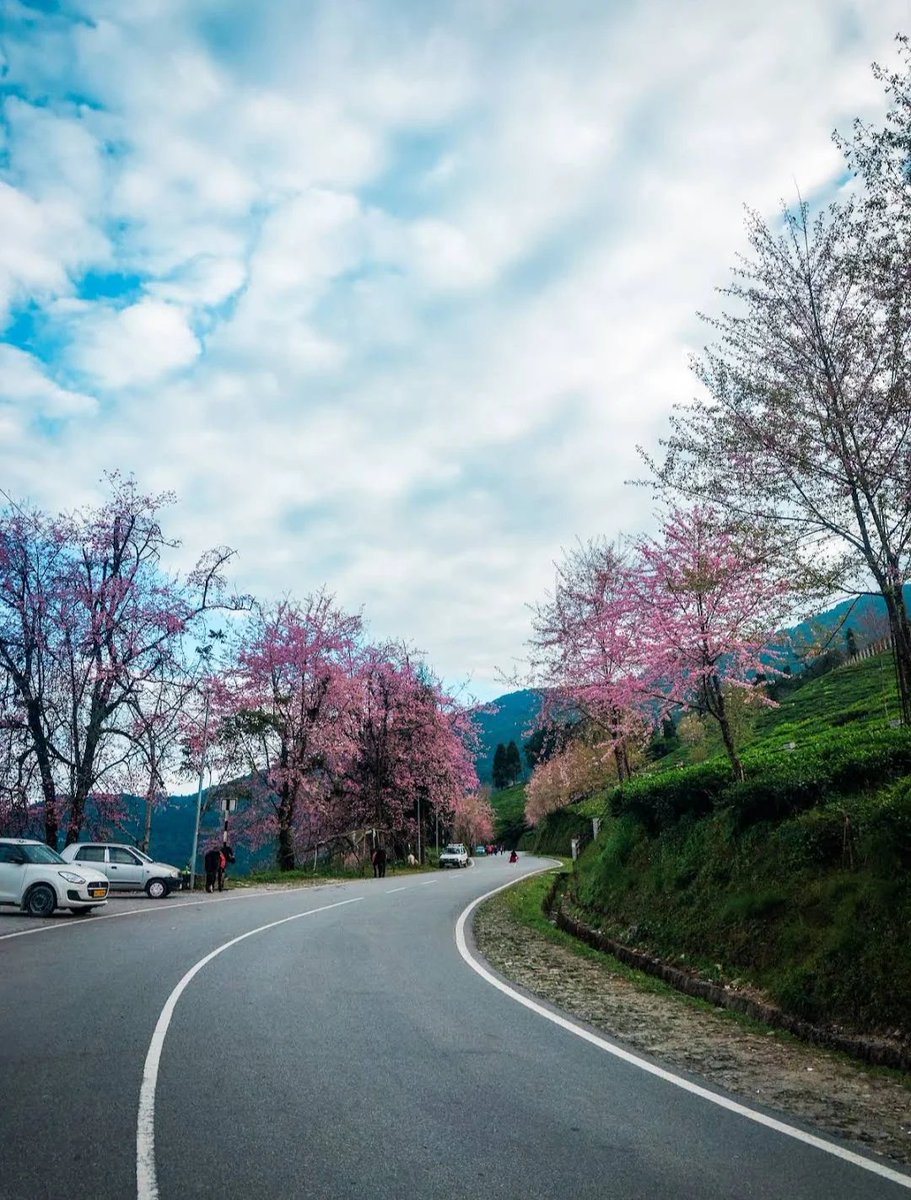
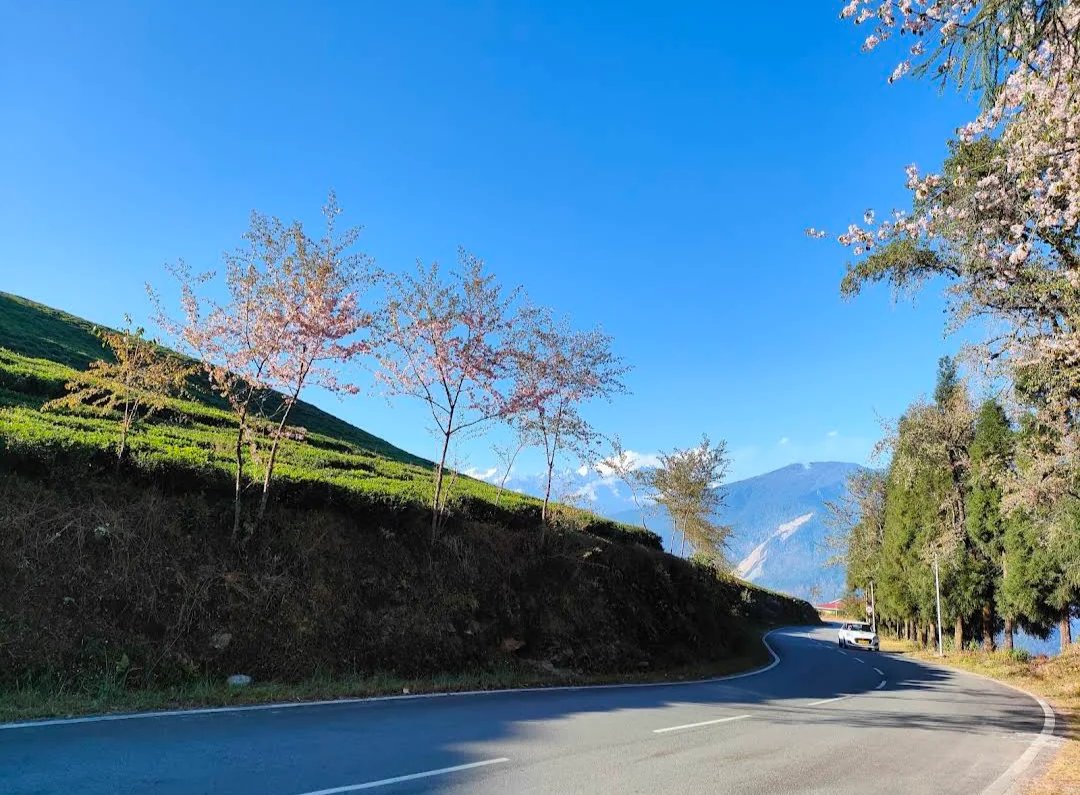
📍Palakkad–Kozhikode Greenfield Highway & upgraded NH-66 are slashing travel times & redefining connectivity.
5
189
1,114
12,549

RM ✨️ retweeted

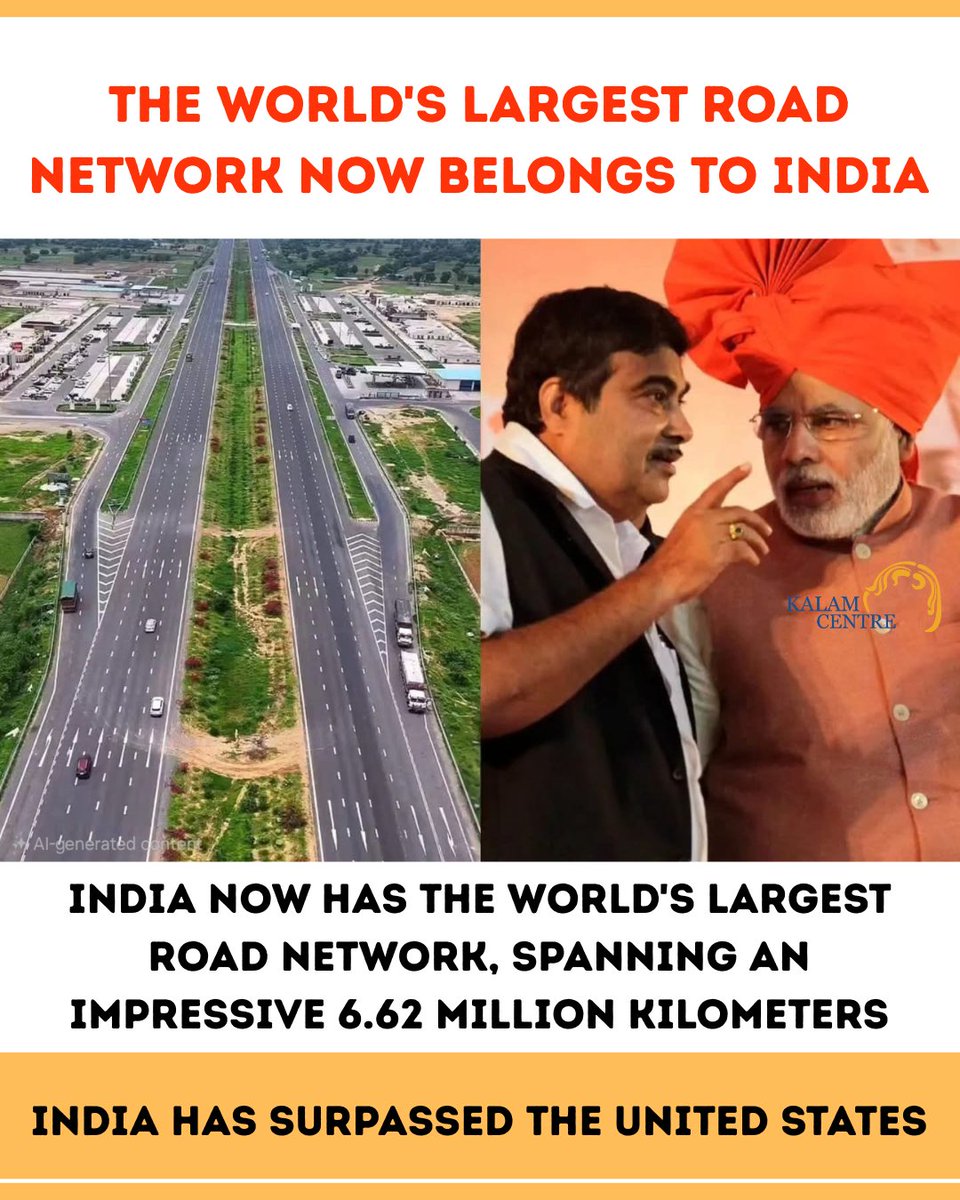
🛣️🇮🇳 India has achieved a remarkable infrastructure milestone.
With a road network exceeding 6.7 million kilometers, India now has the largest road network in the world, surpassing both the United States and China.
It's a statistic that highlights the sheer scale of a nation that connects more than 1.4 billion people across mountains, deserts, forests, villages, towns, and some of the world's largest cities.
But this achievement is about more than just numbers.
India's road network is the backbone of the country's economy, carrying over 70% of freight traffic and nearly 85% of passenger movement.
Every day, millions of people depend on these roads to reach schools, hospitals, workplaces, markets, and opportunities.
Over the years, thousands of kilometers of highways, rural roads, and expressways have been added, improving connectivity between remote regions and major economic hubs.
From village roads that connect farmers to markets...
To expressways that reduce travel times between major cities...
Every kilometer plays a role in strengthening the country's growth story.
Challenges still remain, including maintenance, road safety, and traffic management.
But the scale of India's transportation network today reflects decades of investment, planning, and infrastructure development.
A road is more than concrete and asphalt.
It is a connection between people, possibilities, and progress.
🇮🇳🛣️
#India #RoadNetwork #Infrastructure #Development #Expressways #Highways #IndiaProud #Transportation #EconomicGrowth #Progress 🇮🇳🛣️
2
9
34
1,087
RM ✨️ retweeted

1h
Actor Sonu Sood is all praise as he experiences the comfort and modern technology of Vande Bharat. 🤩
World-class amenities ✅
enhanced cleanliness ✅
greater safety ✅
and faster travel ✅
Vande Bharat is transforming the way Indians commute making everyday life easier, more comfortable and more connected for millions of Indians.
#12YearsOfSakshamMiddleClass
19
102
443
9,658
RM ✨️ retweeted
Under the starlit skies of Ladakh, India
Hanle Observatory offers one of the world's best views of the Milky Way

1
11
82
917
RM ✨️ retweeted

The spectacular Venus-Jupiter alignment captured tonight over Mumbai’s Bandra-Worli Sea Link. A stunning cosmic display over the city skyline! ✨🌌
#BandraWorliSeaLink #Mumbai #PlanetaryAlignment #Venus #Jupiter #Conjunction2026 #AstroPhotography #CosmicKiss
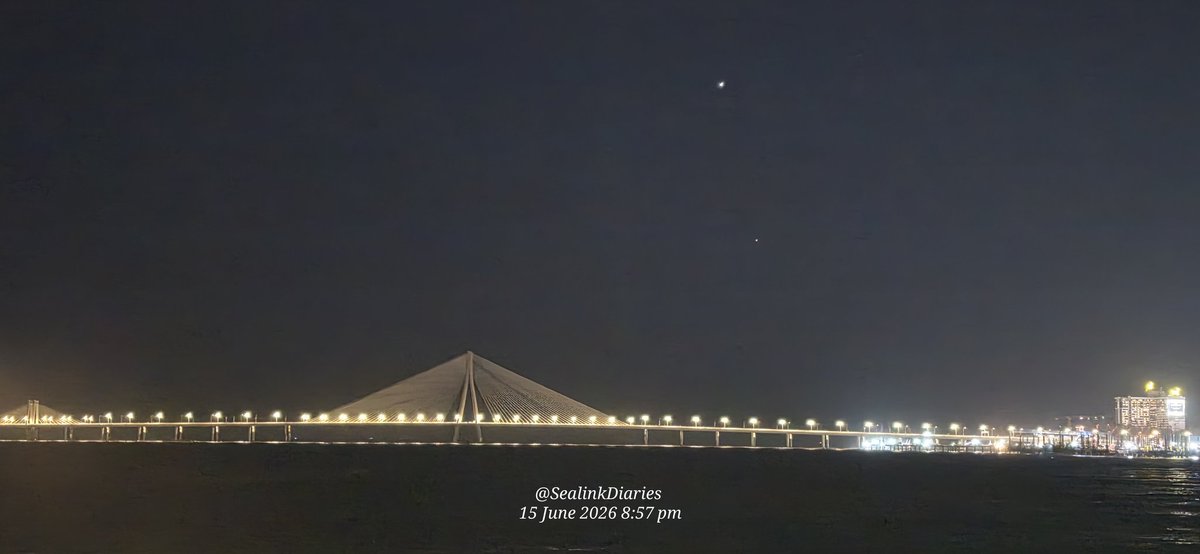
ALT The spectacular Venus-Jupiter alignment captured tonight over Mumbai’s Bandra-Worli Sea Link. A stunning cosmic display over the city skyline! ✨🌌 #BandraWorliSeaLink #Mumbai #PlanetaryAlignment #Venus #Jupiter #Conjunction2026 #AstroPhotography #CosmicKiss
2
2
10
RM ✨️ retweeted

🚨 The recently opened Mumbai - Pune expressway missing link. ✨
58
477
5,231
109,922
RM ✨️ retweeted

They hate me because I show positive side of Bharat 🇮🇳
Uttar Pradesh infra is top notch… but NRI Indians only share negative content of India.
Na Idhar Ke Na Udhar Ke
Video Source - me
80
342
2,712
73,348





RM ✨️ retweeted

HORRIFYING: Yasmeen Khan, owner of a beauty salon, offered free courses to young Christian and Hindu women to lure them in. Once there, she drugged their drinks. When they lost consciousness, she called her husband Mohammed Khan, who raped them while she stood watch at the entrance.
They recorded the abuses to blackmail them and force them to have relations with more Muslim men. When questioned, Yasmeen justified the crimes by saying that helping to rape "infidel girls" would lead her to Paradise.
This is Islam.
1,071
14,901
38,722
1,474,127
RM ✨️ retweeted
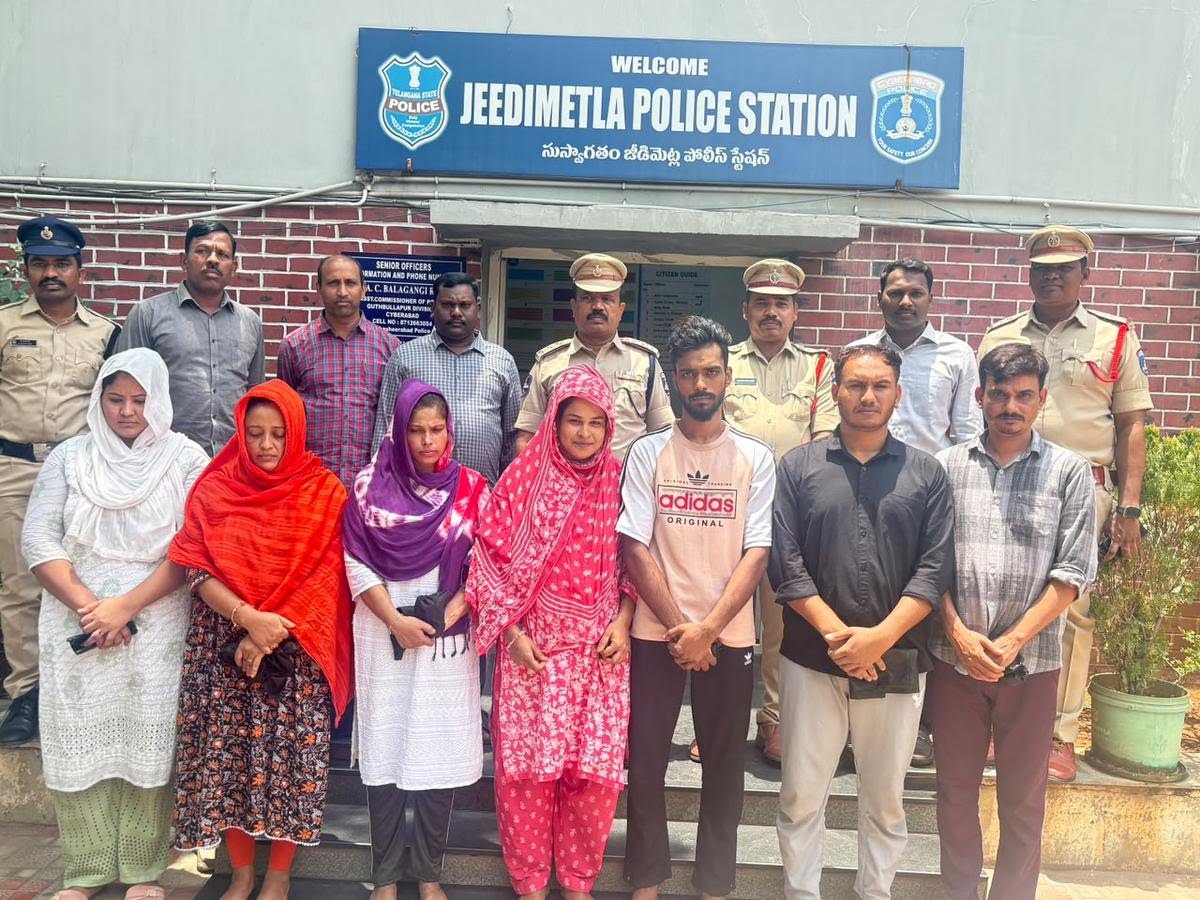
7 illegal Bangladeshis have been arrested in the HAL area of Gajularamaram–Jeedimetla in Hyderabad.
Telangana police have shifted them to a detention centre for deportation back to Bangladesh.
If the Govt conduct a comprehensive verification drive across Hyderabad, many more illegal immigrants may be identified, especially in the old city.
28
534
1,765
14,197
RM ✨️ retweeted

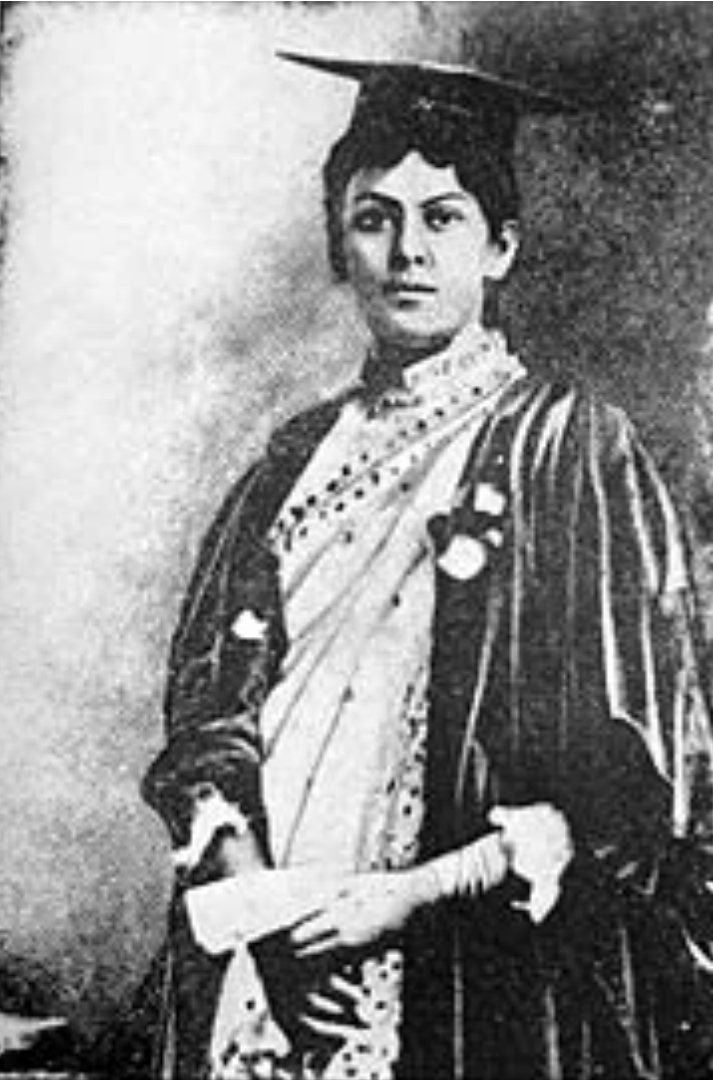
Gandhi's "Spiritual Wife" – The scandalous infatuation with Tagore's niece Sarla Devi Chaudhurani
1. Many know that Mohandas Gandhi slept naked with underage girls, including his grand niece, to test his celibacy. The 78 year old Congress leader destroyed the lives of these innocent teenage girls. That happened in the 1940s and is no longer a secret. Less known is his infatuation with a married woman two decades earlier.
2. In 1919, at the age of 49, Gandhi developed an intense, emotionally charged relationship with Sarla Devi Chaudhurani that shocked his inner circle.
3. Sarla Devi, born 1872, was the niece of Rabindranath Tagore. A fiery nationalist from Bengal who promoted women's education, she initially favoured violent resistance to British rule. Married to Lahore-based Rambhuj Dutt Chaudhary, she was educated, independent, charismatic and politically active in Punjab.
4. They met when Gandhi stayed at her Lahore home after her husband’s arrest for protesting against the Jallianwala Bagh massacre of more than 2,000 innocent civilians by Brigadier Reginald Dyer. Gandhi was dazzled. He saw in her a “great shakti” (divine feminine power) – beauty, intellect and leadership potential that Kasturba, his devoted but traditional wife, lacked.
5. Gandhi’s letters to Sarla Devi reveal deep infatuation. He wrote feverishly: “You still continue to haunt me even in my sleep. No wonder Panditji (Nehru) calls you the greatest shakti of India. You may have cast that spell over him. You are performing the trick over me now.”
6. Gandhi called her his “spiritual wife,” described their bond as a “spiritual marriage,” and signed off with growing affection. He saw her as a key partner to lead India’s women and the freedom movement.
7. Gandhi travelled with her, quoted her writings in Young India, and openly admired her. To his friend Hermann Kallenbach, he framed it in lofty spiritual terms – like his scandalous experiments in self-control. But contemporaries saw a midlife emotional crisis.
8. It caused uproar. His son Devdas, secretary Mahadev Desai, and Congress leader C Rajagopalachari opposed it strongly, fearing damage to Gandhi’s image and the party. Pressure mounted. Plus, Sarla Devi was strong-willed, not easily moulded into Gandhi’s ideal protege.
8. By mid-1920, Gandhi called off the friendship: “The inner bond shall remain, but the outward expression must cease.” The intense phase lasted roughly a year. Their families later connected through marriage (her son Dipak wed a Gandhi relative).
9. Gandhi was no freedom fighter. He was in all likelihood a British plant, though actual evidence of that may never surface as the colonial government burnt vast quantities of papers in the weeks leading up to the British exit from India. But there is plenty of corroborative evidence - every action of Gandhi protected the British soldiers and administrators from the anger of Indian revolutionaries. Gandhi never spent a day in a real jail. The British hanged thousands of revolutionaries but Gandhi never got a scratch on his body.
10. That left him free to practise his crackpot theories like extreme nonviolence and 'celibacy.' His nonviolence hurt Hindus and led to India's Partition. His 'celibacy' scarred several young girls for life.
70
435
764
29,079
RM ✨️ retweeted

Not AI
Owaisi is educated barrister from UK
🙈
150
1,299
3,522
57,697
RM ✨️ retweeted

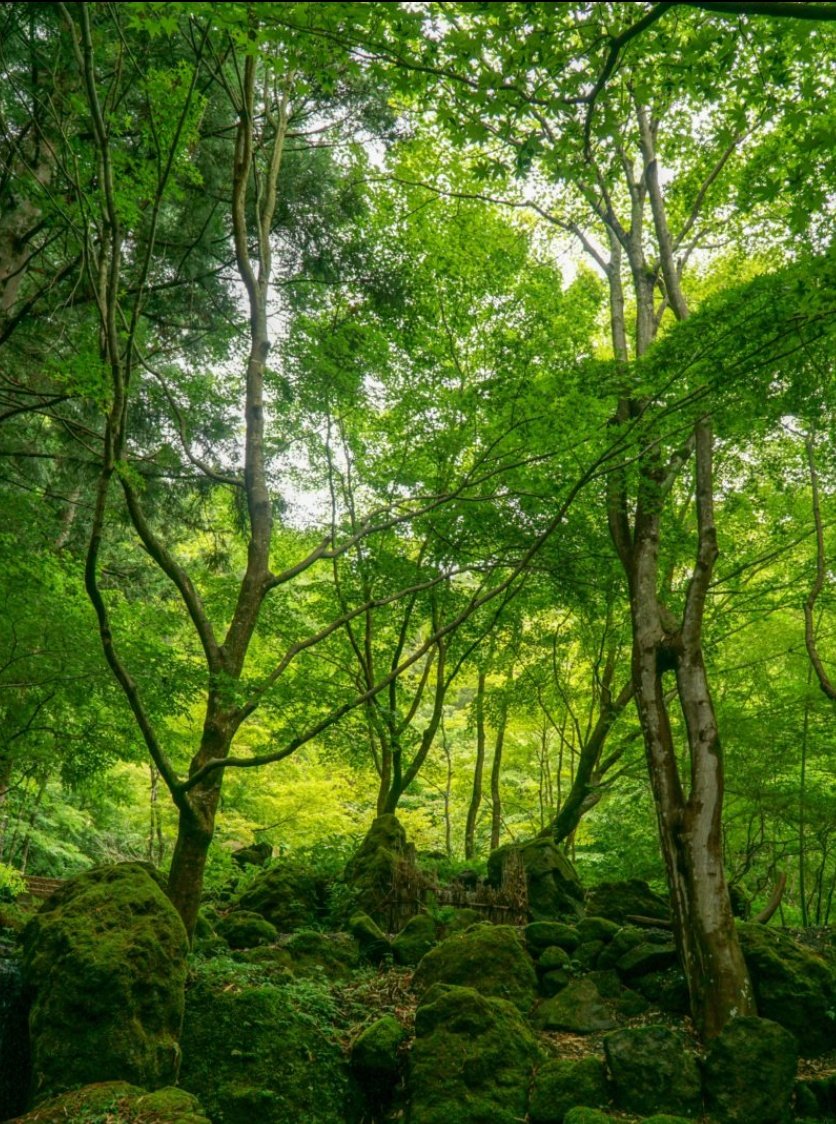
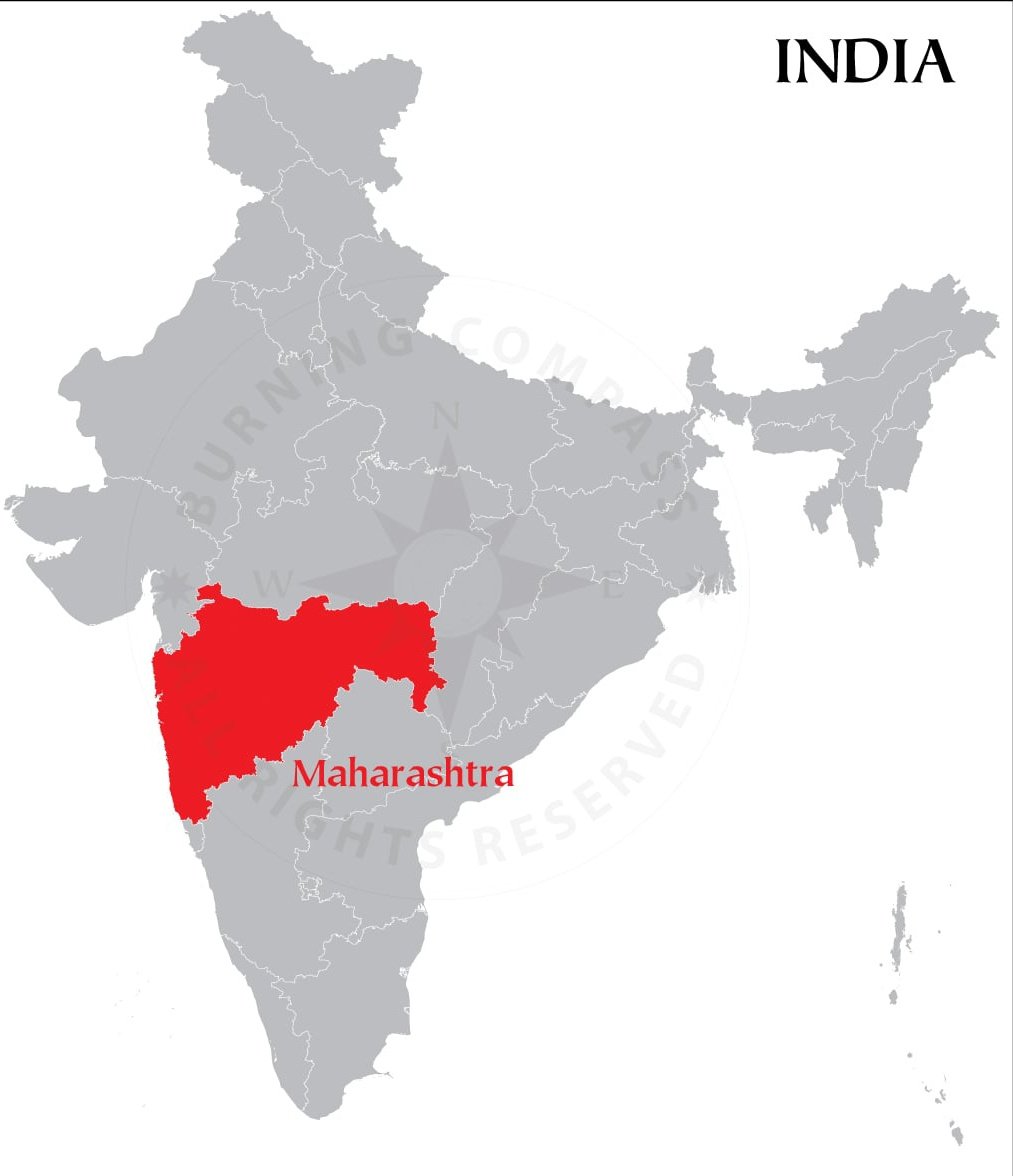
🚨Maharashtra to plant 300 crore trees in next five years to take state's forest cover to 33 Percent.
45
315
3,237
75,069
RM ✨️ retweeted

Jun 14
again a most despicable video clip about India with 2.8 Million views. it's so unfair and badly demeans Indians.
are such biased clips the reason for the terribly negative comments about Indians being filthy, etc.?
@MIB_India @PMOIndia
Jun 5

🚨BREAKING: First unofficial gameplay footage from Indian Simulator has been leaked.
13
106
705
10,194