Helping you make informed choices about all things mental health: diagnoses, drugs, and drug withdrawal | Latest links: linktr.ee/innercompassinitia…

Joined May 2016
3,631 Photos and videos
Yesterday, ICI founder @lauradelano traveled to Washington D.C. and testified before a House Oversight subcommittee đź§µ
5
11
48
5,823
Inner Compass Initiative retweeted
We treat psychiatric drugs like candy. You can see that in who writes most psychiatric prescriptions. Psychiatrists aren’t writing most of them. Primary care providers are. That means many of these drugs get prescribed during routine appointments by physicians who have even less of an understanding of the potential risks of long-term psychiatric drug use than psychiatrists do. Too often, someone walks into an annual checkup struggling with stress, grief, or anxiety and walks out with a prescription. These are powerful psychoactive chemicals that can profoundly alter how the brain and body function. After decades of drug advertising and cultural messaging, we’ve convinced ourselves every problem has a pill and every pill is worth the trade off. @yoalexrapz
21
41
164
7,387
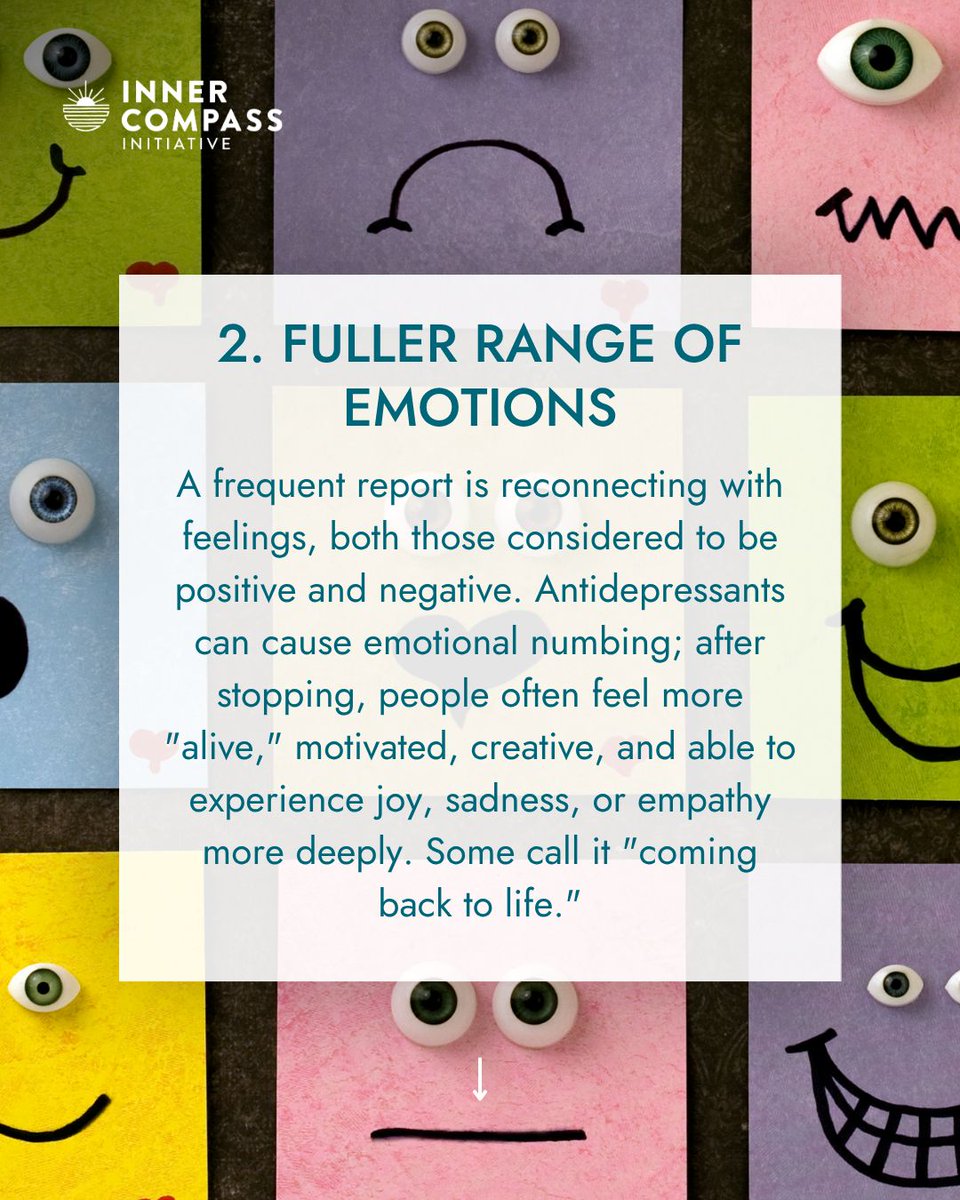
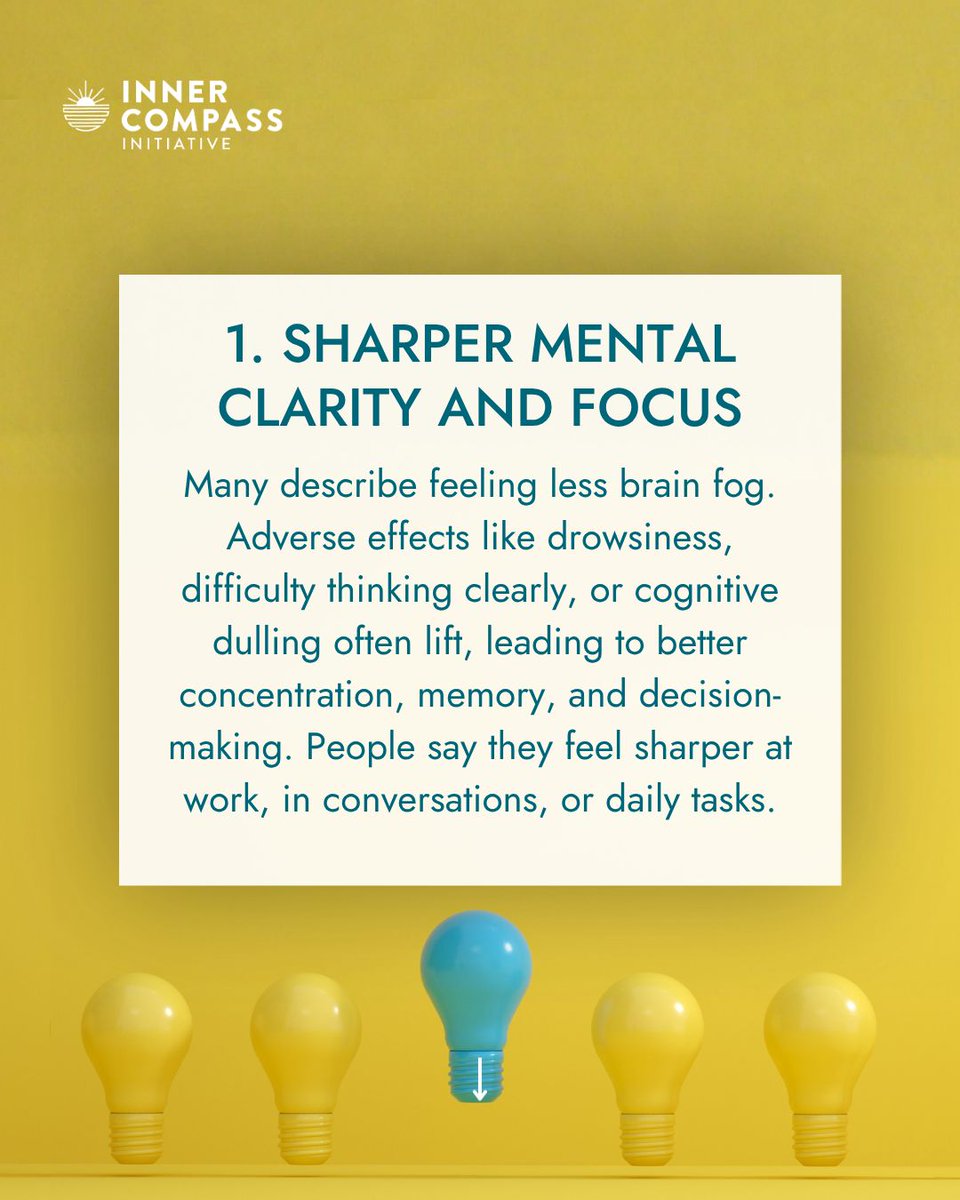
🧵 For all the challenges that tapering psychiatric drugs brings, there has got to be a reason—or many reasons—so many of us go through or are going through this process right now. Among those reasons are real, tangible improvements to our health and wellbeing, including these five that people in our community commonly report... 1/9
1
2
6
333
But among those who do choose this route, many describe unexpected moments of growth, insight, or improvement along the way. 8/9
1
69
What about you? If you have tapered or stopped psychiatric drugs—or are in the process right now—what shifts, big or small, did you notice or are you noticing? We’d love to hear your experience in the comments. 9/9
70
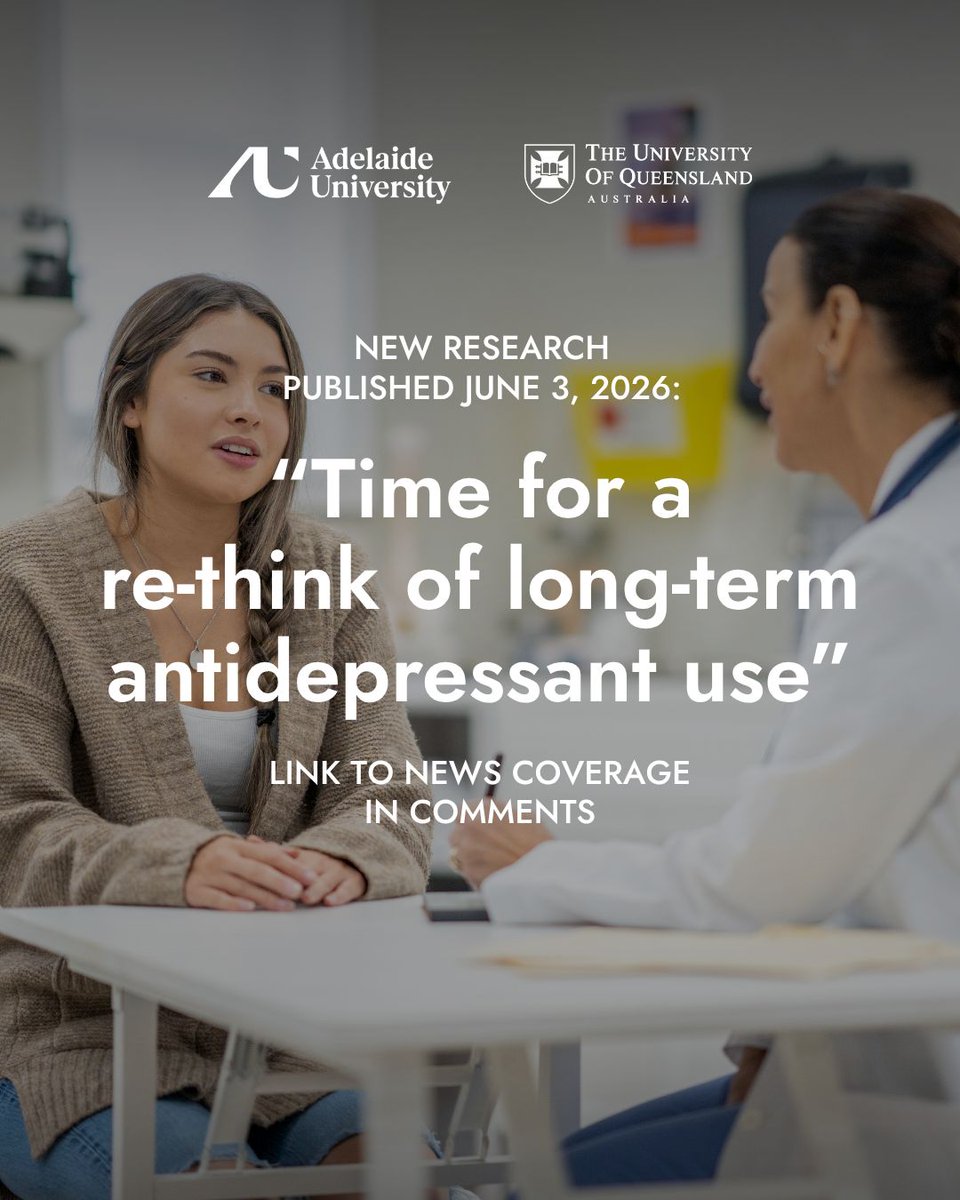
🧵 Across the world, the vast majority of antidepressant prescriptions are made in primary care. In the US, primary care providers write nearly 74% of antidepressant and anxiolytic fills. In Australia, GPs prescribe 92%. (Source for both of these figures below.) This is why a new clinical overview from the University of Adelaide and University of Queensland matters for all of us. It was just published in the Australian Journal of General Practice and calls for a major rethink on long-term antidepressant use, highlighting limited evidence of benefit beyond 12 months for many people. It also notes that withdrawal symptoms are often mistaken for relapse, recommending regular reviews and much more cautious tapering. (We've included a link to news coverage of this new clinical overview below.) It leads us to wonder—if you work in primary care… - What’s your experience starting patients on antidepressants and helping them stop when it’s right? - How do you navigate the “set and forget” approach that is often attributed to the demands of busy primary care? And if your experience of taking or stopping antidepressants was (largely) in primary care… - What was that initial conversation like? - How was stopping under primary care? Or having conversations about stopping? Primary care plays an enormous role in ensuring the people it serves make informed choices about antidepressants and other psychiatric drugs, so we’d love to hear your experiences. 1/4
1
7
11
443
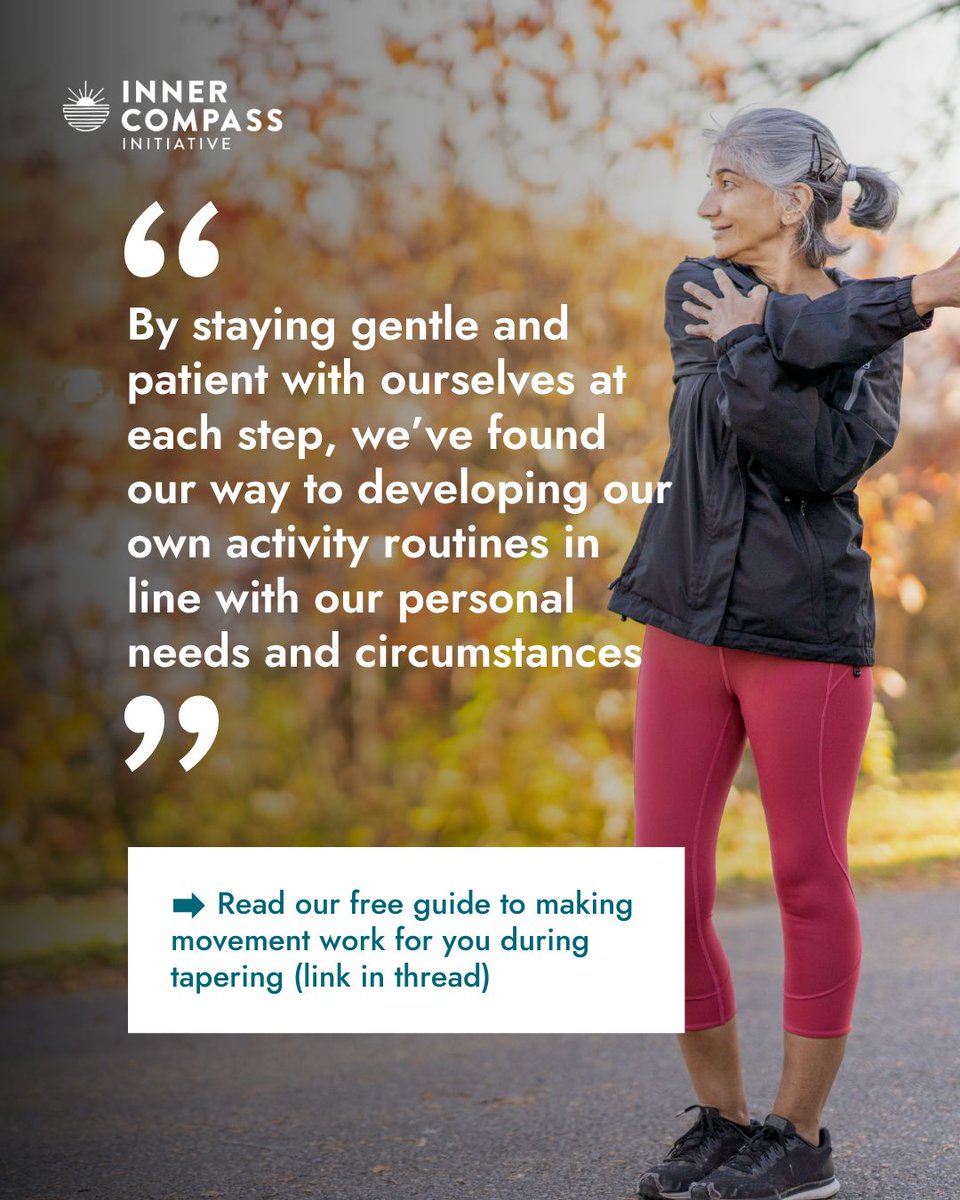
🧵 Many people tapering psychiatric drugs, or finding themselves in withdrawal, struggle with the idea of exercise. This is completely understandable: even if your symptoms are manageable, the tapering process itself places a significant strain on the body that can make physical activity harder than usual. Additionally, withdrawal can further heighten sensitivity in the body, turning even gentle activity into an act of overstimulation, while insomnia and deep exhaustion often make movement feel impossible. Even so, movement remains one of the most dependable forms of support available during tapering and recovery. It comes in far more forms than most of us initially imagine, from slow walking and stretching to gentle yoga or simple breathing practices coordinated with motion. And viewing it as “movement” rather than “exercise” can make it feel more approachable and less daunting, removing the pressure of performance or intensity. We examine this concept in greater detail on our website as part of our free resources—see the below link for more on why movement matters during tapering and withdrawal, the many ways it can help, and how to engage with it gently while honoring your current limits. 1/2
1
4
7
357
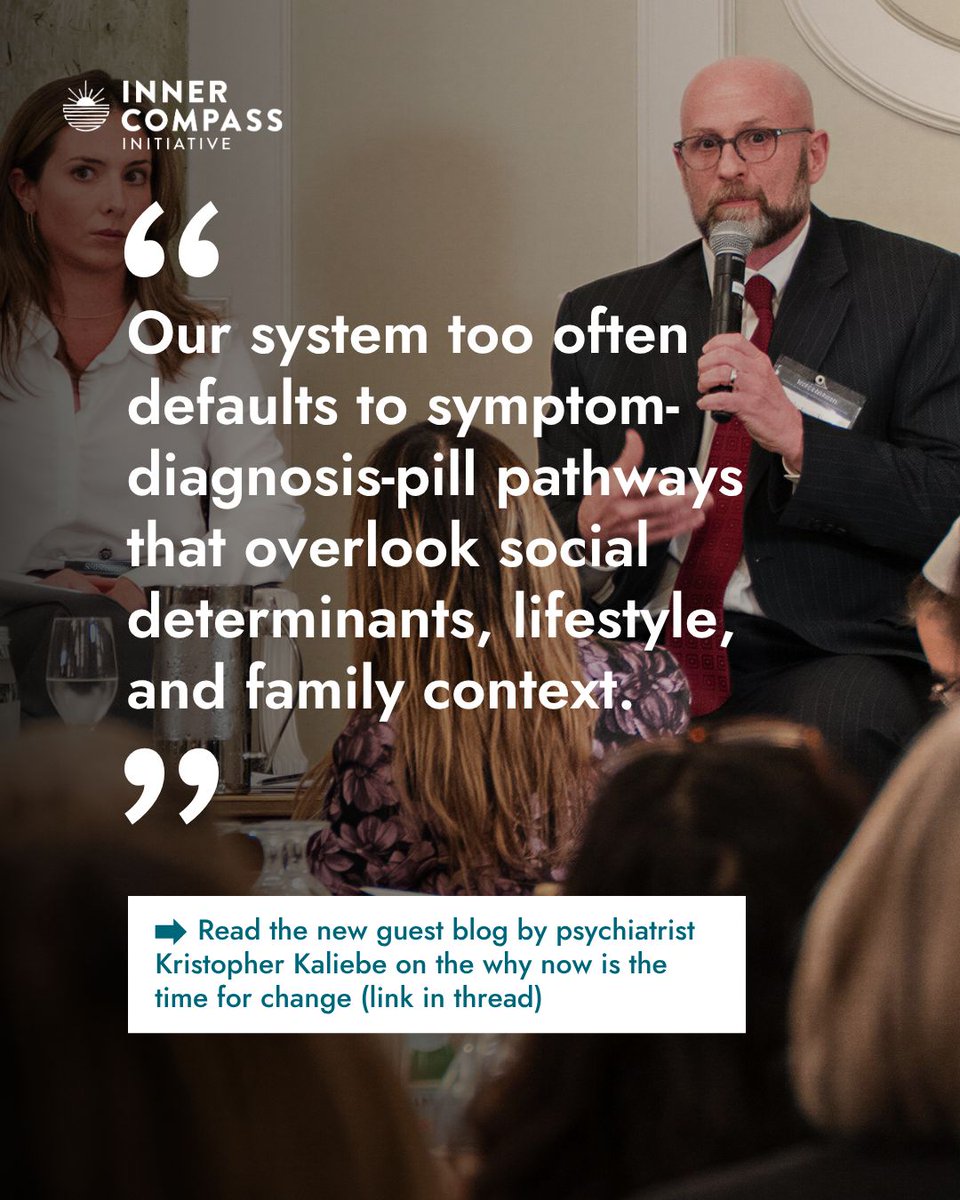
🧵 ICYMI: It's not just hundreds of thousands of patients impacted by the mental health industry who want change, but professionals, too. And that includes psychiatrist Kristopher Kaliebe (@drkaliebe), who in a new guest blog, explains why he is calling for reform. As a board-certified psychiatrist with decades of experience in community clinics, university settings, and juvenile justice, Kristopher has seen firsthand the impact of overmedicalization across diverse populations and care settings. In the blog, he explains why he joined the recent MAHA Institute’s Mental Health & Overmedicalization Summit and why he believes psychiatry must do better. He describes this moment as a “rare policy window to correct course toward humility, empiricism, and systems that make people physically and mentally robust.” As he says, “The time is now. Let us seize it—together.” 1/2
4
10
14
861
You can read Kristopher’s guest blog here ⬇️ 2/2. theinnercompass.org/blog/why…

2
315
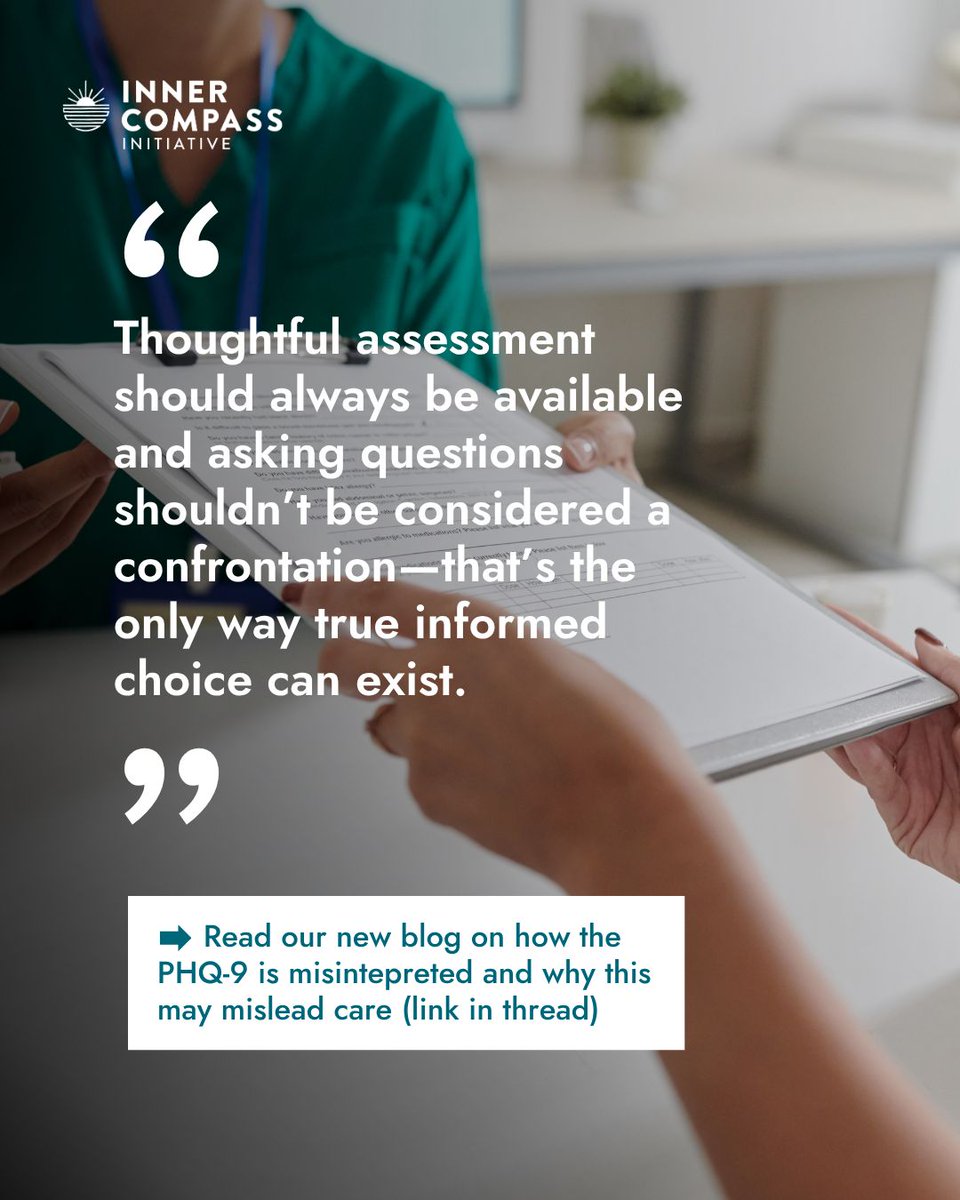
🧵 Have you ever completed the PHQ-9 at a doctor’s visit? Or, as a provider, have you asked someone to complete it? A new study in JAMA Psychiatry reveals a critical flaw in this widely used questionnaire: most people interpret the questions and most practitioners misinterpret the answers. This widespread misinterpretation can inflate depression diagnoses and, in turn, increase antidepressant prescriptions—especially since primary care providers write nearly 74% of these prescriptions and use the PHQ-9 to screen the vast majority of patients. In short, the PHQ-9 turns screening into a gateway to prescribing, as our new blog explores. Whether you’re someone seeking support or a professional providing it, these findings invite a closer look at how we assess symptoms and understand those who we’re trying to care for. 1/2
2
4
1
432
Learn all about the findings of the PHQ-9 study here ⬇️. 2/2 theinnercompass.org/blog/wha…

1
2
1
219