Founder @_innercompass. Author of Unshrunk. Working to build safe off-ramps from the psych med highway.
Joined June 2011
- Tweets 3,366
- Following 759
- Followers 11,507
- Likes 3,662
214 Photos and videos

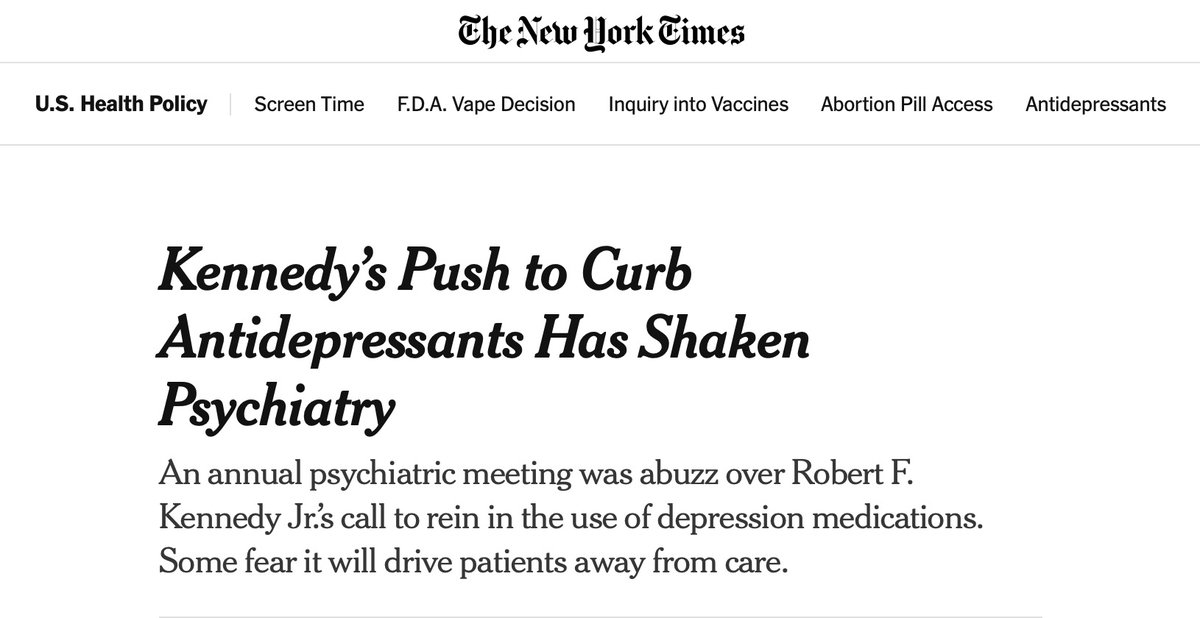
Pinned Tweet

May 21
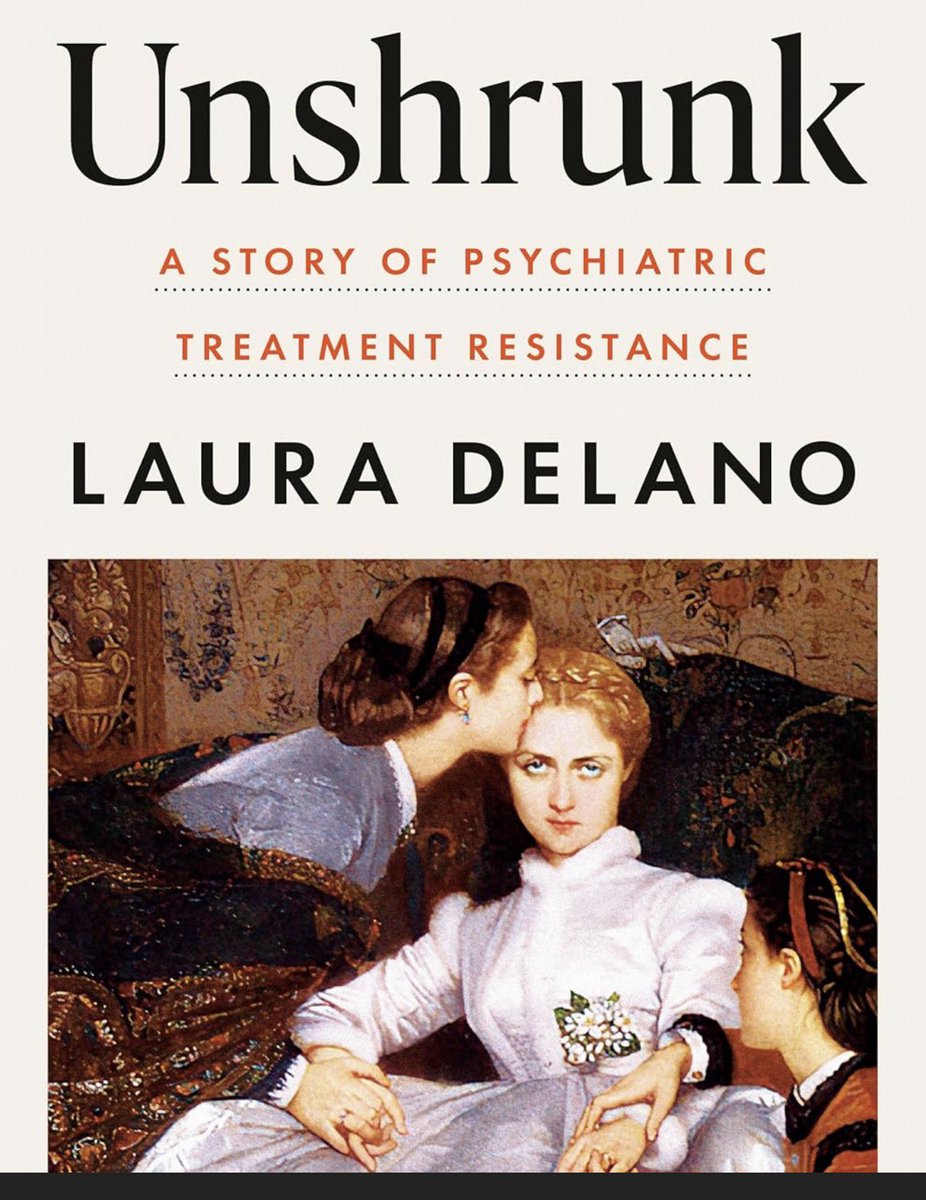
If you haven’t yet read my book I hope you will ❤️🩹

14
42
177
13,453
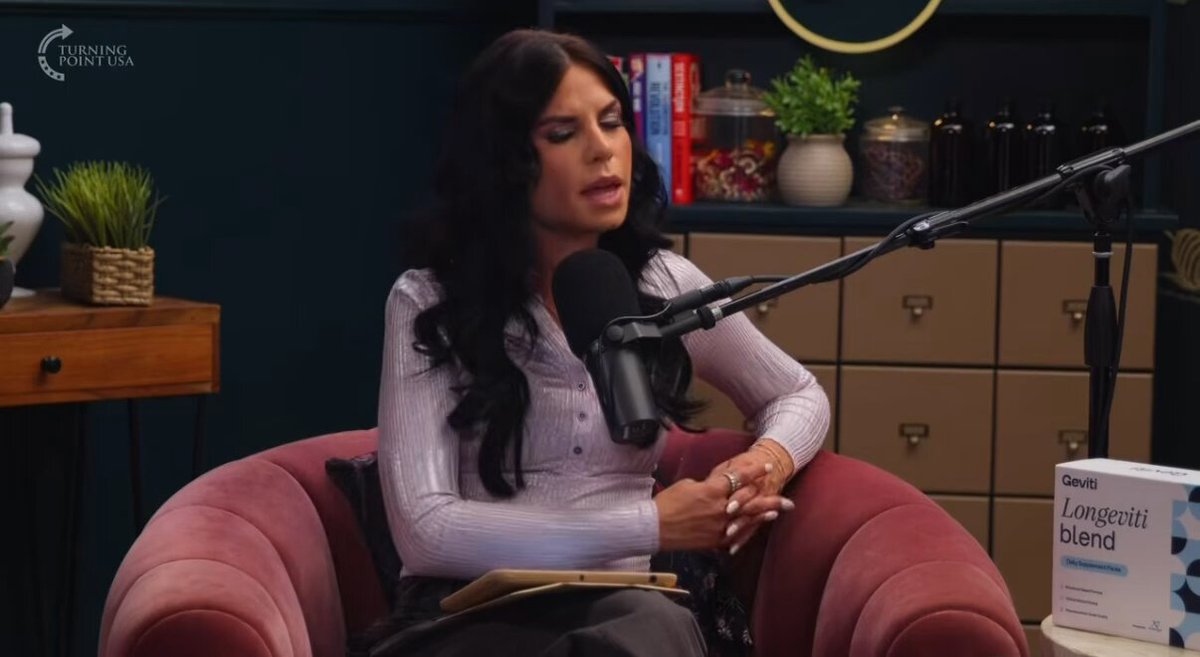
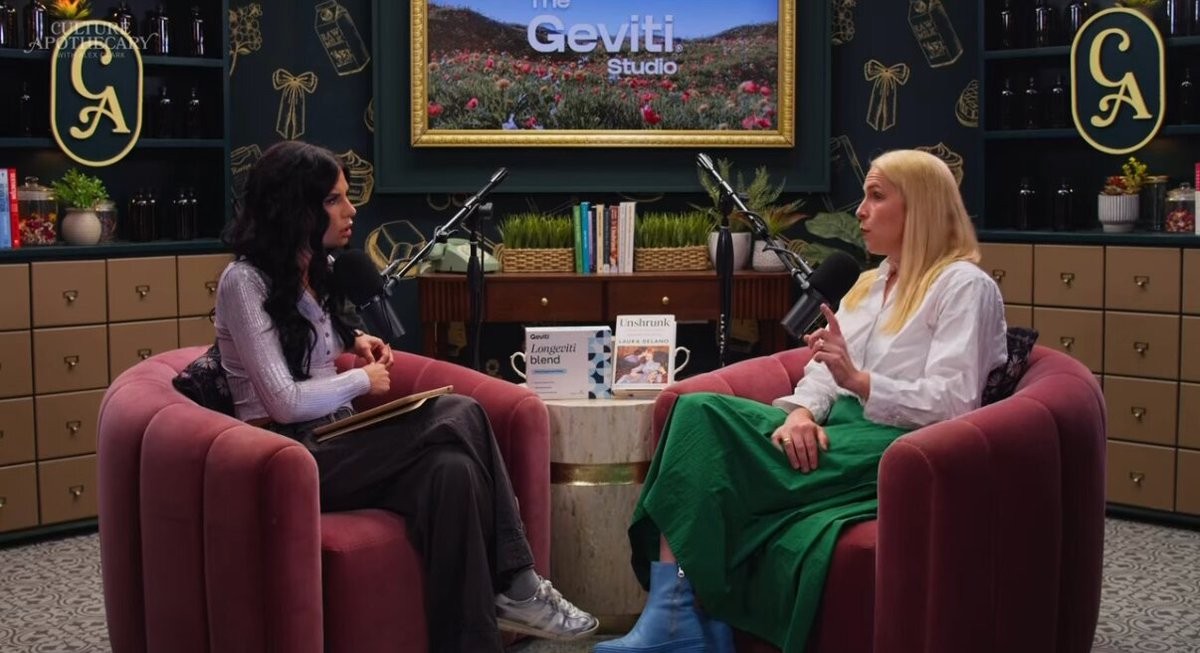
“Imagine if Taylor Swift would have been put on an SSRI as a teenager.”
“The reason her music is so good is because you feel her intense lows and her super high highs.”
“We would not have Taylor Swift if she would’ve been medicalized.”
Alex Clark raises a question that cuts to the heart of medicalization.
How many gifted, creative, deeply feeling young people have we taught to see their emotional intensity as a disorder rather than part of what makes them who they are?
When we medicalize pain, sadness, grief, and struggle, we risk losing something beautiful about the human experience itself.
@yoalexrapz
21
28
164
19,242
Jun 12
We treat psychiatric drugs like candy.
You can see that in who writes most psychiatric prescriptions.
Psychiatrists aren’t writing most of them.
Primary care providers are.
That means many of these drugs get prescribed during routine appointments by physicians who have even less of an understanding of the potential risks of long-term psychiatric drug use than psychiatrists do.
Too often, someone walks into an annual checkup struggling with stress, grief, or anxiety and walks out with a prescription.
These are powerful psychoactive chemicals that can profoundly alter how the brain and body function.
After decades of drug advertising and cultural messaging, we’ve convinced ourselves every problem has a pill and every pill is worth the trade off.
@yoalexrapz
19
41
164
7,281
Jun 12
These drugs are far more powerful than most people realize.
I tell that story, and my own, in Unshrunk.
unshrunkthebook.com/order/
1
17
332
Jun 12
Millions of Americans take Ambien.
Few realize that one of the trials used to help secure FDA approval followed participants for just a single night.
That trial did not even involve people with chronic sleep problems.
This is why I encourage people to look at the actual evidence behind the drugs they take rather than assuming someone else has already done that work for them.
@yoalexrapz
7
18
67
6,562
Jun 12
80% of people on psychiatric drugs take them for months or years at a time.
Yet most of these drugs only went through short term trials before doctors prescribed them for long term use.
Psychiatric drugs can also produce adverse effects and withdrawal symptoms that closely resemble the very diagnoses they are supposed to treat.
Once we start viewing every emotional or psychological change through a medicalized lens, it becomes incredibly difficult to recognize when the treatment itself may be causing harm.
That was certainly true in my own life: 🧵
@bretweinstein @thedarkhorsepod
6
40
135
3,410
Jun 12
In Unshrunk, I write in depth about my years as a professional patient and how easily drug effects and withdrawal symptoms can get mistaken for “relapse” of the “underlying illness” itself.
Had I understood earlier how psychiatric drugs can shape, intensify, and complicate emotional and psychological experiences over time, I would have asked very different questions about the diagnoses and treatments I received.
unshrunkthebook.com/order/
1
3
21
485
Jun 12
Women take antidepressants during pregnancy without clear information about the risks.
They deserve this information long before pregnancy, especially because tapering off these drugs can sometimes take years.
Our culture gives mothers very little support, then medicalizes many of the struggles that come with pregnancy, postpartum life, and raising children.
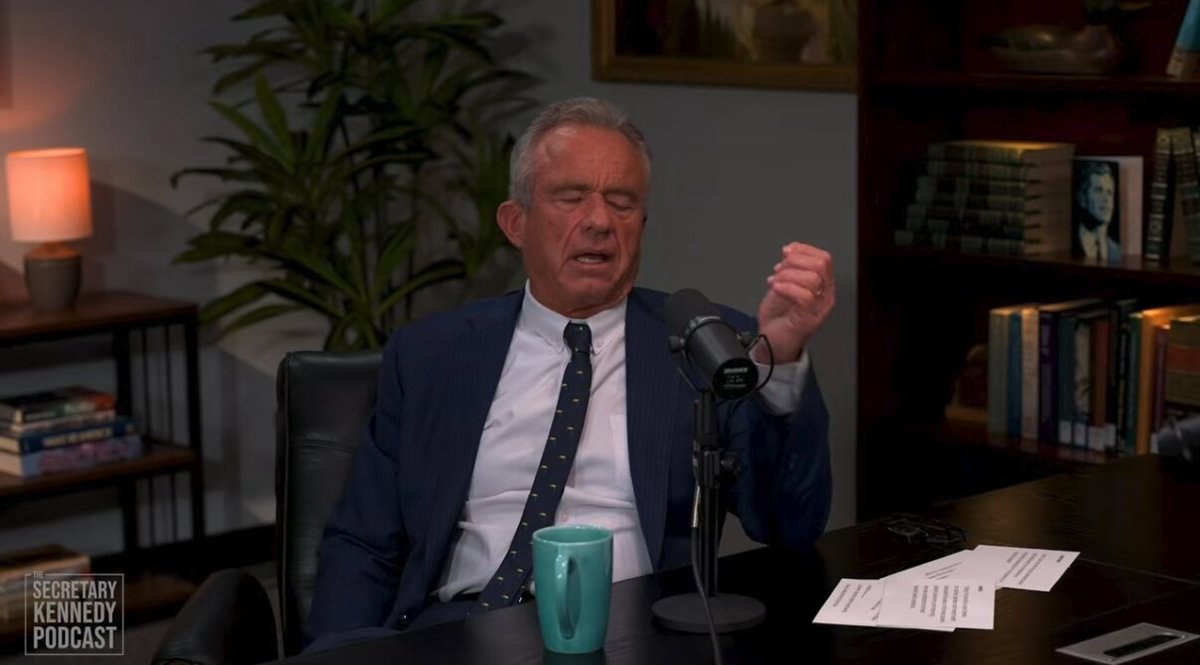
I appreciate @seckennedy having me on for this wide ranging conversation about such important topics.
7
19
107
2,253
Laura Delano retweeted

Posted on Instagram about the pains of tapering off Cymbalta, and THREE friends out of the 200 who viewed it reached out to share that they've been through this with antidepressants too. One had to take off work because it was so brutal.
This is happening all around us.
16
14
138
11,553
Jun 10
People often ask me what recovery means to me after years inside the psychiatric system.
The answer has less to do with becoming symptom free and more to do with my relationship to pain.
For most of my life, I believed emotional pain meant something was wrong with me. I saw grief, fear, loneliness, and overwhelm as problems that needed to be fixed.
Now I understand those experiences differently.
I still feel emotional pain. But I no longer panic when those feelings arise, and I no longer automatically interpret them as signs that I need a new diagnosis, a medication adjustment, or another intervention.
That shift changed everything for me.
Once I stopped fearing pain, the pull of medicalization and consumerism started to lose its grip. The constant messaging telling us to numb ourselves, optimize ourselves, and medicate every uncomfortable emotion stopped feeling persuasive.
Sometimes pain asks us to pay attention, sometimes it asks us to make a change, and sometimes grief simply asks to be felt.
I write about this journey in my book Unshrunk, and how my journey led me to finally realize that emotional pain is not always a pathology to suppress, but often part of being human: 🧵
@kellybroganmd
10
27
139
5,407
Jun 10
To hear more about my journey through the psychiatric system, including the grief, confusion, hard lessons, and the process of rebuilding my life outside of it, check out my book Unshrunk below:
unshrunkthebook.com/order/
1
3
18
481
Jun 9
The next opiate crisis is the psych drug crisis
65 million Americans on dependence-forming drugs (not just benzos) they may well go through hell trying to withdraw from
Most of them not yet realizing this is the case
But they will be soon
The cultural tipping point is here
Jun 9

I don't expect any of you to give a shit, but I would like to share something with all of you. This is kind of a cautionary tale for younger person in my audience.
For the love of God: DO NOT FUCK AROUND WITH BENZODIAZEPINE.
Like it was a plague, don't do Xanax, or Klonopin, or Valium, unless it is under strict medical supervision and you're well educated on the drug.
When I was 18 I had severe anxiety. My anxiety was so extreme I was afraid to shower, put gas in my car, etc. Once I was so afraid to shower I didn't bathe for 8 months. My anxiety was debilitating. I was eventually given a narcotic called Klonopin.
The doctor didn't warn me about the drug.
Klonopin is an extremely effective anti-anxiety medication. It was like a breathe of fresh air. I was able to function. It saved my life. However, what the doctor DID NOT tell me is that Klonopin is like rat poison and is INCREDIBLY DANGEROUS. I cannot stress this enough: INCREDIBLY DANGEROUS.
The long term effects of Benzodiazepine is catastrophic. General speaking, physicians only want you taking drugs like Klonopin for 90 days MAXIMUM. I've been taking it for over 15 years.
My brain and body are both heavily dependent on the drug. If I don't have my Klonopin I physically cannot function. My arms shake, I get headaches, I get confused, I get overwhelming anxiety, I get physically sick, it is absolutely awful. It feels very similar to having the Influenza virus mixed with extreme sleep depravation mixed with being hung over.
Additionally, whenever I told other physicians I take Klonopin I am treated like a drug addict and they scoff at me. Several times in the past, when in an Emergency Room or whatever, and I mention I take Klonopin, I've had doctors directly tell me, "Well, I'm not going to give you any Xanax", or "Why are you really here?". It's terrible and embarrassing.
Anyway, to make a long story short I've decided to begin the journey of quiting the drug. I can't quit cold turkey, because it can kill you .. because it can cause death by stroke, heart attack, seizure, ... whatever. Instead I am working with my physician to slowly taper off the drug.
I'm day five into a 25% reduction, which in some cases is fast, but I agreed to try it. I've had mild insomnia and mild irritability. Besides this though I'm doing pretty good. Once I've kept at this 25% reduction for about 8 weeks I will try to reduce by another 25%.
Seriously though, don't fuck around Benzos like Xanax, Klonopin, Valium, etc. This shit will fuck you up bro
22
31
162
9,572
Jun 9
Millions of Americans take multiple psychiatric medications at the same time.
Yet the safety and efficacy of these drugs in combination with one another have never been adequately studied, nor is there a strong evidence base for long-term use.
At one point, I took five different psychiatric drugs simultaneously, completely unaware that I had effectively become part of an uncontrolled experiment.
I am not anti-medication.
I am pro-informed choice.
And informed choice becomes impossible when people take multiple drugs as prescribed for years without first being told what’s known– and what’s not known– about the potential tradeoffs.
@smerconish
14
43
181
9,838
Jun 9
In Unshrunk, I tell the story of my 14 year journey through the American mental health industry, how I realized it didn’t have my answers, and what it took to extricate myself from a life-sentence of psychiatric diagnoses and medications.
unshrunkthebook.com/order/
2
10
27
961
Laura Delano retweeted

Jun 6
This week, I returned to the doctor who, four years ago, tapered me using a conventional, linear taper schedule. All this time, I’ve fantasized about this meeting, daydreaming about all the clever things I would say when I finally saw him again. I would bob my head and wag my finger, shaming him for his recklessness and how it derailed not just my life, but my spouse’s and children’s. In the depths of the dark, inhumane suffering that is severe and protracted antidepressant withdrawal, I would sometimes conjure up this fantasy as a distraction. I would be the hero and he would be the villain. Protagonist and antagonist, my story would be complete with this ending of vindication.
As much as I want to hate him for upending my life, I found him to be exactly as Mark describes in his recent Substack: “naively ignorant.” I also found myself deeply sympathizing with the man as he apologized, stuttering nervously, and, I’m sure, fearful of possible recourse. As a friend once said, we shouldn’t be upset with doctors for not knowing. We should be upset with them once we’ve told them and they refuse to learn. In the end, he was open to receiving resources on safer tapering and information on serious withdrawal. I highly recommend Mark’s article to better understand why doctors don’t see, understand, or even know about serious withdrawal.

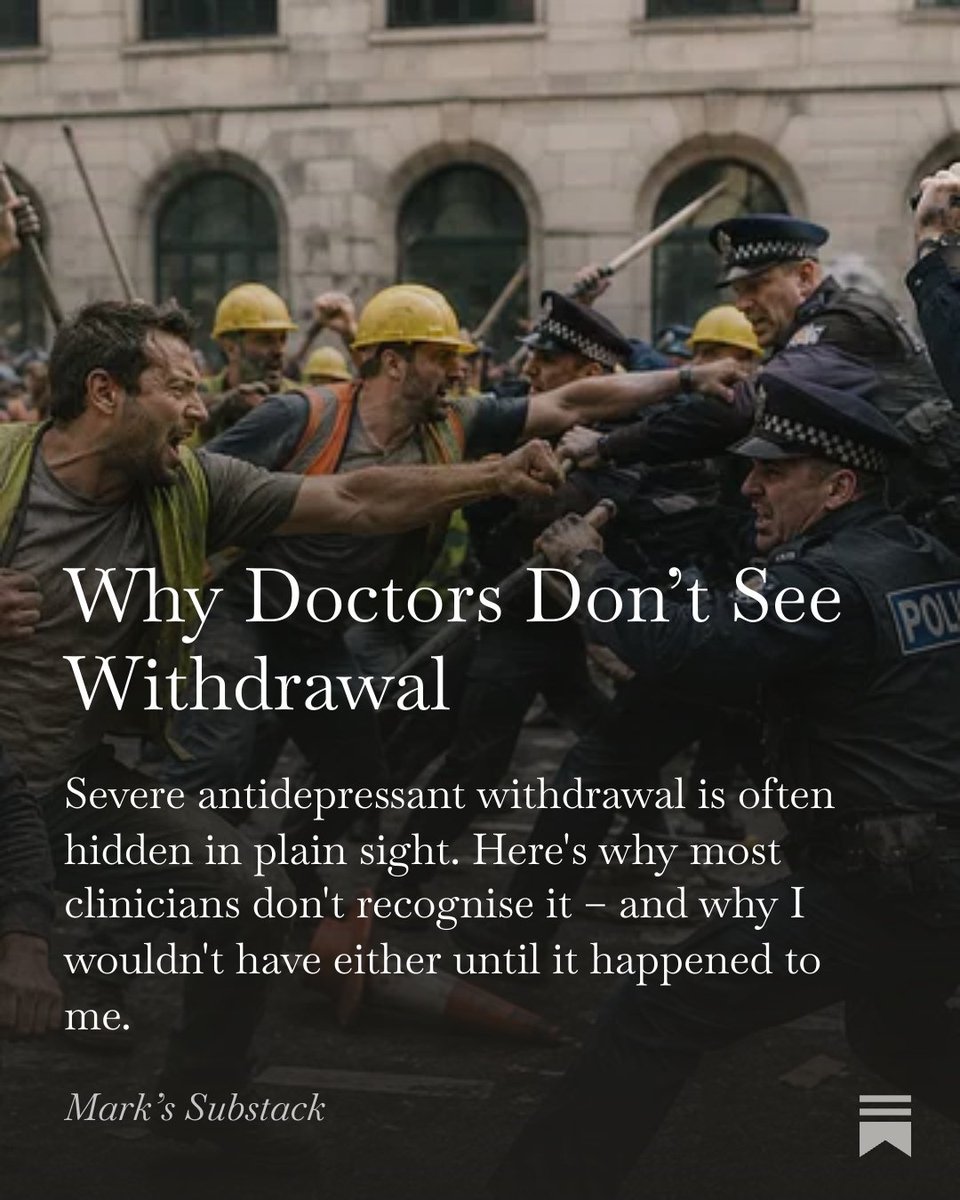
I wrote a blog on "Why Doctors Don’t See Withdrawal:
Severe antidepressant withdrawal is often hidden in plain sight. Here's why most clinicians don't recognise it – and why I wouldn't have either until it happened to me." Link below. Please re-tweet.
8
22
111
14,856
Laura Delano retweeted
May 24
For decades, those of us speaking about the harms caused by taking and coming off psychiatric drugs have been ignored, denied or dismissed.
I’ve been labeled everything from “antipsychiatry,” “anti-science,” and “Scientologist,” to “right-wing fascist” and “anti-vax,” to simply “too mentally ill” to understand what was happening to me.
Now the APA’s own annual meeting is full of panels on deprescribing, overmedication, withdrawal, and psychiatrists openly admitting they regret not helping patients come off these drugs sooner.
The hundreds of thousands of personal stories of psychiatric iatrogenesis have become impossible to keep waving away as meaningless anecdotes.
I have deep compassion for how hard it must be to face the possibility that you’ve been inadvertently causing harm to patients you’ve been trying to help.
But fear is the master distorter of truth, and the only way out is through.
We are eager to build a big-tent coalition to begin work on these changes we all know are necessary. I hope you’ll join us.
42
134
490
66,890
Jun 3
I hear stories like this daily.
Countless thousands of people see doctors who were never taught about psychiatric drug dependence and withdrawal and were trained instead to see worsening problems upon stopping meds as the “underlying condition.”
The tide is now turning.
Jun 2

After being rapidly tapered off 150mg of sertraline following 14 years of use, this is what I faced from GPs and psychiatrists. Most of them initially refused to acknowledge antidepressant withdrawal, repeatedly misdiagnosed me and through their responses, caused significantly more harm. I am one of thousands, probably significantly more, with a similar story.
GP 1: After fast sertraline taper (four weeks) and in delayed onset withdrawal, I was rapidly cycled through venlafaxine for three months, escitalopram for two weeks, citalopram for one week, propranolol for three weeks and pregabalin for five days, along with 5-10mg diazepam to “manage” the avalanche of adverse reactions. Diagnosed with adverse reactions such as serotonin syndrome. No mention of withdrawal. Each drug made things worse.
GP 2: By this point I had moved back in with my parents because I could no longer look after myself. Highly suicidal, horrific akathisia and unable to sleep for days. Prescribed mirtazapine, which made the akathisia significantly worse. Took for three weeks.
Mental Health Nurse: Switched to duloxetine. Denied it could be withdrawal. Took duloxetine for one week and the akathisia reached a new level of hell.
NHS Psychiatrist 1: Referred to secondary care. Prescribed vortioxetine. I refused because I was terrified the drugs were making me worse. Told this was relapse and an emerging mood disorder, possibly FND.
NHS Psychiatrist 2: Suspected Sertraline withdrawal but advised reinstating at 50mg and increasing weekly to 150mg, plus 5mg diazepam three times daily. I declined after finding information on low dose reinstatement (0.5–1mg) in support groups. Also didn’t want to become dependent on a benzo and was worried about the rapid benzo taper he had proposed with my already fragile CNS.
Private Psychiatrist (Priory): Paid £450. Told it was obvious I couldn’t tolerate SSRIs and had likely developed bipolar or another mood disorder. Prescribed flupentixol. I had never been psychotic and refused. £450 I’ll
never get back.
NHS Psychiatrist 4: Attended A&E with unbearable akathisia and high suicidality. Prescribed PRN quetiapine (25mg up to 4x/day) plus 200mg at night. Developed extrapyramidal symptoms (urinary retention, hand tremors) and was told it was “just anxiety” and “couldn’t be the drugs.” Stopped the 200mg after two nights and have remained on 25mg since.
Psychiatrist 4 (again): Insisted I wasn’t in withdrawal, told me to stop visiting online forums and dismissed scientific papers I presented as “nonsense.” Prescribed lamotrogine and in desperation for my life I tried for two weeks. Akathisia flared to life threatening levels.
Psychiatrist 4 (again): Stopped lamotrigine and prescribed Abilify. By now I refused, as I recognised this as drug induced and had never been psychotic.
Psychiatrist 5: Called me a “difficult patient” and encouraged voluntary hospital admission to increase quetiapine and possibly consider ECT. It was clear neither they nor the system understood withdrawal. I made the decision to leave psychiatric care entirely in order to save my own life.
GP 3: A new GP open to learning. I gave her The Maudsley Deprescribing Guidelines. She was empathetic, supported low dose reinstatement (though still suspected FND) and helped advocate for me. Unfortunately the CNS injury was too severe for reinstatement to work and so I remain on 3mg of sertraline and 25mg of quetiapine to this day. Referred to neurology.
Neurologist: Agreed it was AD withdrawal but still recommended the FND pathway. I challenged this, saying I would be taking a place from someone with genuine FND. They admitted they see many psychiatric drug reactions in neurology but “can’t rock the boat.”
GP 3: Referred me to an NHS deprescribing clinic and provided what support she could.
Psychiatrist 6 (Deprescribing Clinic): Finally validated everything I’d been through and quite possibly saved my life. The care I’ve received there has been exceptional.
1
28
100
4,529
Laura Delano retweeted

I didn’t recognize antidepressant withdrawal as a GP. Patients may get panic attacks after stopping and you think to yourself “ they need to restart the medication as they have panic attacks.” BUT now I see it is withdrawal and use hyperbolic tapering to stop. NO panic attacks.
I wrote a blog on "Why Doctors Don’t See Withdrawal:
Severe antidepressant withdrawal is often hidden in plain sight. Here's why most clinicians don't recognise it – and why I wouldn't have either until it happened to me." Link below. Please re-tweet.
4
15
62
5,529
May 31
We are denying young women the right to make truly informed choices about psychiatric drugs.
Most of us receive little to no information about what starting SSRIs and other psych meds might mean for having children one day.
For some people, coming off these drugs safely can take years, yet many young women start them without anyone discussing the long-term planning that may be required.
Far too many pregnant women find themselves faced with an impossible decision: stop their medications abruptly and risk serious withdrawal symptoms, or stay on their meds and increase the risk of adverse birth and health outcomes for themselves and their babies.
It should be a non-negotiable: girls and women deserve to know all of this prior to starting psychiatric medications.
@mikhailafuller
13
39
165
4,820
May 31
Just as true 1.5 yrs later.
This isn’t about being “pro” or “anti” psych meds.
It’s about informed choice:
-what’s required to make it,
-the consequences of its absence,
-how to help the many millions who’ve realized they haven’t been making truly informed choices at all.
29 Jan 2025

It's not happenstance that SSRIs, psychiatric drug withdrawal, and the matter of "mental health" keep getting brought up at RFK's HHS confirmation hearing today: MORE Americans that EVER BEFORE are turning to the mental health industry for its pharmaceutical offerings, at the same time as MORE Americans than EVER BEFORE are suffering and losing hope.
This isn't about being "pro" or "anti" psychiatric medications. It's about INFORMED CHOICE, which is only possible when you have access to unbiased, reliable information about the offerings of the American mental health industry, along with alternatives to it.
And for the huge numbers of Americans who've realized psychiatric drugs are not their answer, it's about being given trustworthy, accessible information on how to safely taper off these meds, find support from others who've done the same, and build meaningful local communities that can rely on one another.
4
17
66
2,451