
Associate Professor of Computational and Systems Biology at Pitt | Immunity, evolution, and statistical inference | Opinions are my own
Joined April 2016
- Tweets 138
- Following 515
- Followers 226
- Likes 371
9 Photos and videos
John Barton retweeted

26 Mar 2023
Research Fellow opportunity @UniMelb, @engunimelb, to work on computational methods/platforms to design next-gen vaccines & study viral evolution.
Collab with @TheDohertyInst, @UniMelbMDHS, @GarvanInstitute, Prof. @Row_Bull at @KirbyInstitute.
jobs.unimelb.edu.au/caw/en/j…
2
15
28
7,915
John Barton retweeted

4 Jan 2022
getting an NSF CAREER award! if you know of anyone looking to do a PhD on quantifying microbial recombination, adaptation, and population structure, please send them my way. and atlanta folks interested in doing science outreach with refugee youth, please get in touch!
23
69
303

2 Jan 2022
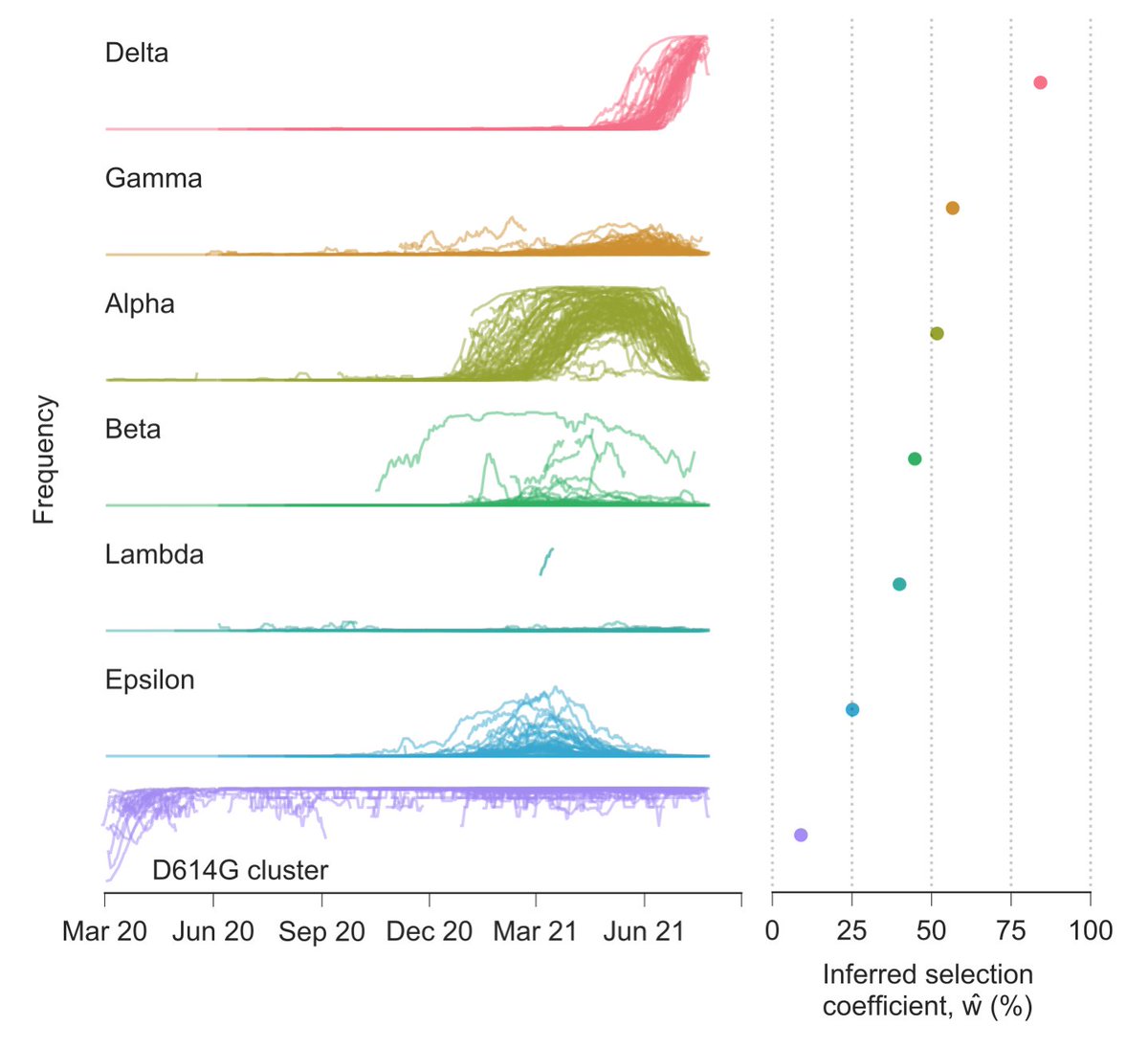
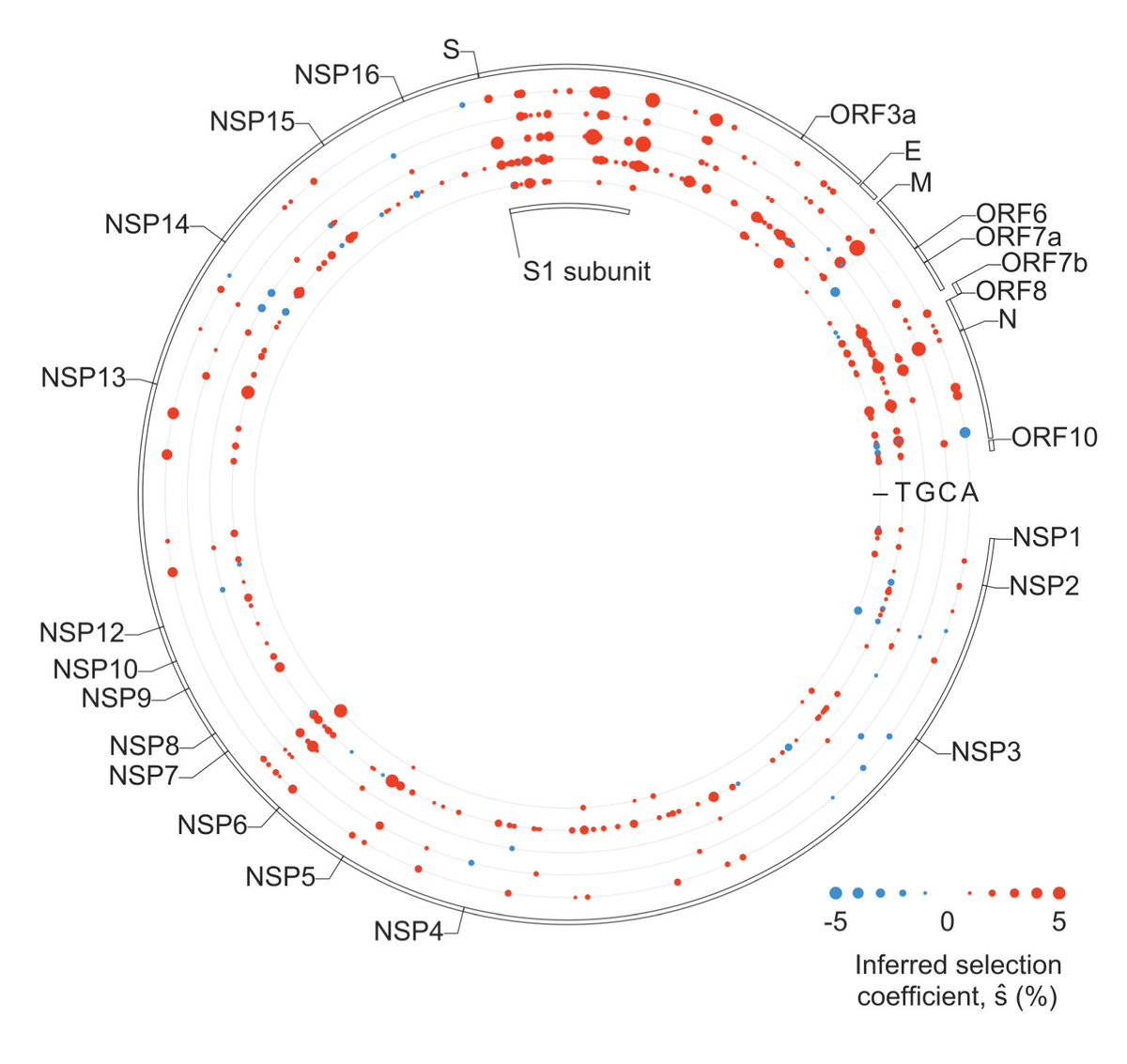
Our preprint is out! We developed a new method to estimate how individual mutations affect the transmission of SARS-CoV-2 using the incredible data available from GISAID. medrxiv.org/content/10.1101/… (1/10)
1
7
2 Jan 2022
Our code and results are all on GitHub (github.com/bartonlab/paper-S…). We hope that our work might point to potentially functionally important mutations that may not have been fully characterized, in addition to helping us quantify changes in SARS-CoV-2 transmission. (9/10)
1
2 Jan 2022
This work was led by Brian Lee, a graduate student in my group, and featured contributions from many others: our own Liz Finney, @SaqibSohail3, @ahmedaquadeer, Faraz Ahmed, and Matt McKay! Thank you to an amazing team. (10/10)
John Barton retweeted

18 Dec 2021
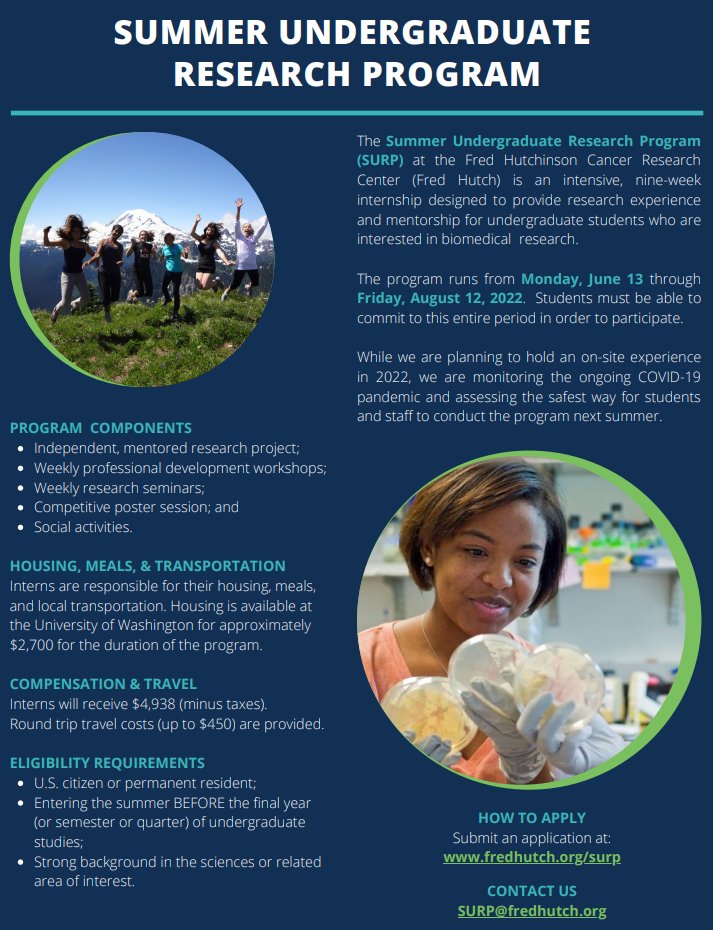
Fred Hutch Computational Biology is gearing up to host a bunch of undergraduate interns this summer. If you are an undergrad interested in the intersection of 💻and🧬, or if you know one, please check it out! SURP is a phenomenal experience.
35
58
John Barton retweeted
26 Oct 2021
Job ads are up! We're recruiting at all levels.
📣Hey biologists: come put rocket boosters on your science with our proven methods development team. 🚀
📣Hey computational folk: come work with us on a long list of fascinating & relevant problems.🧑🔬
matsen.fredhutch.org/joining…
2
34
45
John Barton retweeted

21 Jun 2021
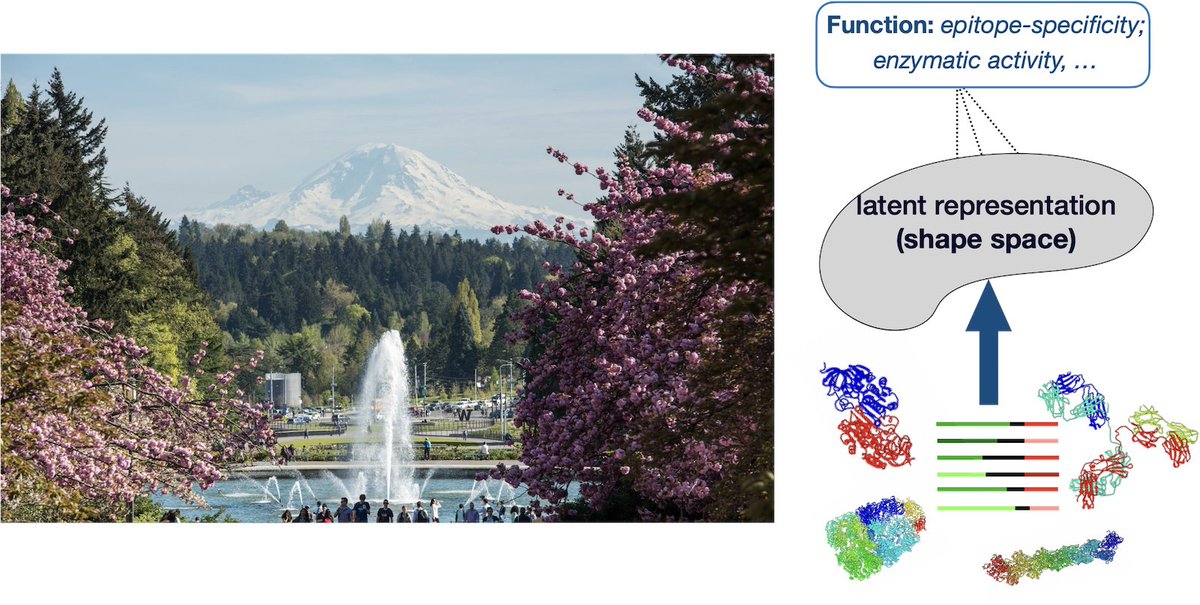
2 postdoc openings in my group @UW to learn how the immune system is organized in light of evolution & biophysics of immune-pathogen recognition #TheoBiophysicsPosition #postdocjobs #ScienceJobs @airr_community @ApsDbio
details: sites.google.com/uw.edu/stat…
please RT
1
36
42
John Barton retweeted
19 Jan 2021
We have an open postdoc position matsen.fredhutch.org/general… (Psst! Phylogenetics folk! Antibodies evolve within you! It's amazing! And important! Phenomenal collabs! Hard problems! Supportive group! Remote work possible!)
46
46
John Barton retweeted

30 Dec 2020
Two postdoc positions available in my group, official ads to come!
One position focused on the role of mutational biases in adaptive protein evolution.
The other position on modeling epistasis observed in high-throughput experimental data.
E-mail / DM if interested!
2
73
81
14 Dec 2020
Thank you! Support at NPIS has been so incredibly helpful as I've been getting my lab up and running.
14 Dec 2020

Check out our latest Outstanding PI: @_jpbarton of @UCRiverside Physics and Astronomy
newpislack.wordpress.com/202…
3
9 Dec 2020
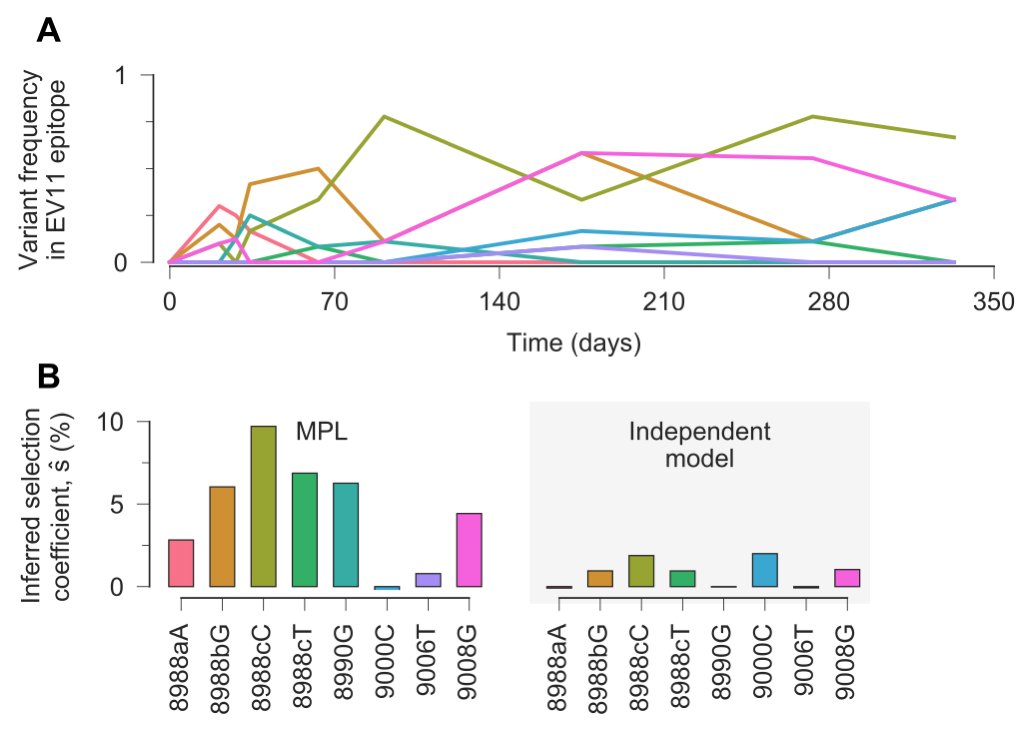
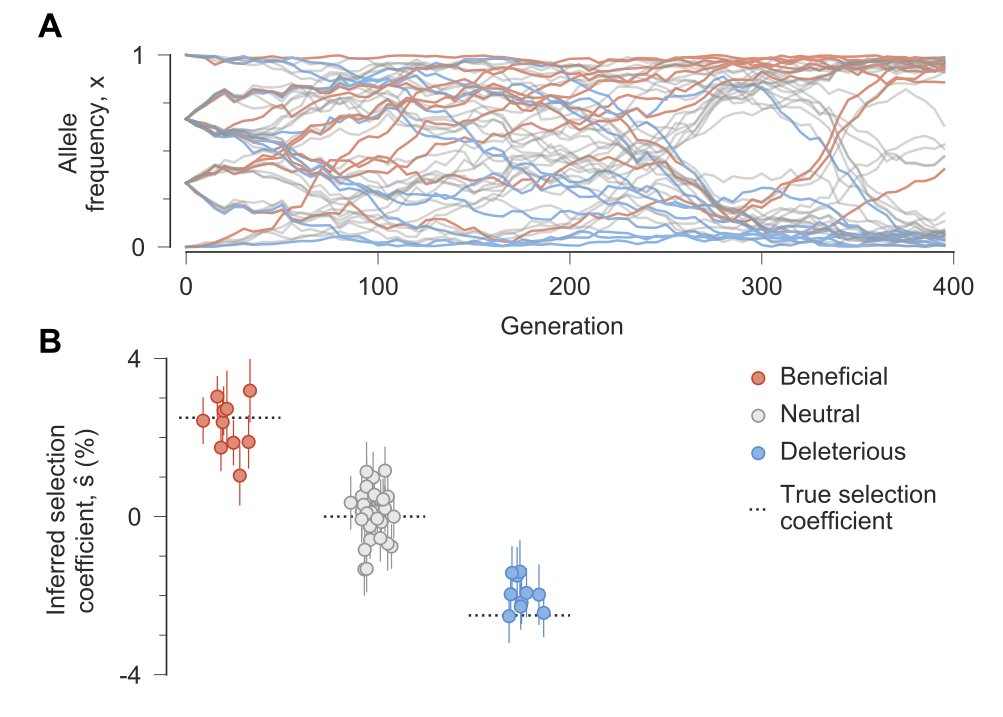
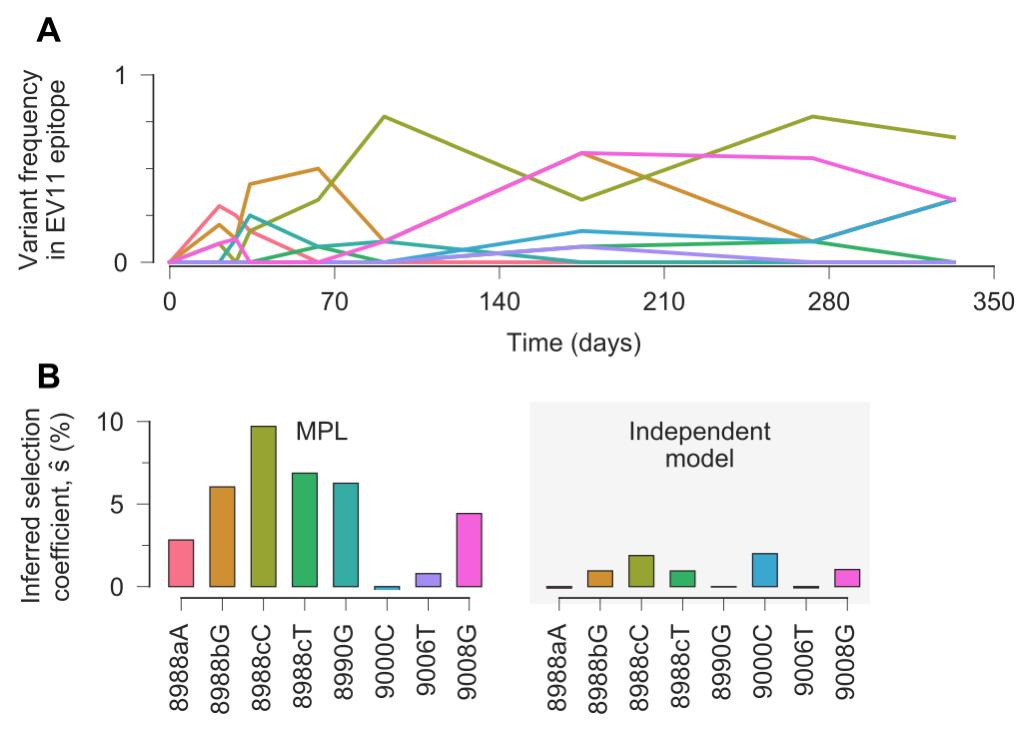
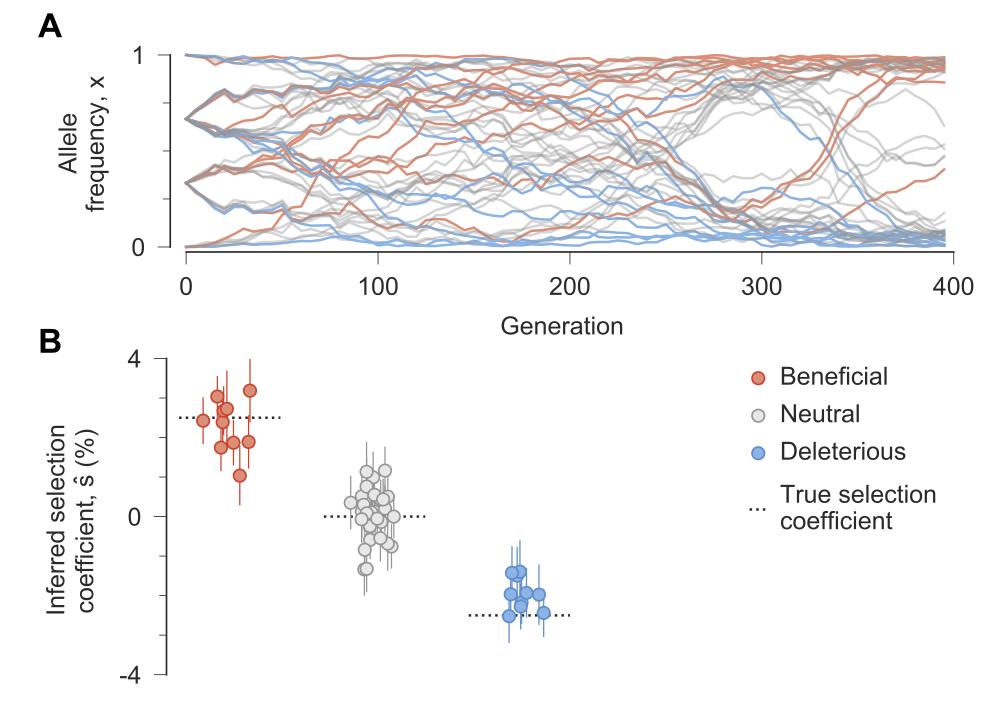
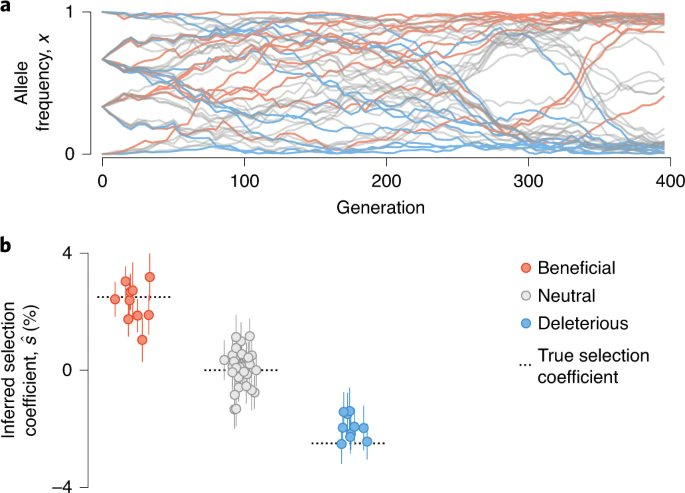
Our paper is out! If you're interested in how we can estimate the fitness effects of mutations from temporal genetic data (from sources like experimental evolution or ancient DNA), or how HIV evolves to escape from the immune system, then read on for a short introduction. (1/9)
30 Nov 2020

MPL resolves genetic linkage in fitness inference from complex evolutionary histories go.nature.com/2KTQDTL
1
12
32
9 Dec 2020
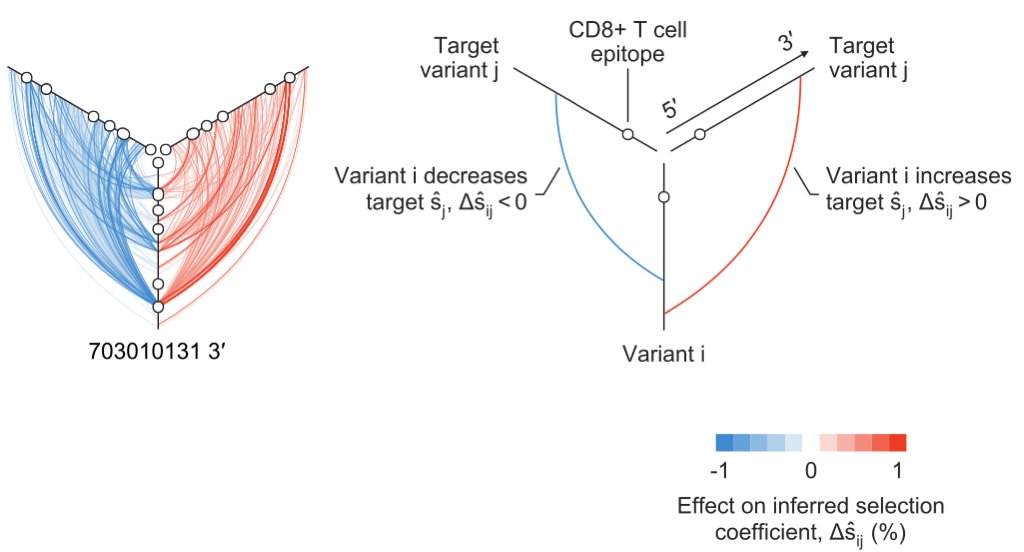
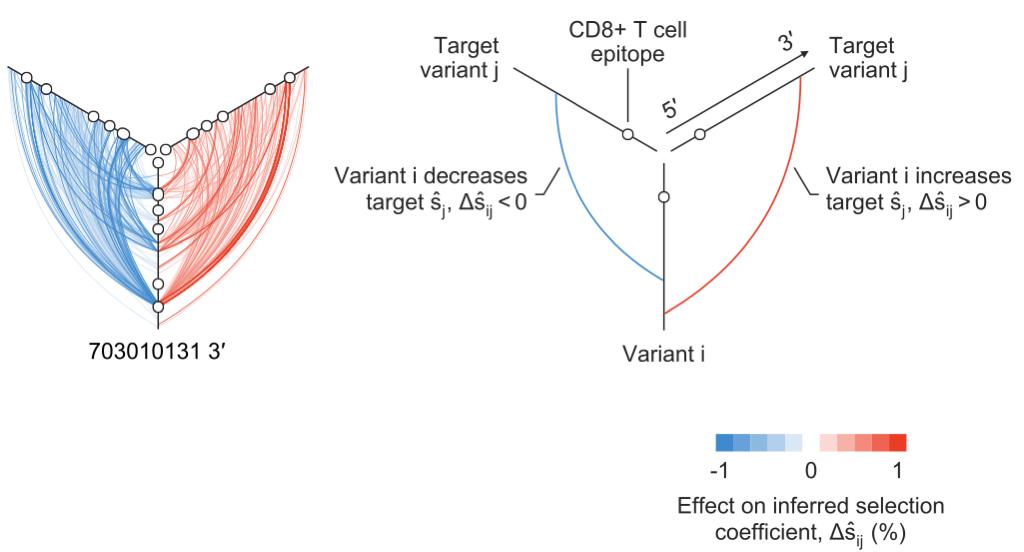
We also quantified how variants affect inferred selection at other sites. Most have no effect, but a few – including escape mutations that sweep rapidly through the population – exert strong effects on linked sites. Here’s a map (left) in the same patient as above. (8/9)
1
1
9 Dec 2020
The main message: genetic linkage can really matter when trying to infer how mutations affect fitness. Next, we’re looking forward to applying this to other systems! If you're interested in trying it out for yourself, all our code is online. (9/9)
2