China, Innovation & Investment
Joined December 2009
- Tweets 33,753
- Following 662
- Followers 46,000
- Likes 43,129
6,635 Photos and videos

Pinned Tweet

Jun 12
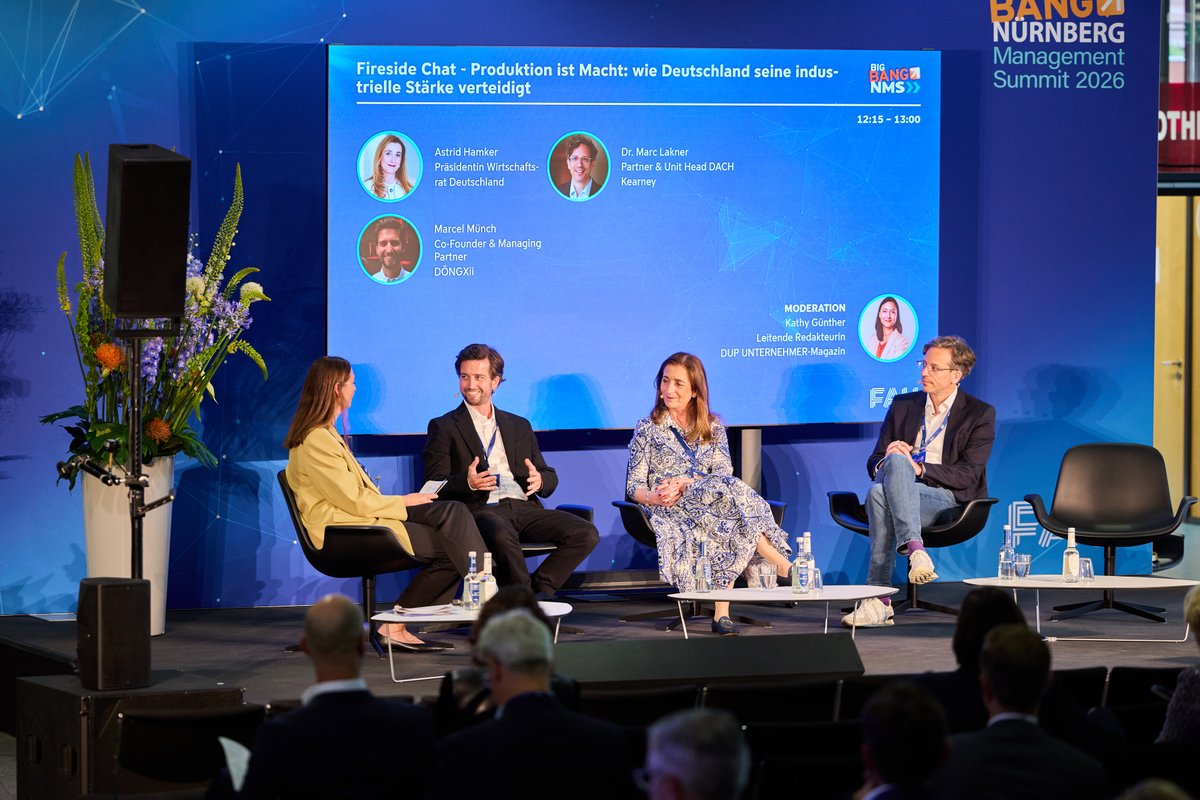
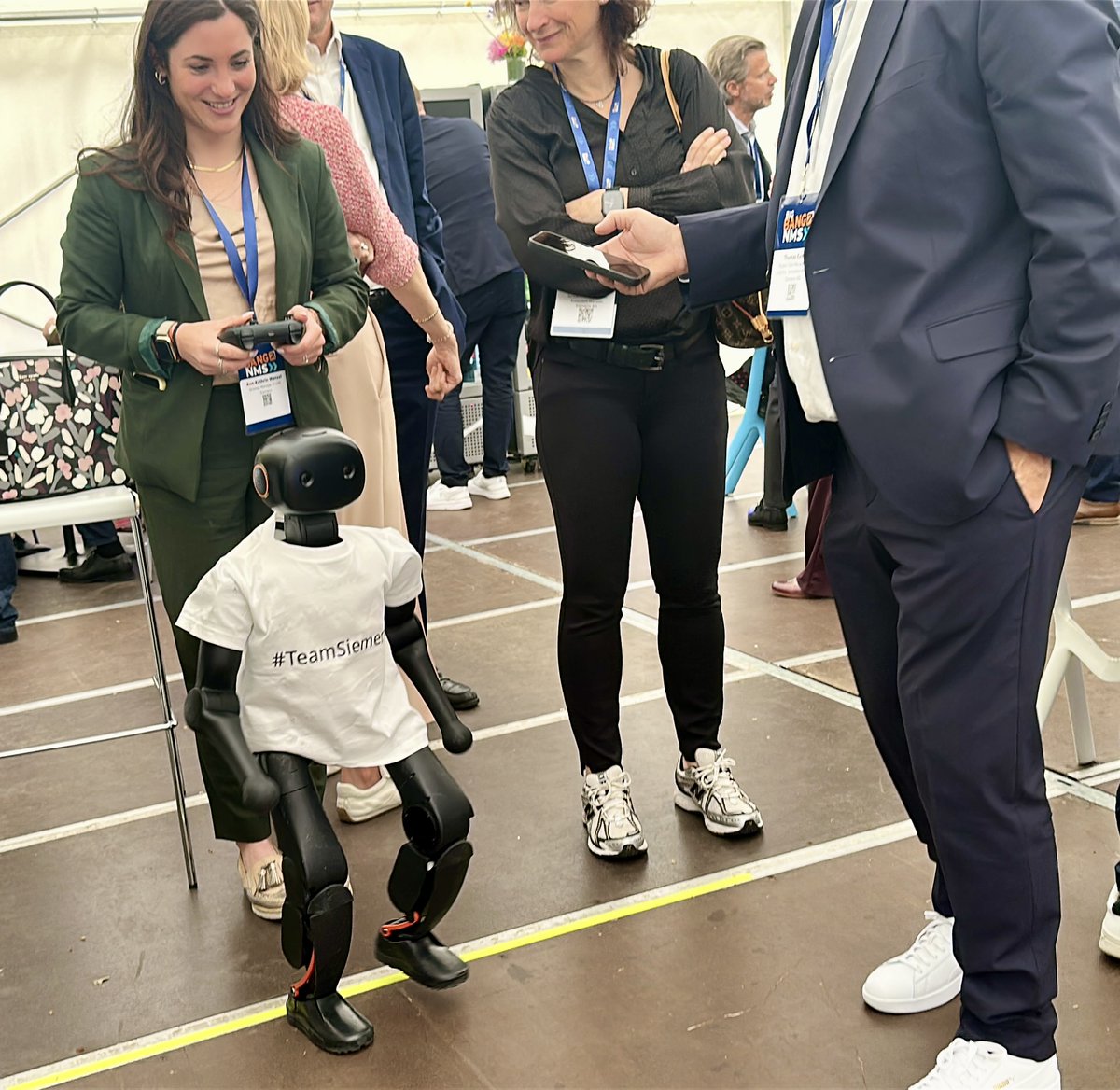
Yesterday at the Big Bang Management Summit in Nuremberg, I brought a Chinese humanoid robot to a German industrial leadership event.
For many participants, it was the first time they could directly interact with a real humanoid robot from China. Not a hype video, not a polished booth demo, but hands-on the joystick steering our @dongxii_com @boosterrobotics K1 robot with all its current limitations and potential.
The idea is to change how we debate robotics: Away from abstract fear, away from demos, and towards quick, iterative learning by doing.
The first question should not be: “Which humanoid robot should we buy?” The better question is: “How can we establish a learning system that gets us up to speed and ahead?”
The real added value will not sit in the robot hardware, which will become more capable, cheaper and more commoditised, but in the deployment stack: suitable tasks, realistic environments, safety requirements, process integration, industrial data and economic KPIs.
As I said during my fireside panel participation: This is where Germany has potential, opportunity and leverage with China: Our factories, process knowledge, quality and local standards and real production complexity.
In automotive, Germany is facing the consequences of underestimating China for too long. But in robotics, automation and Physical AI, the story could be quite different and win-win opportunities can arise where China and Germany work together.
Based on how I understood Siemens CEO @BuschRo opening remarks, @siemens has already identified exactly this opportunity for themselves.
3
14
88
8,202

Marcel Münch retweeted

Jun 14
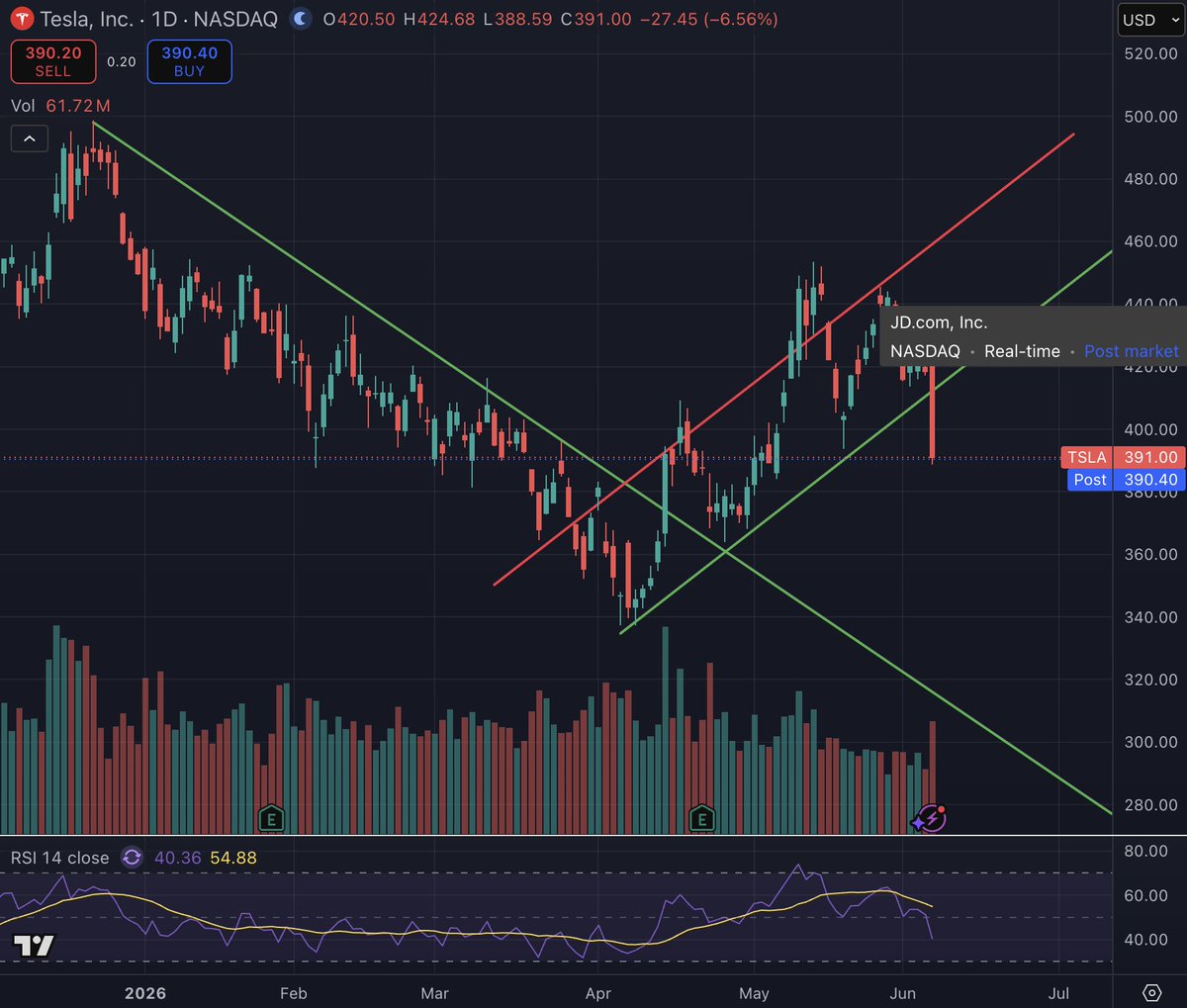
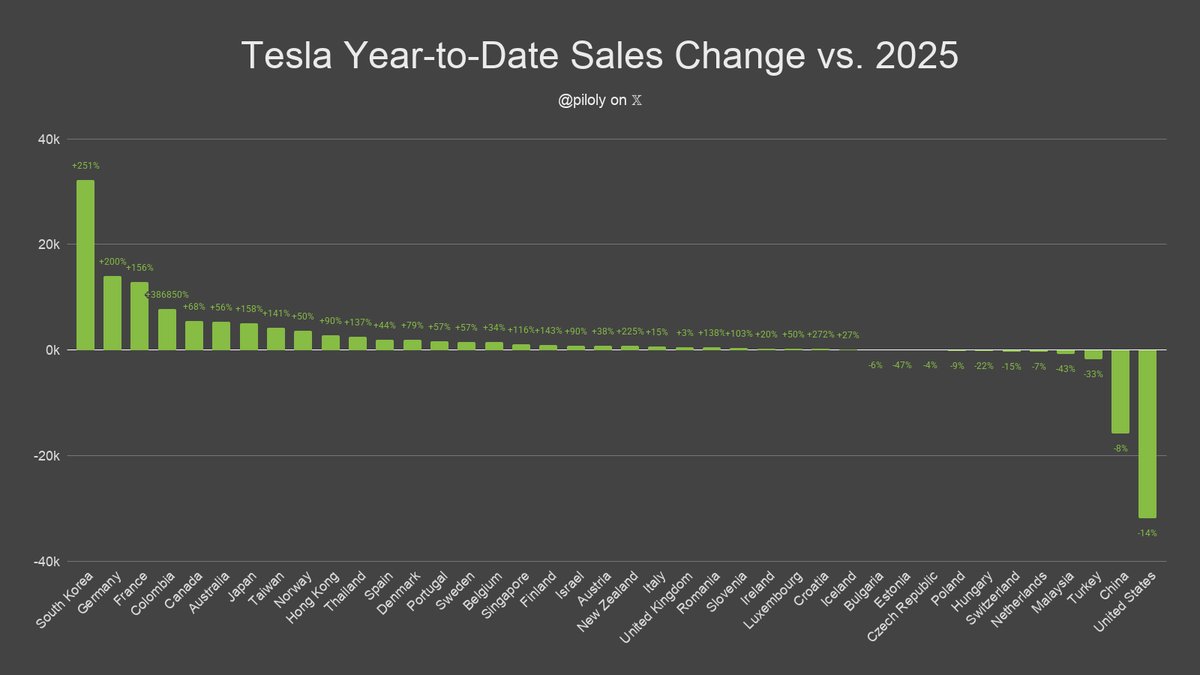
According to my data, which does not cover all countries, Tesla's year-to-date sales have increased by 60k.
While most other countries are up, the two biggest markets, China and the US, are down.
10
15
289
13,638

Marcel Münch retweeted
Jun 12
Yesterday at the Big Bang Management Summit in Nuremberg, I brought a Chinese humanoid robot to a German industrial leadership event.
For many participants, it was the first time they could directly interact with a real humanoid robot from China. Not a hype video, not a polished booth demo, but hands-on the joystick steering our @dongxii_com @boosterrobotics K1 robot with all its current limitations and potential.
The idea is to change how we debate robotics: Away from abstract fear, away from demos, and towards quick, iterative learning by doing.
The first question should not be: “Which humanoid robot should we buy?” The better question is: “How can we establish a learning system that gets us up to speed and ahead?”
The real added value will not sit in the robot hardware, which will become more capable, cheaper and more commoditised, but in the deployment stack: suitable tasks, realistic environments, safety requirements, process integration, industrial data and economic KPIs.
As I said during my fireside panel participation: This is where Germany has potential, opportunity and leverage with China: Our factories, process knowledge, quality and local standards and real production complexity.
In automotive, Germany is facing the consequences of underestimating China for too long. But in robotics, automation and Physical AI, the story could be quite different and win-win opportunities can arise where China and Germany work together.
Based on how I understood Siemens CEO @BuschRo opening remarks, @siemens has already identified exactly this opportunity for themselves.
3
14
88
8,202
Marcel Münch retweeted

Jun 12
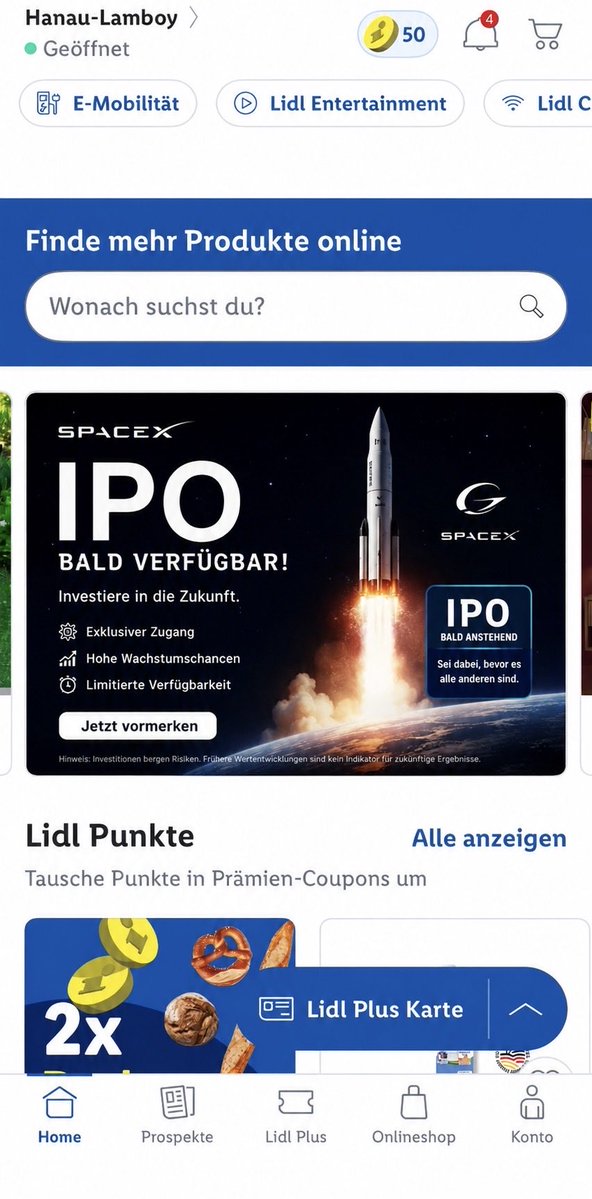
I know it’s 2026 and nuance is illegal but you can simultaneously think SpaceX rocketry is an impressive engineering achievement while also thinking a $2T valuation is an affront to intellectual honesty
70
249
4,339
121,661
Marcel Münch retweeted

Jun 11
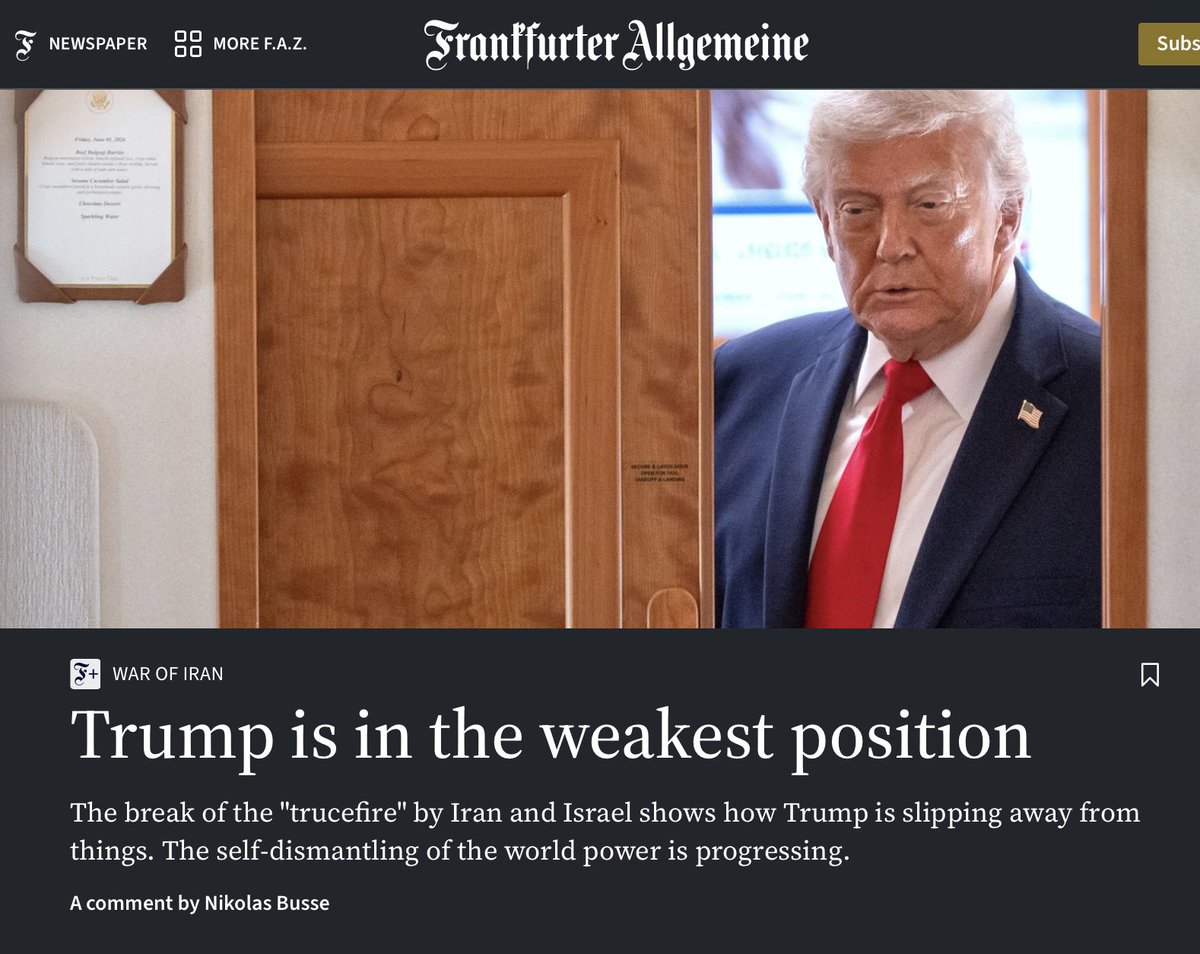
Trump closing a deal with Iran like :
572
3,345
44,370
7,226,608
Jun 12
Plot twist:
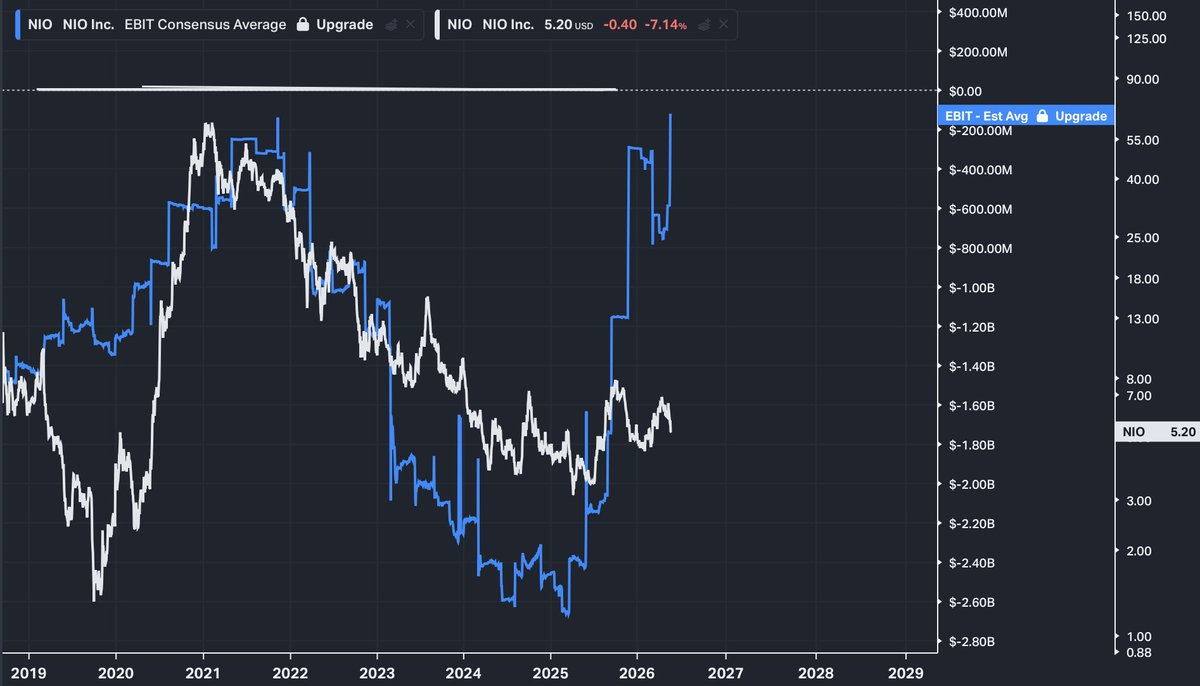
China Gov summons $NIO - says product lineup too strong for competition.
Jun 11

CHINA SUMMONS CARMAKERS OVER SUSPECTED 'IRRATIONAL' COMPETITION
15
8
124
18,941
Marcel Münch retweeted

Jun 10
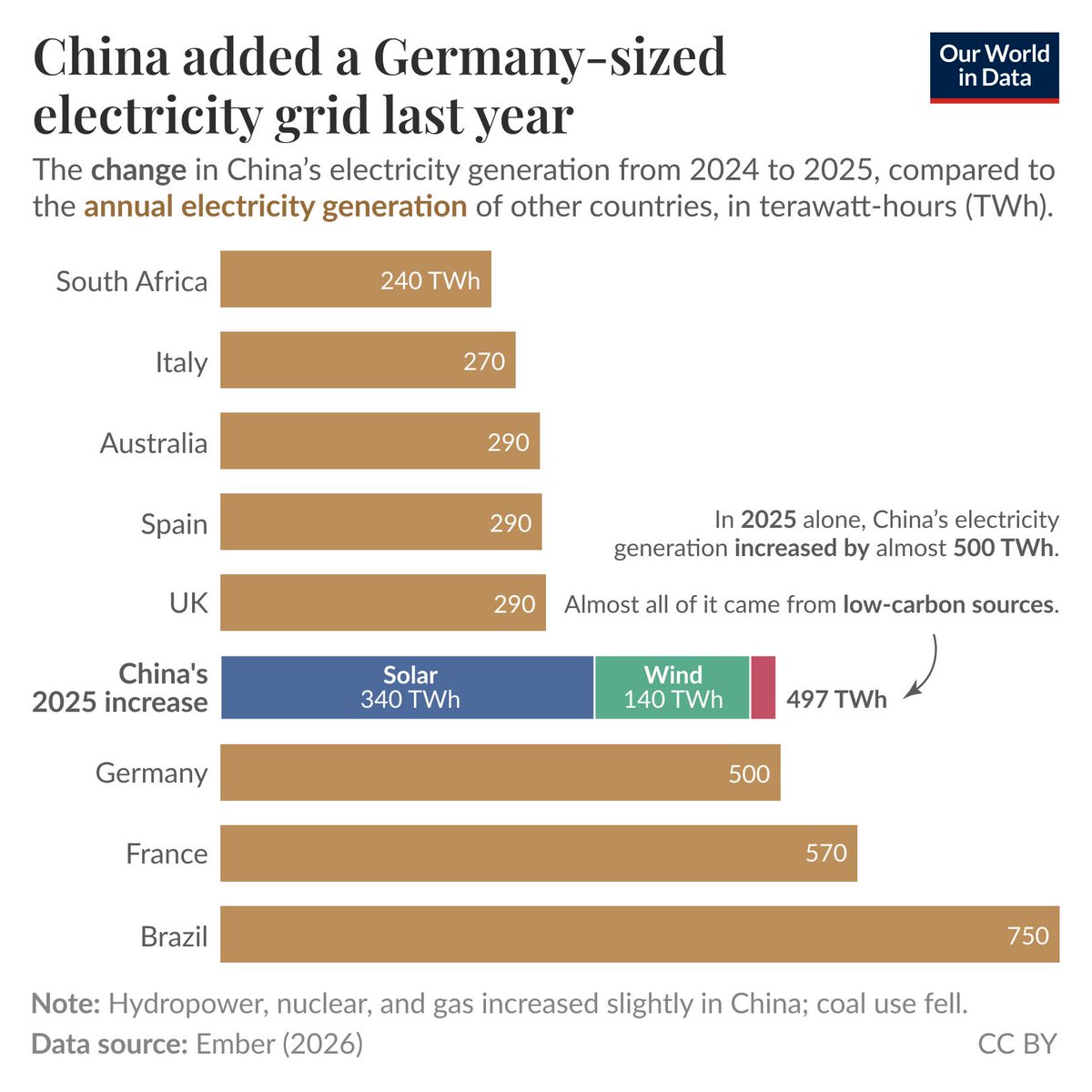
Impressive: China added a Germany-sized electricity grid last year ⚡️
8
52
192
14,160

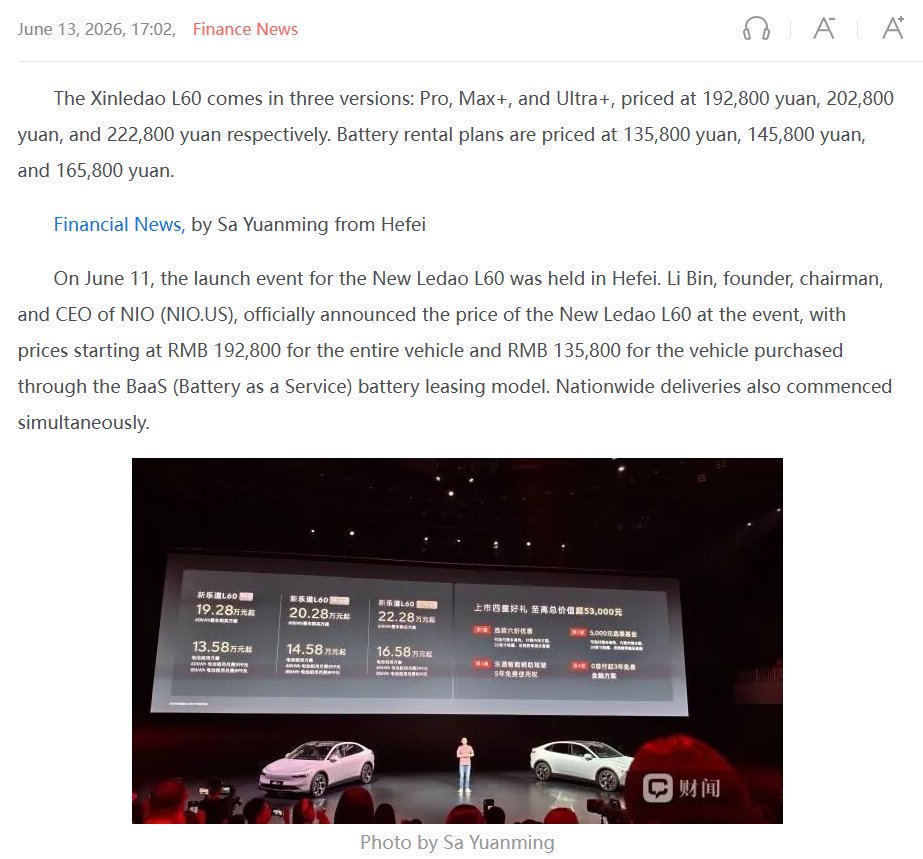
Nio Onvo to hold launch event on June 11 evening for new L60 with 106 upgrades
Onvo announced that the launch event for the new L60 will begin at 7:30 pm Beijing Time on June 11, saying the model brings a total of 106 upgrades. cnev.co/GWPjoYs 👇
2
14
111
6,664
Marcel Münch retweeted

Jun 10
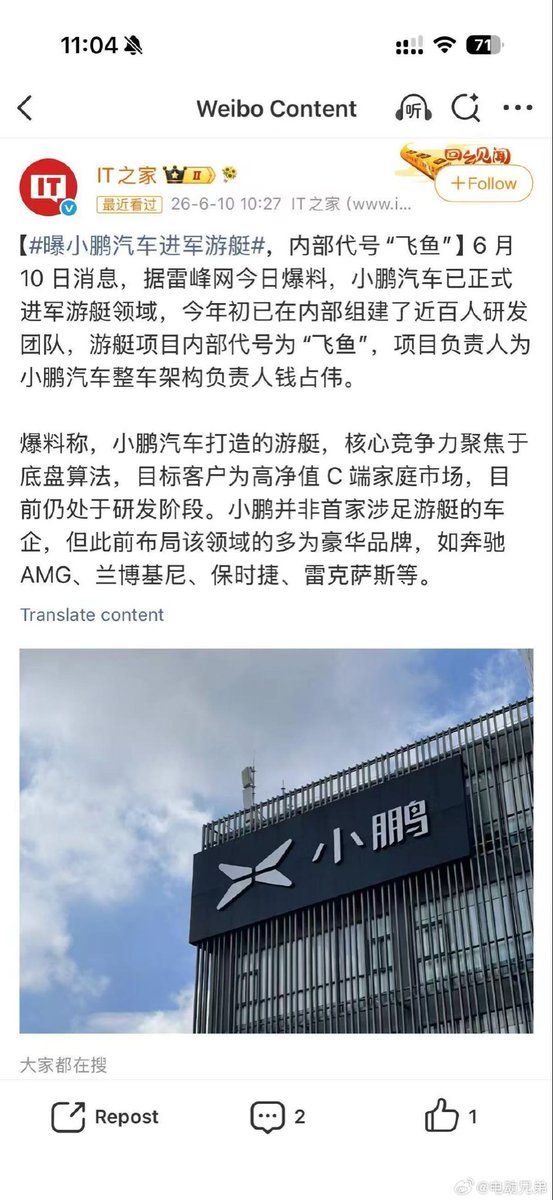
突然觉得现在蔚来像腾讯,在稳扎稳打地造车卖车保交付,小鹏就像阿里,天天概念名词一堆,VLA飞行汽车 游艇,碰瓷特斯拉也是最积极,GX号称服务器被订单挤爆,24小时之内获2万 订单,结果5月份就交付了270台,而理想就像百度,在增程的路径依赖里面无法自拔,高端纯电转型之路充满泥泞,手握巨量现金但是创新乏力
6
7
45
3,971
Nio dominates China's large SUV market with four models in May's top 10
The third-generation Nio ES8 saw retail sales of 11,472 units in May, topping the sales chart in China's large SUV market for the sixth consecutive month. cnev.co/VPy7xwW 👇
5
23
151
4,388
Marcel Münch retweeted

Jun 8
SpaceX has just officially unveiled its AI1 satellite, the first generation of its AI satellite.
Overall Specs:
• 150 kW peak compute payload
• 120 kW average compute payload
• 70 kW per ton
• Compute provider interchangeable
Dimensions:
• Wingspan: 70 meters
• Deployed height: 20 meters
Thermal System:
• 110 m² deployable liquid radiator
• Redundant pumping loops
• Integrated micrometeoroid shielding
• Deployable liquid radiators
Solar Power System:
• 150 kW solar array
• 250 W/m²
• SpaceX-manufactured solar technology from Bastrop, Texas
Architecture:
• Centralized compute module
• Large deployable solar arrays
• Deployable liquid-radiator thermal management system
• AI-focused compute satellite design ("AI1 satellite")
Elon: "The AI satellite is much simpler than a Starlink satellite. The AI satellite is essentially a lot of solar cells, you still need some laser links, but you don't have all of the super complex antennas that you have on a Starlink satellite. The easier one to design for is the AI satellite. It's bigger. A lot of this is technology we've already made with the Starlink V3 satellites."

Watch @ElonMusk provide a technical update on SpaceX’s capability to manufacture, launch, and operate AI satellites at scale → spacexipo.com
431
1,838
14,895
2,500,168
Marcel Münch retweeted

Jun 9
JUST IN: China’s exports jumped more than 19% in May, beating forecasts as AI demand fueled growth.
70
82
679
123,628

Marcel Münch retweeted

Jun 8
Statistically speaking:
The German social security scheme is that oversized that it’s impossible to get rich by work.
The only way in Germany is heritage.
43
64
1,749
76,210

Marcel Münch retweeted

Jun 7
In Australia, a water cannon salute was held to welcome BYD’s carrier vessel, which carries almost 5,000 Chinese EVs.
BYD has a fleet of 8 giant carrier ships. This is the first time one has arrived in Australia.
26
169
1,128
34,914
Jun 8
Jun 8

JUST IN: 🇺🇸🇨🇳 US designates Alibaba, BYD and Baidu as companies that support the Chinese military.
16
3
134
17,356