
Agribusiness is our business
Joined February 2026
- Tweets 67
- Following 51
- Followers 185
- Likes 77
Photos and videos

What if farming could become smarter, faster and more resilient to climate change? 🌱
Modern agriculture is transforming how farmers grow, harvest and preserve food through innovation, precision and climate-smart solutions.
Smart sensors, drones and data analytics are already helping Ugandan farmers:
✅ Reduce waste
✅ Lower costs
✅ Increase yields
✅ Protect soil health
Mechanisation is also reducing labour and improving efficiency, while cold chain storage is helping farmers preserve quality and extend shelf life.
Solar-powered irrigation and processing are also enabling farmers to produce more sustainably using clean renewable energy.
Through @aBiDevt’s #GRASP programme, modern agriculture is no longer out of reach for Uganda’s smallholder farmers.
Are you ready for Lima Smart? 👇
#LimaSmart
#WeAreaBi
#aBiGrasp
3
8
240
Farm performance is no longer about effort alone.
It is about accuracy, speed and the right tools. Mechanisation makes that possible by enabling farmers to work faster, reduce waste and close labour gaps. The shift is real:
✔ Higher yields
✔ Better use of seeds and fertilisers
✔ Less manual labour
Through #GRASP, @aBiDev't is driving the adoption of modern agricultural equipment among smallholder farmers in Uganda.
#LimaSmart
#aBiGrasp
#WeareaBi
1
3
7
128
Fuel is expensive. Hydroelectricity is unreliable. Uganda's farms deserve better.
Solar is closing that gap:
✔ Pumps sustaining irrigation
✔ Dryers reducing post-harvest losses
✔ Cold rooms protecting produce quality
✔ Mills and milk coolers running on clean, consistent power
For remote farms, solar replaces generators and grid dependence with reliable, sustainable electricity that keeps production moving.
Less fuel. Fewer losses. Stronger harvests.
@aBiDevt’s #GRASP programme is promoting clean energy adoption among smallholder farmers as part of its commitment to modernising Uganda's agricultural sector.
#LimaSmart
#WeareaBi
#aBiGrasp
6
95
Stocking 1,000 fish and harvesting only 20? That's what manual fish feeding can cost you.
Go automated instead, because automated fish feeders:
✅ Cut feed waste
✅ Prevent water pollution
✅ Save you 5 hours daily spent on manual feeding
✅ Give you 3 harvests/year instead of 1
Smart farmers don't guess. They automate.#LimaSmart
#aBiGrasp
#WeareaBi
2
6
82
A programmed circuit board. Embedded AI. Mathematical models.
This is what an automatic fish feeder uses to know exactly when and how much to feed your fish.
It tracks fish growth, size, water quality and feed stock.
A shutter opens, releases the exact amount and closes. Precise and Automatic. This is modern fish farming.
Willy Katumwa, Director of Twave Ltd, explains how it works. 👇
@aBiDevt is promoting modern farming practices among Uganda's smallholder farmers through #GRASP.
#LimaSmart
#aBiGrasp
#WeAreaBi
2
9
169

Your fish are stunted. Your feed is wasted. Your water is polluted.
There's a better way. #LimaSmart
Because manual feeding wastes 30–40% of fish feed. A solar powered automated fish feeder fixes this: feeding fish at the right time and in the right amounts, keeping water clean and preventing stunted growth. That's #modernfarming.
@aBiDevt's #GRASP program is promoting such modern farming among Uganda's smallholder farmers.
🎥 In this video series, Willy Katumwa, Director of Twave Ltd, explains what automatic fish feeders are, how they work, their advantages and why smallholder farmers should embrace this modern technology.
#LimaSmart
#aBiGrasp
#WeareaBi
1
3
7
172
What does modern dairy farming look like in Uganda?
Coolers keeping milk fresh. Lactoscans testing quality on the spot. Tractors and generators powering it all.
@aBiDevt is making it happen, putting modern equipment in the hands of smallholder farmers in partnership with Uganda Crane Creameries Cooperative Union (UCCCU).
And they are going further. With @Heifer, they have launched a 3-year Green Dairy Investment Programme worth Shs14 billion ($4M) to reach 20,000 farmers across Central & South Western Uganda to:
✅ Embrace advanced dairy technologies
✅ Adopt climate-smart dairy practices
✅ Build skills through training and hands-on support
Better milk. Better income. Better futures.
Uganda's #dairy revolution is here. Hear it straight from some of the beneficiaries. ⬇️
#LimaSmart
#WeAreABi
#aBiGrasp
1
1
9
181
Farmers are spending less on fertilizer but harvesting more. Here's why:
The Virtual Agronomist tells them exactly what their soil needs — nothing more, nothing less.
Results farmers are seeing:
→ Higher yields
→ Lower input costs
→ Real-time guidance, no waiting for an agronomist to visit
Some are harvesting so much, storage is now the new problem. #AI isn't replacing farmers. It's making them faster and smarter.#LimaSmart
🎥 Watch Monalisa Mutesi narrate farmers’ testimonies, thanks to @AFAPPartnership’s AITU project supported by @aBiDevt
🎥 bit.ly/3PXFUcG
#WeAreaBi
#aBiGrasp
1
11
212
What if you didn't have to wait weeks to know what your soil needs?
You don't have to. #LimaSmart
@iSDAAfrica’s Virtual Agronomist gives farmers instant answers on their phones: soil results, fertilizer advice, pest detection, weather forecasts, crop reminders — all in one tool.
Better decisions. Faster action. Less loss.
@aBiDevt’s #GRASP is supporting smallholder farmers through @AFAPPartnership’s AITU project to implement this.
🎥 Watch Monalisa Mutesi explain how it works: bit.ly/3PXFUcG
#WeAreaBi
#aBiGrasp
#LimaSmart
1
3
62
Why apply fertilizer blindly when your soil can tell you exactly what it needs? #LimaSmart
Wrong inputs = low yields. It's that simple.
AI-powered soil tools now help farmers:
→ Know exactly what nutrients are missing
→ Get precise fertilizer recommendations
→ Cut waste and cost
→ Protect soil long-term
This is what @aBiDev't is driving through the #GRASP project.
Watch @iSDAAfrica’s Monalisa Mutesi explain how this is being implemented through @AFAPPartnership’s AITU project supported by @aBiDevt 👇
🎥 bit.ly/3PXFUcG
#WeAreaBi
#aBiGrasp
#LimaSmart
6
75
Farming in Uganda is embracing Artificial Intelligence.
Through @iSDAAfrica’s Virtual Agronomist tool, smallholder farmers can now test soil health, get fertilizer recommendations, and connect to agro-dealers, using #AI, thanks to @aBiDevt & @AFAPPartnership’s AITU Project.
Watch Monalisa Mutesi, Last Mile Head at ISDA Uganda, break it down 👇
🎥 bit.ly/3PXFUcG
#WeAreaBi
#aBiGrasp
#LimaSmart
2
7
105

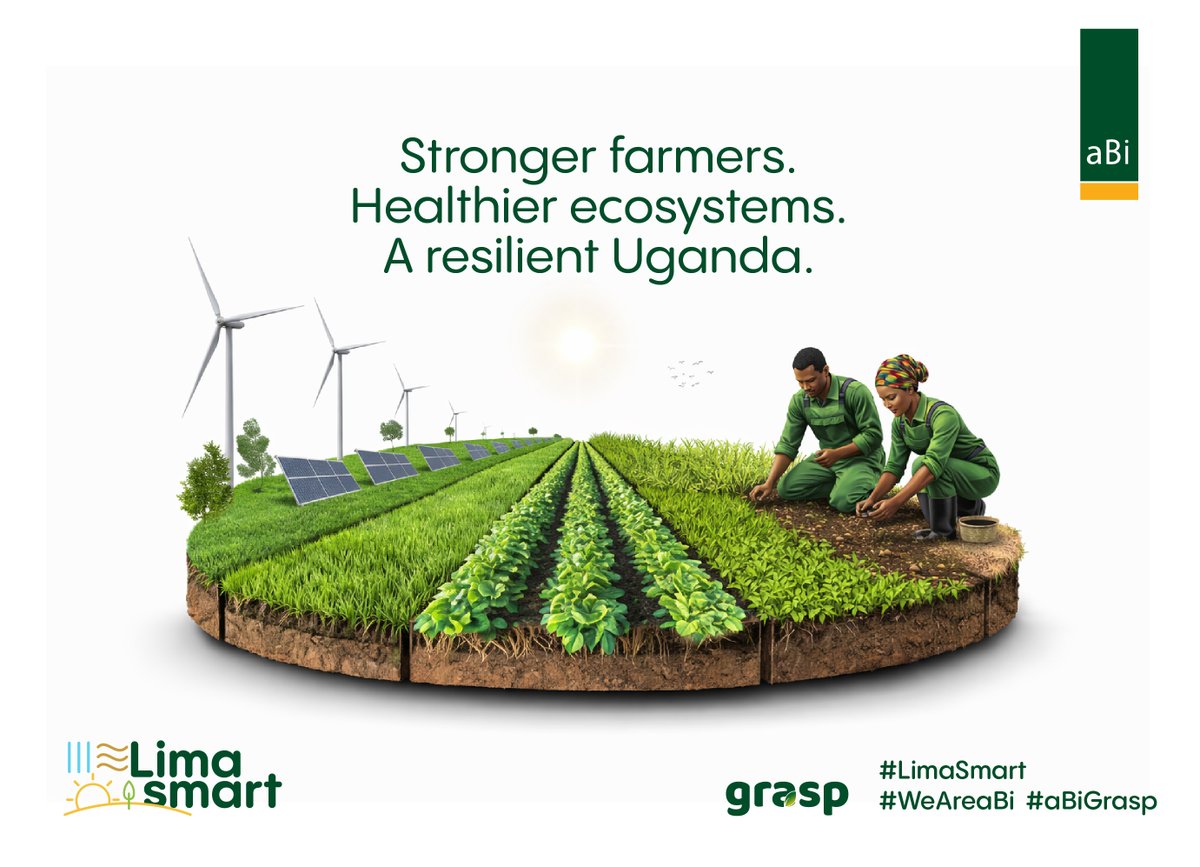
What happens when the one crop you’ve grown for the entire season fails? You lose the harvest, money spent on inputs, and sometimes even food for your family. 🤔
#Cropdiversification offers a better and climate-smart alternative. By growing different crops on the same farm, either at the same time or across seasons, farmers can spread risk and avoid total loss when conditions change.
Beyond risk reduction, it improves soil health naturally, especially when legumes are included to fix #nitrogen, while also helping control pests and diseases with less reliance on synthetic chemicals.
With multiple crops on the farm, farmers can also still earn income and have food even if one crop performs poorly, making farms more resilient to climate challenges such as droughts, erratic rainfall and pest outbreaks.
Through its Green Agrifood Systems Program (#GRASP), aBi is actively promoting sustainable practices to empower smallholder farmers to build resilient livelihoods, improve productivity and contribute to a more sustainable agricultural future.
#LimaSmart
#abiGrasp
#WeareaBi
#ClimateSmartAgriculture
1
3
122
Quality agriculture inputs such as seeds and fertilizers plus expert guidance can transform a farmer’s harvest, but many smallholder farmers in Uganda still struggle to access them. Through the Agriculture Inputs & Technologies Uganda (AITU) project under the #GRASP programme, @aBiDevt is supporting @AFAPPartnership to bridge this gap.
With a credit guarantee model, agro-dealers, suppliers and cooperatives can stock more climate-smart inputs, making them easier for farmers to find and afford. Farmers are also benefiting from free soil testing to know what nutrients their soils need, helping them use the right fertilizer and improve yields while cutting costs.
The project also supports farmer trainings, field outreaches and demonstration gardens where farmers learn by seeing improved seeds and fertilizers perform in real conditions.
Watch @stuart_kazibwe, Senior Agronomist at @AFAPPartnership, as he explains how the AITU project is helping farmers grow smarter, increase productivity and build resilience.
#LimaSmart
#aBiGrasp
#WeareBi
#ClimateSmartAgriculture
@DKinUganda
@EUinUG
@equator_seeds
@GrainpulseUG
@NasecoSeeds
2
10
393
Thanks @kat_festo .. This is a good account of climate smart farming.#LimaSmart
Apr 24

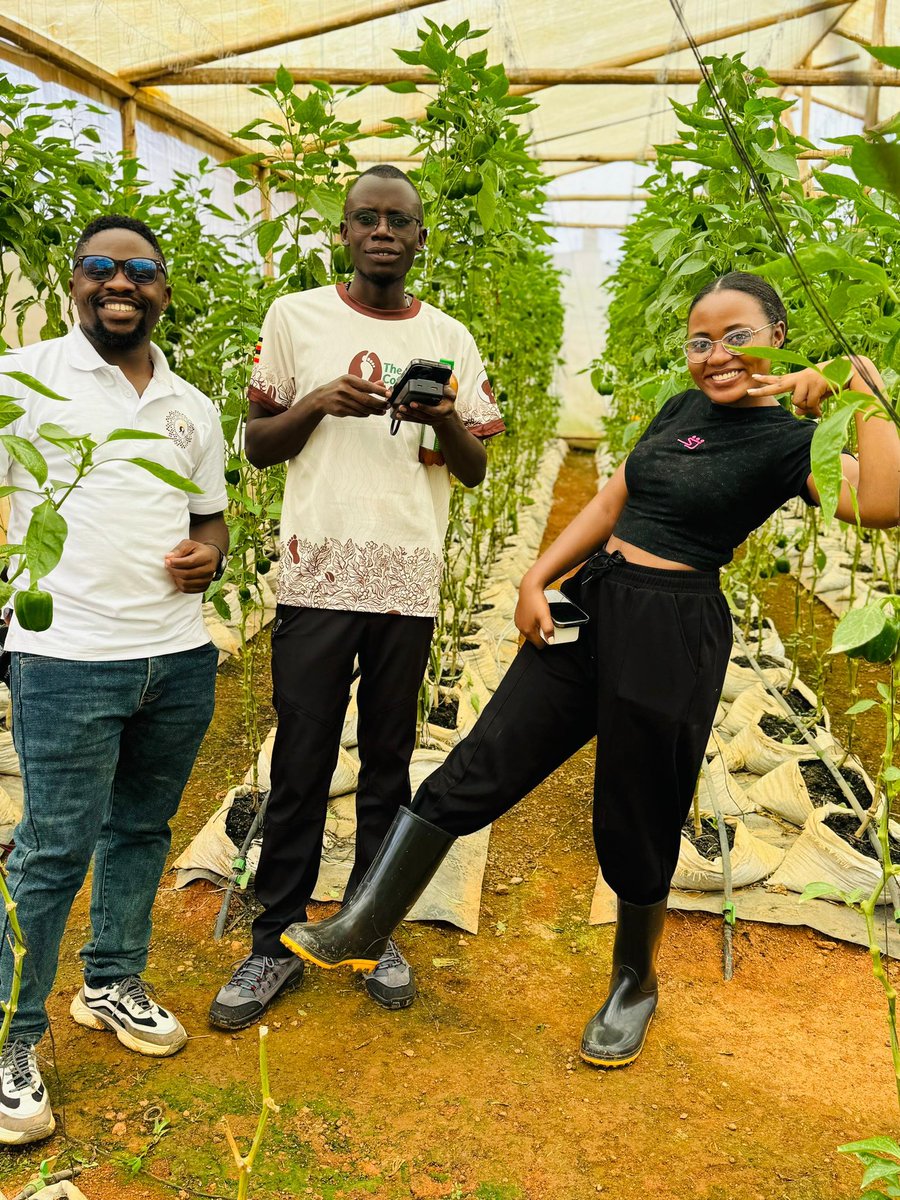
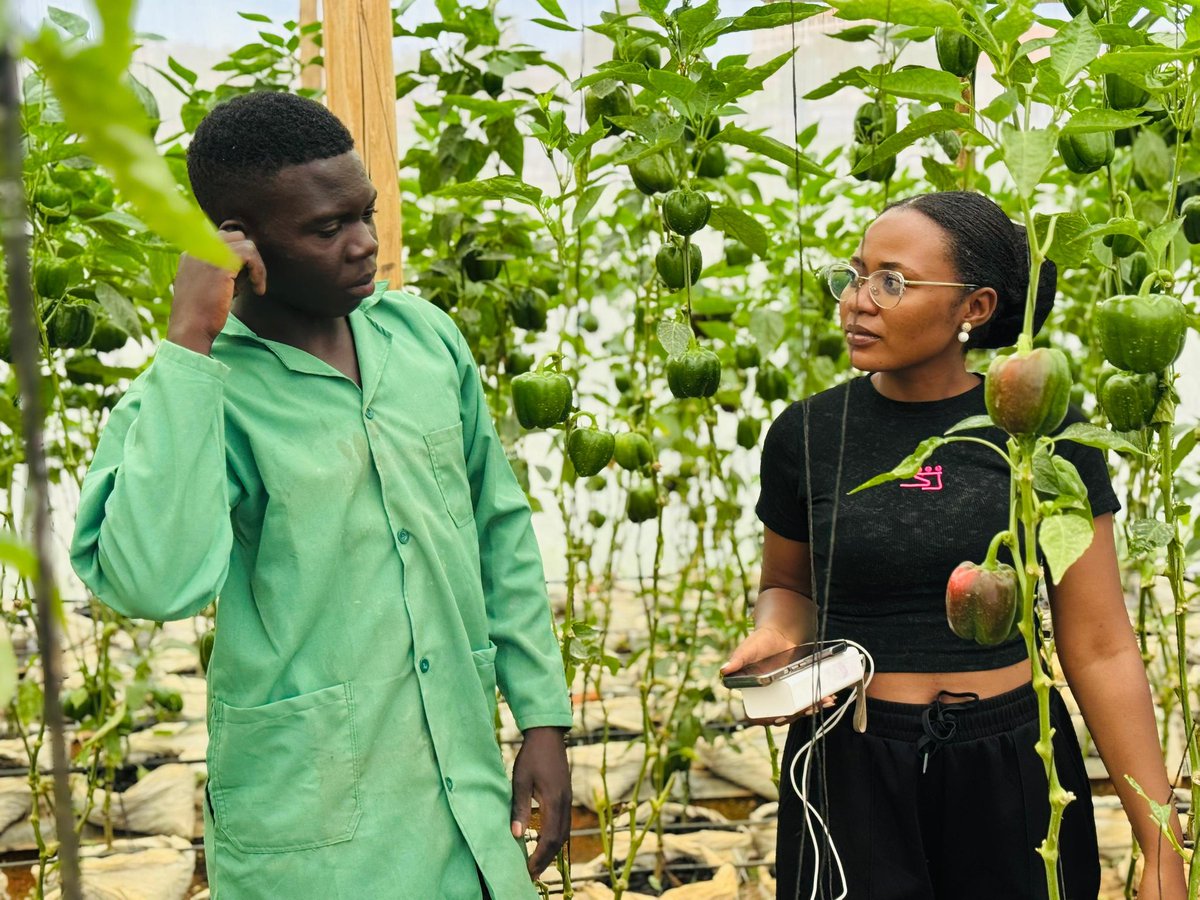
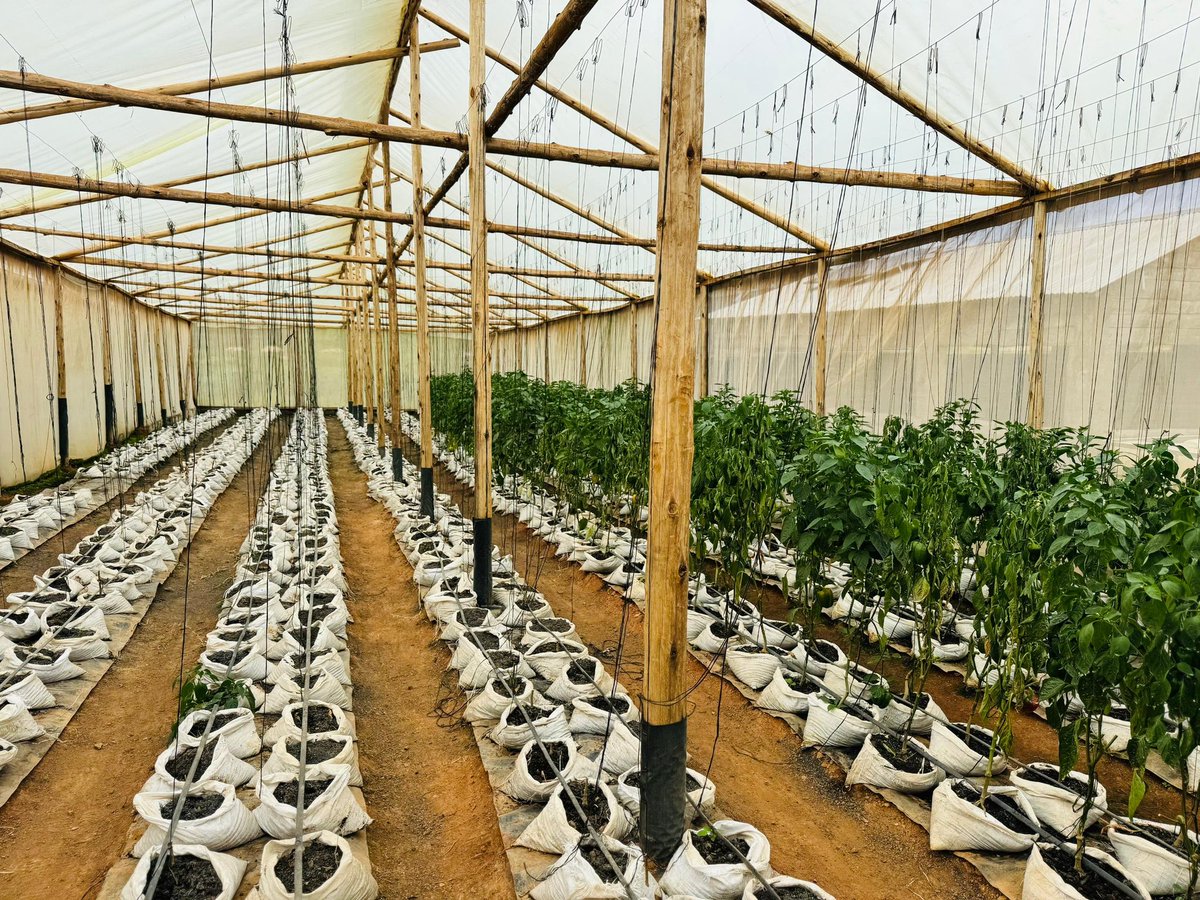
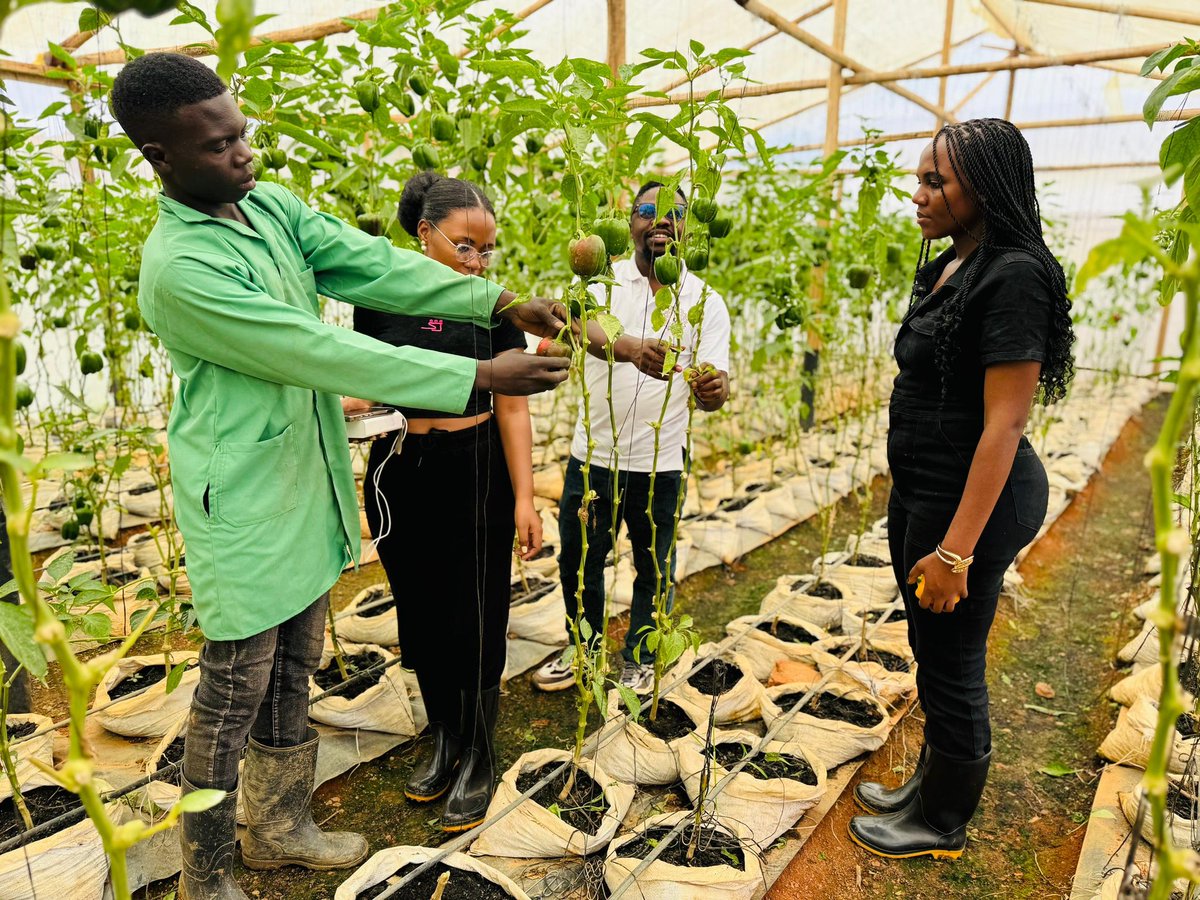
Today, I visited Circular Farm… and I’m still trying to understand whether I visited a farm or a soft life startup with crops.
I had my usual suspect, @CarolPrim3 and investor @Uganda_Expozed, we arrived ready to see farmers working. You know… people sweating, digging, dirty, etc. Instead, we found plants living better lives than some of us in Kampala.
These people have reduced farming stress to the point where even the crops look relaxed.
We were shown around, and they told, very casually, somehow, things seemed normal but then we looked around… and realized even that process is too organized. Everything has a system.
Apparently, from seed to harvest, everything is planned like a school timetable. No guesswork. No “let’s see how the rain behaves.”
And speaking of rain… they don’t even depend on it like the rest of us. There’s a solar-powered irrigation system doing the work twice a day, quietly like a responsible firstborn.
Then they showed us something that confused me, rotational planting. Crops are basically playing musical chairs. Today you’re here, tomorrow you’re there. Why? To manage pests and diseases.
So while in the village someone is fighting pests like it’s a personal war, here they’ve outsmarted them with planning.
Now let’s talk about soil.
Because me, I thought soil is just… soil. Apparently not.
This one is mixed with special components so it doesn’t harden. It stays soft, absorbs water properly, and keeps it there until the next round of water
And the space… Small area, but production is serious. High yield like they’re printing crops in bulk. No crowding, just efficiency.
At some point I even asked, “So where are the many workers?” They laughed. Turns out smart farming doesn’t need a whole extended family to function. It needs systems, schedules, and people can wake up knowing what they’re doing.
The biggest shock? They can farm all year round.
No waiting for Uganda’s two seasons like the rest of us waiting for salary. Rain or no rain, things are moving.
#LimaSmart | #aBiGrasp | @aBiDevt
1
4
6
510

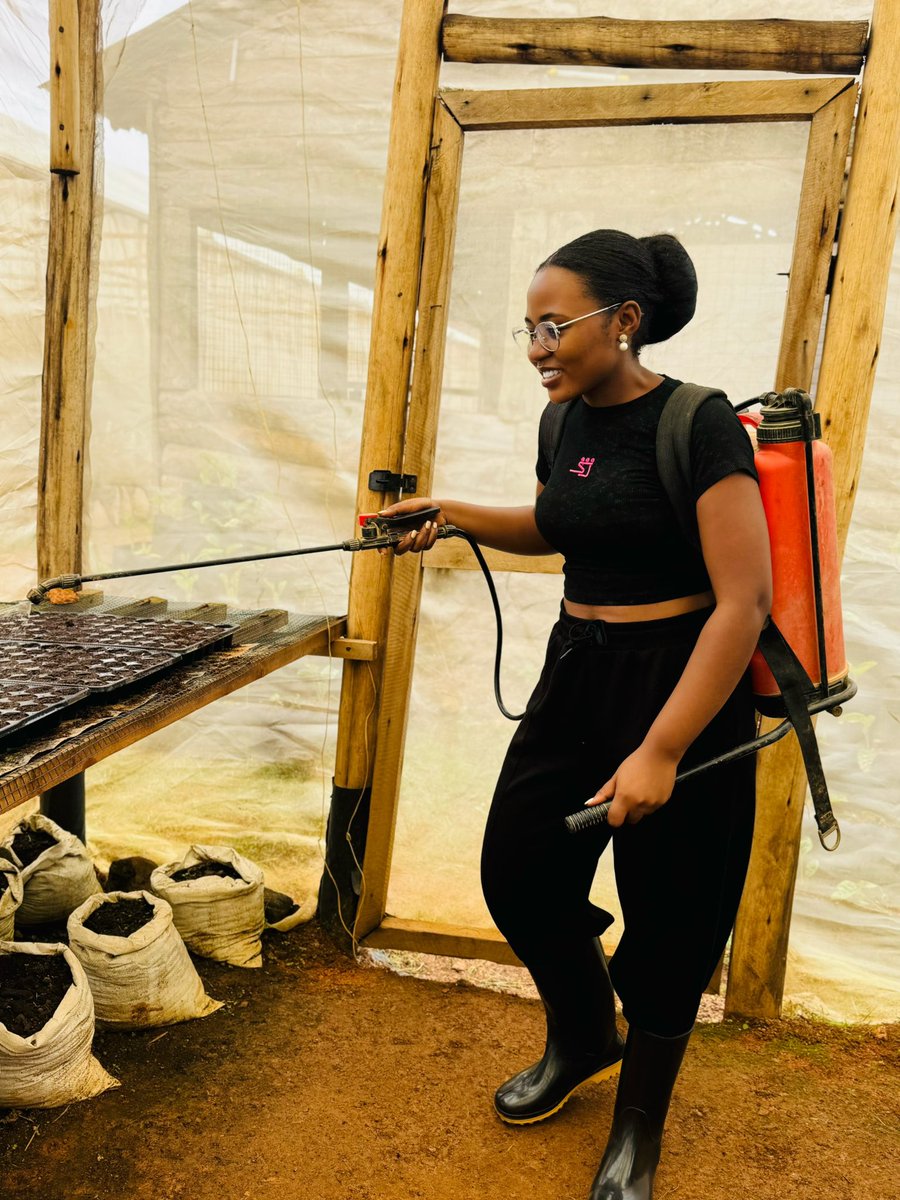
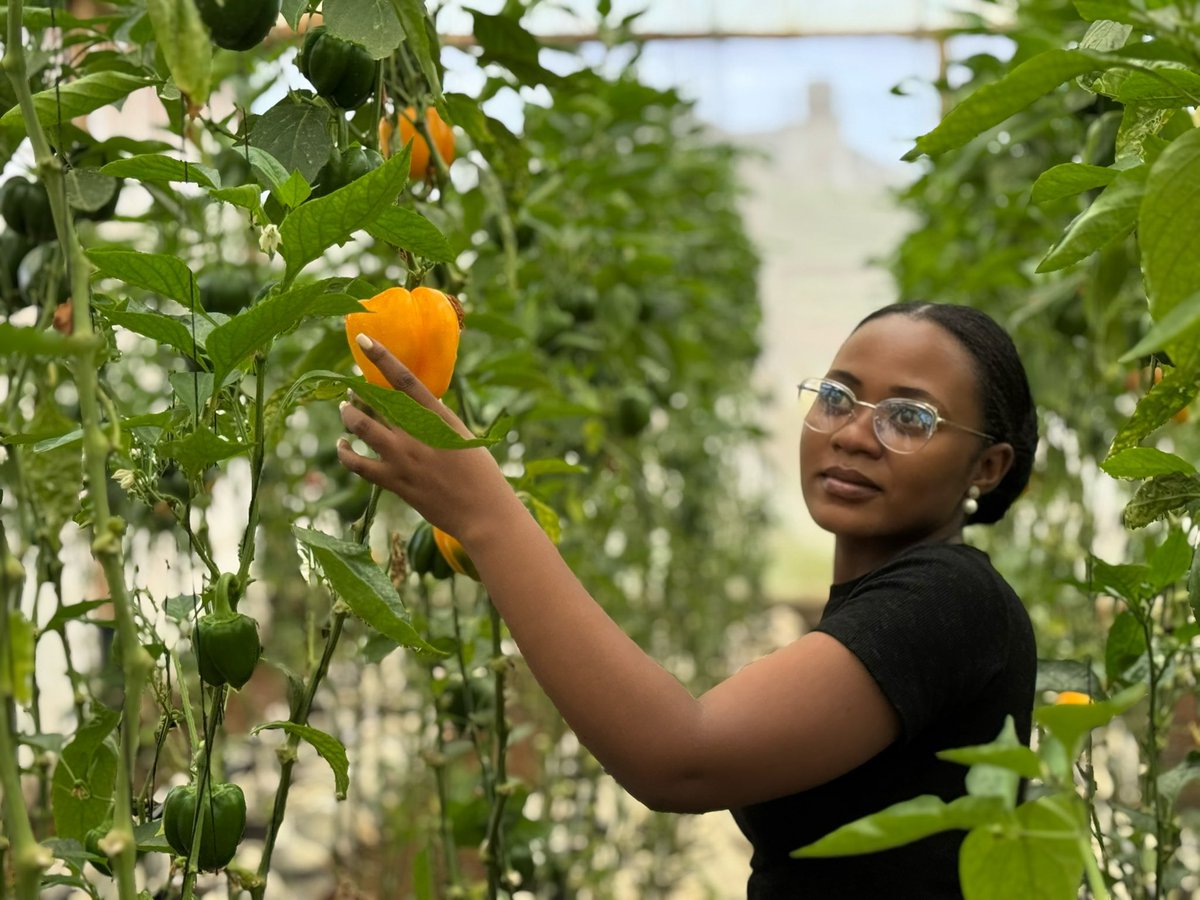
Today, I had the opportunity to visit Circular Farm in Mukono, where I gained valuable insights into smart farming and sustainable agricultural practices. It was an inspiring experience to see innovation being applied to enhance productivity while preserving the environment.
I’m particularly excited about the work @aBiDevt is doing with the rollout of #LimaSmart, a significant step toward empowering farmers with smarter, more efficient, and sustainable solutions. Initiatives like this are shaping the future of agriculture and driving meaningful impact in our communities.
#aBiGrasp
4
15
58
1,980
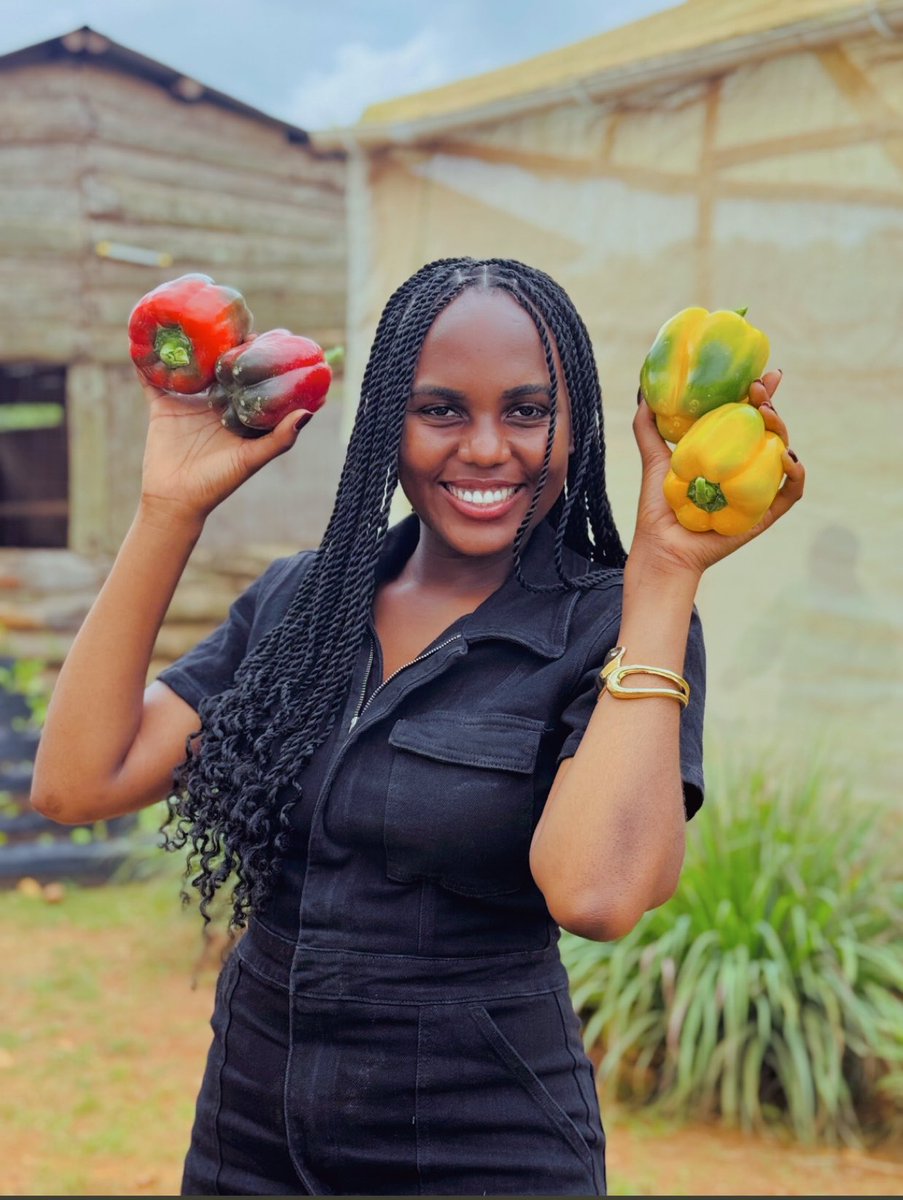
Embrace climate smart farming. It is the way to go. #Limasmart #aBiGrasp

1
3
12
660