
Joined July 2008
- Tweets 7,055
- Following 494
- Followers 2,932
- Likes 23,540
1,501 Photos and videos

José Abásolo Llaría retweeted

🔴 Desastre en La Florida: colapsa el transporte público y el gobierno guarda silencio
En menos de 50 días, uno de los sistemas de transporte mejor evaluados de la región terminó convertido en una pesadilla para miles de personas.
Trabajadores y trabajadoras tuvieron que caminar kilómetros para llegar a sus casas después de largas jornadas laborales, mientras el sistema simplemente dejó de responder.
Hasta ahora, ni el ministro Louis de Grange ni el presidente José Antonio Kast han entregado una explicación clara ni una solución concreta.
Cuando el transporte público colapsa, no falla solo un servicio: falla el Estado frente a la vida cotidiana de la gente.
498
4,856
8,670
290,122
José Abásolo Llaría retweeted

Apr 29
Hay 18 buses de 2 pisos, de una flota total de 7900 buses 🤷♂️
¿Qué tiene de estratégico dedicar tiempo a esto?
Además, esos buses valen lo mismo que un oruga, permiten disfrutar la ciudad desde una perspectiva diferente. Tienen más asientos que un oruga y espacio para maletas
Apr 29

🔴 En un giro estratégico para el transporte público de la RM, el ministro de Transportes, confirmó que el sistema RED dejará de incorporar buses de dos pisos a su flota.

52
585
1,421
40,194
José Abásolo Llaría retweeted

Apr 16
📌 Café Central
Arrolladora (y emocionante) respuesta de l@s vecin@s de Madrid ante la desaparición de uno de los iconos de la ciudad y templo de la música jazz en el lugar que lo vio nacer
80
827
3,708
236,695
José Abásolo Llaría retweeted

Tokyo in the 1990s: The scent of the bubble economy still lingers
TOKYO BLOOD
Directed by Sogo Ishii
1993 / Japan
11
361
2,529
85,754

Feb 17
Beyond the Drawing: Ethnography and Architecture as Contested Narratives of the Human Experience of Dwelling
mdpi.com/2673-9461/5/3/24#me…
with Professor @fcovergarap
1
85
José Abásolo Llaría retweeted

Feb 13
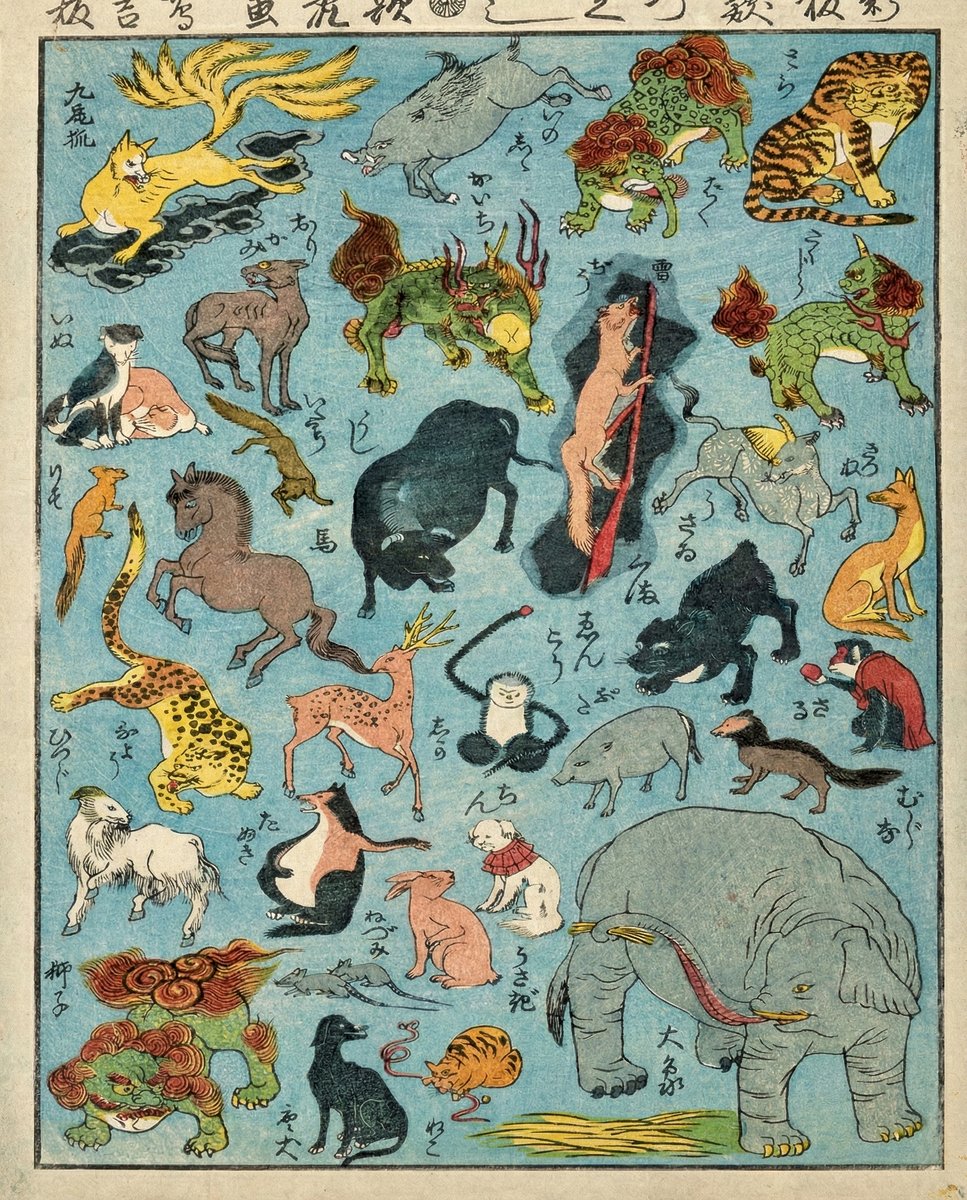
Shin-ban Kemono-zukushi (All Animals). Artist: Utagawa Kunitora. Period: Edo period, 19th century. Material: Multicolor woodblock print on paper. Collection: Tobacco and Salt Museum, Tokyo.
During Japan's Edo period, artists produced omocha-e, or toy pictures, for children. This work by Utagawa Kunitora, created using woodblock printing, is a colorful visual dictionary of the animal kingdom.
The artist doesn't use any perspective rules or ground lines on the paper. He scatters the figures freely across a light blue background. There's no natural zoological classification in this composition. Pets, wild predators, and supernatural creatures from Japanese folklore share the same surface.
Now, let's look at the figures in the upper left corner. A legendary nine-tailed fox with golden-yellow fur stands leaping over a black cloud. Immediately to its right--our left--we see a running gray wild boar, a striped tiger with its mouth wide open, and a green lion-dog with flaming red limbs. As we descend toward the middle, large mammals fill the space. There's a jet-black ox, a rearing brown horse, and a spotted leopard arching its back. Kunitora has added the name of each animal in Japanese characters for children to read.
Let's move to the bottom section. In the right corner, a huge, gray elephant stands holding a yellow bale of straw with its trunk. The elephant's human-like eyes, knee joints, and thick-nailed feet are far from anatomically realistic.
During the Edo period, Japan was tightly closed to the outside world, so people had almost no chance to see a live elephant. Illustrators often depicted these exotic creatures based on exaggerated drawings from ancient Chinese scrolls or hearsay from travelers. Immediately to the left of the elephant are creatures familiar from everyday life.
Look just below the spotted deer and the black ox in the center. The inscription next to this cross-legged creature--with its pure white face and disproportionately long black arms--reads *Enkou*. Kunitora has drawn him here as a cute monkey with his arms wrapped around his body.
However, in Japanese folklore, Enkou isn't an innocent creature at all. It's a local variety of the spooky water spirits known as Kappa that inhabit rivers. According to Shikoku folk legends, these creatures have an extremely flexible anatomy. When you pull one of their arms, the other arm instantly shortens. Enkou stealthily attacks horses and people who approach the water's edge at night. They drag their victims into the water and drown them. Their true goal is to rip the shirikodama--a legendary organ believed to house the human soul--from their victims' bodies.
In the midst of an educational picture, one of the most dangerous beings in Japanese mythology takes its place like just another ordinary animal.
4
153
737
23,032


José Abásolo Llaría retweeted

Jan 27
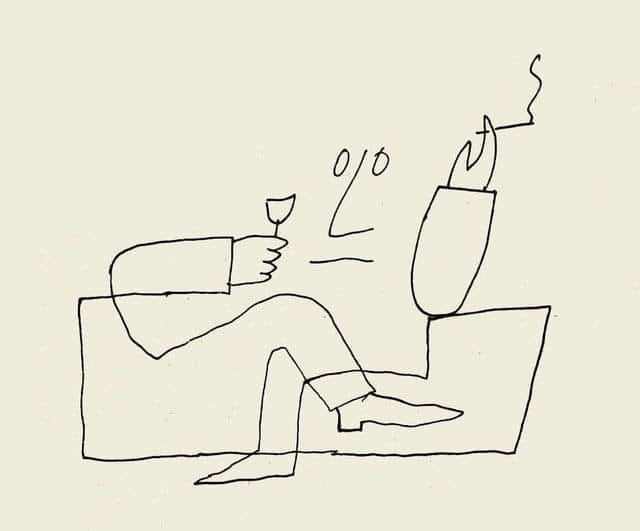
Saul Steinberg, Self Portrait, 1949
take a break
66
5,013
34,790
2,467,873
8 Dec 2025
Pepe Donoso
7 Dec 2025

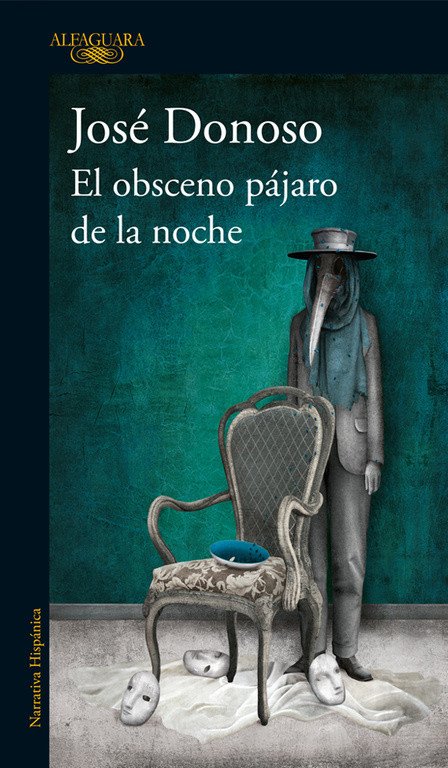
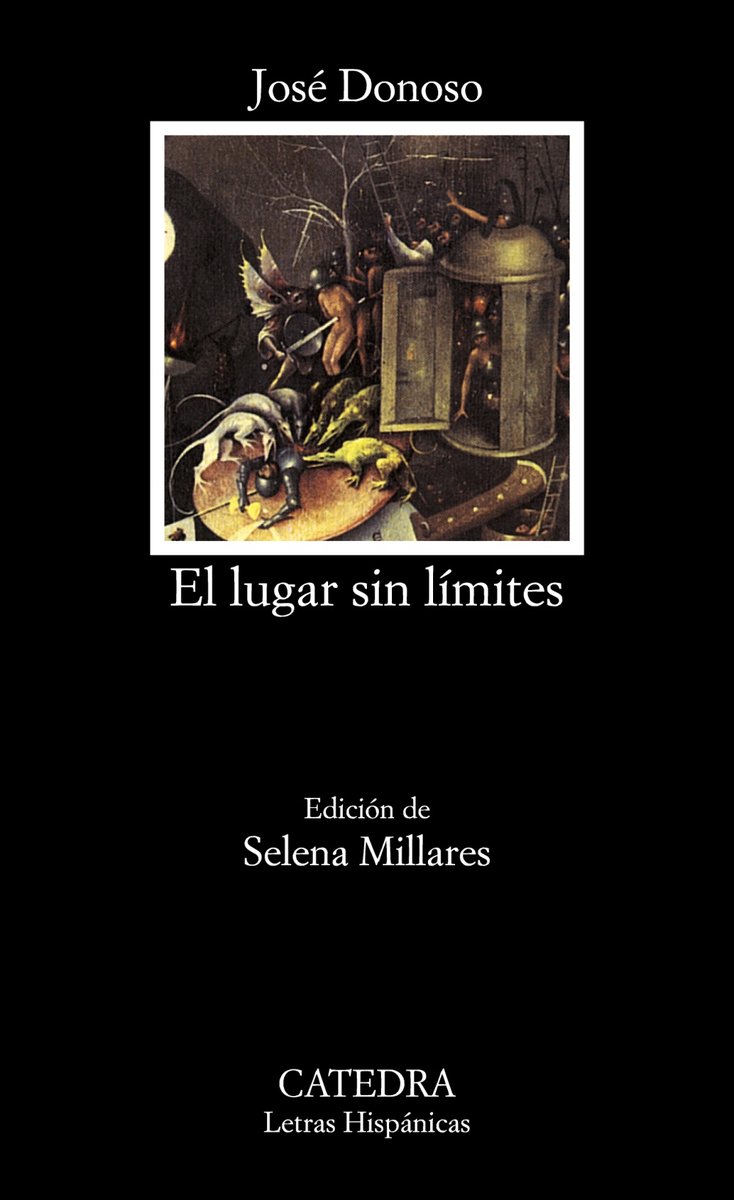
José Donoso y sus espacios cerrados, sus personajes esperpénticos, su causticidad dolorosa, su insuperable y admirable maledicencia, su hipocondría. El obsceno pájaro de la noche y El lugar sin límites son obras maestras que perdurarán. Murió el 7 de diciembre de 1996. Un grande.
76
19 Nov 2025
Una colaboración con el profe @fcovergarap
"Beyond the Drawing: Ethnography and Architecture as Contested Narratives of the Human Experience of Dwelling"
researchgate.net/publication…
2
2
157
José Abásolo Llaría retweeted

24 Aug 2025
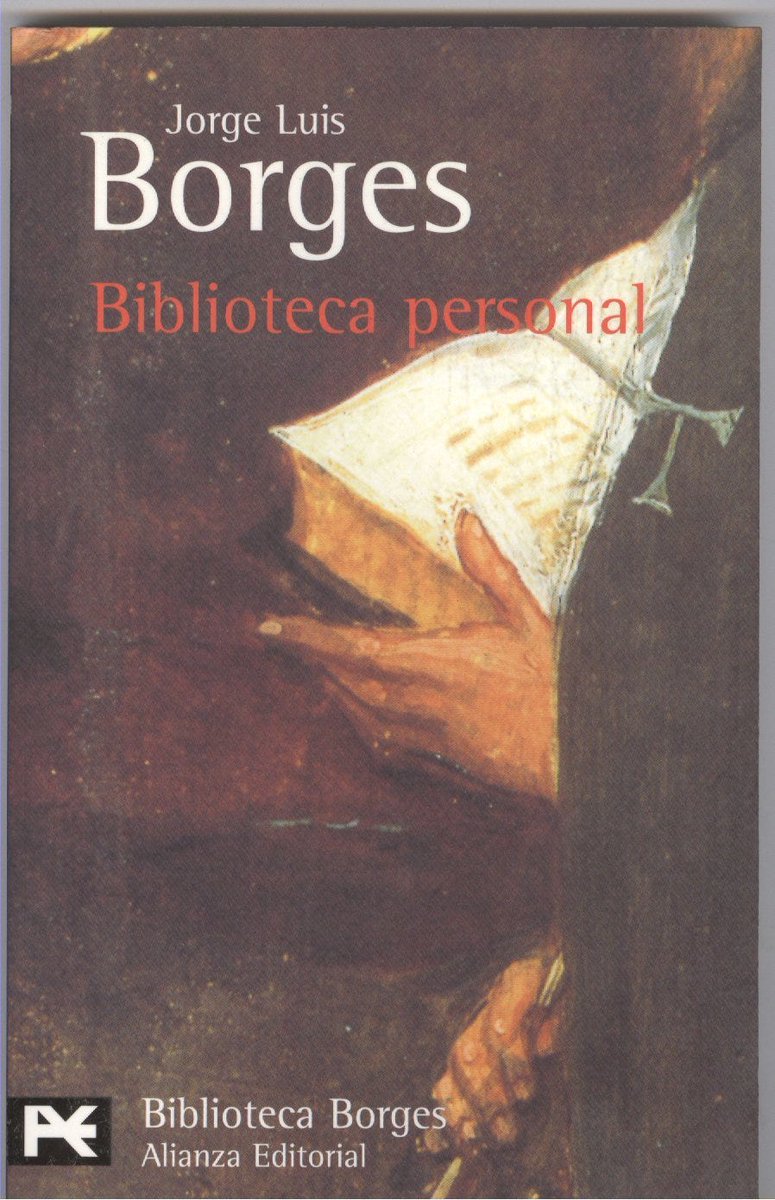
En Biblioteca personal (1987), Borges (como solo Borges lo puede hacer) logra una proeza aparentemente sencilla, pero que en él es una especie de marca distintiva: hablar de un libro de un modo casi enciclopédico y sin destriparnos el contenido. Sabemos casi todo del libro sin conocer (aún) su contenido, sin sumergirnos en sus páginas, que es, precisamente, el objetivo de estos prólogos que escribió para una colección de libro que él dirigió. Por cierto, el tomo IV de sus Obras Completas en varias ediciones reúne los cuatro libros, además de otros textos y un “Prólogo de prólogos” que son ¡una maravilla!
Si le interesa el libro y piensa adquirirlo, usando el siguiente enlace al comprarlo contribuye con nuestro trabajo. Gracias.
👉 acortar.link/veV642
17
100
5,873
José Abásolo Llaría retweeted

22 Aug 2025
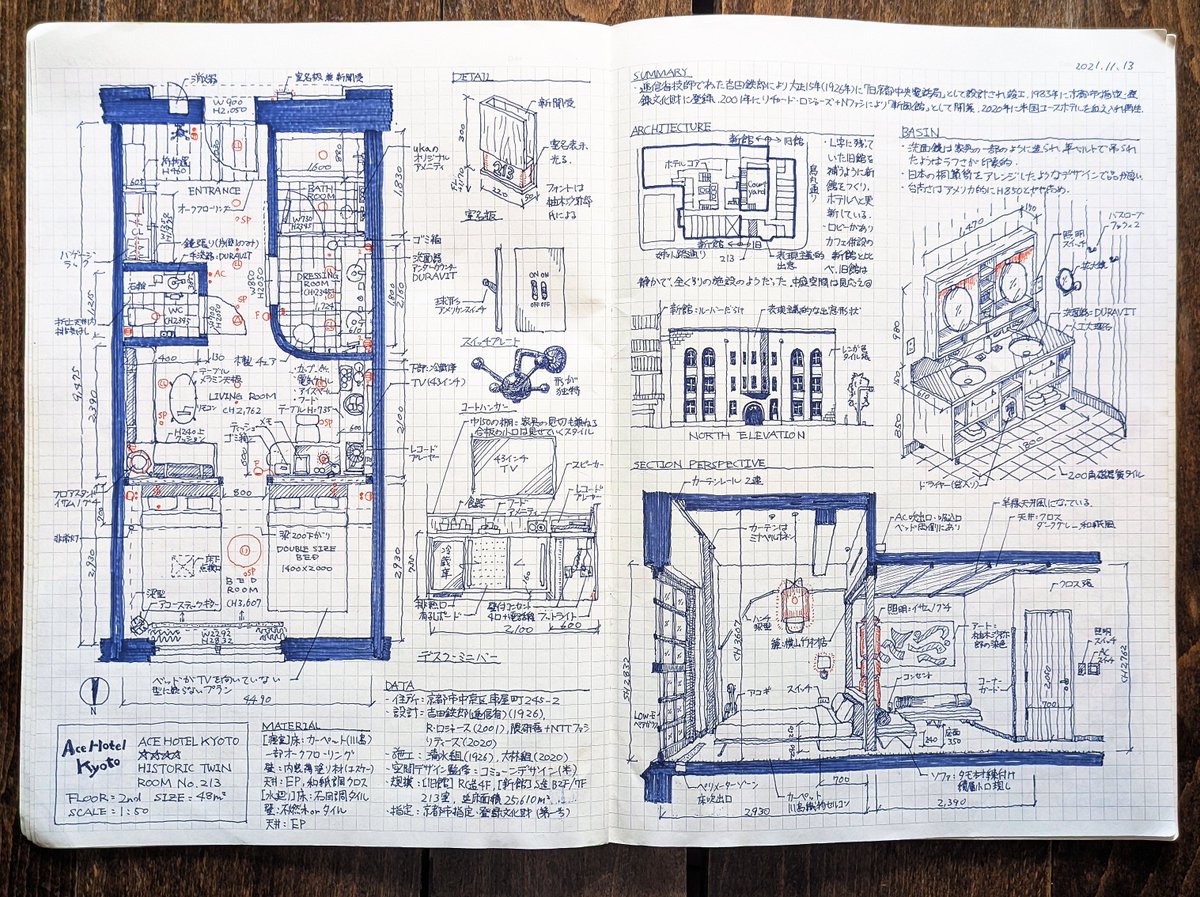
No.13
【エースホテル京都】
京都市中京区に建つ「京都中央電話局」として1926年に竣工した建築を改装したホテル。逓信省技師であった建築家、吉田鉄郎の手による建築を適切に読み替え、アメリカのライフスタイルホテルへと変貌を遂げた、その独特なプランに迫ります。
#建築探偵のホテル図解
2
52
626
45,876
José Abásolo Llaría retweeted

22 Aug 2025
❤️🔥💥🕺
22 Aug 2025

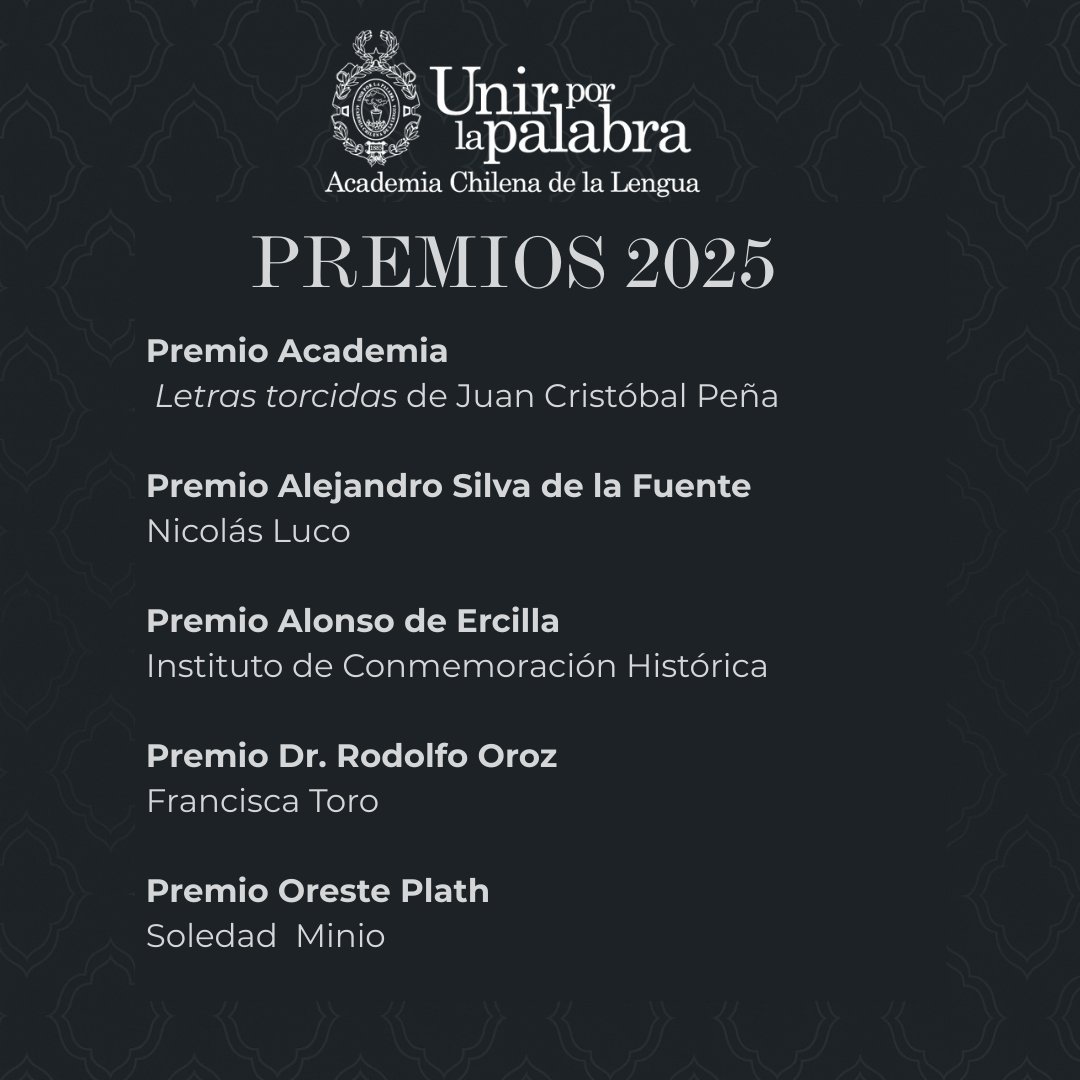
La Academia Chilena de la Lengua se complace en anunciar sus Premios 2025.
Este año, luego de la discusión de las respectivas comisiones, la Academia ha decidido otorgar las siguientes distinciones:
33
13
195
6,963
José Abásolo Llaría retweeted
27 May 2025
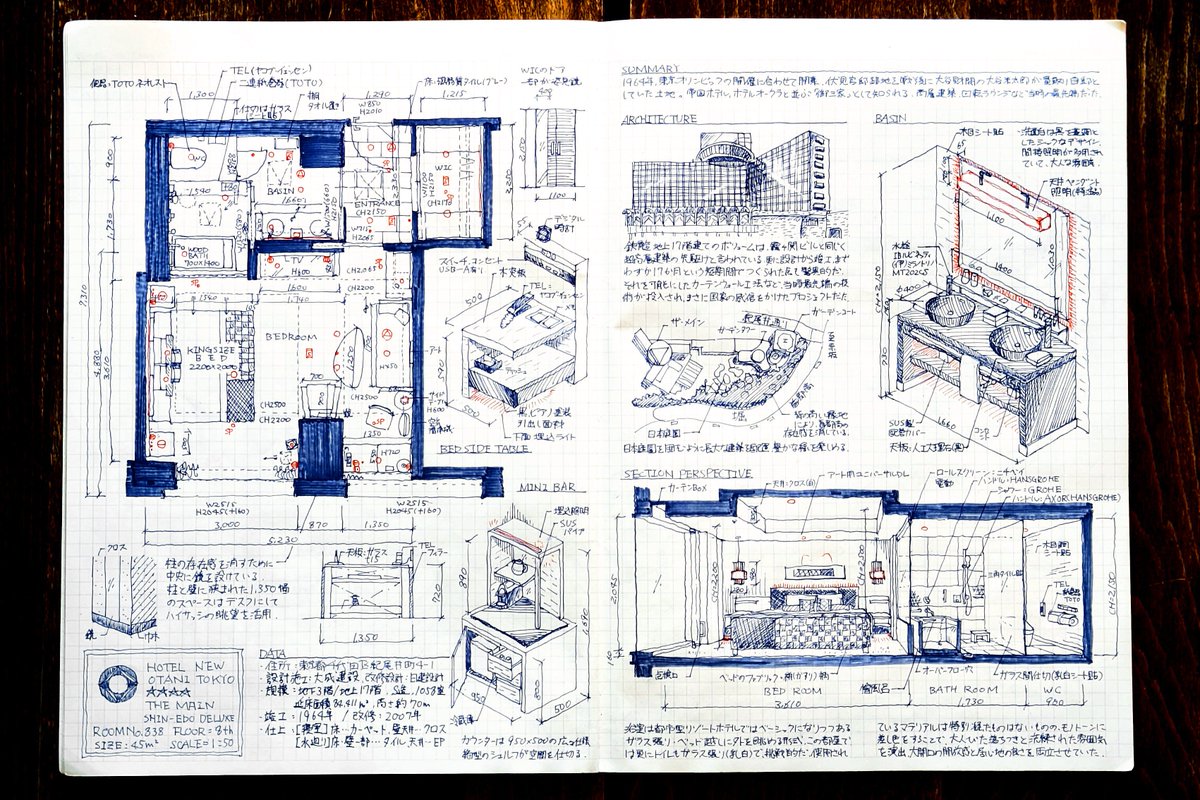
【ホテルニューオータニ東京】
日本のホテル業界を牽引する「御三家」に先日初めて泊まりスケッチしました。竣工は1964年と実に60年もののレトロ建築だったりします。柱を抱く厳しいプランながらも、ラグジュアリーホテルとしての品格を備えた内装を解説します。
#建築探偵のホテル図解
2
52
564
36,271
José Abásolo Llaría retweeted
2 Aug 2025
Oficina de la New York Review of Books (@nybooks), la más importante (o una de las más importantes) revistas sobre libros que existen actualmente en el mundo. Su desorden es aparente; el caos, una quimera. Lo repito: una de las más importantes publicaciones sobre libros que existen.

31
270
1,519
100,573
José Abásolo Llaría retweeted

29 Apr 2025
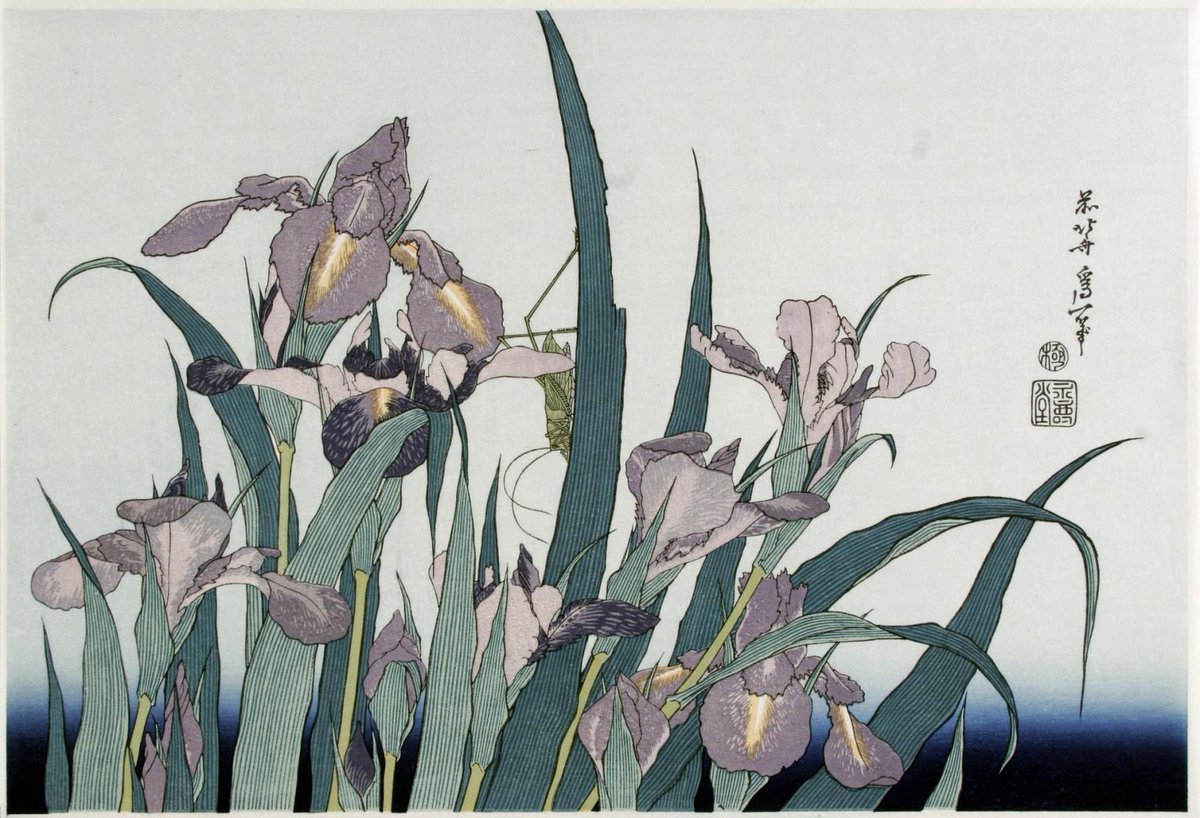
Irises and a locust, by Katsushika Hokusai, 1820
4
285
1,686
72,973
José Abásolo Llaría retweeted

6 Mar 2025
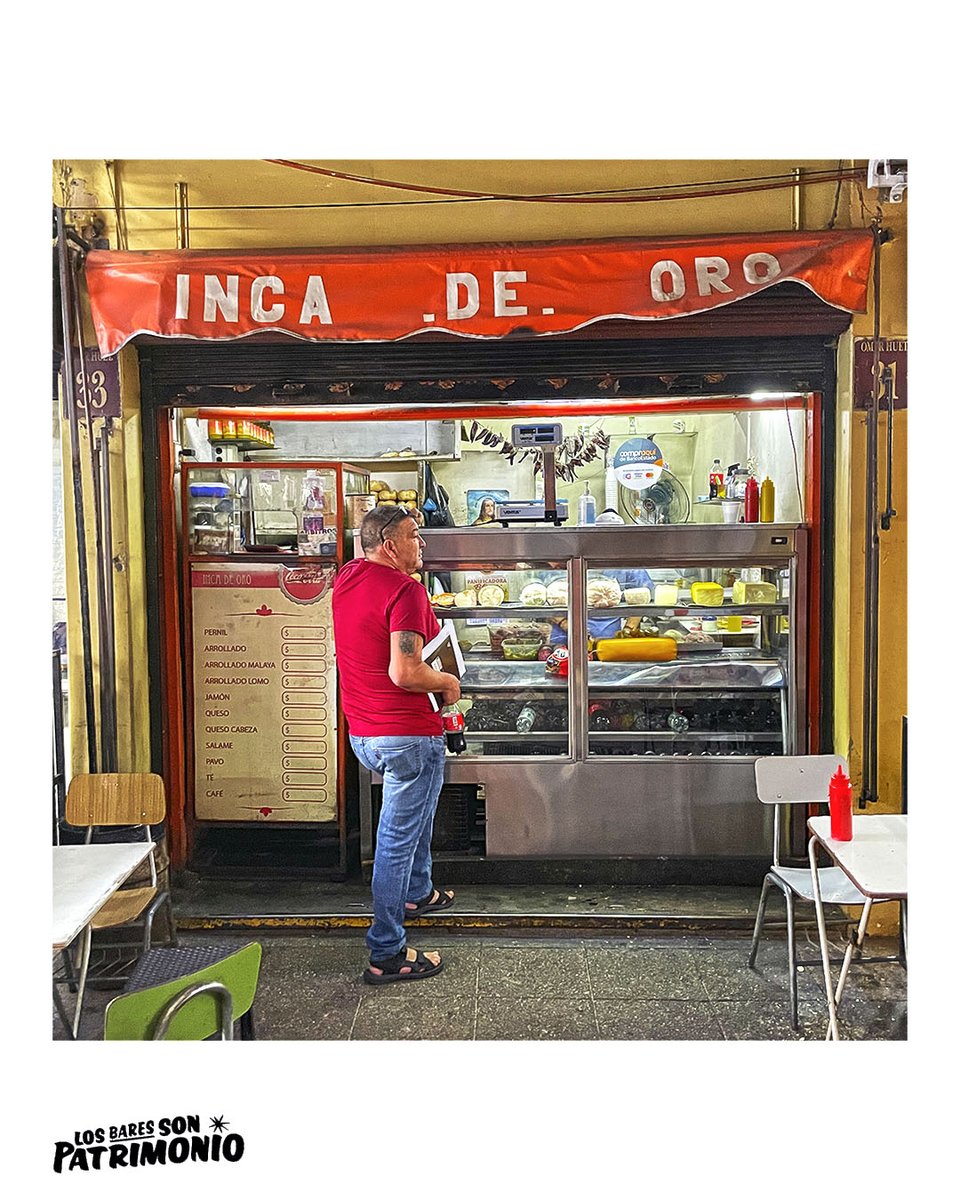
"Inca de Oro” increíble lugar con más de 60 años de antigüedad. Fundado por don Luis Rore, comenzó primero como un carrito que vendía sánguches en la calle, hasta que pudo establecerse en el pasaje Omer Huet, local 33, Santiago. También hay una sucursal en el mismo pasaje.
22
30
183
9,124