Joined August 2021
- Tweets 15,109
- Following 1,003
- Followers 175
- Likes 117,399
435 Photos and videos
🌚 retweeted

Jun 15
Niech ten mundial sie kurwa nie kończy
Jun 15

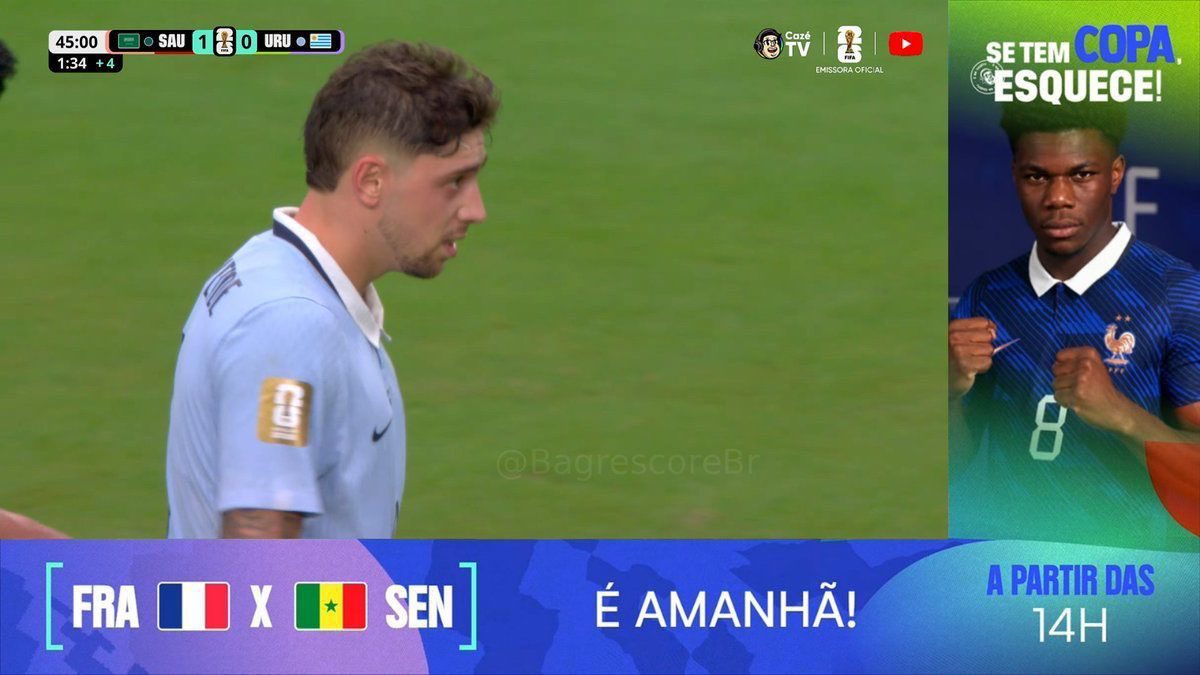
"Carlo Ancelotti, o senhor viu? O Endrick está no 37° andar daquele prédio"
Ancelotti imediatamente:
134
13,316
244,084
4,291,430

The memes this World Cup has given us so far is generational 😭

22
1,415
30,824
671,709
🌚 retweeted

14h
Bro Spanish twitter is so creative 😭😭

73
3,974
75,240
1,943,414

Jun 16
RT @heartlockeds: and south korea captain praising palestine national team that day 👏🇵🇸
3,533
🌚 retweeted

Ivory Coast national team players were seen doing dua before their training and recited Surah Fatihah too. 🇨🇮🤲
🎥 - Ivory Coast
7
369
3,786
29,826
🌚 retweeted

Jun 15
The amazing story of Iran’s Alireza Beiranvand: From nomadic shepherd to World Cup hero. He ran away to Tehran, was homeless & worked as a car washer to chase his dream. Years later he saved a Cr7 penalty & earned a Guinness World Record for the longest throw.
4
19
140
5,134
🌚 retweeted

Jun 15
Wirtz, Gravenberch, Virgil, Isak and Salah all balling at the World Cup. Class is permanent.
They were never the problem.
73
732
9,390
138,460

🌚 retweeted

Jun 15
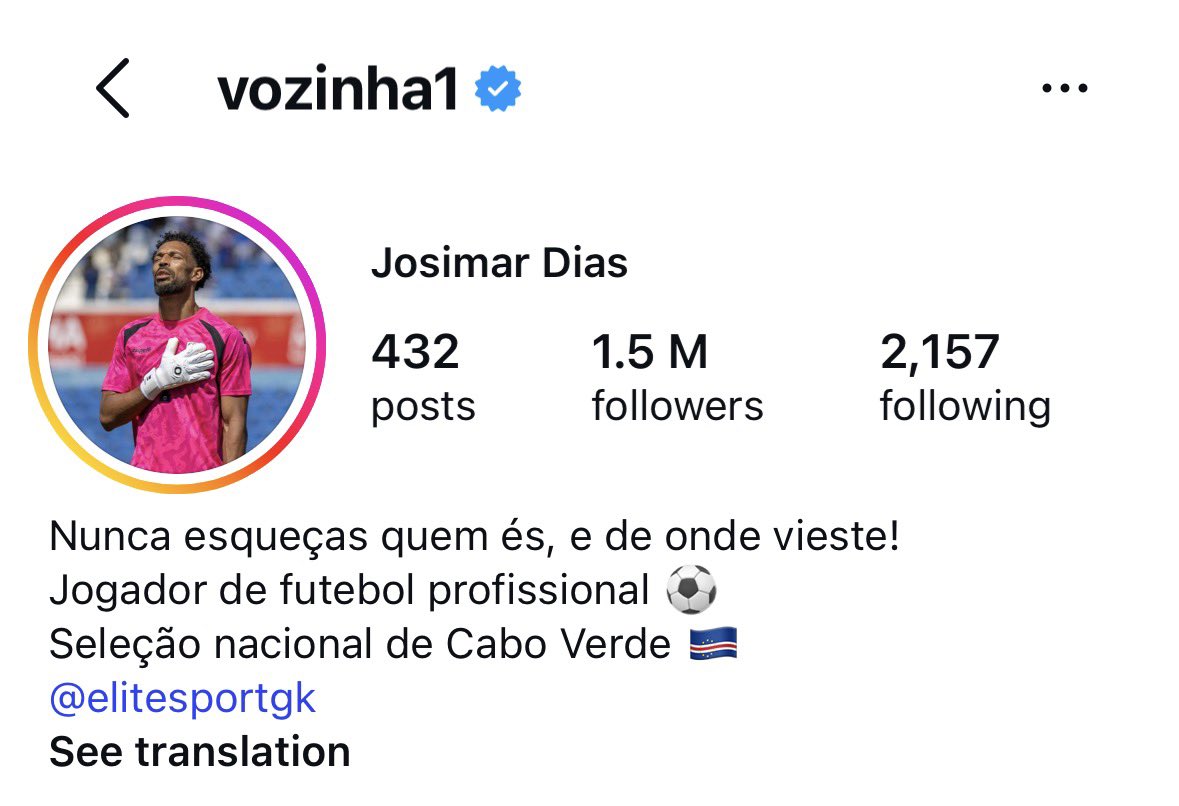
Cape Verde’s keeper Vozinha had just 50k followers on Instagram before the Spain game.
He now has 1.5 MILLION followers.
The beautiful game. 👏❤️
388
2,231
40,996
1,812,679
🌚 retweeted

Jun 15
Cape Verde, I am standing up and applauding that defensive performance.
22
11
335
14,561

Look at the reactions to this post to see how Hindutva’s cultural ecosystem has damaged their followers brains. They cannot comprehend that a former Army Chief can think & talk in a different way from the cartoon caricature they have been trained to expect from movies and TV news
Jun 13

Ex-Army Chief Gen. Naravane on why he doesn't watch Bollywood war movies
"These movies don't show you the truth. War is a bloody game. They romanticise things which gives people the wrong idea that war is a normal thing..But declaring war should be our last resort"
9
235
1,074
41,882

🌚 retweeted

Jun 14
I think Bosnians should all be given a gun and the legal ability to kill anyone who says something like this
44
1,250
12,964
187,646
🌚 retweeted

Jun 14
I was surprised by the judgment. Then saw the name of the Judge - Tabassum Khan.
I am sure these terrorists will be acquitted by the higher courts and freed. Otherwise my faith in the justice system will go away.
Jun 14

'Extreme Brutality': MP Court Gives Life Sentence To 7 Cow Vigilantes In 2022 Mob Lynching Case |@pahwa_jayanti
#MadhyaPradesh
livelaw.in/news-updates/extr…
15
287
1,310
25,345

Jun 13
RT @s4f1ja: Crazy to think I learnt the entire history of Serbia and Bosnia because my mum decided to give me a lecture after I supported D…
503

The promise of colonialism has always been the same: surrender your dignity, abandon your dead, betray your people, and in return we’ll let you participate in your own subjugation. What an offer.
Jun 10

Netanyahu addresses the people of Lebanon:
Seize your future. Join Israel. Build safety and prosperity for all of our children.
And once Hezbollah is dismantled, the possibilities will be endless. And they are sky high.
51
9,793
31,378
484,605
🌚 retweeted

Jun 12
It is interesting and informative to compare Europe’s two predominantly Muslim peoples: Bosniaks and Albanians.
Bosniaks today often retain a strong sense of Muslim identity and have a feeling of solidarity with the wider Muslim world. Albanians, by contrast, tend to have a much weaker attachment to Islam as a marker of collective identity, with both Albania and Kosovo operating more clearly as secular European nation-states.
A large part of the difference can be traced to divergent historical experiences in the late 20th century. The Yugoslav wars hardened Serbian, Croatian, and Bosniak national identities, crystallizing them into distinct peoples in ways that obscured how closely integrated they had become by the late Yugoslav period.
It is easy to forget that these three groups shared a common language and a broadly similar culture, while decades of socialist rule had significantly reduced the public salience of religion. In many respects, the differences between them were arguably less pronounced than those between Lebanon’s Christian and Muslim communities, or between Syria’s Sunnis, Alawites, and Druze.
For Bosniaks in particular, the smallest and most vulnerable of the three groups, the experience of mass violence and ethnic cleansing in the 1990s, targeted solely for their religious identity by Serbian nationalist forces, must have been deeply traumatic. It transformed that identity into a central reference point for their survival and later political self-definition. This is why they tend to identify closely with their Ottoman legacy today and chant for Palestine.
Albanians, on the other hand, followed a different trajectory. They entered the modern era as a clearly distinct ethnolinguistic group, separate from the South Slavs around them. Even in Kosovo, Serbian repression was directed primarily at Albanians as an ethnic group rather than at Muslims as such. Both Muslim and Catholic Albanians were affected, and this shared experience of being targeted as Albanians reinforced national identity over religious identity.
Jun 12

🎶Palestina!🎶 we can’t forget our brothers in tough times!🇵🇸 #FIFAWorldCup #CANBIH 🇨🇦🇧🇦 x.com/dynleet/status/2065476…
39
108
1,947
359,551
🌚 retweeted

Jun 12
You've got 'nationalist' in your bio. You spend your days hurling rape threats at anyone who questions BJP or Hindutva.
So where's that same energy when it's time to demand justice?
You won’t speak up.
Because your loyalty isn’t to India or its people.
It’s to a divisive, hate-driven agenda.
Jun 12

The wife and family of an Indian sailor killed in a US strike on a tanker off Oman this week have gathered in mourning.
Three Indian sailors died after Washington targeted the Palau-flagged vessel claiming that it was attempting to transport Iranian oil.
44
561
2,724
102,989