
exploring & writing @superfluid
Joined June 2020
- Tweets 1,151
- Following 2,172
- Followers 1,320
- Likes 10,893
56 Photos and videos










abhi retweeted

16 Dec 2025
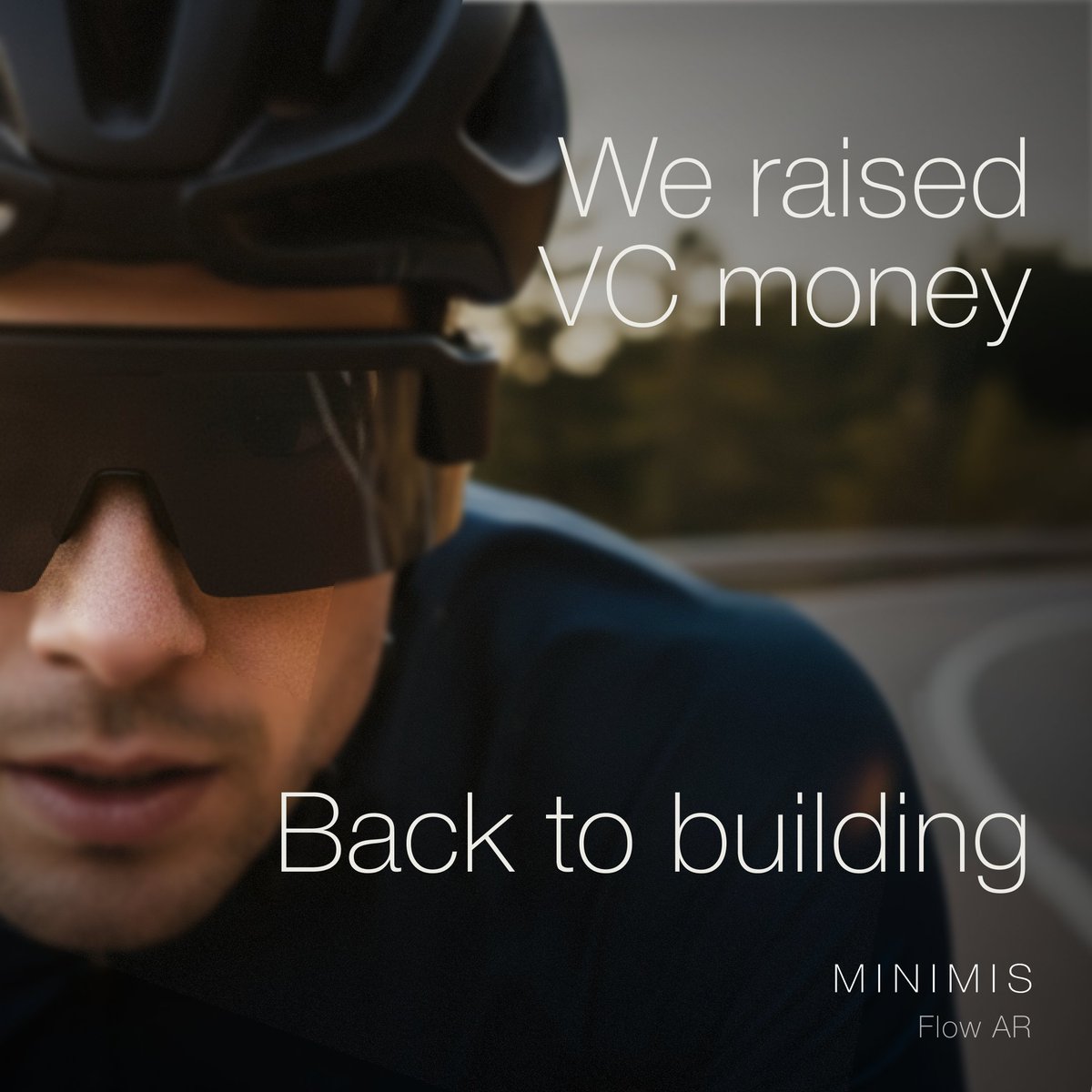
We just secured our first institutional investment from a VC with a huge consumer media arm
Yes we should celebrate the wins, but I'm very wary of current startup culture overly idolises capital raises to the neglect of things that really matter
Participating on/off with the venture world since 2017, I've seen how much of a trap it is to be complacent with the means (fundraising, publicity, awards) rather than the end that ensures success (revenue, customer love)
So we're not resting until we become the wearable of choice for 150m runners & cyclists worldwide
Back to building :)
34
4
133
6,938

15 Nov 2025
GOAT, miss him playing for us everyday 😭
14 Nov 2025

One of the best false 9’s in modern football… Bobby Firmino 17/18 was unreal.
Are there even any real false 9’s left in today’s game
1
188
abhi retweeted

9 Nov 2025
We just released a documentary with a robotics company that makes companions for eldery people.
Unlike all the other robot companies, they've built 'Abi' into something thats colourful, has a personality and people genuinely love talking to.
Excited for Andromeda to take over the world.
1
2
13
939
abhi retweeted
24 Oct 2025
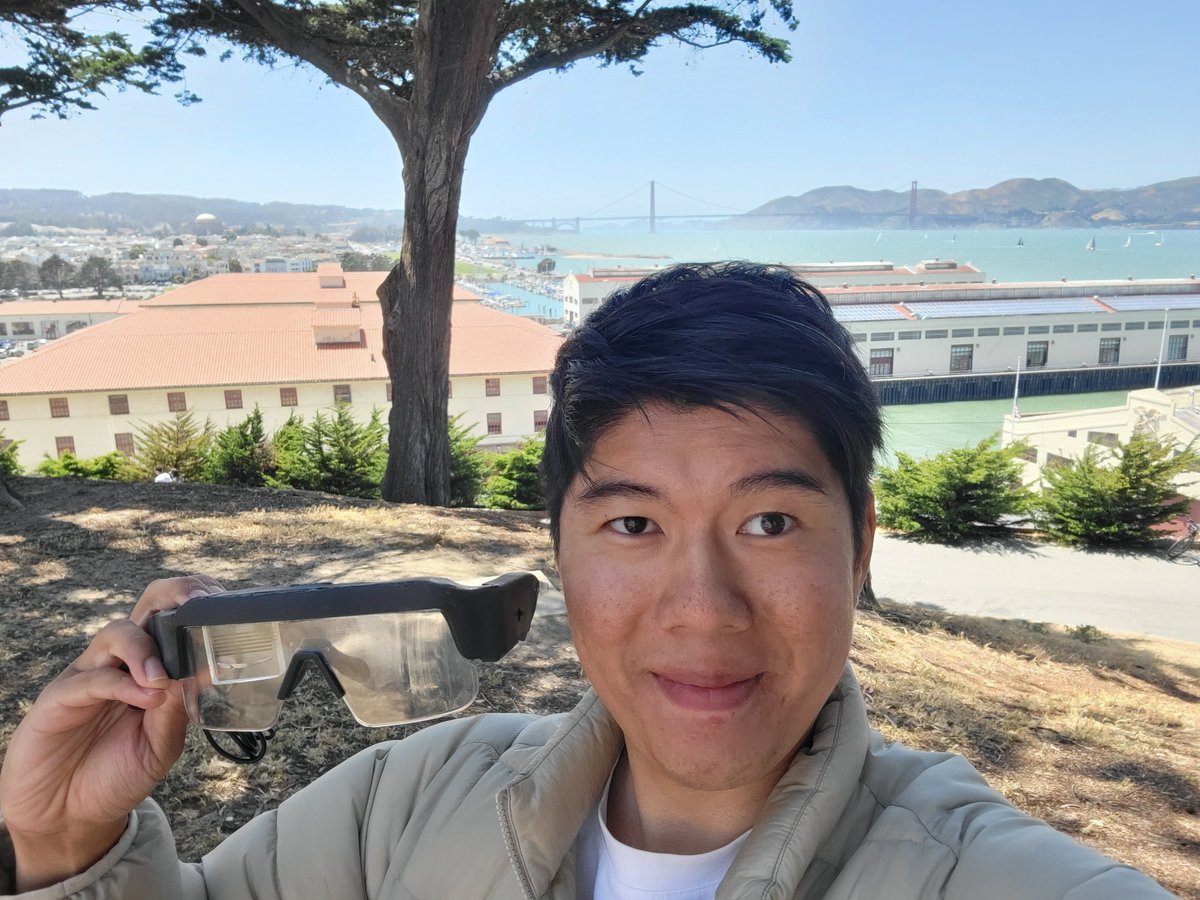
Hi I’m Jo
I almost crashed while cycling because I was looking down at my mounted phone for directions
I also hated carrying multiple devices while running
So I quit my 6-fig legal career and invested everything I had into building Minimis Flow
Standalone fitness-tracking sports sunglasses with a heart rate monitor and eSIM
See your stats, navigate, make calls without looking down or carrying anything else
We're building a future where runners & cyclists can move safer and lighter
If this appeals to you, come try it out, event in comments
11
4
71
2,165
abhi retweeted
22 Sep 2025
After months of hard electronics engineering, our highly integrated custom Minimis Flow PCBs have been manufactured
Once we get this working the glasses will be sleek and fully standalone
Rate of change is only getting faster and we're the strongest we have ever been
3
1
24
1,427
abhi retweeted

17 Sep 2025
Built a fake travel influencer
Last week alone → $21K collected
Brands don’t care she’s not real → they just want her posts
50% cheaper. Faster delivery. More scalable
RT comment “idea” and I’ll send you the playbook
(must follow for dm)

231
126
226
22,091
abhi retweeted
10 Sep 2025
Introducing the Minimis Flow AR
The world's first fully standalone smart sunglasses for runners & cyclists
Join the waitlist: minimis.life
54
32
350
72,193
abhi retweeted
8 Sep 2025
1
2
12
584
abhi retweeted

1 Sep 2025
Australia has a problem with ambition.
Our culture punishes people who aim high, quietly shrinking the country’s future: fewer breakthrough companies, fewer high-value jobs, and less wealth created here rather than somewhere else.
This systemic issue manifests across three dimensions: cultural attitudes that discourage risk-taking, institutional frameworks that fail to support innovation, and policy settings that inadvertently penalize success while rewarding complacency.
Australia's Declining Edge in a Competitive World
We have world-class universities, political stability, rich natural resources, and proximity to Asia’s $38 trillion markets. Yet we’re squandering it. Productivity growth has halved since the 1990s and our R&D investment of 1.8% lags the OECD average by 50%. Young Australians face a perfect storm of higher effective tax rates, real wage reductions, housing unaffordability, and education debt that prior generations didn’t shoulder. This pushes many to seek opportunities elsewhere exactly what our aging population can least afford. The "Fair Go" Australia prides itself on increasingly rings hollow for our youth.
Our economy is becoming less complex, not more, slipping from 57th to 99th globally in Harvard's Economic Complexity ranking—a measure indicating both the depth and breadth of a country’s innovations—behind countries like Botswana and Honduras. This decline signals fewer innovative opportunities and weaker economic resilience. And in a shifting geopolitical landscape, we can't afford complacency. China is actively reducing its resource dependency on Australia, while America's inward focus means we may not be able to rely on their traditional security guarantees forever.
Where Australia's Ambition Deficit Is Costing Us Most
The evidence of our ambition problem is pervasive. Despite our talent, we have one of the lowest venture capital investment rates per capita in the developed world. Our universities generate research that rarely becomes commercial due to bureaucratic barriers, while super funds control trillions yet barely invest in early-stage ventures.
This complacency extends to our political system, where we have a "small target strategy" combined with a "mandate mentality" that creates reform deadlock. Political parties avoid proposing significant reforms during campaigns through fear of marginalising their vote, then feel constrained from introducing reforms they didn't campaign on once in government. Former Treasury Secretary Ken Henry calls this a systemic avoidance of bold vision.
The "mining myth"—the false belief that Australia's prosperity can be indefinitely sustained by resource extraction—has further undermined reform urgency. This persists despite the mining boom causing a 70% real exchange rate appreciation—the functional equivalent of a 70% tariff—that damaged other sectors of our economy, including manufacturing and agriculture.
Our fear of ambition hides in plain sight: not in what we say, but in what we fund, praise, punish, and ignore.
Innovation vs. Equality: The Myth Holding Australia Back
Australia doesn't need to choose between ambition and fairness—that's a false dichotomy. While some defend our cautious approach as prudent risk management, this risk aversion has become pathological. Nordic nations prove that welfare and innovation can thrive together: Sweden spends 26% of GDP on social programs yet ranks 2nd globally in innovation, investing ~3.7% in R&D and creating two billion dollar companies (“unicorns”) per million people. Denmark commits even more (28% of GDP) while ranking 10th in innovation with 2.3 unicorns per million. Meanwhile, Australia produces just 0.43 unicorns per million and invests only 1.8% in R&D.
Our economic growth increasingly relies on population increase24 and resource extraction—exactly the opposite approach of countries outpacing us economically. This unsustainable path demands bold corrective action.
Rekindling Australia's Ambitious Spirit
Reform requires leadership with vision. Previous reformist leaders like Keating and Howard tackled difficult reforms to cement their place in history, while recent political leaders have explicitly rejected legacy-building as a "vanity project." This leadership vacuum cascades throughout Australian society.
Significant reform in Australia has historically required a "burning platform" narrative—a compelling sense of urgency that motivates action. We need to articulate why Australia's declining economic complexity and productivity represent a genuine crisis requiring immediate attention. The good news is, once we decide these are problems worth solving, the Australian government is incredibly effective by global standards at implementing and achieving policy goals—our state capacity is high. @JosephNWalker discusses this little known fact in his recent literature review, “Australia’s State Capacity.” But the core message is: Australia can definitely solve these problems if we put our clever minds to it.
Specific reforms could include:
1. Reforming university commercialization to reward researchers for market outcomes and streamline lab-to-industry pathways
2. Implementing taxation reforms incentivizing long-term innovation investment instead of plans like the Labor governments: taxing unrealised gains in superannuation—which inadvertently reinforces the message that excessive success will be penalized
3. Investing more in the future sectors that matter: AI, energy, and robotics
Different stakeholders would benefit uniquely: entrepreneurs gain access to capital and support; universities increase research impact and funding; super funds diversify investments for long-term growth; and Australians access more high-value careers without emigrating.
What else can we do?
For all Australians: embrace your aspirations openly. Visible ambition encourages others to aim higher. When someone aims high, pause to ask if your skepticism helps or merely protects your ego.
For the media establishment: start celebrating Australian’s for taking bold bets and address failure constructively, instead of preferring cautionary tales screaming, “I told you so!”
For investors: bet on builders, even if their vision isn't fully clear. A small gesture of belief can alter trajectories and, with them, the country's future.
The Australia that thrives will retain its egalitarian spirit while celebrating those who aim higher.
The real question isn't whether Australia can produce world-changing people and companies. It's whether we'll finally stop punishing those who try.
And for anyone doubting:
I love Australia more than any other country in the world and that's why I insist on the right to criticize her perpetually—because I believe in what she could become.
Post-read
1. If you’re curious about what’s at stake with artificial intelligence, read my essay thelastinvention.ai.
2. I’m investing in early-stage Australian Companies (and am a scout for AirTree ~$1.3bn fund). If you’re building something and want to battle test your idea, please reach out—I’ll do everything I can to help you succeed.
17
4
62
8,787
abhi retweeted

28 Aug 2025
Today, we’re launching Parsed. We are incredibly lucky to live in a world where we stand on the shoulders of giants, first in science and now in AI. Our heroes have gotten us to this point, where we have brilliant general intelligence in our pocket. But this is a local minima. We now have an ecosystem of burgeoning tasks where each requires a different kind of intelligence, a different context, a whole host of implicit assumptions and latent knowledge and domain expertise that is very difficult to cram into a system prompt.
The big labs want you renting their $50k/month amnesiac interns that forget everything between conversations. Generic behemoths that get quantised, versioned and deprecated behind the scenes, where the only element of control you have is your messy monolithic user prompt. We want people who need their own intelligence to be able to not only access it, but also control it. And whilst the big general models are unbelievably good chatbots and coding agents and purveyors of the world, specialisation of intelligence is required. Clinical scribes, marketing compliance agents, legal red-lining models, insurance policy recommenders, the list goes on.
And so that’s what Parsed does: deploy your own frontier model that actually learns. We eval your specific task, build a custom evaluation harness, optimise a model just for you, and host it with continual learning. We bake all the context and knowledge of your task into the model itself, from your engineers to your domain experts to customer feedback, all in a tight SFT → RL loop, with useful interpretability made possible by the open-source ecosystem we build on top of. No more 2000-word prompts with seventeen "IMPORTANT: NEVER DO X" clauses. Your model gets better at YOUR job every single day; the amnesiac pseudo-gods have had their run. Your model, your data, your moat. Let's build 🫡
59
57
507
103,172


abhi retweeted

31 Jul 2025
Introducing Yarn, the first AI for phone addiction
14
11
80
10,221
abhi retweeted

12 Feb 2025
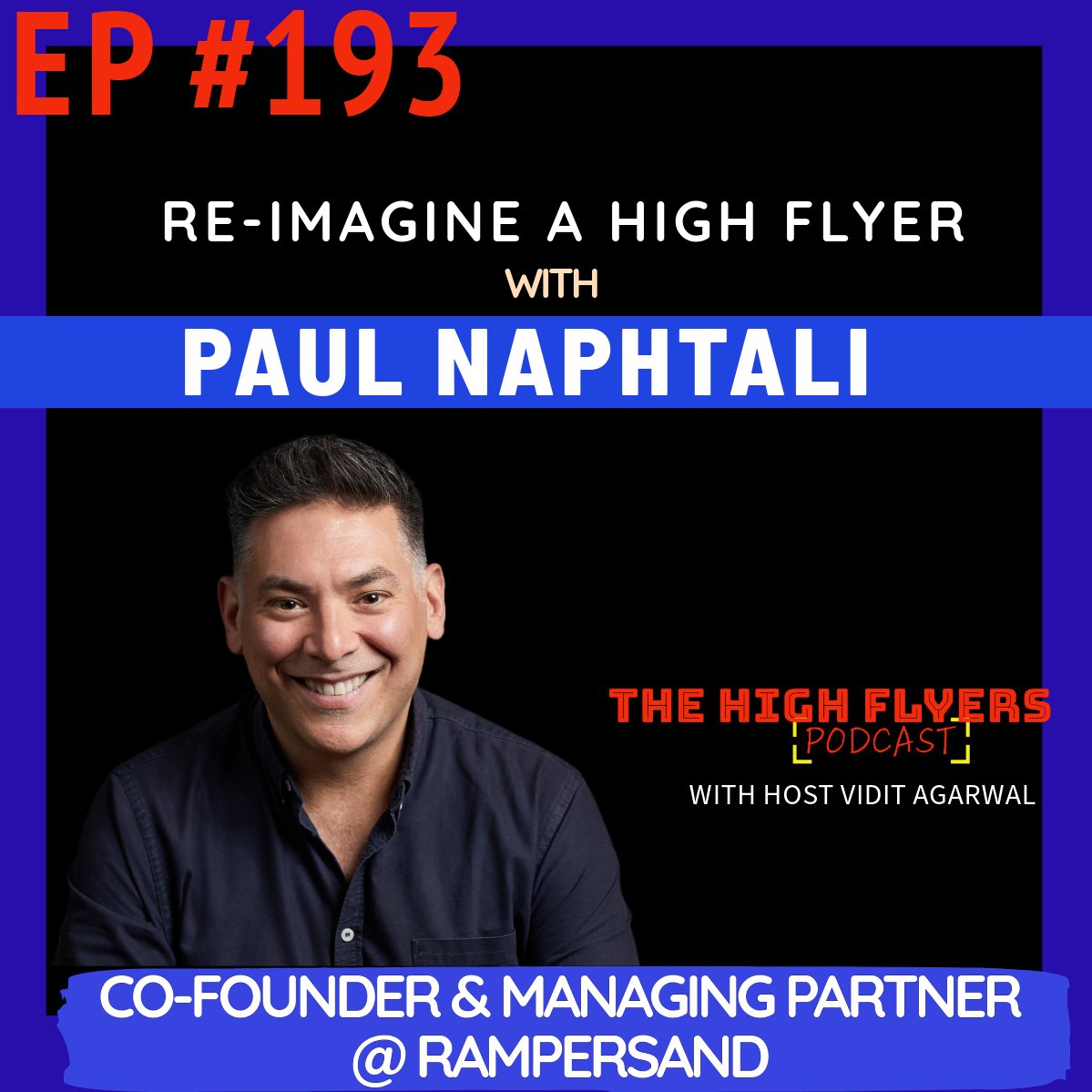
NEW Episode of The High Flyers Podcast is now live!
#193 Paul Naphtali: From PR to VC—Silicon Valley Lessons, Building Rampersand & How great founders win (in a rare public interview)
curiositycenter.xyz/the-high…
3
4
8
698
abhi retweeted

24 Sep 2024
🙌 We are thrilled to announce that we have led Restoke.ai's $5.1m seed round to revolutionise how restaurants are run globally.👨🍳 🚀 forbes.com.au/news/innovatio…
@poetential #startupaus #VCAustralia
1
3
10
624
abhi retweeted

21 Aug 2024
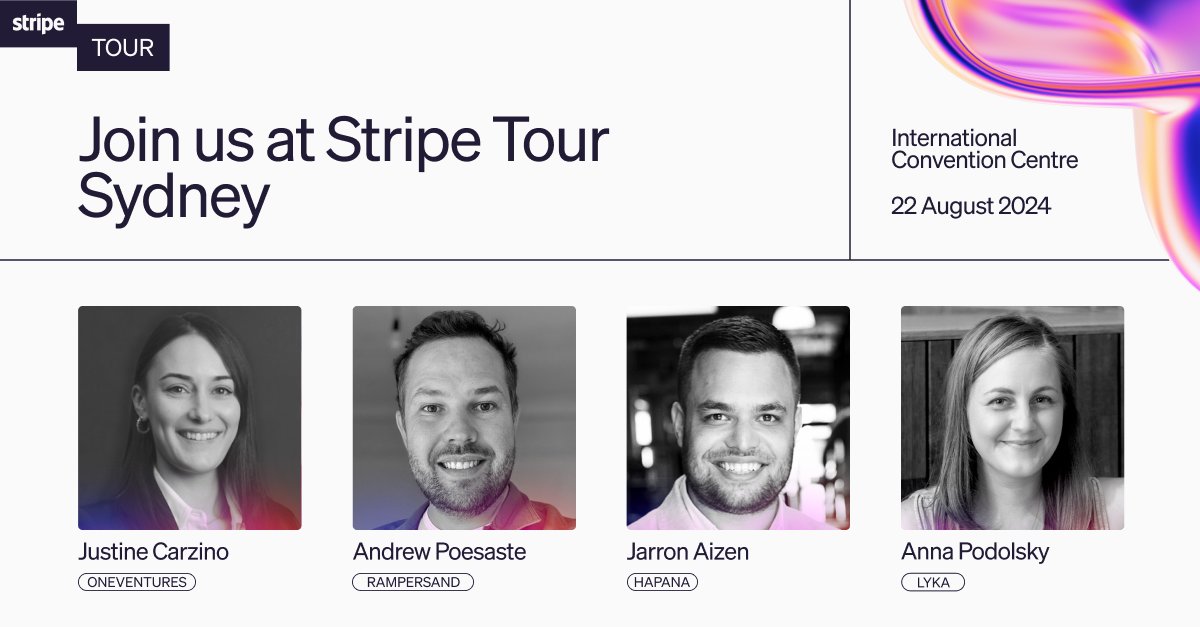
🚀 Growth or profit? The ultimate startup dilemma!
Tomorrow will be a bunch of fun debating at the @stripe Tour. #stripetoursyd
1
1
6
402
abhi retweeted
16 Jul 2024
📣 Our latest edition of Ramplify is out! @abhim_eth reminds us that momentum is everything in startups & to celebrate wins, no matter how small. We share #AI news & the lack of rev yet from the big players, plus an in-depth report from @BondCapital open.substack.com/pub/ramper…
1
2
207
abhi retweeted

14 May 2024
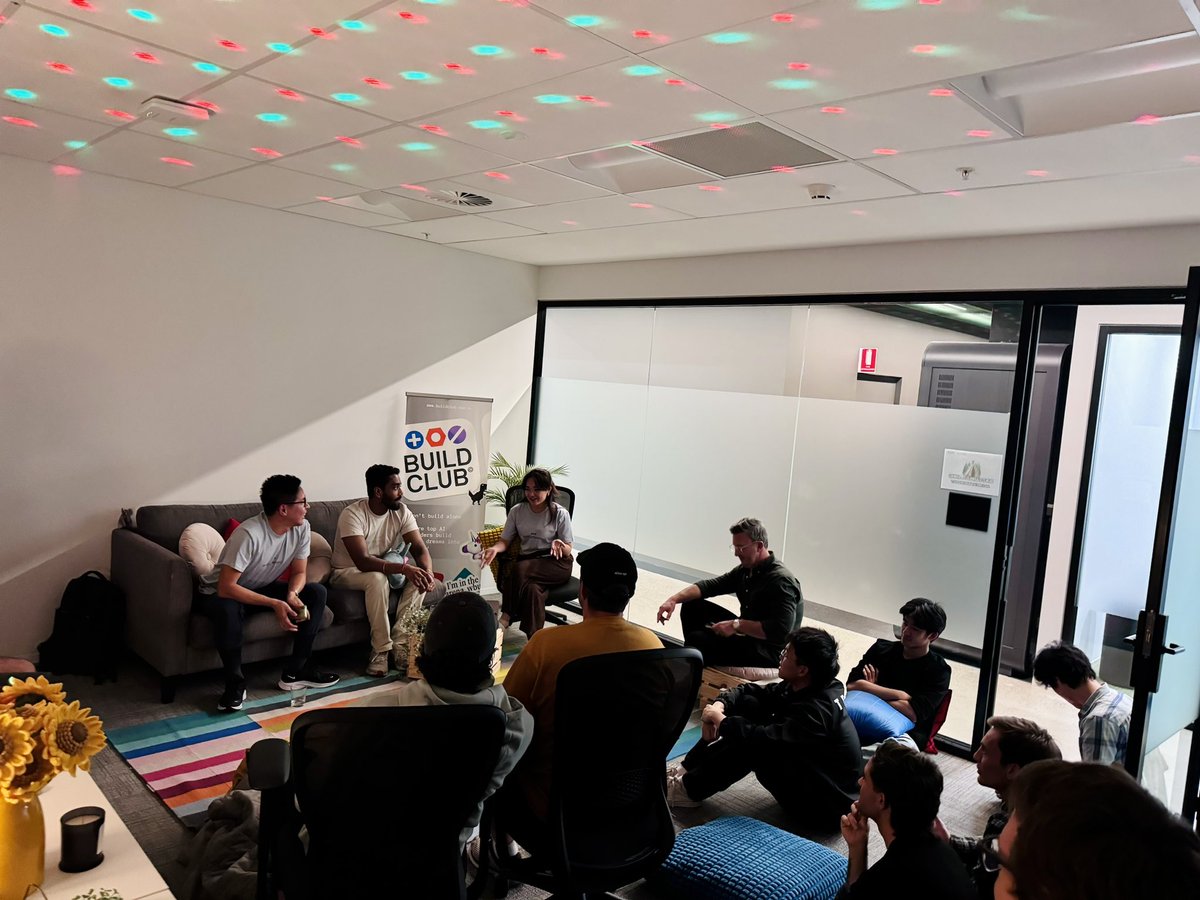
Weekly @the_builderclub fireside chats with the best in the Aussie ecosystem!
Thanks @abhim_eth and @rayn_ong for your time yesterday ✨
1
1
27
1,080
abhi retweeted

9 May 2024
🙈 Here's a cheeky behind-the-scenes peak into how I'm building my dream business.
One of the questions I get asked the most frequently is:
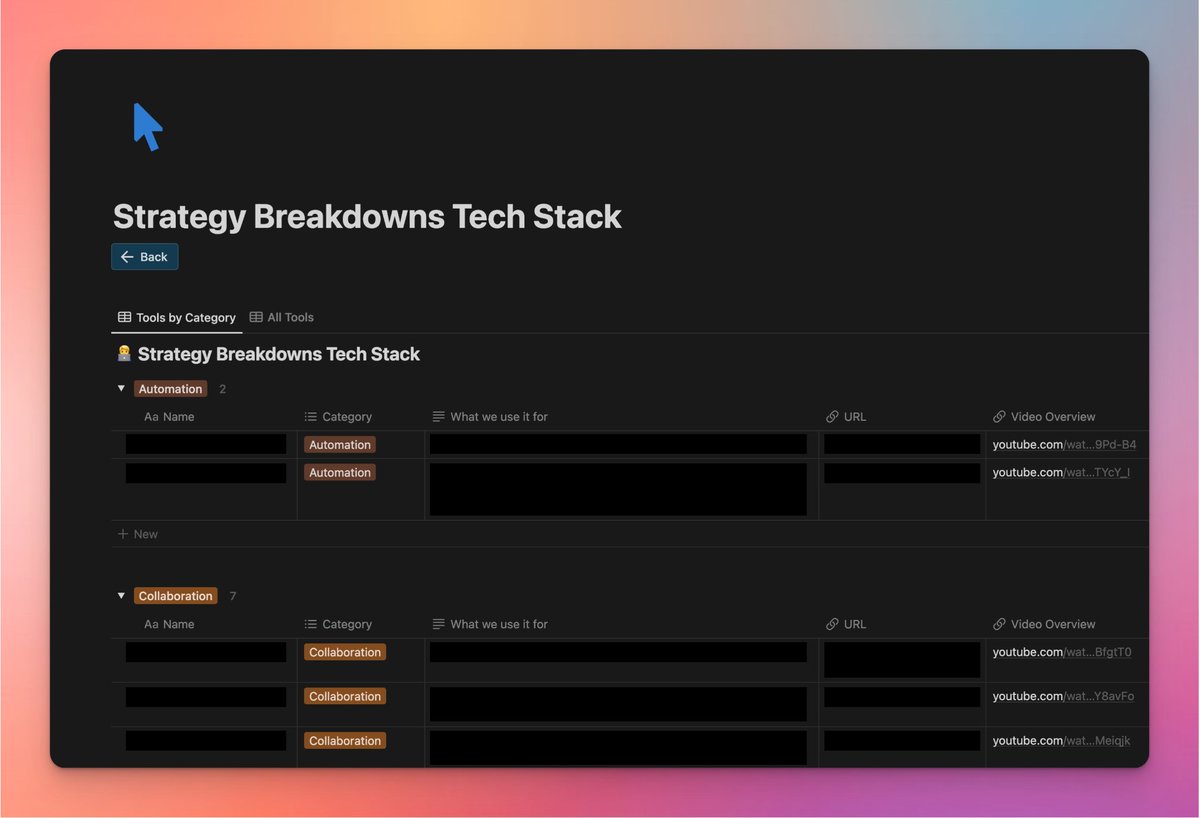
“𝘞𝘩𝘢𝘵 𝘵𝘰𝘰𝘭𝘴 𝘥𝘰 𝘺𝘰𝘶 𝘶𝘴𝘦 𝘵𝘰 𝘳𝘶𝘯 𝘚𝘵𝘳𝘢𝘵𝘦𝘨𝘺 𝘉𝘳𝘦𝘢𝘬𝘥𝘰𝘸𝘯𝘴?”
Over the weekend I treated myself to work on a highly-satisfying side-quest.
→ 𝗧𝗵𝗲 𝗦𝘁𝗿𝗮𝘁𝗲𝗴𝘆 𝗕𝗿𝗲𝗮𝗸𝗱𝗼𝘄𝗻𝘀 𝗧𝗲𝗰𝗵 𝗦𝘁𝗮𝗰𝗸.
A complete list of 30 widgets, apps, and platforms that power the Strategy Breakdowns newsletter, website, and team.
It includes every tool we currently use for:
• Automation
• Collaboration
• Design
• Email Newsletter
• Finance
• Productivity
• Sales
• Social Media
• Website
Plus, an explanation of exactly how we're using each one.
Like repost reply "nice" and I'll DM you the link.
14
3
23
1,864
abhi retweeted
30 Apr 2024
Are you heading to #Sunrise24 by @blackbirdvc today/tomorrow?
@poetential, @abhim_eth & @ScottyDomm from our team will be there for both days, soaking in as much of the program as possible.
Don't be shy! If you're attending and want to chat, say hi. See you there. 🙌
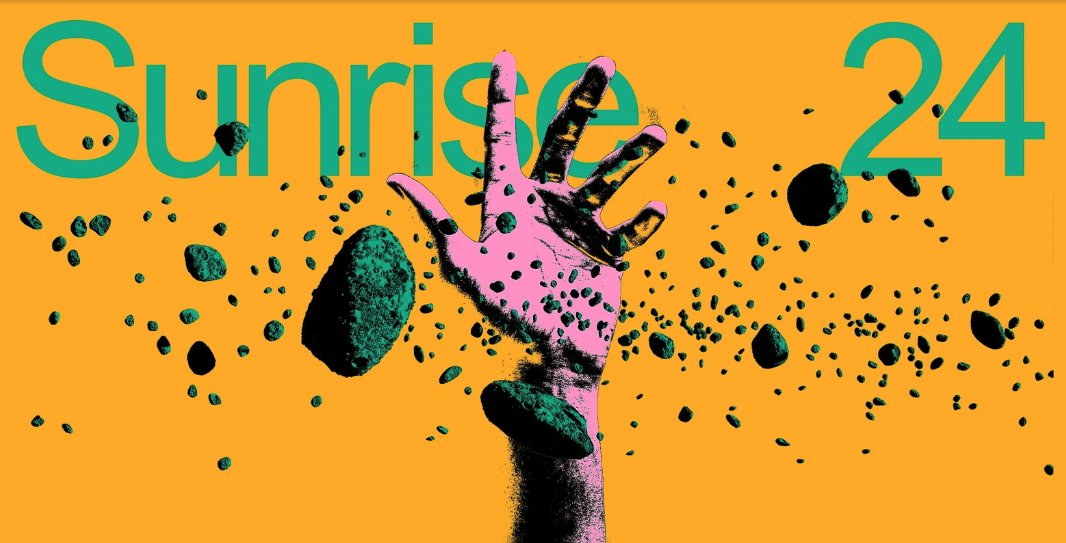
ALT Sunrise 2024 Event Poster: This poster features a pink/purple hand blasting through some green rocks on a bright yellow background, with the words "Sunrise 24" in green at the top.
2
7
426